

Tiny house vs 5th wheel living — which is right for you? Both promise freedom from conventional housing, but they deliver it very differently. Tiny houses offer home-like comfort and decades of durability; 5th wheels offer true mobility and lower entry costs. This honest 2026 comparison breaks down costs, comfort, legality, and lifestyle so you can choose with complete confidence.
Thousands of people weigh this exact decision every year, and the right answer depends entirely on how you actually plan to live day to day. For the full tiny house side of the story in depth, see our honest tiny house pros and cons.
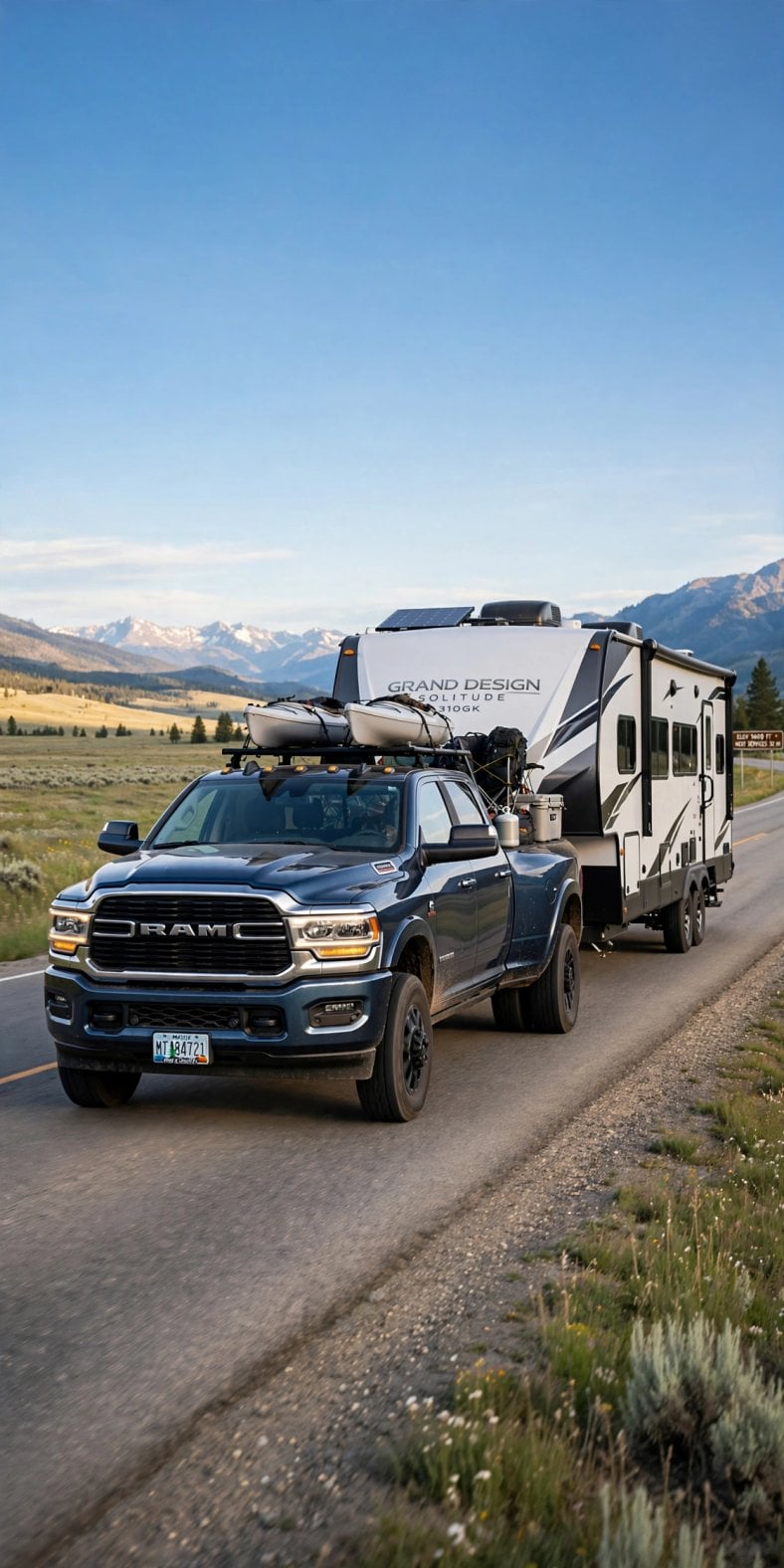
Quick Comparison Table
Purchase price: Tiny house $60,000–$150,000 | 5th wheel $30,000–$100,000 (new). 5th wheels cost roughly half.
Monthly costs: Tiny house $300–$1,200 | 5th wheel $500–$1,500 (parks, fuel, maintenance). Closer than the purchase prices suggest.
Mobility: Tiny house — movable with effort | 5th wheel — designed for frequent travel. 5th wheels win decisively.
Comfort: Tiny house — residential feel | 5th wheel — RV feel. Tiny houses win for full-time stationary living.
Durability: Tiny house 20–50 years | 5th wheel 10–20 years. Tiny houses are built to last longer.
Legal placement: Both face challenges; 5th wheels fit RV parks easily, tiny houses fit residential settings better.
Cost Comparison: Purchase
Tiny houses: $60,000–$150,000 new, $25,000–$80,000 used. Custom builds push $150,000–$200,000. You’re paying for residential-grade construction.
5th wheels: $30,000–$100,000 new, $10,000–$40,000 used. Mass production and RV industry scale keep prices low.
The gap: A comparable-quality tiny house costs 1.5–2× a 5th wheel upfront. But price-per-year-of-life narrows the gap considerably — see the 10-year math below.
Cost Comparison: Monthly Living
Tiny house monthly: $300–$1,200 — space rent or land costs, utilities ($100–$350), insurance ($70–$200), maintenance reserve.
5th wheel monthly: $500–$1,500 — RV park fees ($400–$1,200), higher insurance, fuel for moves, faster depreciation-driven maintenance.
Surprise: 5th wheel living often costs MORE monthly than tiny house living, especially in nice RV parks. The cheap purchase price doesn’t mean cheap living.
Cost Comparison: 10-Year Total
Tiny house 10-year: $100,000–$250,000 all-in (purchase + placement + operating − residual value).
5th wheel 10-year: $90,000–$200,000 all-in — but with near-zero residual value at the end (a 10-year-old 5th wheel is worth little).
Net: Closer than expected. The tiny house costs more upfront but retains value; the 5th wheel costs less upfront but depreciates to nearly nothing. Over a decade, the difference is often under $30,000.
Comfort: Daily Living Feel
Tiny houses: Real stairs, full-size appliances, residential windows and doors, solid feel underfoot. Guests say “nice house,” not “nice camper.”
5th wheels: RV-grade everything — thinner walls, smaller appliances, more plastic, that distinctive RV feel. Comfortable, but unmistakably a recreational vehicle.
Insulation: Tiny houses typically insulate to residential standards (R-13 to R-21 walls). 5th wheels vary wildly — many are 3-season units that struggle in real winter.
Noise: Tiny houses are quieter — solid construction dampens sound. 5th wheels transmit more road, rain, and neighbor noise.
Mobility: How Often Will You Move?
5th wheels: Designed for it — hitch up and go in under an hour. Full-timers move weekly or monthly. This is what they’re for.
Tiny houses (THOW): Movable, but it’s a production — permits, pilot cars for wide loads, professional movers ($2,000–$8,000 per move). Realistic move frequency: 1–3 times per year max.
The decision rule: Moving monthly or more → 5th wheel. Moving yearly or less → tiny house. Between? Be honest about which you’ll actually do.
Durability and Lifespan
Tiny houses: 30–50 year structural life with maintenance — residential construction, real roofs, real foundations or heavy-duty trailers.
5th wheels: 10–20 years — lighter construction, rubber roofs needing replacement, delamination risks. They’re built for recreation, not decades.
Maintenance intensity: 5th wheels need more frequent attention — roof resealing, seal inspections, slide-out maintenance. Tiny houses maintain like small homes.
Legal Placement
5th wheels: Welcome at RV parks nationwide — thousands of options, $400–$1,200/month. Easy, legal, no questions asked. Boondocking on public land adds free options.
Tiny houses: RV parks sometimes accept THOWs, sometimes don’t. Residential placement (backyard, private land) is the tiny house advantage — 5th wheels look out of place and often violate residential rules.
Zoning: Both face gray areas, but differently — 5th wheels are clearly RVs (allowed where RVs are allowed), while THOWs sit between RV and house classifications.
Financing
5th wheels: Standard RV loans — widely available, 7–9%, 10–15 years, even at dealerships. The easiest financing in this comparison.
Tiny houses: RV loans for certified THOWs, personal loans otherwise — available but less standardized. Cash purchases are more common.
Resale Value
Tiny houses: Depreciate 5–8% annually after year one; quality builds hold value reasonably. A 5-year-old tiny retains 60–70% of value.
5th wheels: Depreciate 15–20% in year one, then 8–10% annually. A 5-year-old 5th wheel retains 40–50% of value. Faster depreciation is the hidden cost.
Who Should Choose a Tiny House
Stationary or slow-travel lifestyles: You want a home base, maybe moving yearly or less.
Comfort prioritizers: Residential feel matters — real stairs, full kitchen, quiet walls.
Long-term thinkers: You want something lasting decades, with better value retention.
Residential placement: Backyard, private land, or tiny community — settings where a 5th wheel would look wrong.
Who Should Choose a 5th Wheel
Frequent travelers: Monthly moves or full-time travel — this is the 5th wheel’s reason to exist.
Budget-first buyers: $30,000–$50,000 gets you a solid used 5th wheel and a truck — the cheapest path to mobile living.
RV park lifestyle: You like park amenities, community, and the simplicity of pulling in and hooking up.
Uncertain committers: Lower cost means lower risk if you discover mobile living isn’t for you.
The Truck Question
5th wheels need a truck: A 3/4-ton or 1-ton pickup — $30,000–$70,000 if you don’t own one. This is the cost 5th wheel comparisons often hide. Factor it in.
Tiny houses don’t: Professional movers handle transport. No truck purchase required — though you’ll need a vehicle regardless.
Total entry cost: 5th wheel ($40,000) + truck ($45,000) = $85,000 — suddenly comparable to a tiny house. Run YOUR numbers with the truck included.
Insurance Compared
Tiny house insurance: $800–$2,500/year — specialty THOW policies or standard homeowners for foundation builds. Agreed-value options available.
5th wheel insurance: $500–$1,500/year — standard RV insurance, widely available, easy to quote. Full-timer policies cover personal liability on the road.
The difference: 5th wheel insurance is simpler and cheaper to obtain — it’s a mature market. Tiny house insurance requires specialty insurers and more paperwork. Neither is difficult, but RV insurance is more commoditized.
Winter Living: 4-Season Reality
Tiny houses: Built to residential insulation standards, tiny houses winter well — mini-splits, good windows, and thermal mass from solid construction. Skirt the undercarriage and heat-trace pipes.
5th wheels: Only true 4-season models (enclosed/heated underbelly, upgraded insulation, dual-pane windows) handle real winter. Standard 3-season 5th wheels struggle below freezing — pipes freeze, furnaces run constantly, condensation soaks walls.
The test: If you’ll winter somewhere cold, verify the 4-season rating in writing. “All-weather” marketing without specs is meaningless. Tiny houses win winter by default; 5th wheels win only with the right (pricier) package.
Working from Home in Each
Tiny houses: Easier to carve a real office — a dedicated nook with a door, residential internet options (fiber/cable at fixed locations), quiet for calls.
5th wheels: Mobile internet (Starlink, cellular) is excellent now, but workspace is tighter and park WiFi is unreliable. Slide-outs help; road noise during travel days disrupts schedules.
Verdict: Stationary remote work favors tiny houses; traveling remote work is the 5th wheel’s home turf. Match to your work-travel pattern.
The Hybrid Option: Why Not Both?
Some owners do both: A tiny house as home base plus a small travel trailer or van for trips. Best of both worlds — residential comfort at home, real mobility on the road.
The math: Used tiny ($50,000) + used travel trailer ($15,000) = $65,000 — comparable to one new 5th wheel, with more total flexibility.
Who it suits: People who want a genuine home but travel 2–4 months a year. The tiny house waits (low carrying costs); the trailer handles the adventures.
Community and Social Life
Tiny house communities: Intentional, often tight-knit — shared values, shared spaces, long-term neighbors. Slower to find, deeper when you do.
RV parks: Social but transient — great for meeting travelers, harder for lasting roots. Park culture varies enormously: quiet retiree parks versus party-hearty resorts.
Neither: Both options can isolate if you choose remote placements. Community takes effort in any small dwelling — join local groups, coworking spaces, or volunteer regardless of your housing type.
Environmental Impact Compared
Construction footprint: Tiny houses use more materials per unit but last 2–3× longer — lifetime material efficiency favors the tiny house.
Operating energy: Similar per square foot; tiny houses edge ahead with better insulation standards. 5th wheels traveling frequently burn significant diesel — a full-timer’s fuel footprint can exceed the housing savings.
Consumption: Both lifestyles discourage accumulation. The greenest choice is whichever one keeps you stationary, efficient, and buying less — usually the tiny house, unless the 5th wheel replaces frequent flying.
Making Your Decision: 5 Questions
1. How often will I move? Monthly or more → 5th wheel. Yearly or less → tiny house. This single question decides for most people.
2. Where will I park? RV parks and campgrounds → 5th wheel. Backyard, private land, or tiny community → tiny house.
3. What matters more: comfort or mobility? Be honest — there’s no wrong answer, but you can’t maximize both.
4. What’s my real budget including the truck? Price the 5th wheel WITH the tow vehicle. The gap shrinks fast.
5. How long will I do this? 2–3 years → 5th wheel’s lower commitment shines. 10+ years → the tiny house’s durability pays off.
Frequently Asked Questions
Is it cheaper to live in a tiny house or 5th wheel?
5th wheels cost less to buy ($30k–$100k vs $60k–$150k) but often cost similar or more monthly (park fees, fuel, faster depreciation). Over 10 years the totals are surprisingly close — usually within $30,000. Include the truck cost for 5th wheels.
Can you live full-time in a 5th wheel?
Yes — hundreds of thousands do. Choose a 4-season model with good insulation, plan for RV park or boondocking logistics, and budget for faster maintenance cycles than a house. It’s a proven lifestyle, not an experiment.
Which lasts longer: tiny house or 5th wheel?
Tiny houses — 30–50 years versus 10–20 for 5th wheels. Residential-grade construction, real roofs, and heavier framing give tiny houses 2–3× the lifespan. This durability is a major factor in the 10-year cost math.
Do I need a special license to tow a 5th wheel?
In most US states, no special license for recreational towing under 26,000 lbs combined. Some states require non-commercial Class A/B for heavier combos — check your state’s rules. Tiny houses on wheels often need oversize permits per move regardless.
Can a 5th wheel go where a tiny house can?
Not exactly — 5th wheels excel at RV parks and campgrounds (thousands of options); tiny houses excel at residential placement (backyards, private land, tiny communities). Each fits where the other doesn’t. Choose based on where you want to live.
Try before you buy: the single best investment before choosing is a week in each. Rent a tiny house for a long weekend ($400–$800), then rent a 5th wheel for the next ($500–$900 including the park). You’ll learn more from seven days of cooking, sleeping, working, and parking each one than from seventy hours of research. Pay special attention to mornings — the bathroom queue, the coffee routine, the getting-ready dance. Whichever mornings feel easier is telling you something your spreadsheet can’t.
Final Considerations
Tiny house vs 5th wheel living isn’t a contest with one winner — it’s a lifestyle match. Choose the tiny house if you want a home that happens to be small: residential comfort, decades of durability, and a place that feels permanent even when it’s movable. Choose the 5th wheel if you want freedom that happens to have walls: true mobility, lower entry cost, and the open road as your neighborhood. The most expensive mistake isn’t picking the “wrong” one — it’s picking without honesty about how often you’ll actually move, where you’ll actually park, and which daily feel will make you happy for years. Answer those three questions truthfully, rent each type for a week if you can, and the choice makes itself.