
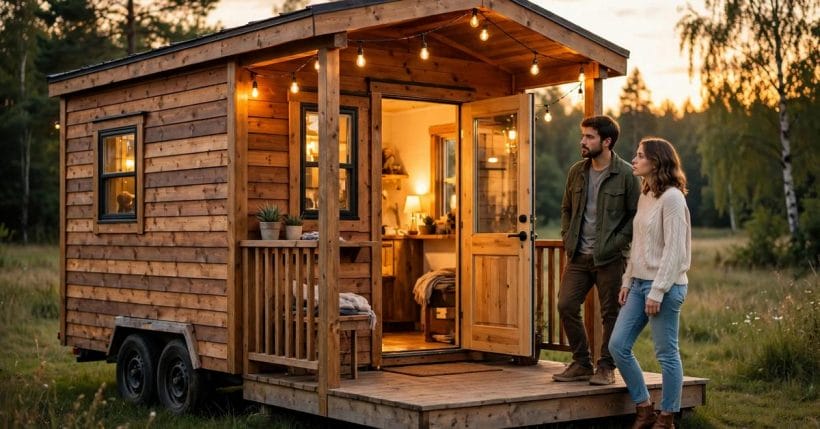
Dreaming of breaking free from rent, a mortgage and rooms full of clutter? Before the plunge comes one honest question: could you live in a tiny house — really live there, happily, every ordinary day? This guide walks the ten readiness areas the quiz weighs, so you can face the truth first — and take the quiz knowing yourself.
Could You Live in a Tiny House: At a Glance
The Tiny Living Readiness Quiz below is a short self-assessment built on a series of thought-provoking questions — a journey of self-discovery through your values, your priorities and your willingness to take the leap. This article unpacks what it really measures: ten readiness areas, from embracing minimalism to planning resale, each one a theme the original Tiny Living 101 guide names. Work through them honestly and the quiz stops being a verdict and becomes a mirror — one that shows where you are ready, where you still have some growing to do, and what to prepare next.
| Readiness Area | What It Tests | The Honest Signal |
|---|---|---|
| Embracing Minimalism | Your possessions — clutter vs. the essential | You can let go without grief |
| Lifestyle Alignment | Daily habits, work and social needs | Your days fit the footprint |
| Legal Readiness | Zoning laws, building codes, permits | You know your local rules |
| Financial Preparedness | Land, materials, construction, savings | The upfront cost is budgeted |
| Off-Grid Capabilities | Solar power and self-sufficient water | You can run your own systems |
| Designing for Efficiency | Multi-functional furniture, storage, layouts | Function beats decoration |
| Emotional Readiness | Change, simplicity, possible isolation | You welcome the quieter life |
| Maintenance Readiness | Upkeep, repairs, replacements, DIY | You will pick up the tools |
| Community Readiness | Forums, workshops, local groups | You will seek your people |
| Resale Readiness | The market, value and the future | The exit is planned early |
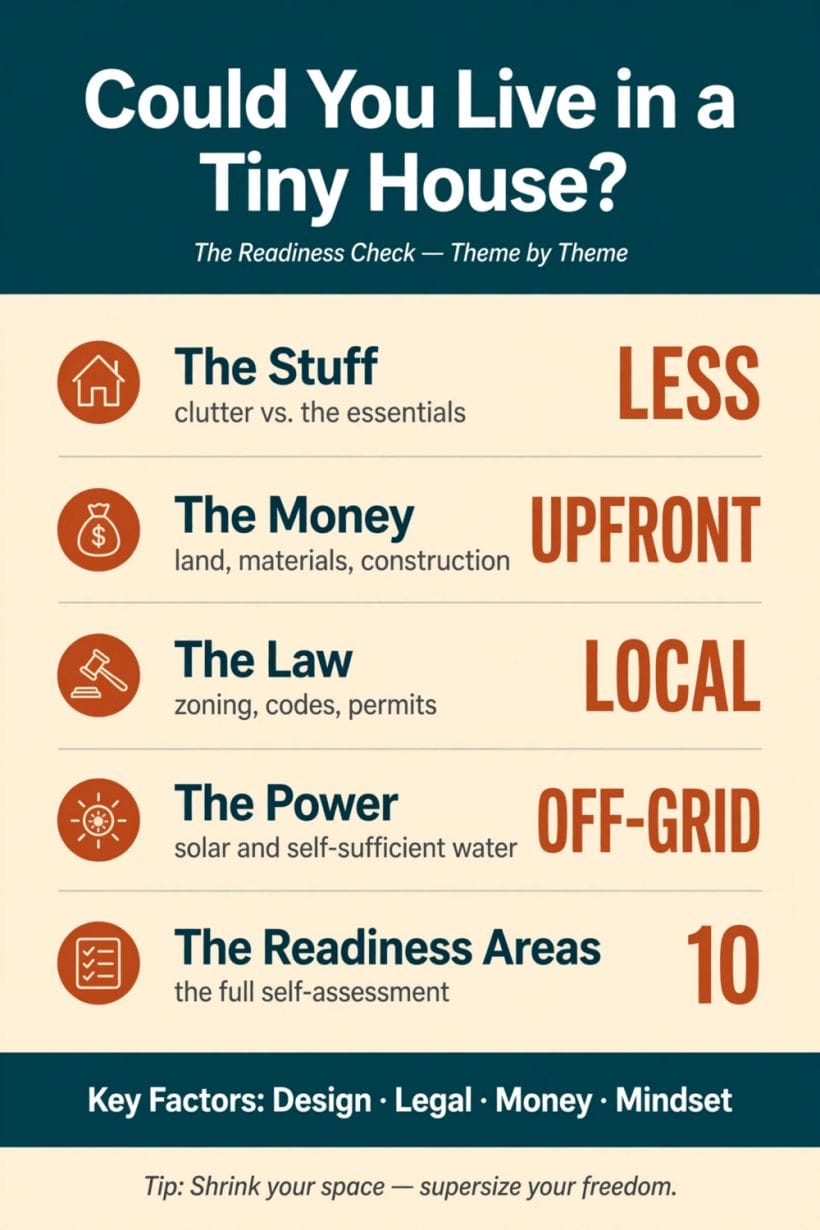
The readiness check by theme: less stuff, upfront money, local law, off-grid power — and ten areas to weigh before the leap.
1. Embracing Minimalism: The Stuff Test
Tiny living requires a significant reduction in possessions — that is the original’s opening truth, and it is where readiness begins. The question is not whether your belongings are nice; it is whether you can downsize them and live with only what is necessary. Walk your current home in your mind: the wardrobe, the kitchen drawers, the garage. Which of it earns its place weekly, and which of it is simply stored?
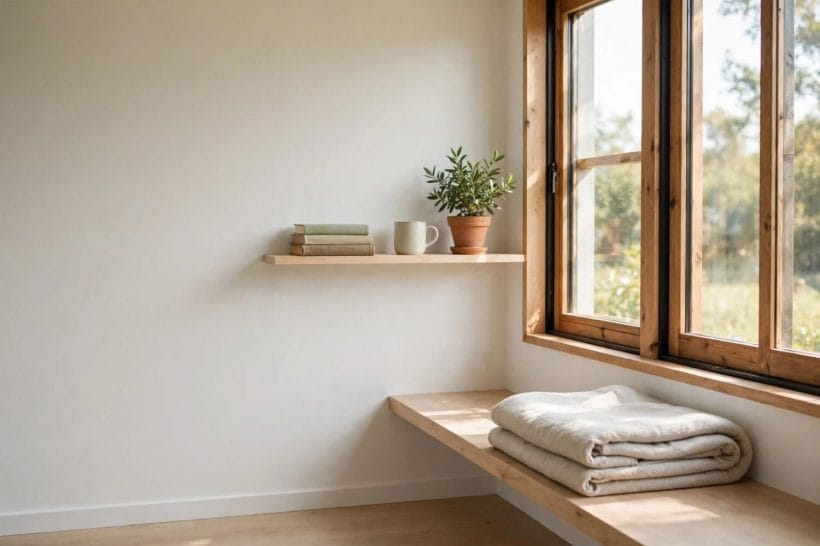
Be honest with yourself, as the original insists. Letting go of clutter is not a single purge but a focus shift — onto what is truly essential, the things you use, love and would carry into a smaller life without a second thought. Readers who pass this test usually feel relief at the thought, not grief. If parting with the extras feels like losing a part of yourself, that is not failure — it is information, and it is exactly what the quiz is designed to surface.
2. Lifestyle Alignment: Your Days, Only Smaller
A tiny house comes with limitations on space, so the next area asks whether your lifestyle fits within those constraints. Consider your daily habits first: where do you actually spend your hours — cooking, working, resting, hosting? Then your work requirements: can your job happen at a fold-down desk, or does it need a room of its own? And your social needs: do friends gather at your table every week, or do you meet the world outside?
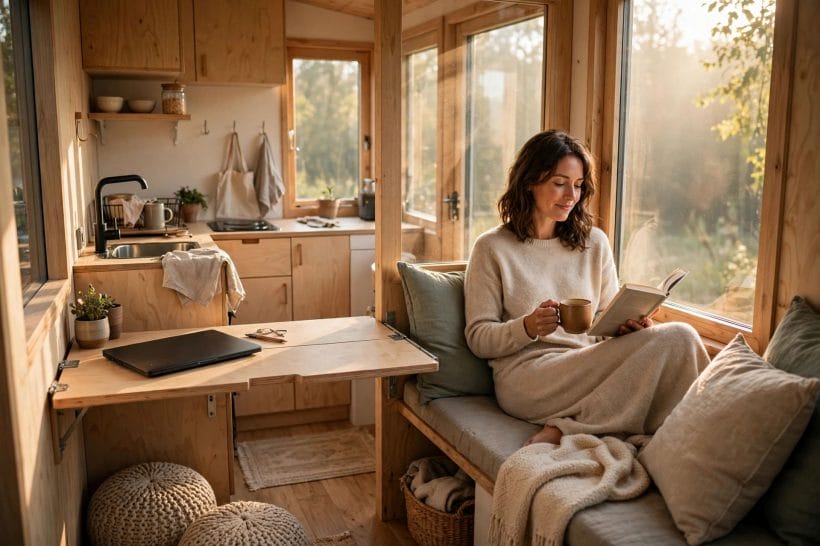
The honest signal is adaptability. Tiny living rewards people who can make the most of a smaller living space — who see a window seat as a reading nook, a desk and a breakfast bar in one. If your days already orbit a few loved corners of a bigger home, the footprint may fit you better than you expect. If every hobby needs its own room and equipment wall, the fit will fight you daily — and no floor plan can argue with that.
3. Legal Readiness: Zoning, Codes and Permits
Know your local laws and regulations — the original puts it plainly, and this area separates dreamers from movers. Zoning laws, building codes and permits can vary greatly depending on your location: what is welcomed in one county can be refused in the next, and the same house can be legal on one plot and impossible on another. Legal readiness means knowing the requirements for tiny houses in your area before money changes hands, so there are no surprises after the house arrives.
Start with the land itself. Where a tiny house may sit — and for how long — is a local decision, which is why our guide to where to buy tiny house lots belongs in your reading before any viewing. The prepared reader treats the rulebook as part of the design: unglamorous, decisive, and far cheaper to learn early than late. Readiness here is homework, not fear of paperwork — the rules are knowable, and knowing them early turns them from obstacles into boundaries you design inside.
4. Financial Preparedness: The Upfront Investment
Tiny homes can be less costly than conventional houses, but they often require an upfront investment — and readiness here is measured in savings, not enthusiasm. The original names the three big buckets: the cost of land, the cost of materials and the cost of construction. Add delivery, hookups and the systems the later areas describe, and the honest total is the number your budget has to carry before you ever sleep a night in the house.

Consider your budget and savings before making the leap. If financing is part of your plan, start with how do you finance a tiny house and weigh the routes honestly; if the budget is the binding constraint, how to make a tiny house for cheap shows where the money can be saved without cutting the bones. Financial readiness is not wealth — it is a plan that survives contact with real prices.
5. Off-Grid Capabilities: Power, Water and Self-Sufficiency
Tiny living often means relying on alternative energy sources, like solar power, and self-sufficient water systems. This area asks two honest questions: are you prepared to invest in these systems, and are you prepared to maintain them? Off-grid life is a rhythm as much as a technology — watching the weather as a power forecast, treating water as something you manage rather than something that simply arrives.
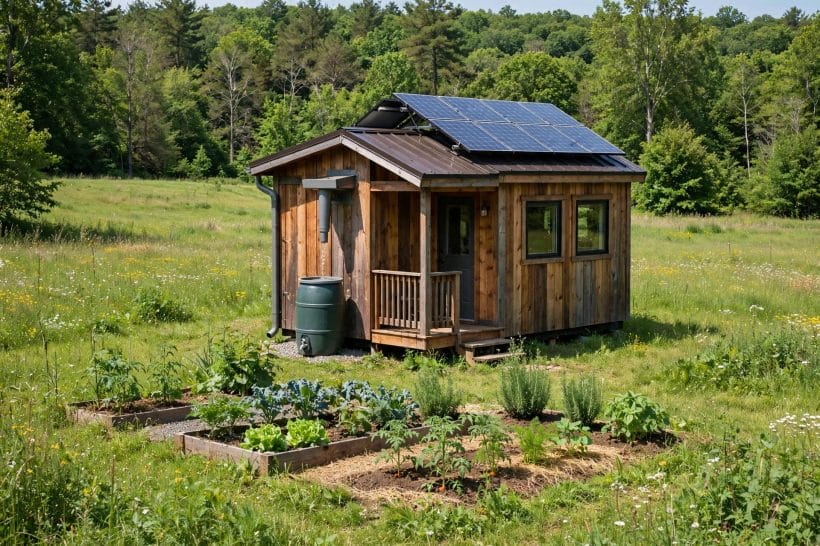
Consider your ability to adapt to off-grid living and the costs associated with it. The systems themselves are well understood — our breakdown of how much solar panels cost for a tiny house walks through the main one — but the readiness is personal: a smaller margin for waste, a closer eye on consumption, and genuine pleasure in providing for your own household. If that sounds like freedom, this area is a strength. If it sounds like chores, grid-connected tiny living may be your honest answer.
6. Designing for Efficiency: Every Inch Working Twice
Tiny homes require clever design to maximize space, and this area tests your design savvy — the excerpt’s own phrase. Are you prepared to think creatively about multi-functional furniture, storage solutions and layouts? The wall bed that becomes a sofa, the stairs that are also drawers, the table that folds away after dinner: in a tiny house, a thing that does one job is a luxury and a thing that does two is the plan.
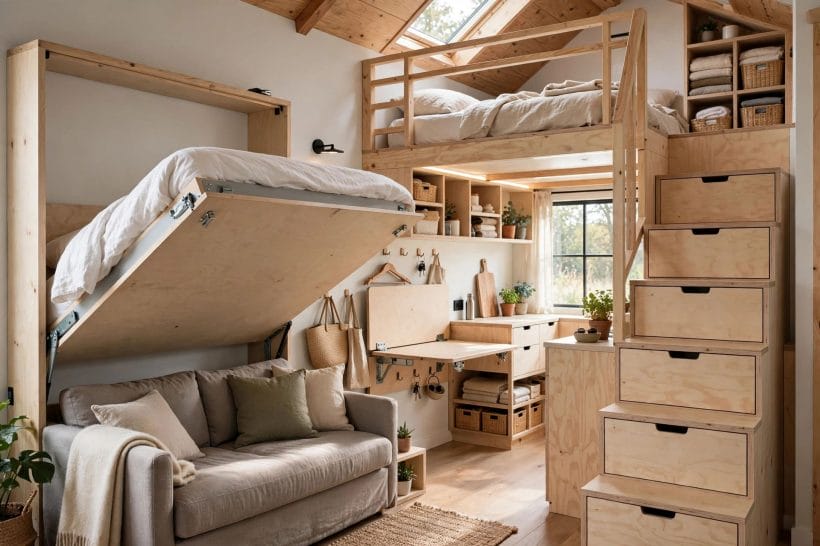
The sharper question follows: can you prioritize functionality over aesthetics? Not abandon beauty — the best tiny interiors are beautiful — but let the working answer lead and the look follow. Readers who sketch their days onto a floor plan before choosing finishes are usually ready for this area; our DIY-friendly tiny house plans show how the layouts carry the life. Design readiness is imagination with a tape measure.
7. Emotional Readiness: The Inner Move
The move into a tiny house is physical, but the harder move is internal. Tiny living requires a significant lifestyle change, and this area asks whether you are emotionally prepared to adapt — to a smaller living space, to potential isolation, and to a more simplified way of life. There is less room to hide from a bad day, less distance from the people you live with, and fewer things to distract you from your own thoughts.

Consider your mental and emotional readiness for this change with the same honesty as the money. For many people the simplification is the point: fewer rooms to clean, fewer bills to fear, a life that feels deliberately chosen. The original frames the whole quiz as facing the truth — and here the truth is simply whether the quieter, smaller life sounds like relief or like loss. Both answers are useful; only the honest one helps.
8. Maintenance Readiness: Upkeep, Repairs and DIY
Tiny homes require regular maintenance to ensure they remain safe and functional — a small house is not a maintenance-free one. Seals, systems, wheels, roofs and the hundred small fittings of a compact build all ask for attention on a schedule, and small problems in a small space do not stay politely in another room. This area asks whether you are prepared to take on these responsibilities, including upkeep, repairs and replacements.
Consider your DIY skills and your ability to handle maintenance tasks honestly. You do not need to be a builder — you need a temperament: noticing early, learning willingly, and knowing when a job is yours and when it belongs to a professional. A tiny house rewards the owner who treats upkeep as part of the lifestyle, a Saturday ritual rather than a surprise. If fixing things feels like a burden you would resent monthly, count that as real data about fit. The quiz simply asks whether that rhythm of small, regular care sounds like tending a home — or like a chore you would quietly dread.
9. Community Readiness: Finding Your People
Tiny living can be a unique and isolating experience — the original says so plainly — and this area tests whether you will go looking for your people. Are you prepared to seek out networks of tiny home enthusiasts for support, advice and community? The knowledge that keeps a tiny life running smoothly often lives in other people’s experience: what broke, what worked, what they would never do again.
The channels are open to anyone: joining online forums, attending workshops, or connecting with local tiny house groups. Seeing the life up close helps too — walking a real community, like the Dallas tiny house community, turns abstract questions into conversations with people already living the answers. Community readiness is simply the refusal to do a new life alone; the tribe exists, and finding it is part of the journey.
10. Resale Readiness: Planning the Exit Before You Enter
Eventually, you may need to sell your tiny house — and the original insists that readiness includes the exit. Circumstances change: work moves, families grow, health shifts, curiosity calls elsewhere. Are you prepared for the resale process when the time comes? A house bought with its future buyer somewhere in mind is a house chosen with clearer eyes.
Consider researching the market, understanding the resale value of tiny homes, and planning for the future from the very first decision. Build quality, certification, condition and honest pricing all decide how the story ends; our guide to the true cost of tiny houses: prefab vs DIY shows how the purchase choices echo at resale. Resale readiness is not doubt — it is the confidence that your tiny chapter can close well whenever it needs to.
The Tiny Living Quiz: Could You Live in a Tiny House?
Reading about readiness is the warm-up — the quiz below is the test. Answer its questions the way you answered these ten areas: honestly, before hopefully. You may emerge with a newfound sense of confidence, or discover that you still have some growing to do; either way, remember the original’s closing counsel — tiny living is a journey, not a destination, and the most important thing is that you are taking the first step towards a life of simplicity, freedom and adventure. Start your journey now — and when you are done, scroll on to the tiny living examples below and see how people actually live this life.
Are you dreaming of breaking free from the shackles of rent, mortgages, and cluttered living spaces? Do you fantasize about a life of simplicity, freedom, and adventure?
Then tiny living might be the answer! But, before you take the plunge, it’s essential to ask yourself: Are you truly ready for the tiny house lifestyle?
Tiny living is more than just a trendy hashtag or a cute Instagram aesthetic. It’s a lifestyle that requires a deep understanding of oneself, a willingness to adapt, and a commitment to simplicity.
Take the First Step
Our Tiny Living Readiness Quiz is designed to help you assess your readiness for this unique lifestyle. Through a series of thought-provoking questions, we’ll guide you on a journey of self-discovery, exploring your values, priorities, and willingness to take the leap.
Get Ready to Face the Truth
Will you emerge from this quiz with a newfound sense of confidence and readiness for tiny living? Or will you discover that you still have some growing to do?
There’s only one way to find out! Take the first step towards tiny living and discover whether you’re truly ready to shrink your space and supersize your freedom.
Start Your Journey Now!
Loading the QUIZ…
Keep in Mind:
Remember, tiny living is a journey, not a destination. It’s okay to take your time, and it’s okay to make mistakes. The most important thing is that you’re taking the first step towards a life of simplicity, freedom, and adventure.
Tiny Living 101: Preparing for a Big Life in a Small Space
Let’s talk about transitioning to a tiny home. Discover the essentials from zoning laws to lifestyle changes and learn how to financially and emotionally prepare for your new, compact way of living.
Embracing Minimalism
Tiny living requires a significant reduction in possessions. Are you prepared to let go of clutter and focus on what’s truly essential? Be honest with yourself: can you downsize your belongings and live with only what’s necessary?
Read: Epic Water Towers Converted to Cozy High Homes
Lifestyle Alignment
Tiny houses come with limitations on space. Will your lifestyle fit within those constraints? Consider your daily habits, work requirements, and social needs. Can you adapt to a smaller living space and make the most of it?
Legal Readiness
Know your local laws and regulations! Zoning laws, building codes, and permits can vary greatly depending on your location. Ensure you’re aware of the legal requirements for tiny houses in your area to avoid any surprises.
Financial Preparedness
While tiny homes can be less costly, they often require an upfront investment. Are you financially prepared to invest in your tiny house, including the cost of land, materials, and construction? Consider your budget and savings before making the leap.
Read: Hit the Highway in Style with a Home on Wheels
Off-Grid Capabilities
Tiny living often means relying on alternative energy sources, like solar power, and self-sufficient water systems. Are you prepared to invest in and maintain these systems? Consider your ability to adapt to off-grid living and the costs associated with it.
Designing for Efficiency
Tiny homes require clever design to maximize space. Are you prepared to think creatively about multi-functional furniture, storage solutions, and layouts? Can you prioritize functionality over aesthetics?
Emotional Readiness
Tiny living requires a significant lifestyle change. Are you emotionally prepared to adapt to a smaller living space, potential isolation, and a more simplified way of life? Consider your mental and emotional readiness for this change.
Maintenance Readiness
Tiny homes require regular maintenance to ensure they remain safe and functional. Are you prepared to take on these responsibilities, including upkeep, repairs, and replacements? Consider your DIY skills and ability to handle maintenance tasks.
Read: Survive Any Disaster with These Primitive Shelters
Community Readiness
Tiny living can be a unique and isolating experience. Are you prepared to seek out networks of tiny home enthusiasts for support, advice, and community? Consider joining online forums, attending workshops, or connecting with local tiny house groups.
Resale Readiness
Eventually, you may need to sell your tiny house. Are you prepared for the resale process? Consider researching the market, understanding the resale value of tiny homes, and planning for the future.
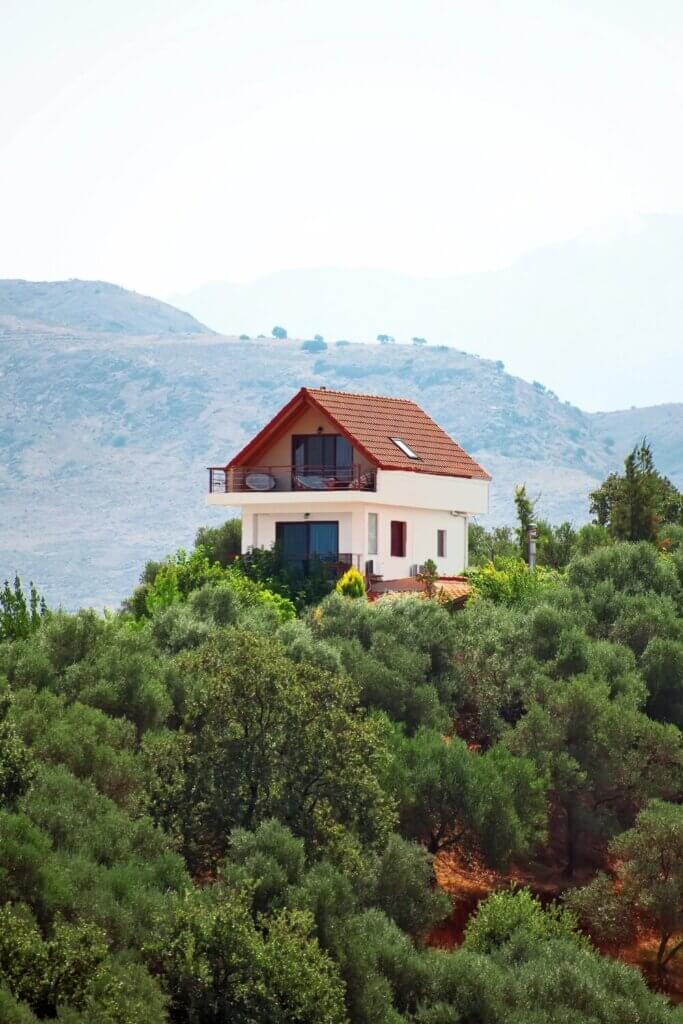
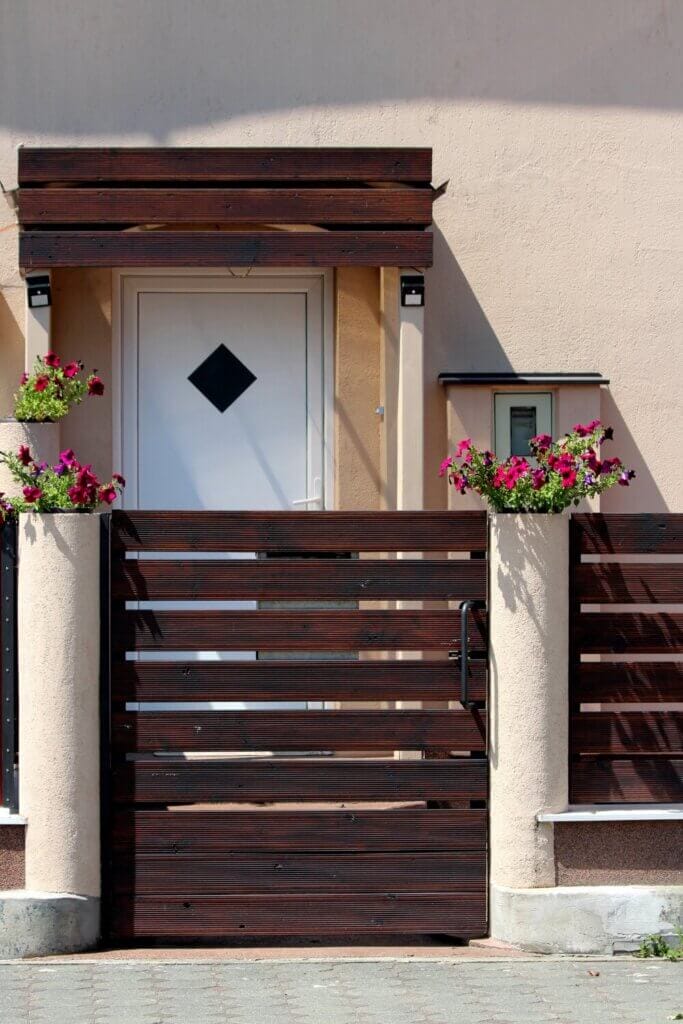
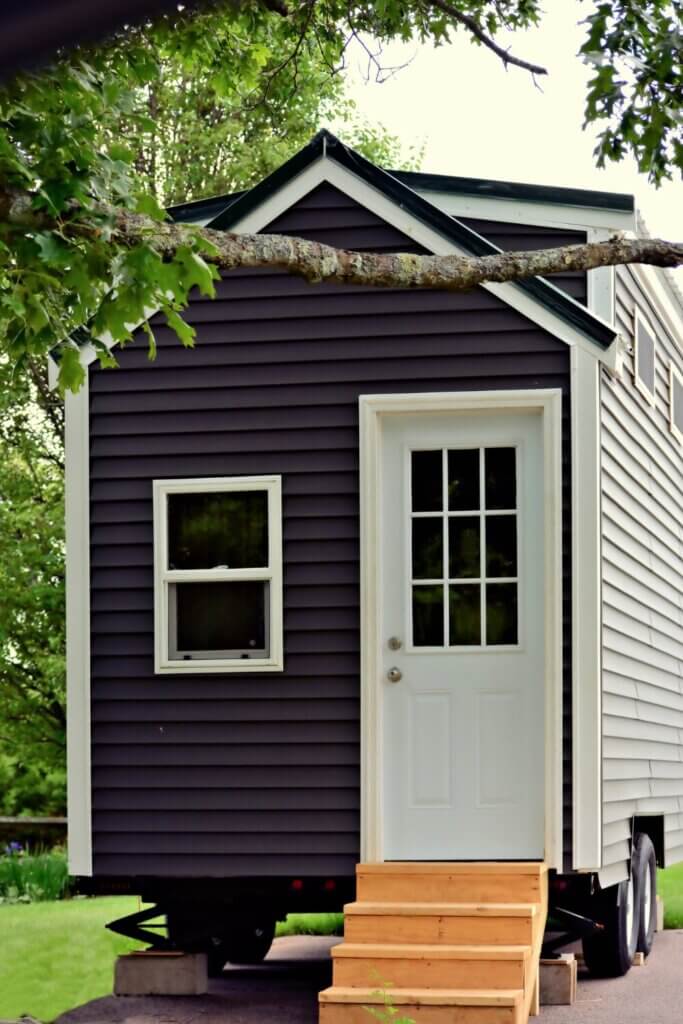
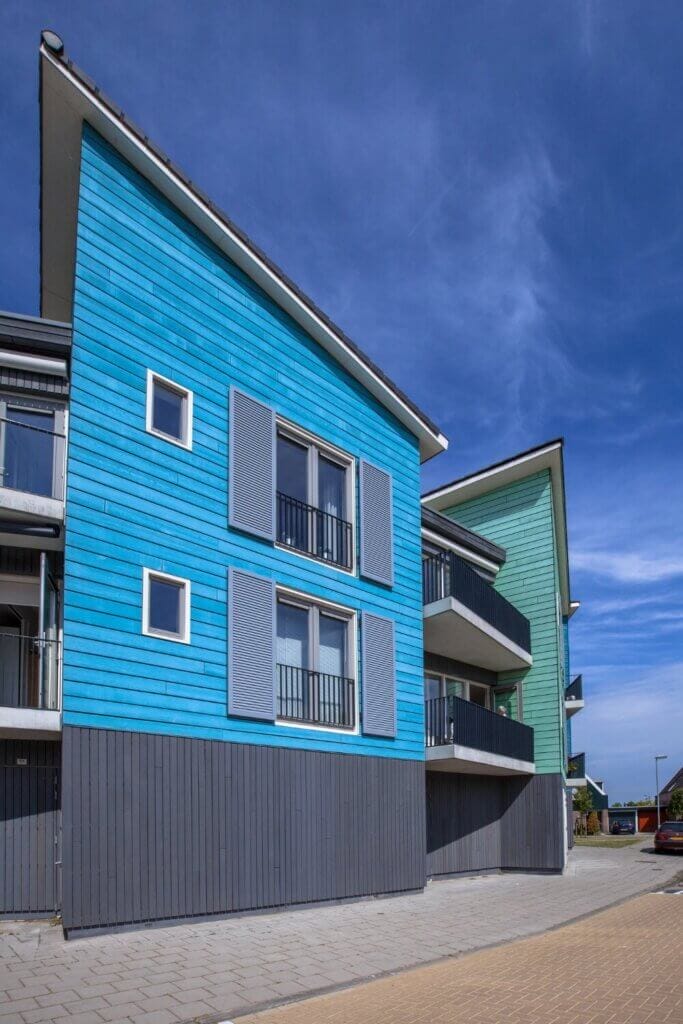
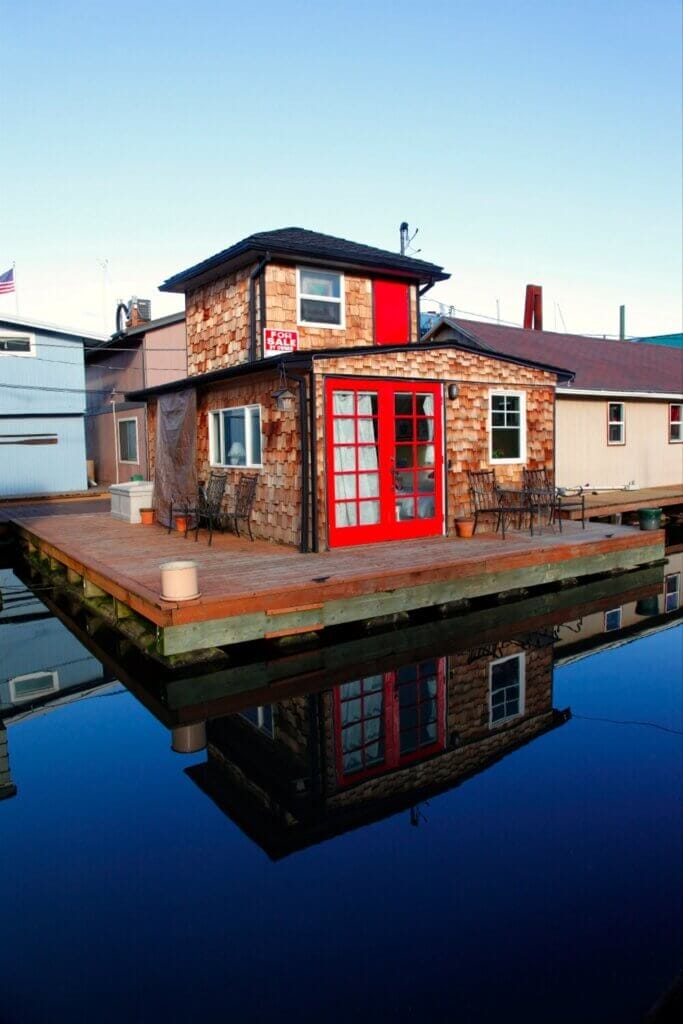
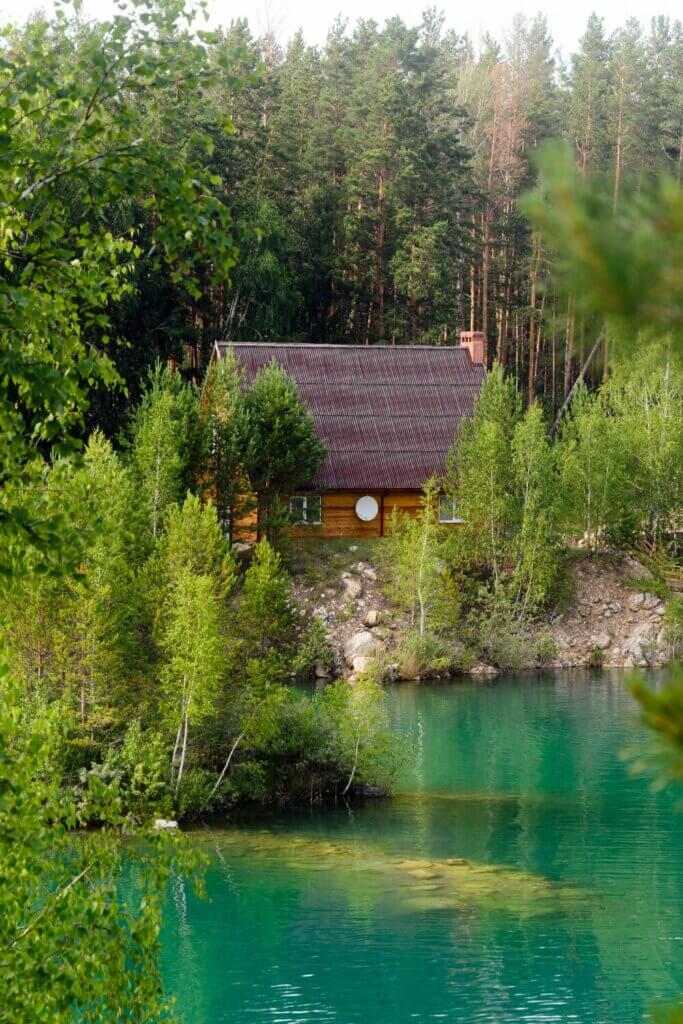
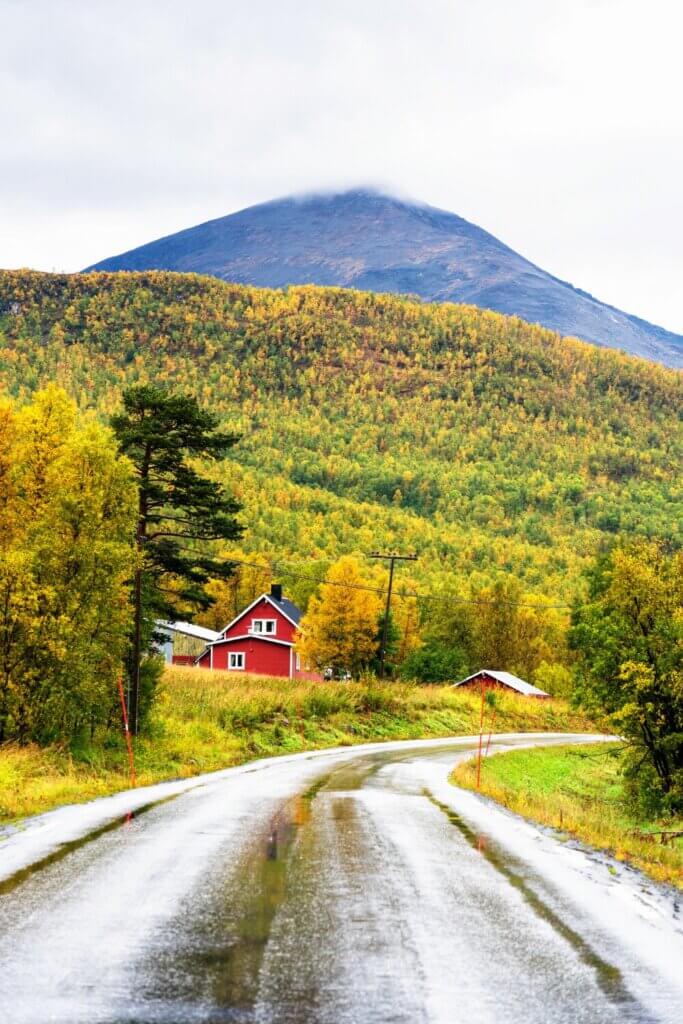
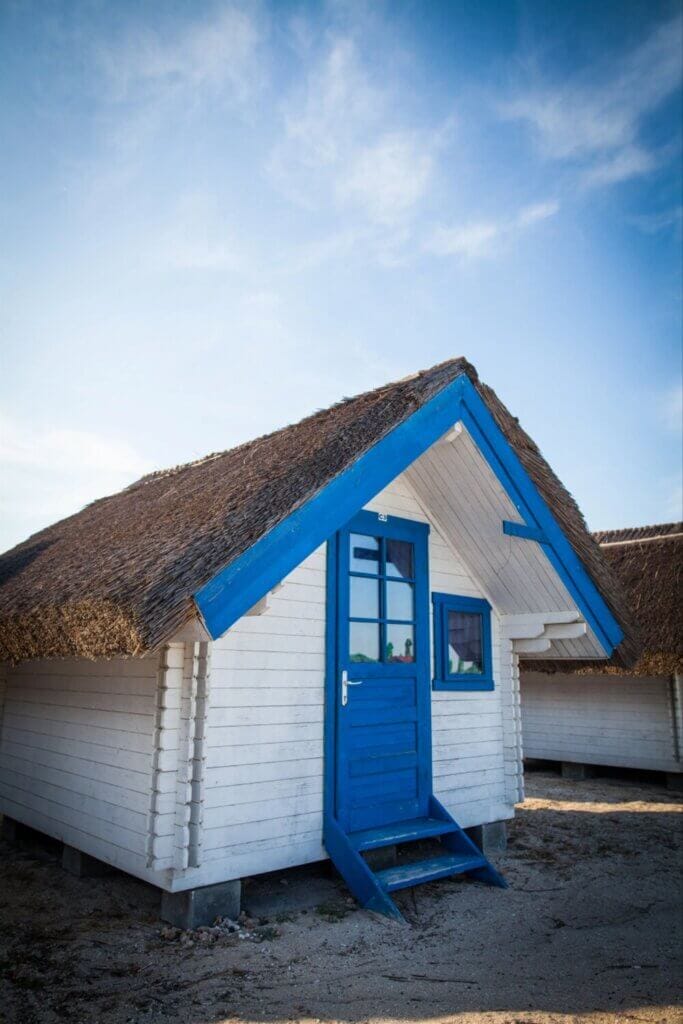
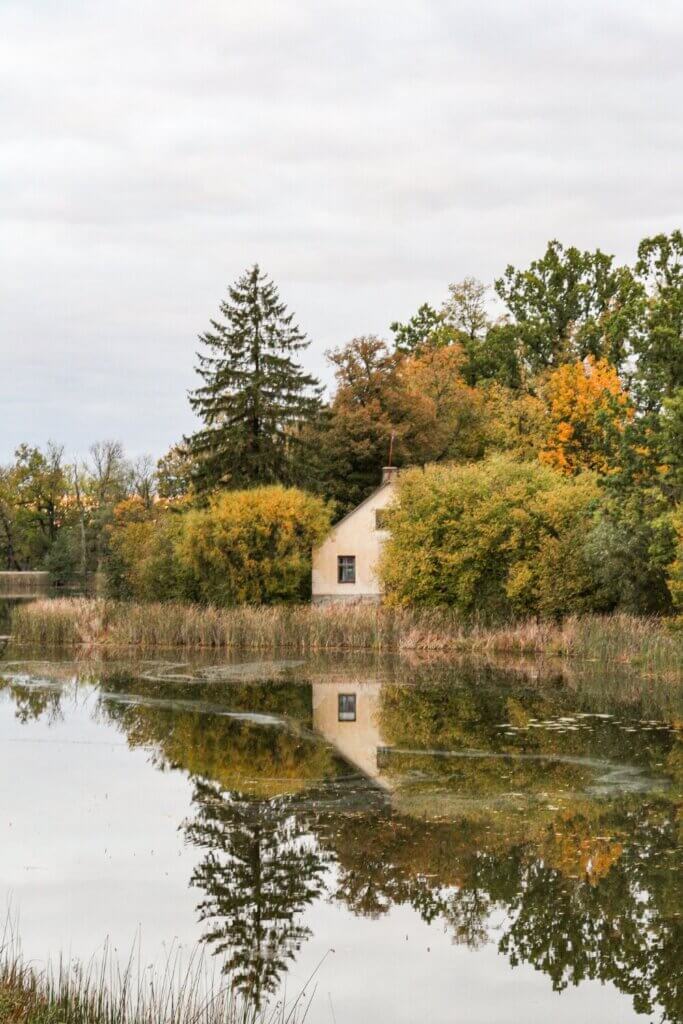
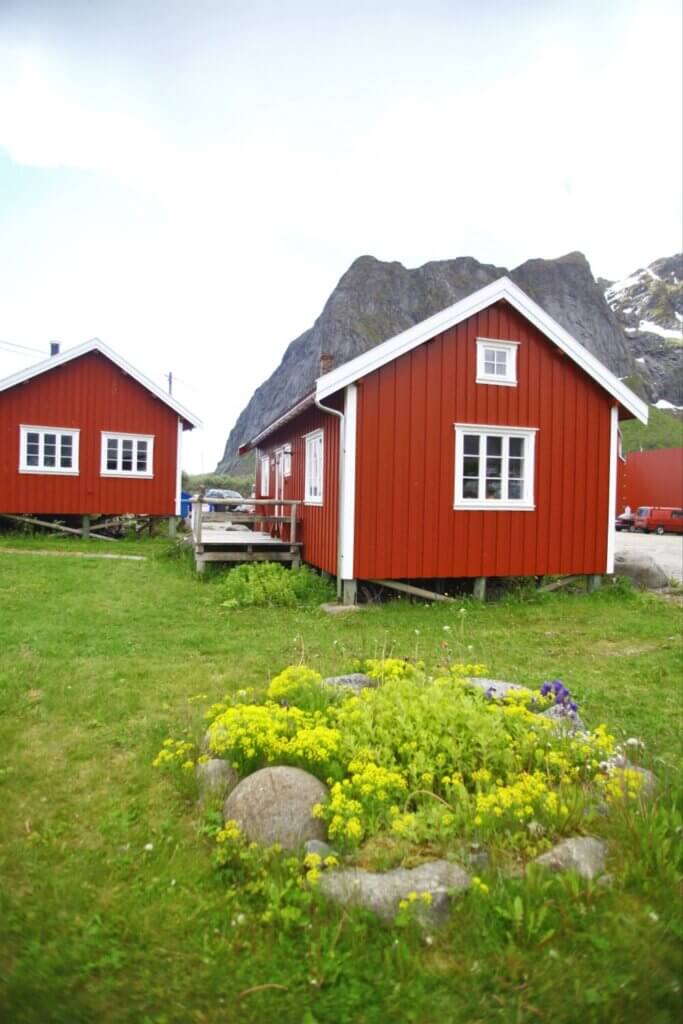
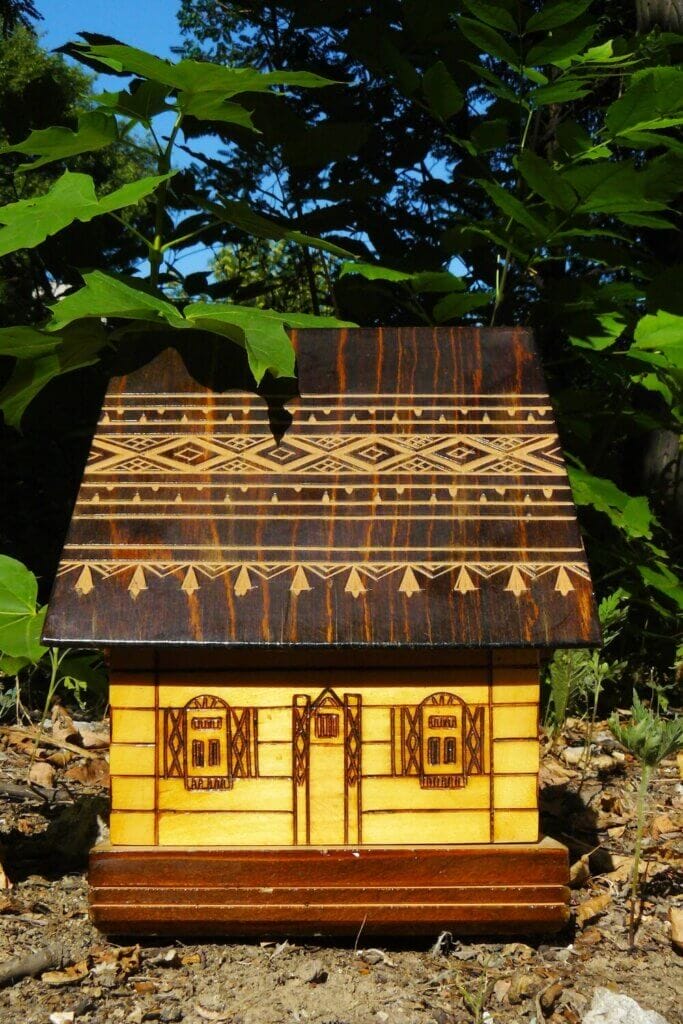
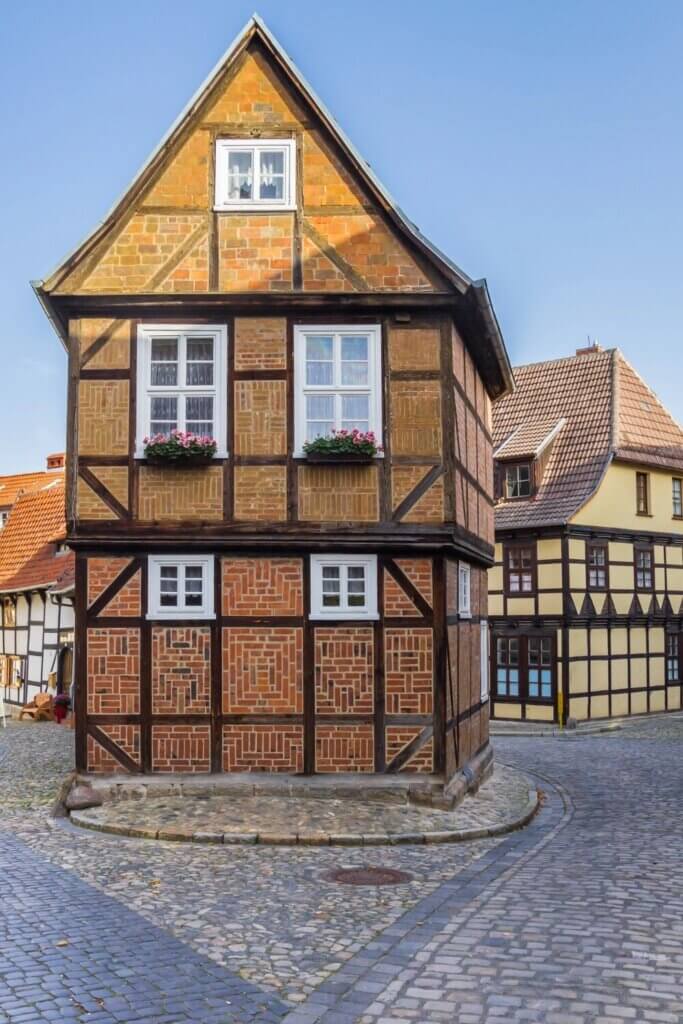
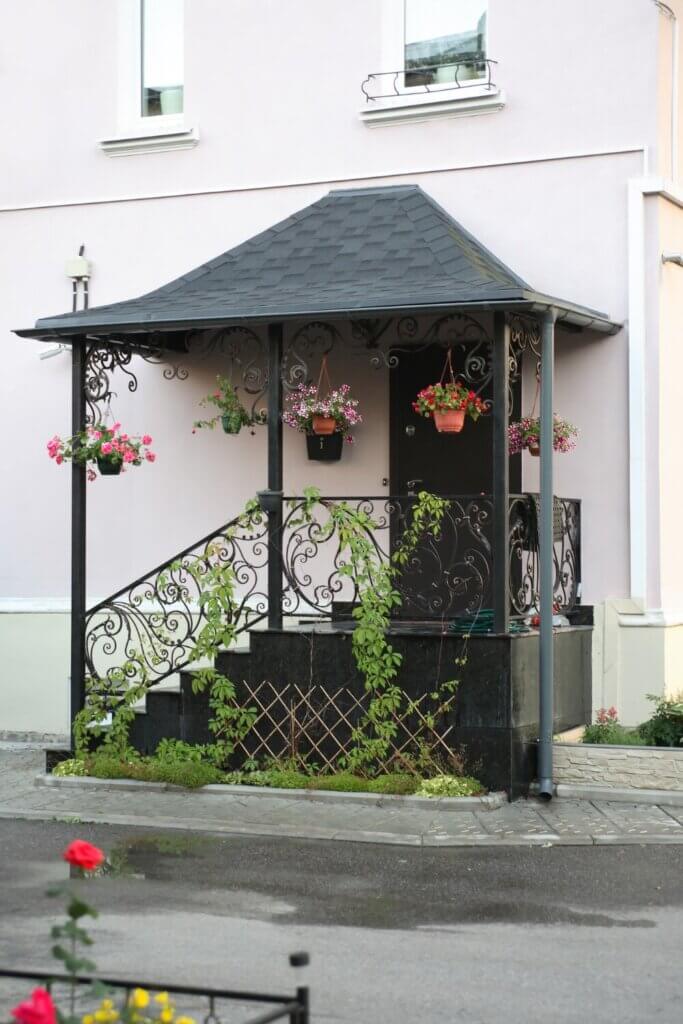
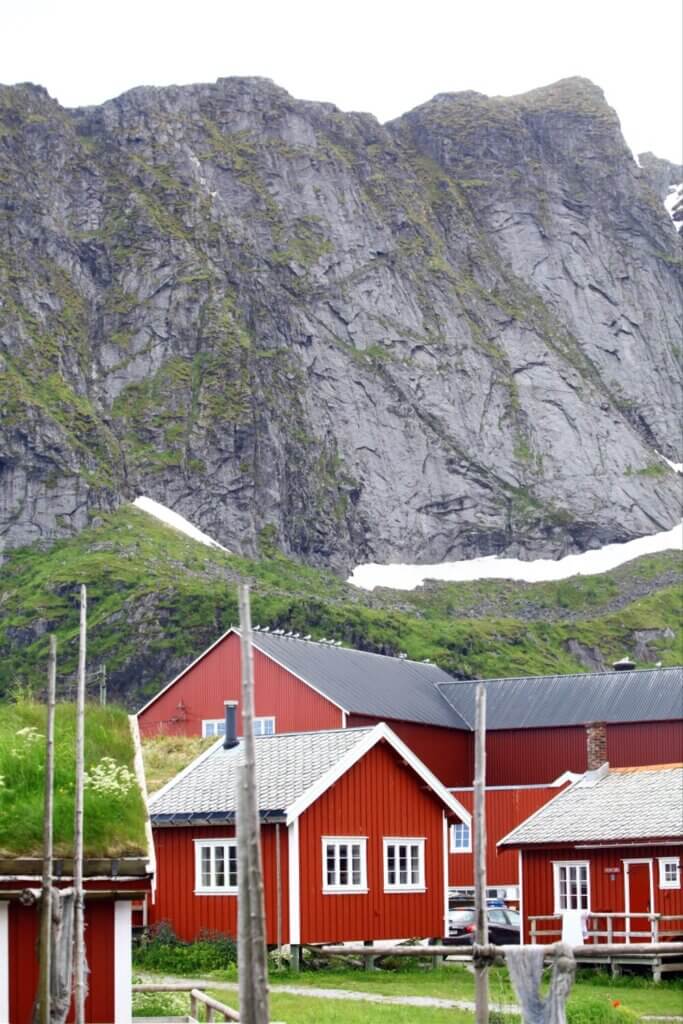
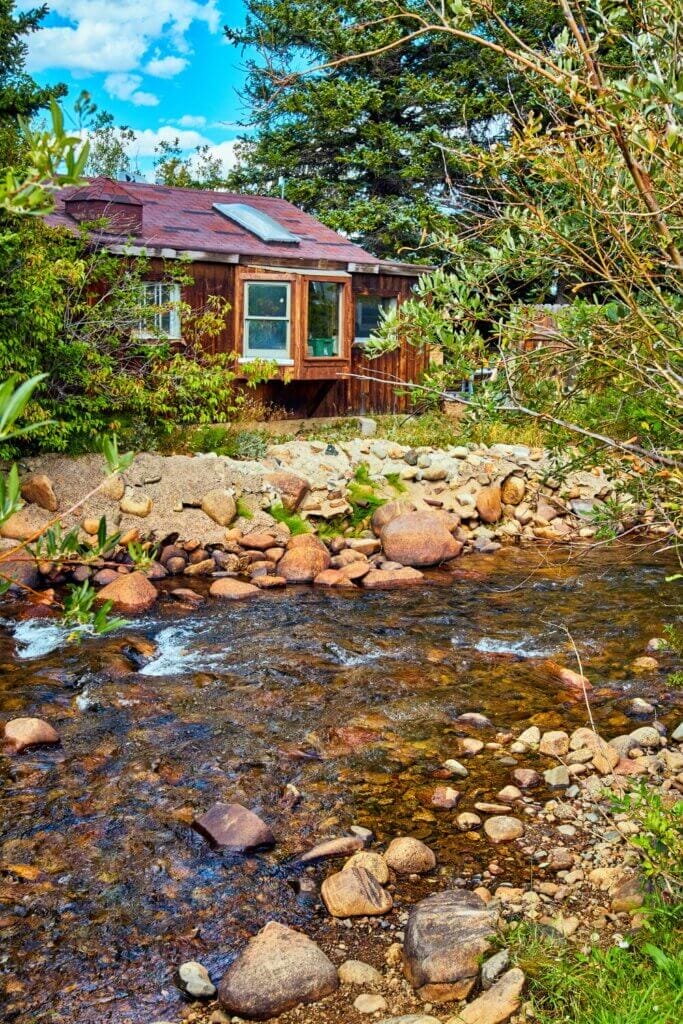
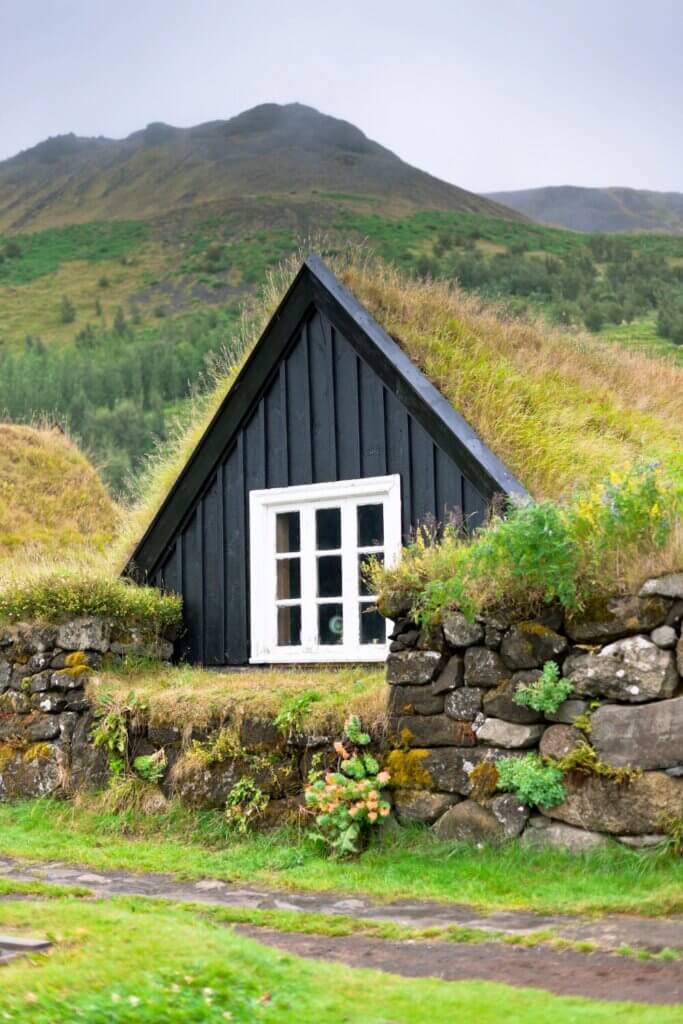
Tiny Living Examples
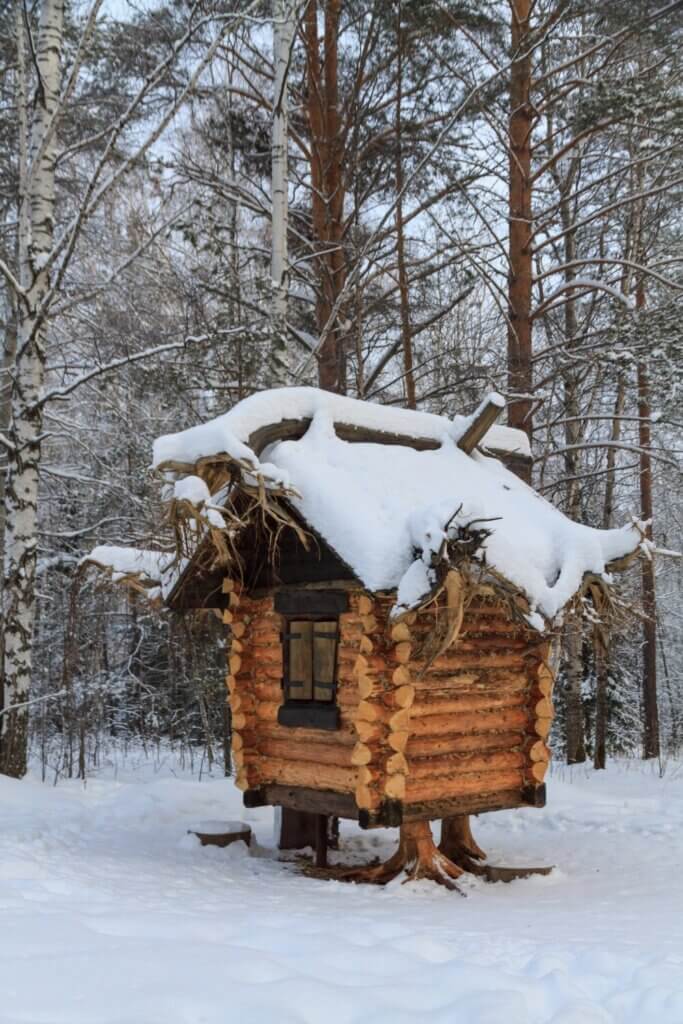
Let’s show you how people live in tiny houses.






So, what’s next?
Take the lessons you’ve learned from this quiz and start building your tiny house journey. Research, plan, and prepare for the adventure of a lifetime. And when you’re ready, take the leap and start living your best tiny life!
Happy Tiny Living!



0 Comments