
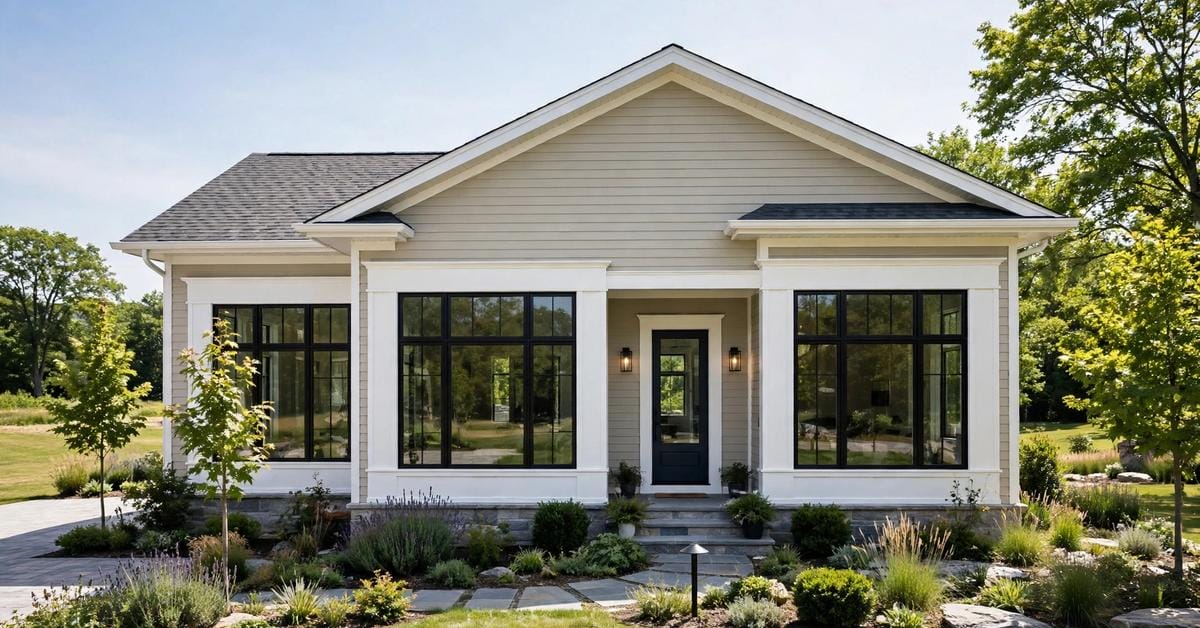
Stand across the street from a house and notice what your eye finds first. It is the frame around the windows: a broad border that gives each opening weight, or a thin line that lets the glass disappear into the wall.
This guide to exterior window trim looks at that choice alone — the width of the frame — and what a wider frame does to proportion, profile, colour, material and upkeep, before a professional fits anything.
1. How Width Changes the Face of a House
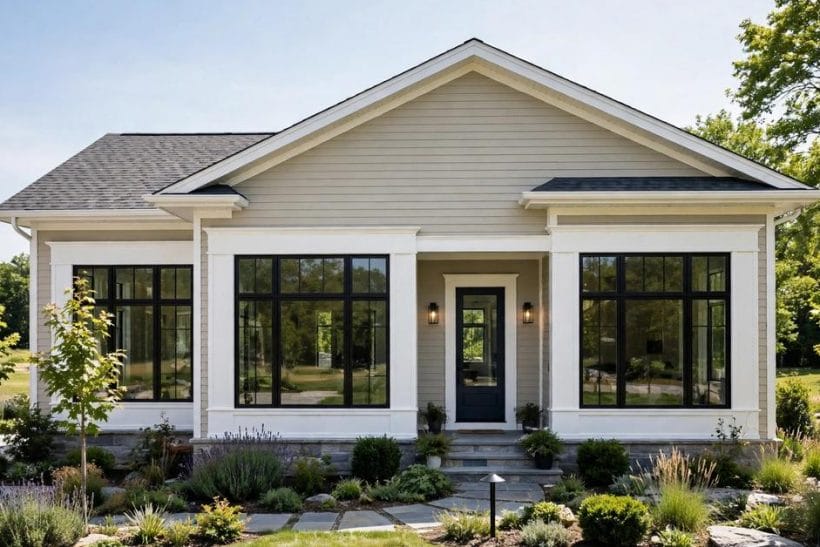
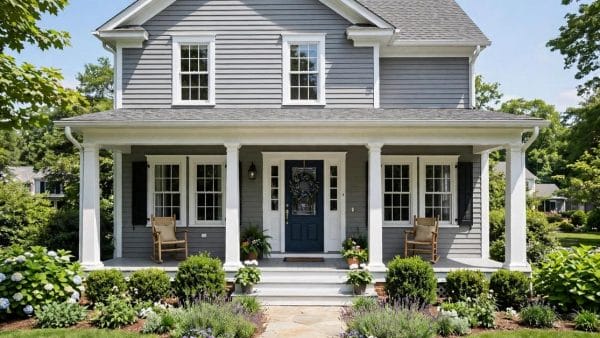
Trim is the frame that tells the eye how to read a window. A narrow frame keeps the glass quiet and lets the wall do the talking, while a wide frame turns each window into a deliberate feature, giving the front of the house rhythm and a sense of order. The difference is visible from the pavement, and it is felt even more strongly in photographs, where the frame is often the first thing a viewer registers.
| At a Glance | Wide Trim |
|---|---|
| First impression | Bold, settled and deliberate |
| Proportion | Windows read larger and more grounded |
| Profile | Flat or gently layered, with a clean edge |
| Colour | Usually pale, for contrast against the wall |
| Fitting | Professional fitting, with weather sealing |
Width also changes how a house sits among its neighbours. A row of generously framed windows can make a modest frontage feel composed and finished, while the same windows with thin frames can look unfinished, as though the builder stopped one step short. The frame is not decoration for its own sake; it is the line that finishes the opening and ties the window to the wall around it.
The rest of this guide stays on that single question of width. It does not wander into other trim fashions, and it does not pretend that one width suits every house. Instead it works through proportion, profile, colour, material, junctions, weatherproofing, neighbours on the facade, upkeep and the final choice, so the reader can weigh a wider frame honestly against the house they actually own.
2. Proportion: Matching the Frame to the Window and the Wall
Proportion is the heart of the width question. A wide frame suits a tall window better than a small one, because the frame and the glass share the height and neither overwhelms the other. On a short, squat window, the same generous frame can crowd the glass and make the opening feel heavy, while on a tall window it gives the glass a dignified border and anchors it to the wall.
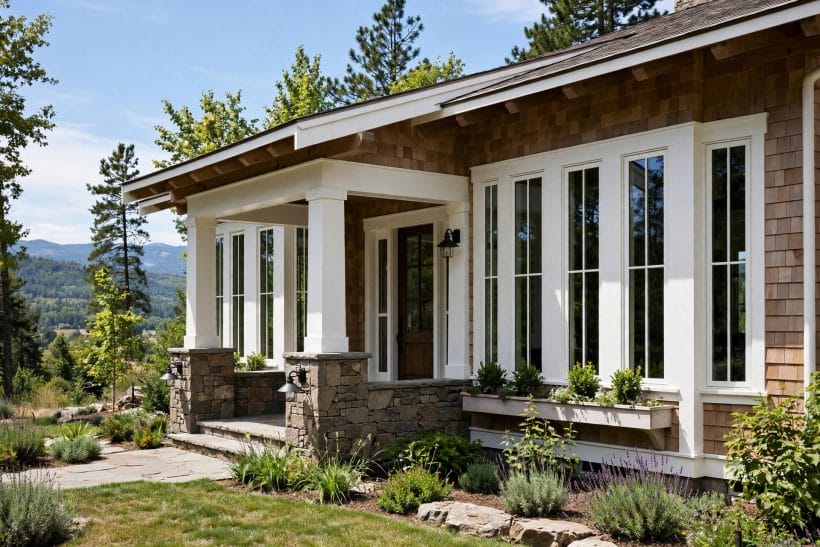
The wall matters just as much. A broad frame needs room to breathe, so it reads best where the wall around the window is plain enough to let the frame stand out. Where the wall is already busy with stone, mixed siding or heavy porch woodwork, a very wide frame can compete rather than complete, and a more restrained width may serve the house better.
Stand back and look at the whole frontage rather than one window alone. Windows on a facade should share a family resemblance, and width is part of that resemblance. When every window carries the same generous frame, the front reads as one composition; when widths vary without reason, the eye stumbles from opening to opening and the house loses its calm.
Scale is the quiet test. A small cottage and a large two-storey house do not take the same frame gracefully, even when both wear wide trim. The cottage asks for a frame that is generous relative to its small windows, while the larger house can carry a broader line without the frame shouting. Judge width relative to the house in front of you, never in isolation.
3. Profiles: How Shape Changes What Width Means
Width and profile work together, and neither should be chosen without the other. A flat, plain board reads wider than its measure suggests, because the eye meets one unbroken surface and follows it cleanly around the opening. A moulded or layered profile breaks that surface into steps and shadows, so the same overall width can feel more detailed and less stark, even though it covers the same ground.
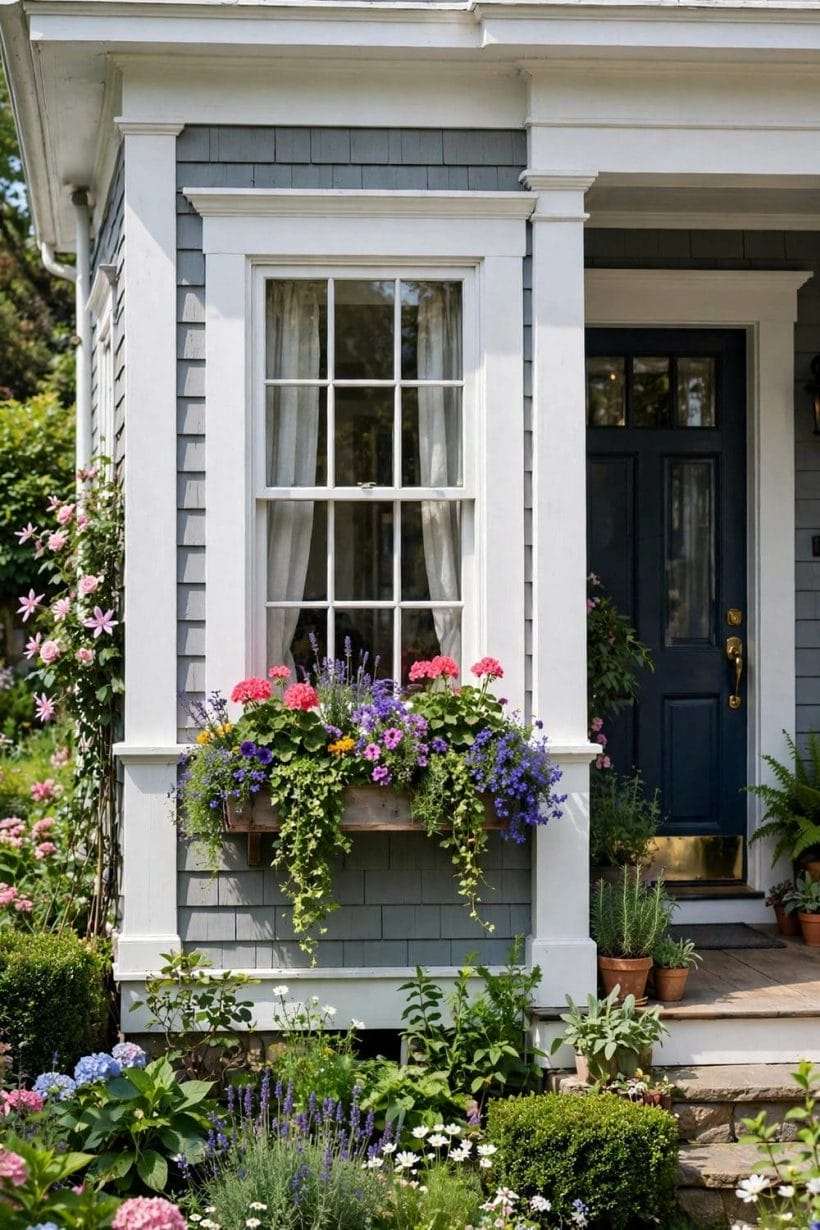
For a wide frame, simplicity is usually the wiser partner. A broad flat casing with a neat outer edge gives a modern or traditional house a calm, confident line, while a heavily moulded wide frame can tip into fussiness, especially where several windows sit close together. The frame should frame the window, not compete with it for attention.
Layering is the middle path worth knowing about. A wide frame can be built from a flat board plus a slim cap or back band, which adds a shadow line at the edge and makes the width feel intentional rather than merely large. This layered edge also helps the frame meet the siding neatly, giving the junction a finished step instead of an abrupt end.
Whatever profile is chosen, it should run consistently around every window on the same face. A flat frame on one window and a moulded frame on its neighbour will read as an accident, however good each looks alone. Consistency is what turns width from a bold gesture into good manners.
4. Colour and Contrast: Making Width Work for the Facade
Colour decides whether a wide frame sings or shouts. A pale frame against darker siding makes the width unmistakable, because the contrast draws the eye to the full breadth of the board. The same pale frame against a pale wall is quieter, and its width is felt more in the shadow it casts and the order it brings than in any sharp outline.
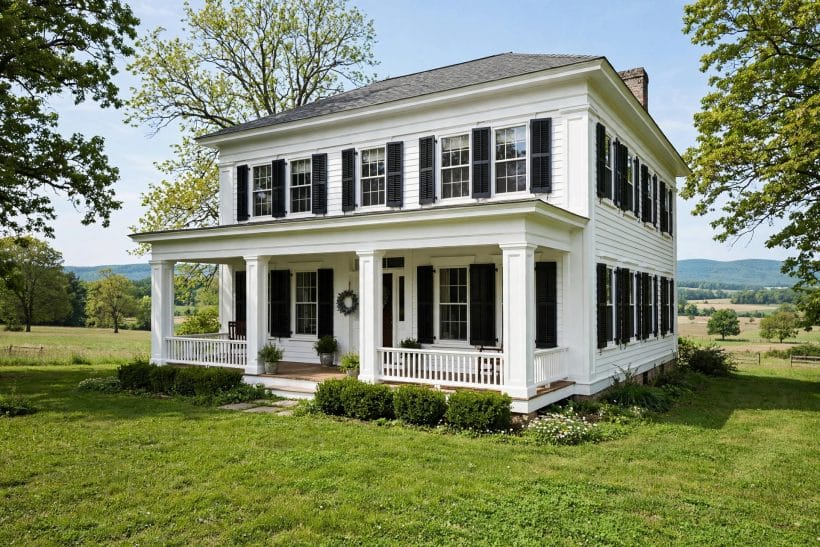
Dark frames reverse the effect. A dark, generous frame against pale siding can look strikingly architectural, but it also makes every window heavier, and on a small house that weight can dominate the front. Dark wide trim asks for a house with enough wall and enough presence to carry it, and it asks for the colour to be repeated somewhere else on the facade, so the windows do not stand alone.
Matching the trim colour to another element of the house is a steady trick. When the frame shares its tone with the porch posts, the door surround or the corner boards, the windows join the rest of the composition instead of floating on it. The house then reads as designed, not assembled, and the width feels like part of a plan rather than an afterthought.
Paint and finish deserve the same attention as colour. A wide frame shows every flaw in its coating, because there is simply more surface to look at. A smooth, even finish in a durable exterior paint keeps a broad board looking crisp, while a patchy or peeling finish on a wide frame is visible from the street. Choose the finish for the weather the house actually faces.
5. Materials That Hold a Broad Line
A wide frame is only as good as the material that holds its line. Timber has the warmest presence and takes paint beautifully, but it asks for regular care, because a broad board exposes more surface to sun, rain and seasonal movement. Where timber is chosen, it should be a sound exterior grade, well primed on every face before fitting, so moisture has no easy way in.
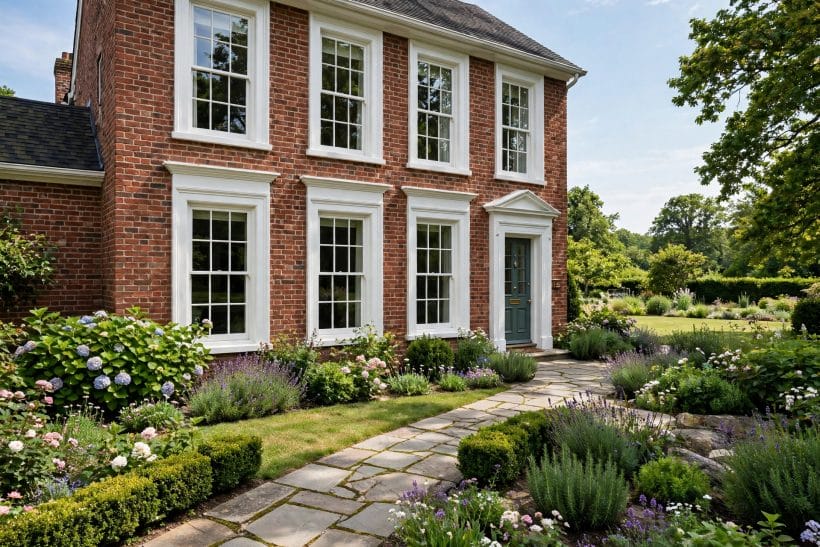
Manufactured boards made for exterior use offer a steadier alternative. They resist rot and hold their shape through wet and dry seasons, which matters for a wide frame, since any warp or cup across a broad board shows at once. Their surface takes paint well, and their consistency means every window on the facade can carry the same clean line without one board behaving differently from its neighbours.
Fibre-based and composite boards sit between these poles, offering timber-like workability with greater resistance to weather. Whatever the material, the test is the same: does it stay flat, hold paint, and meet the wall cleanly through the seasons? A wide frame forgives none of these failings, because its breadth puts every defect on display.
Material choice should also respect the house. A traditional cottage, a farmhouse and a plain contemporary house can all wear wide trim, but each asks for a material and finish that suits its character. The frame should look as though it belongs to the house, not as though it was borrowed from a different building altogether.
6. Corners, Sills and Caps: Where Wide Trim Meets the House
The junctions are where wide trim succeeds or fails. At the corners, the boards meet, and a neat joint — mitred or butted with a clean cap — gives the frame its finished air. A sloppy corner on a broad frame is conspicuous, because the eye follows the wide board straight to the place where it turns. Good joinery matters more as width grows.
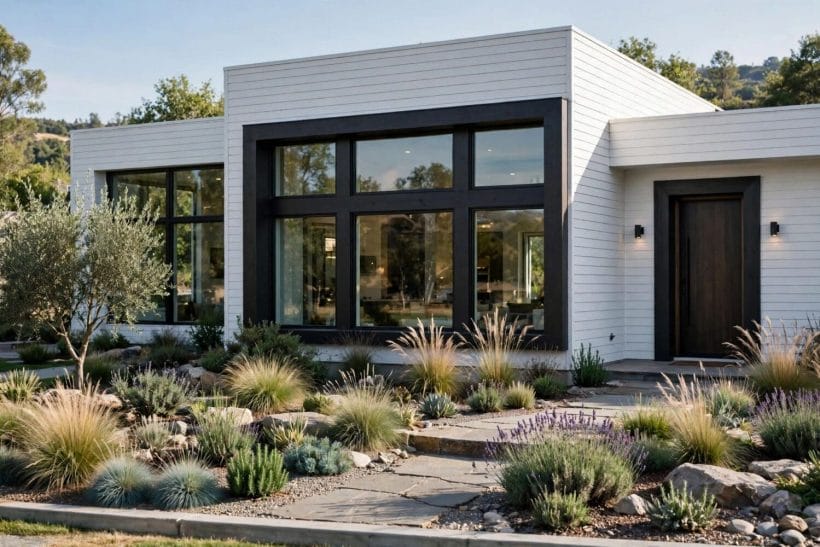
The sill is the working part of the frame. It should shed water away from the wall, and on a wide frame it should be generous enough to match the casing above and beside it, so the window reads as one balanced unit. A thin sill under a wide casing looks like an afterthought, and it also gives rain less help on its way off the wall.
Caps and headers complete the top of the frame. A small cap or drip moulding above a wide frame adds a shadow line that finishes the composition and helps throw water clear of the face. This detail is easy to overlook in planning, yet it is the detail the eye notices when the sun rakes across the facade.
All of this junction work is professional work. Cutting, joining, levelling and sealing a wide frame around an existing window demands accurate measuring and a steady hand, and mistakes show at once on a broad surface. Have the fitting done by a qualified professional, and let that professional judge how the frame meets the siding, the sill and the wall beneath.
7. Weather, Sealing and Drainage: The Practical Side of a Wide Frame
A wide frame changes how water behaves around a window, and that is a practical matter, not merely a visual one. A broad board covers more of the wall around the opening, which can protect the junction beneath it, but it also creates a broader surface for rain to run across and a longer edge where water can find its way behind the board if the sealing is poor.
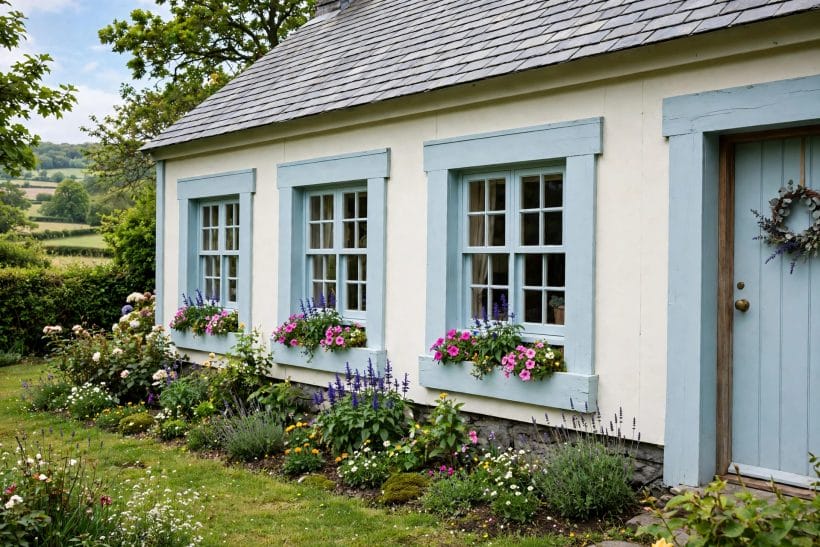
Sealing is therefore the quiet hero of wide trim. Every joint and every meeting with the siding should be sealed with a suitable exterior sealant, applied neatly and checked as part of the fitting. A wide frame with poor sealing is worse than a narrow frame with good sealing, because the broader board can hide early damp until the damage is well advanced.
Drainage should be planned, not assumed. The sill should slope gently away from the wall, the cap should throw water clear, and the bottom of the frame should never trap water against the siding. A professional fitter will check these paths as part of the job, and will also check that the frame does not bridge any drainage plane or flashing that the wall relies on.
Exposure should shape the choice. A window facing driving rain or harsh sun asks more of its frame than a sheltered window under a deep porch, and the material, finish and sealing should be chosen for the worst weather the wall faces, not the fairest. Wide trim is a long-term commitment to a facade, and it should be specified for the climate it will actually endure.
8. Pairing Wide Trim with Siding, Porch and Door
Windows never stand alone on a facade, and wide trim should be judged against its neighbours: the siding, the porch and the door surround. When the trim shares its width language with the corner boards or the porch posts, the house gains a rhythm that carries the eye pleasantly across the front. When the trim is wide but every other element is thin, the windows can look over-dressed for the house.
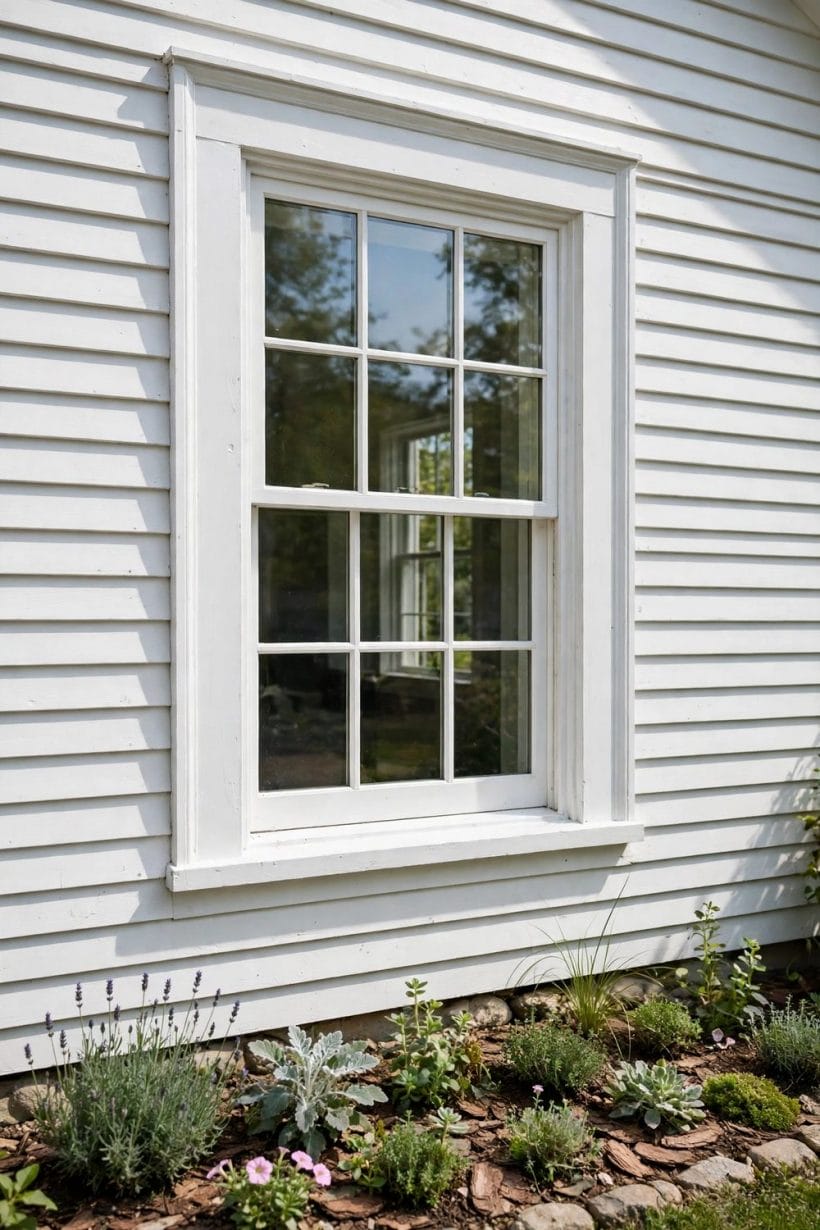
Siding texture changes the reading. Against smooth siding, a wide frame stands out crisply, while against rough or patterned siding the same frame must work harder to be seen, and its edge detail becomes more important. The choice of profile in the earlier section matters here: a frame with a clean shadow line holds its own against textured walls better than a perfectly flat board.
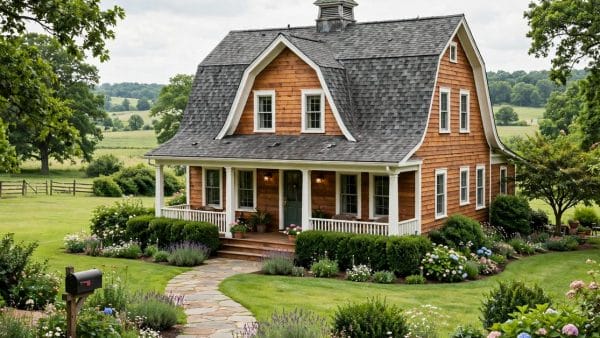
The porch deserves special care. Windows beside or above a porch are seen at close quarters, and their frames are judged from a few steps away rather than from the street. A generous frame near a porch should be beautifully finished, because visitors will see its joints, its paint and its sealing up close. The same standard applies to the door surround, which should share the window trim’s character so the entrance and the windows feel related.
Broader lessons about fitting a house exterior together live among tiny house exterior ideas, where small frontages must make every element count, and the same discipline of relating windows, siding and porch applies at any scale.
9. Upkeep Through the Seasons
Wide trim asks for a steady, simple upkeep routine, and rewards it visibly. A broad board shows dirt, algae and peeling paint sooner than a narrow one, because there is more surface to catch the weather. A gentle seasonal wash, a check of the paint and a look at the sealant keep a wide frame looking intentional rather than tired.
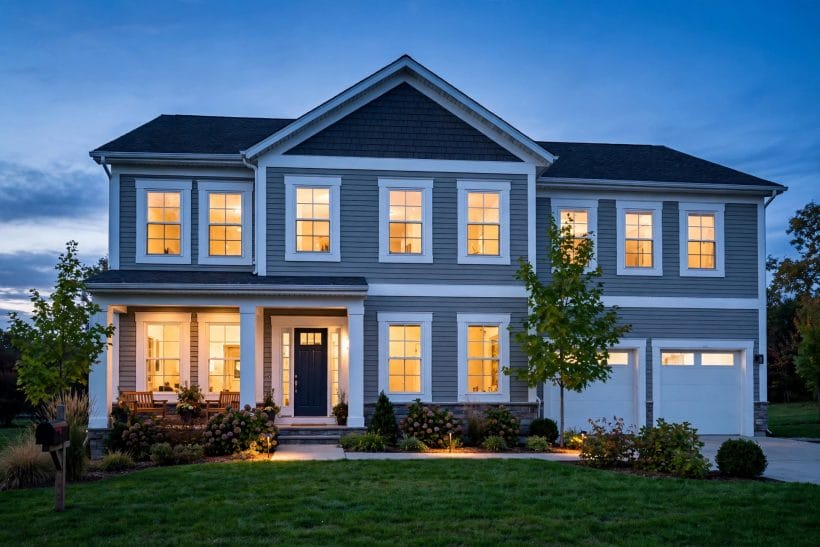
Paint is the first thing to watch. On a wide frame, small paint failures spread their visual effect quickly, so catching a crack or a peel early and touching it up properly saves a full repaint later. Keep a note of the paint used, so repairs match the existing finish rather than introducing a slightly different tone that the broad surface will advertise.
Sealant is the second watchpoint. Sealant ages, shrinks and cracks, and on a wide frame the sealed edge is long, so a failed length can admit water along a considerable run. Check the sealant when the seasons change, and have any failed length replaced by a professional rather than patched over, since a neat seal is part of the frame’s appearance as well as its protection.
Planting and garden growth should be kept in mind too. Shrubs and climbers that press against a wide frame hold moisture against its surface and hide early problems. Keep planting clear of the frame, and let air move around the boards, so the trim dries after rain and its condition stays visible to whoever looks after the house.
10. Choosing a Width for Your Own House
Choosing comes down to a short, honest sequence. First, look at the house from the street and decide whether its windows need more presence or already have enough. A facade that feels bare or unfinished is a candidate for a wider frame, while a facade that already feels busy may be better served by restraint.
Next, consider the windows themselves. Tall windows welcome generous frames, small windows ask for proportionate ones, and a facade with mixed window sizes needs a width that flatters the smallest window without under-dressing the largest. Consistency across the face matters more than generosity on any single opening.
Then weigh the practical side. Material, finish, sealing and exposure should be settled before the frame is ordered, and the fitting should be entrusted to a qualified professional who can judge the junctions, the drainage and the meeting with the siding. A wide frame fitted badly is a liability; the same frame fitted well is an asset for years.
Finally, live with the decision before committing to the whole house if that is possible. A single trial window, finished properly, tells more about width, colour and profile than any number of samples held against the wall. Judge it from the street, from the garden and from inside the room, in morning and evening light, and let the house itself cast the deciding vote. The wider discipline of planning a compact home around its openings appears in tiny house floor plans, where window placement and framing shape the whole interior, and in tiny house designs, where small exteriors borrow presence from well-judged detailing.
Final Considerations
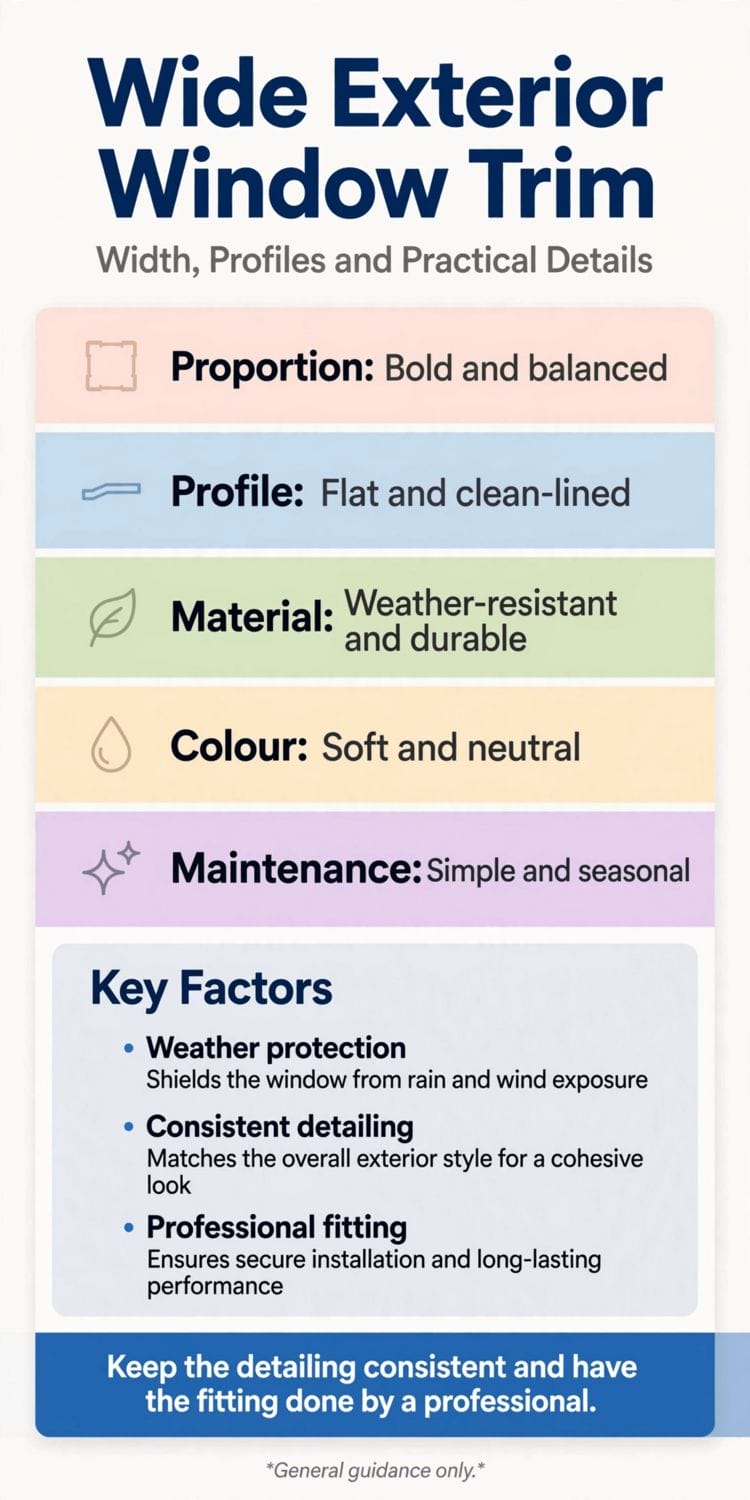
Wide exterior window trim is a simple idea with a large effect: a broader frame gives windows presence, order and a finished air, provided the width suits the window, the wall and the house as a whole. Keep the profile calm, the colour related to the rest of the facade, the material suited to the weather, and the junctions sealed and drained with care. Have the fitting done by a qualified professional, keep up the seasonal checks, and the frame will repay the attention for years. The wider world of frontages, from compact cottages to family houses, is surveyed in home design ideas, alongside small living room ideas for the rooms those windows light, kitchen ideas and small kitchen ideas for the working rooms behind the glass.


0 Comments