
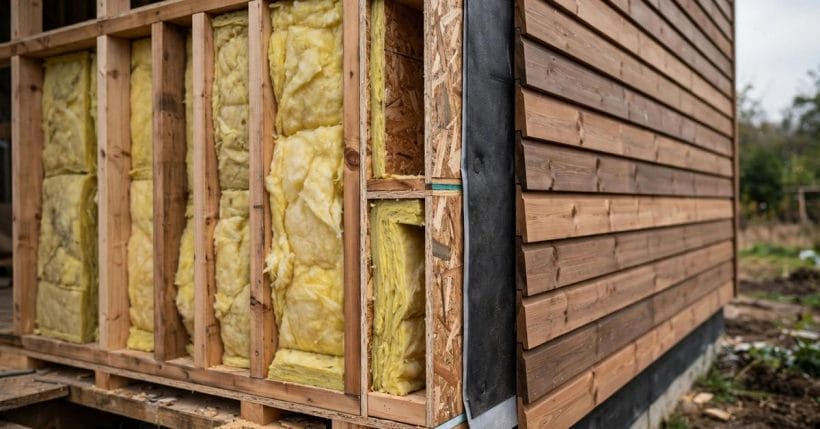
A house wall does far more than hold up a roof and keep out the weather. It shapes how warm a room feels in cold weather, how cool it stays in warm weather, how quiet it feels, and how dry it stays through wet seasons. When people talk about efficient walls, they are usually talking about a wall that does all of those jobs steadily, without draughts, damp patches, or cold corners.
This guide explains the components of an efficient house wall in general terms. Each layer has its own job, and the wall works best when the layers work together. No single layer carries the whole job on its own. A well-made wall is a team effort, and understanding each part helps a homeowner ask better questions, notice problems earlier, and know when to call a professional.
Cutting into a wall, moving a wall, or changing anything structural is professional work. Walls can carry loads, hide wiring and plumbing, and protect a home from weather, so any opening, removal, or structural change should be planned and carried out by a qualified professional. This guide describes what the layers do. It is not a set of instructions for altering a wall.
1. What Makes a Wall Efficient
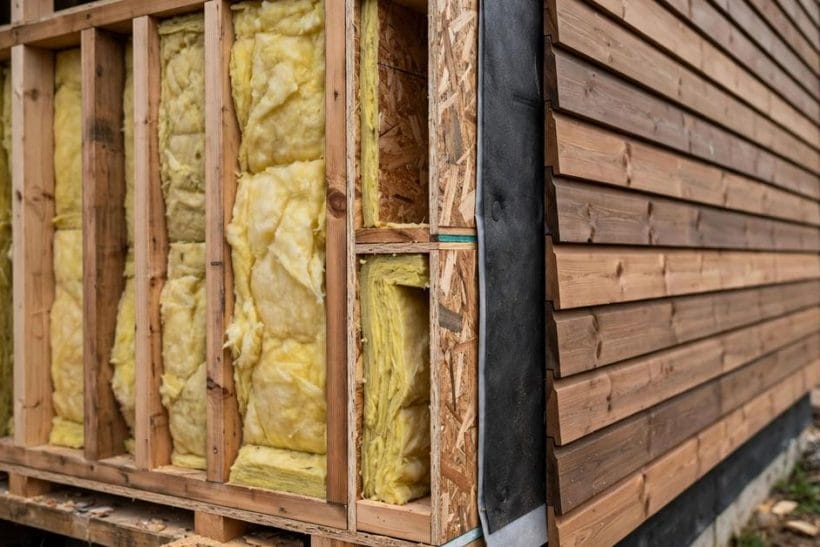
An efficient house wall slows the movement of heat, limits unwanted air movement, keeps rain out, and lets trapped moisture escape rather than building up inside the wall. Those four jobs sound simple, but each one depends on several layers doing their part. If one layer is missing, damaged, or poorly fitted, the whole wall can feel less comfortable, even when the other layers are in good shape.
Efficiency here is a matter of balance. A wall that keeps heat in during cold weather should also avoid trapping moisture, and a wall that keeps rain out should still allow the structure to dry when it gets wet. Good wall design thinks about heat, air, water, and drying together, rather than treating each one separately. That joined-up thinking is what separates a wall that simply stands up from a wall that performs well year after year.
Comfort is often the first sign of how a wall is performing. A room with an efficient house wall tends to feel even in temperature, without a cold feeling near an outside wall or a draught near a window edge. Quiet matters too. A solid, well-sealed wall softens outside sound better than a wall with gaps and thin spots. When a room feels uneven, draughty, or noisy, the wall layers are a sensible place to start looking, with a professional checking anything structural.
2. Framing: The Structure Inside
Framing is the skeleton of a house wall. It gives the wall its shape, holds the other layers in place, and carries weight down to the foundations. Timber framing is common in many homes, while other homes use masonry or steel framing. Whatever the material, the frame must be straight, firm, and well fixed, because every other layer depends on it.
The spaces between the framing members matter as much as the framing itself. Those spaces are where insulation usually sits, and they also set the overall depth of the wall build-up. A frame that is out of line or loosely fixed can leave gaps that are hard to fill later, so careful framing at the start saves trouble for every layer that follows.
Openings in the frame need special care. Around windows and doors, the framing must be arranged so the opening stays square and steady, and so the layers around it can be sealed properly. A window or door that sits in a poorly framed opening is more likely to let in draughts and water, no matter how good the window itself may be. Framing around openings is therefore part of the efficiency story, not just a structural detail.
3. Insulation: Slowing Heat Movement
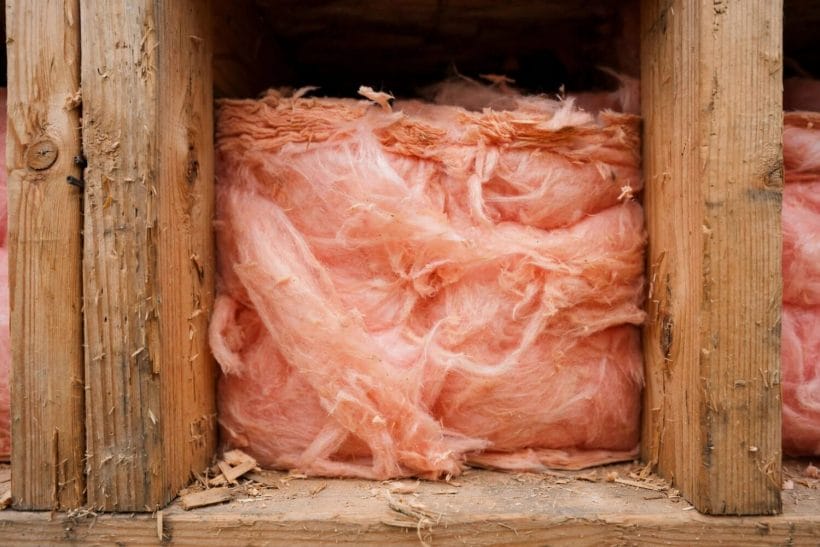
Insulation is the layer that slows heat moving through a house wall. In cold weather it helps keep warmth inside, and in warm weather it helps keep heat out. Insulation works by trapping still air in a material that heat passes through only slowly. The more even the coverage, the steadier the result, because heat will find any thin spot or gap and move through it more easily.
Fit matters as much as the material chosen. Insulation that is squashed, folded, or left with gaps around its edges cannot do its job evenly. A snug fit, with the material filling the space it is meant to fill and meeting neatly at joints and corners, gives a far better result than a careless fit, even when the material itself is the same. Corners, junctions with floors and ceilings, and the edges around openings deserve particular attention, because those are the places where gaps most often appear.
Insulation also affects comfort in a way that is easy to feel. A well-insulated house wall keeps the inner surface of the wall closer to room temperature, so sitting near an outside wall feels less chilly. That even feeling is one of the clearest signs that insulation is doing its job. If one part of a wall feels noticeably colder than the rest, a professional can check whether insulation is missing, damaged, or poorly fitted in that area.
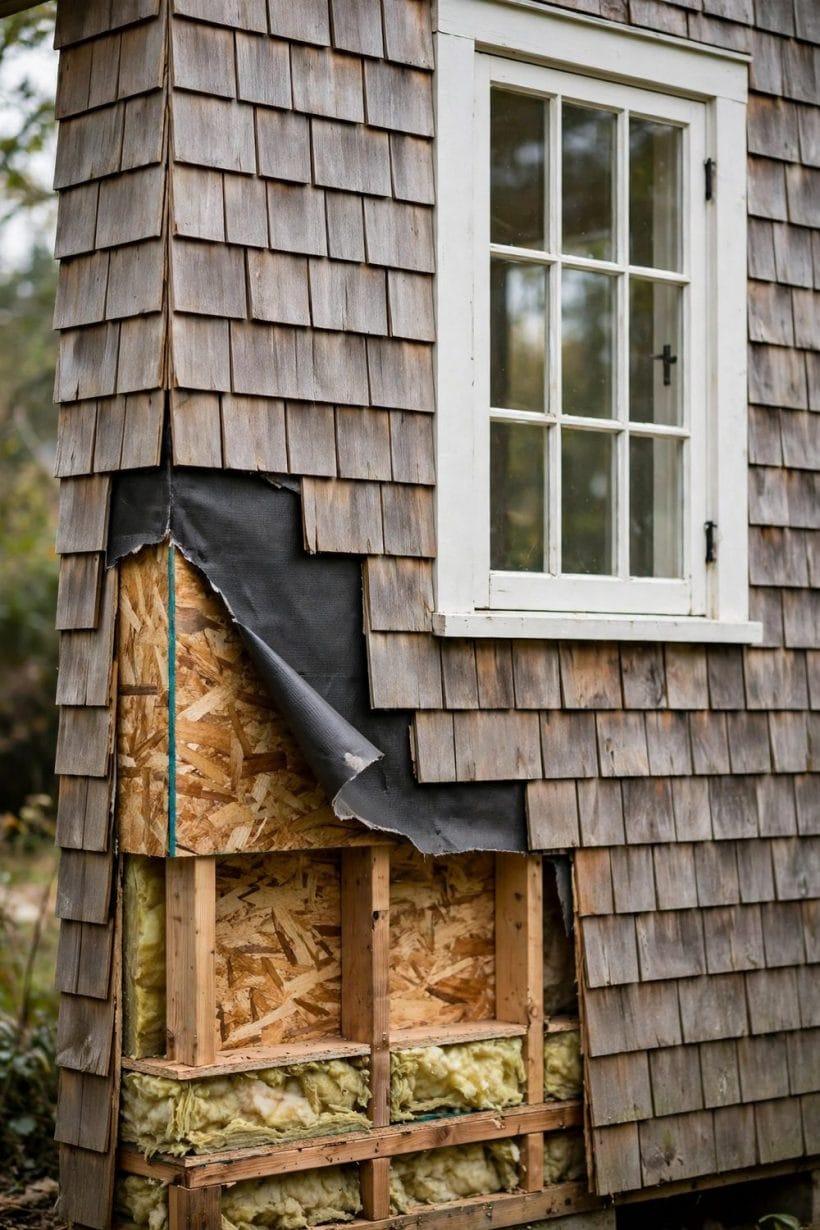
4. Air Sealing: Closing the Small Gaps
Air sealing is the work of closing the small gaps, cracks, and joints through which air can leak in or out of a home. Even a well-insulated house wall can feel draughty if air moves freely through gaps around its edges. Air leaks also carry moisture with them, which can lead to damp and discomfort inside the wall over time.
The places most likely to leak are the junctions: where a wall meets a floor or a ceiling, where two walls meet at a corner, and around windows, doors, pipes, and cables that pass through the wall. Sealing those junctions is painstaking work, and it is usually done with sealants, tapes, or membranes chosen for the job. The aim is a continuous seal, so that air cannot find an easy path around the barrier.
Good air sealing also helps insulation work better. When air cannot move freely through a wall, insulation stays in place and keeps doing its job, and rooms feel calmer and less draughty. Air sealing is not a job for guesswork, however. Sealing the wrong place, or sealing a wall so tightly that moisture cannot escape, can cause problems of its own. A professional can judge where sealing helps and where a wall still needs to breathe.
5. Sheathing: The Firm Backing Layer
Sheathing is the firm board layer fixed to the outside of the framing. It stiffens the wall, gives it a flat and steady surface, and provides a base for the layers that go on top of it. Without sheathing, a framed wall would be far less rigid, and the outer layers would have nothing solid to fix to.
Sheathing also helps the wall resist wind pressure and keeps the frame square while the rest of the wall is built up. Boards are fixed neatly across the framing, with joints arranged so the surface stays even. A flat, well-fixed sheathing layer makes every later layer easier to fit well, from the weather barrier to the final cladding.
Because sheathing sits behind the outer layers, it is easy to forget, but its condition matters. Damaged or softened sheathing can mean water has been getting in, and that is a sign to seek professional advice rather than simply covering it over. A sound sheathing layer is a quiet partner in an efficient house wall, doing steady work that is rarely seen once the wall is finished.

6. Weather Barrier: Keeping Rain Out
The weather barrier is a protective layer on the outside of the sheathing that helps keep rain and wind-driven moisture out of the wall. It is lapped and sealed so water running down the wall is directed outward and downward, away from the structure, rather than finding its way behind the cladding.
How the barrier is fitted matters as much as the material itself. Laps must face the right way, joints must be sealed, and the barrier must connect neatly around windows, doors, and other openings. A barrier with gaps at its edges, or with laps that direct water inward, can trap moisture rather than shedding it, which is the opposite of what it is meant to do.
The weather barrier also helps with air movement, since a continuous outer layer reduces wind washing through the wall. Together with the inner air sealing, it gives the wall two lines of defence against air and water. When cladding is damaged or a window seal fails, the weather barrier is often the layer that keeps a small problem from becoming a damp wall, which is why its condition is worth checking during any exterior repair.
7. Cladding: The Outer Face
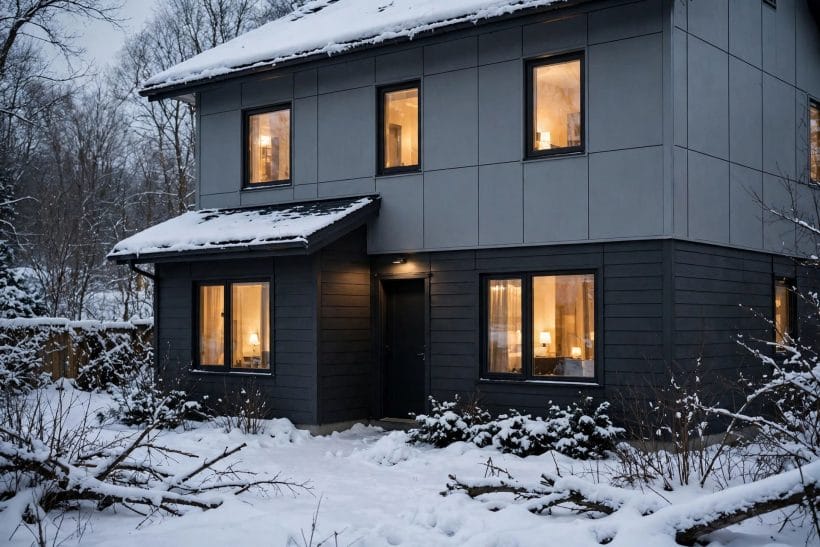
Cladding is the outer face of a house wall, the part that is seen from outside and that takes the full force of sun, rain, wind, and frost. It may be timber boards, brick, render, panels, or another finish, and its job is to protect everything behind it while giving the home its character. A good cladding choice suits the climate, the style of the home, and the maintenance a homeowner is willing to carry out.
Cladding needs room to do its job well. In many wall build-ups there is a small ventilated gap behind the cladding that lets any water that gets past the outer face drain away and lets the wall dry. That gap, and the fixings that hold the cladding, are part of the efficiency story, because cladding that traps water against the wall can cause damage even when the cladding itself looks fine.
Care of cladding is mostly a matter of looking and acting early. Cracked boards, loose fixings, damaged render, or pointing that has fallen away are all worth attention before water finds its way in. Small exterior repairs are often straightforward, but anything that involves removing cladding, opening a wall, or working at height should be left to a professional. For ideas on how the outer face of a home can look, many readers enjoy browsing wall decor ideas alongside the practical points in this guide.

8. Interior Finish: The Inner Face
The interior finish is the inner face of a house wall, the surface that is lived with every day. It is usually boards finished with plaster and paint, or panels chosen for their look and feel. Beyond appearance, the interior finish protects the layers behind it, gives a smooth surface for decorating, and helps the wall feel solid and finished.
The interior finish also plays a part in air sealing, because a well-fitted inner surface with sealed joints helps limit air leaking into the wall from inside the home. That is one reason why cracks, holes, and poorly fitted trims around sockets, pipes, and openings are worth sealing, using methods suited to the surface. Warm, moist indoor air leaking into a cold wall can condense there, so a neat inner face is a practical matter as well as a visual one.
Choosing an interior finish is a chance to shape the character of a room. Light colours can make a small room feel brighter, while warmer tones can make a large room feel more settled. Readers planning a room refresh often look at tiny house interiors and interior paint colours for inspiration, and those ideas sit happily alongside the practical layers described here, since a good finish is both pleasant to live with and protective of the wall behind it.

9. Openings: Windows, Doors and Edges
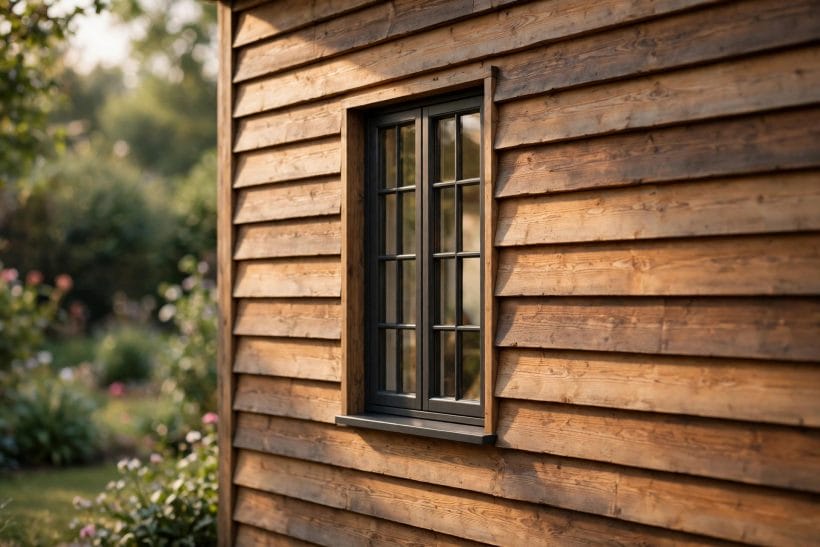
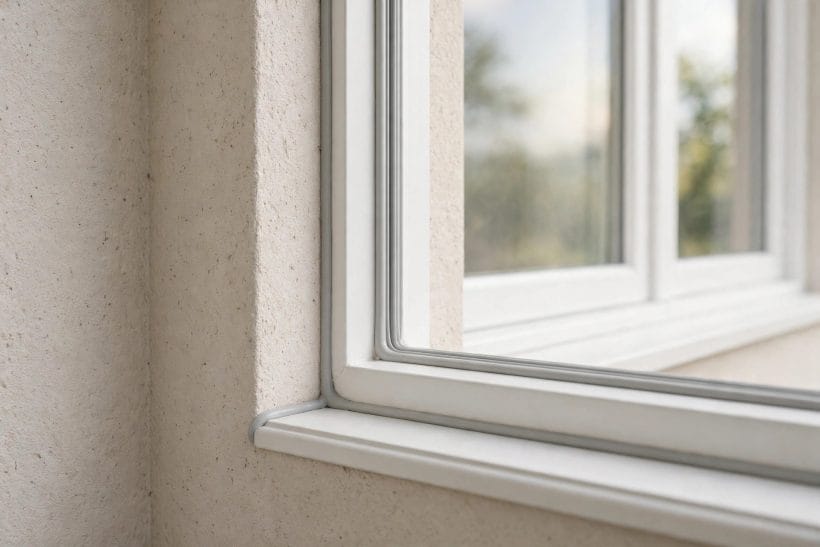
Openings are where a house wall is at its most vulnerable. Every window and door breaks the continuity of the wall, and the edges around each opening must be framed, insulated, sealed, and flashed with care. A wall can be beautifully built everywhere else and still feel draughty if a single window edge is poorly sealed.
Good practice around openings thinks about the whole edge, not just the window or door itself. The frame must sit squarely, insulation must meet the frame neatly, seals must run continuously, and the outer layers must direct water away from the opening. When any part of that edge is missing, water and air have a ready path into the wall, and the comfort of the room suffers.
Doors and windows also affect how a wall performs over time, because they move, settle, and wear. Hinges loosen, seals age, and frames shift slightly with the seasons. Regular checks of the seals and fixings around openings, and prompt professional attention when a window sticks, a door draughts badly, or damp appears near an opening, will protect the wall layers far better than waiting until the problem is obvious. This is a construction explainer, not a window guide, but no honest account of efficient walls can ignore the edges where walls meet openings.
10. Living With Efficient Walls: Comfort, Moisture and Care
Living with efficient walls is mostly about noticing small changes early. A room that suddenly feels draughty, a damp patch near a corner, a musty smell, or paint that blisters near a window edge are all signals worth attention. Early attention usually means a simpler fix, while a problem left alone can spread into the layers behind the finish.
Moisture deserves particular respect. Walls can get wet from outside, from leaks inside, and from condensation when warm indoor air meets a cold surface. Good ventilation, sensible heating, and prompt attention to leaks all help a wall stay dry. Drying a wall out is just as important as keeping it dry in the first place, which is why wall layers are chosen to allow drying as well as to resist water.
Day-to-day care is gentle and regular: keep gutters and ground levels in good order so water drains away from walls, keep cladding and seals in repair, and keep indoor air moving so moisture does not settle. Structural work, damp investigation, and any change to a wall itself belong to a professional. With that care, an efficient house wall will go on doing its quiet work for many years, keeping rooms comfortable, dry, and calm. For broader design inspiration, readers can explore tiny house designs, contemporary home design ideas, interior design ideas, and small living room ideas for rooms that make the most of well-built walls.
Final Considerations
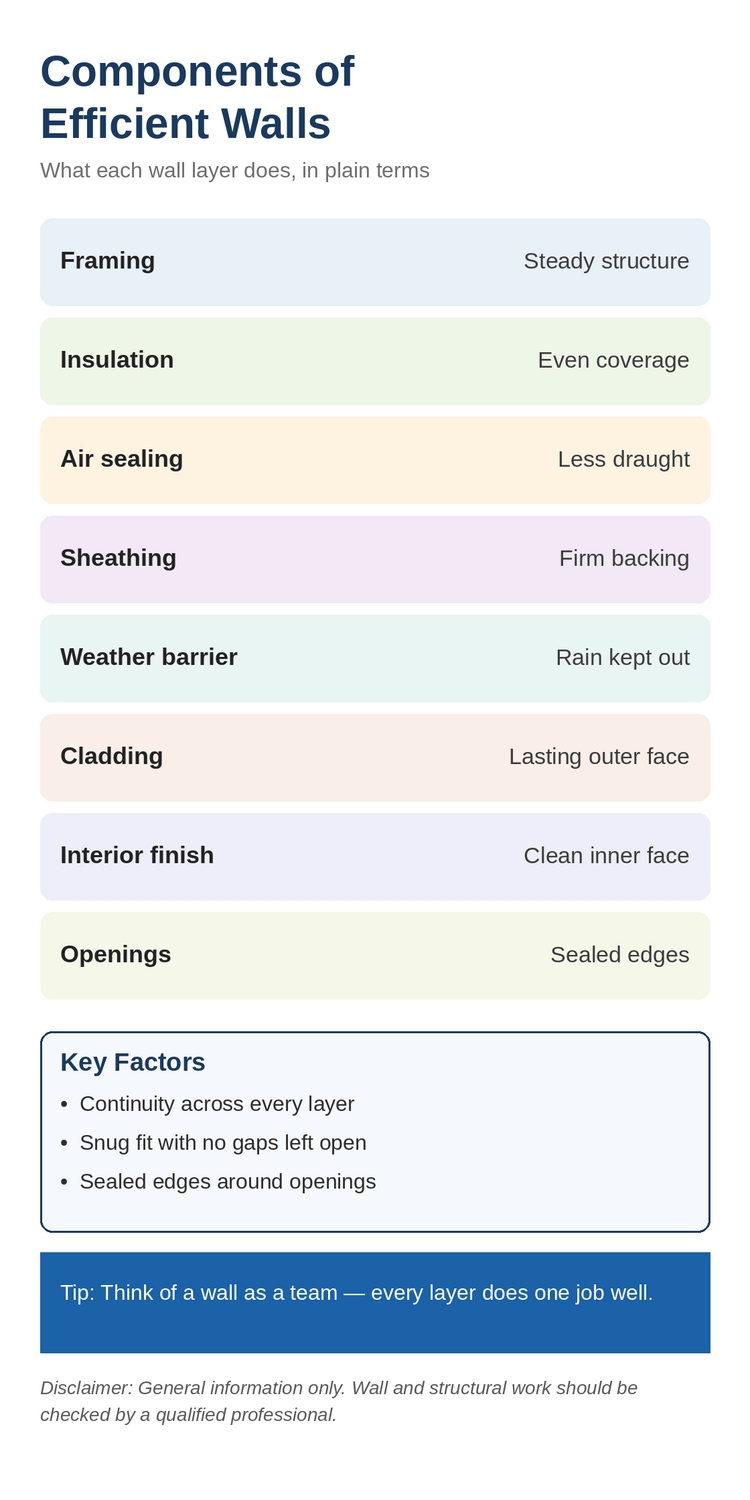
An efficient house wall is not one clever product or one thick layer. It is a set of layers, each doing a clear job, fitted neatly, sealed continuously, and protected by a sound outer face and a neat inner finish. Framing gives structure, insulation slows heat, air sealing closes gaps, sheathing gives backing, the weather barrier sheds rain, cladding protects, the interior finish completes, and careful edges around openings hold the whole system together.
When planning, buying, or renovating a home, ask how the walls are put together, how continuous the insulation and sealing are, and how water is kept out and allowed to dry. Those questions, put to a qualified professional, will tell a homeowner far more than any single claim about one layer on its own. A wall built as a team will repay that attention with comfort, quiet, and dryness, season after season.
Above all, respect the limits of general guidance. Every home, climate, and wall build-up is different, and what suits one home may not suit another. Use this guide to understand the components and to ask better questions, and leave cutting, structural changes, and damp investigation to professionals who can see the wall in person and judge it properly.



0 Comments