
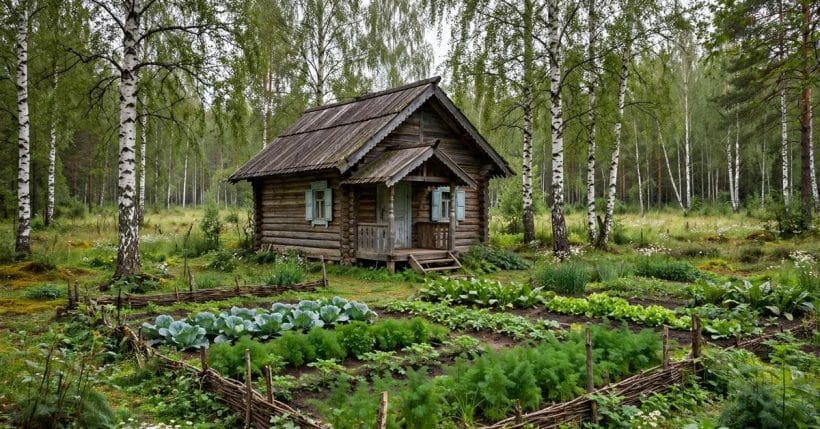
A russian country house known as a dacha is a modest home set in a garden plot, shaped by the rhythms of the seasons and by a way of living that keeps the outdoors close at hand. The house itself is usually simple: timber walls, a pitched roof, a covered veranda, and rooms arranged for easy, everyday use rather than display. Around it lies the garden, with beds for vegetables, space for flowers, and paths that connect the house to the land it stands on. For anyone curious about this form of country living, the dacha offers a clear and appealing idea — a small house, a generous plot, and a life lived partly outside.
This guide looks at the russian country house in general terms: its form, its setting, its rooms, and how it is used through the year. It is not a history, and it makes no claims about particular houses or their pasts. Instead, it describes what the type looks like, how its spaces work, and what to think about when enjoying or caring for a house of this kind. Whether the interest is in the architecture, the garden, or the slower pace of country weekends, the dacha has something to teach about living with less space and more sky.
1. What a Dacha Is
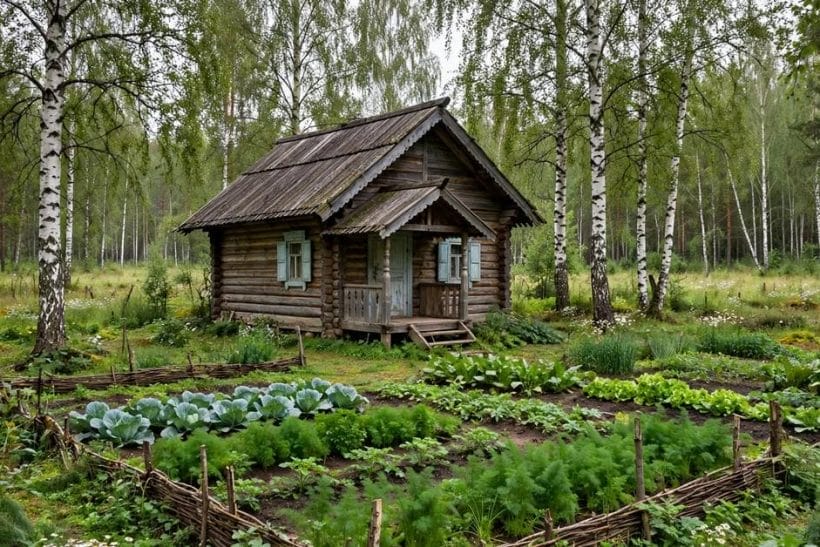
At its simplest, a dacha is a russian country house built for time away from the city. It is a second home in spirit even when it becomes a main home, because its plan and its plot are organised around rest, fresh air, and the garden. The house is rarely grand. Its value lies in its setting and in the freedom it gives: room to grow things, space for guests, and a quiet place to spend long summer evenings. A russian country house of this kind is defined less by its size than by its relationship with its plot.
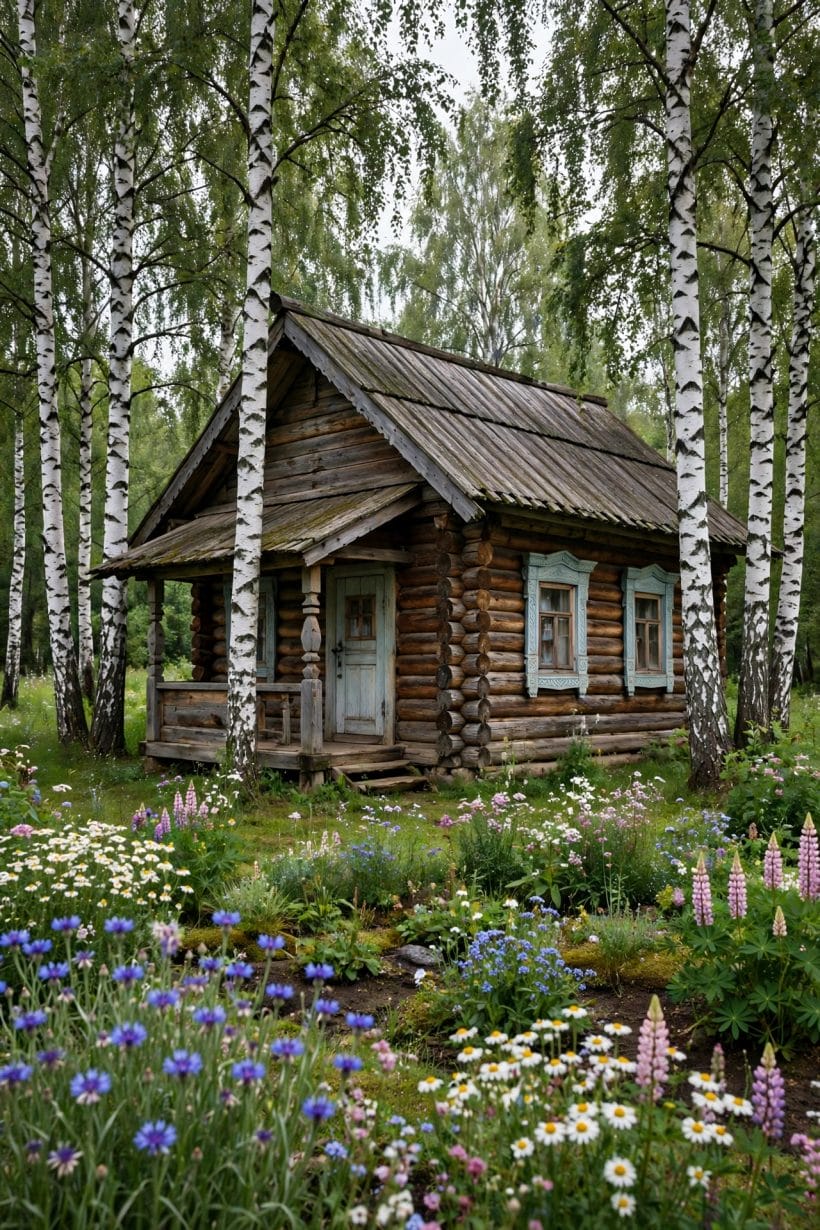
The word itself is widely understood as a country house or summer house, and the type is recognisable across many regions. Timber construction is common, as are painted window frames, a small porch or veranda, and a roof pitched to shed rain and snow. Inside, rooms tend to be plain and practical, with wooden surfaces, simple furniture, and a warmth that comes from materials rather than decoration. The overall effect is one of comfort without formality — a house meant to be lived in, not admired from a distance.
Understanding the dacha in these general terms helps to avoid the common mistake of treating it as a single style. Some are log-built, some are clad in boards, and some combine both. Some sit deep in woodland, while others stand in rows along a lane, each with its own fenced plot. What they share is the idea of a modest house joined to a working garden, and that idea is the thread that runs through every part of this guide.
2. The Timber House Form
Timber is the defining material of the russian country house. Log walls, board cladding, and wooden window surrounds give the house its character, and they also shape how it feels inside, where wood is often left visible on walls and ceilings. A pitched roof is the other constant, giving the house a simple, readable silhouette against trees and sky. Together, timber and pitch make a form that looks at home in a wooded landscape and that can be repaired and maintained with familiar craft skills.
The plan of a dacha is usually compact. A main room serves for cooking, eating, and gathering, with smaller rooms for sleeping set around it. Corridors are short or absent, and every room tends to have a clear purpose. This compactness is part of the appeal: the house is easy to heat, easy to clean, and easy to understand. Visitors can find their way without a tour, and daily life flows naturally from one room to the next.
Decorative detail, where it appears, is often found around the windows and the porch. Carved trims and painted frames add colour and personality without changing the simple form of the house. These details are worth appreciating as part of the type, but they are not required: the plainest timber house, well kept and well sited, carries the same quiet charm. For readers interested in how small houses use simple materials to good effect, the interiors of small houses offer a useful comparison, showing how modest rooms can feel generous when they are well planned.
3. The Setting: A Garden Plot
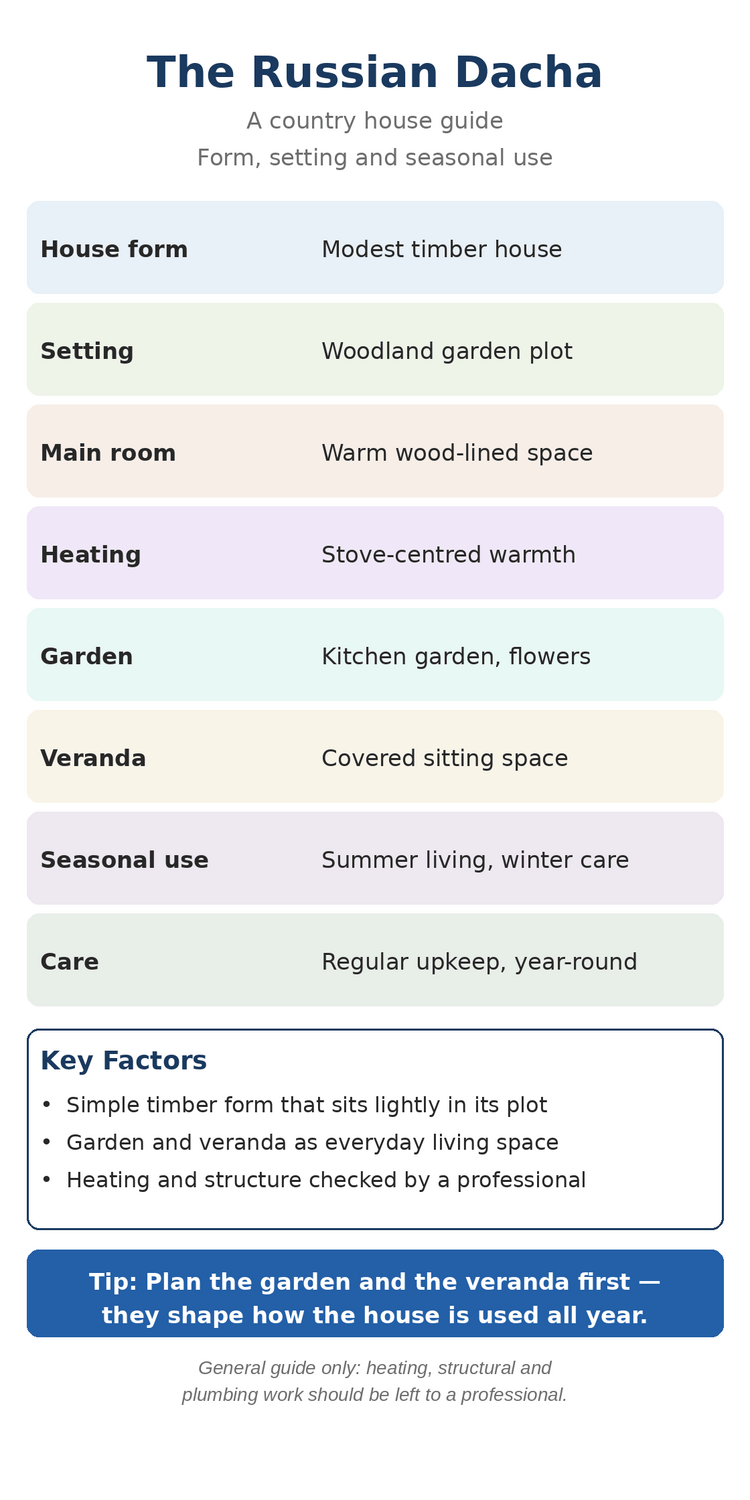
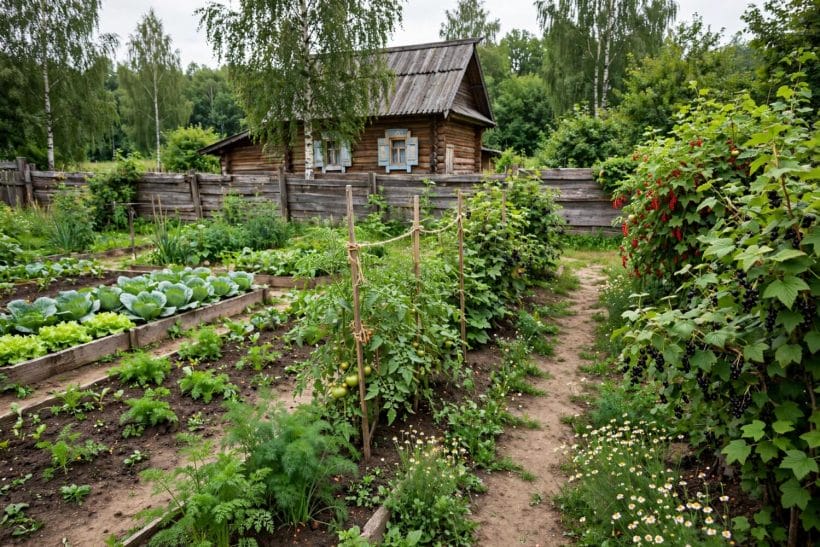
A russian country house is rarely complete without its plot. The land around the house is not a leftover; it is half the home. Paths lead from the door to the garden beds, to a seating area, and to the boundary, and each part of the plot has a role. Near the house, flowers and a small lawn or seating area make a welcoming foreground. Further out, vegetable beds and berry bushes provide food and a reason to spend time outside through the growing season.
The setting also shapes the character of the house. Trees give shade in summer and shelter from wind, while open ground lets light reach the rooms. A fence or hedge marks the edge of the plot and gives a sense of privacy without shutting out the landscape. Water, where it is available, is a practical matter for the garden, and any plumbing or water supply work should be left to a qualified professional, since a country plot can bring its own supply and drainage questions.
Choosing and caring for a plot is therefore as important as caring for the house. Soil, light, and drainage all affect what will grow, and a plot that suits the household’s habits will be used far more than one that fights them. Gardeners should expect variation from season to season and from plot to plot, and treat planting as an experiment that rewards patience rather than a task with a guaranteed result.
4. The Veranda and Outdoor Living
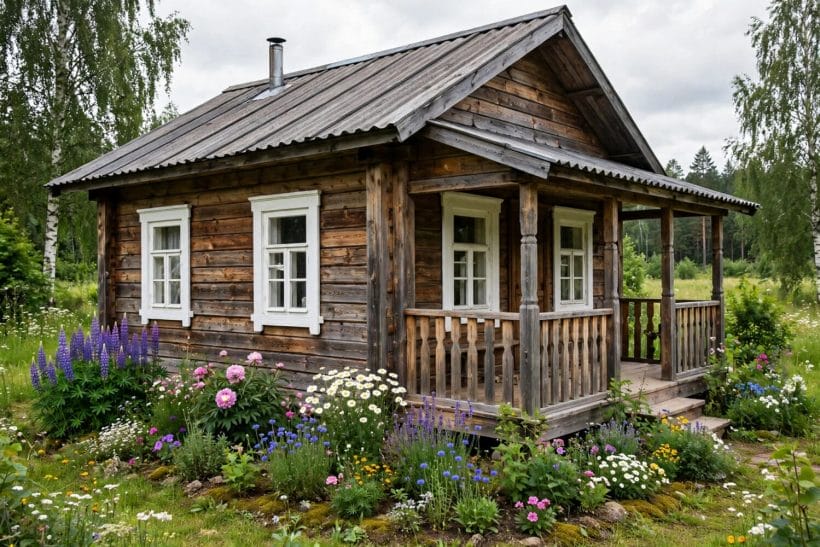
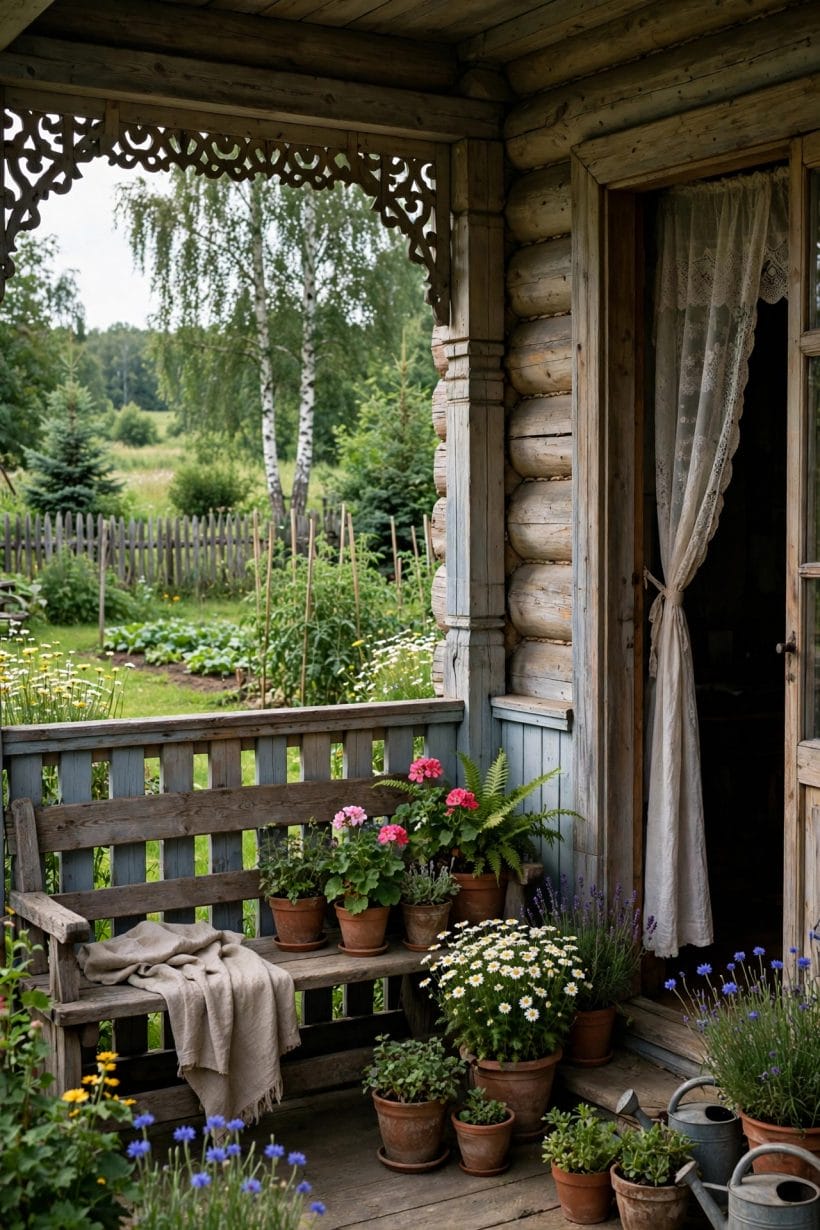
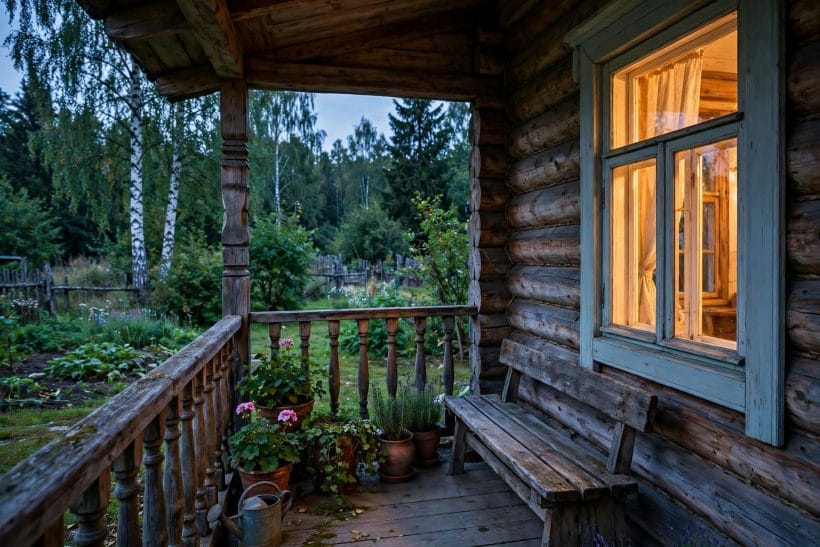
The veranda is the heart of outdoor life in a russian country house. This covered space, often running along the front or side of the house, joins the indoors to the garden and gives a sheltered place to sit in sun or light rain. A bench, a table, and a few potted plants are usually enough to make it comfortable, and it becomes the natural place for meals, conversation, and quiet evenings. In warm weather, the veranda can serve as an extra room, extending the house into the open air.
Designing a veranda well means thinking about light, shade, and shelter. A veranda that catches the morning sun suits breakfast, while one shaded in the afternoon suits long summer days. Railings, steps, and a solid roof overhead give it structure, and the view from it — over the garden, toward trees, or down a lane — is part of its pleasure. The veranda also protects the entrance, keeping rain and snow away from the door and giving a practical place to leave boots and coats.
Beyond the veranda, the rest of the outdoor space carries the same spirit. A path, a seating corner, and a place for a fire or a grill, used with proper care and attention to fire safety, can turn the plot into a full outdoor home. Any structural work on a veranda, porch, or roof should be handled by a qualified professional, since these elements carry loads and face the weather directly. Readers planning outdoor rooms of their own may find ideas in small house designs, where compact outdoor spaces are planned with the same care as the rooms inside.
5. The Main Living Room
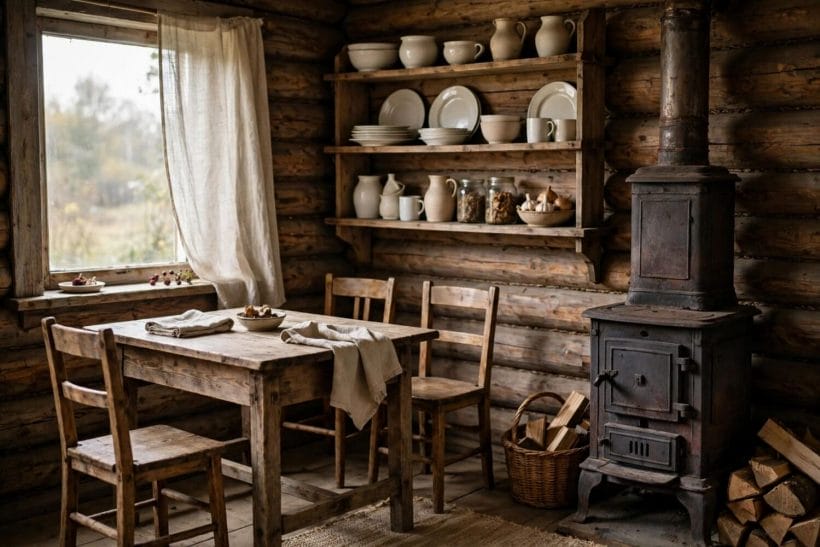
Inside a russian country house, the main living room is where daily life gathers. It is often the largest room, combining sitting, eating, and sometimes cooking in one warm, wood-lined space. Simple wooden furniture, a rug, and soft window light give it a comfortable feel, and the room is arranged so that people can talk, read, or share a meal without fuss. This gathering role makes the main room the social centre of the house, whatever its size.
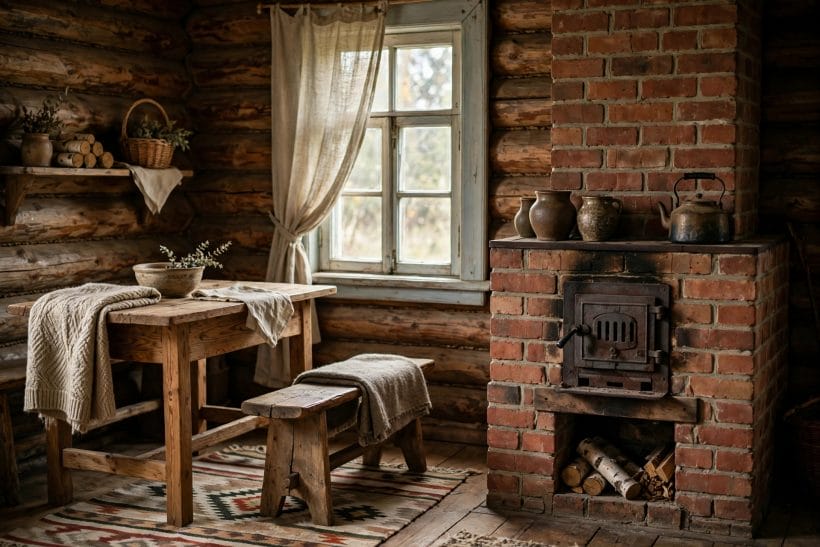
The character of the room comes from its materials. Timber walls and ceilings, a brick or tiled stove, and plain textiles create a warmth that needs little decoration. Colour usually arrives through small things: curtains, cushions, a tablecloth, or flowers from the garden. This restraint is part of the dacha’s charm, and it keeps the room easy to live with across the seasons, since nothing in it demands constant attention.
Planning such a room is an exercise in choosing what matters. A good table, comfortable seating, and clear light will serve better than a crowded arrangement, and storage that keeps everyday things close at hand helps the room stay calm. For inspiration on arranging modest rooms so that they feel open and welcoming, small living room ideas show how simple layouts can make a compact space work hard for its household.
6. Heating and the Stove
Heating is a central question in any russian country house, and the stove has long been its traditional answer. A brick or metal stove, set where its warmth can reach the main rooms, gives steady heat and a natural gathering point in cold weather. Its presence shapes the plan of the house, since rooms are arranged around it, and its warmth defines the comfort of winter stays. For many households, the stove is as much a part of the dacha as the veranda.
All heating, fire, and flue work in a country house should be handled by a qualified professional. Stoves, chimneys, and flues need correct fitting, regular inspection, and proper care, and no part of this work should be attempted without the right skills and knowledge. A professional can also advise on how a stove suits the size and layout of a particular house, and on the safe storage of fuel and the ventilation the house needs.
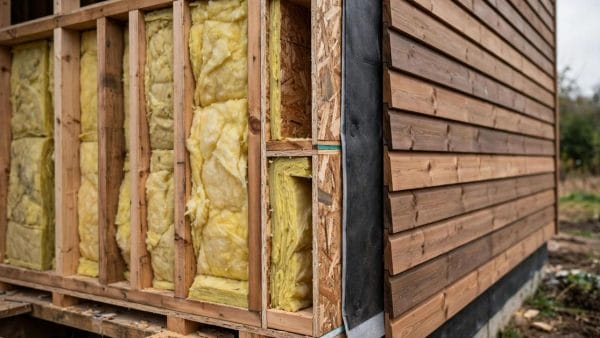
Beyond the stove itself, warmth depends on the condition of the house as a whole. Windows, doors, and walls all affect how heat is held, and simple upkeep — keeping frames sound, doors closing well, and draughts addressed — supports comfort through the cold months. Thinking about heating as a whole-house matter, rather than a single appliance, leads to a warmer and more reliable home. Guidance on the layers that make a house hold its warmth can be found in house wall ideas, which show how walls and finishes contribute to comfort.
7. The Kitchen and Everyday Living
The kitchen of a russian country house is a working room, plain and practical, and it reflects the garden outside its window. Meals here are often made from what the plot provides, and the room is arranged for easy cooking: a table for preparation, shelves for everyday crockery, and space for preserves and stores. Its simplicity is a strength, since a kitchen that is easy to use is a kitchen that gets used well.
Storage matters more than display in a country kitchen. Open shelves keep daily things within reach, while closed storage protects food and supplies through the seasons. A wood-burning stove may share the room, and where it does, its fitting and flue are professional matters, as with any heating appliance. Water supply and drainage in a country house likewise call for a qualified professional, since a rural plot may rely on arrangements that differ from those of a town house.
Everyday living in a dacha also means accepting a slower pace. Washing, cooking, and tidying take their natural time, and the house rewards routines that fit the garden’s rhythm. This is part of the appeal for many households: the kitchen becomes a place of unhurried work, with the garden visible through the window and the day shaped by meals rather than by appointments. Readers fitting out a compact kitchen can compare notes with kitchen ideas for small homes, where practical layouts are the priority.
8. The Garden Through the Seasons
The garden of a russian country house changes with the seasons, and each change brings its own work and pleasure. Spring is a time of preparation, with beds cleared and planting begun as the weather allows. Summer brings growth, flowers, and long days outdoors, when the garden is at its fullest and the veranda is in constant use. Autumn is for harvest and for putting the plot in order, while winter leaves the garden quiet under frost and snow.
Growing food is a central joy of the dacha garden, and it is best approached with patience and flexibility. Vegetables, herbs, and berries all respond to soil, light, and weather, and results will vary from year to year and from plot to plot. No planting approach can guarantee a particular outcome, and gardeners should treat advice as a starting point to test on their own ground rather than a promise. Choosing plants suited to the local climate and soil gives the best chance of a satisfying garden, and learning from each season builds skill over time.
The garden also supports wildlife and a sense of place. Birds, insects, and small creatures pass through any country plot, and a garden with varied planting, water, and shelter will tend to welcome more of them. Fences and hedges mark the boundary, but they do not need to shut the garden off from the wider landscape. A dacha garden that balances growing, beauty, and a light touch on the land around it will reward its household through every season.
9. Winter Care and Closing the House
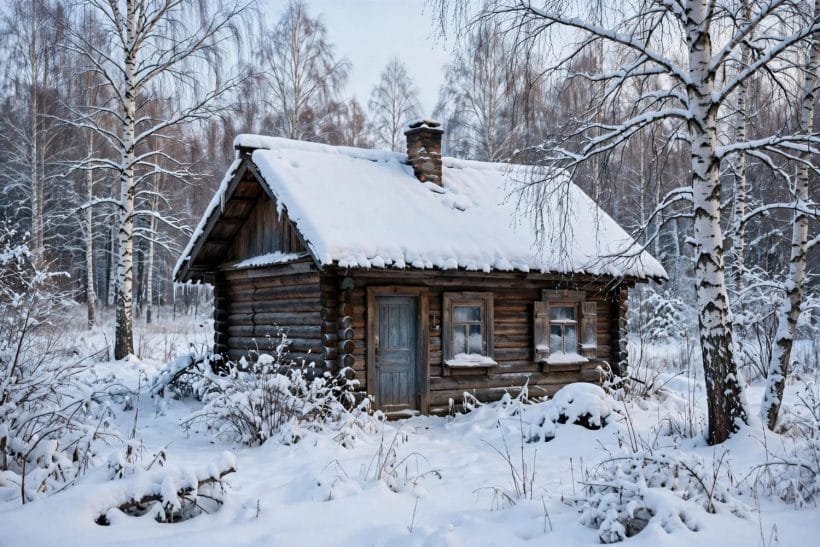
Winter care is an important part of owning a russian country house, especially when the house is used mainly in the warmer months. Before the cold sets in, the house should be checked over: roof and gutters, windows and doors, and any water supply that could be affected by frost. A professional should be consulted for plumbing, heating, and structural questions, since frost and snow can test a country house in ways that are not obvious until damage appears.
Closing a house for a period also means thinking about its interior. Perishable stores should be removed, textiles protected from damp, and the house left clean and ventilated as far as the season allows. Heating may be kept at a low level or drained down entirely, depending on the house and its systems, and that decision is best made with professional advice for the particular property. A careful closing routine protects the house and makes the first spring visit a pleasure rather than a repair list.
Houses used through the winter need a different routine. Paths must be kept passable, snow cleared from roofs and steps where it is safe to do so, and heating kept steady. Fuel should be stored safely and dry, and the house checked regularly for signs of damp or damage. Winter living in a country house can be deeply satisfying — quiet, bright with snow light, and warmed by the stove — but it asks for steady attention to the house and its systems.
10. Living in a Dacha Through the Year
Living in a russian country house through the year means following the seasons rather than resisting them. Spring opens the house, summer fills it, autumn puts it in order, and winter tests it. Each season has its own work and its own pleasures, and households that enjoy the dacha tend to enjoy this rhythm itself: the first warm evening on the veranda, the first harvest from the beds, the quiet of a snowy morning. The house becomes a measure of the year, marking time by garden and weather.
This seasonal life also shapes relationships. Guests come for weekends, neighbours share plants and advice, and children learn the garden by helping in it. The dacha is a social house as much as a private one, and its simple rooms and generous plot make it easy to welcome people. Meals shared on the veranda, walks through the garden, and evenings by the stove are the experiences that stay with visitors long after they leave.
For anyone considering a country house of this kind, the best starting point is to spend time in one across different seasons, noticing how the light, the garden, and the rooms change. A russian country house is not a single image but a way of living, and its appeal grows as the seasons turn. The interior design ideas collected for small and country homes can help readers picture how simple rooms support this seasonal life, while small house interiors show how compact spaces stay comfortable all year.
Final Considerations
The russian country house, in its dacha form, offers a clear and lasting idea: a modest timber house, a garden plot, a veranda for outdoor living, and rooms arranged for simple, seasonal life. Its charm lies not in grandeur but in proportion — house and garden sized to each other, indoors and outdoors joined by the veranda, and daily life shaped by the seasons. That balance is what makes the type worth studying, whether the interest is in building, in gardening, or simply in understanding a beloved form of country living.
Anyone caring for a house of this kind should keep professional help at the centre of structural, heating, fire, plumbing, and electrical work, and should treat the garden as a living experiment that rewards patience. With that care, a dacha can give years of quiet pleasure: summer evenings on the veranda, autumn harvests from the beds, and winter mornings warmed by the stove. The russian country house endures because it answers a simple human wish — a small house of one’s own, set in green and open to the sky.

0 Comments