
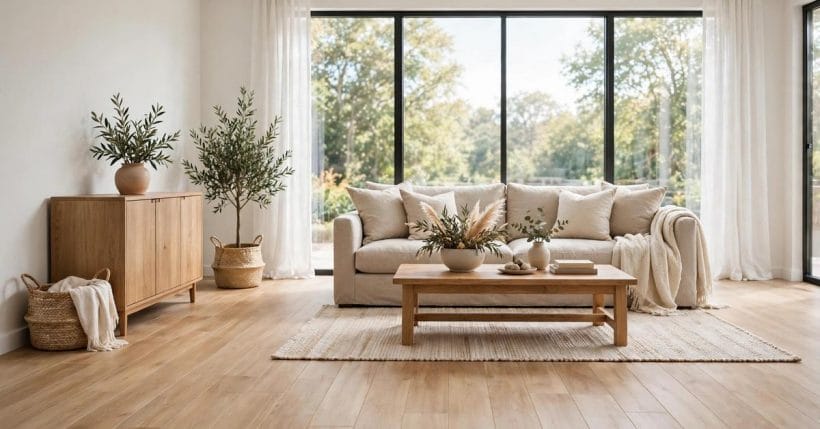
Vinyl plank floors have become a familiar sight in living rooms, kitchens, bedrooms and hallways, and it is easy to see why they appeal. The planks look like wood, they feel smooth underfoot, and they come in a wide range of colours and patterns. Choosing well, though, takes more than picking a colour you like from a small sample. A floor stays with a home for a long time, and the checks that matter most are the quiet ones: how the planks join, how the surface feels, how the room will be used, and what lies underneath. This guide walks through those checks in plain language, so you can compare options calmly, ask good questions in the shop, and arrive at a choice that suits your home rather than a choice made in a hurry.
Think of this guide as a checklist for looking, feeling and asking, not as a verdict on any one product. Every home is different, and the right plank for a quiet bedroom may not be the right plank for a busy kitchen. Keep your own rooms in mind as you read, and take notes on the points that matter most to you. A short list of your own priorities will serve you better than any single recommendation, because it keeps the decision tied to your home, your household and your daily routines.
1. Start With the Room, Not the Plank
Before looking at samples, spend a little time thinking about the room itself. A hallway carries foot traffic all day, a kitchen sees spills and dropped utensils, a bedroom is mostly gentle, and an entryway meets wet shoes and grit from outside. Each of those rooms asks something different of a floor, and naming those demands first makes every later check easier. Walk the room slowly and notice where people step, where chairs scrape, where sunlight falls, and where water might reach the floor. Those observations are worth more than a showroom display, because they describe your home rather than an idealised setting.
Light matters too. A plank that looks warm under shop lighting can look cooler beside a north-facing window, and a dark plank can make a small room feel smaller. Notice whether the room gets direct sun, soft daylight or mostly artificial light in the evening, and plan to view samples in that same light. Colour, pattern and plank width all respond to light, so a sample viewed at home tells a truer story than one viewed only in the shop. For tiny house designs, where one floor often runs through several spaces, this step matters even more, since a single choice must suit living, cooking and sleeping areas at once.
2. Check the Wear Layer in Plain Terms
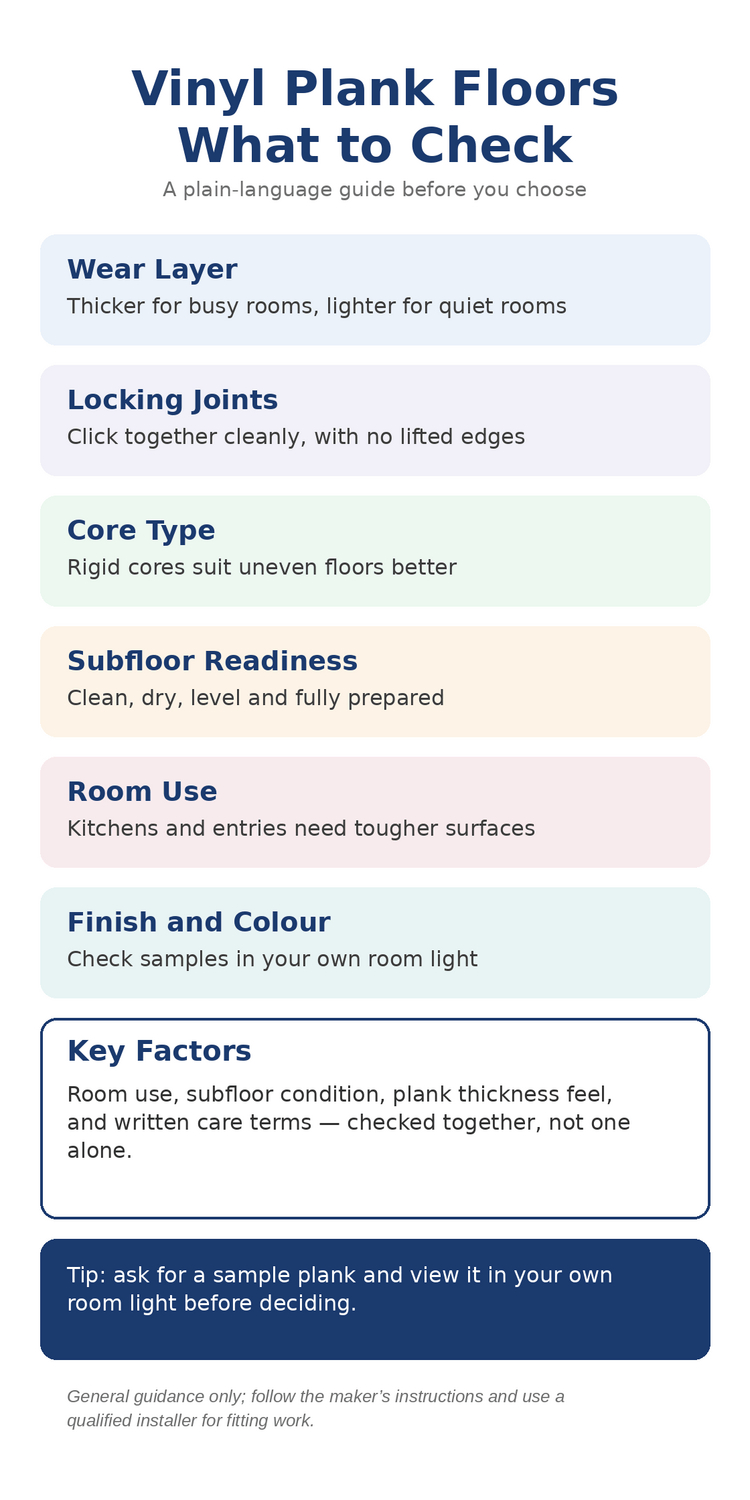
The wear layer is the clear protective surface on top of each plank, and it is the part that meets shoes, paws, chair legs and everyday life. In plain terms, a thicker-feeling wear layer suits busier rooms, while a lighter one can be enough for quiet spaces. You do not need to memorise technical terms to judge it: ask the seller to explain the wear layer in everyday language, and compare how different samples feel when you run a hand across them. A surface that feels even and smooth, with no rough patches or thin-feeling spots, is a good sign, and a sample that shows marks easily under a fingernail test in the shop deserves a second thought.
Ask too how the surface is meant to be cleaned, and whether the maker gives written care terms with the product. Written terms are useful because they describe what the maker expects from normal use, and they give you something concrete to compare between options. Keep those terms with your notes, and read them before deciding rather than after fitting. If the terms mention anything you cannot picture doing in your own home, ask for a clearer explanation while you still have the choice open.
3. Look Closely at the Locking Joints
Vinyl planks usually join edge to edge with a locking system, and the quality of that join shapes how the floor looks and feels once laid. Ask to see a sample join made up in the shop, and look at it from standing height as well as up close. The joined planks should sit level with each other, with no lifted edges and no visible gaps along the seam. Run a hand across the join: it should feel smooth, not ridged or springy. A join that resists coming apart when gently flexed, and that clicks together without force, is easier to live with than one that needs persuasion.
It also helps to ask how the joints behave around doorways, corners and the edges of a room, where planks are cut and fitted. Those are the places where a floor shows its workmanship, and a qualified installer will be able to explain how they handle them. For tiny house interiors, where rooms are compact and every seam is close at hand, a neat join matters all the more. Take a photo of the sample join if the seller allows it, so you can compare it calmly at home against other options.
4. Understand the Core Before You Choose
Beneath the printed wood look and the wear layer sits the core of the plank, and different cores behave differently. Some cores are rigid, which can help a plank sit steadily over a floor that is not perfectly even, while others are more flexible and follow the surface beneath more closely. Neither type is right for every home, and the honest question is which one suits your subfloor and your rooms. Ask the seller to explain the core in plain words, and to say which kind of subfloor each option is made for. If the explanation leans on jargon, ask for it again in simpler terms until you can picture what it means for your floor.
Thickness feel is another useful check. Hold two samples side by side and notice how solid each one feels in the hand, and how much it flexes. A plank that feels flimsy may still suit a quiet room, but a busy room benefits from something that feels substantial. There is no single right answer here, only the fit between the plank, the room and the subfloor beneath it. Keep your notes side by side, and let the comparison guide you rather than any single feature.
5. Prepare the Subfloor Properly
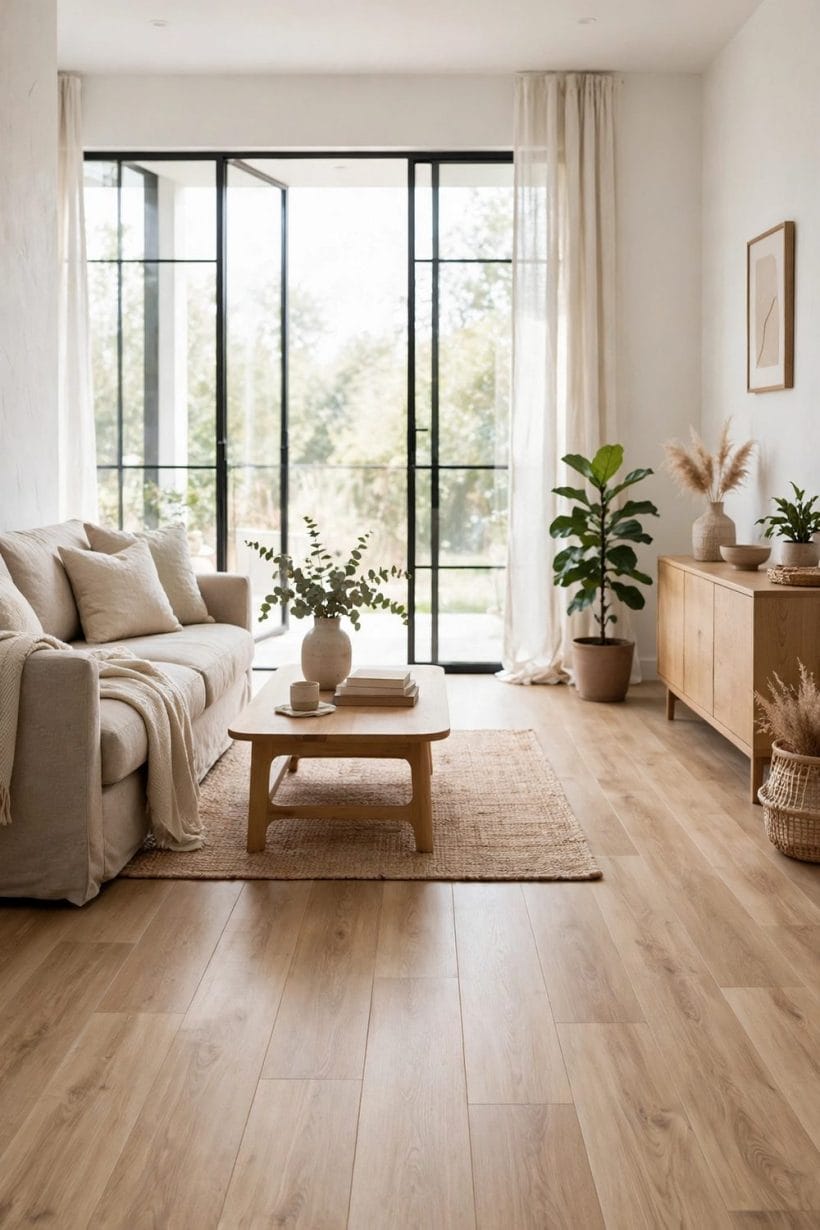
The subfloor is the surface the planks sit on, and its condition shapes the result more than any other single factor. In general terms, a subfloor should be clean, dry, level and fully prepared before any plank is laid. Dust, dampness, loose boards or uneven patches can all show through in the finished floor, even when the planks themselves are good. This is why fitting work belongs with a qualified installer: preparing a subfloor, checking it for dampness, and levelling it where needed are skilled jobs, and they set the stage for everything that follows.
Before fitting day, ask your installer what they will check and how they will prepare the surface. A clear answer, given in advance, is a good sign, and it lets you prepare the room properly too: clearing furniture, lifting old coverings where asked, and allowing the new planks time to settle in the room before fitting, if the installer advises it. For tiny house flooring ideas, where the floor area is small but every inch is used, careful preparation pays off visibly. Do not rush this stage, and do not let fitting start on a subfloor that has not been checked.

6. Match the Plank to How the Room Is Used
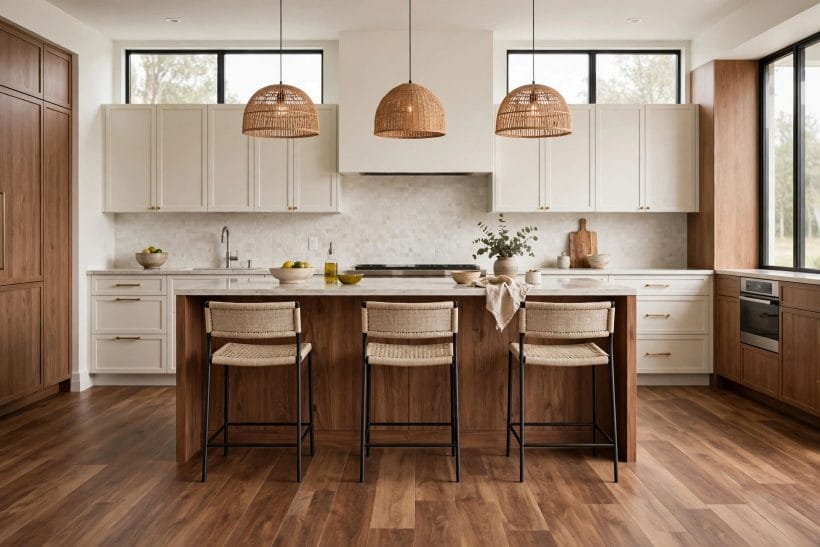
Daily life is the truest test of a floor, so match the plank to the life of the room. Kitchens and entries need tougher surfaces, since they meet water, grit and dropped objects. Living rooms need comfort underfoot and a look that ties the furniture together. Bedrooms can favour softness and calm colour, since traffic is light and shoes are often off. Hallways need a surface that stays even under constant passing feet. Thinking room by room in this way stops one plank from being asked to do every job, and it helps you decide where to spend a little more care.
Pets and children change the picture too, and it is worth naming that honestly when you shop. Claws, toys and spills are part of family life, and a floor that suits a quiet adult household may wear differently in a busy family home. Ask the seller how each option is meant to cope with everyday family use, and listen for a plain answer rather than a sales phrase. For small living room ideas, where the floor is always in view, choosing for real daily use rather than for a showroom moment makes the room feel settled for years.
7. Compare Colour and Finish in Real Light
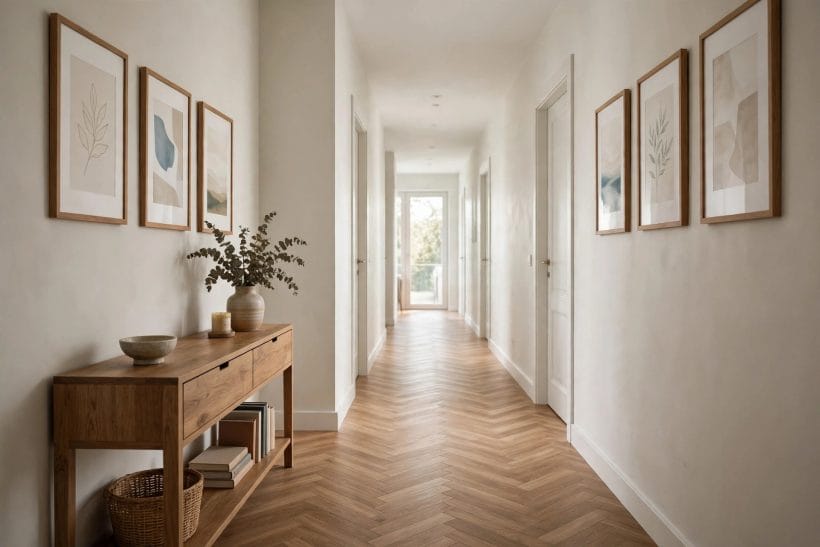
Colour and finish are where personal taste meets practical sense. Light oaks open a room up, warm walnuts add richness, grey tones feel calm and modern, and darker planks can ground a large space. Finish matters as well: a matte surface hides dust and softens glare, while a glossier surface reflects light and can show marks more readily. Neither is better in itself, and the right pairing depends on your room, your light and your tolerance for visible dust. Look at samples standing up, at floor level, and from across the room, since a floor is lived with from all of those angles.
The single most useful step is also the simplest: borrow samples and view them in your own rooms, at different times of day. Morning light, afternoon sun and evening lamps each change a plank, and a colour that feels right at noon can feel different at night. Place the sample beside your furniture, your wall colour and your curtains, and live with it for a day or two before deciding. For contemporary home design ideas, where floors often run across open-plan spaces, this at-home check keeps the whole scheme coherent rather than letting one room pull away from the rest.
8. Plan the Layout Before the First Plank
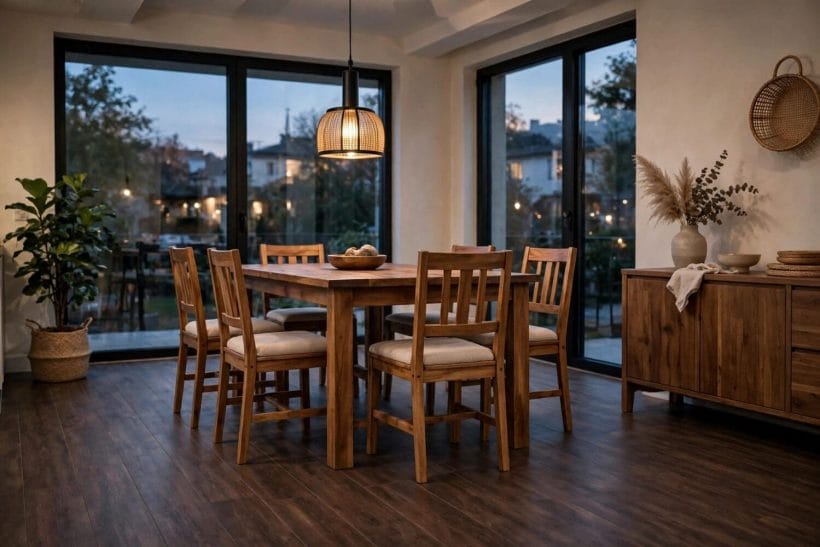
Layout is easy to overlook and hard to fix afterwards, so plan it before fitting begins. Plank direction changes how a room feels: planks running along the longest wall can make a room feel longer, while a herringbone pattern adds movement and suits hallways and feature spaces. Staggering the joints, so that seams do not line up in rows, gives a more natural wood look and avoids a striped effect. Your installer can talk through these choices and show you how each one would sit in your rooms.
Transitions deserve thought too. Where vinyl plank meets tile, carpet or another floor, a neat transition strip keeps the join safe and tidy. Doorways, steps and the edges around fitted furniture are the details that separate a careful job from a hurried one. For tiny house exterior ideas and the thresholds that join inside to outside, a clean transition also helps keep draughts and dirt at the door. Agree the layout and the transitions with your installer before work starts, so there are no surprises on the day.
9. Ask About Care and Everyday Cleaning
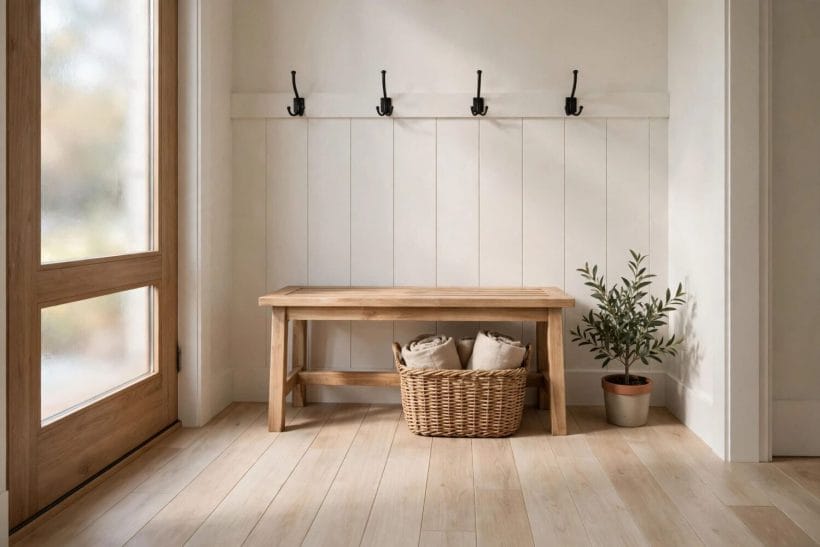
A floor that is easy to care for is a floor you will enjoy living with, so ask about cleaning before you buy. In general terms, vinyl plank floors are kept clean with regular sweeping or vacuuming and light damp mopping, following the maker’s written instructions. Spills are best wiped up promptly, and grit from outside is best caught at the door with a mat, since grit underfoot acts like sandpaper over time. Chair legs and heavy furniture benefit from soft pads, which protect the surface and make moving furniture less of a worry.
Ask what to avoid as well as what to do. Some cleaning products and methods suit one surface and not another, and the maker’s instructions are the safest guide. Keep those instructions somewhere you can find them, and share them with everyone who cleans the home. A simple routine, done regularly, keeps a floor looking settled far longer than occasional deep cleaning, and it costs nothing but a little habit. If anything about care is unclear, ask the seller to explain it before you commit, while the choice is still yours to make.
10. Get Samples and Read the Details
Samples and written details are your best protection against a rushed decision. Gather samples of your shortlisted options, view them at home in real light, and compare them side by side on your own floor. Notice the colour, the pattern repeat, the feel of the surface and the neatness of the joints. A pattern that repeats too obviously can look artificial across a large room, while a varied pattern feels closer to real wood. Take your time with this comparison, and invite others in the household to look too, since they will live with the floor as well.
Read the written details with the same care. Look for the maker’s care terms, the fitting guidance, and any notes about room suitability, and keep them with your receipt and your installer’s details. For luxury vinyl plank flooring ideas, which survey plank looks and room ideas more broadly, this post’s checks angle pairs naturally: ideas first, checks before buying. If any detail is missing or unclear, ask for it in writing. A seller who answers plainly and fully is giving you something valuable, and that openness is worth weighing alongside the plank itself.
Final Considerations
Choosing vinyl plank floors well comes down to a handful of calm checks: the room and its daily life, the wear layer and the joints, the core and the subfloor beneath, the colour in your own light, the layout agreed in advance, and the care routine you can honestly keep. None of these checks needs technical knowledge, and none of them needs a hurried decision. Work through them in order, keep notes, and let the floor that suits your home emerge from the comparison rather than from a single display or a single afternoon.
Fitting work belongs with a qualified installer, and subfloor preparation, levelling and any dampness checks are part of that skilled job, not a task to improvise. With preparation done properly, samples viewed at home, and written terms read before buying, you give your new floor the best possible start. The result is a floor that looks right, feels right underfoot, and settles quietly into daily life, room by room, for years to come.



0 Comments