

A calm bedroom is not about buying a theme — it is about space to breathe, natural textures and light that slows you down at the end of the day.
These seventy-five ideas borrow that spirit in a practical way, whether your room is a spacious ensuite or a tiny-home sleeping nook.
1. Calm Layout Foundations
Every restful room in this collection starts with the same discipline: fewer pieces, placed deliberately, with clear floor around them. When people picture asian inspired rooms, this breathing space is the quality they are really responding to — not any single object. Begin here, with layout, before choosing a single beautiful thing.
| At a Glance | What to Know |
|---|---|
| Layout first | Low, balanced furniture with generous clear floor creates the calm everything else builds on. |
| Materials | Timber, bamboo, cotton, linen, paper and stone carry the look more than any ornament. |
| Colour mood | Warm neutrals, ink-dark accents and one nature-inspired colour at a time. |
| Small rooms | Platform beds, screens and sliding storage make compact bedrooms feel intentional. |
| Rest quality | Soft layered lighting and uncluttered surfaces are the real luxury in this style. |
| Planning note | Adapt ideas to your own culture, climate and habits — calm is personal, not copied. |
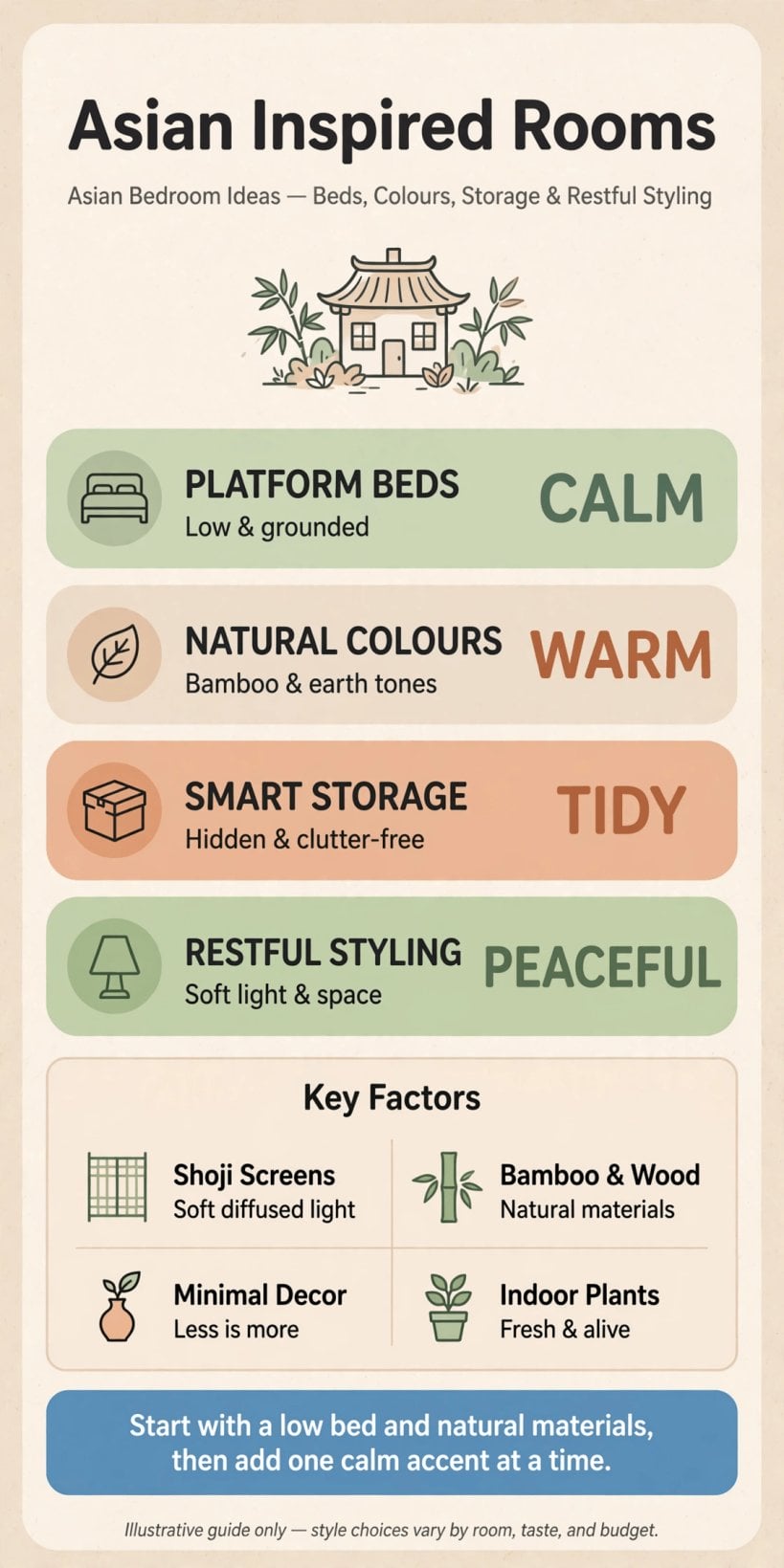
A visual summary of the layouts, materials and styling layers used throughout these bedroom ideas.
1. Bed centred on the longest wall. Give the bed the calmest wall, with equal space either side, so the whole room settles around it.
2. Clear floor at the foot of the bed. Resist filling the end of the bed — open floor there is what makes a room feel serene.
3. Symmetrical bedside pairing. Matching low tables and lamps create the quiet balance this style is loved for.
4. A single bench or trunk. One piece at the foot of the bed for blankets and books, nothing more.
5. Pathways kept wide and simple. Arrange furniture so moving through the room at night is effortless and uncluttered.
6. Wardrobe wall kept plain. Flat, handle-light doors in one calm finish let storage disappear into the architecture.
7. The bed as the only tall statement. Keep everything else low so the room’s horizon line stays peaceful.
8. An empty corner, on purpose. Leave one corner holding just a plant or a floor cushion — restraint is a design choice.
2. Low Beds and Platform Sleeping
Sleeping closer to the floor changes how a bedroom feels: quieter, more grounded, and visually larger because the ceiling seems further away. It is also practical in small homes with low or sloping ceilings. The grounded feeling pairs naturally with the layouts in modern tiny house bedroom ideas, where every centimetre of height is used thoughtfully.
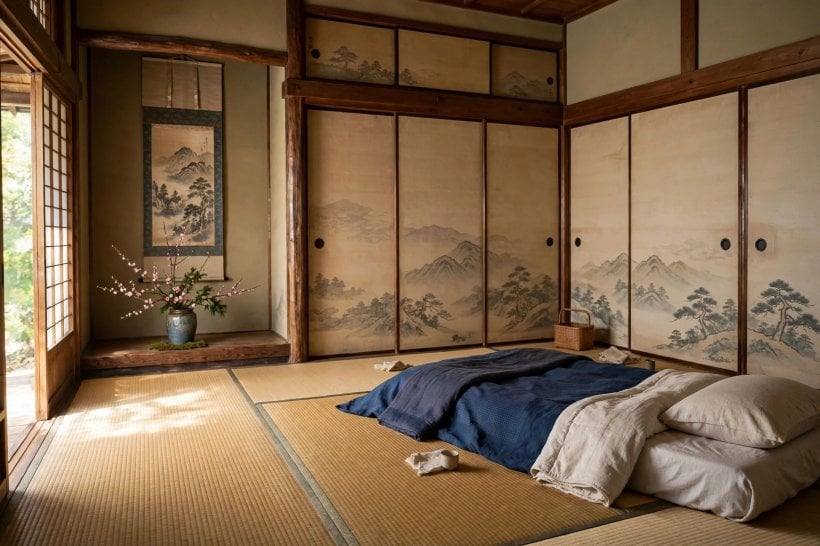
9. Simple timber platform bed. A low frame in a warm wood finish, wide enough to act as its own bedside ledge.
10. Tatami-style mat base. Woven-look mats under or around the bed add texture and a subtle natural scent of the outdoors.
11. Futon-inspired flexibility. A foldable sleeping mat suits guest corners and multi-use rooms in compact homes.
12. Extended platform as nightstands. Let the platform stretch sideways so books, water and a lamp land without extra furniture.
13. Low headboard in woven cane. A gentle natural screen behind the pillows, adding craft without visual weight.
14. Plain timber slat headboard. Vertical or horizontal slats echo traditional screens while staying thoroughly modern.
15. Floor-level reading nook. A cushion, a small lamp and a stack of books beside the platform for slow evenings.
16. Under-platform drawers. Hidden storage inside the base keeps spare bedding close and the room’s lines clean.
3. Screens, Partitions and Flexible Space
Screens are the great problem-solvers of calm bedrooms. They divide without building, soften hard corners, hide a work desk at night and give a studio or tiny home a bedroom that can appear and disappear. Choose the lightest structure that does the job, and let light filter through wherever possible, so the room never feels boxed in.
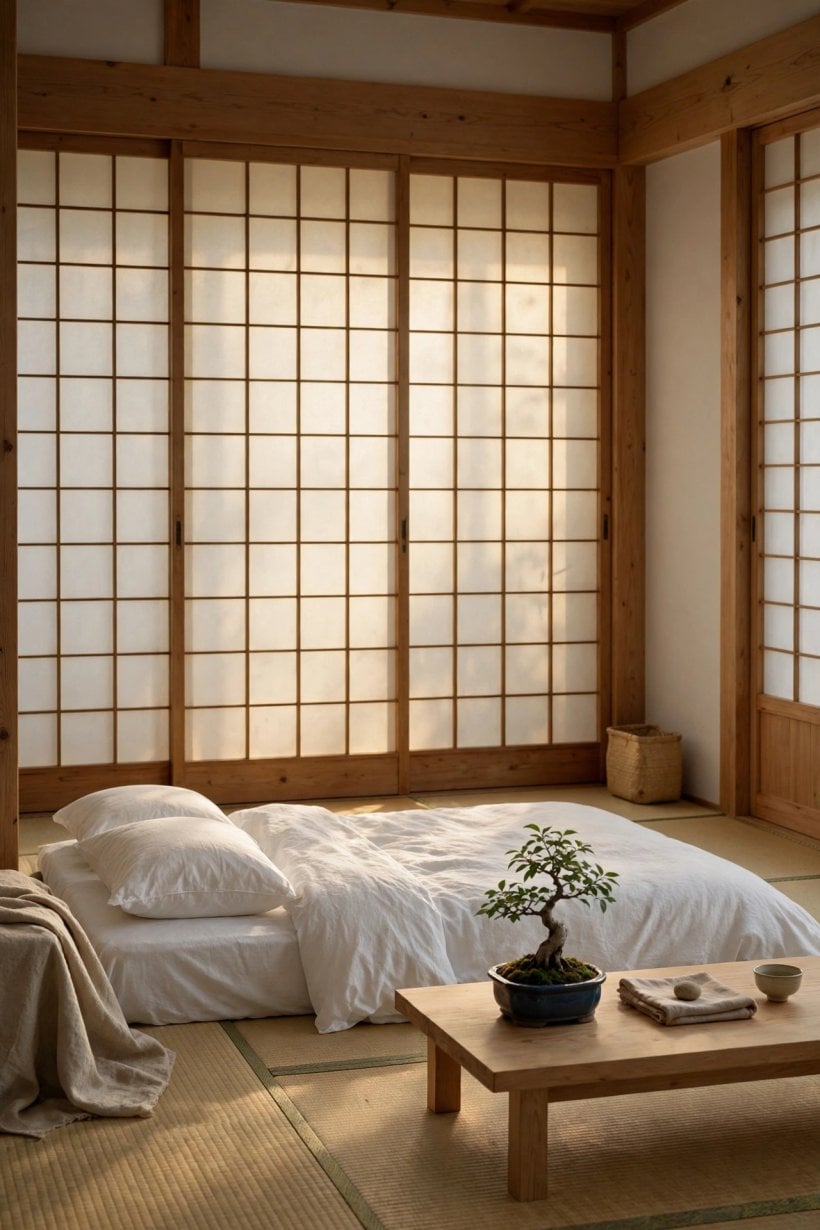
17. Folding shoji-style screen. A translucent panelled screen that glows softly when the light is behind it.
18. Open slatted divider. Timber slats separate a dressing area while air and daylight pass freely between zones.
19. Curtain partition in natural linen. A ceiling track and a washable curtain give renters a flexible, forgiving divide.
20. Screen as headboard. Stand a folding screen behind the bed for instant architecture in a plain rental room.
21. Bookshelf partition. A low, open shelf divides the space and stores books and baskets at the same time.
22. Sliding panel doors. Replace a swinging door with a sliding panel to free floor space in a small bedroom.
23. Corner screen dressing zone. Screen off one corner for changing and laundry sorting, out of sight from the bed.
24. Paper-look window film. On glass doors or bright windows, a soft translucent film brings privacy and diffused light.
4. Natural Materials: Wood, Bamboo, Paper and Stone
Materials carry this style more than colour does. The palette of touch — smooth timber, woven bamboo, matte paper, cool stone — is what the hand notices at night and the eye rests on in the morning. Build the room from a short list of natural finishes and repeat them, the same way tiny house and small-space interior design ideas repeat materials to make small homes feel coherent.
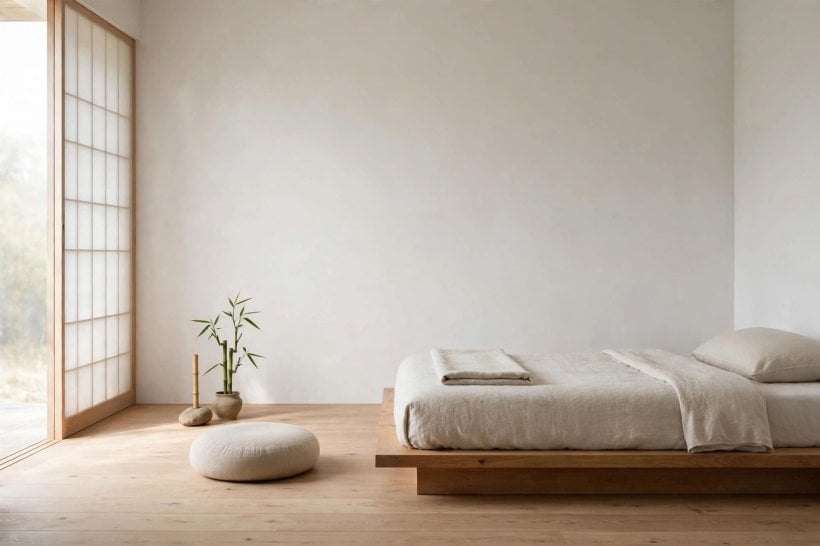
25. Warm oak or ash furniture. One consistent wood tone across bed, tables and wardrobe keeps the room unified.
26. Dark-stained contrast pieces. A single deep-toned bench or tray grounds pale wood and white bedding beautifully.
27. Bamboo blinds. Woven blinds filter daylight into soft stripes and replace heavy curtains with ease.
28. Woven pendant shade. A rattan or bamboo light shade casts patterned shadows that feel like evening in a garden.
29. Stone bedside tray. A small slab for water, glasses and a watch adds cool weight beside soft bedding.
30. Paper table lamp. A glowing paper shade is the gentlest possible bedside light for winding down.
31. Cork or woven floor mat. A natural layer underfoot beside the bed, warm in winter and cool in summer.
32. Ceramic details. A matte vase, cup or incense holder brings handmade irregularity to a calm scheme.
5. Bedding and Textiles for Deep Rest
If layout is the skeleton, bedding is the embrace. Natural fibres, layered lightly, in colours drawn from stone, sand, moss and ink — that is the recipe. It also ages gracefully and washes well, which matters more for rest than any photograph. Coordinate your palette with the guidance in tiny house interior paint colors so walls and textiles feel like one decision.
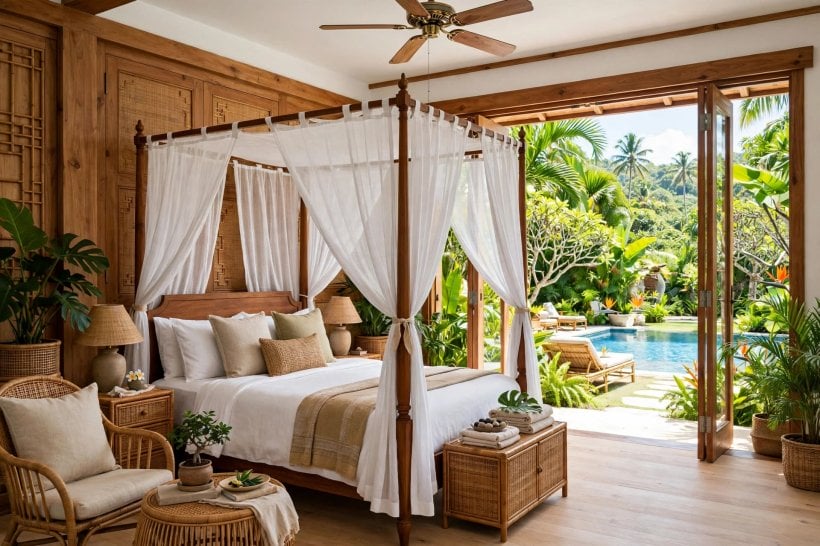
33. White and undyed cotton bedding. Breathable layers in natural shades, mixed rather than matched for a relaxed look.
34. A single indigo throw. One deep blue accent across the foot of the bed, echoing traditional dye work.
35. Linen in warm grey. Softly rumpled linen in a stone tone is the easiest calm colour a bed can wear.
36. Quilted coverlet folded back. A lightly quilted layer adds craft and lets sleepers adjust warmth through the night.
37. Floor cushions for sitting. Two firm cushions invite reading, stretching or tea at floor level, keeping chairs out.
38. A woven runner beside the bed. First step of the morning lands on texture, not cold flooring.
39. Minimal pillow styling. Sleeping pillows plus one long cushion — calm beds are rarely buried in cushions.
40. Seasonal textile swap. Lighter cottons for summer, one wool layer for winter, stored in the platform drawers.
6. Colour Palettes That Slow the Pulse
Colour in a restful bedroom should arrive like weather — soft, natural and never shouting. Build from warm off-whites and timber, then add one nature colour at a time: moss, clay, indigo, charcoal. The schemes below move from palest to deepest, and all of them sit comfortably beside the soft neutrals celebrated in blue and white interior design ideas for tiny houses.
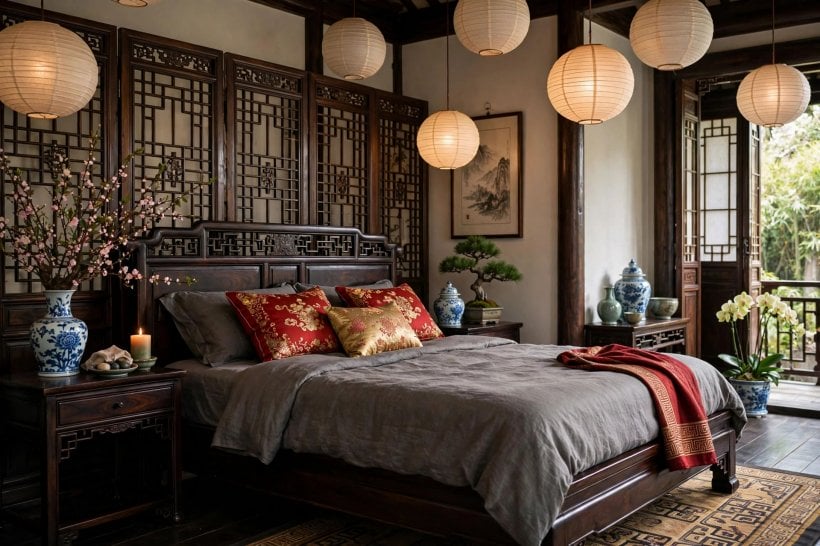
41. Rice-white and pale timber. The lightest scheme — bright by day, lantern-soft by night with warm bulbs.
42. Sand and stone neutrals. Layered beige tones warmed by wood, perfect for rooms with cool daylight.
43. Moss green accents. Cushions, a throw and plants in muted green against neutral walls and bedding.
44. Indigo and white. Crisp, classic contrast that feels like fresh air, softened by natural wood.
45. Charcoal depth on one wall. A single dark wall behind the bed makes pale bedding glow and sleep feel cocooned.
46. Clay and terracotta warmth. Earthy accents for north-facing rooms that need visual warmth more than anything.
47. Black details, sparingly. A lamp base, a frame, a tray — small dark notes that organise a pale room.
48. Monochrome texture scheme. One colour family, many textures: the most restful advanced move of all.
7. Lighting for Evenings That Unwind You
Bedrooms in this style treat light as a material, not an afterthought. The goal is pools of warm light at low level, nothing glaring overhead at bedtime, and daylight softened rather than blocked during the day. Plan the layers — a pendant, bedside lamps, one small glow near the floor — and put them on separate switches so the room can dim in stages as the evening deepens.
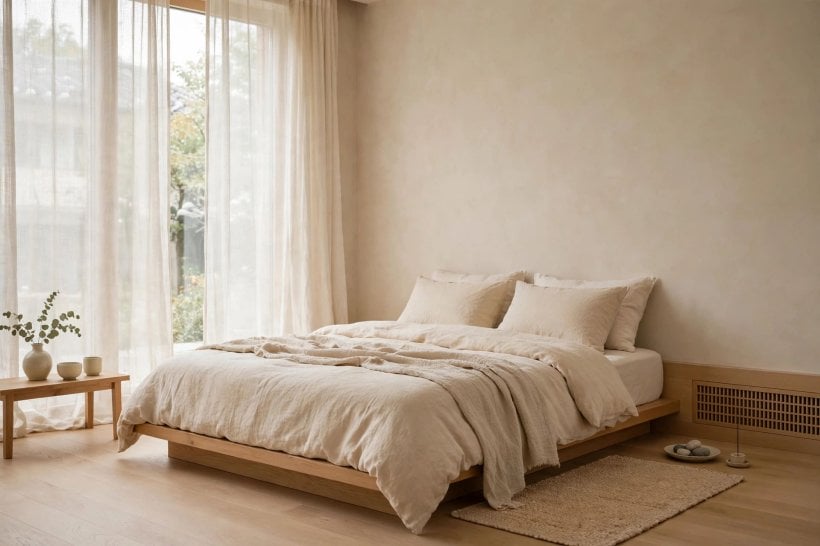
49. Paper globe pendant. A soft moon of light in the centre of the room, gentle from every angle.
50. Low bedside lamps. Light at pillow height flatters books and faces and keeps the ceiling in shadow.
51. Floor-level guide light. A tiny warm light near the floor for midnight water trips without full wakefulness.
52. Candle-style lantern, used safely. A flameless lantern gives the lantern glow with none of the risk near bedding.
53. Sheer daytime curtains. Translucent panels turn harsh sun into the soft, even light this style loves.
54. Dimmer switches everywhere. The single most effective rest upgrade, letting one room serve reading and sleeping.
55. Light behind a screen. Place a lamp behind a translucent screen and the whole panel becomes a lantern.
56. No overhead light after nine. A household habit as much as a design idea: lamps only, screens low, voices down.
8. Storage That Protects the Calm
Clutter is the enemy this style is quietly organised against. The answer is not owning nothing — it is giving everything a closed home, so the eye meets doors and baskets instead of piles. In small homes this discipline is survival, and it echoes the storage thinking in kitchen design ideas for tiny houses and small spaces: closed, labelled, and close to where things are used.
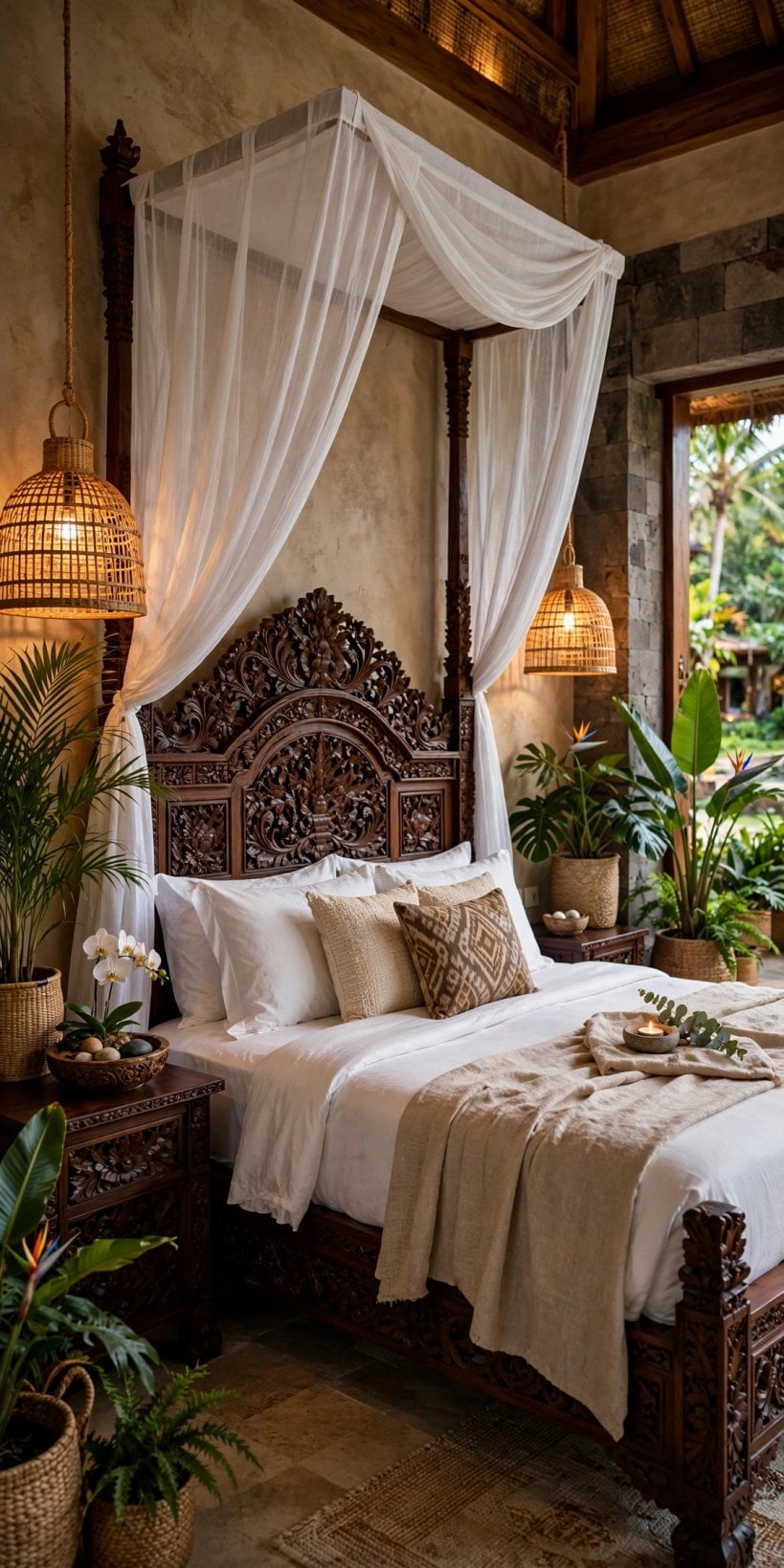
57. Lidded baskets for small things. Chargers, watches and bedside bits disappear into woven baskets with lids.
58. A calm wardrobe interior. Matching hangers, folded shelves and one rail of visible clothes — order you can feel.
59. Bedside drawer discipline. One drawer, few things: book, balm, glasses, nothing that glows or buzzes.
60. Laundry hidden daily. A lidded laundry basket inside the wardrobe keeps rest and chores in separate worlds.
61. Trunk for spare blankets. The foot-of-bed bench earns its place by swallowing winter layers whole.
62. Wall hooks in one neat row. Tomorrow’s clothes on hooks, not the famous chair that eats outfits.
63. Under-bed boxes on wheels. Seasonal storage that glides out for cleaning instead of gathering dust in corners.
64. A five-minute nightly reset. Surfaces clear, cushions straight, floor empty — tomorrow begins in a calm room.
9. Plants, Art and Quiet Decoration
Decoration here is edited like poetry: few pieces, each earning its place, most of them alive or handmade. One plant, one artwork, one beautiful object on a tray — and then space for the eye to rest between them. That space is not emptiness; it is the design. For more green thinking indoors and out, tiny house landscaping ideas carries the same philosophy beyond the bedroom door.
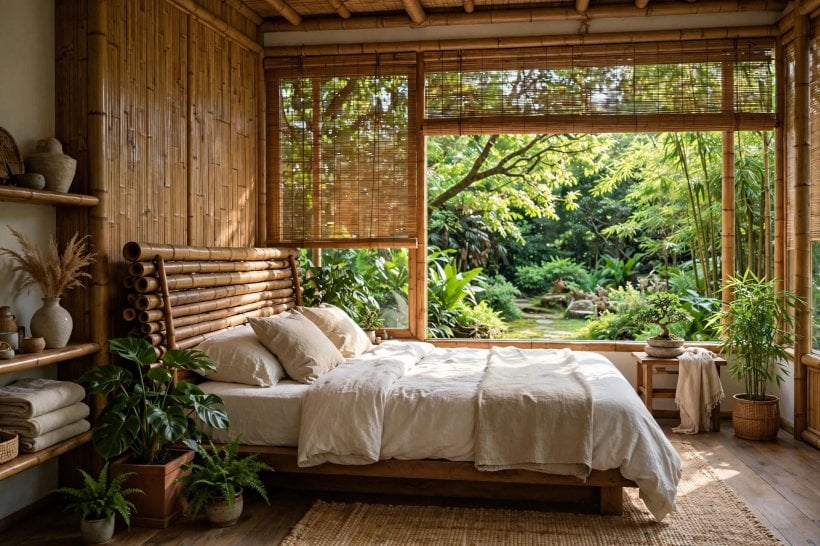
65. One sculptural plant. A single leafy plant in the empty corner, chosen for shape rather than size.
66. A branch in a tall vase. Seasonal branches bring the garden indoors with almost no maintenance attached.
67. Bonsai-style miniature tree. A small, cared-for tree on a dresser — a living focal point that rewards attention.
68. One large calm artwork. A single generous piece — landscape, abstract wash or textile hanging — instead of a gallery wall.
69. Woven wall hanging. Soft fibre art warms a plain wall and quietly improves the room’s acoustics.
70. A tea tray vignette. Cup, small pot and a folded cloth on a tray: beauty arranged for actual use.
71. Incense or a natural scent. A gentle, occasional fragrance ritual that signals the day is finished.
10. Small Bedrooms and Tiny-Home Adaptations
Small rooms suit this style remarkably well, because its core moves — low furniture, closed storage, soft light, few colours — are exactly the moves that make compact bedrooms feel larger and calmer. The final ideas adapt the look for the tightest spaces, from studio corners to loft nooks, using the same ingenuity found in how to build your own tiny house and tiny house kitchen design ideas.
72. Loft platform with storage stairs. Steps that double as drawers lift the bed and solve two problems at once.
73. Curtain-closed sleeping alcove. A nook plus a linen curtain equals a bedroom door where no door fits.
74. Folding futon for studio living. Sleep at floor level by night; reclaim the whole floor by day.
75. One-wall bedroom. Bed, shelf and lamp composed on a single wall, everything else kept deliberately empty.
A final practical note: borrow respectfully and practically. These ideas draw on design traditions built over centuries, and the most successful rooms adapt principles — balance, nature, restraint, craft — rather than collecting symbols. Work with your climate, your light and your habits, support makers where you can, and let the room evolve slowly. A calm bedroom is grown over months, not installed in a weekend.
Final Considerations
The most successful asian inspired rooms share three habits: they edit before they add, they choose natural materials over decoration, and they protect the floor space and the quiet at the centre of the room. Start with layout, add the low bed, soften the light, and stop earlier than feels natural. Rest is the brief — and a room that holds less, beautifully, will give you more of it, every single night.


0 Comments