
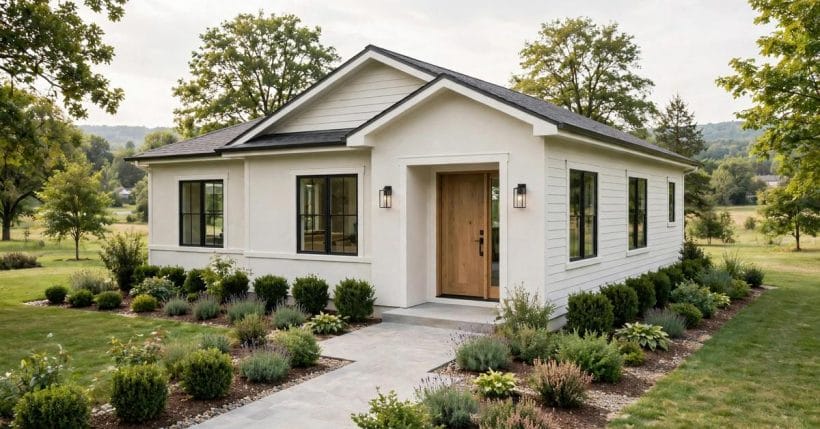
An exterior before and after is one of the most satisfying transformations a home can go through. The structure stays where it is, the rooms inside stay the same, and yet the whole house feels different from the street. A tired frontage becomes a welcoming one, a dull facade gains warmth and order, and the walk from the gate to the door becomes something to enjoy rather than something to hurry through. That change rarely comes from a single dramatic gesture. More often it comes from a handful of well-judged decisions, each one making the next one look better.
This article looks at exactly five exterior makeovers, described in general terms so that the ideas can be adapted to many different homes. None of them is presented as a particular property, and no specific home, owner, place or project is claimed anywhere in what follows. Instead, each makeover describes a type of change: what it involves, what it does to the look of a house, and what to think about before starting. Structural work, electrical work and anything that affects how a house stands, drains or keeps out weather should always be left to qualified professionals, with local rules checked before any change is made.
1. How to Read an Exterior Before and After
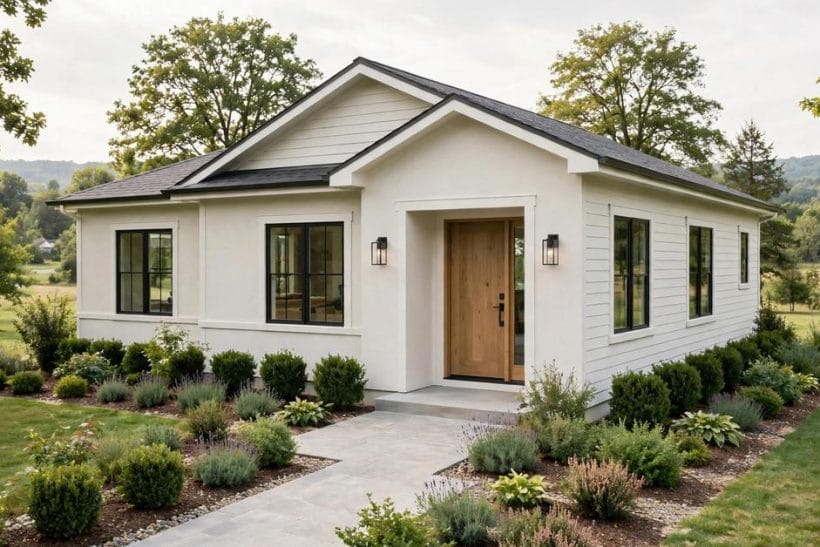
The word before can be misleading. A before view is not always a picture of neglect. Often it is simply a house whose finishes have aged unevenly: paint that has faded on the sunny side, planting that has outgrown its beds, a path that has settled, or a front door that no longer matches the rest of the facade. The after view, in the same way, is not about luxury. It is about coherence. Colours sit comfortably together, lines are clean, planting has room to breathe, and the entrance is easy to find and pleasant to reach.
That is why the most striking makeovers tend to share a discipline. They begin with the whole frontage rather than with a single feature. The colour of the walls is considered alongside the colour of the door, the trim, the roof and the path. Planting is considered alongside light, shade and the way water runs off the plot. A change that looks wonderful on its own can still jar if it fights with everything around it, while a modest change that respects its neighbours can lift the entire front of a house.
It also helps to judge a makeover by how it will look across the seasons, not only on the day it is finished. Fresh paint glows in summer light and still needs to hold up through wet and cold weather. New planting looks sparse at first and fuller later, which means beds should be planned with growth in mind rather than filled edge to edge on day one. Lighting that flatters a facade in the evening should be gentle rather than glaring. The five makeovers below are all judged in that spirit: not as instant effects, but as changes that settle in and keep looking right.
2. Makeover 1: Fresh Paint and a Renewed Entry
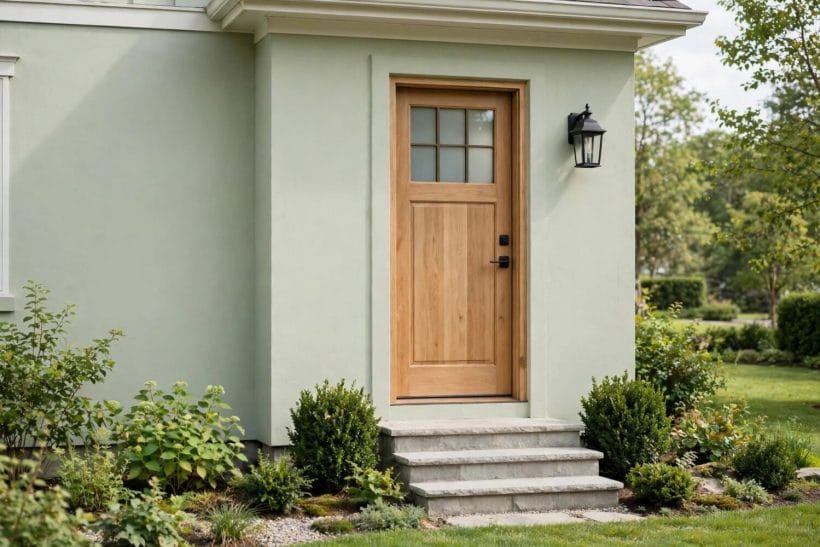
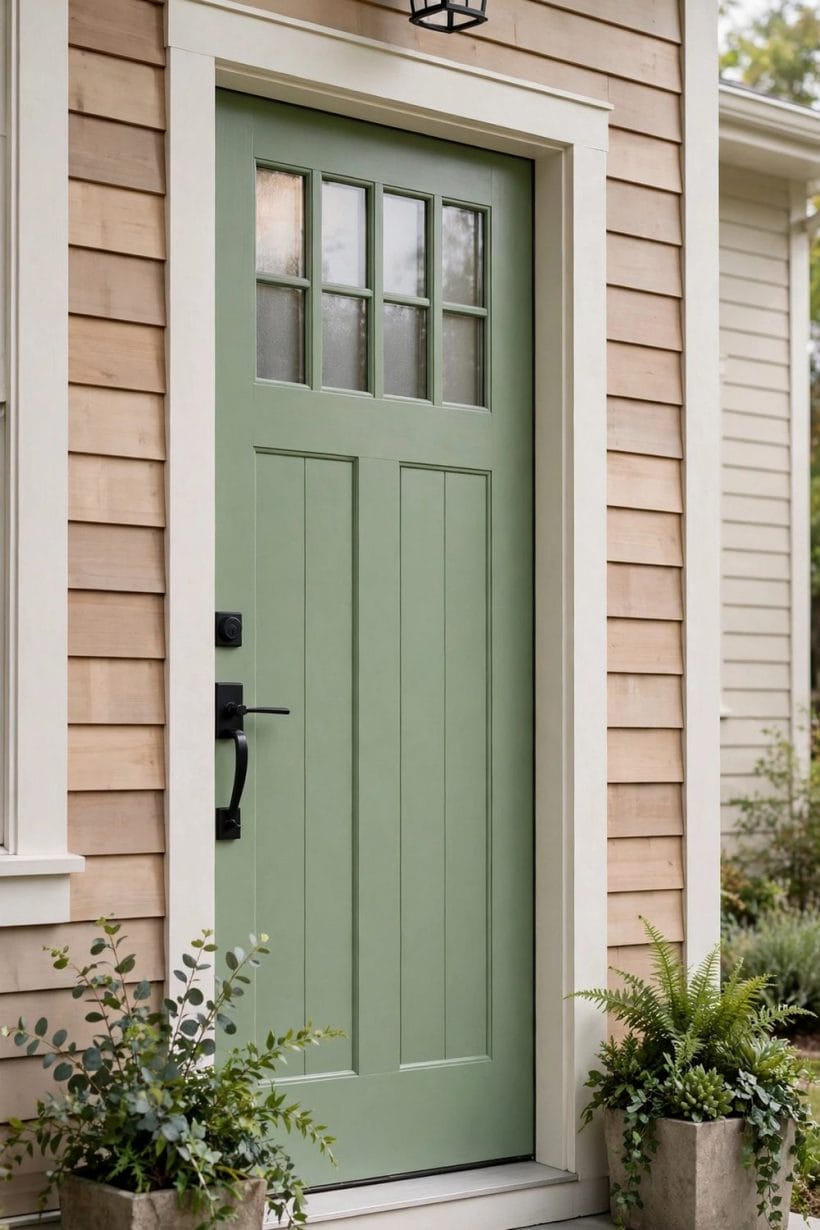
Paint is the fastest way to change how a house reads from the street, and it is the makeover most people notice first. A faded or patchy facade can make a sound house look tired, while a fresh, well-chosen colour can make the same house look cared for and calm. The trick is restraint. The most successful repaints usually work with a small palette: a main wall colour, a quieter trim colour, and an entry colour with enough character to draw the eye without shouting. When those three sit well together, the whole frontage feels intentional.
The entry deserves as much attention as the walls. A front door that has been cleaned, repaired or renewed, with sound hinges, a handle that works smoothly and a porch light that actually welcomes visitors after dark, changes the feeling of arrival out of all proportion to its size. Small details matter here: a tidy doorstep, a house number that is easy to read, and a mat or threshold that is level and safe underfoot. None of these details is glamorous on its own, but together they tell a visitor that the house is looked after.
Preparation is what separates a repaint that lasts from one that peels. Surfaces need to be clean, sound and properly prepared before any new finish goes on, and any sign of damp, rot or movement underneath should be investigated by a professional before it is covered up. Paint cannot fix a structural problem, and covering one only hides it for a season. Done properly, though, a fresh coat of paint with a renewed entry is the classic before and after: the same house, the same shape, and a completely different first impression. For broader ideas about how a facade can carry colour and character, the gallery of tiny house exterior ideas shows how small homes use paint and trim to great effect.
3. Makeover 2: New Siding and Crisp Trim
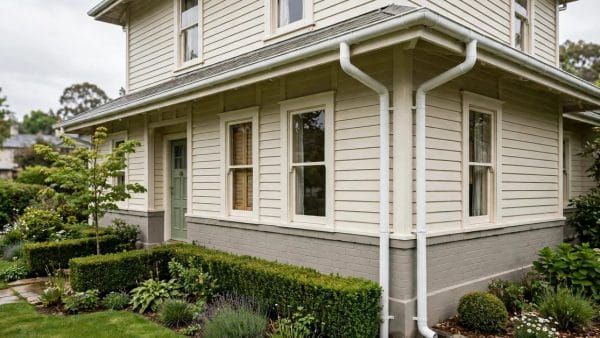
Where paint refreshes a surface, new siding renews it. Siding sets the rhythm of a facade: the horizontal lines, the shadows between boards, and the way light moves across the wall through the day. When old cladding is stained, warped or patched in mismatched pieces, the whole house can look unsettled even if the garden is immaculate. Replacing it with a consistent, well-fitted finish gives the facade a calm, even texture, and that calm is what the eye registers as newness.
Trim is the partner of siding, and it deserves equal care. Crisp boards around windows and doors, a clean corner detail, and a fascia that runs true all frame the house the way a mount frames a picture. Trim that is too heavy can make a small facade look fussy, while trim that is too thin can leave windows looking lost in a wide wall. The happiest balance is usually a trim width that suits the scale of the house and matches the other woodwork, so that windows, doors and corners all speak the same quiet language.
This is a makeover where professional fitting matters more than enthusiasm. Siding and trim sit at the boundary between a house and the weather, and poor fitting can let water in behind a handsome new face. Joints, flashings, ventilation and the junctions with roofs, porches and foundations all need to be handled by people who understand how a wall keeps water out. A homeowner’s role is to choose the look, agree the details, and judge the finished work with a careful eye: lines that run straight, joints that close neatly, and a finish that looks as good at the corners as it does in the middle of a wall.
4. Makeover 3: A Porch That Welcomes
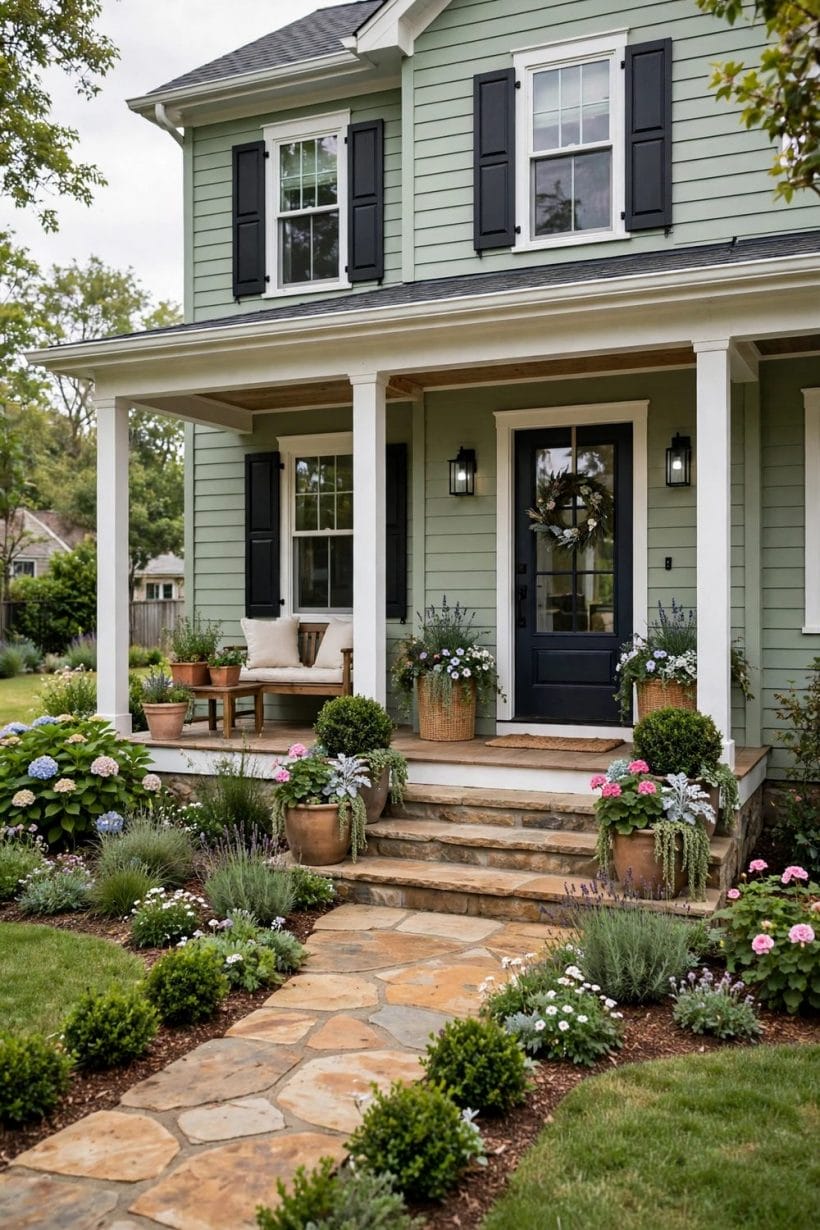
A porch is the handshake of a house. Before a makeover it is often the most underused part of the frontage: a bare slab, a single chair that nobody sits in, or a stack of things waiting to be carried inside. After a makeover it becomes a room in its own right, even when it is small. Seating that invites a pause, planters that soften the edges, and lighting that glows rather than glares all work together to say that visitors are welcome and that the household enjoys being there.
Comfort comes before decoration. A porch needs a dry floor underfoot, a seat at a sensible height, and enough shelter that a shower does not send everyone indoors. Once those basics are in place, the rest can be simple: a pair of chairs rather than a crowd of them, planters in scale with the space, and a light placed so that faces are lit and steps are visible. Colour can be carried through cushions, pots and the front door, tying the porch back to the rest of the facade instead of letting it drift into a separate style.
Scale is the quiet trap of porch makeovers. Furniture that is too large crowds the entrance, while furniture that is too small looks stranded. Planters that block the path or hide the door defeat their own purpose. The best test is to walk the route a visitor walks: from the gate, along the path, up the steps and to the door, and to notice where the eye rests and where the feet hesitate. A porch that passes that walk feels generous whatever its size, and it pairs naturally with the Victorian porch ideas gallery, which shows how period porches balance furniture, swings and lighting without crowding the entrance.
5. Makeover 4: Garden, Path and Planting
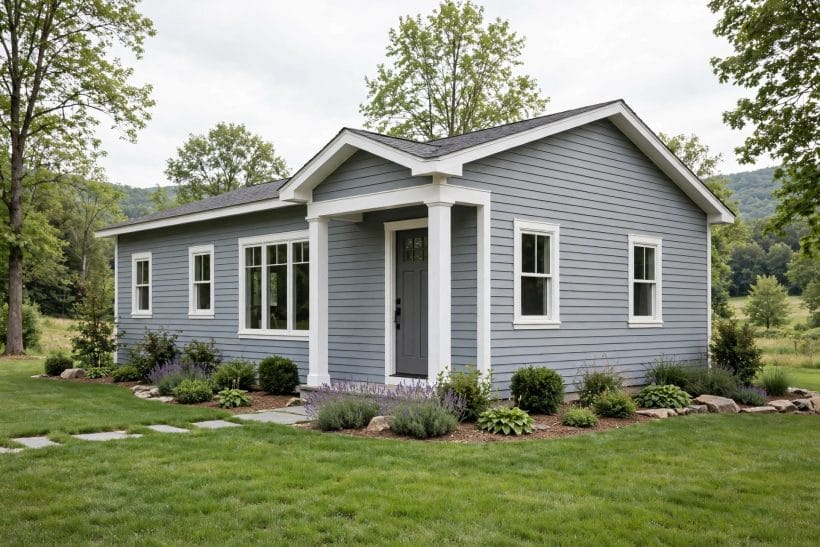
Sometimes the house itself barely changes and the makeover still stuns, because the ground around it has been rethought. A front garden that has grown tangled, a path that wanders without purpose, or a lawn that has surrendered to shade can all drag a good facade down. Clearing, reshaping and replanting with a clear structure can give the same house a completely new setting, and the house repays the compliment by looking better against its new backdrop.
Structure comes first in garden makeovers. A path should lead somewhere obvious, wide enough to walk comfortably and level enough to feel safe. Beds should have clear edges so that planting reads as intentional rather than accidental. A tree or large shrub that frames the house is worth more than a dozen small plants scattered without a plan, and open lawn or gravel, used sparingly, gives the eye somewhere to rest between beds. The aim is a garden that looks good from the street and from the front door alike.
Planting should be chosen for the setting it will actually live in: sun or shade, wet or dry soil, wind or shelter. Plants that suit their place need less intervention, look healthier for longer, and settle into shapes that flatter the house rather than fighting it. Seasonal interest matters too, so that the frontage has something to offer beyond a single flush of summer colour: spring growth, summer fullness, autumn tone and winter structure. The garden steps ideas gallery is a useful companion here, showing how planting, paths and beds work together across a garden rather than as isolated features.
6. Makeover 5: Garage, Drive and Evening Light
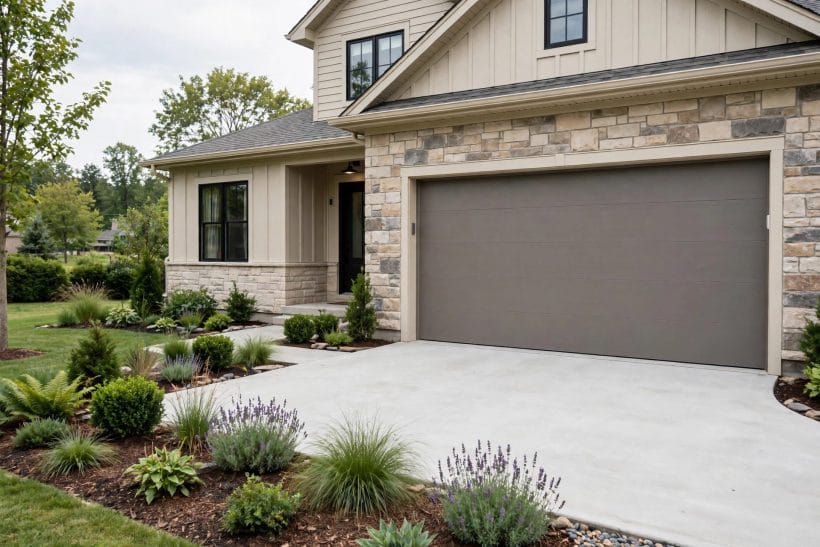
Garages and drives are easy to overlook because they are working parts of a home, yet they often occupy a large share of the frontage. A garage door that has faded, dented or drifted out of style can dominate a facade in the worst way, drawing the eye away from the entrance. Renewing it in a colour and style that sit quietly with the house, clearing and repairing the drive, and tidying the planting alongside it can rebalance the whole frontage, letting the front door take its proper place as the focal point.
The drive itself rewards the same attention as a garden path. A surface that is clean, level and well drained looks cared for and is safer to walk and park on. Edges matter: a drive that bleeds into the lawn looks unfinished, while a drive with a neat border reads as part of the design. Planting beside a drive should be tough enough to cope with cars, feet and reflected heat, and low enough never to block sightlines for drivers or pedestrians. Small choices, like a border of hardy shrubs or a strip of gravel that catches stray stones, keep the area looking tidy with little effort.
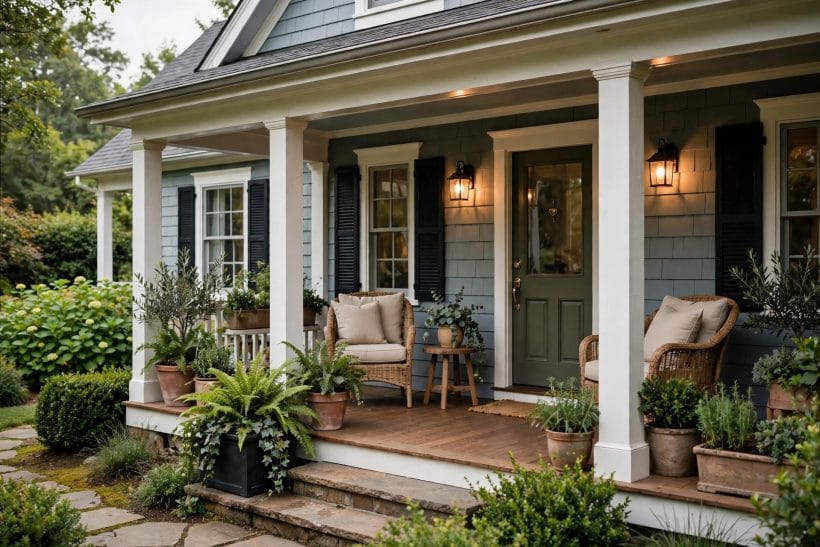
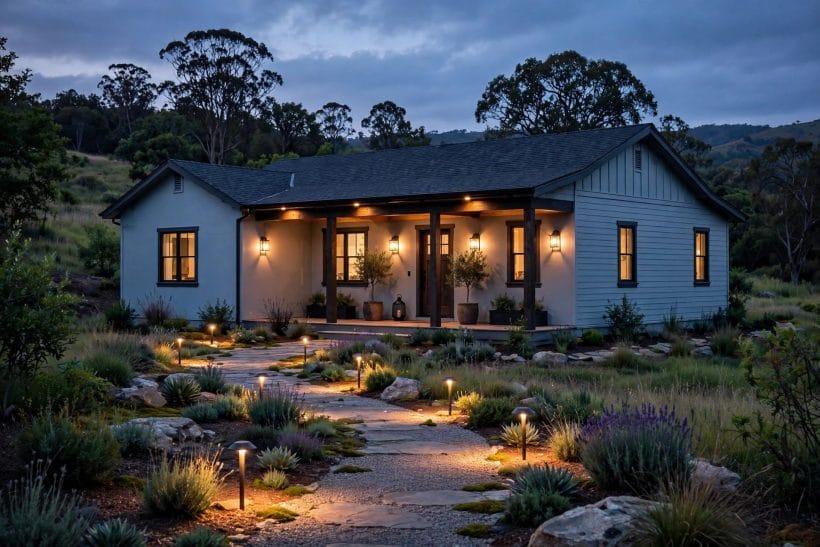
Evening light is the finishing touch that makes this makeover feel complete. Path lights that mark the way without dazzling, a porch light that flatters the entrance, and a soft wash of light on a facade or a tree can transform a house after dark from a dark shape into a welcoming sight. Lighting should be gentle, shielded where possible so that neighbours are not dazzled, and wired safely by a qualified electrician. Done well, it extends the makeover into the hours when a household actually comes home, and it is the part of the transformation that photographs most strikingly at dusk.
7. Choosing Which Makeover Comes First
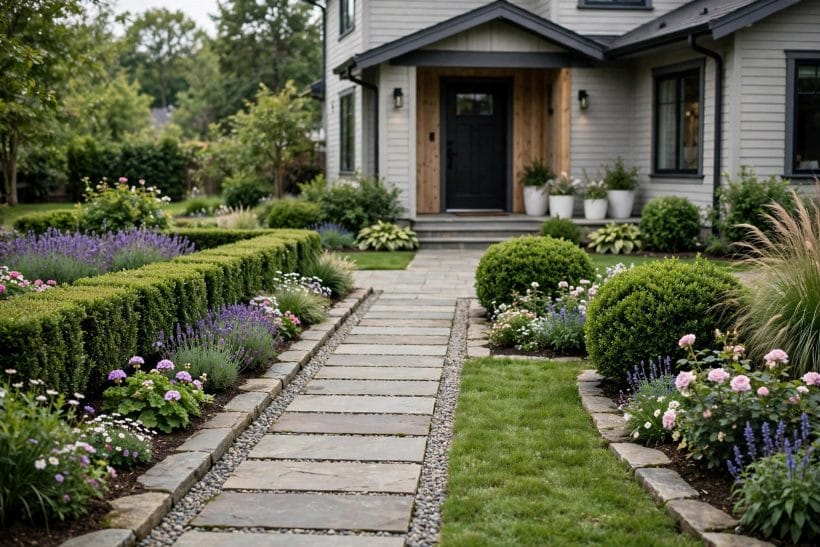
With five strong makeovers on the table, the natural question is where to begin. The honest answer is that it depends on what is letting the house down most. A facade with failing paint will not be rescued by new planting, because the eye will still land on the peeling walls. A house with a sound facade but a tangled garden will gain more from landscaping than from a repaint. The best starting point is usually the change that removes the single most distracting flaw, because everything after it then has a clean backdrop to work against.
Budget and disruption also shape the order, and both deserve a candid look before work starts. Some makeovers are mostly surface work, while others involve trades, scaffolding or waiting for planting to establish. Sequencing matters: it makes little sense to lay a beautiful new path before heavy work that will cross it, or to plant delicate beds before building work nearby is finished. A rough order, agreed in advance, saves rework and keeps the household’s patience intact through a longer project.
There is also a case for starting with the change the household will enjoy most. A porch that becomes a favourite evening seat, or a front garden that makes coming home a pleasure, pays back daily in a way that a purely cosmetic change may not. Makeovers are not only about kerb appeal for strangers; they are about how the people who live in a house feel about it. Weighing visual impact, practical need and daily enjoyment together usually points to a sensible first step, and the rest can follow in their own good time. For a sense of how whole-home choices hang together, the tiny house designs collection shows how exteriors and interiors are planned as one.
8. Materials and Finishes That Age Well
A makeover that looks wonderful for a season and shabby by the next is no makeover at all. The finishes that age best tend to share a few qualities: they suit the climate they live in, they can be cleaned and maintained without specialist equipment, and they weather gracefully rather than failing suddenly. Timber that is properly finished and maintained, masonry that is soundly pointed, and metalwork that is protected against rust all reward steady, undramatic care far more than they reward novelty.
Colour choice plays a part in ageing too. Very pale finishes show dirt quickly, while very dark finishes can fade unevenly in strong sun. Mid-tones, natural textures and colours drawn from the surrounding landscape tend to be forgiving, hiding the small marks of everyday life while still looking fresh after a clean. The same logic applies to planting and surfaces: materials that already look at home in their setting are less likely to look dated when fashions move on.
Maintenance should be part of the design, not an afterthought. A finish that cannot be reached for cleaning, a planter that cannot be watered without a ladder, or a light fitting that cannot be relamped safely will all be neglected, whatever the household’s intentions. Asking, before anything is fixed in place, how it will be cleaned, repaired and eventually renewed is one of the most practical questions in any makeover. The tiny house floor plans collection makes the same point indoors, where layouts that are easy to live with stay loved for longer.
9. Working With Professionals for Structural Work
Many exterior changes are well within the reach of a careful homeowner: painting a sound surface, planting a bed, choosing porch furniture or refreshing a door. Others are not, and knowing the boundary is part of doing a makeover well. Anything that alters structure, roofing, drainage, gas, electricity or water should be left to qualified professionals, as should any work where a mistake could let water into the house, weaken a wall or create a hazard for visitors.
A good professional relationship starts with a clear brief. Photographs of the existing frontage, a note of what is failing and what the household hopes to achieve, and an honest conversation about maintenance all help a tradesperson propose work that fits the house rather than a generic solution. Written quotes, agreed materials and a clear understanding of what is included, and what is not, protect both sides. If a proposal promises a transformation that sounds too complete or too quick, it is worth pausing and asking what has been left out.
Judging finished work is a skill worth developing. Lines should run true, joints should close, finishes should be even, and the junctions between new work and old should be neat rather than hidden behind sealant. A professional who welcomes that kind of inspection is usually one worth keeping for the next project. The contemporary home design ideas collection offers a useful reference for the standard of finish to expect, showing clean junctions and coherent detailing across many different homes.
10. Keeping the New Look Good
The quiet secret of every striking before and after is that the after photograph is only the beginning. Paint needs washing and eventual renewal, planting needs pruning and feeding, paths need weeding and drives need clearing. None of this is onerous when it is built into a routine, but all of it becomes a chore when it is left until the frontage has slipped back toward its before state. A little regular attention preserves far more value than an occasional heroic effort.
Seasonal checks are a gentle way to stay on top of things. After wet weather, look for staining, blocked gutters or water sitting where it should drain away, and have any concern checked by a professional rather than painted over. In dry weather, planting may need water and mulch, while timber and paint benefit from a wash that reveals small repairs before they grow. Before winter, lights, steps and paths deserve a safety check, so that dark evenings and wet surfaces do not become hazards.
Finally, it is worth photographing the finished makeover and keeping a note of the colours and materials used. Future touch-ups are far easier when the exact finishes can be matched, and a record of what was done, and when, helps any future tradesperson understand the house. The tiny house interiors collection shows the same habit indoors, where a coherent record of finishes keeps a small home feeling intentional year after year. A makeover kept in this way does not fade back into a before; it simply becomes the house as it now is.
Final Considerations
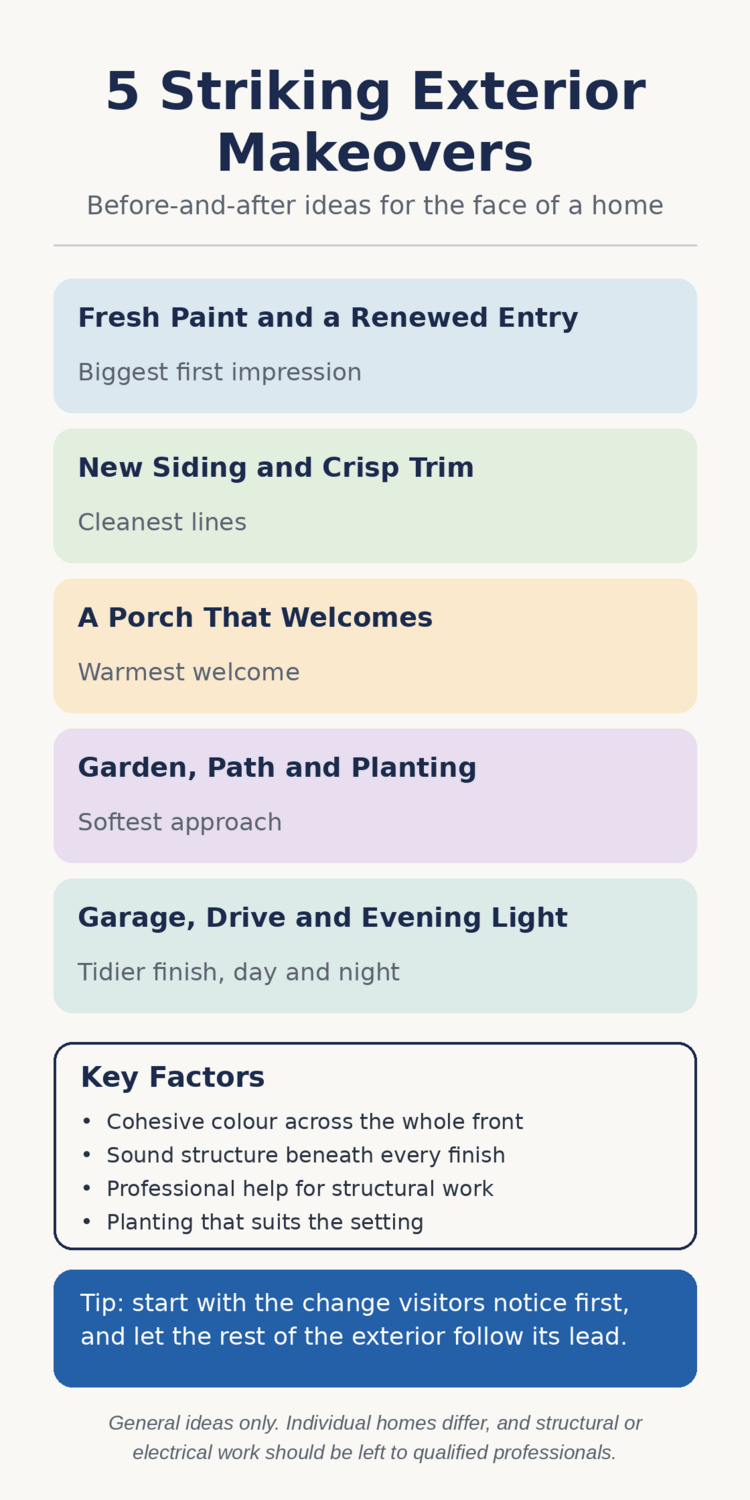
Five makeovers, one principle: the most striking exterior transformations are the coherent ones. Fresh paint and a renewed entry give a house its first impression. New siding and crisp trim give it clean lines. A welcoming porch gives it warmth. Garden, path and planting give it a setting. Garage, drive and evening light give it a tidy finish that lasts into the night. No single one of these changes needs to be grand, and none of them needs to pretend to be a particular home’s story. Together, in general terms, they describe how an ordinary frontage becomes a striking one.
Begin with the flaw that distracts most, choose materials that will age gracefully, leave structural and electrical work to qualified professionals, and keep the result with gentle regular care. Judged that way, an exterior before and after is not a trick of photography or a tale of a single dramatic weekend. It is a series of thoughtful decisions, each one making the house a little more welcoming, a little more coherent, and a little more of a pleasure to come home to.



0 Comments