
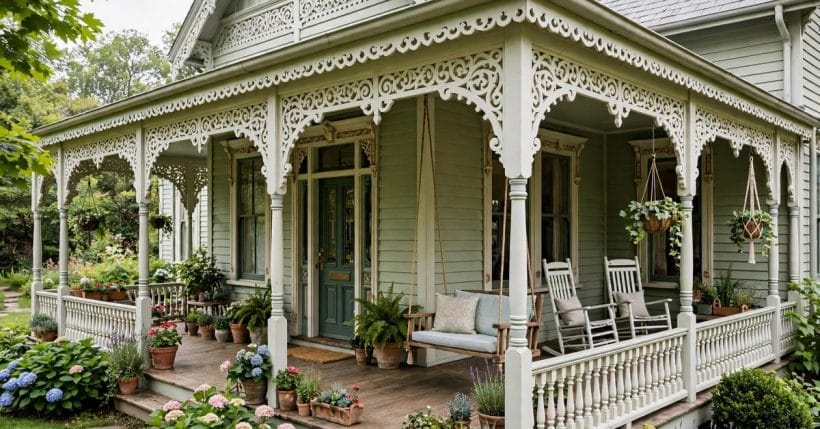
A Victorian porch announces itself before a word is spoken, in turned spindles, pierced frieze boards and scrolled brackets painted in soft tones. It is a covered outdoor room rather than a mere shelter over a door, a place for rocking chairs, swings, lanterns and pots, and a welcome that begins at the garden path. For anyone gathering victorian porch ideas, the choices come down to trim, furniture, light, colour and planting, held together by proportion and care. Structural, roofing, electrical and weatherproofing work belongs throughout with qualified professionals, never as a do-it-yourself project.
A Victorian porch differs from the entrance forms around it, and the distinction keeps this collection honest. A portico is a compact shelter whose job is the doorway itself, while a porch is a larger covered space with room to sit. A stoop is a smaller raised entry, and a covered porch in general may carry none of the turned trim that marks the Victorian style. This collection stays with the Victorian porch alone, in its own trim, furniture, lighting and welcome, and it links to the wider porch family only where a neighbour helps to mark the boundary.
1. The Victorian Porch at a Glance
A Victorian porch is recognised first by its trim, turned spindles, pierced frieze boards and scrolled brackets, all painted in soft tones against the body of the house. It is a covered outdoor room for sitting, greeting visitors and watching the garden, larger than a mere shelter over a door and richer in detail than a plain entry. This opening set looks at the trim itself, the detail that gives every Victorian porch its character. The front portico owns the compact doorway shelter, distinct from the roomier porch gathered here.
1. Turned Spindles in a Row
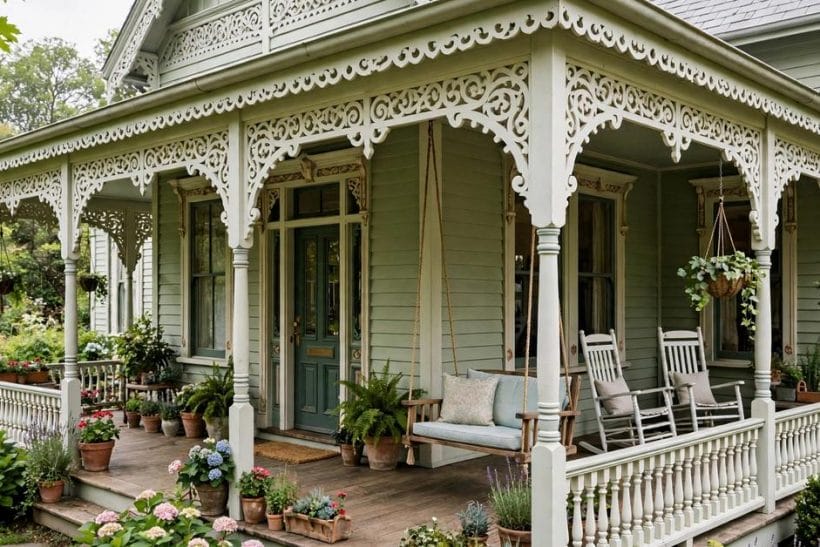
A row of turned spindles gives a Victorian porch its rhythm at once. Each spindle is shaped on a lathe, with rings and curves that catch the light differently through the day. Painted in a soft tone, they read as lace against the garden behind them. Keep the spacing even, the paint fresh, and the row will carry the whole porch.
2. Lace-Like Frieze Boards
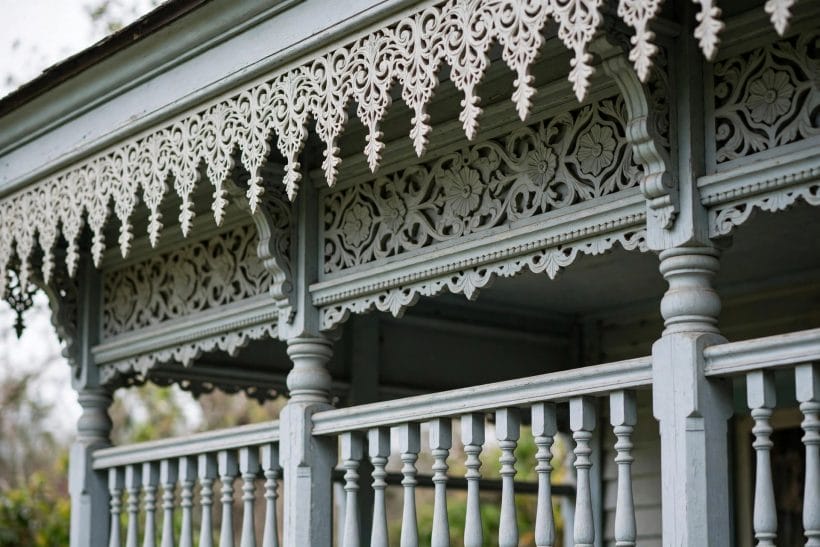
The frieze board runs beneath the eaves and carries the finest detail on the porch. Cutwork patterns, scrolls and small pierced shapes turn a plain beam into decoration. Seen from the path, the frieze frames the porch like a valance. Paint it to match the trim, and let the pattern speak quietly rather than shouting.
3. Decorative Brackets at the Posts
Brackets soften the meeting point where post meets beam, and they are a signature Victorian touch. Curved, scrolled or pierced, they add shadow and shape without adding bulk. A bracket that echoes the frieze pattern ties the porch together. Where a bracket carries weight, leave any repair to a qualified professional.
4. Scalloped Valance Boards
A scalloped valance hangs below the eaves in a gentle repeated curve. It breaks the straight line of the roof edge and gives the porch a finished, almost textile feel. The scallops look best when they are cut evenly and painted crisply. Pair a scalloped valance with plain posts, so the curve stays the star.
5. Turned Posts with a Gentle Taper
Turned posts taper from a fuller base to a slimmer neck, then flare again at the capital. The shape feels elegant without feeling fragile, and it suits both wide wraparound porches and narrow entries. Match the turning on every post, and the porch will feel made in one breath rather than pieced together.
6. Spindle Balustrade with a Broad Handrail
A balustrade of close spindles beneath a broad handrail makes the porch feel safe and generous. The handrail invites a hand to rest, while the spindles keep the view open to the garden. Paint the rail in a tone that stands out slightly from the spindles, so the line of the rail reads clearly at dusk.
7. Painted Trim in a Contrasting Tone
Victorian porches often carry trim in a tone that contrasts gently with the body of the house. Cream against sage, pale blue against white, or a deeper shade on the brackets alone can lift the whole front. Keep the contrast to two or three tones, so the porch feels layered rather than busy.
8. Restoring Trim Rather Than Replacing It
Old trim carries character that new work struggles to copy, so restoration is worth considering first. Gentle cleaning, careful repainting and the repair of single damaged pieces can bring a frieze back to life. Where rot or structural weakness appears, a qualified professional should judge what can be saved and what must be renewed.
2. Furniture for Sitting Out
Furniture turns a Victorian porch from a passage into a place to stay. Rockers, wicker chairs, benches and small tables each suit different porches, and the best porches mix them thoughtfully rather than filling every inch. This set looks at seating that invites long stays, stays comfortable through the seasons, and leaves room to move. See also the wider tiny house exterior ideas for the house around the porch.
9. A Pair of Rocking Chairs
Two rocking chairs set side by side turn a porch into a place for conversation. The gentle motion suits long talks, quiet reading and watching the street go by. Choose chairs with arms at a comfortable height and cushions that stay put in a breeze. A small table between them holds drinks within easy reach.
10. Wicker Chairs with Soft Cushions
Wicker chairs bring a lighter, airier feel to a Victorian porch than heavy timber seating. Their woven texture plays well against turned spindles and painted boards. Add cushions in a washable fabric, in a tone picked from the garden, and the chairs become the most used seats on the porch.
11. A Small Table for Tea
A small table is the quiet hero of porch furniture, holding tea, books and glasses without crowding the space. Round tables suit corners, while a narrow rectangular table fits along a rail. Keep the top clear enough for two cups and a book, and the porch stays ready for an unplanned sit-down.
12. A Bench Along the Rail
A bench along the rail gives the porch seating for several people without filling the floor with chairs. It also frames the view, turning the rail into a backrest for the garden beyond. Add a couple of cushions and a folded throw, and the bench becomes a favourite spot on mild evenings.
13. A Daybed for Long Afternoons
A daybed stretches porch lounging into something closer to an outdoor room. Dress it with a firm base cushion, several pillows and a light throw, and it suits reading, resting and long afternoon talks. Place it where it catches shade in the afternoon, and keep the path past it clear.
14. Folding Chairs for Extra Guests
Folding chairs stored near the door let a small porch welcome a crowd without permanent clutter. Bring them out when friends arrive, and fold them away when the porch returns to its everyday shape. Choose chairs that match the porch tones, so even a full porch still looks considered.
15. A Reading Chair in the Corner
A single comfortable chair tucked into a porch corner makes a private reading nook. Angle it toward the light and the garden, add a footstool and a small side table, and the corner becomes a daily retreat. A chair with a high back also shelters the reader from a breeze.
16. A Low Storage Bench by the Door
A low bench by the door does double duty as seating and storage for outdoor things. Cushions, garden tools and spare throws can live inside, out of sight but close at hand. Keep the bench low enough to sit on comfortably, and the porch stays tidy without feeling bare.
3. Swings and Rockers
No porch furniture is more closely tied to the Victorian porch than the swing and the rocking chair. Their gentle motion suits conversation, reading and quiet evenings, and their shapes echo the curves of the trim around them. This set looks at swings and rockers in their many forms, and at the care needed to hang and place them well.
17. A Classic Wooden Porch Swing
A wooden porch swing is the sound and motion of a Victorian porch in one piece of furniture. Hung from sturdy chains, it moves with a slow, even rhythm that suits conversation and quiet evenings alike. Cushions in a durable fabric make it comfortable for long sits, and a small side table keeps drinks nearby.
18. A Swing with a Canopy Shade
A swing fitted with a canopy offers shade on bright afternoons without moving the swing itself. The canopy softens the light and makes the swing usable through the middle of the day. Choose a canopy tone that matches the porch paint, and keep the fabric clean so the swing always looks inviting.
19. A Hanging Daybed Swing
A hanging daybed swing blends the motion of a swing with the comfort of a daybed. Wide enough to stretch out on, it suits reading, resting and watching the garden. Dress it with firm cushions and a throw, and hang it where it has room to move freely without brushing the rail.
20. A Swing Dressed with Throws
Throws change a porch swing with the seasons, adding warmth in cooler months and colour in warmer ones. Fold a throw over the back and another over an arm, and the swing looks dressed even when empty. Choose fabrics that wash easily, since porch textiles gather dust and pollen.
21. Rockers Facing the Garden
Rockers turned toward the garden make the view the point of sitting out. The motion of rocking pairs naturally with watching birds, neighbours and changing light. Set the rockers slightly angled toward each other, so conversation stays easy while the garden stays in sight.
22. A Glider Beside the Swing
A glider offers the motion of a swing in a smaller footprint, sitting on its own frame beside the main swing. It gives a second person the same gentle movement without needing overhead fixings. Pair a glider with the swing in matching timber and cushions, and the porch seating feels like a set.
23. A Swing Hung from a Sturdy Beam
A swing is only as good as the beam it hangs from, so the fixing deserves proper attention. A qualified professional should confirm that the beam can carry the swing and its sitters, and fit the hardware securely. Once hung well, a swing needs only an occasional check of its chains and cushions.
24. A Smaller Swing for Younger Sitters
A smaller swing beside the main seat gives younger sitters a place of their own on the porch. Sized lower and narrower, it lets them join porch time comfortably. Keep it in sight of the main seating, with cushions that suit its scale, and the porch welcomes every age.
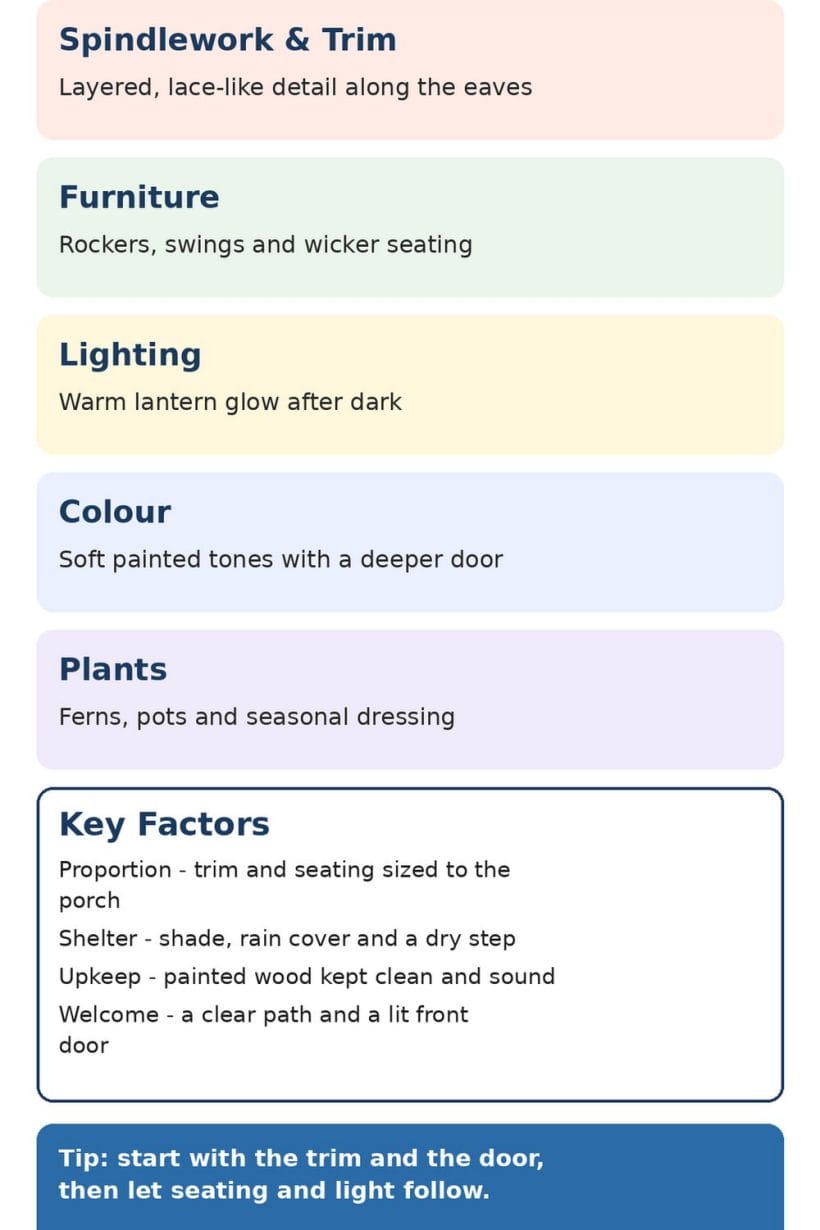
4. Lighting After Dark
Lighting transforms a Victorian porch after dark, turning trim into silhouette and seating into a warm room. Lanterns, hanging lights and gentle step lighting each play a part, and layered light always beats a single bright fitting. This set looks at lighting that welcomes visitors, flatters the porch, and keeps arrival comfortable.
25. Wall Lanterns Beside the Door
Wall lanterns on either side of the door frame the entrance and light the step for visitors. Their warm glow suits Victorian trim, echoing the lamps of the period without copying them exactly. Choose lanterns sized to the door, and let a qualified professional handle any wiring or fitting work.
26. A Hanging Lantern from the Ceiling
A lantern hung from the porch ceiling casts light down over the seating and the floor. It becomes a centrepiece after dark, drawing the eye upward to the ceiling detail. Hang it high enough to walk beneath comfortably, and keep its glass clean so the light stays clear.
27. Warm Light Along the Steps
Light along the steps makes arrival safe and welcoming after dark. Small lights set beside the steps, rather than glaring down from above, guide feet gently. Any electrical work on step lighting belongs with a qualified professional, who can fit it neatly and weatherproof the connections.
28. Candlelight in Hurricane Shades
Candles inside hurricane shades give a porch a soft, flickering light that electric lamps cannot quite match. The glass shields the flame from breezes while letting the glow spread. Place shades on a steady table away from cushions and throws, and never leave candles burning unattended.
29. String Lights Along the Frieze
String lights hung along the frieze trace the porch trim after dark, turning the cutwork into a glowing outline. Keep the string taut and even, following the line of the valance rather than sagging across it. Warm-toned lights suit Victorian colours better than harsh white ones.
30. A Lamp on the Side Table
A table lamp on a porch side table brings indoor comfort outdoors, pooling light exactly where it is needed for reading. Choose a lamp with a stable base that will not tip in a breeze, and a shade that softens the light. Battery or solar lamps avoid trailing leads across the floor.
31. Light That Welcomes Without Glare
The best porch lighting welcomes visitors without dazzling them. Layered light, a lantern by the door, a lamp by a chair, and gentle light on the steps, feels warmer than a single bright fitting. Aim lights downward and shield bare bulbs, so faces and paths stay visible and comfortable.
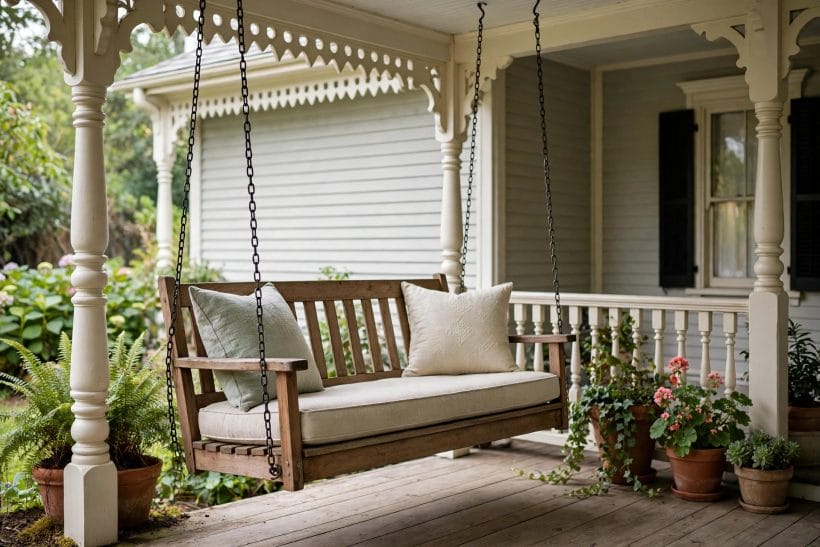
5. Colour and Paint
Colour is where a Victorian porch shows its personality, in siding, trim, door and floor. Soft tones with a single bolder note suit the period best, and paint kept in good repair makes the finest trim look its best. This set looks at colour pairings that flatter Victorian detail without overwhelming it.
32. Soft Sage on the Siding
Soft sage on the siding gives a Victorian house a calm, garden-like presence. The muted green sits well with planting and with cream trim, and it ages gracefully as paint weathers. Pair sage siding with a deeper door tone, and the porch will feel both period and fresh.
33. Cream Trim Against a Deeper Body
Cream trim against a deeper body colour is a classic Victorian pairing that makes the detail legible. Spindles, brackets and frieze boards stand out in cream, while the deeper body colour grounds the house. Keep the cream consistent across all trim, so the pattern reads as one design.
34. A Bold Door in a Muted Scheme
A bold door colour gives a muted porch scheme a single confident note. Deep red, navy or forest green on the door draws the eye to the entrance without overwhelming the trim. Echo the door tone in a pot or cushion, and the bold choice will feel deliberate rather than accidental.
35. Painted Floor in a Soft Tone
A painted porch floor in a soft tone lightens the whole space and makes furniture and plants stand out. Pale grey, soft blue or warm cream all suit Victorian boards. Keep the paint in good repair, since a porch floor takes foot traffic and weather, and recoat before wear shows.
36. Ceiling Painted a Pale Sky Shade
A porch ceiling painted a pale sky shade lifts the space and brightens shade. The light tone reflects daylight into the seating area and makes the ceiling feel higher. It also sets off white trim beautifully, giving the porch a fresh, airy feeling even on dull days.
37. Two Tones on the Spindles
Painting spindles in two tones adds depth to the balustrade without complicating the scheme. A deeper tone on the turned detail and a lighter tone on the rail, or the reverse, makes the turning visible from the path. Keep the two tones close, so the effect reads as shading rather than stripes.
38. A Door Colour That Echoes the Garden
A door colour picked from the garden ties house and planting together. A tone echoed in flowers, foliage or pots makes the entrance feel part of the garden rather than separate from it. Change the echo with the seasons by swapping pots, while the door colour stays constant.
39. Keeping Paint Fresh Through the Seasons
Paint on a porch faces sun, rain and foot traffic, so regular care keeps it looking fresh. Wash painted surfaces gently, touch up chips promptly, and recoat before the finish breaks down. A porch whose paint is cared for looks loved, and its trim detail stays crisp year after year.
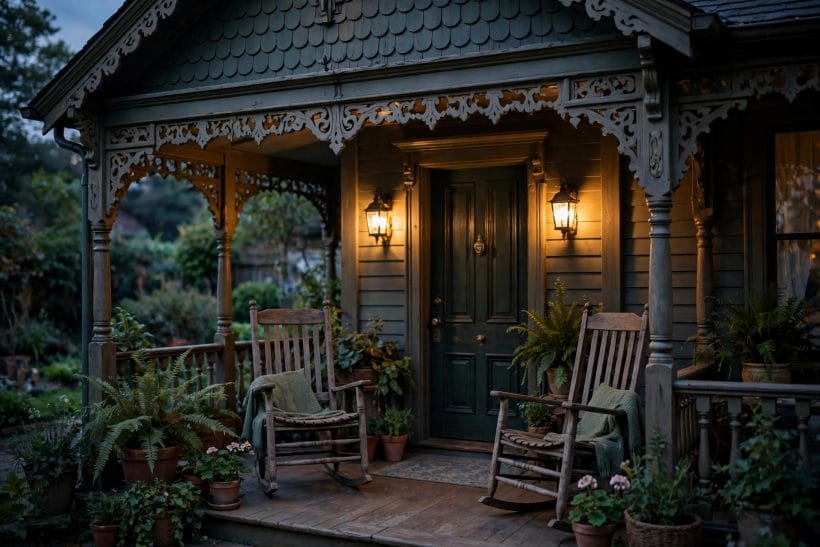
6. Plants and Pots
Plants soften the timber of a Victorian porch and tie it to the garden beyond. Ferns, pots, climbers and evergreens each bring a different texture, and seasonal pots keep the porch changing through the year. This set looks at planting that frames the porch, scents the entrance, and stays manageable. Planting ideas also sit well with backyard landscaping ideas for the garden beyond the rail.
40. Ferns in Hanging Baskets
Ferns in hanging baskets soften the porch ceiling line with trailing green. Their fronds move gently in the breeze and fill the space above the rail with life. Hang baskets where they can be watered easily and where they will not drip onto seating, and keep them trimmed so they stay full.
41. Pots of Colour by the Posts
Pots of colour set by the posts anchor the porch to the garden. Bright flowers or bold foliage in pots frame the entrance and lead the eye toward the door. Group pots in odd numbers and vary their heights, so the arrangement feels natural rather than lined up like soldiers.
42. A Climbing Rose on the Rail
A climbing rose trained along the rail brings scent and blossom to the porch edge. Its flowers soften the timber and its scent greets visitors at the step. Train stems gently along the rail, prune after flowering, and keep thorns clear of the path and seating.
43. Herbs in Pots by the Door
Herbs in pots by the door put scent and usefulness within arm’s reach of the porch. Rosemary, thyme and mint thrive in pots and release fragrance when brushed. Keep pots near the step but clear of the path, and snip regularly to keep the plants bushy and productive.
44. Evergreens for Winter Structure
Evergreens in pots give the porch structure when flowers fade. Box, yew or small conifers in handsome pots hold their shape through winter and frame the door year-round. Pair evergreens with seasonal pots, so the porch never looks bare even in the coldest months.
45. Trailing Plants from the Eaves
Trailing plants hung from the eaves draw the eye upward and soften the roofline. Ivy, trailing geraniums or ferns spill gently downward, framing the porch like a curtain. Keep trailing growth clear of lights and walkways, and trim it before it reaches the seating.
46. Seasonal Pots That Change with the Year
Seasonal pots let the porch change its dress through the year without any structural change. Spring bulbs give way to summer colour, then autumn foliage and winter evergreens. Swapping pots is the simplest porch refresh, and it keeps the entrance feeling current in every season.
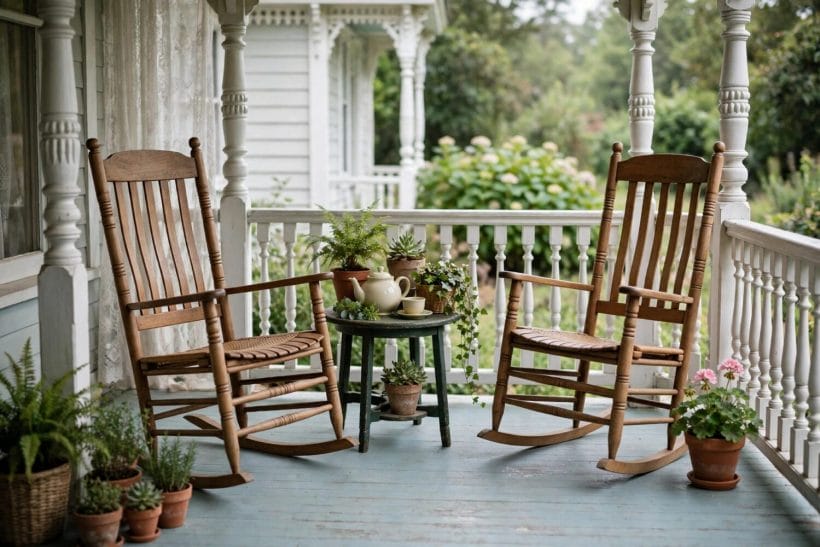
7. Floors, Ceilings and Shelter
Floors, ceilings and shelter are the quiet structure of a Victorian porch, noticed most when they work well. Painted boards, beaded ceilings and a sound roof make the porch comfortable in sun, shower and wind alike. This set looks at the surfaces and shelter that support every other porch pleasure.
47. A Painted Wooden Floor
A painted wooden floor is the foundation of a Victorian porch, warm underfoot and full of character. Boards painted in a soft tone show their grain gently and lighten the space. Keep the finish sound with regular cleaning and recoating, and the floor will serve the porch for many years.
48. A Rug That Softens the Boards
An outdoor rug softens painted boards and defines the seating area on a porch. It adds pattern and warmth, and it makes the furniture grouping feel like a room. Choose a rug that dries quickly after rain, and lift it occasionally so the boards beneath can breathe and dry.
49. A Beaded Ceiling Overhead
A beaded ceiling overhead adds texture to the porch that flat boards cannot match. The narrow beads catch light and shadow, giving the ceiling a crafted feel. Painted in a pale tone, a beaded ceiling brightens the porch and rewards anyone who looks up.
50. A Fan for Still Afternoons
A ceiling fan stirs the air on still afternoons and makes a porch comfortable in warm weather. Its gentle movement suits long sits and keeps the air fresh without noise. Any fan fitting and wiring belongs with a qualified professional, who can secure it properly overhead.
51. Shelter from a Sudden Shower
A porch earns its keep when a sudden shower arrives, offering dry shelter for visitors and furniture alike. A sound roof, clear gutters and a dry step keep the shelter working. Where roofing or weatherproofing needs attention, a qualified professional should carry out the work.
52. A Dry Step in Wet Weather
A dry step in wet weather makes arrival safe and pleasant, whatever the season. Good drainage, a sound roof overhang and a mat that shakes off water all help. Keep the step clear of leaves and pots, so wet feet find a firm, uncluttered place to land.
53. A Boot Tray by the Door
A boot tray by the door catches mud and rain before they reach the house. Set on the porch near the step, it keeps footwear tidy and the floor clean. Choose a tray that suits the porch tones, and empty it regularly so it stays useful rather than becoming clutter.
54. Keeping the Porch Tidy in Wind
Wind scatters cushions, pots and light furniture, so a tidy porch needs a plan for gusty days. Store light cushions in a bench, weight pots with stones, and choose furniture with enough heft to stay put. A porch that weathers wind gracefully looks cared for in every season.
8. The Door and the Welcome
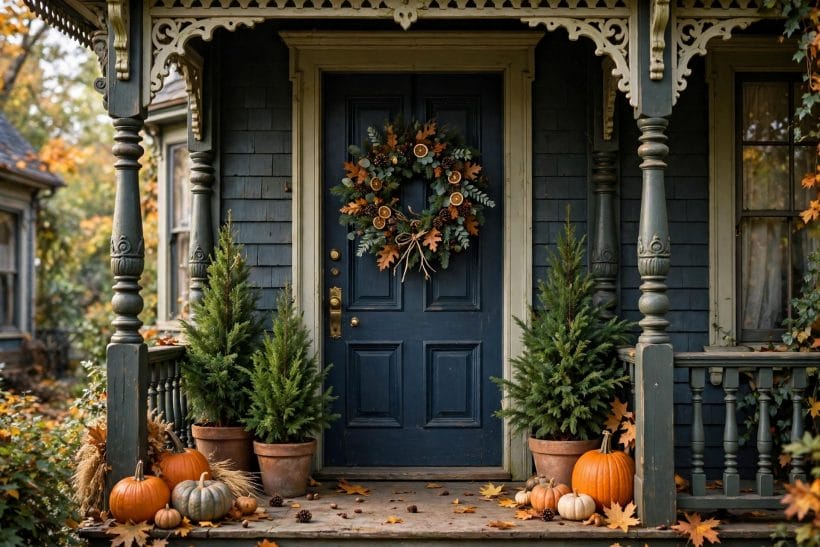
The door is the focus of every porch, and the details around it decide how welcome visitors feel. Wreaths, numbers, mats and letterboxes are small things, but together they make arrival easy and friendly. This set looks at the welcome itself, from the path to the step to the door.
55. A Panelled Door with Glass
A panelled door with glass brings light into the hall while keeping the Victorian character of the entrance. The glass may be clear, frosted or patterned, each giving a different balance of light and privacy. Dress the door with lanterns and pots, and it becomes the natural focus of the porch.
56. A Wreath on the Door
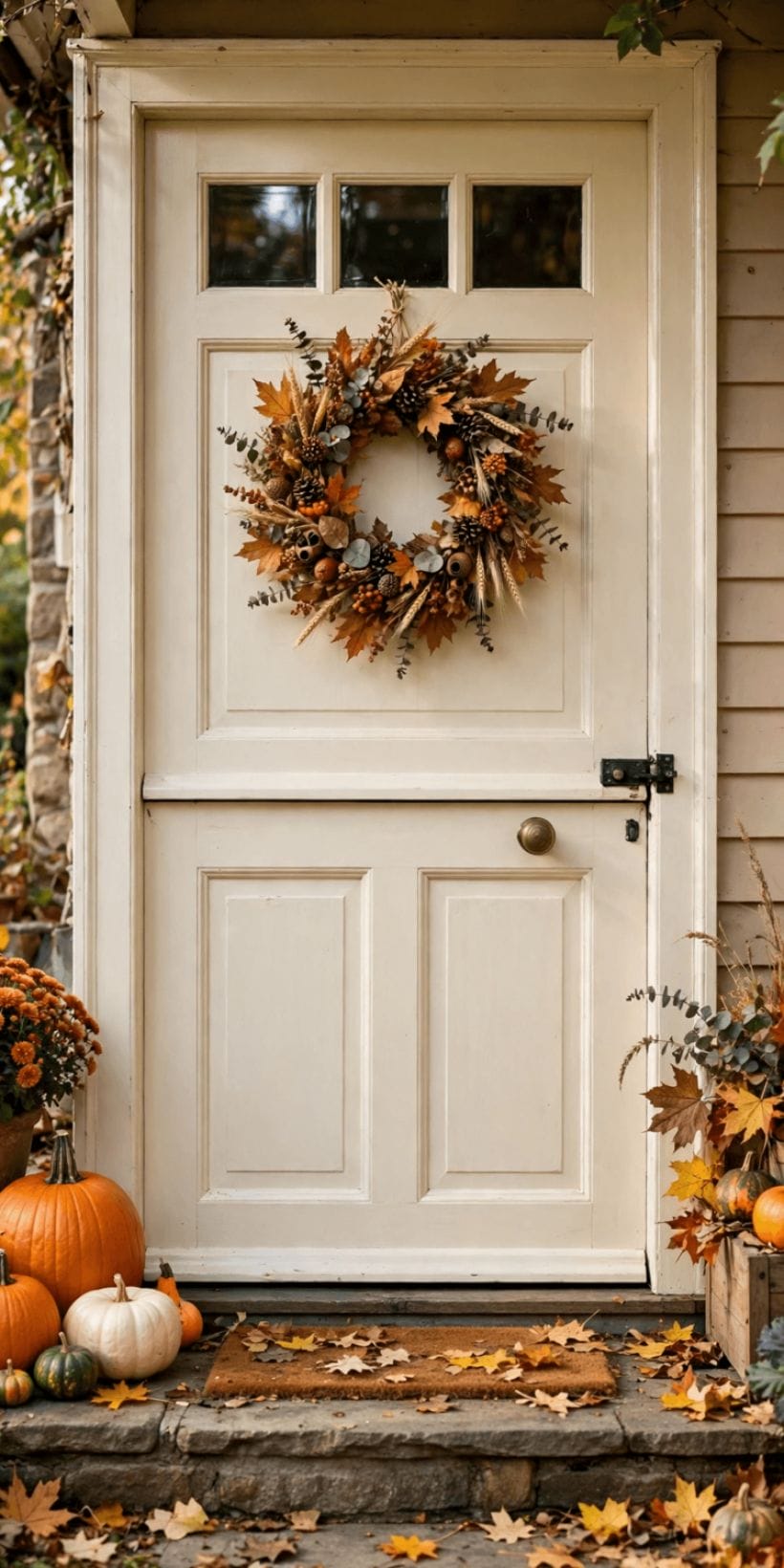
A wreath on the door is the simplest welcome a porch can offer, changing with the seasons. Fresh foliage in spring, flowers in summer, autumn leaves and evergreens in winter each suit the door in turn. Hang the wreath at eye level, centred on the door, for the friendliest effect.
57. A House Number Beside the Door
A house number beside the door helps visitors and deliveries find the house without hesitation. Choose numerals that suit the period of the house and place them where light falls on them after dark. A clear number is a small detail that makes a porch genuinely welcoming.
58. A Welcome Mat That Suits the House
A welcome mat that suits the house sets the tone before the door even opens. A coir mat in a simple pattern, or a painted mat echoing the porch colours, both work well. Keep the mat clean and flat, so it welcomes rather than trips, and replace it when it wears thin.
59. A Letterbox by the Door
A letterbox by the door keeps deliveries sheltered on the porch and close to the entrance. Wall-mounted boxes in a period style suit Victorian trim, while a box on a post suits a wider porch. Keep the letterbox clear of plants, so post arrives without a hunt through foliage.
60. A Basket for Parcels by the Door
A basket by the door gives parcels a sheltered place to wait on the porch. Woven or timber baskets suit Victorian styling and keep deliveries off the floor. Place the basket where it is visible from the step but clear of the path, and empty it promptly.
61. A Clear Path to the Step
A clear path to the step is the final part of the welcome, guiding visitors from the garden to the door. Keep the path free of pots, hoses and overhanging branches, and light it gently after dark. A clear path makes every other porch detail easier to enjoy.
9. Dressing Through the Seasons
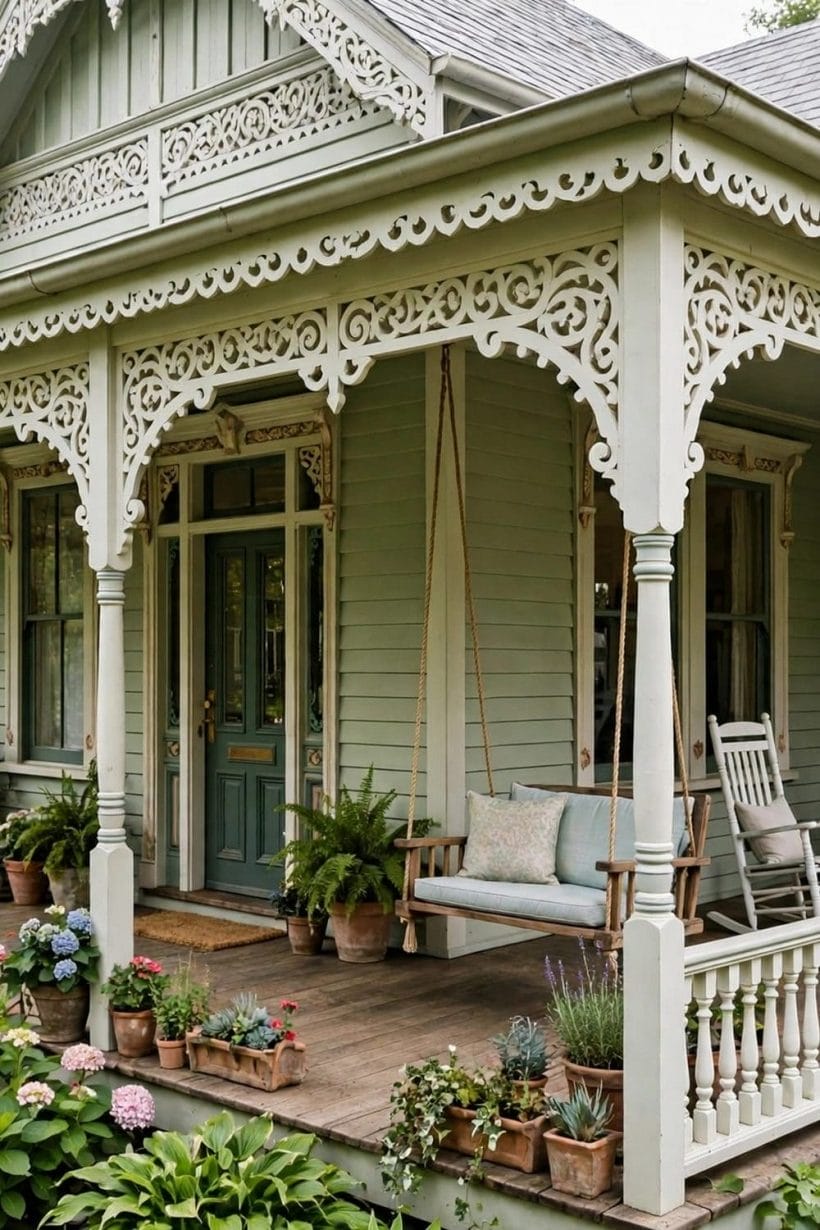
A Victorian porch changes its dress through the year while its bones stay the same. Fresh pots in spring, lanterns in summer, wreaths in autumn and evergreens in winter each give the porch a new mood. This set looks at seasonal dressing that celebrates each season without hiding the porch itself.
62. Spring Dressing with Fresh Pots
Spring dressing brings fresh pots to the porch as the garden wakes. Bulbs, primroses and fresh foliage in pots frame the door with new colour. Clear away winter debris, wash the furniture, and the porch feels ready for its first long sits of the year.
63. Summer Evenings with Lanterns
Summer evenings on a Victorian porch belong to lantern light and open doors. As daylight fades, lanterns by the door and lights along the frieze turn the porch into a glowing room. Add cushions and cool drinks, and the porch becomes the best room in the house.
64. Autumn Wreaths and Pumpkins
Autumn dressing pairs wreaths of leaves with pumpkins by the step, echoing the garden as it turns. Keep the display to a few well-chosen pieces, so the porch still reads as a porch rather than a display. Evergreens in pots carry the arrangement gracefully into winter.
65. Winter Evergreens and Warm Light
Winter porches rely on evergreens and warm light to stay welcoming through short days. Pots of evergreen by the door, a wreath on the door and lanterns glowing after dark all help. Keep paths clear of leaves and ice, so winter visitors arrive safely.
66. Holiday Dressing Without Clutter
Holiday dressing suits a Victorian porch when it stays simple and uncluttered. A wreath, a few evergreen pots and warm lights give festive feeling without hiding the trim. Let the porch architecture show through the dressing, and the holiday display will feel elegant rather than busy.
67. Rainy-Day Reading Corner
A rainy-day reading corner turns wet weather into a reason to sit out. A comfortable chair, a lamp, a throw and a stack of books make the porch a sheltered retreat while rain falls beyond the rail. Keep books away from the open edge, and the corner stays dry and inviting.
68. A Porch That Works All Year
A porch that works all year changes its dressing while its bones stay constant. Trim, furniture and light carry every season, while pots, cushions and wreaths change with the year. Planned this way, the porch never has an off season, only a new mood.
10. Small Porches and Everyday Living
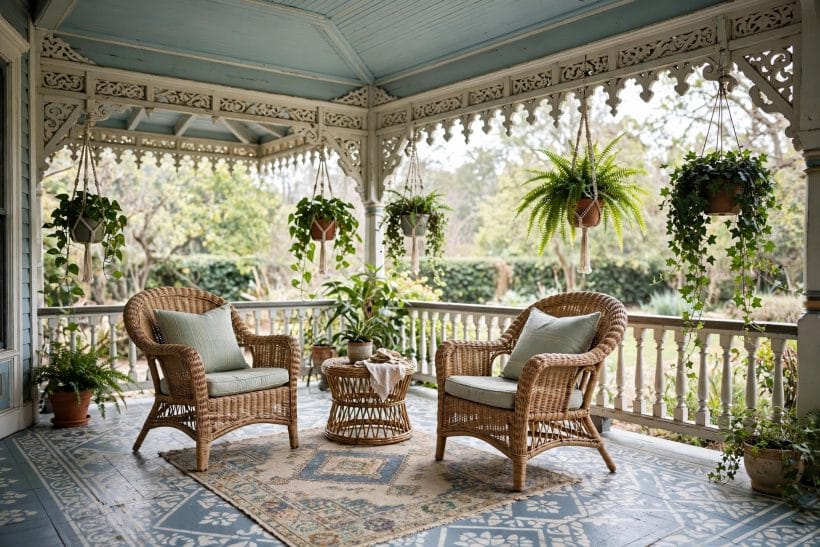
Not every Victorian porch is wide or grand, and small porches deserve the same care as large ones. A single chair, a corner view or a porch shared with neighbours can all become daily pleasures. This closing set looks at porches shaped by everyday living, and at the simple discipline that keeps any porch welcoming. The porch also belongs with contemporary home design ideas when a Victorian porch meets a newer interior.
69. A Narrow Porch with One Chair
A narrow porch needs only one good chair to become a place to sit out. Choose a chair that fits the width with room to pass, add a tiny table for a drink, and keep the rest of the floor clear. A single chair well placed beats a crowded porch every time.
70. A Corner Porch with a View
A corner porch wraps around two sides of the house and offers views in two directions. Place seating at the corner itself, where both views open up, and the porch becomes a lookout as well as a sitting place. A corner seat catches breezes and light from more than one side.
71. A Wraparound Porch in Zones
A wraparound porch gains from being thought of in zones, each with its own purpose. A seating zone near the door, a dining zone further along, and a quiet zone at the far end let one long porch serve many moods. Rugs and furniture groupings mark the zones without walls.
72. A Porch Shared with Neighbours
A porch shared with neighbours becomes a social space for the street. Extra chairs, a bench and a table invite conversation, while plants and light keep the space welcoming after dark. A shared porch builds community one conversation at a time, without any formal arrangement.
73. A Quiet Porch for Reading
A quiet porch for reading needs little more than a comfortable chair, good light and shelter from the wind. Face the chair toward the garden, keep the table clear for a book and a drink, and let the porch sounds of birds and breeze become part of the reading.
74. A Porch for Gathering the Family
A porch for gathering the family needs seating for several, a table for food and drinks, and room to move between chairs. Mix rockers, a bench and a swing, so everyone finds a favourite seat. A family porch is measured by laughter, not by furniture, and it grows more welcoming with use.
75. Leaving Room to Come and Go
Leaving room to come and go is the final discipline of a good porch. However full the seating and plants become, keep a clear path from step to door. A porch that is easy to enter and leave welcomes visitors, serves the household, and stays a pleasure every day.
Final Considerations
A good Victorian porch is judged by how it feels to arrive and to sit, not by how much it holds. Trim kept crisp, furniture placed with room to move, light layered gently, and plants that change with the seasons will carry the porch through the year. Keep a clear path from step to door, leave structural, electrical and weatherproofing work to qualified professionals, and let the porch stay what it does best, a welcoming outdoor room at the front of the house.
Start with the trim and the door, then let seating and light follow, and the porch will gather its character naturally. A single well-placed chair can be enough, while a wide wraparound porch can hold several zones without losing its welcome. Whatever its size, a Victorian porch rewards the household that uses it daily, and it rewards visitors with a front door that feels genuinely glad to see them. The wider porch family, from the tiny house porch ideas collection to tiny house designs and tiny house interiors, and the smaller front stoop ideas entry, all sit beside this Victorian collection without replacing it.




0 Comments