
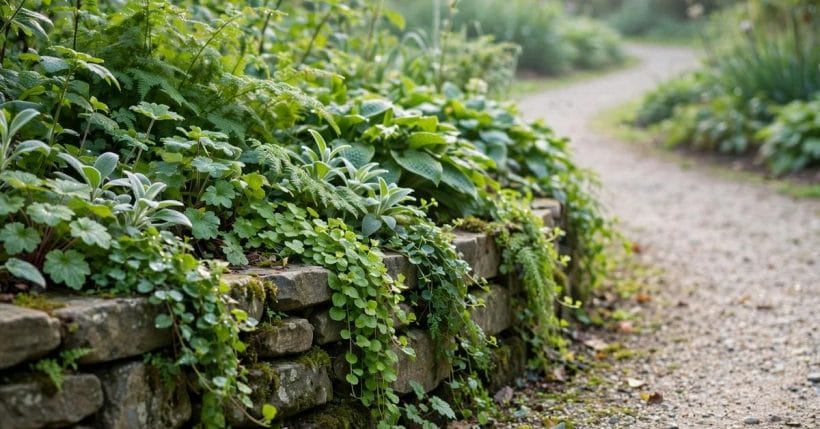
Every gardener has met a plant that seemed perfectly well behaved in its first season and then began to appear in places where it was never planted. The word invasive is often used for that kind of plant, and it can sound alarming, as though the plant itself were at fault. In everyday gardening talk, however, the word is usually a shorthand for behaviour rather than a judgement about a plant’s character. It describes a plant that can spread beyond the spot where it was put, settle in nearby ground, and keep going without much help from the gardener who planted it.
This guide looks at what that label tends to mean in practice, how gardeners can judge a plant’s behaviour in their own garden, and what is worth checking before anything new goes into the ground. Nothing here names a plant as a problem plant for your area, and nothing promises a particular result, because gardens differ so much in soil, shade, rainfall, and care. The aim is simpler: to give you a calm way of thinking about spread, so that a new planting feels like a choice you have thought through rather than a surprise you discover later.
1. What the Word Usually Means in Gardening
When gardeners use this kind of label, they are usually talking about movement. A plant that stays where it was planted, grows at a steady pace, and can be kept in shape with ordinary tidying is rarely described in those terms. A plant that sends out new growth some distance from the parent plant, drops seed that comes up in beds and paths, or forms a dense patch that crowds out its neighbours is more likely to earn the description. The emphasis is on what the plant does over time, not on how it looks in a single season.
That distinction matters because a plant can look charming in a pot or in a photograph and still behave very differently once its roots are in open ground. In a container, its reach is limited by the walls around it. In a border, the same plant may have room to roam, and its seeds may find bare soil, damp corners, and sheltered spots that suit them well. Judging a plant therefore means thinking beyond its appearance on the day it arrives and asking how it might behave once it has settled, had a full growing season, and faced a winter or a dry spell.
It also helps to remember that the label is used loosely in conversation. One gardener may use it for any plant that self-seeds freely, while another may reserve it for plants that are hard to remove once established. Neither use is wrong in casual talk, but the looseness is a reason to ask a follow-up question whenever you hear the word: in what way does it spread, and how quickly does that spread show up in an ordinary garden? The answers to those questions are usually far more useful than the label alone.
2. Why the Same Plant Behaves Differently in Different Gardens
A plant that stays modest in one garden can be far more vigorous in another, and the reasons are usually ordinary rather than mysterious. Soil that stays moist, a sheltered corner that never quite dries out, or a long mild season can all encourage stronger growth. A plant that struggles in dry, exposed ground may thrive where water collects after rain, and a plant that is kept in check by regular mowing or grazing in one setting may have no such check in a quiet border.
Climate and season length play a part too. A plant that barely sets seed before the cold arrives in one region may have plenty of time to ripen seed in a warmer place. Similarly, a plant that dies back sharply each winter in one garden may keep some growth through a mild winter elsewhere and start the next season with a head start. None of this means that a gardener in one place has made a mistake that a gardener elsewhere has avoided. It simply means that behaviour is local, and that experience from a very different garden is only a rough guide.
Care routines matter as well. A border that is weeded often, mulched, and planted densely leaves less bare ground for stray seedlings to colonise. A newly cleared bed, by contrast, offers open soil and light, which can invite seedlings to appear in numbers. Thinking about your own garden’s conditions, rather than relying only on a general reputation, is therefore the most reliable starting point for any new planting decision.
3. How Gardeners Judge Spread in Their Own Garden
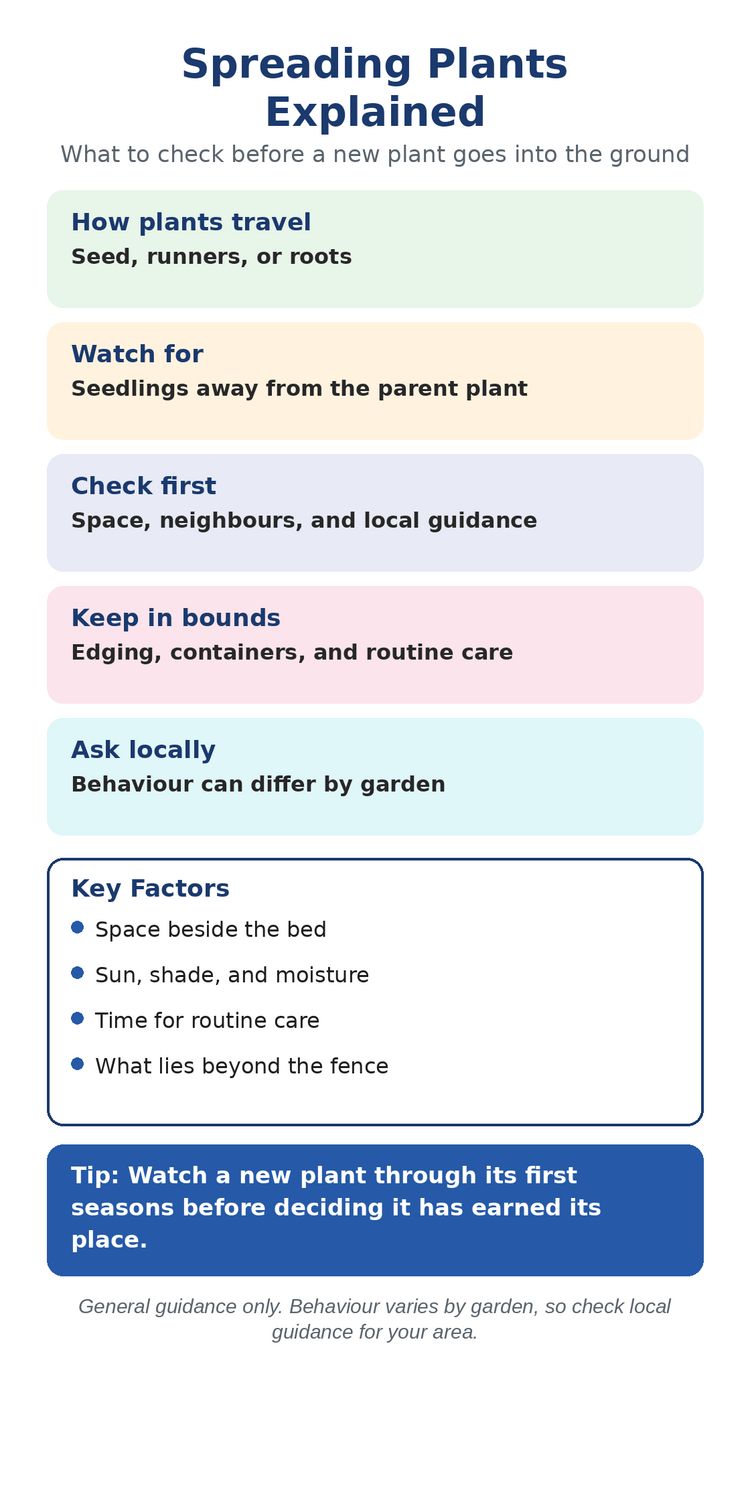
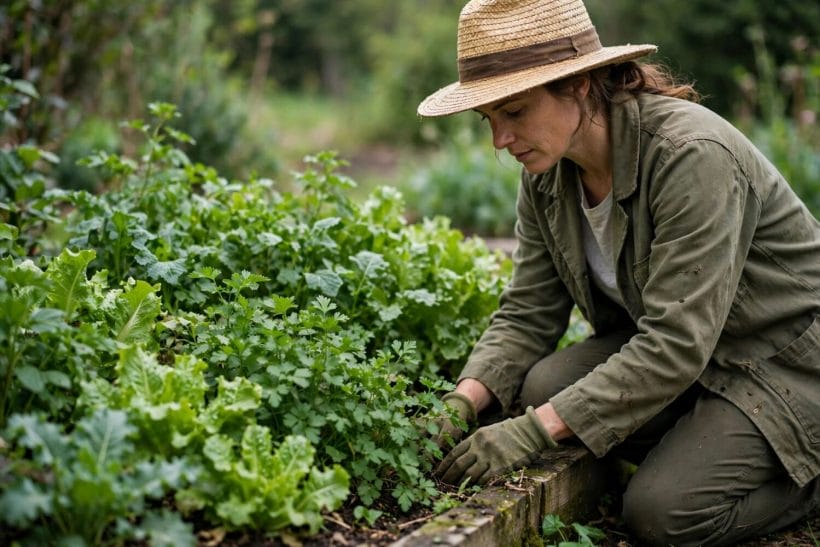
The most practical way to judge spread is to watch for it in small, concrete ways. Does new growth appear away from the original plant, and if so, how far away? Do seedlings come up in paths, lawns, or neighbouring beds? Does a patch get noticeably wider from one season to the next, even when you have not fed or watered it specially? These are observations any gardener can make without special equipment, and they build into a picture over time that is far more trustworthy than a single impression.
It helps to keep the watching casual but regular. A quick look around a plant once in a while, especially after it has flowered and set seed, will show whether seedlings are appearing and where they tend to appear. Noticing whether new shoots come from the base, from underground stems, or from seed scattered nearby also helps, because each pattern suggests a different kind of management. A plant that spreads mainly by seed may need attention at flowering time, while a plant that spreads below ground may need a watch on the edges of its patch.
Patience is part of the method. Some plants take a season or two to settle before they show their true pace, and a quiet first year does not always mean a quiet plant. Equally, a burst of seedlings in one favourable season does not always mean the plant will behave the same way every year. Watching across seasons, and noting what you see in plain terms, gives you a record you can trust when you decide whether a plant earns its place or needs firmer boundaries.
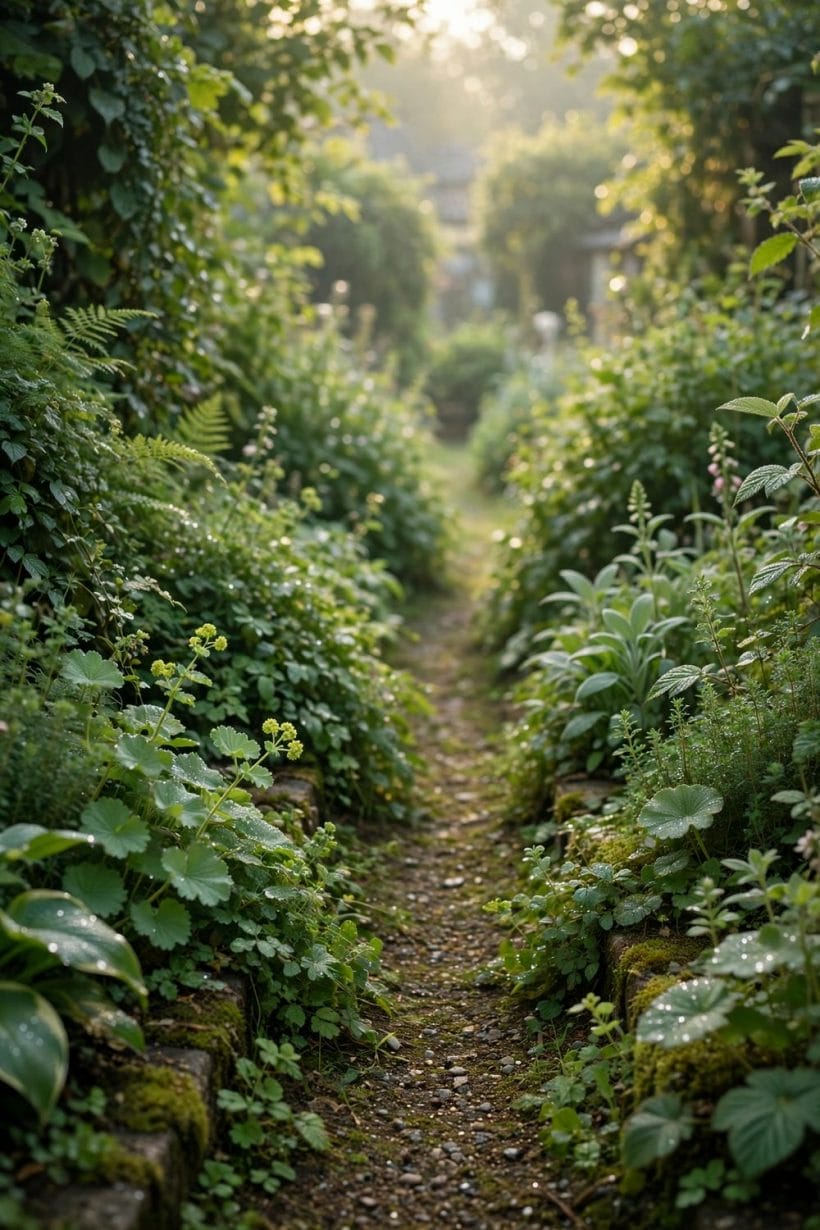
4. Seed, Runner, and Root: The Ways Plants Can Travel
Plants travel in a handful of general ways, and recognising the pattern can make the whole subject feel less vague. Some plants rely mainly on seed. Their flowers give way to seed that may drop close to the parent, blow a short distance, stick to clothing or animal coats, or be carried by birds. Seed spread often shows up as scattered seedlings rather than a single expanding patch, and it can appear in surprising places, including cracks in paving and the edges of lawns.
Other plants spread by sending out stems along or just below the surface. These stems root as they go, forming new plants that remain connected to the parent for a while. The result is often a steadily widening patch rather than scattered seedlings, and the edge of the patch can creep a little further each season. A third pattern is spread below ground, where underground stems or roots send up new shoots at intervals. This kind of spread can be harder to see at first, because the new shoots may appear some distance from the original plant with no visible link above ground.
Many plants use more than one of these routes, and some also spread when pieces of stem or root are moved in soil, compost, or garden waste. That is why tidying matters: material moved from one part of the garden to another can carry a plant with it unintentionally. Knowing which pattern you are dealing with helps you choose where to look, when to look, and what kind of boundary or routine is most likely to be useful.
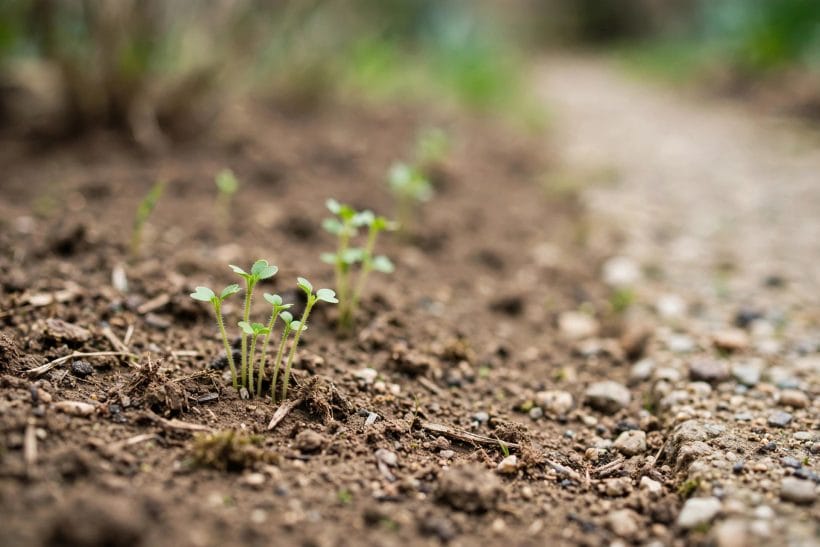
5. What to Look at Before You Plant
Before a new plant goes into the ground, a few quiet checks can save a great deal of later work. Start with the space itself. How large is the bed, what grows beside it, and is there a lawn, a path, or a neighbour’s garden close by that seedlings or creeping stems could reach? A plant that needs room to roam may suit a large, contained area well, while the same plant in a small bed beside a shared boundary may need much closer watching.
Next, think about the conditions you can actually offer. Is the spot damp or dry, sunny or shaded, sheltered or exposed to wind? A plant that thrives in damp shade will behave differently in that spot than it would in dry sun, and matching the plant to the spot is part of judging its likely pace. It is also worth thinking about how much time you can give to routine care. A plant that needs regular deadheading or edge trimming may be a pleasure if you enjoy that rhythm, and a burden if your garden time is limited.
Finally, consider what you want the plant to do. Are you looking for quick ground cover, a tall screen, seasonal colour, or a quiet filler between other plants? A vigorous plant may be exactly right for covering a difficult bank, and exactly wrong for a small, carefully planted border. Being clear about the job helps you weigh vigour as a benefit in one setting and a drawback in another, rather than treating it as good or bad in itself. For related ideas on shaping garden spaces, see 140 Backyard Landscaping Ideas You'll Love and Tiny House Garden Ideas: Grow Food in Any Footprint.
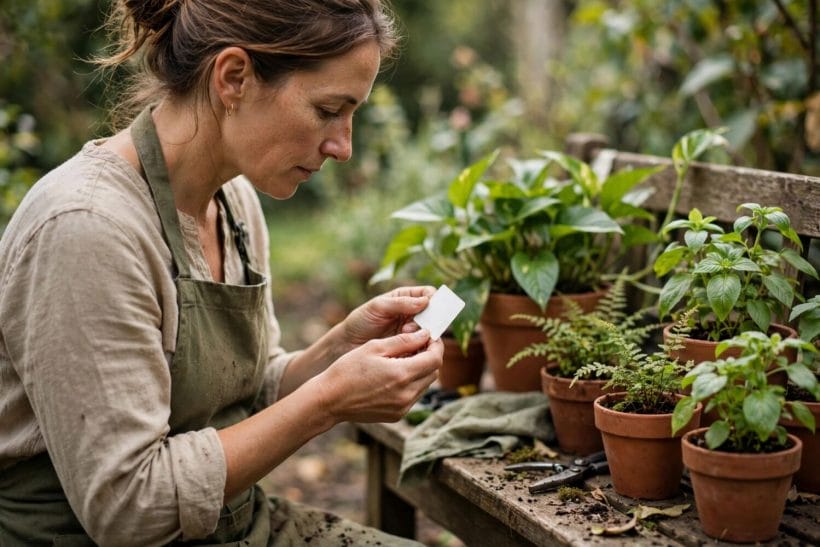
6. Reading Plant Labels and Descriptions With Care
Plant labels and catalogue descriptions are a useful starting point, but they are written to sell plants as well as to inform, so they deserve a careful read. Words that suggest vigour, fast cover, or free self-seeding can be read as hints about behaviour, even when they are presented as selling points. A description that celebrates a plant for filling a space quickly is, in effect, telling you that it grows with energy. That energy may be welcome, but it is worth noting before you plant.
Look for what a description does not say as well as what it does. Does it mention how the plant spreads, whether it self-seeds, or whether it needs containment? Does it suggest a situation, such as a large area or a contained bed, where the plant does best? Vague praise without any mention of spread is not proof of a problem, but it is a reason to look further, perhaps by asking an experienced local gardener or checking local guidance for your area. A second opinion from someone who gardens in similar conditions can be especially valuable.
It is also worth reading descriptions with your own garden in mind rather than in the abstract. A plant described as vigorous in a large country garden may still be manageable in a small space if you are willing to tend its edges, and a plant described as restrained elsewhere may still seed freely in your damp, sheltered corner. The label starts the conversation; your garden, and local guidance for it, should finish it. Ideas for containers, which naturally limit spread, can be found at 45 Container Garden Ideas for Any Space.
7. Small Gardens, Shared Boundaries, and Neighbours
In a small garden, spread shows up sooner because distances are shorter. A seedling in a neighbouring bed, a shoot under a fence, or a patch reaching a path can happen within a season or two, and the gardener has less room to absorb it. That does not mean small gardens must avoid vigorous plants altogether. It means that placement matters more, and that a plant near a boundary deserves more thought than the same plant in the middle of a large, open space.
Shared boundaries deserve particular care and good humour. Plants do not respect fences, and a plant that crosses into a neighbour’s garden can become a source of friction even when nobody intended any harm. Choosing less roaming plants near a boundary, keeping a clear margin that you can tend easily, and talking with neighbours about plants you both enjoy can prevent most difficulties. If a plant does cross over, dealing with it promptly and without fuss usually keeps a small matter small.
Community spaces, shared plots, and gardens beside wild or semi-wild ground deserve a similar thoughtfulness. A plant that is easy to manage inside a tended garden may still seed into ground beyond it, where nobody is watching for it. Pausing to consider what lies beyond your own fence, and checking local guidance where that ground is shared or sensitive, is a courteous and practical habit. It costs little time and it protects both your garden relationships and the wider landscape you enjoy.
8. Watching a New Plant Through Its First Seasons
The first seasons after planting are the best time to learn a plant’s habits, because you can watch without having to undo years of growth. In the first season, note how quickly it establishes, whether it flowers and sets seed, and whether any seedlings appear nearby. In the following seasons, watch whether the patch widens, whether seedlings appear further afield, and whether the plant holds its own against its neighbours or begins to crowd them.
A simple habit helps: walk past the plant with a question in mind, rather than only admiring it. Where is new growth appearing, and is it where you expected? Are seedlings easy to pull while small, or do they root firmly and return? Does the plant recover quickly after trimming, or does trimming keep it in shape for a good while? Answers to these small questions accumulate into a clear sense of whether the plant suits its spot and your routine.
If a plant begins to spread more than you would like, early action is usually easier than late action. Removing seedlings while they are small, trimming a patch back to its intended edge, or moving a plant to a more contained spot are all ordinary garden tasks when done early. Leaving the matter for several seasons, by contrast, can turn a manageable patch into a larger project. Watching early, and acting early, is the kindest approach both to the plant and to the gardener.
9. Keeping a Vigorous Plant Within Bounds
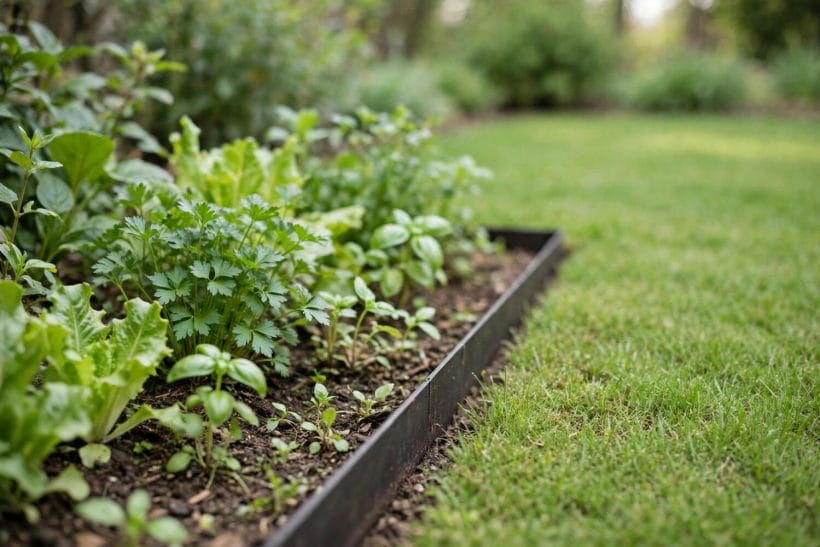
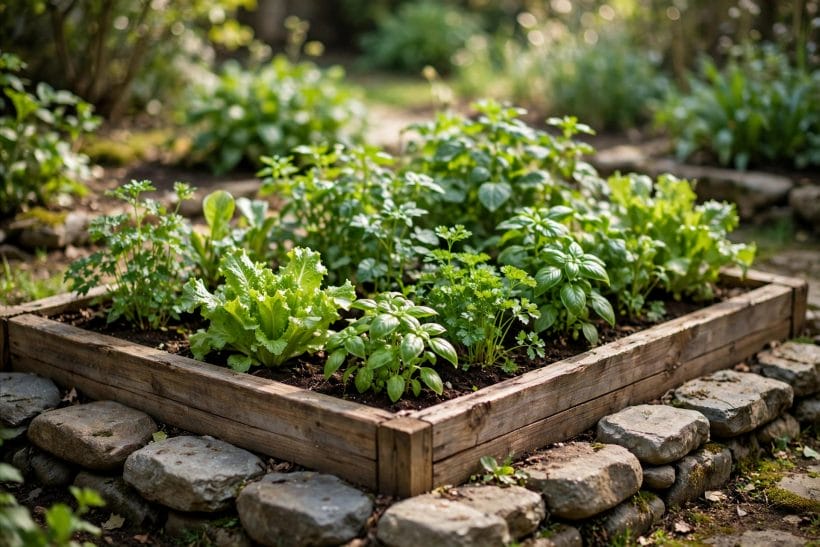
Many gardeners enjoy vigorous plants and simply manage them with boundaries and routines. A solid edging strip sunk into the soil can slow creeping stems, and a container can give a roaming plant a home without giving it the run of a border. Raised beds, pots, and clearly defined planting pockets all work on the same principle: they give the plant room to grow while limiting where its growth can go. No method is guaranteed to hold every plant in every garden, so boundaries still deserve a regular check.
Routine care is the other half of containment. Deadheading before seed ripens can reduce scattered seedlings, and trimming a patch back to its intended edge once or twice a season can keep it from creeping outward unnoticed. Clearing fallen seed heads and garden waste carefully, rather than moving them to a compost heap or another bed while seed is still viable, can also reduce accidental spread. These are gentle, repeatable habits rather than dramatic interventions, and they suit gardeners who enjoy regular time among their plants.
It is worth being honest about how much routine you will actually keep up. A containment plan that depends on frequent attention will only work if that attention is part of your gardening rhythm. If your time is limited, or if you garden in bursts with long gaps between visits, a less vigorous choice may bring more pleasure and less worry. Choosing a plant whose needs match your habits is not a compromise; it is good gardening. For ground-level ideas that shape how beds meet paths and lawns, see 120 Rock Landscaping Ideas You'll Absolutely Love and 20 Next-Level Garden Shed Designs to Inspire You.
10. When to Ask for Local Guidance
Local guidance exists precisely because plant behaviour varies by place, and checking it is a sensible step before planting anything you are unsure about. Local gardening groups, extension services, nurseries, and community gardeners can often say how a plant tends to behave nearby, whether it seeds freely in local conditions, and what other gardeners have found helpful. Their experience is grounded in the same soil and seasons you garden in, which makes it more relevant than general advice from far away.
It is especially worth asking when a plant is new to you, when you garden near shared or sensitive ground, or when you have heard mixed reports about a plant’s behaviour. Asking does not commit you to a particular answer, and it does not mean you must avoid a plant you love. It simply adds local knowledge to your own judgement, so that your decision rests on more than a label or a photograph. If local guidance suggests caution for a plant in your area, take that seriously and consider alternatives that give a similar look with a quieter habit.
Keep a note of what you learn, even a brief one. A few lines about which plants seeded freely, which stayed put, and which needed firm edges will help you next season and the season after, and it will help anyone else who gardens with you. Over time, those notes become a personal guide to your own garden, which is the most useful guide of all, because it is written in the conditions you actually garden in. Further garden planning ideas are at Tiny House Patio Ideas: Outdoor Rooms on a Budget and Herb Garden Layouts: 27 Layouts by Bed Size and Sun.
Final Considerations
The word invasive, when gardeners use it, is best understood as a prompt to look more closely, not as a verdict to fear. It invites questions about how a plant travels, how quickly it settles beyond its spot, and how much watching and tending it will need in your particular garden. Those questions lead to better planting choices, whatever the answers turn out to be, because they replace a vague worry with concrete observation.
Choose plants that suit your space, your conditions, and your routine. Place vigorous plants where they have room or a firm boundary, watch new plants through their first seasons, and check local guidance whenever you are unsure. With those habits in place, you can enjoy bold, generous planting without being caught out by spread, and you can keep your garden a pleasure for yourself, your neighbours, and the wider landscape around it.




0 Comments