
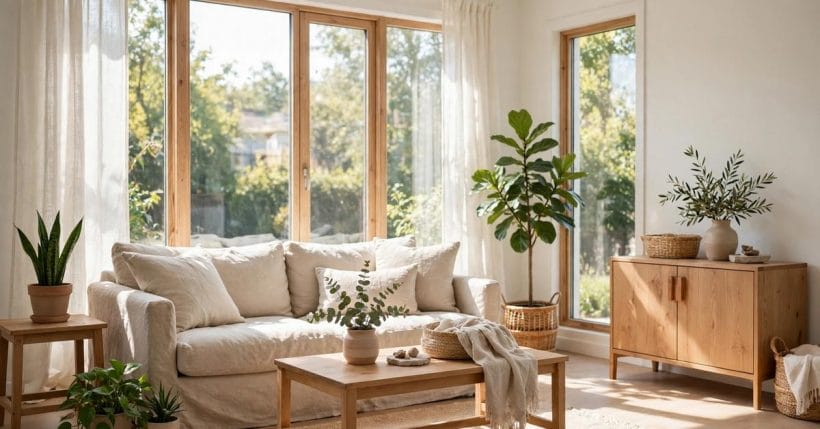
White paint looks simple in the can and surprisingly changeable on the wall. The same soft white can feel warm and welcoming in one room and cool and distant in another, all because of light, flooring and the colours around it. This guide explains how to read those differences, test whites properly and choose a shade that suits each room in your home — without needing a single paint code or brand name to do it well.
1. What Makes One White Different From Another
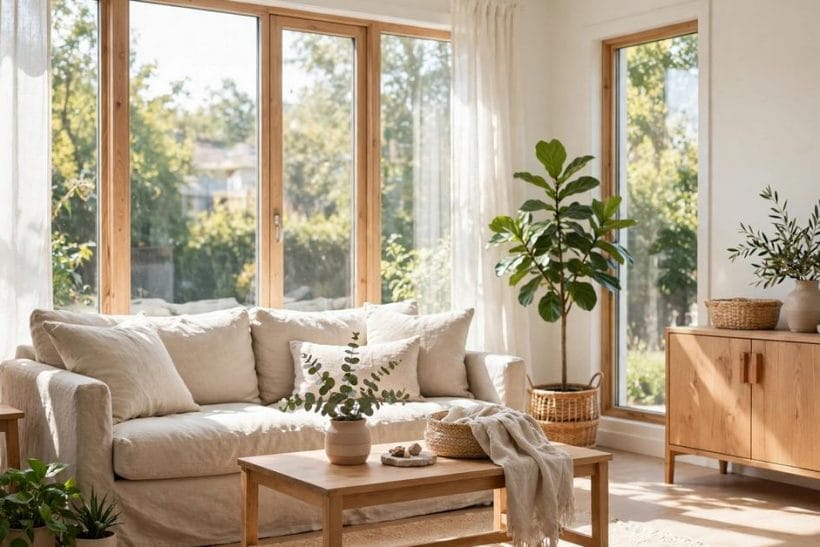
White paint is rarely pure white. Most whites lean gently in one direction: some carry a warm, creamy glow, some lean cool and crisp, and some sit bright and clean between the two. That lean is often called the undertone, and it is the main reason two whites that look alike in the shop can look quite different once they are on your walls. Warm whites tend to flatter wood, natural fibres and soft furnishings, while cool whites sit happily beside grey, stone and modern finishes. Bright whites, meanwhile, give a fresh, open feeling but can feel stark if the room has little warmth to balance them.
Light changes everything. A white that looks soft in a south-facing room full of afternoon sun may look much cooler in a room that faces away from the sun and relies on lamps in the evening. Flooring matters too: warm timber floors pull a white toward warmth, while pale tile or grey-toned floors can make the same white feel cooler. Even the colour of your sofa, curtains and rugs will shift how a white reads, because the eye judges a wall colour against everything around it. That is why choosing white paint is less about finding one perfect shade and more about finding the shade that behaves well in your particular room, with your particular light.
| White family | Feeling it gives | Suits best |
|---|---|---|
| Warm whites | Soft and cosy | Bedrooms and living rooms |
| Cool whites | Crisp and fresh | Modern rooms and bathrooms |
| Bright whites | Clean and light | Trim, ceilings and small rooms |
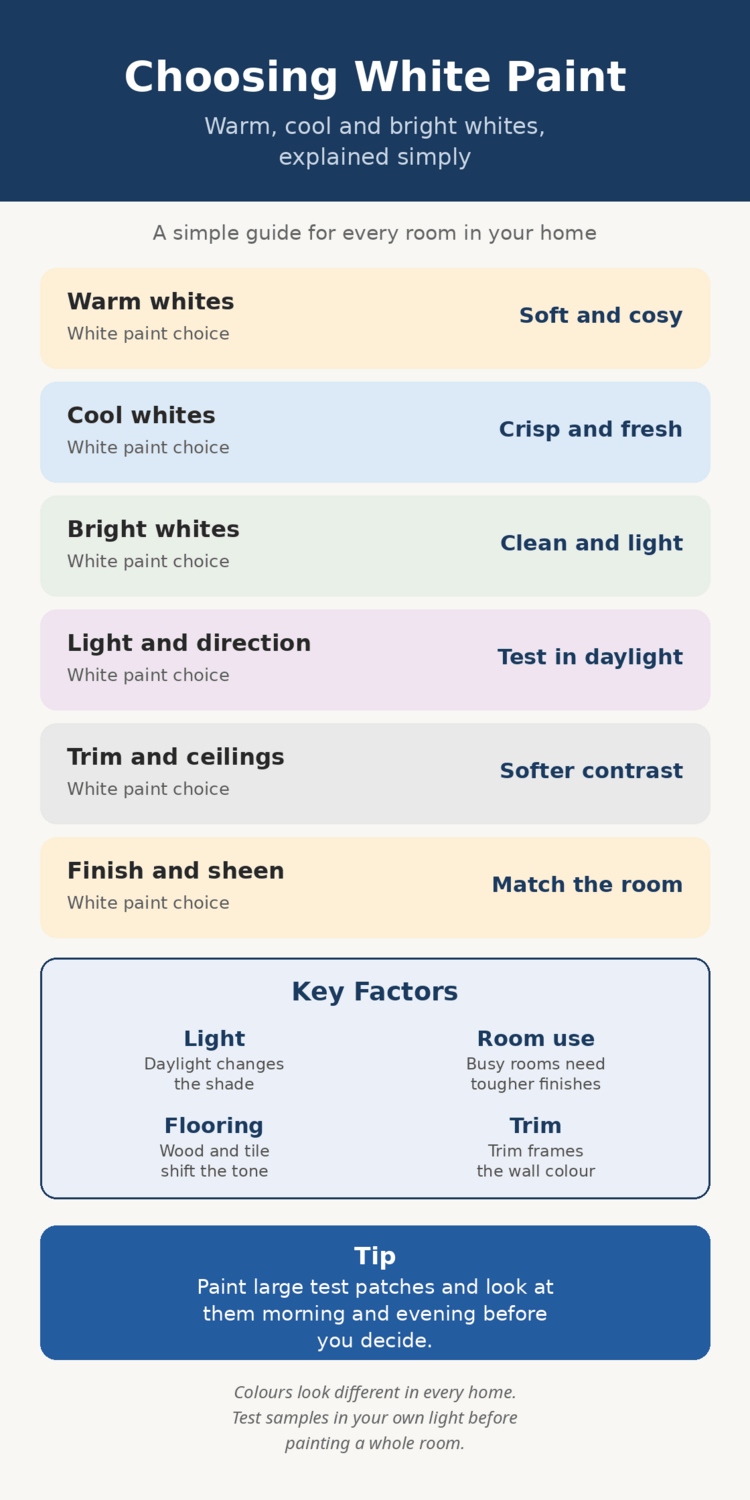
The table above is a starting point, not a rulebook. Use it to narrow your search, then let testing in your own home make the final call. The rest of this guide walks through each room and each decision in turn, so you can choose with confidence and avoid repainting a room you have only just finished.
2. White Paint in Bedrooms
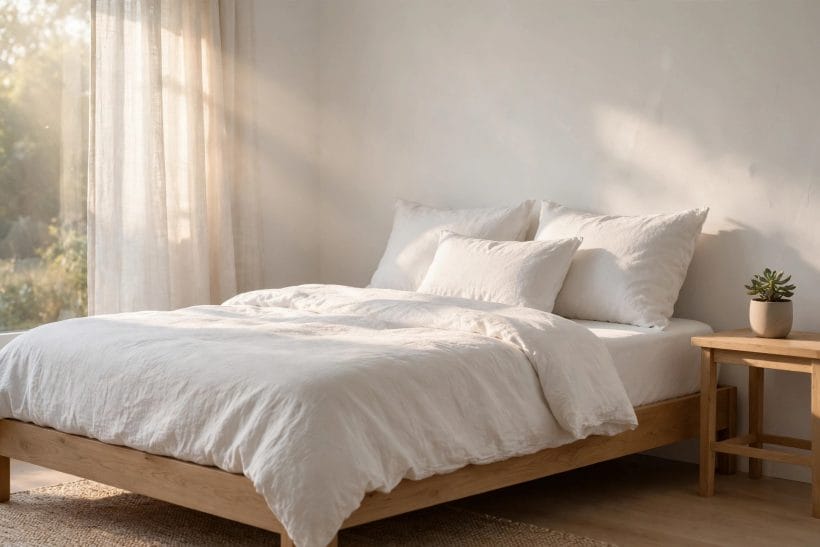
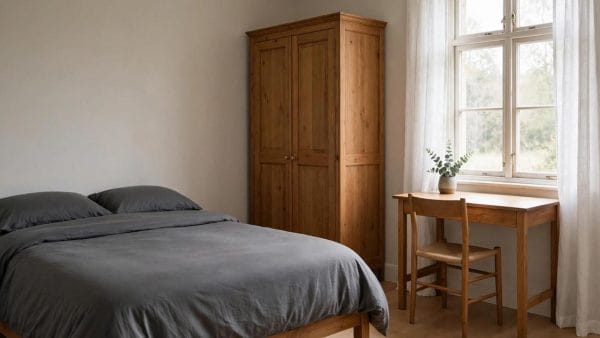
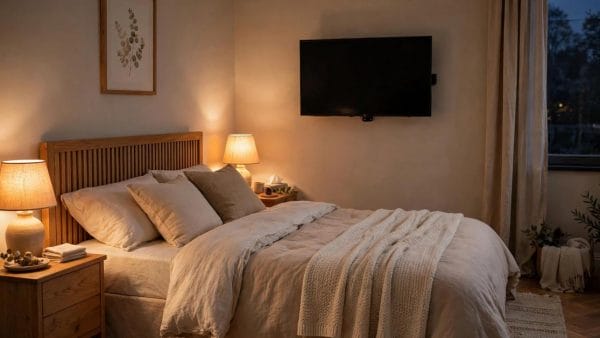
Bedrooms ask for calm, and white paint delivers it beautifully when the shade is right. Warm whites are a natural fit here because they soften the room and make bedding, curtains and lamplight feel inviting rather than clinical. A bedroom painted in a gentle warm white feels restful in the morning and cosy in the evening, especially when paired with wooden furniture, woven textures and soft, layered bedding. If your bedroom gets little direct sun, a warm white can also stop the room feeling cold or grey, which is a common complaint in rooms that face away from the light.
Cool whites can work in bedrooms too, particularly in rooms with generous daylight and a modern, uncluttered style. The trick is to balance them: add warmth through bedding, a wooden headboard, a rug or warm-toned lampshades so the room still feels like a place to rest. Bright whites on bedroom walls can feel fresh, but they are often better saved for trim and ceilings, where they frame the room without dominating it. For more room ideas, browse these tiny bedroom ideas and notice how white walls let furniture and textiles carry the character of the room.
Whatever shade you choose, test it behind the bed and beside the window, since those are the two views you will live with most. Look at the test patch first thing in the morning, in the afternoon and again under lamplight, and only commit once the shade feels calm in all three lights. A bedroom is a room you spend a third of your life in, so it deserves that extra day of looking.
3. White Paint in Living Rooms
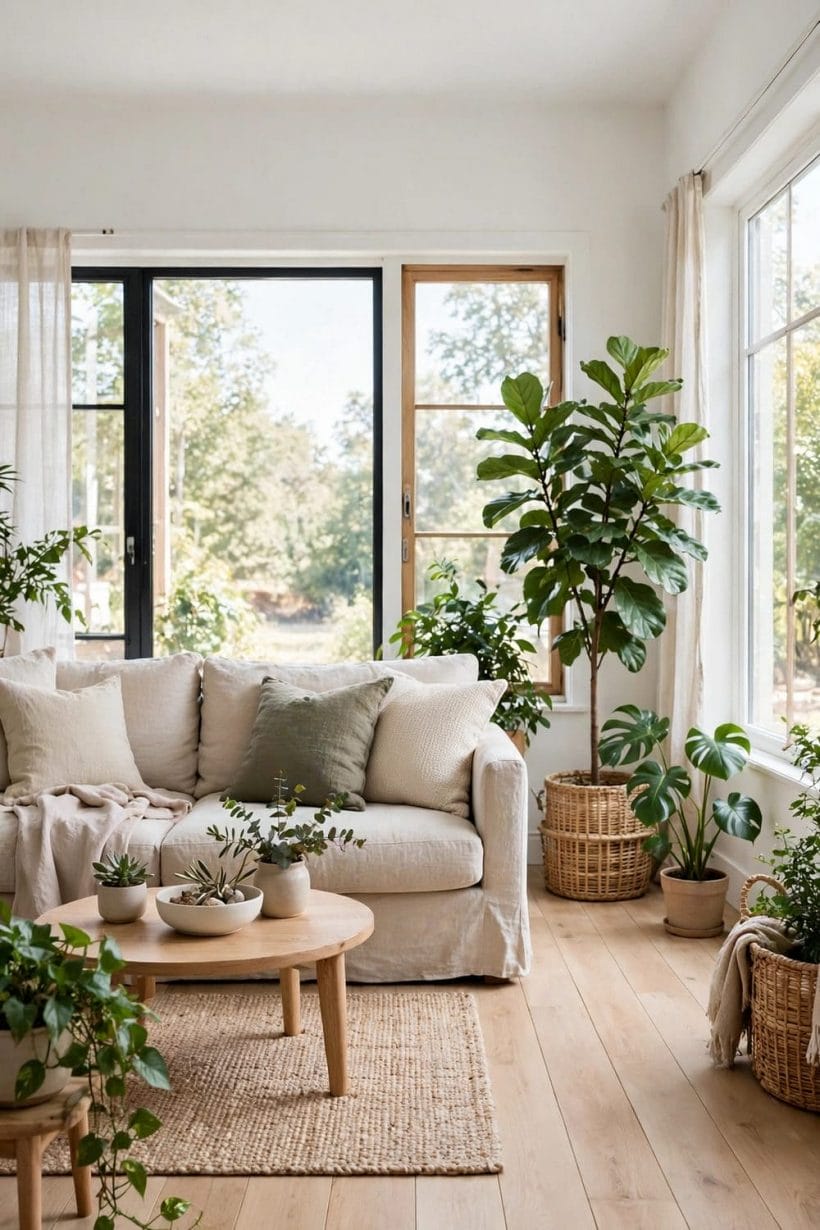
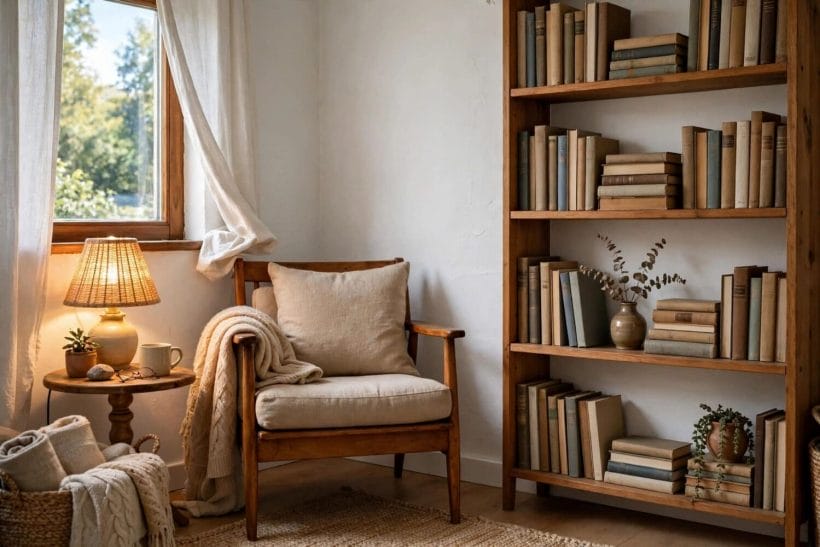
Living rooms are the hardest-working rooms in most homes, and white paint suits them because it stays out of the way while letting everything else shine. Sofas, artwork, plants and books all stand out more clearly against a white wall, and the room feels larger and more open than it would in a darker colour. Warm whites give a living room a welcoming, lived-in feeling that suits family rooms and cosy evenings, while cool whites suit a cleaner, more modern look with grey sofas, glass and metal details.
The size of the room matters. In a generous living room, a warm or mid-tone white keeps the space feeling grounded and comfortable rather than echoey or bare. In a smaller living room, a brighter white can open the room up and make the most of whatever daylight comes through the windows. Either way, keep an eye on the balance: a room with white walls and very little else in it can feel unfinished, so layer in texture through cushions, throws, rugs, timber and plants. Those layers are what turn a white room from plain into inviting, and they are easy to change with the seasons.
Think about how the living room connects to the rooms around it as well. If the hallway or kitchen opens directly into the living room, a white that flows between the spaces will make the whole floor feel calmer and more connected. You can vary the shade slightly from room to room, but keeping the family of whites consistent avoids jarring changes at every doorway. For inspiration on arranging these spaces, explore these tiny living room ideas and see how white walls support many different furniture styles.
4. White Paint in Kitchens
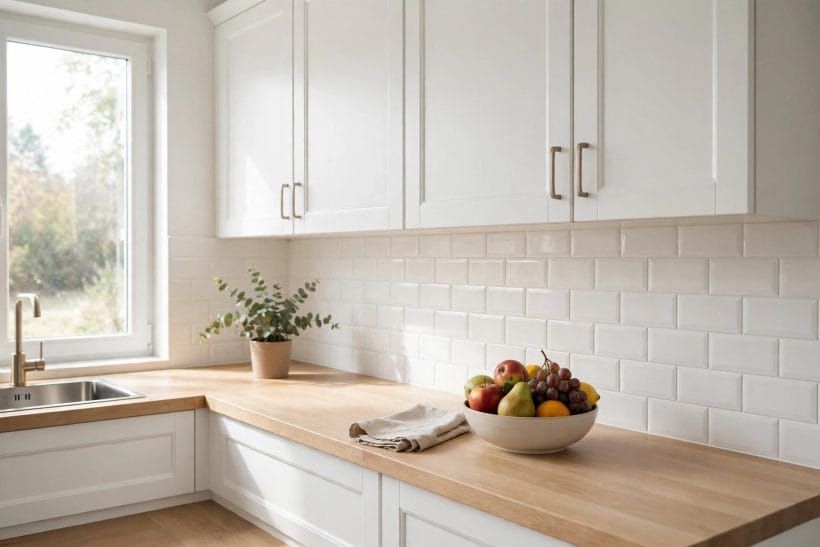
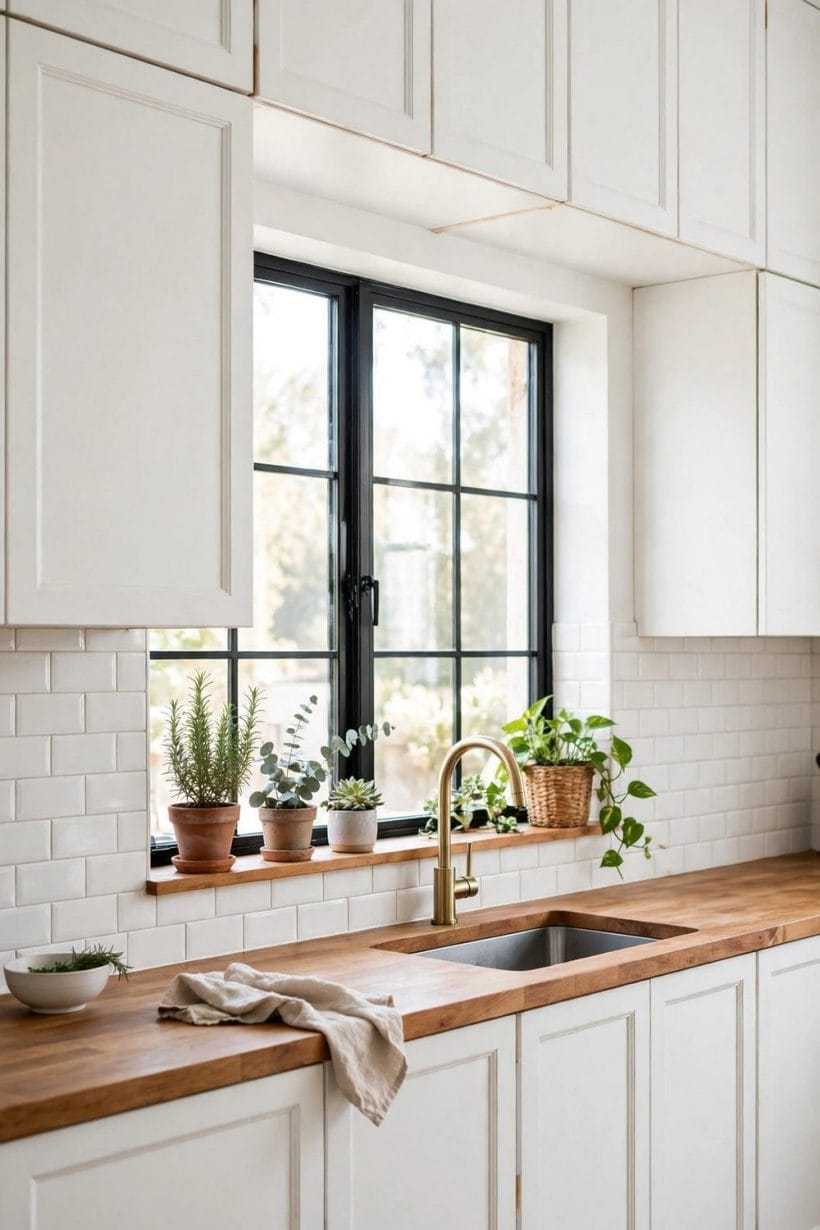
Kitchens put paint through its paces: steam, splashes, fingerprints and daily cleaning are all part of life here, so the finish you choose matters as much as the shade. White kitchens feel clean, bright and timeless, and they pair well with almost every worktop, floor and appliance finish. Warm whites soften a kitchen and suit wooden worktops and traditional cabinetry, while cool whites suit sleek, modern kitchens with stone or pale worktops. Bright white cabinets can look wonderfully fresh, but they show marks more readily, so be honest about how much cleaning you are willing to do.
When painting kitchen walls, favour a finish that can be wiped down without losing its colour or sheen, and keep the area behind the hob and sink protected with a suitable backsplash rather than relying on paint alone. White walls also bounce light around a kitchen, which is a real advantage in rooms with small windows or limited daylight. If your kitchen is open to a dining or living area, choose a white that works in both spaces so the open plan feels like one room rather than two rooms that happen to share a floor.
Painted cabinets deserve a little extra thought. A cabinet colour that is slightly softer than the wall colour creates a gentle, layered look, while cabinets in exactly the same white as the walls give a seamless, built-in feeling. Both approaches work; the choice comes down to whether you want the cabinets to stand out or blend in. For broader kitchen planning, these kitchen ideas show how white walls and cabinetry can anchor very different kitchen styles.
5. Testing White Paint Before You Commit
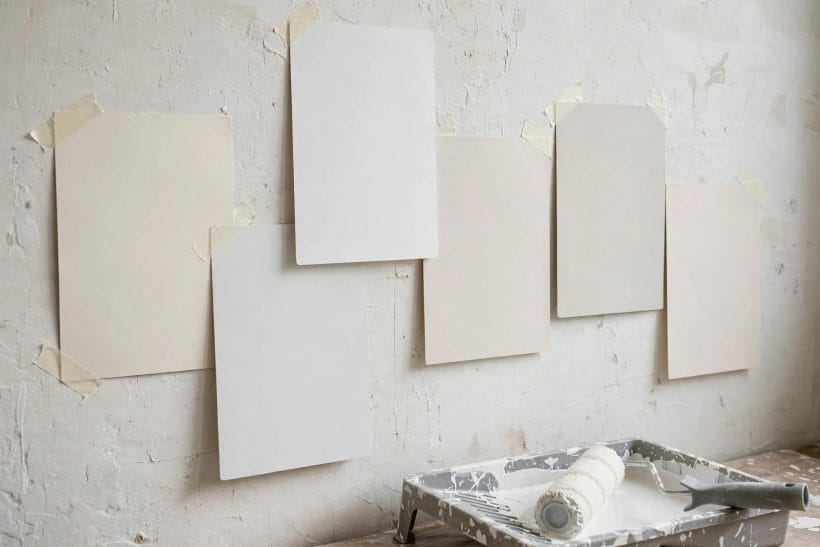
Testing is the single most useful step in choosing white paint, and it is the step most often skipped. A small printed swatch or a phone screen cannot tell you how a white will behave in your room, because screens and shop lighting flatten exactly the subtle differences you are trying to judge. Buy sample pots of your shortlisted whites and paint generous test patches on the wall itself, or on large boards you can move around the room. Small patches lie to you; large patches tell the truth.
Place your test patches where the light changes most: beside a window, on the wall opposite the window, and in the darkest corner of the room. Live with them for a few days if you can, and look at them in morning light, afternoon light and evening lamplight. Notice how each white behaves next to your flooring, your furniture and your trim, because a white that looks perfect on its own can still clash with a warm floor or a cool sofa. Narrow the shortlist gradually, painting over the losers, until one shade feels right in every light rather than just one.
It also helps to test the trim colour alongside the wall colour, since the two are always seen together. A trim white that is slightly brighter than the wall white gives a clean, finished edge, while a trim in the same shade as the walls gives a softer, more seamless look. Either way, decide the pair together, not separately, and you will avoid the common disappointment of a trim that suddenly looks yellow or grey against a new wall colour.
6. White Paint in Bathrooms
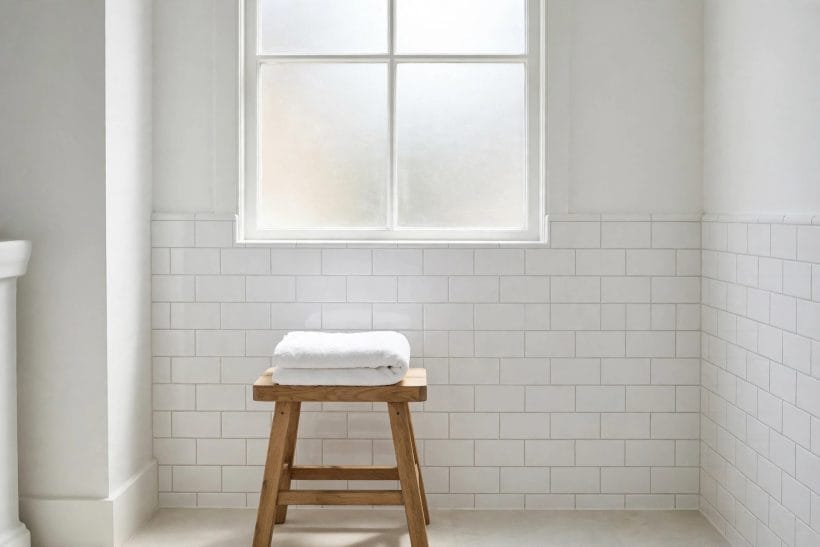
Bathrooms and white paint are a natural pairing: white feels clean, fresh and hygienic, and it helps small bathrooms feel larger and brighter. Cool and bright whites work especially well here, since bathrooms often have tile, chrome and glass that suit a crisper palette. Warm whites can also work, particularly in bathrooms with wooden vanities or warm-toned tiles, where a cool white might feel too stark against the natural materials.
Practicality matters more in bathrooms than in most rooms. Steam and moisture are constant, so choose a finish made for damp rooms and keep the room well ventilated so the paint lasts. White walls also make it easier to spot marks and mould early, which is a genuine advantage in a room where moisture is always present. Keep grout, sealant and fixtures in good repair alongside the paint, since a freshly painted wall next to tired grout will only draw attention to the grout.
In a small bathroom, carry the white across walls and ceiling to remove visual breaks and make the room feel taller. Add interest through towels, plants, a wooden stool or a framed print rather than through a second wall colour, and the room will feel calm without feeling bare. For more bathroom planning, these tiny bathroom ideas show how white walls can make even the smallest bathroom feel open and orderly.
7. White Paint on Exteriors
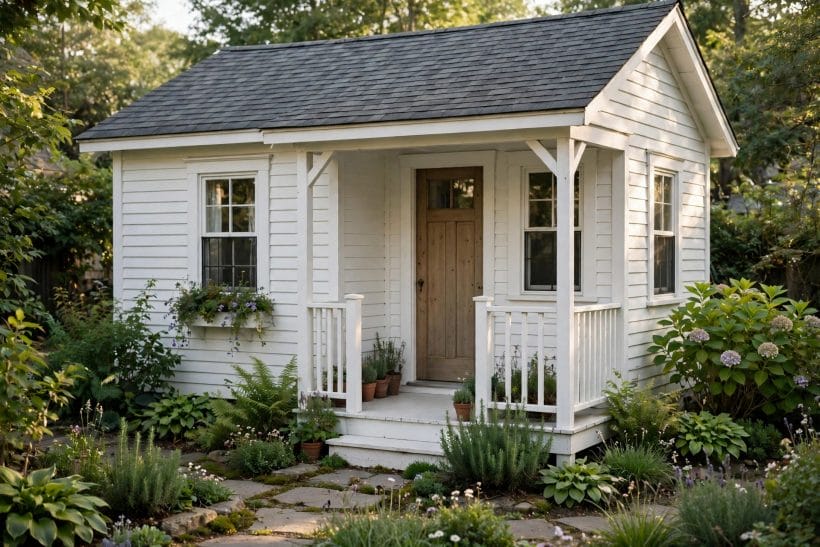
White houses have a timeless appeal, and white exterior paint can make a home look fresh, cared for and welcoming from the street. The same rules about warmth and light apply outdoors, only more so: strong sunlight washes colour out, so a white that looks gentle indoors can look almost glaring in full sun. A slightly softer or warmer white often works better outside, especially on a house with wooden cladding, brick details or a garden full of green planting.
Trim is where exterior whites really earn their keep. White trim against a coloured house gives a crisp, classic outline, while an all-white house with slightly softer trim creates a layered, elegant look without a harsh contrast. Consider the roof, the path, the fence and the planting as well, since all of them sit in the same view as the painted walls. A white that fights with a warm brick path or a grey roof will always look slightly wrong, however good it looked in the shop.
Exterior paint also faces weather, so preparation and a finish suited to outdoor use matter far more than they do indoors. Clean the surface well, repair damaged areas first and follow the product guidance for the surface you are painting. For exterior styling ideas, these tiny house exterior ideas show how white paint can suit homes of many shapes and sizes when the trim and planting are considered together.
8. White Cabinets and Painted Woodwork
Painted woodwork is where white paint shows its versatility. Cabinets, doors, staircases, shelving and built-in storage can all be painted white to look fresh and unified, even when the pieces themselves come from different eras or materials. White woodwork also ties a room together: when doors, skirting and shelving share a white, the room reads as one considered space rather than a collection of separate pieces.
The key decision is how the woodwork white relates to the wall white. A brighter woodwork white gives definition and a tailored finish, which suits traditional and classic interiors. The same white on walls and woodwork gives a calm, modern envelope where the shapes of the room matter more than the colour changes. There is no wrong answer, but the decision should be deliberate, and it should be tested on a door frame and a wall side by side before the whole house is committed.
Woodwork takes knocks, so a durable finish that can be cleaned and touched up easily is worth choosing, and a little patience in preparation pays off visibly in the result. Sand, clean and prime as the product guidance directs, and allow proper drying time between coats rather than rushing to a finish. A well-painted cabinet or door can transform a room for years, while a rushed one will show every shortcut within months.
9. Small Rooms and White Paint
White paint is often recommended for small rooms, and for good reason: it reflects light, removes visual clutter and makes boundaries feel less pressing. A small room painted white can feel noticeably more open than the same room in a darker colour, especially when the ceiling is painted white too and the floor is kept light. But white alone does not make a small room work; the layout, the furniture scale and the light matter just as much.
In a small room, keep the palette simple. One family of whites across walls, ceiling and trim avoids chopping the room into pieces, and a single accent — a wooden chair, a plant, a piece of art — gives the eye somewhere to rest. Mirrors and glass can help bounce light around, and keeping furniture low and legible prevents the room feeling crowded. The aim is a room that feels calm and uncluttered, not a room that feels empty, and the difference usually comes down to texture and a few well-chosen pieces.
Small homes benefit from this thinking across the whole floor, not just one room. When white flows from room to room, the home feels larger and more connected, and each room borrows light from its neighbours. For ideas on making compact spaces work harder, these small living room ideas show white walls paired with clever layouts, and a white tiny house interior shows the same principles taken to their most compact form.
10. Finishes, Sheen and Everyday Care
Sheen is the quiet detail that changes how white paint looks and how it lives. Flat and matte finishes hide wall imperfections and give a soft, chalky look that suits bedrooms and living rooms, but they mark more easily and are harder to clean. Eggshell and satin finishes have a gentle glow, wipe down more readily and suit hallways, kitchens and family rooms where walls get touched often. Glossier finishes are toughest and easiest to clean, but they show every bump and brush mark, so they are best saved for trim, doors and cabinets where a smooth, hard-wearing surface matters most.
Match the sheen to the room, not to a single rule for the whole house. A hallway in a wipeable finish and a bedroom in a soft matte finish is perfectly sensible, and the slight difference in sheen between rooms is rarely noticeable. What is noticeable is a finish that fights the room: a glossy wall in a bedroom can feel cold and clinical, while a flat finish in a busy hallway will look tired within months. Think about how the room is used, how often it is cleaned and how perfect the walls underneath are, and let those answers choose the sheen.
Everyday care keeps white paint looking good for years. Deal with marks promptly with a gentle clean rather than letting them build up, keep touch-up paint labelled and stored for the room it belongs to, and refresh high-traffic areas before they look worn rather than after. White paint rewards a little maintenance more visibly than darker colours do, because every improvement shows. That is also why it is worth taking time over preparation and testing at the start: the effort you put in before painting is the effort you do not have to repeat afterwards.
Final Considerations
Choosing white paint well comes down to a handful of habits: understand whether you want warmth, coolness or brightness; test large patches in your own light over several days; decide wall and trim colours together; and match the finish to how the room is used. Do those four things and you will avoid the most common white-paint disappointment, which is a shade that looked right in the shop and wrong at home.
There is no single best white for every home, and anyone promising one is selling a shortcut rather than a solution. Your light, your floors, your furniture and your taste all shape the right answer, and the right answer for a sunny living room may be entirely wrong for a shaded bedroom in the same house. Trust what you see in your own rooms, take your time over the test patches, and choose the white that feels calm, clean and quietly right every time you walk in.

0 Comments