

A small parcel, wrapped with care and chosen with attention, can carry more warmth than any grand gesture. The best modest gifts are rarely the flashiest things on the shelf; they are the ones that show the giver noticed something real about the person receiving them.
This guide gathers thoughtful 20 dollar gifts for every kind of recipient, from cosy homebodies to keen cooks, plant lovers and busy hosts, all inside a modest under $20 bracket.

1. Start With the Person, Not the Price Tag
The simplest way to choose well inside a modest bracket is to start with the person rather than the shelf. Think about how they spend an ordinary evening, what they reach for in the morning, and what small friction in their day a thoughtful gift could soften. A person who loves slow mornings will value something different from a person who loves a tidy desk, and a keen cook will value something different again. When the gift answers a real habit, it stops feeling like a token and starts feeling like attention made visible, which is the whole point of giving at any budget.
It also helps to think about the home the gift will live in, especially when space is tight. Small homes reward gifts that earn their place, whether that means something useful, something consumable, or something beautiful that does not demand a shelf of its own. Browsing home design ideas can sharpen that instinct, because it shows how small rooms stay calm when every object has a purpose. A gift chosen with the recipient’s rooms in mind is far more likely to be used, displayed, or enjoyed than one chosen in a hurry.
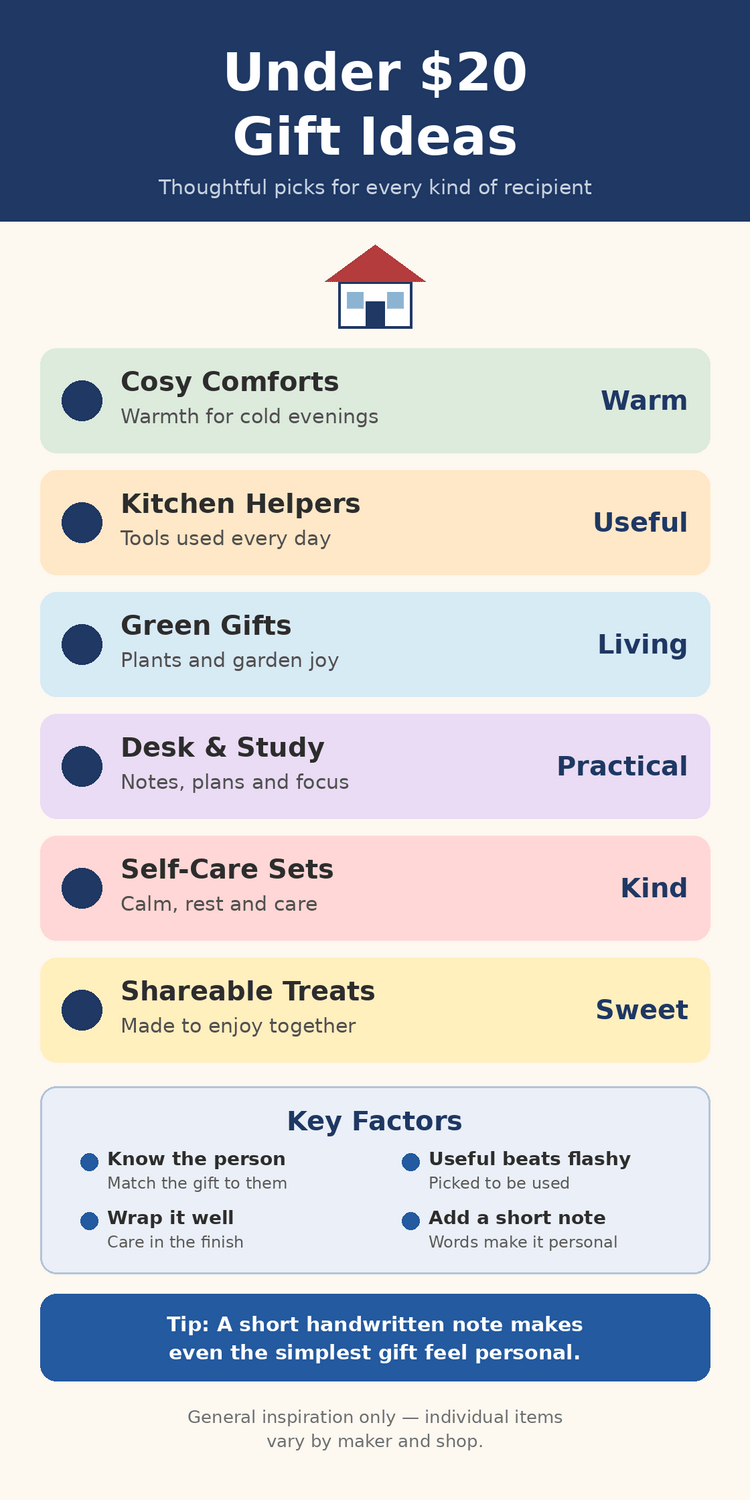
| Gift group | Why it works | Best for |
|---|---|---|
| Cosy comforts | Warmth and rest | Homebodies |
| Kitchen helpers | Used every day | Keen cooks |
| Green gifts | Living and lasting | Plant lovers |
| Desk and study | Focus and calm | Busy minds |
| Self-care sets | Quiet and kindness | Tired friends |
| Shareable treats | Enjoyed together | Hosts and families |
Use the table above as a starting map, not a rulebook. If the recipient does not fit neatly into one row, that is a good sign: it means you know them well enough to mix rows, pairing a cosy comfort with a shareable treat, or a green gift with a short handwritten note. The bracket stays the same either way, because the guide that follows keeps every idea inside the under $20 band, and the care is in the choosing, not the spending.
2. Cosy Comforts for Cold Evenings
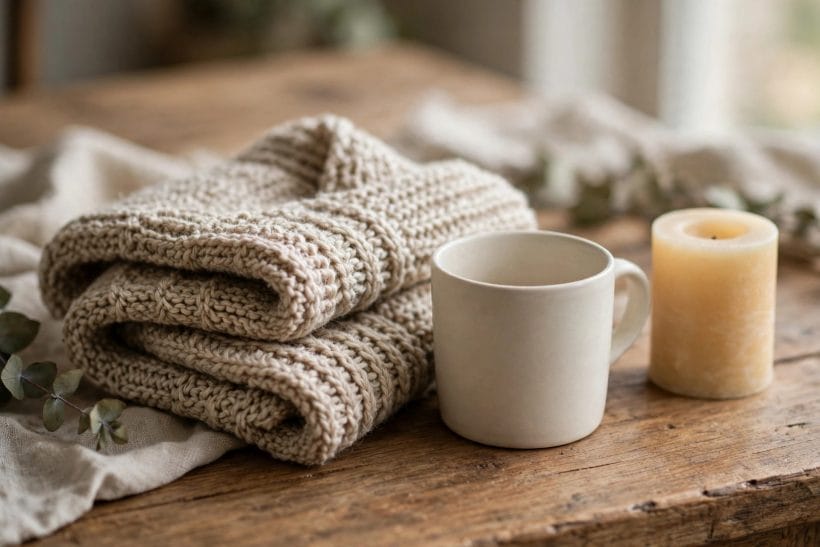
Some of the most welcome modest gifts are the ones that make an evening at home feel softer. A thick knitted throw, a plain ceramic mug in a colour the recipient already loves, or a simple candle for the bedside table all belong to this family, and each one earns its place by being used again and again. The trick is to choose textures and tones that suit the recipient’s home rather than chasing novelty, because a cosy gift that clashes with its surroundings tends to stay in the cupboard.
Think, too, about how cosy gifts sit inside a small living space. A soft blanket draped over an armchair, a mug that joins a small daily rotation, and a candle that marks the end of the working day all add comfort without adding clutter, which is exactly what small rooms need. Ideas for tiny living room ideas show the same principle at work: comfort comes from a few well-chosen pieces, arranged with breathing room, rather than from filling every corner. Choose one cosy piece, chosen well, over a bundle of small things that fight for attention.
Presentation matters here as much as the gift itself. A knitted piece folded neatly, a mug nested in tissue paper, and a candle tied with simple twine all signal that the giver took time, and that signal is often what the recipient remembers longest. If you are unsure between two cosy options, pick the one the recipient would reach for on an ordinary Tuesday evening, because ordinary evenings are where cosy gifts do their real work.
3. Seasonal Gifts That Suit the Occasion
Some gifts belong to a season, and choosing with the calendar in mind makes a modest gift feel timely rather than generic. In the colder months, warm colours, soft textures, and anything that suits a gathering around a table tend to land well, while in warmer months, lighter scents, fresh greenery, and gifts meant for outdoors or open windows feel more natural. The season is not a rule to obey rigidly, but it is a useful lens: a gift that fits the moment feels considered, and a gift that fights the moment can feel like an afterthought.
Seasonal giving also gives you a natural way to personalise without spending more. A sprig of greenery tucked into the wrapping, a ribbon in a colour the recipient loves, or a note that mentions a shared memory from the same season last year all cost nothing and mean a great deal. These small touches are what turn a simple parcel into something the recipient opens slowly, and they work just as well for a birthday in spring as for a festive gathering in winter.
Be careful, though, not to let the occasion swallow the person. A seasonal gift should still reflect the recipient’s tastes, not merely the holiday aisle it came from. If the person in question dislikes scented things, a candle is the wrong seasonal gift however pretty the wrapping, and if they never drink hot drinks, a festive mug will gather dust. Keep the season as the frame and the person as the picture, and the gift will feel right on the day and useful long after it.

4. Kitchen Helpers That Earn Their Shelf
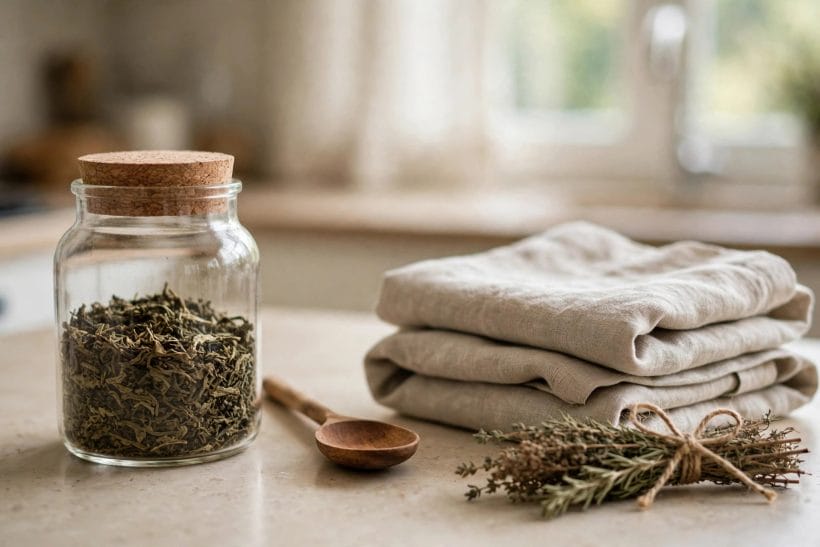
The kitchen is one of the kindest places to shop inside a modest bracket, because it is full of small tools that get used daily and replaced rarely. A good wooden spoon, a jar of loose tea, a folded linen apron, or a bunch of dried herbs can all transform an ordinary cooking routine, and each one carries the quiet compliment that the giver pays attention to how the recipient actually lives. The best kitchen gifts are not ornaments; they are companions to weeknight cooking, weekend baking, and slow mornings alike.
When choosing, favour usefulness and durability over cleverness. A tool with one clear job, made from a material that ages gracefully, will outlast a novelty item by years, and it will remind the recipient of you every time it is reached for. For inspiration on how kitchens stay practical and pleasant, kitchen ideas offer a useful reminder: the happiest kitchens are organised around the few tools that truly earn their shelf, with everything else kept out of the way. A modest gift chosen in that spirit fits straight into the recipient’s routine.
Pairing works beautifully in the kitchen, too. Tea with a small jar, herbs with a linen cloth, or a spoon with a handwritten recipe card all turn a single item into a small ritual, and the pairing often matters more than any individual piece. Keep the pairing simple, keep it to things the recipient will genuinely use, and resist the urge to add extras that complicate the gift. One thoughtful kitchen pairing, wrapped plainly, beats a crowded basket every time.
5. Green Gifts That Keep Growing
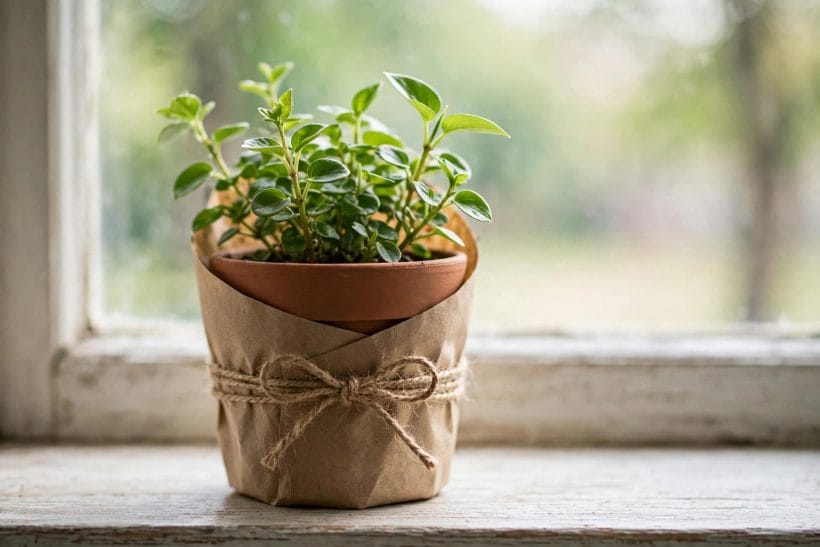
A small potted plant is one of the most generous modest gifts, because it keeps giving long after the wrapping is gone. Unlike a cut bouquet, a potted plant asks for a little ongoing care, and that care becomes a small daily ritual for the recipient: a splash of water in the morning, a turn toward the light, a moment of noticing new growth. For people who love their homes, that ritual is a gift in itself, and it suits even the smallest rooms, where one healthy plant can change the whole feeling of a windowsill.
Choose plants that forgive a beginner. Hardy, low-demand varieties suit busy recipients far better than delicate specimens, and a plain terracotta pot wrapped in kraft paper looks thoughtful without needing any elaborate container. Placing plants well matters as much as choosing them, and tiny house interior design ideas show how a single plant can soften a room, frame a window, or anchor a quiet corner. A plant chosen for the recipient’s light and space, rather than for show, is the one most likely to thrive.
If the recipient already keeps plants, think about what supports the habit rather than duplicating it. A small watering can, a simple plant mister, a packet of seeds for the coming season, or a plain notebook for garden notes all show that you understand the hobby rather than merely applauding it. And if you are unsure about their light or their schedule, say so in the note and offer to swap the plant for another if it struggles: that honesty is kinder than pretending every plant suits every home.
6. Desk and Study Gifts for Clearer Days
For students, writers, planners, and anyone whose desk is a second home, a modest gift that brings order or calm to the working day is almost always welcome. A cloth-bound notebook, a set of simple pens, a small lamp for evening work, or a tidy desk organiser all belong here, and each one earns its place by making the next working session slightly easier. The desk is a personal place, so the best gifts in this family respect the recipient’s existing habits rather than trying to redesign them.
Small-space thinking applies to desks as much as to rooms. A gift that sits flat, hangs neatly, or replaces something worn out is worth more than a bulky addition, and tiny house storage ideas make the same point for the whole home: the things that last are the ones with a clear place to live. Before choosing, picture the recipient’s desk as it actually is, not as you wish it were, and pick something that fits that real surface, that real routine, and that real pile of papers.
A short note tucked inside a notebook cover can make this kind of gift feel deeply personal. Write a line about a project you admire, a goal you hope the year brings, or simply that you were thinking of them while choosing, and the notebook becomes more than paper and binding. Desk gifts are often dismissed as practical, but practicality delivered with attention is one of the warmest kinds of giving, because it says you noticed how the person spends their days.

7. Self-Care Sets for Quieter Evenings
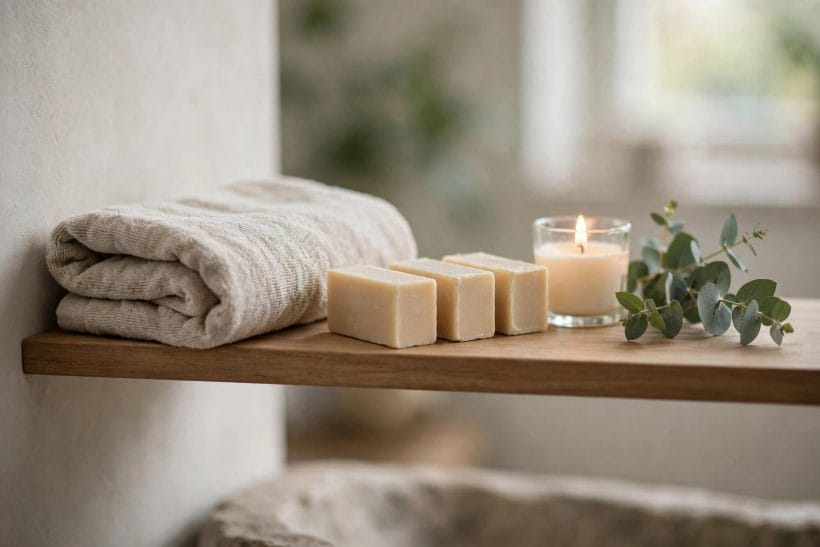
Self-care gifts work best when they invite slowness rather than prescribing it. Plain bars of soap, a soft folded towel, a simple candle, and a sprig of eucalyptus can be arranged into a quiet evening ritual, and none of it needs elaborate packaging or bold claims to feel luxurious. The luxury here is time: an unhurried bath, a slow evening routine, and a bathroom shelf that feels calm rather than crowded. That is a generous thing to give a tired friend, and it sits comfortably inside a modest bracket.
Keep self-care gifts gentle and unscented where you are unsure, because strong fragrances divide opinion quickly. Plain, simple formulations and soft natural textures suit the widest range of recipients, and they pair beautifully with a calm bathroom. Ideas for tiny bathroom ideas show how small bathing spaces stay serene when every item is chosen for use rather than display, and the same discipline makes a self-care gift feel thoughtful instead of cluttered. One or two well-chosen pieces, wrapped simply, will always beat an overflowing set.
Presentation for self-care gifts should feel like a deep breath, not a performance. Fold the towel neatly, tie the set with plain ribbon, and add a short note suggesting an evening to enjoy it, without instructions or expectations. The recipient may use the set at once or save it for a harder week, and either choice is the gift working as intended. Self-care given without pressure is self-care that actually restores.
8. The Moment of Giving Matters Too
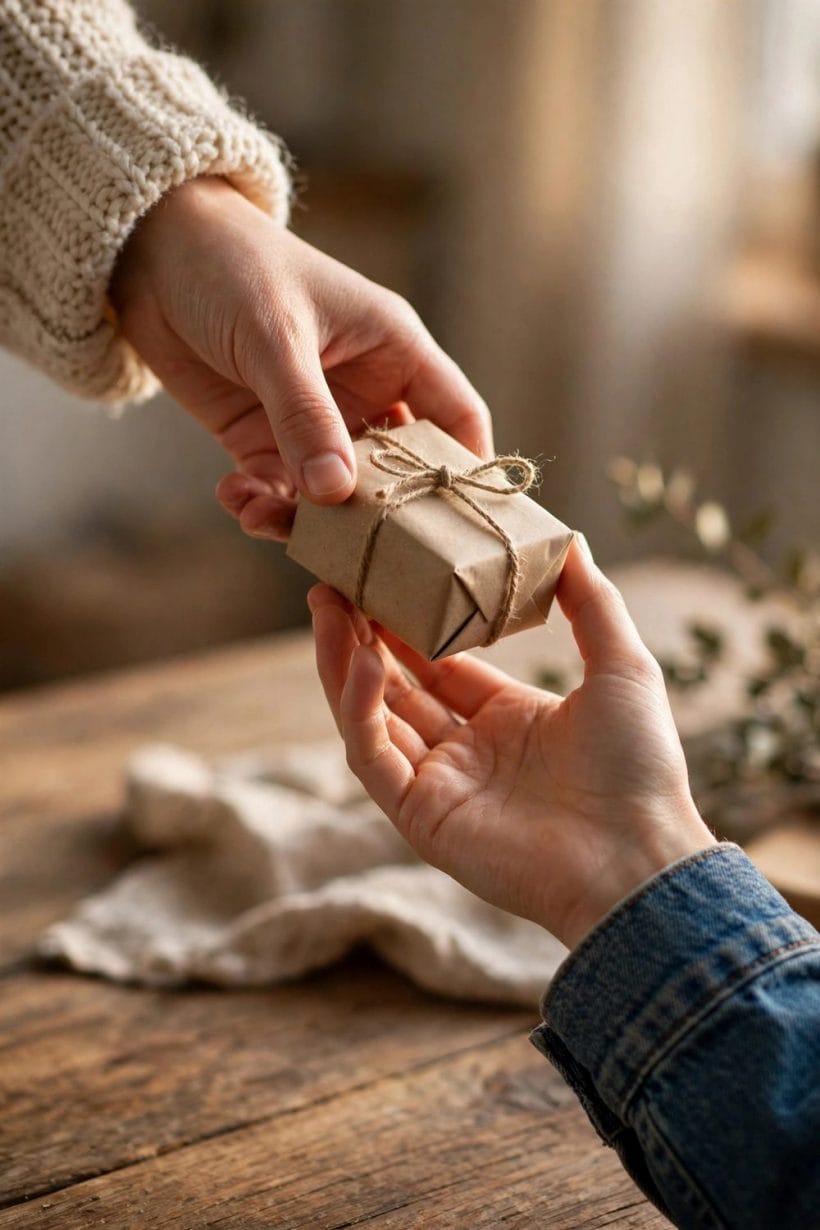
How a gift is given can matter as much as what is inside the parcel. A gift handed over in person, with a moment of unhurried attention, lands differently from one left on a doorstep or sent without a word, because the recipient remembers the exchange as well as the object. If you can, give the gift face to face, take a moment to say why you chose it, and let the recipient open it without rushing. That small ceremony costs nothing and elevates even the simplest item.
When distance makes a personal handover impossible, the note becomes the ceremony. Write by hand where you can, keep it short and specific, and mention something only you and the recipient share, whether that is a joke, a memory, or a hope for the year ahead. A parcel that arrives with a genuine handwritten note feels like a visit in miniature, and it is often kept long after the gift itself is used up. The note is also the safest place to be honest: if you chose something practical, say so with warmth, and the practicality becomes part of the affection.
Timing, too, deserves a little thought. A gift given early, before the rush of an occasion, can feel calmer and more considered than one given at the last minute, and a gift given for no occasion at all can feel the most generous of all. Surprise gifts inside a modest bracket are especially powerful, because they prove the giver was thinking of the recipient on an ordinary day, not merely responding to a date on the calendar. Whenever you give, give with attention, and the bracket will never be what the recipient remembers.
9. Shareable Treats and Simple Hampers
Some gifts are meant to be opened and immediately shared, and treats belong firmly in that family. Jars of preserves, biscuits, dried fruit, and other simple foods, gathered into a small basket and wrapped plainly, turn a gift into a gathering, because the recipient can set the hamper on the table and enjoy it with family or friends that same evening. Food gifts also suit almost every recipient, since they ask for no shelf space, no particular taste in decor, and no long-term commitment.
Building a small hamper is an exercise in restraint. Choose a handful of items that go well together, keep the flavours simple and widely liked, and resist the urge to fill every gap in the basket. A hamper that looks generous but tastes thoughtful beats a hamper that merely looks full, and the recipient will notice the difference when the first jar is opened. If you know the recipient’s dietary needs or dislikes, honour them carefully, because a hamper built around what someone cannot eat is a gift that excludes rather than includes.
Homemade touches raise a food gift further. A handwritten label, a recipe card for a favourite bake, or a note about where the preserves came from all add a story to the basket, and stories are what make simple food feel like a celebration. Keep the wrapping simple so the food itself stays the star, and give the hamper early enough in the day that it can be enjoyed rather than stored. A shared treat, given with a story, is one of the warmest modest gifts there is.

10. Wrap It Well and Keep It Simple
Wrapping is where a modest gift gains its dignity. Plain kraft paper, simple twine, a sprig of greenery, and a handwritten tag can make a small parcel look deliberate and beautiful, while glossy paper and elaborate bows can make the same gift look anxious, as if the wrapping were apologising for the contents. The best wrapping is honest: it protects the gift, it looks cared for, and it opens easily, without a struggle or a shower of glitter. Choose materials you would be happy to receive, and wrap slowly enough to do it neatly.
Simplicity also protects the giver. When the wrapping is plain, the gift itself has to be good, which is exactly the discipline this guide encourages: choose one thoughtful item, or one careful pairing, and let the wrapping frame it rather than compete with it. A neatly wrapped parcel, placed in the recipient’s hands with a smile, communicates confidence in the choice, and that confidence is contagious. The recipient opens the parcel expecting something chosen with care, and because the gift was chosen with care, that expectation is met.
Finally, remember that wrapping can be kind to the world as well as to the recipient. Paper that can be recycled, twine that can be reused, and greenery that can be composted all keep the celebration light, and many recipients appreciate that thoughtfulness as much as the gift. Keep the wrapping simple, keep it neat, and keep it honest, and the whole act of giving feels as good as the gift itself.
Final Considerations
A modest bracket is not a limitation; it is a discipline that forces the giver to pay attention, and attention is the real gift in every parcel. Whether you choose a cosy comfort, a kitchen helper, a green gift, a desk companion, a self-care set, or a shareable hamper, the question that matters is the same: does this suit the person, their home, and their ordinary days? If the answer is yes, the gift will be welcome, whatever the bracket, and it will be remembered for the thought rather than the spend.
For gifts that must live happily in a compact home, tiny house living room ideas offer a final reminder that small rooms reward the same qualities this guide prizes: usefulness, warmth, and a little breathing room. Choose one good thing, wrap it simply, add a short note, and give it in person where you can. That is the whole method, and it works for birthdays, holidays, thank-yous, and ordinary Tuesdays alike, because a gift chosen with attention never feels small.
Keep this guide’s list of 20 dollar gifts close the next time an occasion approaches, and resist the urge to spend beyond the bracket in search of certainty. Certainty does not live in a bigger spend; it lives in knowing the recipient, and that knowledge is something no shelf can sell. Start with the person, choose with care, and let the gift do the talking.




0 Comments