
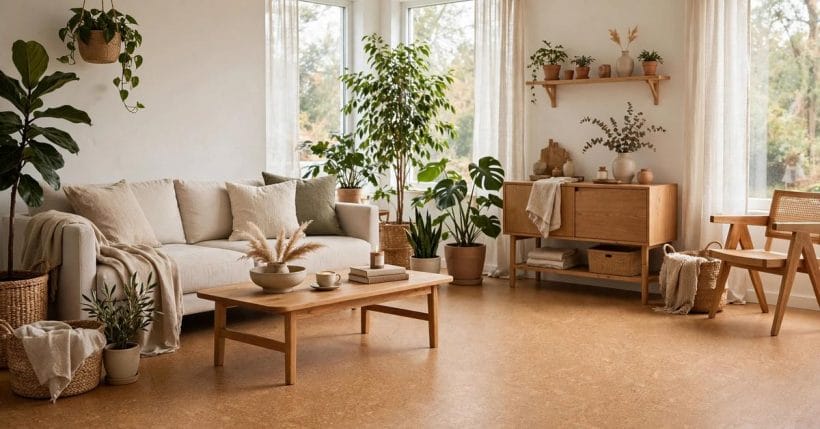
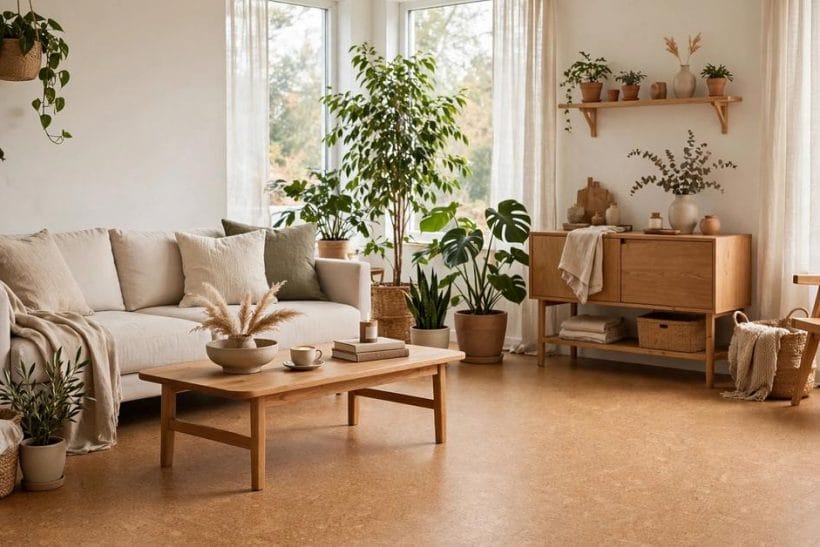
A floor covers more of a room than almost any other surface, so changing it changes the whole feeling of a home. It sets the colour temperature of a room, decides whether footsteps sound soft or sharp, and shapes how furniture, rugs and light sit together. Many homes end up with the same familiar choices by default, not because those choices were compared with anything else. Among the many tiny house interior design ideas that shape a compact home, the floor is often decided last, yet looking a little wider can be rewarding, especially in a small home, where every surface works hard and a floor that suits the way a room is actually used makes daily life pleasanter.
For readers weighing cheap flooring alternatives, the point of this guide is not to declare a winner. Budgets differ from home to home, and a floor that suits a calm bedroom may be a poor match for a busy entryway. The six ideas below are offered in general terms, so each one can be judged on its look, its feel underfoot, the rooms it suits, and the care it asks for. The wisest first step is always the same: gather samples, live with them in the room for a while, and notice how they look in morning light, in evening light, and beside the furniture that will stay.
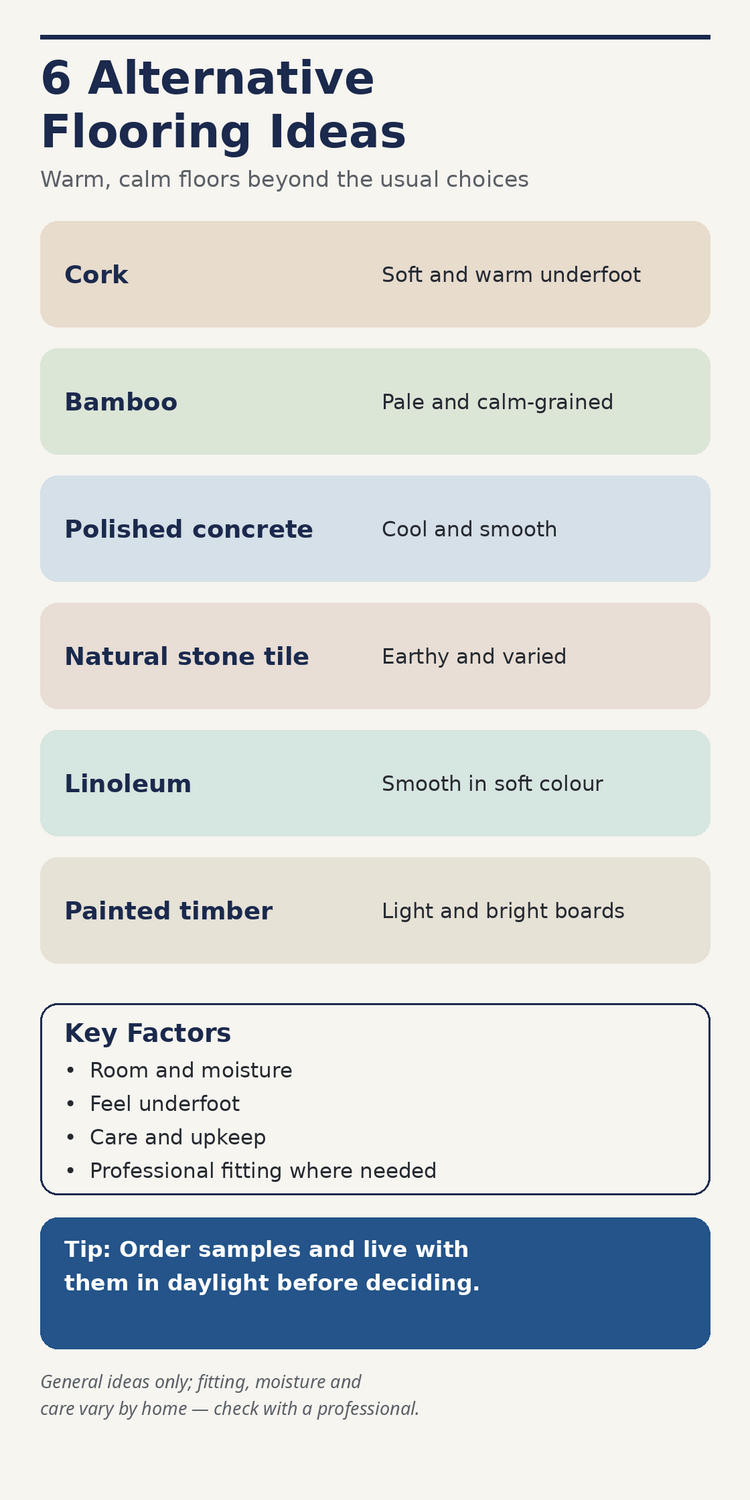
The six ideas are cork flooring, bamboo flooring, polished concrete, natural stone tile, linoleum flooring, and painted timber floors. Each one brings a different character to a room, from warm and soft to cool and smooth, and each one suits a different kind of household. The sections that follow describe each idea on its own terms, then turn to choosing among them, to rooms and everyday living, to care in general terms, and finally to a side-by-side look at all six together.
1. Cork Flooring
Cork flooring has a warmth that is felt as much as seen. Its surface carries a soft, speckled grain in honeyed, natural tones, and it feels gentle and slightly springy underfoot, which suits rooms where people stand for a while, such as kitchens and living rooms. The look is quietly organic rather than showy, so it sits happily beside timber furniture, woven textures and plants, and it can make a plain room feel settled without demanding attention. In a small home, that softness of both look and feel can make a compact room feel more comfortable rather than more crowded.
Colour is one of cork’s strengths. Pale, natural cork keeps a room light, while deeper, warmer tones add richness to a room with white walls and simple furniture. Because the pattern is fine and even, cork rarely fights with rugs, curtains or artwork, and a rug can be layered over it without the floor underneath looking busy. It also pairs well with rooms that change through the day, since its muted tones look calm in bright daylight and warm in lamplight. For a home that favours natural textures, cork offers a floor that reads as soft and welcoming from the doorway.
Moisture and care deserve honest thought with cork, as with any floor made from natural material. It suits living rooms and bedrooms most comfortably, and any room where spills are likely calls for prompt attention and a finish suited to the room. Fitting, including subfloor preparation and sealing where a finish is used, is work best left to professionals, so the floor sits flat and even from the start. With that care in place, cork gives a home a floor that is kind to bare feet, easy on the eye, and calm in rooms that are used every day.
2. Bamboo Flooring
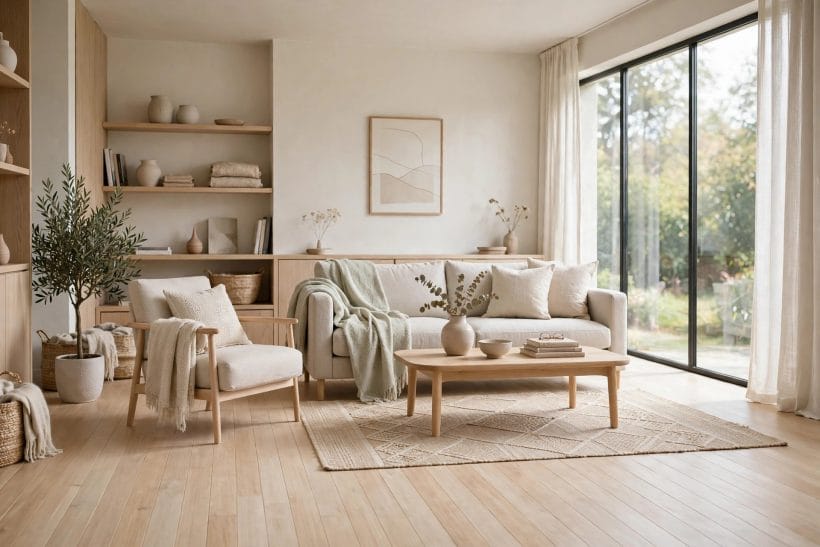
Bamboo flooring brings the look of pale timber planks with a grain that is calm and even rather than strongly figured. In light tones it can open up a small room, reflecting daylight and giving walls and furniture a gentle backdrop. The planks read as clean and contemporary, yet they also sit comfortably in rooms with softer, more traditional furniture, because the colour stays muted and the grain stays quiet. For a living room or bedroom that needs light, bamboo is an idea worth sampling beside the room’s actual wall colour and curtains.
The character of bamboo changes a good deal with tone. Pale boards feel airy and modern, while deeper boards feel warmer and more grounded, closer in mood to a traditional timber floor. Wide planks give a calm, unbroken sweep across a room, while narrower planks give a busier, more detailed rhythm. Either way, the floor tends to look best when the rest of the room is kept simple, since a strong pattern elsewhere can compete with the grain. Rugs work well over bamboo, breaking up a large stretch of floor and marking out seating areas in an open-plan room.
As with other plank floors, moisture and sunlight deserve a thought before bamboo is chosen for a particular room. Rooms that stay dry and evenly lit suit it best, and a professional assessment of the subfloor and the room’s conditions helps the floor sit well over time. Everyday care is a matter of keeping the surface clean and dry in the ordinary way, with spills dealt with promptly and furniture feet given soft protection. Chosen for the right room, bamboo gives a home a light, calm floor that feels considered rather than copied from every other house on the street.
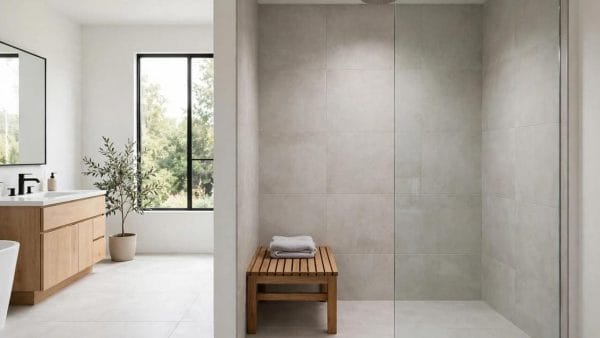
3. Polished Concrete
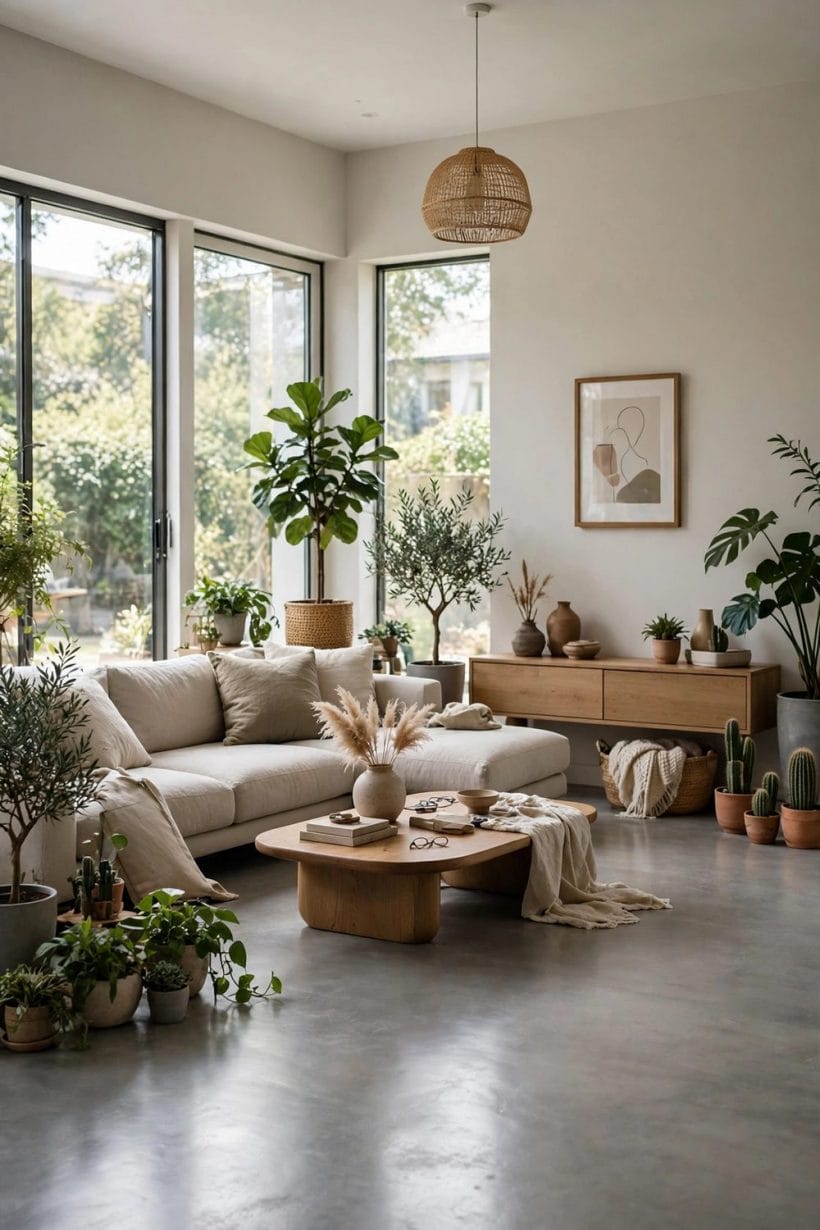
Polished concrete turns a structural surface into a finished floor, and its appeal lies in its simplicity. The surface is smooth, cool and even, in soft grey tones that shift subtly with the light, and it gives a room a calm, gallery-like quality. Furniture, artwork and plants stand out against it, because the floor itself makes no pattern claim of its own. In open, light-filled rooms, polished concrete can feel spacious and modern without feeling cold, especially when softened with rugs, timber furniture and warm textiles.
The look suits homes that favour clean lines and a restrained palette. Low furniture, natural timber and woven textures all sit well on concrete, and the floor can run through several rooms without a change of material, which helps a small home feel continuous rather than divided. Among the many home design ideas that give a room its character, a plain floor is a quiet one, since colour comes from the room rather than the floor, so wall colour, curtains and cushions carry more of the room’s personality. A rug in a seating area adds warmth underfoot and marks out where people gather, while the surrounding floor stays clear and easy to move across.
Polished concrete is firmly a professional job. Grinding, polishing and sealing an existing slab, or preparing a new one, calls for specialist skill and equipment, and the condition of the slab underneath decides much of the result. It also feels cool underfoot, which suits warm rooms and warm climates, while cooler rooms may want rugs and soft furnishings to balance it. Understood on those terms, polished concrete is a striking alternative for a home that wants a floor with almost no pattern at all, and a surface that lets the rest of the room do the talking.
4. Natural Stone Tile
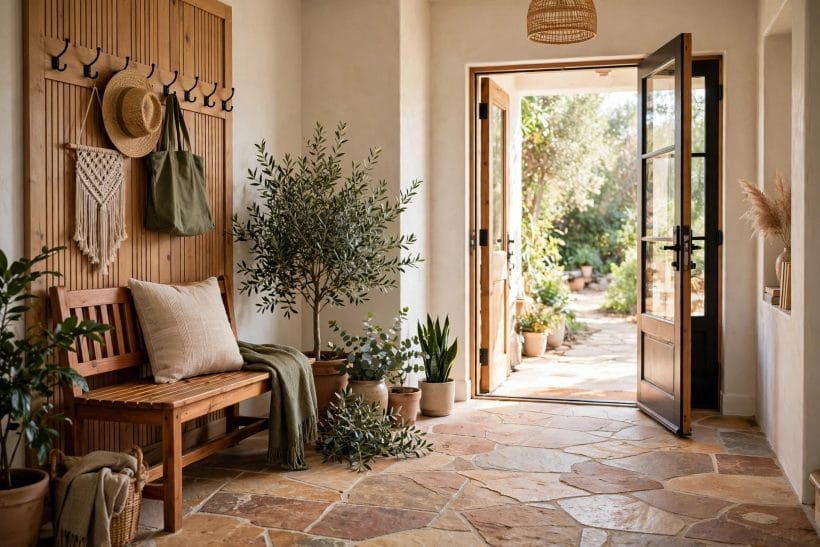
Natural stone tile brings the character of the outdoors into a home, with earthy tones and a varied surface that no two tiles share exactly. That variation is the point: a stone floor looks collected and grounded, with subtle shifts of colour and texture across the room. It suits entryways and living rooms where a sense of solidity is welcome, and it pairs naturally with timber, plaster walls and plants. In a home with a garden, stone can also help the inside and outside feel connected, especially near a door that opens onto a terrace or a path.
Format changes the mood a good deal. Large tiles give a calm, open sweep with fewer joints, while smaller tiles give a more detailed, crafted pattern that suits a cosy room. Warm, sandy tones keep a room welcoming, while cooler grey tones feel more restrained and modern. Grout colour matters too, since a grout close in tone to the stone keeps the floor quiet, while a contrasting grout draws attention to the pattern of the tiles. Samples laid out in the actual room, in daylight and lamplight, show these differences far better than any small swatch viewed alone.
Stone tile is heavy, hard work to fit, and best left entirely to professionals, from subfloor preparation to laying and sealing where a seal is used. The finished floor feels firm and cool underfoot, which suits busy, hard-wearing areas, while rugs and soft furnishings can warm up seating areas. Care is a matter of ordinary cleaning and prompt attention to spills, with the finish maintained as advised for the stone in question. For a home that wants a floor with permanence and natural variation, stone tile is an alternative with real presence.
5. Linoleum Flooring
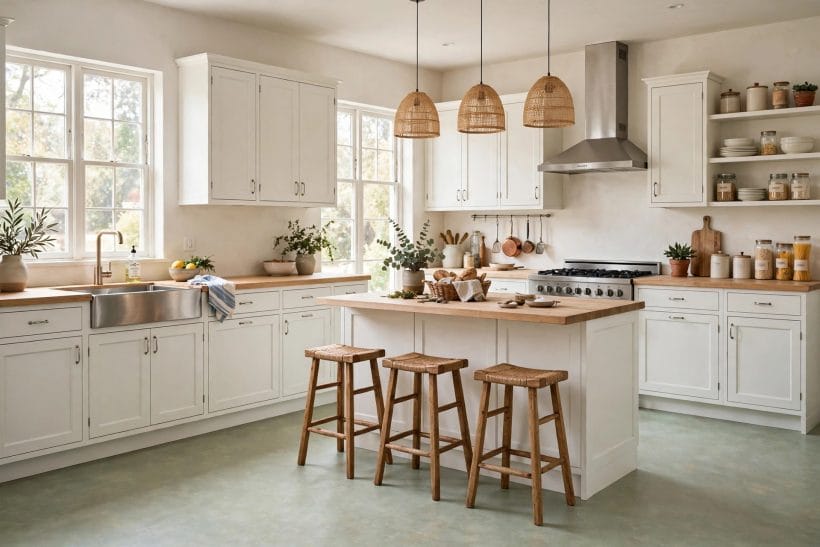
Linoleum flooring is a smooth sheet or tile floor made from natural materials, and it is often misunderstood. It is not the same as the synthetic floors it is sometimes confused with, and its character is quite different: a soft, matte surface in a wide range of colours, from quiet neutrals to gentle, muted greens, blues and warm tones. In a kitchen, that soft colour can set the mood of the whole room, giving white cabinets and timber worktops a calm, cheerful ground to sit on. The surface feels smooth and comfortable underfoot, and it suits rooms where people stand and move a good deal.
Colour is where linoleum earns its place. A single, even colour across a kitchen floor looks clean and deliberate, and it lets the room’s cabinets, shelving and plants carry the detail. Pale tones keep a small kitchen light, while a muted colour adds personality without making the room feel busy. Because the surface is plain, it also works well with patterned tiles elsewhere, such as a backsplash, since the floor does not compete for attention. In a home that wants colour without pattern, linoleum offers a simple, honest way to get it.
Fitting linoleum, including subfloor preparation and adhesive work where sheet or tile is used, is best handled by professionals, so seams sit neatly and the surface stays smooth. Among the many kitchen ideas that shape a cooking room, the floor is easy to overlook, yet it is the surface most often underfoot, and a colour chosen in daylight, beside the actual cabinets, will look settled for far longer than one chosen from a small sample alone. With professional fitting and ordinary care, linoleum gives a kitchen a soft-coloured, comfortable floor that feels considered rather than merely practical.
6. Painted Timber Floors
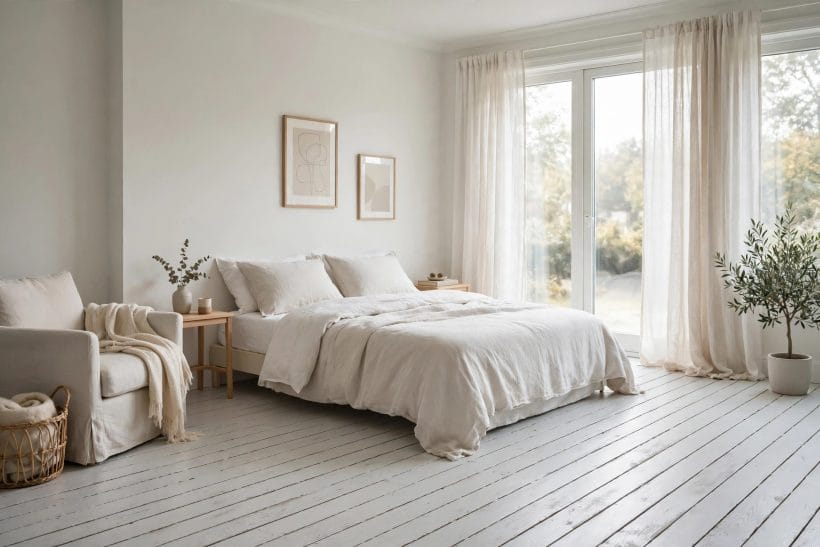
Painted timber floors take boards that might otherwise look tired or plain and give them a fresh, light character. A coat of paint in a soft white, pale grey or muted colour can lift a whole room, making it feel brighter and more spacious, and it suits bedrooms and living rooms where a calm, airy mood is wanted. The grain of the timber still shows faintly through the paint, so the floor keeps a natural texture rather than looking flat, and that hint of grain is part of its charm. In a small home, a pale painted floor can make a compact bedroom feel larger and more restful.
Colour choice shapes the result more than anything else. Pale tones open up a room and suit white walls and simple bedding, while a deeper, muted colour can ground a room with dark furniture and warm textiles. Painted floors also sit well with rugs, since the plain boards underneath let a rug’s pattern stand out, and a rug beside a bed or under a seating area adds softness where bare feet land. Because the floor is light in tone, it shows the room’s furniture clearly, so keeping the room tidy pays off in a way that a busier floor might hide.
Preparation and finishing decide how a painted floor looks and wears, and a professional finish is worth seeking, particularly where boards are uneven or a previous finish needs attention. Among the many tiny bedroom ideas that make a small sleeping room feel calm, a pale painted floor is one of the simplest, since it changes the light of the whole room at once. Care is ordinary: keep the surface clean, deal with marks promptly, and refresh the finish when wear shows. For a home that wants brightness on a modest scope, painted timber is an alternative with a gentle, handmade feel.
7. Choosing Among the Six Ideas
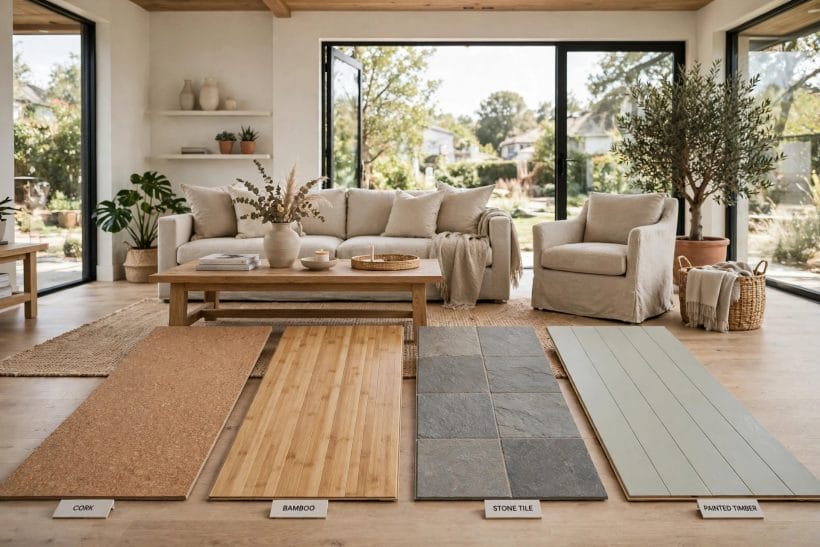
Choosing among the six ideas starts with the room, not the material. A bedroom asks for warmth and quiet underfoot, an entryway asks for a surface that copes with shoes and weather, and a kitchen asks for a floor that feels comfortable during long spells of standing. Light matters too: a north-facing room may welcome a pale floor, while a sun-filled room can carry a deeper tone without feeling dark. Listing what each room actually does, and who uses it, narrows the six ideas far faster than comparing their looks alone.
Samples are the most useful tool in the whole process. A sample viewed in a shop, under shop lighting, can look quite different at home, beside the room’s walls, curtains and furniture. Living with samples for a while, moving them around the room, and looking at them in morning light and evening light, shows how each idea behaves in the real setting. It also shows how each one feels underfoot in bare feet, which matters more than many people expect, since a floor is touched every day in a way that walls and ceilings never are.
Finally, it helps to think about the home as a whole. A floor that runs through several rooms can make a small home feel larger and more continuous, while a different floor in each room can mark out separate spaces. Neither approach is right for every home, but the decision should be made deliberately, with the thresholds between rooms considered as part of the design. The six ideas in this guide can be mixed across a home, with a warmer idea in sleeping rooms and a firmer idea in busy areas, as long as the junctions between them are planned rather than left to chance.
8. Rooms and Everyday Living
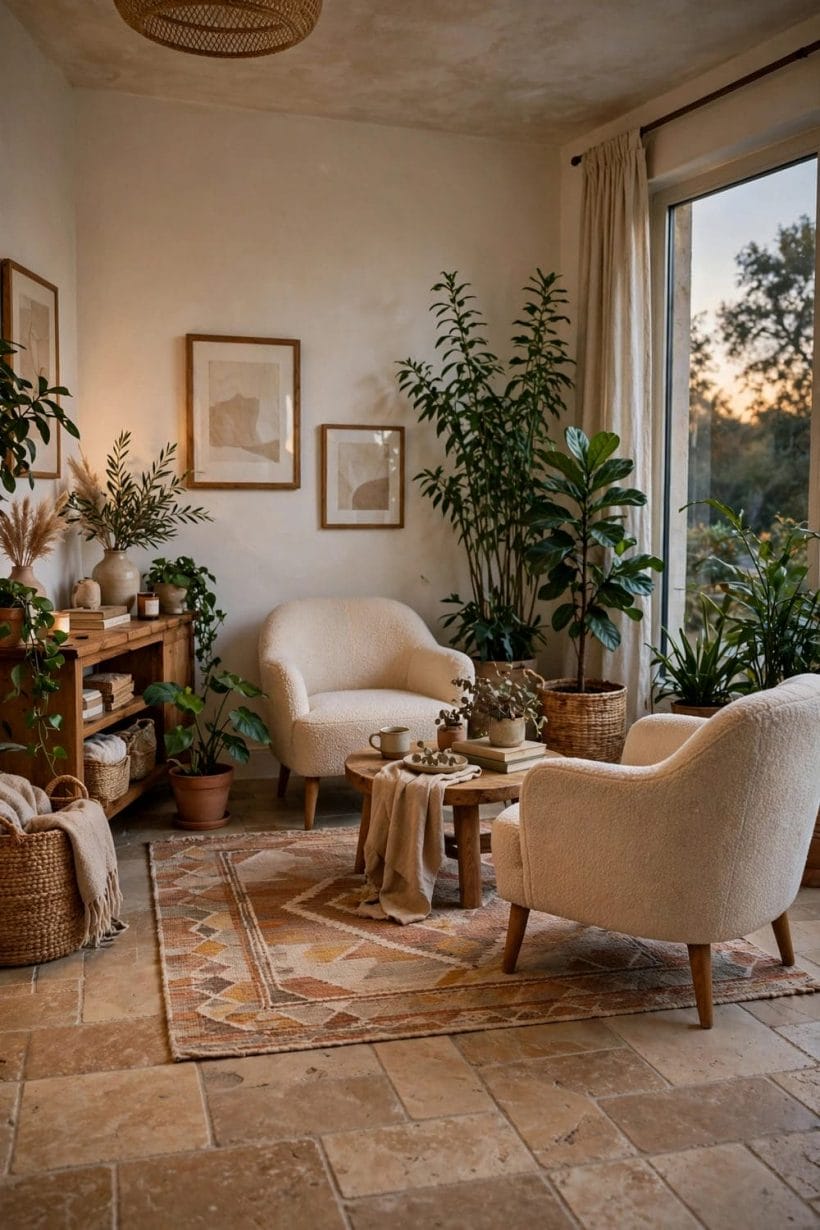
Everyday living tests a floor in ways that a showroom never does. Shoes, pets, spills, furniture legs and sunlight all leave their mark over time, and a floor that suits a household’s real habits will look better for longer than one chosen for looks alone. A home with a busy entryway may want a firm, easy-to-clean surface near the door, with a rug to catch grit before it travels further. A home where people gather in the kitchen may want comfort underfoot above all, since that room is stood in more than any other.
Rugs deserve a central place in this thinking. A rug softens a firm floor, warms a cool one, and marks out seating and sleeping areas within an open room. It also protects the floor beneath in the places that wear most, such as beside a bed or in front of a sofa. Choosing rugs after the floor, rather than before, lets the floor’s colour set the tone, with the rug adding pattern and warmth on top. In a small home, a rug can also make one room feel like several places at once, without any wall or partition.
Small homes bring their own logic to flooring. A continuous floor can make a compact plan feel larger, while a change of floor can make a studio or open-plan room feel divided into zones. Among the many small kitchen ideas that help a compact cooking room work well, the floor’s colour and continuity matter, since a pale, even floor keeps the room light and a busy floor can make it feel smaller. Thinking about floors room by room, and then about the home as a whole, gives each of the six ideas its fairest test.
9. Care and Upkeep in General Terms
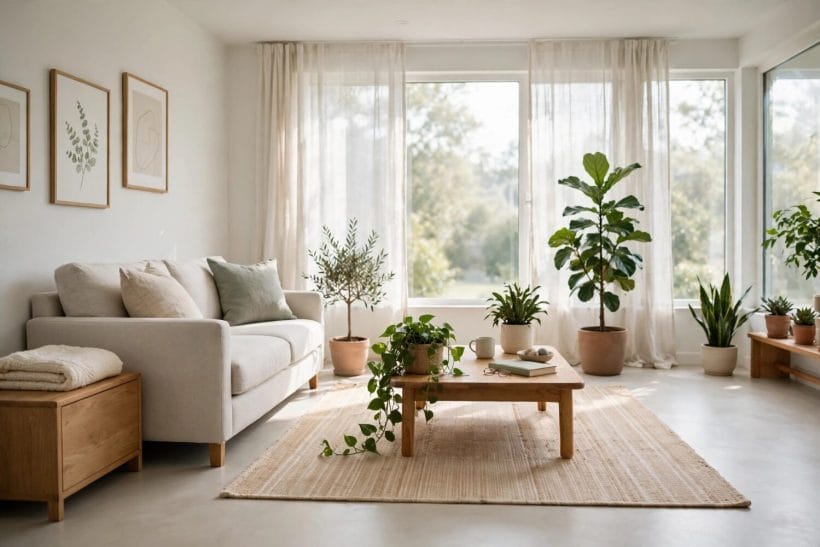
Care for any floor starts with the ordinary: regular cleaning, prompt attention to spills, and protection where furniture meets the floor. Soft feet under heavy pieces, mats at entrances, and a habit of dealing with marks when they happen will do more for a floor’s appearance than any occasional deep treatment. Each of the six ideas has its own care needs, and those needs should be understood before choosing, since a floor that asks for more care than a household can give will disappoint, however good it looks at first.
Moisture is the common thread. Living rooms and bedrooms stay dry in the ordinary course of things, while kitchens, entryways and rooms near outside doors meet water more often. Matching each idea to the moisture of its room, and following the care advice for the finish in use, keeps the floor in good condition. Where a finish or seal is part of the floor, its upkeep should be treated as part of the floor’s routine, not as an afterthought, and advice on that upkeep is best sought from the professional who fitted the floor.
Wear, too, should be expected and planned for. No floor stays exactly as it looked on the day it was fitted, and a floor that ages gracefully, with wear spread evenly across the room, will look better than one that wears in a single path. Moving rugs and furniture now and then, keeping entrances clean, and refreshing a finish when it shows wear all help a floor age well. A floor chosen with its care in mind, rather than in spite of it, is a floor that will suit its home for a long while.
10. Putting the Six Ideas Side by Side
Set side by side, the six ideas divide neatly by feeling. Cork and painted timber bring warmth and softness, with cork feeling gentle underfoot and painted timber bringing light and brightness to a room. Bamboo sits between warmth and calm, with pale planks that suit light, uncluttered rooms. Polished concrete and natural stone tile bring firmness and coolness, with concrete offering an almost pattern-free surface and stone offering natural variation and earthy colour. Linoleum brings soft colour, with a plain, comfortable surface that lets a kitchen or living room’s other details stand out.
By room, the picture is just as clear. Sleeping rooms and quiet living rooms suit the warmer ideas, while entryways and busy areas suit the firmer ideas. Kitchens suit ideas that feel comfortable during long spells of standing and that carry colour calmly. No single idea leads in every room, which is why mixing ideas across a home, with care at the junctions, can work so well. The comparison is not about ranking the six, but about matching each one to the room where its character will be most at home.
For a home that wants a floor with character, the six ideas offer a genuine choice rather than a single answer. Among the many interior design ideas that shape a home, the floor is among the most lasting, since it is lived on every day and changed less often than paint or furniture. Taking time over samples, over light, and over the rooms themselves is time well spent, and it is what turns a floor from a default choice into a deliberate one.
Final Considerations
A floor is a long-term companion in a home, so it deserves a slower decision than most purchases. Samples, daylight, bare feet and honest thought about moisture and care will tell a reader more than any description can. The six ideas in this guide, cork, bamboo, polished concrete, natural stone tile, linoleum and painted timber, cover a wide range of looks and feelings, and at least one of them will suit most rooms, provided it is matched to the room rather than to a passing fashion.
Professional advice is worth seeking before committing, particularly for polished concrete and natural stone tile, where the work is specialist, and for any floor where subfloor preparation or adhesive work is involved. A professional can assess the room, the subfloor and the conditions, and can say plainly whether an idea suits a particular home. That conversation, held before any work begins, prevents the most common flooring regrets, which come not from the material itself but from a mismatch between material and room.
For readers still weighing cheap flooring alternatives, the closing advice is simple: choose the floor that suits the room, the household and the care that household can give, and let the rest of the home’s character grow around it. A floor chosen on those terms will not merely look good on the day it is fitted. It will feel right underfoot, sit calmly beside furniture and rugs, and give the home a ground that supports everyday life, quietly and well, for a long while to come.


0 Comments