

One plant on a windowsill is a cactus. A shelf full of them raises a small question that stops many gardeners mid-sentence: what do you call more than one? The answer is simpler than the pause suggests, and it is worth settling before you write a plant label, a garden journal entry, or a note to a friend about the new pots by the door. This guide answers the language question in plain terms and then stays with the plants themselves, because a gardener who knows what to call them usually wants to know how to keep them happy too.
The plural of cactus comes in two everyday forms, and both are widely understood. Cacti is the form most garden books and plant labels reach for, while cactuses follows the regular pattern of adding a plural ending to the singular word. Neither choice will confuse a reader, and the rest of this guide shows where each one tends to appear, what kinds of cacti suit a home garden, and the gentle, general care that keeps a small collection thriving through the seasons.

1. The Plural Question, Stated Simply
Start with the singular, because everything else follows from it. One plant is a cactus, whether it is a small round ball in a pot on a shelf or a tall column standing in a gravel bed. The moment there are two or more, the word changes, and gardeners generally choose between the two plural forms shown in the guide below. The choice is a matter of habit and setting rather than a test with a single right answer, which is why both forms keep appearing side by side in books, labels, and conversation.
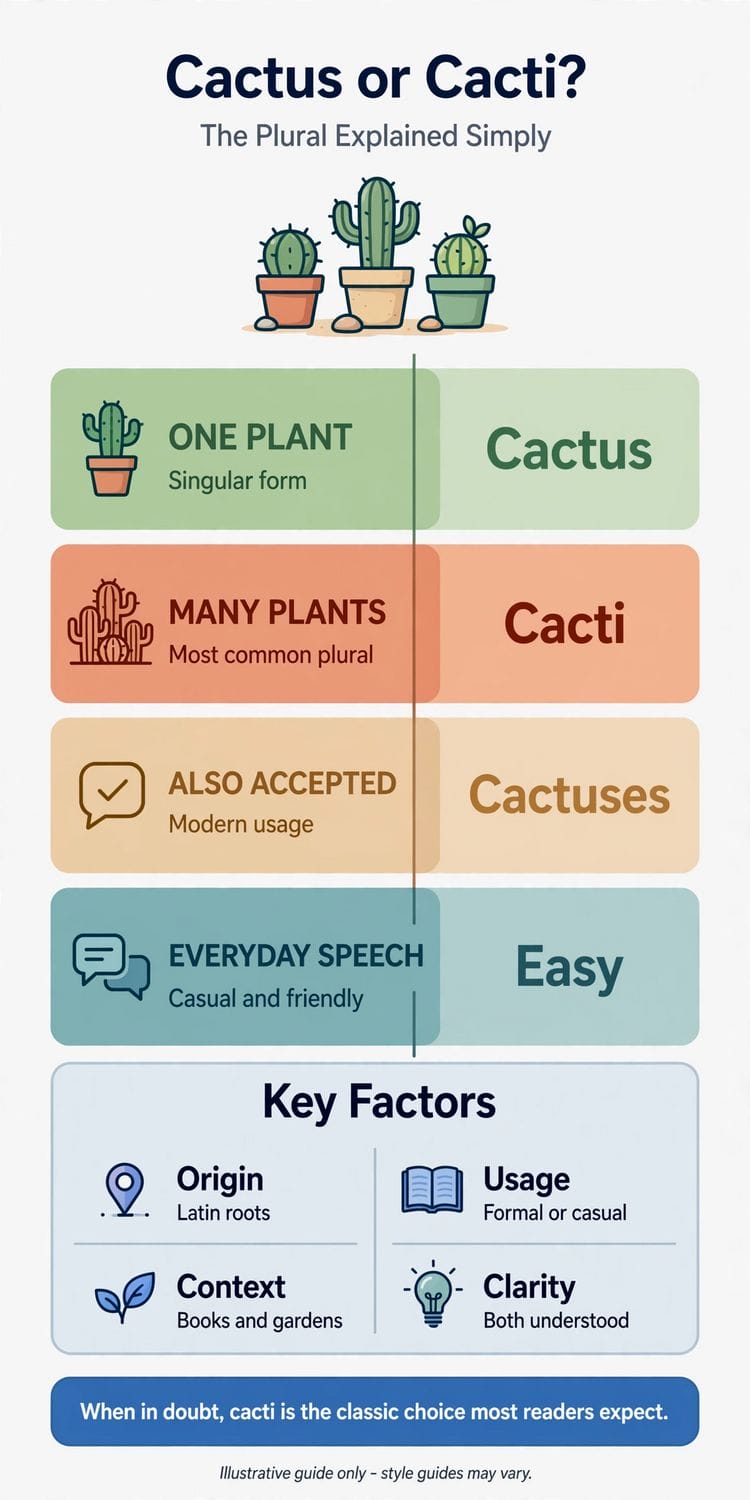
| Form | Use | Note |
|---|---|---|
| Cactus | One plant | Singular form |
| Cacti | Many plants | Most common plural |
| Cactuses | Many plants | Also accepted, modern usage |
| Everyday speech | Either plural | Casual and friendly |
The table carries the whole language lesson in four lines. Cactus names one plant. Cacti is the plural most readers expect, the form that feels at home in a plant book, a nursery label, or a garden article. Cactuses is also accepted, and it follows the ordinary way English usually makes a plural, which is part of its appeal in casual writing. In everyday speech either plural will be understood, so the pressure to choose perfectly is far smaller than it first feels. What matters most is that the sentence stays clear: one cactus on the sill, a group of cacti by the door, and no reader left wondering what plant you mean.
A useful habit is to pick one plural and stay with it through a single piece of writing. A label that says cacti in one line and cactuses in the next is not wrong, but it can look unsettled, and a reader may wonder whether two different plants are meant. Consistency is a kindness to the reader rather than a rule of grammar, and it costs nothing. Choose the form that sounds natural in your own voice, use it throughout, and let the plants themselves do the interesting work in the sentence.
2. When Cacti Fits the Sentence
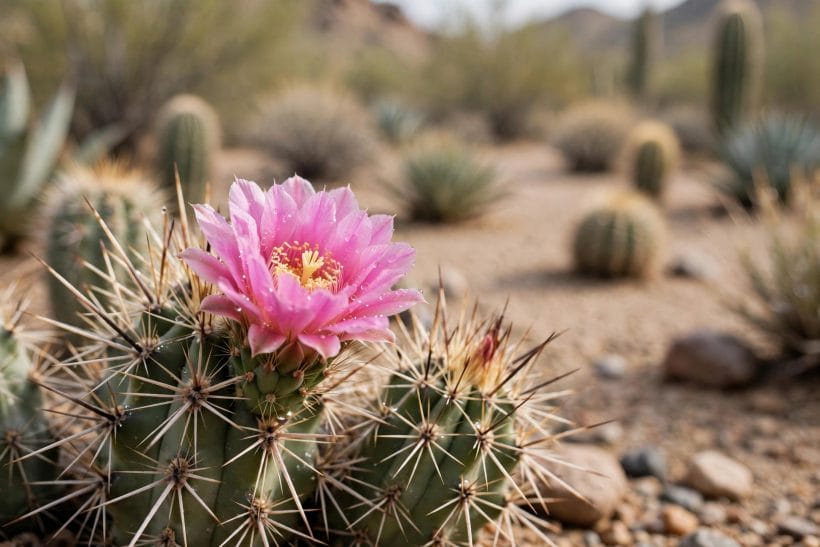
Cacti is the form that garden writing reaches for most often, and there are good reasons for its staying power. It sounds like plant language: the same shape appears in the names of plant families and in the labels of botanical gardens, so a reader who spends time around plants meets it early and often. When you write about a collection, a desert bed, or a group of plants gathered for a photograph, cacti slips into the sentence without drawing attention to itself, which is exactly what a plural should do. It lets the description of the plants carry the interest, whether that is a flowering crown in spring or the sculptural line of a tall column against a wall.
Use cacti when the setting is even slightly formal or plant-focused. A plant label, a garden journal, a note to a nursery, or a post about a desert garden all sit comfortably with it. It also suits sentences where several kinds are mentioned together, because it signals that the writer is talking about the whole group rather than one plant repeated. A bed planted with barrel shapes, paddle shapes, and tall columns reads naturally as a bed of cacti, and the word gathers the different shapes into one idea without needing a list. Readers who garden will recognise it at once, and readers who are new to the plants will learn it in context, which is the gentlest way to learn any garden word.
There is a second, quieter advantage. Because cacti is the form most plant books use, choosing it keeps your writing in step with the books a reader may turn to next. A gardener who reads your note and then opens a plant guide will meet the same word, and that continuity builds confidence. It is a small thing, but gardening confidence is built from small things: a word recognised, a shape named, a plant kept alive through a season. The plants of the desert Southwest, gathered in desert southwest plants, show how naturally the word sits among tall columns, paddle shapes, and golden mounds planted together in sun and gravel.
3. When Cactuses Also Works
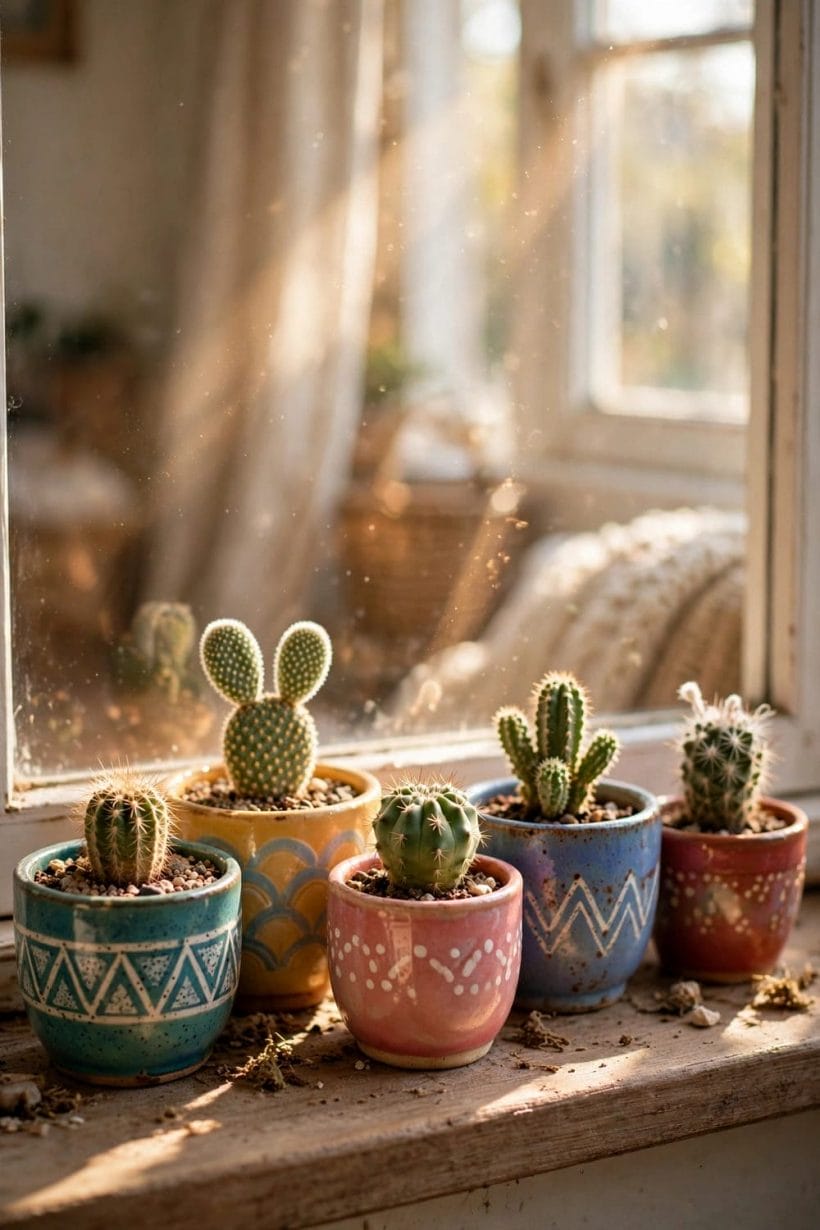
Cactuses earns its place by being straightforward. It takes the singular word and adds the ordinary plural ending, the way most English words form their plurals, so a reader who has never thought about plant Latin can still build it correctly on the first try. That plainness is a genuine virtue in casual writing: a message to a friend, a caption under a photograph, a shopping list, or a note on a pot. Nobody reading cactuses will pause to wonder what is meant, and nobody will think less of the writer for choosing the regular form. Clarity is the whole job of a plural, and cactuses does that job cleanly.
The form also suits writers who prefer their garden language to sound like everyday speech. A windowsill collection described as a few cactuses by the window sounds relaxed and friendly, and that tone fits a home garden far better than a stiff or showy sentence would. Gardening is, for most people, a home pleasure rather than a formal study, and language that matches that pleasure helps a reader feel welcome. If your writing voice is conversational, cactuses may sound more like you than cacti does, and sounding like yourself is worth more than matching any imagined standard.
One caution is worth keeping, and it applies to both plurals equally: avoid switching between them without reason inside one piece of writing. A paragraph that uses cactuses and then, a few lines later, cacti for the same plants can make a reader stop and re-read, wondering whether a new group has been introduced. The confusion is mild, but it is avoidable. Pick the form that fits your voice, use it steadily, and save the other form for another day, another note, or another writer’s shelf. Either way, the plants on the sill remain the same plants, and they will not mind which plural you chose.
4. Saying It Out Loud and Writing It Down
Spoken garden language has its own small traps, and this plural question is one of them. Many readers say cacti with a long eye sound at the end, which gives the word a slightly formal, plant-book ring. Others say it with a shorter ending, closer to the way the singular sounds. Both are heard in ordinary conversation, and neither will stop a listener understanding you, especially when the plants themselves are in view. If you are talking in a nursery or at a plant swap, the pot in your hand does more explaining than the ending of the word ever could.
In writing, the same ease applies, with one extra consideration: spelling. Cacti is a short word, but it is easy to mistype when you are writing quickly, and cactuses is easy to second-guess because it looks almost too regular. A quick re-read of a label or a caption before it goes on a pot or into a post will catch most slips. Plant labels in particular deserve that second look, because a label stays with a plant far longer than a spoken sentence does, and a gardener returning to a pot months later will read exactly what was written, mistakes and all.
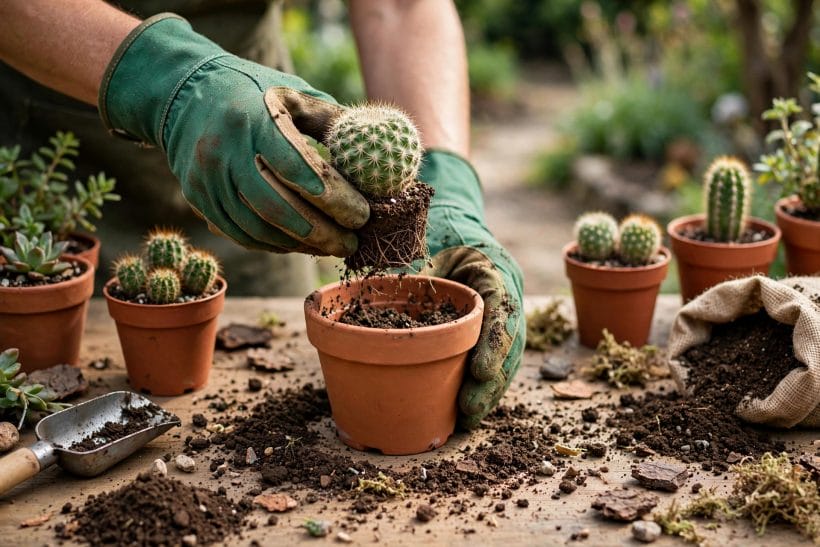
For garden journals, a steady habit helps more than any single rule. Write the plant’s name, the date it arrived in general terms such as a season rather than a precise day, and the plural you have chosen, and keep that pattern across entries. Over time the journal becomes a record of what actually grew, which shapes pleased you, and which spots in the garden suited the plants best. The language in it should serve that record, not distract from it, and a consistent plural is one small way of keeping the record tidy. The act of potting itself, gloves on and a new pot ready, is a good moment to fix the name in mind: one cactus going into its pot, joining the cacti already waiting on the bench.
5. Shapes to Know Before You Plant

Before choosing plants, it helps to picture the shapes cacti actually take, because shape decides where a plant belongs. Tall columnar kinds rise like green pillars and suit a spot where height is wanted without much spread, such as beside a wall or at the back of a gravel bed. Paddle kinds spread sideways in flat, jointed segments and make a broad, sculptural clump that fills a sunny corner. Barrel kinds sit low and round, ribbed like a small green drum, and they are at home in the front of a bed where their shape can be seen clearly. Clustering kinds form a family of small stems huddled together, and they suit pots and shallow bowls where a group can be admired up close.
Each shape also changes the way a planting reads. A single column gives a garden a vertical accent, a line the eye follows upward. A drift of barrels gives weight at ground level, a row of rounded forms that anchors a bed. Paddle clumps give breadth and a slightly wild, desert character, while clusters give detail for a tabletop or a shelf. Mixing shapes is usually more pleasing than repeating one shape everywhere, because the contrast between a column and a barrel, or between a flat paddle and a round cluster, does the work that flowers do in a softer garden. The path through a desert planting, with columns, barrels, and rosettes arranged along its edges, shows how shape alone can carry a whole design.
Shape also affects everyday handling, and it is worth thinking about before buying. Tall columns need a stable pot or a sheltered spot where they will not be brushed by passers-by. Paddle kinds need room to spread sideways, so a narrow pot will soon feel crowded. Barrels are easy to place but heavy for their size once potted, so a spot chosen should be one where the pot can stay put. Clusters are the most forgiving for a beginner, because a small plant in a small pot can be moved, turned, and observed closely while the gardener learns its habits. Choosing by shape, rather than by novelty alone, is one of the quiet skills that makes a collection look settled from the start.
6. Choosing Cacti for a Sunny Spot
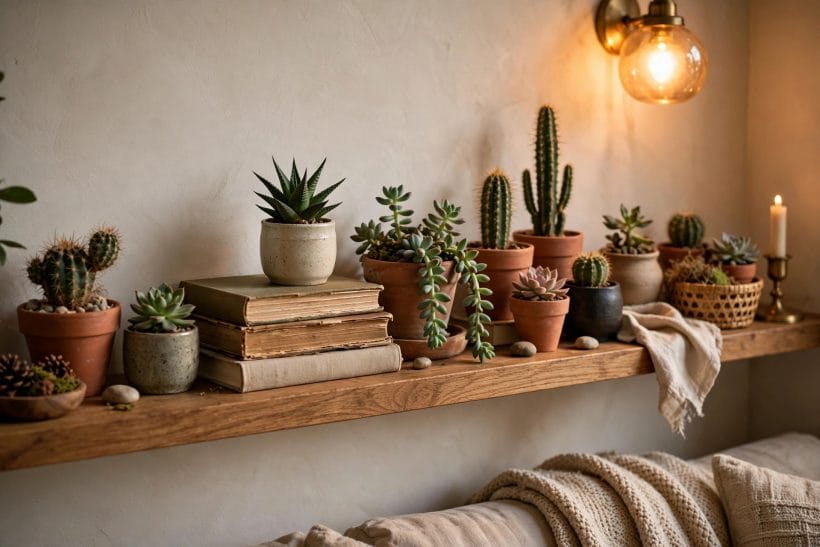
Light is the first question for any cactus, indoors or out, and it is also the easiest to get roughly right. Cacti generally enjoy bright light, and a sunny windowsill or a sunlit bed is the natural home for most of them. Indoors, a shelf near a bright window gives small pots the light they need while keeping them in view, which matters because plants that are seen tend to be noticed, watered thoughtfully, and turned now and then so that growth stays even. A shelf of mixed pots, with cacti among other dry-climate plants and a few books for company, is a classic arrangement precisely because it suits both the plants and the room.
Outdoors, the same principle holds with a little more room to play. A sunny bed, a gravel court, or a row of pots along a bright wall all give cacti the light they enjoy, and the reflected warmth from paving or a pale wall is often a help rather than a hardship. Watch the spot through a day before planting, if you can, and notice where the sun falls in the morning and where it lingers in the afternoon. A plant that receives bright light for much of the day will generally look sturdier and more compact than one kept in shade, and its shape will stay closer to the form that made you choose it. The indoor plants gathered for west-facing window plants show the same lesson from the other side: afternoon light and warmth shape what thrives on a sill, and cacti belong in that bright company.
Seasonal change deserves a gentler note. Light shifts through the year, and a windowsill that is bright in summer may be dimmer in winter, while a garden bed that bakes in one season may sit in shade in another. Moving a pot a short distance, or choosing a second spot for the darker months, is a reasonable response, and it need not be fussy. The aim is not perfection but a generally bright home, adjusted now and then as the light moves. Plants are forgiving of small changes when the overall conditions stay bright and dry, and a gardener who watches the light across the seasons will soon know each sill and bed by heart.
7. Pots, Soil and Drainage in General Terms
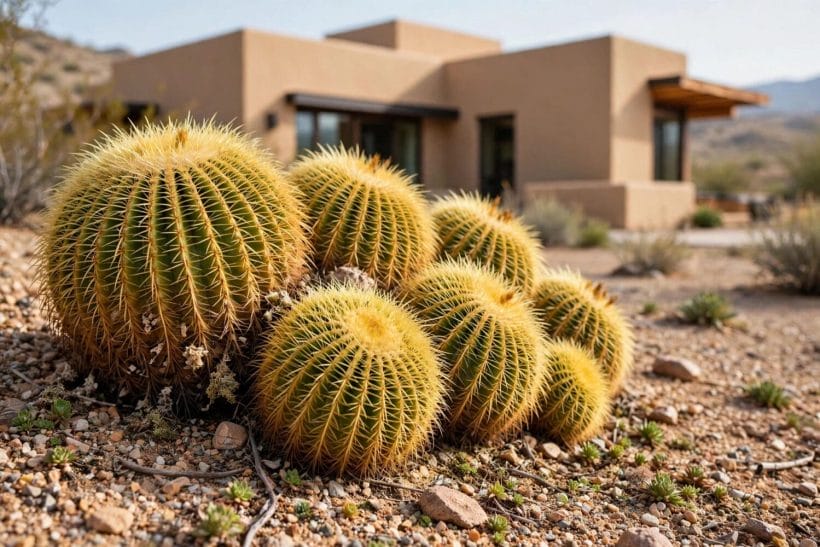
If light is the first question, drainage is the second, and most gardeners would say it matters even more. Cacti generally prefer soil that lets water pass through freely rather than soil that stays wet around the roots. A gritty, free-draining mix suits them, and a pot with drainage holes in its base is a simple, practical starting point. Terracotta pots are popular for good reason: their walls breathe a little, they are heavy enough to steady a top-heavy plant, and they look at home among gravel and stone. Plastic pots work too, and the choice often comes down to weight, appearance, and what is already on the shelf.
Planting itself is straightforward when it is done slowly. Set the plant at roughly the same depth it grew at before, settle the mix gently around the roots, and leave the surface a little below the rim of the pot so that watering does not wash soil over the edge. A top dressing of small gravel or grit finishes the pot neatly, keeps the surface tidy, and helps the base of the plant stay dry, which suits its habits. Wear gloves, or use folded paper or a towel to hold a spiny plant, and take your time: a calm potting session with the right pot ready is kinder to both gardener and plant than a hurried one.
For garden beds, the same drainage idea scales up. A bed built slightly proud of the surrounding ground, or a raised bed of the kind gathered in raised garden bed ideas, can lift roots into drier conditions where the local soil stays heavy or wet. Gravel paths and stone edgings suit cactus beds for the same reason, keeping the surface open and dry while giving the planting a finished look. The stonework gathered in stone landscaping ideas belongs to the same family of thinking: stone, gravel, and open ground are the natural companions of desert plants, outdoors as much as in a pot.
8. Watering With Restraint
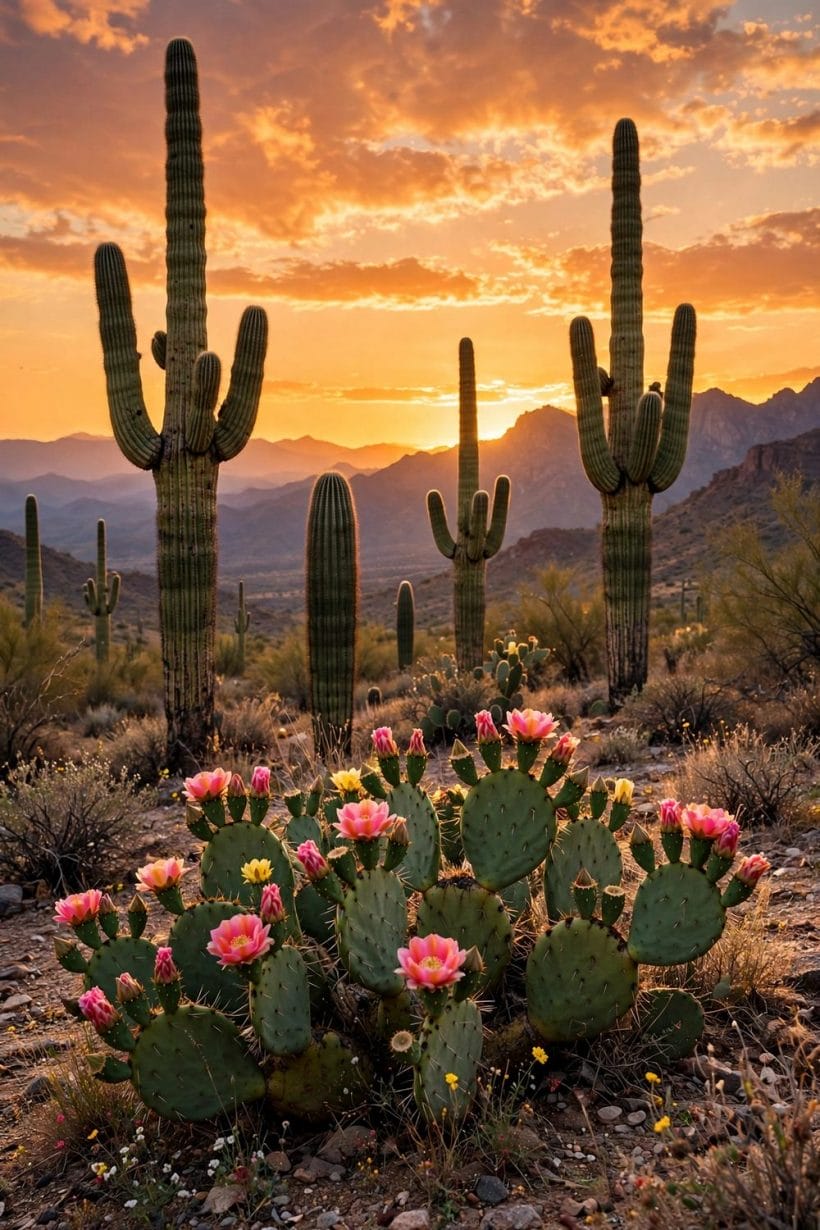
Watering cacti is mostly an exercise in restraint, and new gardeners often find that harder than it sounds. The general habit that suits most cacti is to water thoroughly and then wait until the soil has dried out before watering again, rather than giving frequent small drinks. This rhythm mirrors the dry climates these plants come from, where rain arrives in generous bursts and then stays away for a while. A gardener who checks the soil with a finger before reaching for the can will soon learn the feel of dry mix versus damp mix, and that simple check prevents more trouble than any watering schedule could.
Signs of trouble are worth knowing in general terms, because they are easy to misread. A plant that looks soft or swollen may be sitting too wet, while a plant that looks shrivelled may simply be thirsty, and the right response starts with checking the soil and the pot’s drainage rather than guessing. Other dry-climate pot plants teach the same lesson: the wilting aloe discussed in aloe plant wilting shows how drooping leaves can have several causes, and a careful look at light, soil, and water usually narrows them down. Cacti are not aloes, and their care is not identical, but the habit of observing before acting serves both, and it serves every plant on the shelf.
Seasonal rhythm matters too, in general terms. Plants in active growth during the bright months tend to use more water than plants resting through the darker, cooler months, when a lighter hand with the can is usually wise. A pot kept cool and dry through winter often comes through in better shape than one watered on a summer routine all year. None of this needs precise measurement: watch the plant, feel the soil, notice the season, and adjust gradually. Gardening advice that promises an exact routine for every home is rarely honest, because homes differ in light, warmth, and air, and a gardener who observes their own plants will always know more than a generic timetable can tell them.
9. Handling Spines and Placing Plants Safely
Spines are part of a cactus, not a flaw in it, and a little planning keeps them from becoming a nuisance. In the wild, spines shade the plant, deter hungry visitors, and help collect dew, and in a garden they do much the same work while also asking the gardener for respect. Place spiny plants where they will not brush a path, a seat, or a doorway, and give taller kinds room so that nobody has to squeeze past them. A plant that can be admired without being bumped into is a plant that will be enjoyed for years, while one jammed against a walkway soon becomes a chore to walk past.
Handling is a matter of simple tools and unhurried hands. Stout gloves protect against most spines, and a folded towel, a sheet of paper, or a pair of tongs can hold a plant steady while it is lifted or turned. Keep a pair of tweezers nearby for the occasional stray spine, and brush down sleeves after handling, because fine spines can travel on cloth unnoticed. Children and pets deserve the same consideration: a high shelf or a sunny corner out of the main traffic of a room lets everyone enjoy the plants without an accidental brush. None of this is dramatic, and that is the point: ordinary care, applied steadily, keeps spines a feature rather than a problem.
Placement also shapes how a collection looks. A spiny plant silhouetted against a pale wall, or a cluster of small pots arranged where the light catches their ribs and spines, can be genuinely beautiful, and that beauty is part of why people grow cacti at all. Think of spines as texture, like the bark of a tree or the grain of a stone, and arrange plants so that texture is visible. A pot turned now and then so that each side receives light will also keep growth even, and a plant that grows evenly is easier to handle, easier to admire, and easier to describe when someone asks, as they will, what to call more than one of them.
10. Building a Small Collection That Reads Well
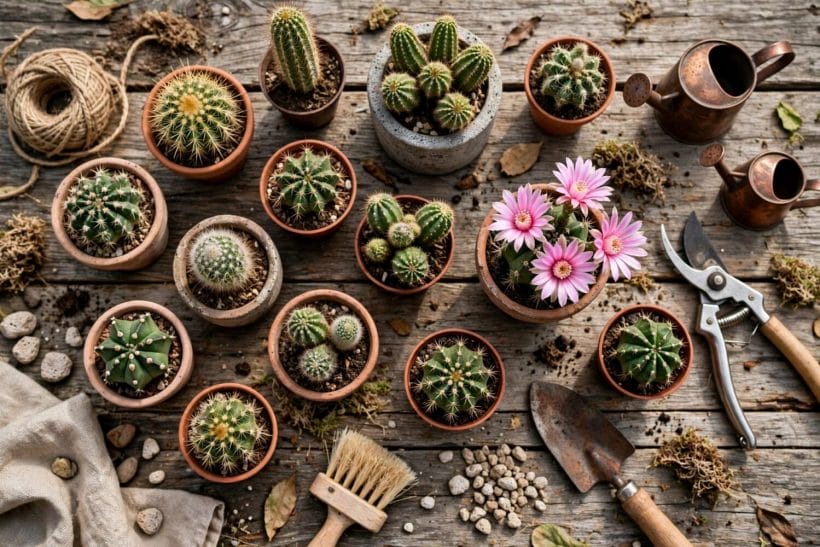
A collection reads well when it looks intentional, and intention usually comes from repetition and restraint rather than from rarity. Start with a few plants you genuinely like, in pots that share a material or a colour family, and let the shapes do the varying: a column beside a barrel, a cluster beside a paddle, a flowering kind beside a plain green one. Odd groupings of three or five pots often look more settled than a long, even row, because the eye moves between them instead of sliding past. Leave a little space between pots, too, so that each plant has air around it and the group reads as a collection rather than a crowd.
Containers beyond the usual pots can add character, provided drainage is respected. A wooden crate, for example, can make a charming planter for a group of small cacti, and the practical points of liners, drainage, and timber care are gathered in wooden crate as planter box. The same spirit appears in dry garden design more broadly: the gravel courts and spare plantings of small Japanese garden ideas show how a few placed plants, open ground, and stone can carry a whole design without crowding. A cactus collection borrows that lesson happily: fewer plants, better placed, with room for each shape to be seen.
Finally, let the collection grow slowly. A gardener who adds one plant at a time, watches it through a season, and learns its habits will end up with a group that suits their home, their light, and their watering hand. A collection bought all at once can look impressive for a week and then demand more attention than a beginner can give. Slow growth is not a compromise; it is how good collections are made, and it leaves room for the small pleasures of gardening: a new bud noticed in the morning, a pot turned toward the light, a label rewritten when a plant outgrows its first home. The words will follow the plants, as they always do, and cacti or cactuses will both serve a collection that has been chosen with care.
Final Considerations
So, what should you write when there is more than one? In most garden writing, cacti is the classic choice, the form readers expect and the one that sits most naturally beside plant books and nursery labels. Cactuses is also accepted, and it is a fine choice in casual writing, where its regular, straightforward shape matches a relaxed voice. The honest summary is that both plurals are understood, both are used, and the best choice is the one you can use consistently. When in doubt, cacti is the safe default, the choice least likely to draw a second glance, and a writer who defaults to it will rarely go wrong.
Beyond the language, the plants themselves ask for little: bright light, a gritty mix that drains freely, water given with restraint, and a spot where their spines can be admired rather than dodged. Give them those general conditions, watch how they respond through the seasons, and adjust gently rather than dramatically. A small collection, well placed and steadily cared for, will repay that attention with shape, texture, and the occasional flower, and it will give you plenty of chances to practise the plural. One cactus is a pleasure; a shelf of cacti, or cactuses if you prefer, is a garden in miniature, and either word will do it justice.


0 Comments