

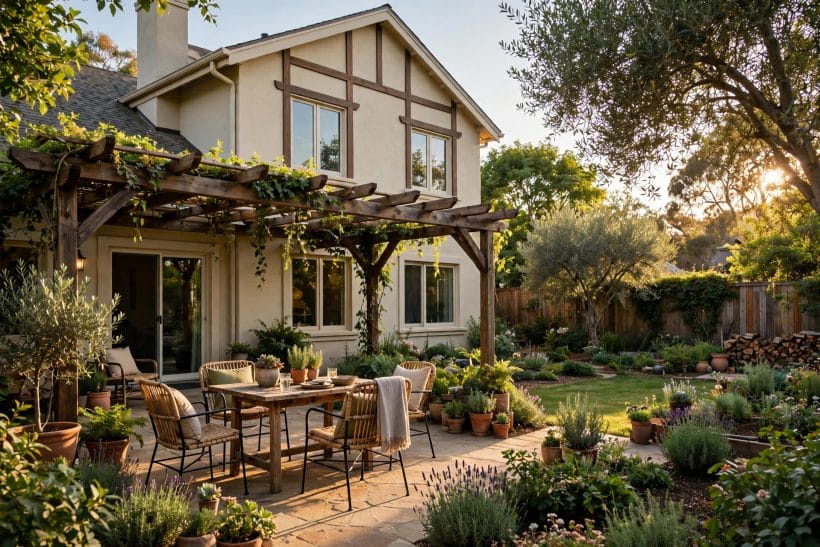
A warm neutral facade has a quiet power. It softens the outline of a home, sits comfortably beside lawns and stone paths, and flatters timber, brick and planting alike. A beige house gains its charm not from boldness but from balance, and the shade you choose sets the mood for everything around it, from the colour of the front door to the planting that frames the path.
The ideas that follow cover the full exterior, from siding and trim to porches, roofs, gardens and evening light. They stay with descriptive shade names and general guidance throughout, and they treat structural, roofing and electrical work as jobs for qualified professionals. Whether you are refreshing a cottage or shaping a new home exterior design, the aim is the same: a facade that feels warm, settled and easy to live with.
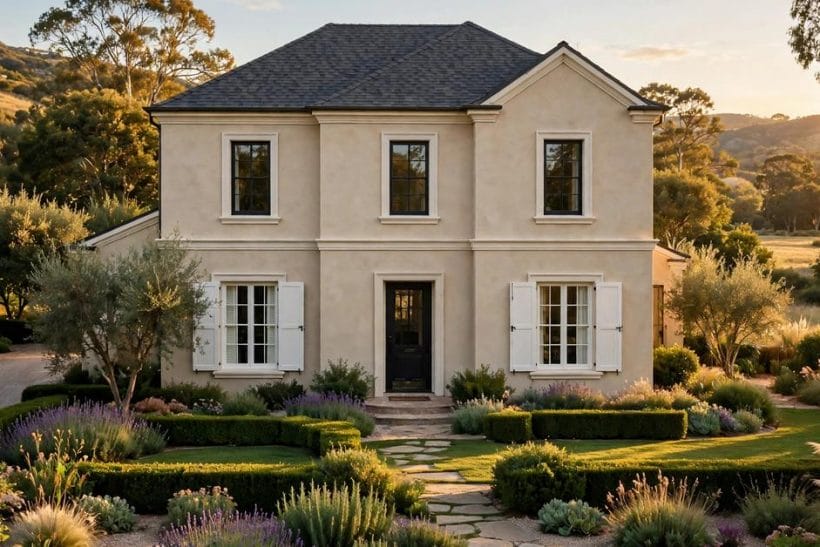
1. Soft Neutral Foundations
The main wall colour does most of the work on any facade. A soft neutral lets architectural detail, planting and light take their turn, and it forgives the changing light of the day far better than a sharper tone. Start here, and let every later choice answer to the shade you settle on.
| Item | What it is |
|---|---|
| Pale Oatmeal Siding | Pale oatmeal siding gives a home a gentle, sunlit presence without glare. |
| Warm Sand Stucco | Warm sand stucco suits homes in sunny settings, where its soft texture catches light and shadow through the day. |
| Creamy Linen Brick Wash | A creamy linen wash over brick softens a hard facade while letting the texture of the brickwork show through. |
| Gentle Greige Boards | Greige boards, that easy meeting point of grey and beige, bring a calm, contemporary feel to horizontal siding. |
| Mushroom Render | Mushroom render, a soft taupe with a hint of warmth, gives rendered walls a sophisticated, earthy character. |
| Camel Gable Accents | A camel tone on gable ends or a projecting bay adds warmth exactly where the eye naturally lands. |
| Honey Beige Cladding | Honey beige cladding glows in afternoon light and suits timber-look boards, vertical siding and shingle-style walls. |
| Stone Beige Base Course | A stone beige base course grounds a home beautifully, anchoring pale walls to the landscape. |
| Crisp Ivory Trim | Ivory trim is the classic partner for beige walls, defining windows and corners without the harshness of pure white. |
| Deep Bronze Door | A deep bronze front door brings quiet confidence to a pale facade. |
| Sage Shutters | Sage shutters soften beige walls with a whisper of green, tying the facade to the garden beyond. |
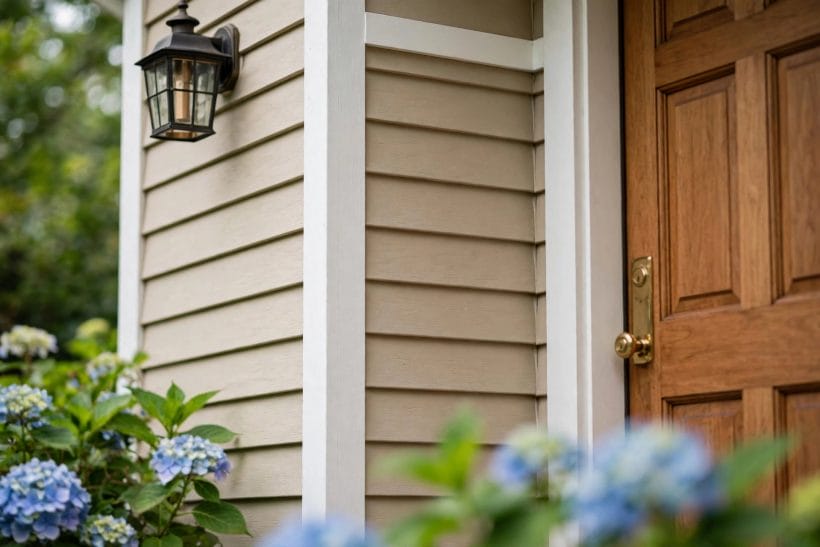
| Walnut Entry Door | A walnut entry door adds richness and craft to a beige exterior, its grain bringing natural variation to an otherwise smooth facade. |
| Soft White Window Frames | Soft white window frames lift beige walls and make glazing feel generous, especially on smaller homes where every window counts. |
| Charcoal Door with Beige Walls | A charcoal door against beige walls creates a pleasing contrast that feels modern without being stark. |
| Timber Shutters | Timber shutters bring texture and a handcrafted feel to beige elevations, and they suit cottages, farmhouses and coastal homes equally well. |
| Arched Door Surround | An arched door surround softens a beige facade and gives the entrance a gracious, welcoming shape. |
| Warm Grey Roof | A warm grey roof is a dependable partner for beige walls, offering contrast without chill. |
| Terracotta Roof Tiles | Terracotta roof tiles bring Mediterranean warmth to a beige home, their russet tones glowing against pale walls. |
| Natural Stone Chimney | A natural stone chimney gives a beige facade a rugged, storied anchor. |
| Brick and Beige Blend | Blending brick with beige render or siding lets each material do what it does best, with brick providing warmth and pattern at lower levels and beige keeping upper walls light. |
| Slate Roof Contrast | A slate roof offers a refined, darker contrast to beige walls, lending a traditional home a sense of permanence. |
| Timber Roof Beams | Exposed timber beams under eaves or a porch roof add craft and warmth to a beige exterior. |
| Stone Porch Columns | Stone porch columns give a beige home a solid, welcoming stance. |
| Brick Pathway Edging | Brick edging along a path picks up the warm tones of a beige facade and leads visitors gently to the door. |
| Wide Front Porch | A wide front porch in soft beige feels generous and unhurried, giving room for chairs, planters and a clear path to the door. |
| Covered Entry Nook | A covered entry nook shelters visitors and gives the front door a sense of occasion, even on a modest facade. |
| Porch Swing Corner | A porch swing hung in a beige-painted corner brings movement and nostalgia to the facade. |
| Lantern-Lit Entry | Lanterns beside a beige front door create a warm pool of light that flatters the whole entrance after dark. |
| Step Planters | Planters on entrance steps bring life right to the threshold of a beige home. |
| Porch Ceiling in Warm Timber | A warm timber porch ceiling adds richness overhead and makes a beige porch feel sheltered and crafted. |
| Welcoming Doormat Layering | Layering a doormat over a larger flat-weave rug gives a beige entry a finished, hospitable feel. |
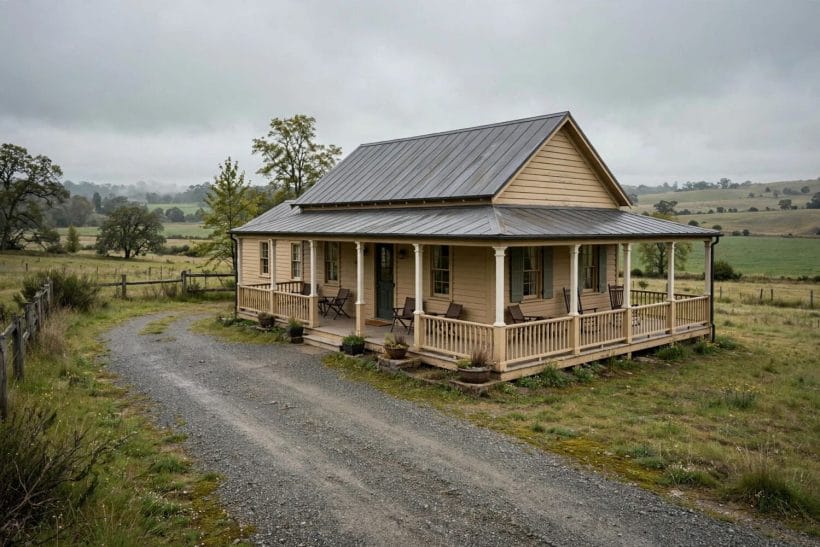
| Compact Cottage Facade | A compact cottage facade in pale beige feels instantly homely, its small windows and simple roofline softened by the warm neutral. |
| Tiny Home Beige Wrap | A tiny home wrapped in beige siding reads as calm and settled, even on wheels or a compact plot. |
| Garden Cottage in Oatmeal | A garden cottage in oatmeal beige disappears pleasantly into its planting, becoming part of the garden rather than an object in it. |
| Narrow Plot Facade | A narrow plot facade benefits from pale beige, which keeps a tall, slim elevation feeling open rather than pinched. |
| Cabin in Soft Beige | A cabin in soft beige feels warmer and more welcoming than a dark timber finish, while still keeping its rustic character. |
| Courtyard Cottage | A courtyard cottage arranged around a sheltered outdoor space uses beige walls as a calm backdrop for planting and outdoor living. |
| Coach House Look | A coach house look, with beige walls, a carriage-style garage door and simple timber detailing, brings a touch of history to a small home. |
| Studio Annexe in Warm Neutral | A studio annexe in a warm neutral sits comfortably beside a main house without competing with it. |
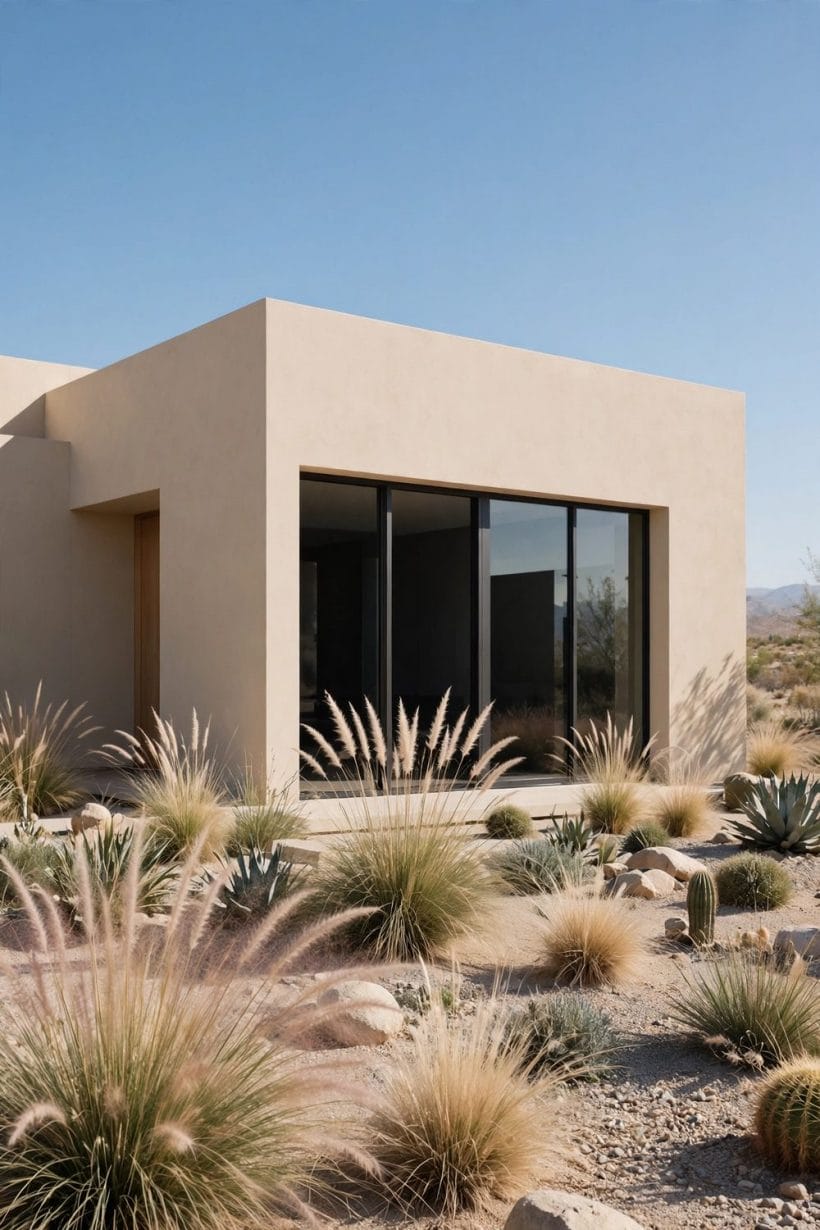
| Flat-Roof Minimal Facade | A flat-roof facade in warm beige looks crisp and contemporary, its clean lines softened by the gentle colour. |
| Mixed Texture Panels | Mixed texture panels, combining smooth render with timber slats or ribbed cladding in beige tones, give a modern facade depth without colour clutter. |
| Floor-to-Ceiling Glass with Beige | Floor-to-ceiling glass set into beige walls creates a striking contrast between solidity and openness. |
| Cantilevered Upper Storey | A cantilevered upper storey in pale beige appears to float above a recessed ground floor, giving a modern home drama and shelter at the entrance. |
| Minimal Trim Lines | Minimal trim lines suit modern beige homes, where windows sit flush and corners stay sharp. |
| Warm Concrete Look | A warm concrete look, whether real board-formed concrete or a render that echoes it, gives beige a contemporary, architectural edge. |
| Courtyard Light Well | A courtyard light well lined in pale beige bounces daylight deep into a modern home while creating a private outdoor room. |
| Farmhouse Board and Batten | Farmhouse board and batten siding in warm beige gives a home a rural, hardworking character. |
| Colonial Symmetry | Colonial symmetry in beige, with evenly spaced windows and a centred door, feels orderly and gracious. |
| Gabled Farmhouse Front | A gabled farmhouse front in soft beige, with a covered porch and simple trim, is one of the most welcoming sights in residential design. |
| Shingle Style Warmth | Shingle-style walls in a warm beige tone bring texture and a coastal, craftsman feel to a home. |
| Victorian Beige Detail | Victorian detailing in beige lets ornate brackets, bays and turned porch posts show their craftsmanship without colour distraction. |
| Country Porch with Rocking Chairs | A country porch with rocking chairs is the natural partner for a beige farmhouse facade. |
| Barn-Inspired Gables | Barn-inspired gables in beige bring agricultural honesty to a residential facade, with tall roofs and simple, strong forms. |
| Tudor Timber Touches | Tudor timber touches, with dark timber framing against beige render, create one of the most recognisable traditional facades. |
| Gravel Forecourt | A gravel forecourt in warm grey or pale stone tones suits a beige home beautifully, giving the entrance a soft, crunching approach. |
| Lavender-Lined Path | A lavender-lined path brings scent, colour and pollinators to the approach of a beige home. |
| Climbing Roses on Beige Walls | Climbing roses on beige walls are a classic pairing, their blooms glowing against the pale render. |
| Boxwood Edging | Boxwood edging gives beds beside a beige home a crisp, formal outline. |
| Olive Trees in Pots | Olive trees in pots bring a Mediterranean note to a beige facade, their silvery leaves echoing the pale walls. |
| Wildflower Verge | A wildflower verge beside a beige home softens the boundary between garden and street with colour and movement. |
| Kitchen Garden by the Side Wall | A kitchen garden by a side wall benefits from the warmth reflected off beige render, which can shelter tender herbs and vegetables. |
| Morning Light on Oatmeal Walls | Morning light on oatmeal walls is soft and forgiving, giving the facade a fresh, clean start to the day. |
| Golden Hour Glow | Golden hour transforms beige walls, warming them to honey and amber as the sun drops. |
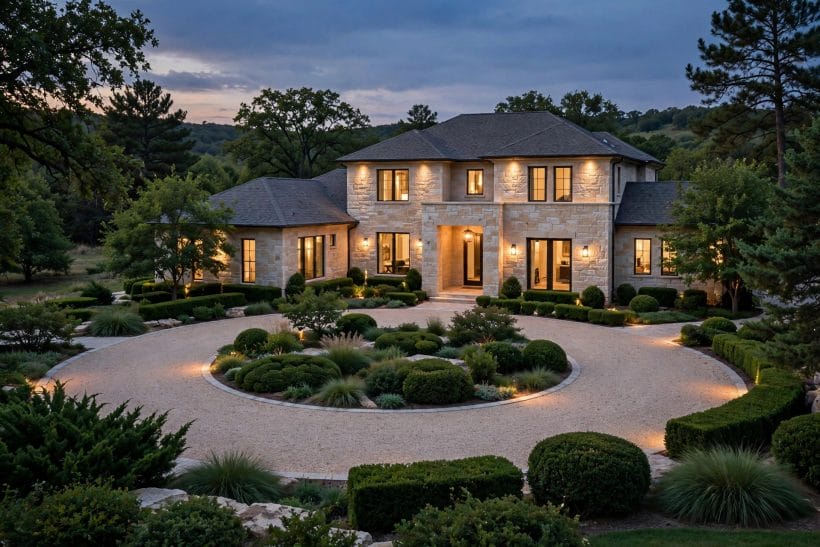
| Soft Uplighting | Soft uplighting washes beige walls with warmth after dark, revealing texture and making the entrance feel safe and welcoming. |
| Winter Warmth | Beige walls bring welcome warmth to a winter landscape, standing out gently against bare branches and pale skies. |
| Spring Blossom Framing | Spring blossom framing a beige home is a fleeting, lovely sight, with flowering trees and shrubs setting pale petals against pale walls. |
| Summer Shade and Shadow | Summer shade and shadow play across beige walls as trees leaf out and the sun climbs. |
| Autumn Leaves against Beige | Autumn leaves against beige walls provide a rich, seasonal contrast, with russet and gold foliage glowing beside the calm neutral. |
1. Pale Oatmeal Siding
Pale oatmeal siding gives a home a gentle, sunlit presence without glare. It pairs beautifully with ivory trim and natural timber, and it keeps a modest facade feeling open and friendly. Keep the undertone warm rather than grey, and test a generous sample board against the wall in morning and evening light before committing to the whole elevation.
2. Warm Sand Stucco
Warm sand stucco suits homes in sunny settings, where its soft texture catches light and shadow through the day. The finish feels handmade and grounded, especially beside stone paths and terracotta pots. A slightly deeper sand tone on a recessed porch wall adds depth, while the main walls stay light and welcoming.
3. Creamy Linen Brick Wash
A creamy linen wash over brick softens a hard facade while letting the texture of the brickwork show through. The result reads as warm and lived-in rather than newly painted, and it suits cottages and traditional homes especially well. Leave window sills and lintels in a clean pale tone so the washed brick keeps its gentle contrast.
4. Gentle Greige Boards
Greige boards, that easy meeting point of grey and beige, bring a calm, contemporary feel to horizontal siding. They work well with dark bronze windows and pale stone, and they keep a modern facade from feeling cold. When you compare siding options, weigh texture and upkeep alongside colour, since boards, render and panels age in different ways.
5. Mushroom Render
Mushroom render, a soft taupe with a hint of warmth, gives rendered walls a sophisticated, earthy character. It sits comfortably beside timber doors and stone details, and it holds its composure in both bright sun and overcast light. Pair it with warm white trim rather than stark white, so the whole facade stays in one harmonious family.
6. Camel Gable Accents
A camel tone on gable ends or a projecting bay adds warmth exactly where the eye naturally lands. Used as an accent rather than the main colour, it gives a plain elevation a focal point and a sense of depth. Keep the main walls a paler beige so the camel detailing reads as a deliberate highlight, not a second competing colour.
7. Honey Beige Cladding
Honey beige cladding glows in afternoon light and suits timber-look boards, vertical siding and shingle-style walls. The golden undertone flatters green planting and terracotta, making it a natural choice for garden-facing elevations. Balance the warmth with cool stone steps or a pale path so the entrance stays crisp and legible.
8. Stone Beige Base Course
A stone beige base course grounds a home beautifully, anchoring pale walls to the landscape. Whether built from real stone or a stone-look finish, the base adds texture at eye level and hides the junction between wall and ground. Carry the same stone onto a low garden wall or step for a composed, finished feel.
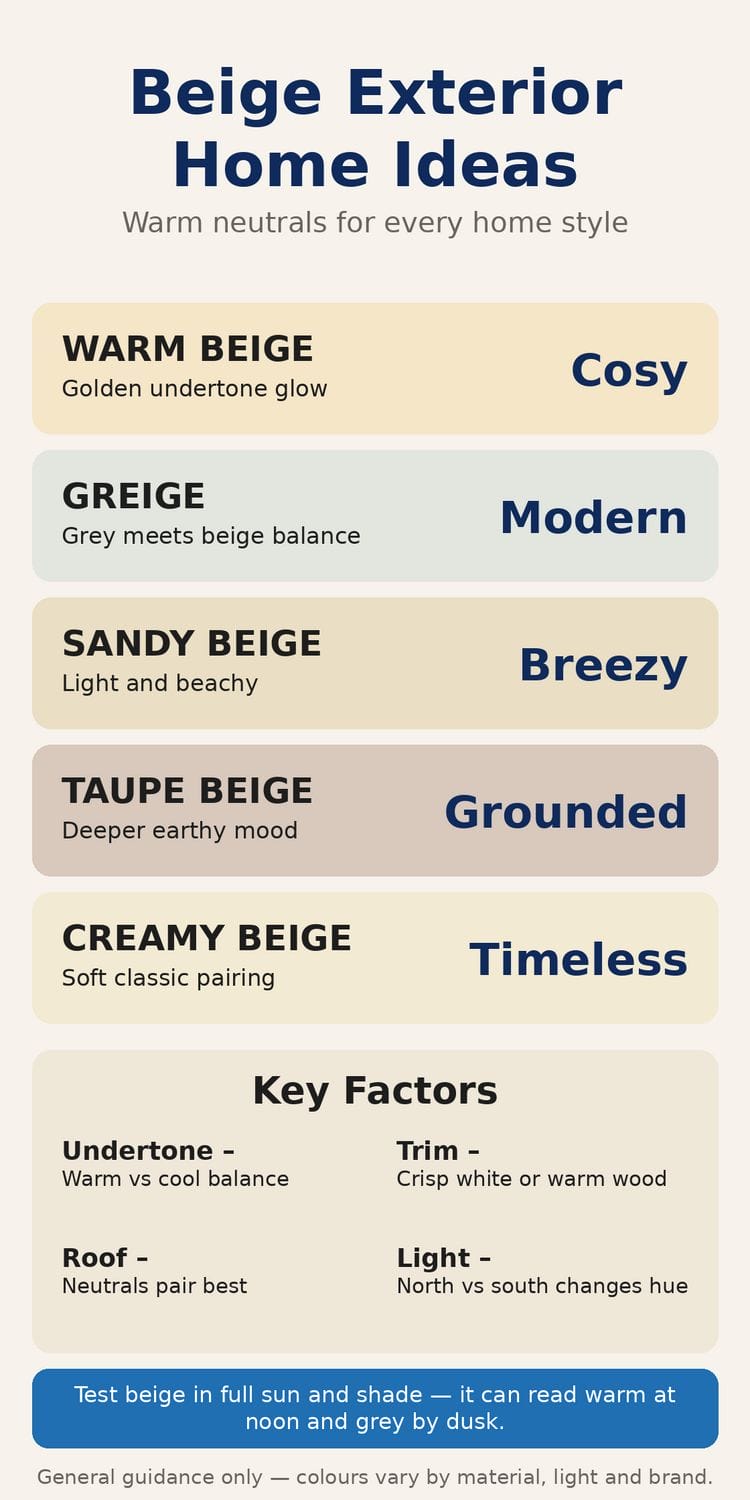
2. Trim, Doors and Shutters
Trim and joinery are where a beige facade finds its manners. Pale trim sharpens the outline, a confident door colour gives visitors a destination, and shutters add rhythm to flat walls. Small choices here carry a surprising amount of weight, so treat them as deliberately as the wall colour itself.
9. Crisp Ivory Trim
Ivory trim is the classic partner for beige walls, defining windows and corners without the harshness of pure white. It reads as soft in bright sun and warm under evening light, and it suits almost every beige undertone. When you weigh exterior trim materials, consider how each option holds its finish through seasons of sun and rain.
10. Deep Bronze Door
A deep bronze front door brings quiet confidence to a pale facade. It echoes metal lanterns and house numbers, and it gives the entrance a sense of occasion without shouting. Flank it with matching bronze hardware and a simple wreath or potted plant, and the whole entry feels considered.
11. Sage Shutters
Sage shutters soften beige walls with a whisper of green, tying the facade to the garden beyond. The combination feels calm and rural, especially beside climbing plants and a gravel path. Keep the shutter tone muted rather than bright, so it supports the beige instead of competing with it.
12. Walnut Entry Door
A walnut entry door adds richness and craft to a beige exterior, its grain bringing natural variation to an otherwise smooth facade. Timber doors suit farmhouse, traditional and contemporary homes alike, and they age gracefully when cared for. A clear protective finish, maintained as part of routine upkeep, keeps the timber looking its best.
13. Soft White Window Frames
Soft white window frames lift beige walls and make glazing feel generous, especially on smaller homes where every window counts. The pale frames catch light and draw the eye outward to the garden, and they pair well with both warm and cool beige undertones. Keep frames consistent across the facade for a calm, unified look.
14. Charcoal Door with Beige Walls
A charcoal door against beige walls creates a pleasing contrast that feels modern without being stark. The dark tone anchors the entrance and makes the surrounding beige appear warmer by comparison. Repeat the charcoal sparingly, perhaps in lanterns or house numbers, so the door remains the single confident accent.
15. Timber Shutters
Timber shutters bring texture and a handcrafted feel to beige elevations, and they suit cottages, farmhouses and coastal homes equally well. Natural timber weathers gently, and a simple slatted design casts lovely shadows in low sun. Fix shutters to suit the window proportions, so they look as though they could close rather than merely decorate.
16. Arched Door Surround
An arched door surround softens a beige facade and gives the entrance a gracious, welcoming shape. Stone or rendered surrounds both work, and the arch draws the eye upward, adding height to a modest frontage. Keep the surround tone close to the trim colour so the arch reads as part of the architecture, not an applique.
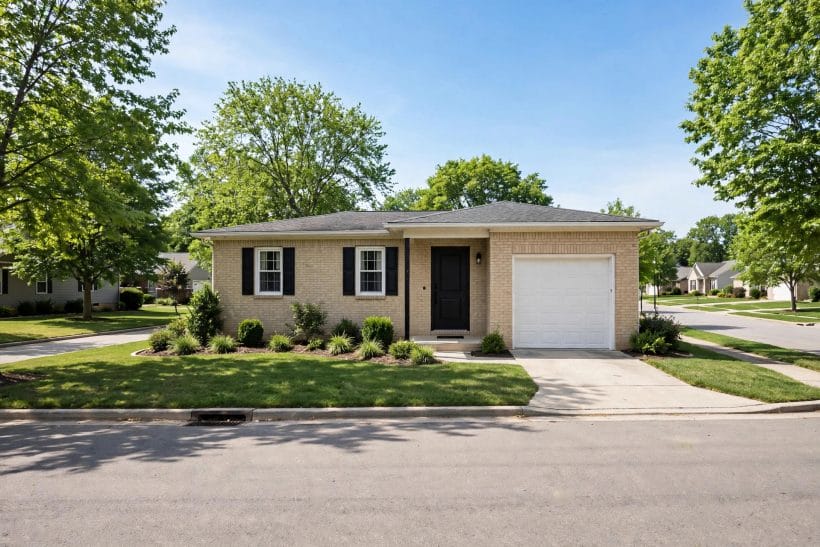
3. Roof, Stone and Brick Pairings
The roof and masonry set the temperature of a beige exterior. A warm roof deepens the palette, stone adds texture, and brick brings a familiar, grounded rhythm. These are long-lived choices, so it pays to view samples together in daylight rather than judging any one material alone.
17. Warm Grey Roof
A warm grey roof is a dependable partner for beige walls, offering contrast without chill. It suits shingles, tiles and standing-seam profiles, and it keeps the overall palette calm and natural. Roofing work belongs to experienced professionals, and any change of material should suit the structure and local conditions.
18. Terracotta Roof Tiles
Terracotta roof tiles bring Mediterranean warmth to a beige home, their russet tones glowing against pale walls. The pairing feels sun-drenched and generous, especially beside olive trees and stone paths. Keep wall beige on the paler side so the roof can provide the warmth without the facade feeling heavy.
19. Natural Stone Chimney
A natural stone chimney gives a beige facade a rugged, storied anchor. The varied tones of the stone echo the beige palette while adding texture and depth, and the chimney draws the eye upward, balancing a wide elevation. Chimney and flue work should always be handled by qualified professionals.
20. Brick and Beige Blend
Blending brick with beige render or siding lets each material do what it does best, with brick providing warmth and pattern at lower levels and beige keeping upper walls light. The combination suits two-storey homes and extensions, where the change of material can mark the junction between old and new. Match the brick tone to the beige undertone for a seamless blend.
21. Slate Roof Contrast
A slate roof offers a refined, darker contrast to beige walls, lending a traditional home a sense of permanence. The cool grey of slate sharpens pale beige beautifully, especially when echoed in stone steps or a grey gravel drive. Keep gutters and downpipes in a quiet tone so the roofline stays clean.
22. Timber Roof Beams
Exposed timber beams under eaves or a porch roof add craft and warmth to a beige exterior. The timber draws the eye to the roofline and gives a plain facade a sense of structure, and it pairs naturally with timber doors and shutters. Any structural timber work should be specified and fitted by qualified professionals.
23. Stone Porch Columns
Stone porch columns give a beige home a solid, welcoming stance. They suit traditional and farmhouse styles, and their texture contrasts pleasingly with smooth render or siding. Keep columns proportioned to the porch, substantial enough to feel real, and repeat the stone on a step or low wall for cohesion.
24. Brick Pathway Edging
Brick edging along a path picks up the warm tones of a beige facade and leads visitors gently to the door. The detail is small but telling, giving a plain path a finished edge and echoing any brickwork on the house itself. A slightly weathered brick suits the palette better than a bright new one.
4. Porches and Entryways
The porch is where a beige home greets the world. It is a threshold space, part architecture and part invitation, and its colours should feel like a natural extension of the walls. Keep porch tones warm and restful, and let furniture and planting add the personality.
25. Wide Front Porch
A wide front porch in soft beige feels generous and unhurried, giving room for chairs, planters and a clear path to the door. Pale boards or render keep the space bright, while a timber ceiling adds warmth overhead. The porch becomes an outdoor room in its own right, usable through much of the year.
26. Covered Entry Nook
A covered entry nook shelters visitors and gives the front door a sense of occasion, even on a modest facade. Beige render on the nook walls ties it to the main house, while a lantern and a potted plant complete the welcome. Keep the nook shallow enough to stay bright, so it feels open rather than enclosed.
27. Porch Swing Corner
A porch swing hung in a beige-painted corner brings movement and nostalgia to the facade. The gentle sway suits the calm palette, and a striped cushion in sage or soft rust adds just enough colour. Hang the swing from sound structure fitted by qualified professionals, and leave room to step around it comfortably.
28. Lantern-Lit Entry
Lanterns beside a beige front door create a warm pool of light that flatters the whole entrance after dark. Bronze or black lanterns suit the palette, and their glow softens the wall colour beautifully. For guidance on safe, well-placed fittings, see advice on exterior lighting for security, and leave all wiring to qualified electricians.
29. Step Planters
Planters on entrance steps bring life right to the threshold of a beige home. Terracotta pots suit the warm palette, while pale stone planters keep the look calm and contemporary. Plant with the seasons in mind, so there is always something green or flowering beside the door, and keep the path itself clear and step-free of clutter.
30. Porch Ceiling in Warm Timber
A warm timber porch ceiling adds richness overhead and makes a beige porch feel sheltered and crafted. The timber tone echoes the front door and any wooden furniture, tying the whole entry together. Painted beadboard in a pale beige is a softer alternative, keeping the porch bright while still adding texture.
31. Welcoming Doormat Layering
Layering a doormat over a larger flat-weave rug gives a beige entry a finished, hospitable feel. Natural fibres suit the palette, and the layering adds texture at ground level where the eye naturally falls. Choose hard-wearing, weather-resistant pieces, and keep the arrangement low so the door swings freely.

5. Small Homes and Cottages
Beige is a gift to small homes. It keeps compact facades feeling light, forgives simple detailing, and lets a tiny footprint read as a home rather than a box. On a small scale, every choice shows, so keep the palette tight and the detailing honest.
32. Compact Cottage Facade
A compact cottage facade in pale beige feels instantly homely, its small windows and simple roofline softened by the warm neutral. Ivory trim and a colourful door keep the frontage cheerful, while a low hedge or picket fence frames the plot. The lesson is restraint: one beige, one trim colour, one door colour, all working together.
33. Tiny Home Beige Wrap
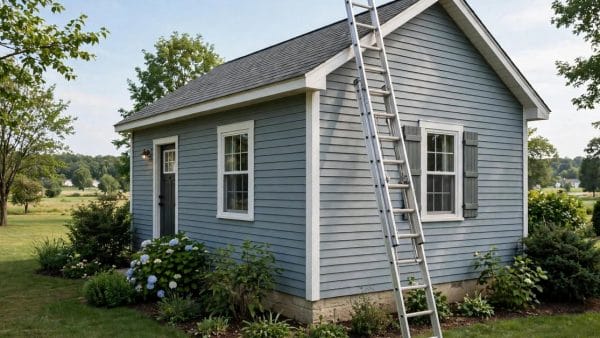
A tiny home wrapped in beige siding reads as calm and settled, even on wheels or a compact plot. The neutral tone helps the small structure sit gently in its landscape, whether beside trees or on an open site. Pale trim and a timber step complete a look that feels like a real home, just smaller.
34. Garden Cottage in Oatmeal
A garden cottage in oatmeal beige disappears pleasantly into its planting, becoming part of the garden rather than an object in it. Climbing plants soften the walls further, and a gravel path keeps the approach informal. The effect is a hideaway that feels discovered rather than displayed.
35. Narrow Plot Facade
A narrow plot facade benefits from pale beige, which keeps a tall, slim elevation feeling open rather than pinched. Vertical siding draws the eye upward, while a well-placed window and a clear entrance path prevent the frontage from feeling cramped. Keep ornament minimal and let proportion do the talking.
36. Cabin in Soft Beige
A cabin in soft beige feels warmer and more welcoming than a dark timber finish, while still keeping its rustic character. Timber trim and a stone chimney preserve the cabin spirit, and the pale walls reflect light into surrounding trees. The result is a retreat that feels both natural and cared for.
37. Courtyard Cottage
A courtyard cottage arranged around a sheltered outdoor space uses beige walls as a calm backdrop for planting and outdoor living. The enclosed courtyard feels private and sun-trapped, and pale walls bounce light into the space beautifully. A single accent, such as a terracotta pot collection, gives the courtyard its character.
38. Coach House Look
A coach house look, with beige walls, a carriage-style garage door and simple timber detailing, brings a touch of history to a small home. The style suits converted outbuildings and new builds alike, and it pairs well with gravel drives and stone details. Keep the garage door tone close to the trim for a unified frontage.
39. Studio Annexe in Warm Neutral
A studio annexe in a warm neutral sits comfortably beside a main house without competing with it. Matching the beige family, rather than copying the exact shade, lets the annexe feel related but independent. A green roof or timber screen softens the junction between the two buildings and the garden.
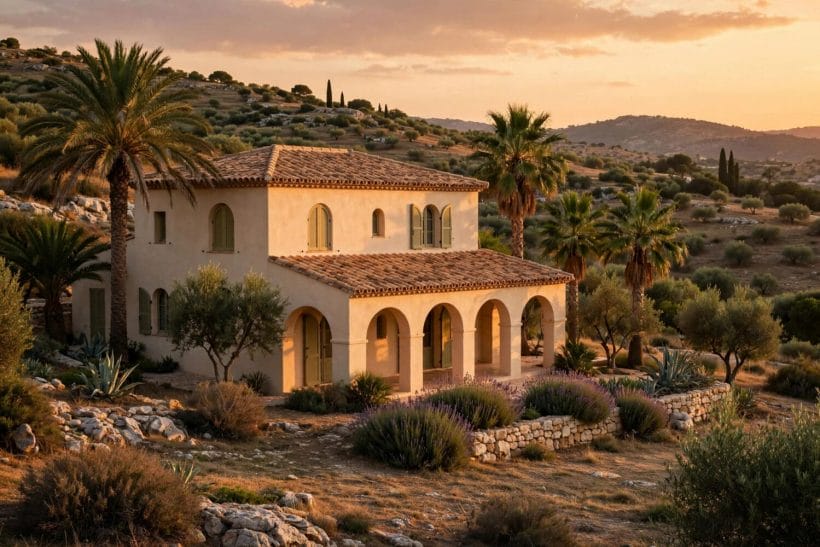
6. Modern and Minimal Beige
Beige has a modern side, too. Stripped of fussy detail, it becomes a warm minimal surface that lets form, shadow and texture speak. The trick is variation: mix textures and tones within the beige family so minimal never means flat.
40. Flat-Roof Minimal Facade
A flat-roof facade in warm beige looks crisp and contemporary, its clean lines softened by the gentle colour. Large windows break the planes, and a recessed entrance adds shadow and depth. Roof drainage and waterproofing details belong to experienced professionals, since a flat roof forgives no shortcuts.
41. Mixed Texture Panels
Mixed texture panels, combining smooth render with timber slats or ribbed cladding in beige tones, give a modern facade depth without colour clutter. The play of light across different surfaces keeps the elevation interesting through the day. Keep all textures within one warm family so the mix reads as deliberate, not busy.
42. Floor-to-Ceiling Glass with Beige
Floor-to-ceiling glass set into beige walls creates a striking contrast between solidity and openness. The glass reflects garden and sky, while the beige frames it with warmth, and the interior becomes part of the facade after dark. Glazing on this scale should be specified and fitted by qualified professionals.
43. Cantilevered Upper Storey
A cantilevered upper storey in pale beige appears to float above a recessed ground floor, giving a modern home drama and shelter at the entrance. The overhang creates a covered approach and a play of shadow that changes through the day. Structural work of this kind is strictly for qualified professionals, from design through to construction.
44. Minimal Trim Lines
Minimal trim lines suit modern beige homes, where windows sit flush and corners stay sharp. The absence of fussy mouldings lets the wall colour and the quality of the finish carry the design, and shadow gaps replace traditional architraves. This approach rewards careful workmanship, since every junction is on show.
45. Warm Concrete Look
A warm concrete look, whether real board-formed concrete or a render that echoes it, gives beige a contemporary, architectural edge. The subtle texture and soft tone suit urban and hillside homes, and they pair beautifully with timber and dark metal details. Seal and maintain the surface as part of routine care to keep the finish even.
46. Courtyard Light Well
A courtyard light well lined in pale beige bounces daylight deep into a modern home while creating a private outdoor room. The pale walls amplify the light, and a single tree or sculptural plant gives the space focus. The light well also offers a sheltered spot for morning coffee, screened from the street.
7. Traditional and Farmhouse Beige
Traditional homes and farmhouses wear beige with particular ease. The colour has history on its side, echoing limewash, natural render and weathered timber, and it lets period details shine without competing with them. Here, beige is not a safe default but a heritage choice.
47. Farmhouse Board and Batten
Farmhouse board and batten siding in warm beige gives a home a rural, hardworking character. The vertical rhythm of the boards adds height, and the texture catches light beautifully. For the practical side of timber finishes, guidance on paint versus stain for exterior wood helps weigh appearance against upkeep before you choose.
48. Colonial Symmetry
Colonial symmetry in beige, with evenly spaced windows and a centred door, feels orderly and gracious. The balanced facade suits a restrained palette, and a dark door with matching shutters gives the symmetry its focal point. Keep planting symmetrical too, with matched planters or shrubs flanking the entrance.
49. Gabled Farmhouse Front
A gabled farmhouse front in soft beige, with a covered porch and simple trim, is one of the most welcoming sights in residential design. The gable gives the facade height and a sense of shelter, while the porch invites lingering. A timber bench and a lantern complete a frontage that feels lived-in from the first glance.
50. Shingle Style Warmth
Shingle-style walls in a warm beige tone bring texture and a coastal, craftsman feel to a home. The small, overlapping shingles catch light and shadow, giving the facade movement even in a single colour. Pair shingles with a stone chimney and timber trim for a look that feels both relaxed and refined.
51. Victorian Beige Detail
Victorian detailing in beige lets ornate brackets, bays and turned porch posts show their craftsmanship without colour distraction. A palette of two or three close beige tones can pick out different layers of detail, adding depth while staying harmonious. Keep accent colours muted so the architecture, not the paint, does the talking.
52. Country Porch with Rocking Chairs
A country porch with rocking chairs is the natural partner for a beige farmhouse facade. The chairs invite sitting, the porch boards add warmth underfoot, and the whole scene reads as unhurried and hospitable. A simple outdoor rug and a potted plant or two complete the picture without clutter.
53. Barn-Inspired Gables
Barn-inspired gables in beige bring agricultural honesty to a residential facade, with tall roofs and simple, strong forms. The style suits rural plots and generous gardens, and it pairs well with timber doors and stone details. Keep the beige pale so the bold gable shapes stay friendly rather than imposing.
54. Tudor Timber Touches
Tudor timber touches, with dark timber framing against beige render, create one of the most recognisable traditional facades. The contrast gives the elevation pattern and history, and the beige panels keep it warm rather than stark. Timber framing details should be maintained as part of routine care, with any structural repair left to qualified professionals.
8. Garden, Paths and Planting
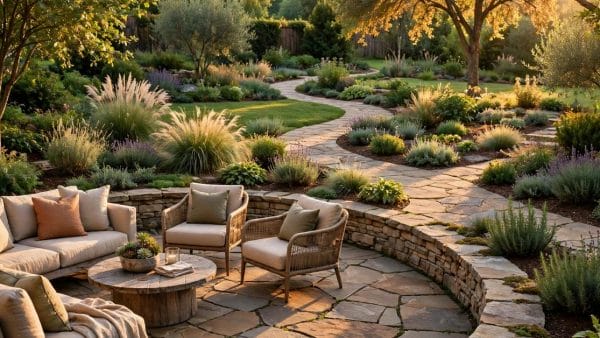
A beige facade is only half the picture; the garden completes it. Pale walls make green planting glow, flowers read brighter, and paths feel more inviting. Think of planting as the second skin of the home, softening edges and connecting the building to its plot.
55. Gravel Forecourt
A gravel forecourt in warm grey or pale stone tones suits a beige home beautifully, giving the entrance a soft, crunching approach. Gravel drains well and suits informal gardens, and its neutral tone keeps attention on the facade. Edge the gravel with stone or brick so it stays tidy and does not wander onto paths.
56. Lavender-Lined Path
A lavender-lined path brings scent, colour and pollinators to the approach of a beige home. The purple-grey flowers contrast gently with pale walls, and the planting softens the hard line of the path. Lavender suits sunny, well-drained spots beside a front wall, where its fragrance greets every visitor.
57. Climbing Roses on Beige Walls
Climbing roses on beige walls are a classic pairing, their blooms glowing against the pale render. Support roses on wires or a trellis fixed clear of the wall, so air circulates and maintenance stays easy. Choose repeat-flowering varieties for colour through the season, and prune as part of routine garden care.
58. Boxwood Edging
Boxwood edging gives beds beside a beige home a crisp, formal outline. The deep green shapes contrast with pale walls and gravel paths, and the evergreen structure holds the garden together through winter. Clip little and often for a neat finish, and keep edging clear of wall surfaces so render stays dry.
59. Olive Trees in Pots
Olive trees in pots bring a Mediterranean note to a beige facade, their silvery leaves echoing the pale walls. Terracotta or stone pots suit the palette, and a pair flanking the door gives the entrance symmetry. In colder climates, move pots to shelter for winter, and water sparingly, since olives dislike wet feet.
60. Wildflower Verge
A wildflower verge beside a beige home softens the boundary between garden and street with colour and movement. Native flowers support pollinators and need little fuss beyond an annual cut, and their informal habit contrasts charmingly with a tidy facade. Keep a mown edge along the path so the wildness reads as intentional.
61. Kitchen Garden by the Side Wall
A kitchen garden by a side wall benefits from the warmth reflected off beige render, which can shelter tender herbs and vegetables. Raised beds in timber or brick keep the area tidy, and a simple path gives access without treading on beds. The working garden adds life to a side elevation that might otherwise be overlooked.
9. Light, Evening and Seasonal Looks
Beige is a colour that lives with light. It warms at dawn, glows at dusk, and changes character with the seasons, so a facade chosen in one light should be judged in many. Walk past your home at different hours before finalising a shade, and notice how planting shadows and sky colour shift the walls.
62. Morning Light on Oatmeal Walls
Morning light on oatmeal walls is soft and forgiving, giving the facade a fresh, clean start to the day. East-facing elevations benefit most, catching the first sun while the garden is still cool. A pale oatmeal keeps the morning brightness gentle rather than glaring, which suits bedrooms facing the front.
63. Golden Hour Glow
Golden hour transforms beige walls, warming them to honey and amber as the sun drops. West-facing facades enjoy this show nightly, and the glow flatters timber, stone and planting alike. A bench or chair placed to catch the evening light lets you enjoy the best hour your facade has to offer.
64. Soft Uplighting
Soft uplighting washes beige walls with warmth after dark, revealing texture and making the entrance feel safe and welcoming. Keep lights low and warm-toned, aimed at the wall rather than glaring outward, and leave all outdoor wiring and fitting to qualified electricians. A few well-placed lights beat a blaze of brightness every time.
65. Winter Warmth
Beige walls bring welcome warmth to a winter landscape, standing out gently against bare branches and pale skies. Evergreen planting and a lit lantern keep the facade alive through short days, and a wreath on the door adds seasonal cheer. The warm neutral prevents a winter facade from feeling bleak or grey.
66. Spring Blossom Framing
Spring blossom framing a beige home is a fleeting, lovely sight, with flowering trees and shrubs setting pale petals against pale walls. The contrast is subtle rather than bold, and it rewards close planting near the entrance. A blossom tree placed to one side of the facade, rather than dead centre, gives the composition balance.
67. Summer Shade and Shadow
Summer shade and shadow play across beige walls as trees leaf out and the sun climbs. Deep eaves, pergolas and climbing plants cast patterns that cool the facade visually, and the pale colour reflects heat rather than absorbing it. A shaded porch becomes the natural gathering spot on hot afternoons.
68. Autumn Leaves against Beige
Autumn leaves against beige walls provide a rich, seasonal contrast, with russet and gold foliage glowing beside the calm neutral. Virginia creeper and other climbers colour up dramatically, though they should be kept clear of gutters and roof edges. Clear fallen leaves from paths and drains as part of autumn care.
10. Care, Upkeep and Lasting Colour
A lasting beige facade depends on care as much as colour. Surfaces, trims and planting all need routine attention, and the overall expense of a refresh depends on general drivers rather than any single figure: the size of the facade, the material chosen, the condition of the existing surface, access and scaffolding needs, and local labour. Gather local quotes and compare like with like, and for broader inspiration see tiny house exterior ideas alongside the guidance here.
69. Washing the Facade
Washing the facade restores beige walls that have dulled with dust, pollen and weather. A gentle wash with suitable cleaners, worked from the top down, revives the colour without harsh treatment, and any pressure washing should be done cautiously and by experienced hands to avoid damaging render or mortar. Wash on a mild, overcast day so cleaners do not dry too fast.
70. Touching Up Trim
Touching up trim keeps a beige facade crisp, since pale trim shows scuffs and weather sooner than walls. A small brush, a steady hand and a matching shade are all you need for minor marks, while larger peeling areas may need proper preparation and repainting. Keep a little spare trim paint stored safely for quick touch-ups through the year.
71. Checking Sealant Lines
Checking sealant lines around windows and doors protects beige walls from damp and draughts. Cracked or shrunken sealant should be replaced as part of routine maintenance, and any sign of persistent damp behind a wall should be investigated by qualified professionals. Sound sealant keeps both the facade and the interior in good health.
72. Planting Clear of Walls
Keeping planting clear of walls preserves beige render and siding, since leaves held against a surface trap moisture and stain. Leave a small gap between shrubs and the wall, prune climbers away from gutters, and sweep debris from the base of walls after storms. The gap also improves air circulation, which helps walls dry after rain.
73. Choosing a Lasting Shade
Choosing a lasting shade means favouring a beige with a clear undertone you love in all lights, rather than chasing a fashionable tone. Warm undertones suit sunny sites and traditional homes, while cooler greige tones suit modern facades and shaded plots. A shade you still enjoy on a grey winter morning is the right one.
74. Sampling in Daylight
Sampling in daylight is the single most useful step before painting a beige exterior. Paint generous sample patches on different walls, live with them for several days, and view them in sun, shade and evening light. A shade that looks perfect on a small card can shift dramatically across a whole elevation, so never skip the sample stage.
75. A Facade That Ages Gracefully
A facade that ages gracefully is the real goal behind every idea here. Beige weathers kindly, showing age as softening rather than failure, and routine care keeps it looking intentional for years. Choose honest materials, keep up with small maintenance, and let the garden grow around the walls, and the facade will only grow more settled with time.
Final Considerations
A beige house succeeds when its shade, trim, roof and garden all speak the same quiet language. No single idea here needs to stand alone; the best facades borrow a little from several, mixing a pale wall with a confident door, a stone detail and planting that softens the edges. Start with the wall colour, settle the trim and door, then let the garden and light finish the composition.
Work through the practical side with the same calm. Sample shades in daylight, gather local quotes for any larger refresh, and leave structural, roofing and electrical work to qualified professionals. Done that way, a beige exterior becomes more than a colour choice: it becomes the warm, settled face your home shows to the world, in every season and every light.

0 Comments