
Almost everyone who dreams about a tiny house asks the same question in the same order: should I build it myself, or should I buy one that already exists? It sounds like a question about money, and it is, but the honest version of the debate over building vs buying tiny house cost is really a question about four currencies at once: money, time, skill and certainty. Building spends the first three to save the first. Buying spends money to purchase the other three ready-made. Neither route is the smart one in general, because the right answer depends entirely on which of those currencies you actually have in surplus.
This comparison prices both routes honestly, including the cost most self-builders leave out of the spreadsheet: their own hours. It also looks past the headline figures to build time, custom fit, skill risk and financing, because a cheap build that takes two winters and ends in a layout you tolerate is not cheap in any sense that matters. Work through the sections, keep asking which route matches the person you really are rather than the person you were in the first flush of inspiration, and by the final verdict you should know not just what each route costs, but what each route costs someone like you.
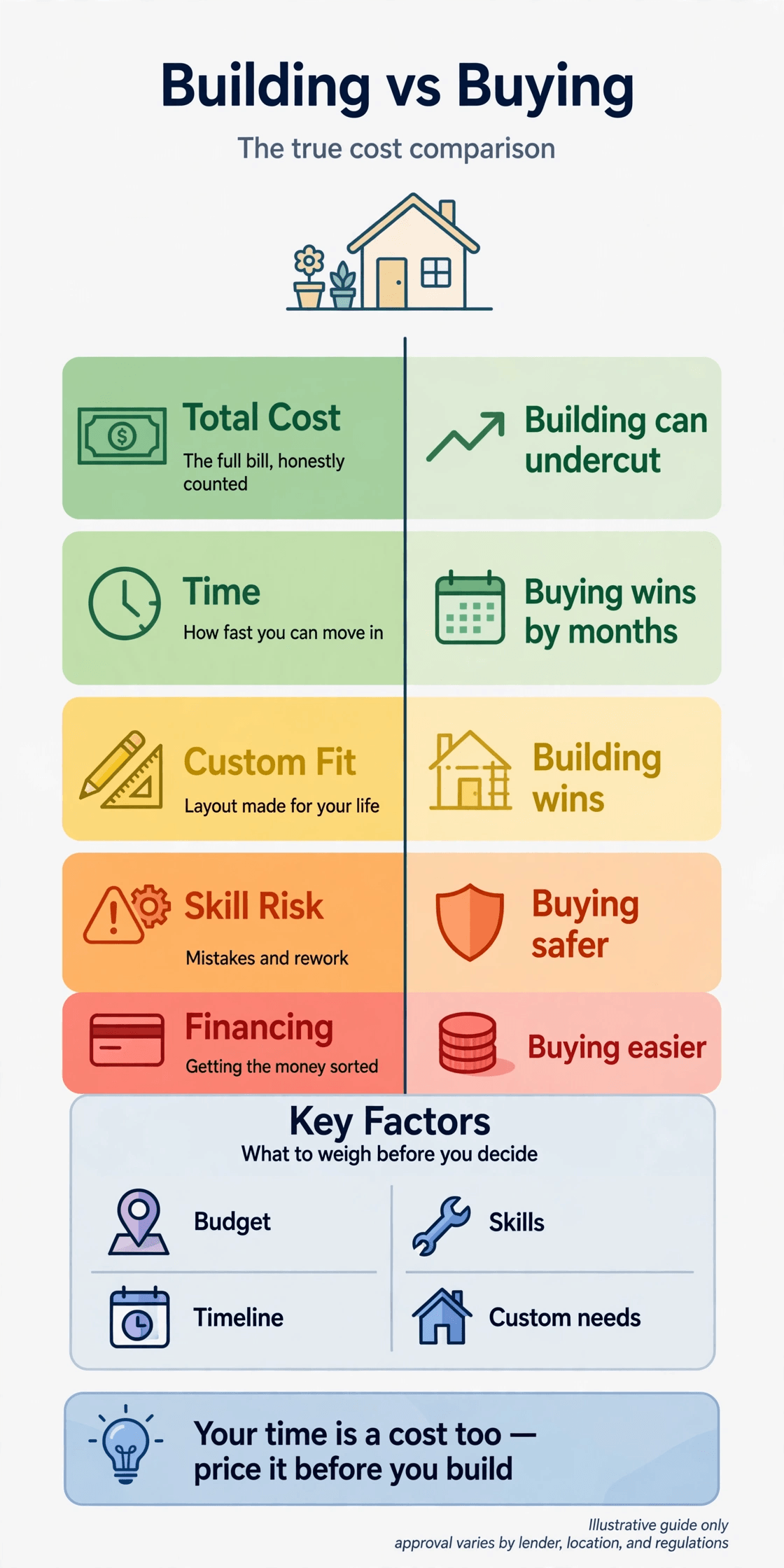
Building vs Buying Tiny House Cost at a Glance
| Criterion | Building Your Own | Buying Ready-Made |
|---|---|---|
| Total cost | Usually lower in cash, once tools and waste are counted honestly | Higher headline price, but known in advance and all-inclusive |
| Your time | Hundreds of hours of evenings, weekends and problem-solving | A handful of hours choosing, inspecting and arranging delivery |
| Build time | Months to well over a year for most first-time part-time builders | Weeks for a build slot, or immediately for an existing home |
| Custom fit | Complete: every shelf, socket and window placed for your life | Limited to the builder’s layouts and options list |
| Skill risk | Real: structural, weatherproofing and systems errors are yours | Low: professional construction and usually a warranty |
| Financing ease | Harder: staged costs, few lenders, mostly savings-funded | Easier: some builders and models qualify for structured finance |
| Permits and inspections | Your responsibility to research, document and pass | Largely handled by the builder, especially for certified models |
| Best suited to | Skilled, patient owners with time, space and a tight cash budget | Busy owners who value certainty, speed and a finished result |
1. The Two Routes, Defined Honestly: What Building and Buying Actually Mean
Building covers more ground than most people realise. At one end is the full self-build, where you design or buy plans, frame the structure, wire, plumb, insulate and finish everything yourself. In the middle sit kits and pre-cut packages that remove some decisions and most cutting errors. At the near end are professionally built shells, weather-tight and unfinished inside, waiting for your labour where it is cheapest to supply. These are genuinely different commitments wearing the same label, and comparing a full self-build against a turnkey purchase while calling both by single words is how most cost arguments go wrong from the first sentence.
Buying is equally varied. A new home from an established builder, built to order or bought from stock, is one thing. A used tiny house from a private seller is another entirely, with prices that reflect age, condition and the seller’s urgency rather than any catalogue. Before comparing figures, pin down exactly which version of each route you mean, and structure the whole project the way our tiny house building checklist, from land and site work to systems lays out, because a build priced without its site, delivery, utility connections and finishing stages is not a price at all. It is a down payment on surprises.
2. Total Cost: Materials and Sticker Prices, With Your Hours Priced In
The cash case for building is real. Timber, a trailer if the home is on wheels, roofing, insulation, windows, systems and finishes bought directly, without a builder’s labour charges or margin, usually add up to meaningfully less than the sticker price of a comparable finished home. You also control where money goes: premium windows and a modest kitchen, or the reverse. But the honest ledger has extra columns. Tools you do not own, materials spoiled or mis-measured, delivery charges, temporary storage, safety equipment and the second attempt at anything you are learning on the job all belong in the build column, and first-time builders routinely discover that waste and rework are line items, not bad luck.
Now price your time, because this is where the comparison is usually rigged. A self-build absorbs hundreds of hours. If you value those hours at nothing, building wins almost every comparison ever written. If you value them at even a modest hourly rate, the gap narrows dramatically, and for people whose weekends could earn money elsewhere it can close entirely. Neither valuation is cheating, but you must choose one consciously. Time spent building can be recreation, education and pride for one person, and pure lost income for another. Compare your priced-in total against real asking prices by browsing tiny homes for sale, from budget used models to new turnkey builds, and the true shape of your decision will come into focus.
3. Build Time: Evenings and Seasons Against a Delivery Date
A bought tiny house runs on someone else’s calendar. Build slots with reputable makers are often booked ahead, and a made-to-order home still takes weeks or months in the workshop, but the date that matters, the day a finished, habitable home is delivered, is a commitment a professional operation plans around. A used home collapses the timeline to days. For buyers working against a lease ending, a land purchase completing or a life change with a deadline, that certainty is not a luxury feature. It is the entire product, and it justifies a significant part of the price difference all by itself.
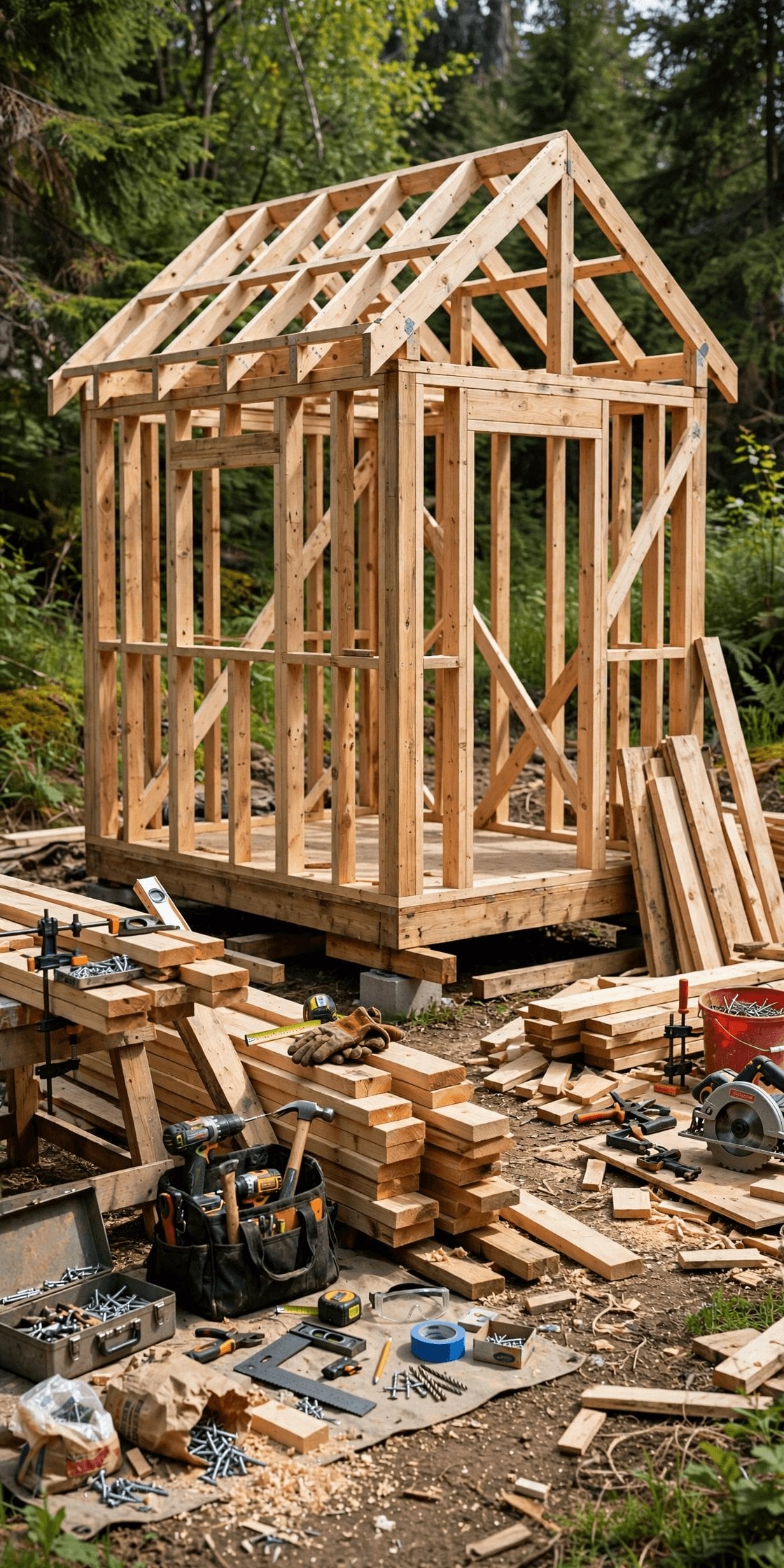
A self-build runs on your calendar, which is both the freedom and the trap. Progress happens in evenings, weekends and holidays, competing with weather, energy, material deliveries and everything else in your life. First builds famously expand: a project sketched as a summer becomes a year, and a year becomes two winters of tarpaulins and patience. None of this makes building wrong. It makes timeline honesty essential, especially where site systems are involved, since the sequencing in our tiny house utilities guide to power, water and off-grid sewage shows how water, power and waste must be ready together before a home is genuinely liveable, whenever the structure itself was finished.
4. Custom Fit: A Home Shaped Around Your Life, or a Layout Proven by Others
Custom fit is the self-builder’s strongest emotional card, and it is genuinely strong. A tall owner can raise the loft clearance. A musician can build the instrument wall. A couple working from home can trade wardrobe space for a real desk niche, place sockets where life actually happens and choose the exact window the morning coffee deserves. In a space this small, those tailored decisions are not decoration. They are the difference between a home that fits like clothing and one that fits like a hotel room, and they compound in value every single day you live with them.
Buying trades that precision for proven design. Established builders have watched hundreds of owners live in their layouts, and the surviving designs carry quiet wisdom: the stair that doubles as storage without eating the room, the kitchen run that actually works, the bathroom door that does not fight the ladder. The risk runs the other way. A layout optimised for the average buyer may fit your specific life awkwardly, and some compromises only reveal themselves after a month of mornings. The practical middle ground is to buy from builders offering meaningful options, and to spend serious time inside display homes before deciding that a catalogue layout fits a life it has never met.
5. Skill Risk: Where Mistakes Happen and What They Cost to Fix
Every build contains a few unforgiving disciplines. Structure and trailer loading decide whether the home is safe. The roof and window flashings decide whether it stays dry. Electrical and gas work carry risks that are not measured in money at all. A confident, experienced builder prices skill risk low, because for them it is low. A first-timer learning from videos should price it honestly higher: not as a reason to abandon the idea, but as a budget line for professional help at the critical stages, inspections by people who know, and the humility to redo anything that protects the home from water or fire.
The plumbing is where many self-builds quietly bleed money, because drain falls, venting and frost protection are invisible when they are right and expensive when they are wrong, which is why working through our tiny house plumbing layout guide to efficient drain-waste-vent design before lifting a wrench is worth more than any tool. Buying transfers almost all of this risk to the builder, whose reputation and warranty stand behind the work. That transfer has real financial value, and it is one reason sticker prices and material totals were never the whole story. When you buy, part of what you are purchasing is the right to have someone else be responsible for the mistakes.
6. Financing Ease: Staged Savings Against Loans and Lump Sums
Self-building is usually financed by the oldest method there is: saving, then spending in stages as the build advances. That shape has genuine advantages. There is no interest quietly inflating the total, no lender approving designs, and the build can pause when money does without penalties arriving by post. It also has a sharp edge. A half-finished home is the worst financial position in this entire comparison, an asset you cannot live in, sell easily or borrow against, so the staged route demands a realistic reserve for the stages that overrun, which in practice means most of them, at least a little.
Buying concentrates the money problem into one solvable shape. Some builders work with lenders, some models qualify for chattel, RV-style or personal finance depending on how the home is classified and where you live, and a complete, certified home is simply an easier thing for a lender to understand than a pile of receipts and good intentions. Used homes sit between the two worlds: cheaper, but often harder to finance than new certified models, pushing many buyers toward savings anyway. Whichever route you take, get the classification and lending answer in writing before money moves, because financing discovered late has a way of rearranging entire projects.
7. Permits, Codes and Inspections: The Paperwork on Both Routes
A bought home arrives with much of its paperwork already embodied in it. Reputable builders construct to recognised standards, certify where their market requires it, and hand over documentation that insurers, lenders and officials find legible. That legibility has practical cash value every time the home is sited, insured, financed or resold. It does not abolish local questions about where a tiny house may legally sit, but it means the structure itself is rarely the problem in those conversations, and owners discover quickly how much smoother every official conversation becomes when the home in front of the official has a maker’s plate and a paper trail.
The self-builder carries the paperwork personally. Depending on where the home will live and how it is classified, that can mean plan approvals, staged inspections, licensed sign-off for electrical or gas work, and careful records of what is hidden inside the walls. Water and waste arrangements attract particular attention, and the background in how tiny houses get water, from wells to hauled supply will help you answer the questions officials actually ask. None of this is impossible, and plenty of self-builders document beautifully. But it is work, it is sequential, and discovering a requirement after the relevant stage is closed up is the most expensive way to learn it exists.
8. Quality, Warranties and Who Fixes What Goes Wrong
Ask of any home not whether something will go wrong, but when, and who answers the phone. A bought home usually comes with a builder’s warranty covering workmanship and systems for a defined period, plus manufacturers’ warranties on appliances and components. The value is not just the free repairs. It is the defined relationship: one accountable party whose business reputation depends on your home performing. Read the warranty’s exclusions as carefully as its promises, ask existing owners how claims were handled, and treat a builder who is vague about aftercare as a cost you have not been shown yet.
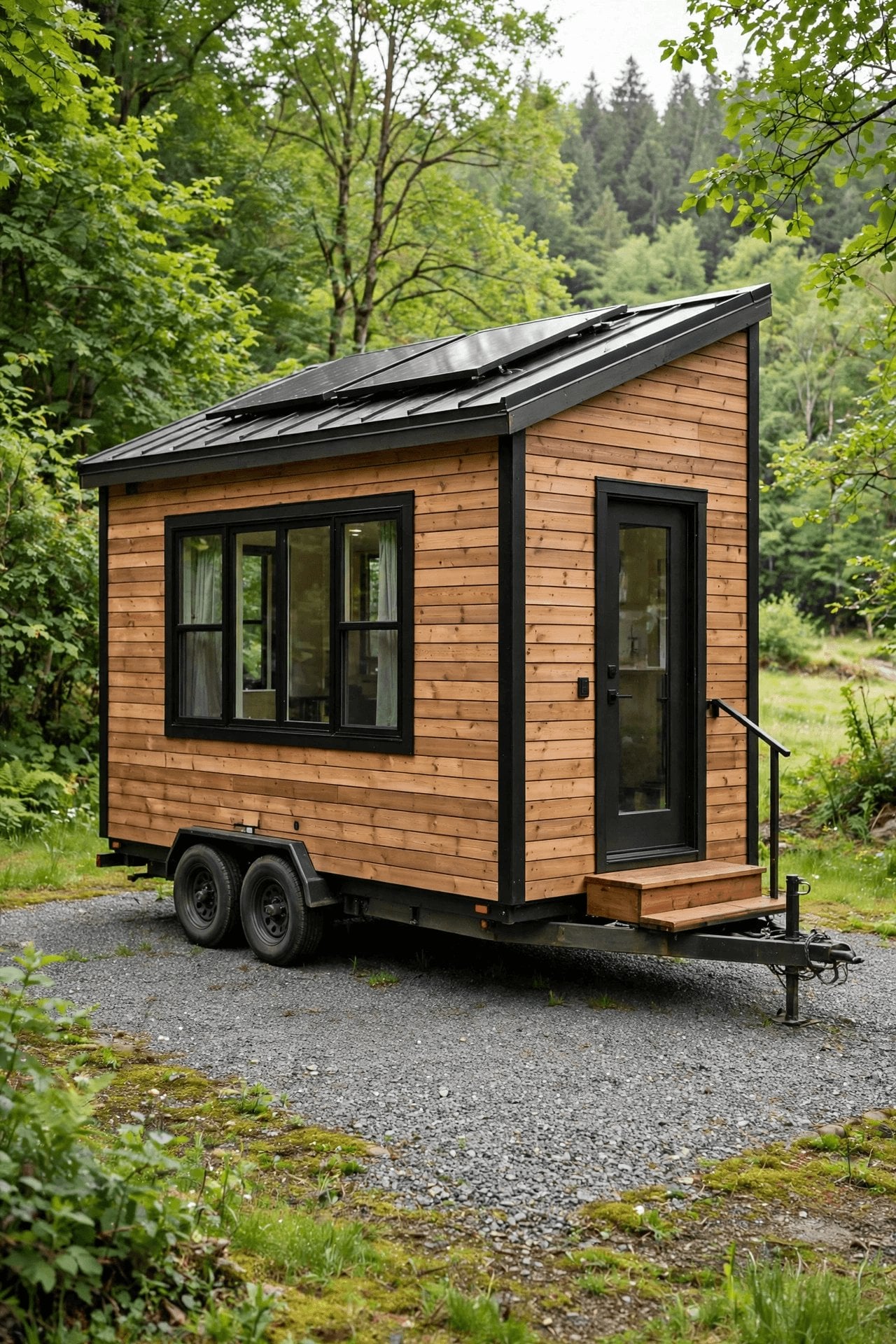
The self-builder is the warranty department. That position has underappreciated strengths: nobody on earth knows your home’s construction better than you do, most faults can be diagnosed without a phone call, and repairs happen at material cost on your schedule. Its weakness is equally clear. There is no one to absorb the cost of a systemic mistake, and a fault in a hidden system can mean opening finished work you made with your own hands. Honest self-builders budget a contingency for exactly this, keep a photographic record of everything before it is closed in, and label systems as they go. Future-you, holding a torch at midnight, will consider that the best money in the whole build.
9. Resale, Insurance and the Value Story Later
Tiny houses are bought and sold on trust in their construction. A recognised builder’s name, certification documents and a clean service history reassure buyers and insurers in a way that is difficult to replicate, and that reassurance shows up as stronger resale interest and smoother insurance conversations. None of it guarantees a price, and tiny homes should never be bought as investments first. But when two similar homes reach the market, the one with paperwork, a known maker and inspectable systems is simply easier for a stranger to say yes to, and ease of saying yes is what resale value is made of.
A well-built self-build can absolutely hold its head up in that company, provided the builder acted like their own future buyer. Photographs of every stage, receipts for major components, inspection records and a honest written summary of systems turn an unknown DIY home into a documented one. Quality off-grid systems help the story too, since a sensibly sized power setup is a feature buyers understand, as the sizing approach in our guide to solar panel kits for tiny homes and sizing an off-grid battery bank demonstrates. Insurance follows the same logic on both routes: the more legible and certified the home, the fewer difficult conversations stand between you and a policy.
10. Hybrid Routes: Shells, Kits and Part-Professional Builds
Between the two poles sits the territory where many of the smartest projects live. A professional shell gets the structure, roofing and weatherproofing, the stages where mistakes are costliest, done by people who do them weekly, while the owner fits out the interior at weekends, where labour is the largest saving and errors are the cheapest to correct. Kits occupy nearby ground, replacing design and cutting risk with pre-engineered components while keeping assembly and finishing in your hands. Part-professional builds go further still, contracting out only the licensed trades. Each hybrid moves money from the risk column to the labour column at a different rate.
Hybrids also let you spend your skill where it is real rather than where the project forces it to be. An owner who is a fine cabinetmaker and a nervous electrician should not have to choose between doing everything and doing nothing. Price hybrids with the same honesty as the pure routes: shell prices that exclude interior systems are not comparable to turnkey prices until the interior is fully costed, including the finishing choices explored in comparisons like propane vs electric in tiny houses, with tank sizing and energy demand calculations. Done with open eyes, the middle routes often deliver most of the self-build saving with most of the bought home’s certainty, which is why so many owners, asked again, say they would meet in the middle.
Final Considerations
Build your tiny house if you have genuine skill or the patience to acquire it under supervision, a realistic surplus of time, access to workspace, and a cash budget tight enough that your labour is the only way the numbers close. Build if the custom fit matters deeply, if the process itself is part of the dream, and if you can hold a contingency reserve so the project never stalls half-finished. Buy if your deadline is real, your weekends are already spoken for, your skills are honestly better used elsewhere, or you need the financing, certification and warranty structure that only a professional product reliably carries. Buy, above all, if what you actually want is the life the house makes possible, rather than the project of making the house.
Whichever route you choose, run the same final test before committing. Write the complete cost of the other route next to yours, with your hours priced at a rate you chose deliberately, and check that your preferred route still wins for a reason you can say out loud. People regret tiny houses for many reasons, but the common thread is rarely the route itself. It is choosing a route that belonged to a different person: the tireless builder who was not them, or the patient saver who was not them either. Match the route to the owner, and both roads lead to the same small front door, which was the point all along.


0 Comments