

Two names come up whenever a plain wardrobe wall is meant to become a proper fitted closet: Closets by Design, the franchise service built around accessible pricing, and California Closets, the premium name built around showrooms and finish.
This head-to-head compares them as design-and-install services — consultation, systems, materials, finishes, installation and warranty as written — with no invented prices or scores, ending with who should pick which.

1. Closets by Design vs California Closets at a Glance
The comparison is between two established custom closet design-and-install services, not between products you buy off a shelf. The entity under comparison is the complete service: a consultation and measured design, a panel-based storage system made for your space, the finishes and accessories chosen for it, professional installation, and the warranty and aftercare that follow. The attributes that separate the brands are the consultation and design process, system construction and materials, the range of spaces covered, finishes and accessories, the installation model, warranty as written, and price positioning in general terms. This guide works through those attributes one by one, in the same planning spirit as this guide to tiny house closet design ideas: in a small or hard-working room, storage is not an add-on, it is the room.
| What is each company, in one line? | Closets by Design is a franchise design-and-install service positioned accessibly, known for frequent promotions. California Closets is a premium-positioned custom storage company known for its showrooms and higher-end finishes. |
| What do both actually do? | Both measure a space, design a fitted system for it, manufacture or order the components, and install the result — closets first, with other rooms offered through the same process. |
| What actually differs between them? | Price positioning, the depth of finishes and accessories presented, the showroom experience, and the local team you deal with — more than the basic idea, which both share. |
| Why does the local branch matter so much? | Both are delivered locally, through a franchise or a showroom team. The designer, measurer and installer you get are local, so local experience matters as much as the national name. |
| How should I decide? | By fit: the same brief and measurements given to both, comparable materials and accessories in each quote, and the warranty and terms read in writing before you sign. |
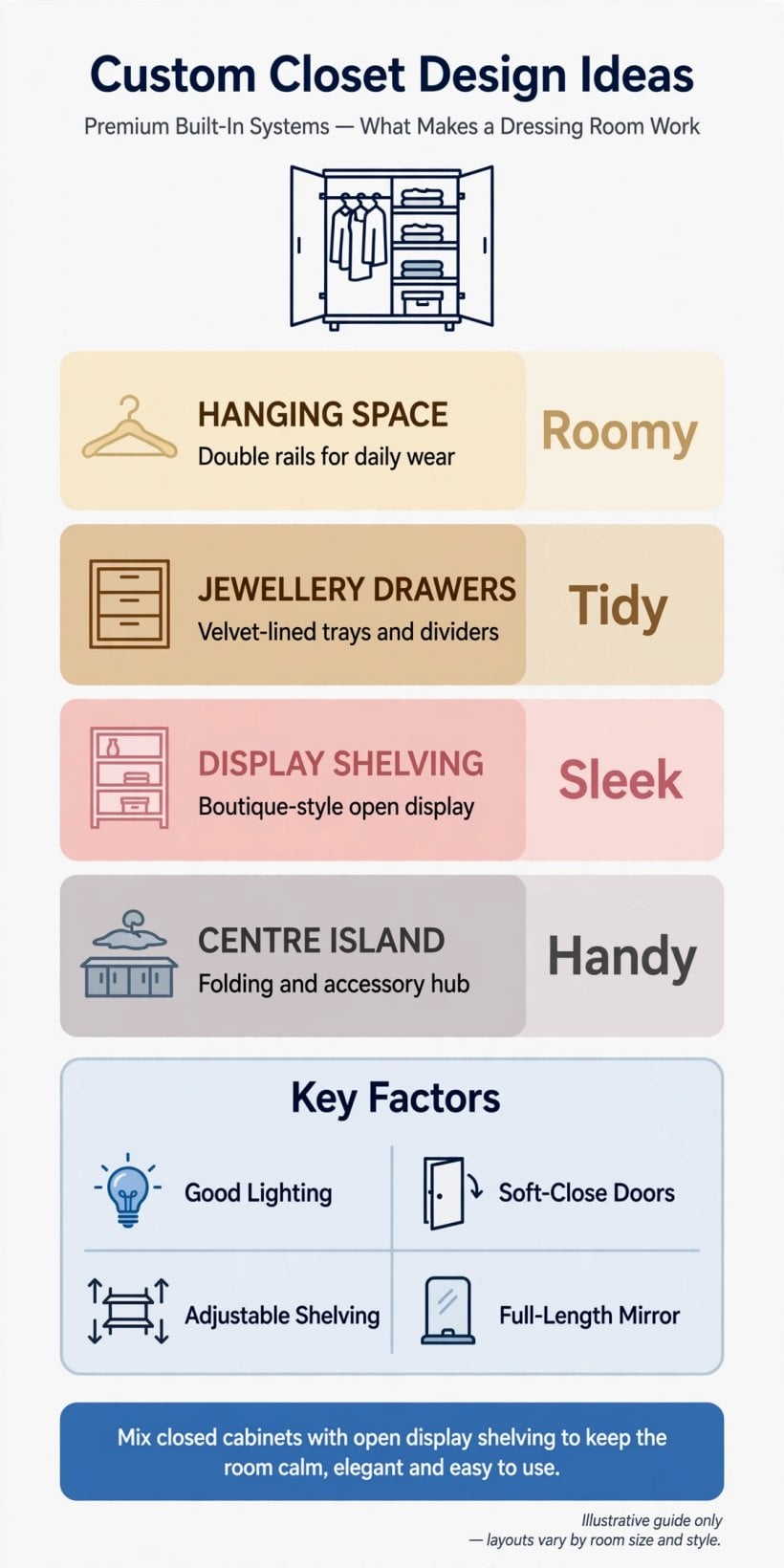
At a glance: both are genuine design-and-install services — the real differences are positioning, finish depth, process and the local team, so compare those, in writing.
2. The Two Companies and How Each Works
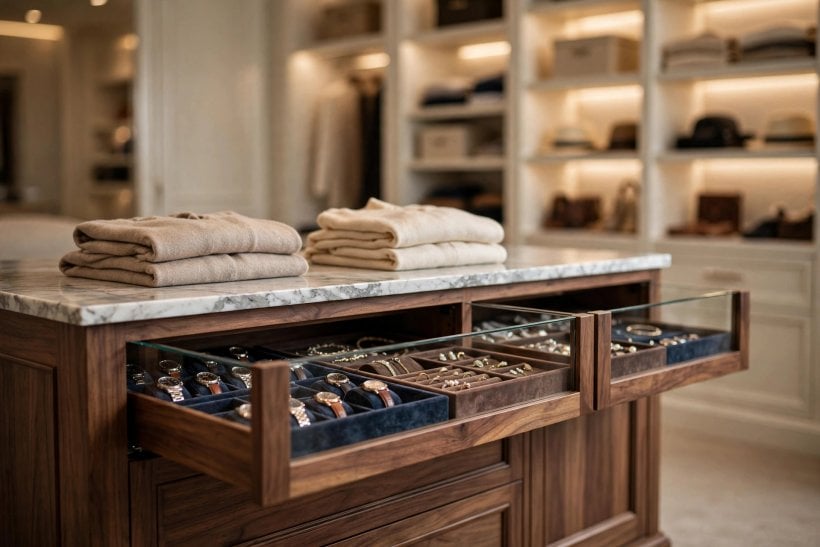
Closets by Design works through locally owned franchises. A designer comes to the home, measures the space, draws a design around the client’s storage problems and budget, and the system is then made to that design and installed by the franchise’s team. The national name sets the model, the product ranges and the promotional rhythm; the local franchise delivers the work. Its positioning is deliberately accessible — this is the brand many homeowners meet first when they move from freestanding rails and shelves to something fitted, and when homeowners read closets by design reviews, they are usually reading about that local experience: one franchise, one designer, one installation.
California Closets works through company and franchise showrooms, with design consultants as the centre of the offer. The showroom is part of the method: finishes, hardware and complete room displays can be handled and compared in person before anything is ordered,. Its positioning is premium — higher-end finishes, a broader presentation of accessories, and pricing that reflects that place in the market. The practical consequence of both structures is the same advice: compare specific local offers, not national reputations. The franchise or showroom you deal with, its designer and its quote are the comparison that matters.
3. Consultation and Design Process
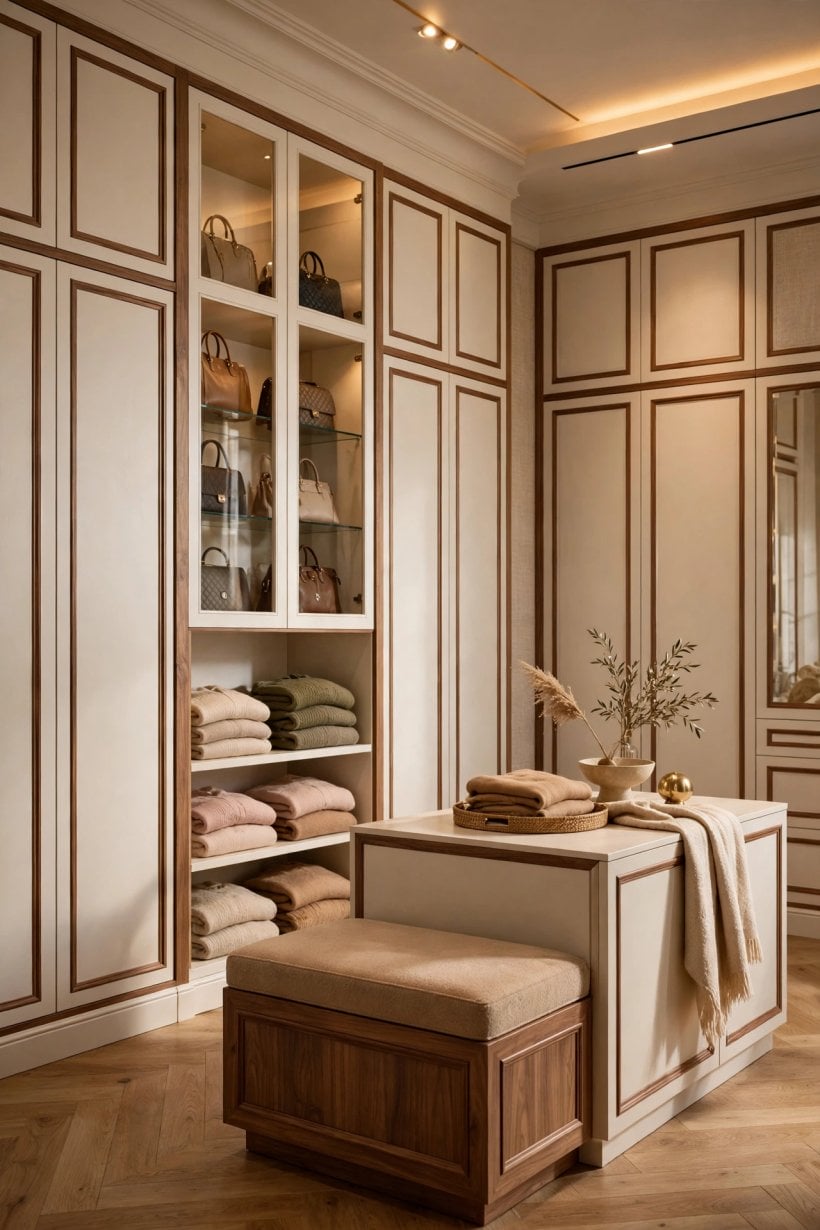
With both companies, the process starts with a consultation, normally built around a home visit and careful measuring. A closet design stands or falls on its measurements — wall lengths, ceiling height, door swing, skirting, sockets and the awkward corners every real room has — and on the inventory conversation that should come with it: what is stored here, what is worn daily and what is seasonal, where shoes, long dresses, folded knits and bags actually live. A good designer from either brand will ask those questions before drawing a single shelf. That inventory discipline is the home-scale version of the thinking in this guide to tiny house organization strategies: count what you own first, then give every category a planned place.
Where the experience differs is emphasis and setting. A showroom-led consultation lets you walk around full-size displays, open drawers, feel hardware and see finishes under showroom light before committing — valuable when finish is a deciding factor. A franchise home consultation tends to keep the conversation in the room itself, with samples brought to the space and the design worked up against its real light and dimensions. Both routes should end the same way: with a clear drawing or visual of the design, an itemised description of what is included, and a quote you can compare line by line. Give both companies exactly the same brief, measurements and must-haves. If one quote looks dramatically simpler, it usually is — an accessory or drawer bank has quietly been left out, and only a like-for-like brief makes that visible.
4. Systems, Materials and Construction

Both services build panel-based systems made to measure for the space: vertical panels, shelves, hanging sections, drawer units and doors or fronts combined into a layout that fills the wall or room you have, rather than a standard unit you must work around. That made-to-measure principle is the real product, and it is shared. What you are comparing is not the concept but the specification in each quote — where a careful buyer should slow down, because panels and hardware are described in general words in brochures and in precise words only in writing.
Ask the same construction questions of both. What panel material and thickness is being quoted, and how are edges finished where they are cut or exposed? Is the system floor-based, wall-hung, or a combination, and what does that choice mean for your walls, floors and skirting? How are drawers constructed and what runners do they run on — a drawer opened twice a day for twenty years is a mechanism, not a box. What load are shelves and rails recommended for? And how are units fixed and levelled in a room whose walls are not perfectly true? Judge neither brand on a catalogue adjective; judge both on the written specification. The same hidden-storage thinking that shapes this look at tiny house plans with hidden storage applies in a dressing room: construction you cannot see — fixings, runners, panel edges — decides how the visible parts age.
5. Finishes, Accessories and Lighting
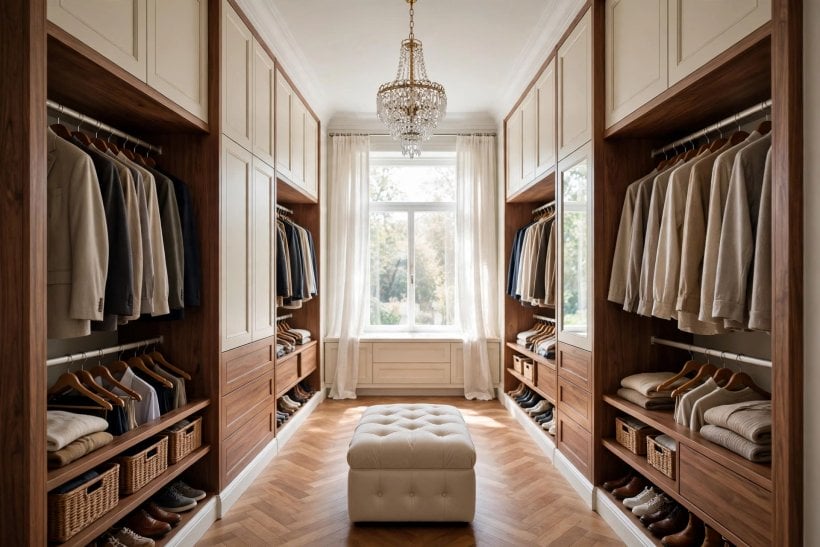
Finish is where the positioning difference is easiest to see and touch. Both companies present a range that starts with clean whites and neutral finishes and runs toward wood-look and richer, more furniture-like options. California Closets builds much of its premium appeal on the depth of that presentation — finishes, fronts and hardware shown together in a showroom, so a closet can be specified to sit comfortably beside the room’s other furniture. Closets by Design presents a more focused range aimed at getting a clean, fitted result at its accessible position. At equivalent briefs, the honest verdict is that both can produce a tidy white closet; the ranges diverge as the brief becomes more decorative, more textured and more particular about matching a room.
Accessories decide how the system works day to day, and both catalogues cover the familiar ground: drawer banks, shoe storage, pull-out and divided organisers, hampers, valet and accessory trays, and lighting to make deep sections usable. Treat accessories as a budget discipline, not a shopping spree. Price the core system first — panels, hanging, shelves and drawers — then add accessories in order of daily use, and get each one itemised so you can remove it without unravelling the quote. Lighting deserves the same discipline: integrated lighting transforms a deep walk-in and is wasted money in a shallow reach-in that room light already reaches. The layering judgement here is the same one used across this collection of small space interior design ideas — spend where hands and eyes go every day, and keep the rest simple, whichever badge is on the quote.
6. Beyond Closets: Pantries, Garages and Offices
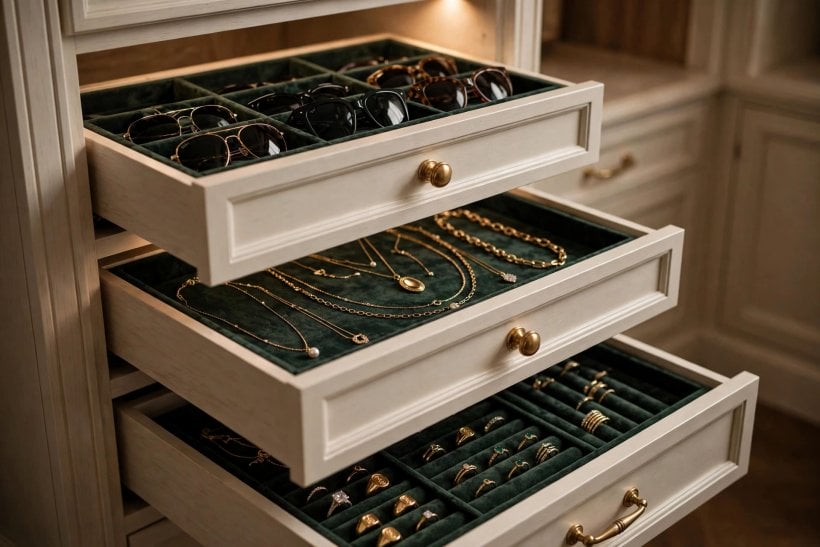
Neither company is only a closet company, and for many households the second room is the deciding one. Both present fitted storage for other hard-working spaces through the same measure-design-install process: pantries with shelving planned around food storage, laundry and utility spaces, garage storage that gets tools and seasonal bulk off the floor, and home offices with desks, filing and shelving built as one run. The questions change by room. A pantry lives or dies on shelf depth, spacing and load. A garage system must tolerate heavier, dirtier storage than any wardrobe. An office must manage cables, equipment sizes and the line between work storage and display.
California Closets presents this wider-room offer as part of its whole-home design positioning, with the showroom carrying examples beyond the wardrobe. Closets by Design presents the same spread of rooms through its franchises, at its accessible positioning, which can make it a practical route for a utility space where finish matters less than fit and function. If you are planning more than one room, say so at the first consultation: a company designing closet, pantry and office together can coordinate finishes and sequencing, and a combined brief tests each company honestly — some local teams are wardrobe specialists who also do garages, others genuinely work across the house. For rooms that must flex between uses, the multi-purpose logic in this guide to convertible furniture in tiny house plans is a useful brief to bring: a home office that must also sleep a guest needs design, not just shelving.
7. Installation and Project Experience
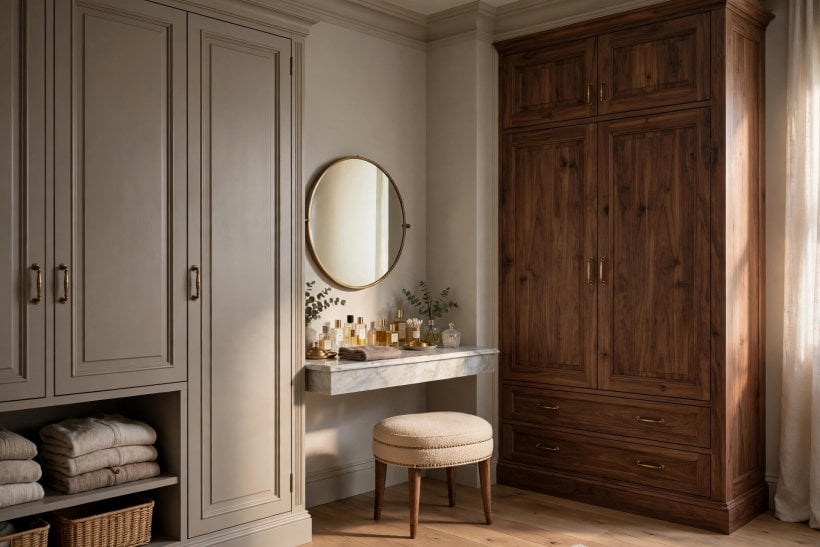
Installation is where a design-and-install service earns its price over flat-pack and a handyman, and where the two brands are hardest to separate on paper — because installation quality is local. The system arrives made for your measurements, and the installer’s work is fitting, levelling, fixing, scribing around the room’s imperfections and finishing details: doors aligned, drawers running true, trims resolved, room left clean. A careful team makes an ordinary specification feel premium; a rushed team makes an expensive one feel ordinary, under either name.
So judge this attribute by evidence and by process questions, not by branding. Ask who installs — the local team’s own installers or subcontractors — and who supervises and signs off the finished work. Ask what preparation is yours: emptying the space, removing old rails and shelving, making good walls or paint, and what state the room must be in before the team arrives. Ask how snags are handled: what happens if a panel arrives damaged, a measurement proves wrong, or a door needs adjustment a month later, and who do you contact. Get the answers, the expected sequence of the work and any preparation duties into the written agreement. Most disappointing projects, under any badge, are not design failures — they are expectation failures about preparation, sequence and aftercare, and a good local team will welcome the questions.
8. Warranties and Aftercare: Read the Fine Print
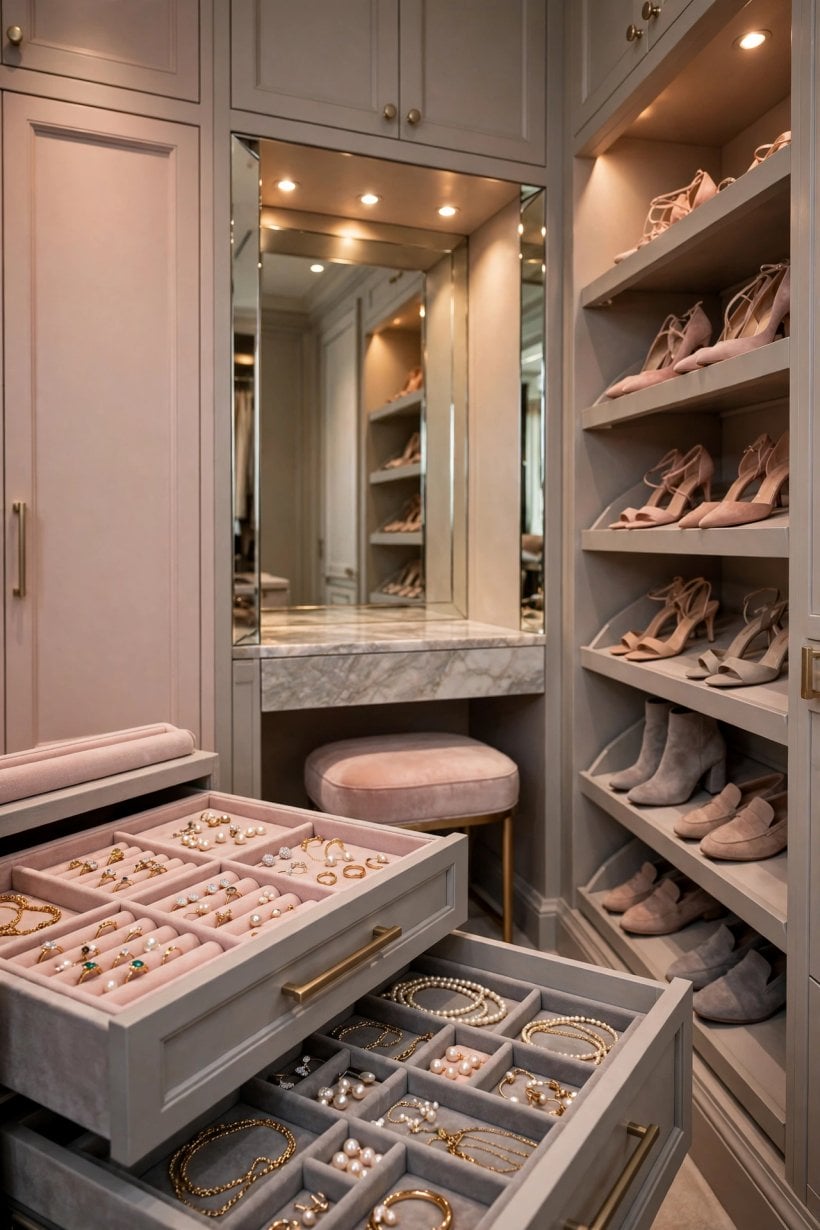
Warranty comparison is where buyers should spend their scepticism, because a headline promise conceals the structure that matters — and because terms are set out in each company’s and, for a franchise, each local agreement’s actual documents. Read four things in the paperwork for the exact system you are buying. What is covered: the panels and structure, moving parts such as runners and hinges, finishes, and the installation workmanship may each be treated differently. What is excluded or can void cover: misuse, overloading, water damage, alterations by others, and moving or refitting the system are the kinds of clauses to look for in this product class. Who performs the remedy, and whether it is repair, replacement of a part, or something else — and whether labour is included. And how a claim is made in practice: who you contact locally, and what proof of purchase or agreement you need to keep.
Do not let either side settle this attribute with a spoken summary in a showroom or a living room. Ask both for the warranty terms that will apply to your agreement, read the exclusions side by side, and keep the signed documents with your house papers afterwards. Aftercare belongs in the same conversation: whether adjustments after settling — a hinge tweak, a runner that needs attention — are handled as routine service, and through whom. Neither brand wins this section in the abstract. The better warranty is the one whose written terms, for your local agreement, you have actually read and understood, and a company that hands those terms over readily is telling you something useful about how it expects to be judged.
9. Pricing Approach and Total Cost
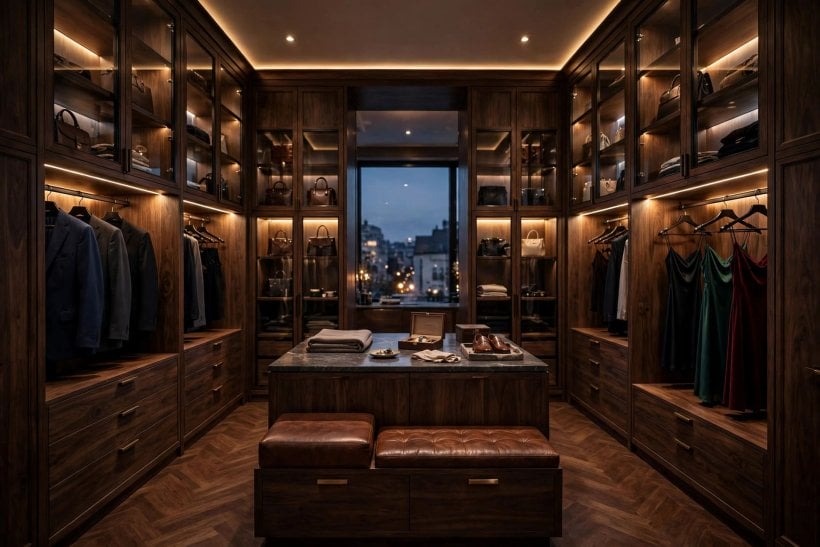
Price positioning is the clearest stated difference between the brands, and it should be described in general terms only — because your price will be a quote for your room, your specification and your local team, and any specific figure quoted away from that context would be invented. Closets by Design positions itself accessibly and promotes frequently, which makes it the natural first quote for a household working to a firm budget. California Closets positions itself at the premium end, where the price carries the showroom, the design presentation and the deeper finish range. Neither position is a verdict: an accessible system specified well can be the right buy, and a premium system can be worth its price in a dressing room used for decades — but never compare them as if quoting the same thing until you have made them do so.
Total cost must be counted whole. Build the same ledger for both quotes: the system as designed, every accessory itemised, delivery and installation, any preparation or making-good that falls to you, and any extras the design assumes — lighting work, for example, or doors and fronts beyond the base specification. Check what a promotion actually applies to, what it excludes, and what the quote becomes without it, so a promotional headline never does the comparing for you. Then compare specification before price: panels, hardware, drawer count, accessories and finish aligned as closely as the ranges allow. Only when two written quotes describe near-equivalent systems does the price difference become a real brand difference — and then it is a fair one to act on, in either direction.
10. What Reviews Can and Cannot Tell You
A final methodological section, because this is a subject people research through other people’s experiences — and that evidence deserves a warning label. Individual accounts of a fitted closet mostly record three things: the local franchise or showroom team, the designer and installer on that job, and the specification the customer chose — with the national brand collecting the credit or blame for all three. A glowing account of California Closets may be describing one excellent showroom team; a frustrated account of Closets by Design may be describing one franchise, one measurement or one accessory that disappointed. The national name’s contribution is real, but it is smaller than the local story around it.
So use other people’s experiences for what they can actually evidence, and that is the practical reading of closets by design reviews and of accounts about its rival alike: look for recent, local patterns. Check recent accounts for the specific franchise or showroom you will actually deal with, not the national average, and weight the recent over the old, because local teams change. Look for recurring themes about communication, measuring accuracy, installation care and how snags were resolved — process patterns repeat meaningfully in a way that one person’s taste in finishes does not. Then weight the documents this guide has pointed to — the itemised quote, the written specification, the warranty terms — over any number of anecdotes, including the enthusiastic ones. That discipline turns a choice between two established names from a contest of reputations into a specification exercise with a right answer for a particular house, which is the only kind of answer fitted storage ever has. The same evidence-first approach runs through this broader look at interior design ideas for homes: local, written and specific beats famous every time.
Final Considerations
Neither company wins this comparison outright, because both are real design-and-install services and the differences live in positioning, finish depth and the local team, not in whether the basic offer works. Decide on the same brief, the same room and two written, itemised quotes — then let fit, rather than reputation, settle it.
Pick Closets by Design if your priority is a clean, fitted result at an accessible position: a first move from rails and freestanding storage to something made to measure, a firm budget you want the design worked honestly around, a utility or secondary space where fit and function matter more than decorative finish, and a local franchise whose recent local record you have checked and liked.
Pick California Closets if your priority is the premium end of the process: a showroom where finishes, fronts and hardware can be handled before you commit, a deeper finish and accessory range for a principal closet or dressing room meant to sit as furniture in the house, and a whole-home brief spanning closets, office and other rooms under one design conversation.
Whichever name is on the agreement, buy as a specification buyer: measurements and inventory done properly, specification and accessories itemised, pricing counted whole, and warranty and aftercare read in the actual documents for your local team. A fitted closet chosen that way — from either of these companies — will very likely still be doing its quiet work when the wardrobe inside it has changed completely.




0 Comments