
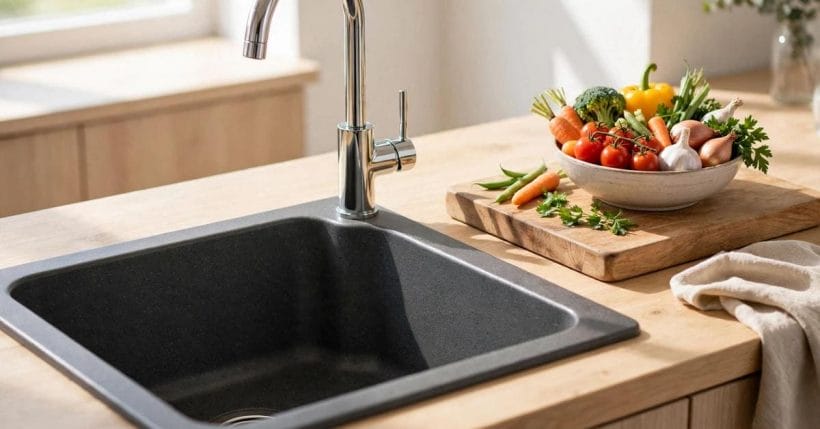
A kitchen sink gets used every day, often several times a day, and it is easy to choose one for how it looks in a showroom and only later discover how it behaves in a real kitchen. A composite sink is a good example of why a slower look matters. It can look calm and modern in a photograph, yet the details that decide whether it suits your home are quiet ones: the finish in your own light, the space inside the cabinet, the way the bowl fits your daily washing, and the care it will need over time.
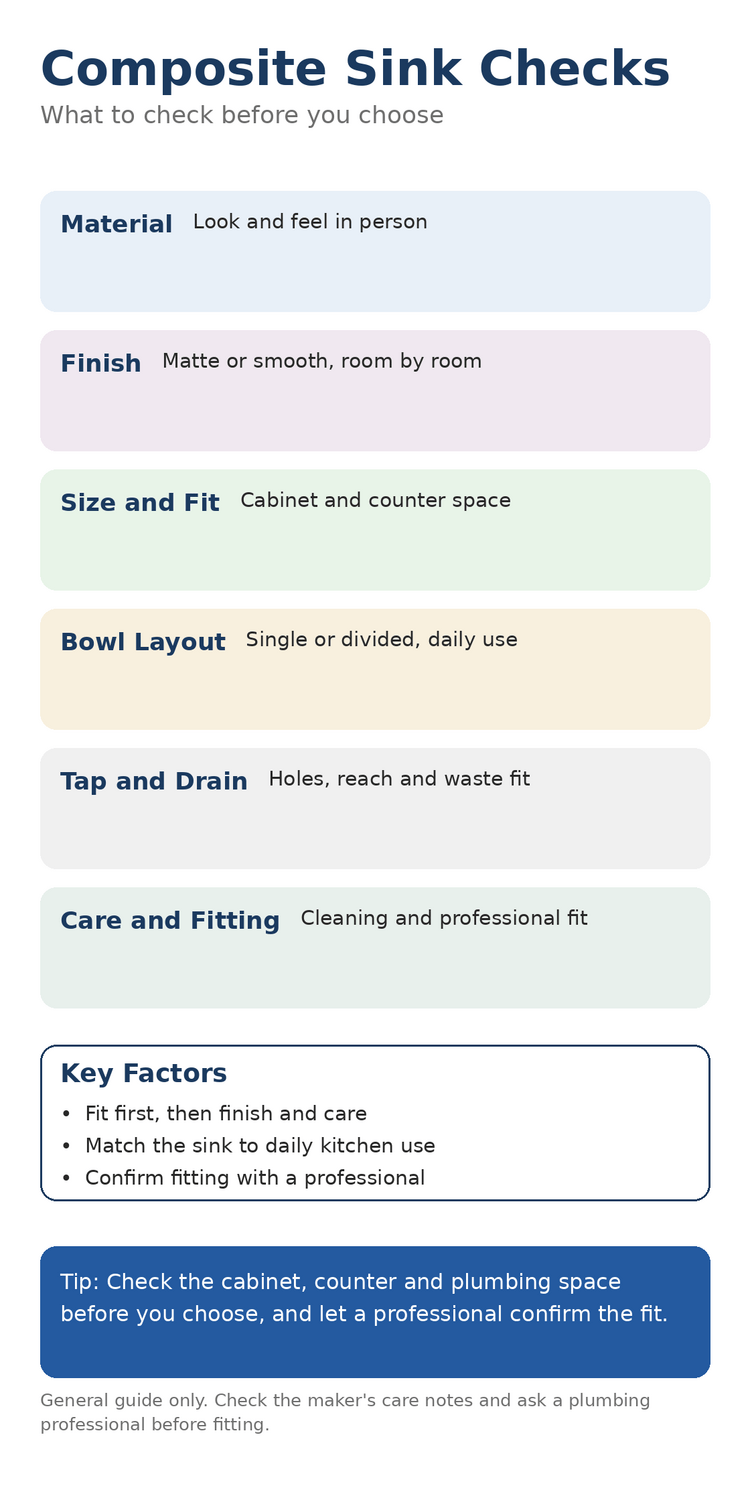
This guide walks through what to check before you choose a composite sink. It covers material, finish, size and fit, bowl layout, taps and drainage, depth, cleaning, and fitting. It does not rank sinks, recommend one maker over another, or settle on a single winning choice, because the right sink depends on your kitchen, your cabinet, and the way you cook and wash up. Plumbing and fitting work should be left to a plumbing professional throughout.
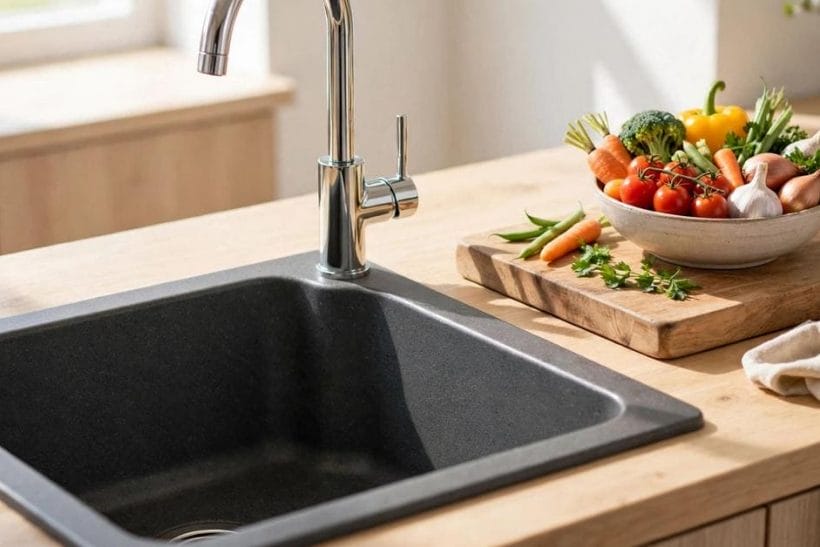
1. Understand What a Composite Sink Is, in General Terms
A composite sink is made by blending a mineral or stone-like material with a binding resin, so that the finished bowl feels solid and looks matte rather than shiny. That general description covers a wide family of sinks. Some feel speckled and textured, others feel smooth and almost stone-like, and the colour range runs from pale neutrals through warm earth tones to deep greys and blacks. The point of understanding the general idea is not to memorise a recipe, which varies, but to know what to look at: the surface, the weight, the colour through the material, and the way the bowl is shaped.
When you look at a sink in person, run your hand across the surface and look at it from an angle as well as from above. A surface that looks even from above can show a different character in raking light, and that character is what you will live with. Notice whether the colour looks consistent across the bowl, the rim, and any draining area, and whether the finish feels the same in each place. Small differences are not necessarily faults, but they are worth noticing before the sink is fitted, when asking questions is still easy.
It also helps to think about the sink as part of a working kitchen rather than as an object on its own. A sink that looks striking on a display stand may feel very different beside your own countertop, your own tap, and your own crockery. Bring a note of your countertop colour and your cabinet style, and hold any sample near them if a sample is offered. The aim is not to find a perfect match on the spot, but to see whether the sink sits comfortably with the kitchen it will actually live in.
2. Judge the Finish in Your Own Kitchen Light
Finish is one of the first things people notice about a composite sink, and one of the easiest to misjudge. A matte finish softens reflections and can make a kitchen feel calm, while a smoother finish reflects more light and can look brighter. Neither is better in itself. What matters is how the finish behaves in your kitchen, under your lights, at the times of day when you actually wash up. A showroom is lit to flatter, and a kitchen at breakfast is lit very differently.
If you can, look at a sample or a display sink in daylight and again under artificial light. Notice how water marks, soap, and everyday splashes show on the surface, and how easily they wipe away with a soft cloth and plain water. Ask what the maker recommends for everyday cleaning, and what should be avoided, and keep those notes with the rest of your kitchen plans. A finish that needs gentle, regular care can be a pleasure to live with, provided you know about the care before you choose it rather than after.
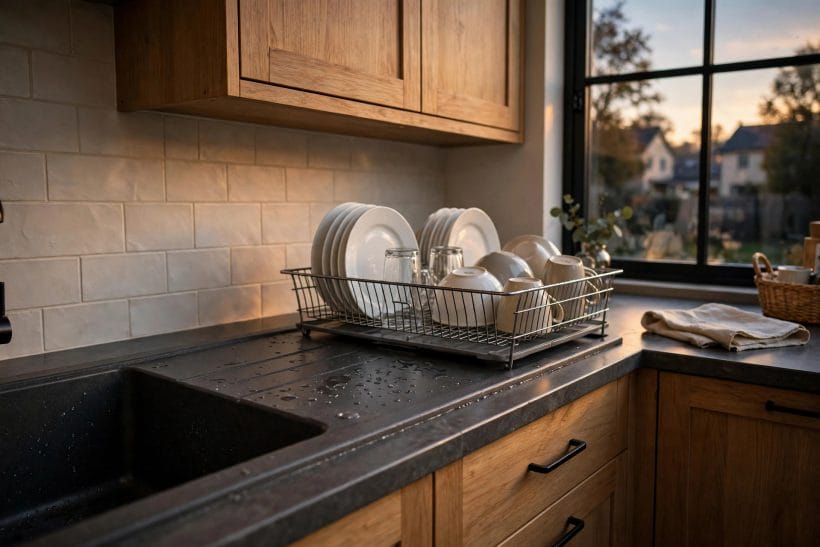
Colour deserves the same slow look. A dark sink can ground a light kitchen and hide everyday marks, but it can also make a small or dim kitchen feel darker, and water spots may show more clearly on it. A pale sink can brighten a kitchen, but it may show stains from everyday cooking more readily. There is no colour that suits every kitchen, so judge colour against your own countertop, your own light, and the amount of washing your household does, rather than against a photograph.

3. Measure the Cabinet and Counter Before Anything Else
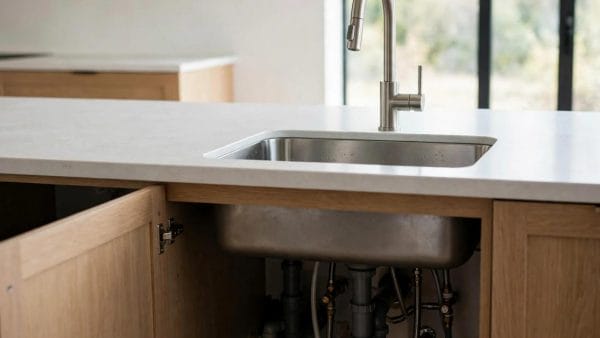
Fit comes before finish, because a beautiful sink that does not fit the cabinet is not a choice at all. Start with the cabinet beneath the sink. Note its width, its depth, and how much clear space sits inside it once any existing pipework is taken into account. A sink bowl hangs below the countertop, and it needs room not only for the bowl itself but for the waste, the trap, and the connections a plumbing professional will need to reach. If the cabinet is shallow, crowded, or divided, those details matter as much as the width of the bowl.
Measure the countertop opening as well, and check how the sink is meant to sit: mounted from above, mounted from below, or set flush with the surface. Each way of fitting changes what the countertop must support and how the edge of the sink meets the worktop. Ask a plumbing professional to confirm which mounting suits your countertop material and your cabinet, rather than assuming that any sink can be fitted in any way. This is a check to make before ordering, when a different sink or a different plan is still easy to choose.
It is also worth measuring the space around the sink, not only the sink itself. Leave room for a draining area if you use one, for a tap that can swing without hitting a window or a shelf, and for the everyday movements of washing up: lifting a heavy pan, rinsing a large board, and setting things down to dry. A sink that fills the whole run of counter with no landing space beside it can make everyday washing feel cramped, even if the bowl itself is generous.
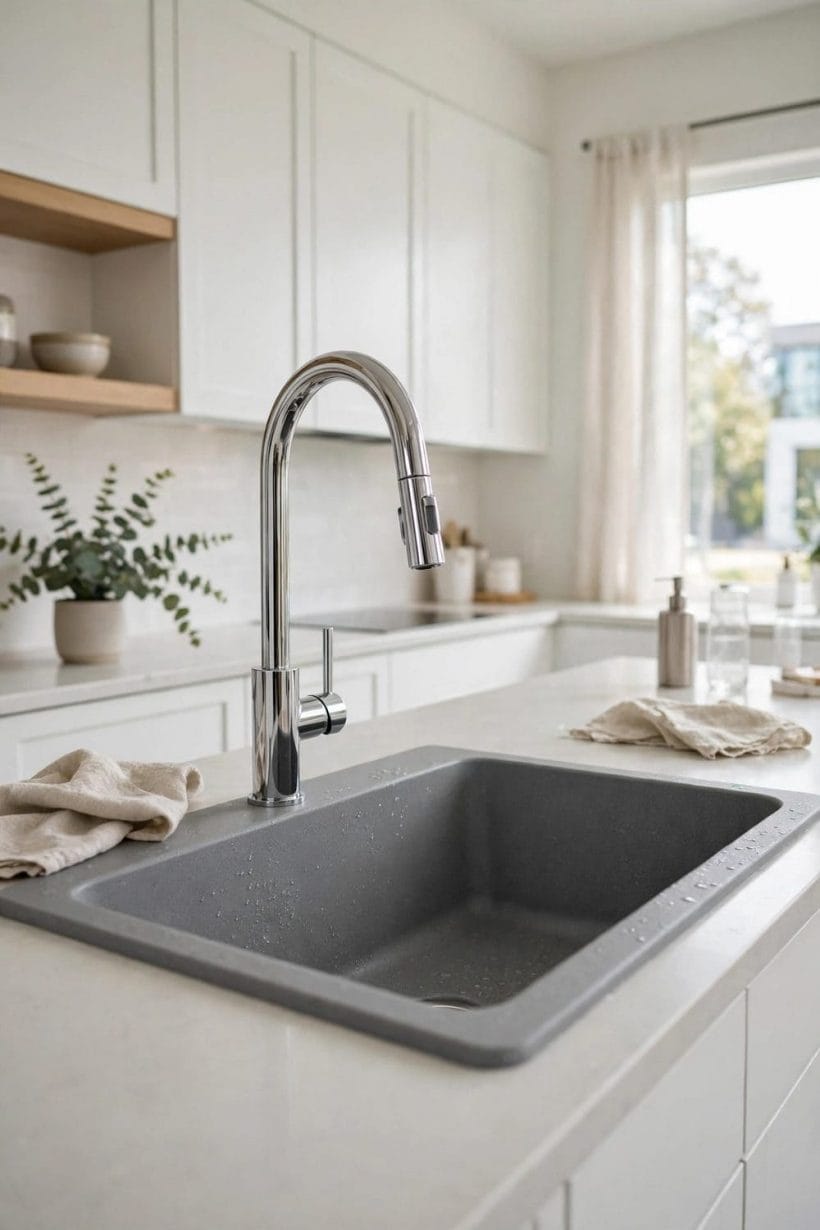
4. Choose a Bowl Layout for Daily Use
A composite sink may have a single deep bowl, two bowls side by side, or a main bowl with a smaller second bowl. Each layout suits a different way of working. A single bowl gives unbroken room for large pans, roasting trays, and chopping boards, and it is easy to fill and empty. A divided bowl lets one side hold soaking dishes while the other stays free for rinsing, which suits households where washing and rinsing happen at the same time. A smaller second bowl can hold a strainer or a rinsing area without taking over the whole sink.
Think about your own washing habits before choosing a layout. Do you wash up as you cook, or all at once after a meal? Do you soak large pans, or rinse and stack? Do you have a dishwasher that does most of the work, leaving the sink for rinsing and hand-washing? The answers point to different layouts, and they are more useful than any general claim about which layout suits you. A layout that matches your habits will feel easy every day, while a layout chosen for looks alone can feel awkward within a week.
Also consider who uses the sink. A household with small children may want a layout that keeps sharp items apart from rinsing water. A household where several people cook may want room for more than one person to work at the sink at once. A small kitchen may need a layout that leaves counter space free, even if that means a smaller bowl. None of these needs points to a single answer, but each one narrows the choice in a helpful way, and that narrowing is the point of the check.
5. Check the Tap, the Holes and the Drainage
A sink and a tap are a pair, and they need to be checked together. Note how many tap holes the sink has, where they sit, and whether they suit the tap you plan to use. A tap that is too short will not reach across a wide bowl, and a tap that is too tall may splash against a shallow bowl or hit a window above the sink. Check the reach, the height, and the way the tap swings, and ask a plumbing professional whether the tap and the sink work together in your cabinet and counter setup.
Drainage deserves the same attention. Look at where the waste sits in the bowl, whether the bowl drains cleanly toward it, and whether the waste and overflow arrangement suits how you use the sink. A bowl that holds a shallow pool after draining, or a waste that sits where a large pan always rests, will annoy you daily. These are details a plumbing professional can advise on, and they are checked most usefully with the sink, the tap, and the waste considered as one working arrangement rather than as separate purchases.
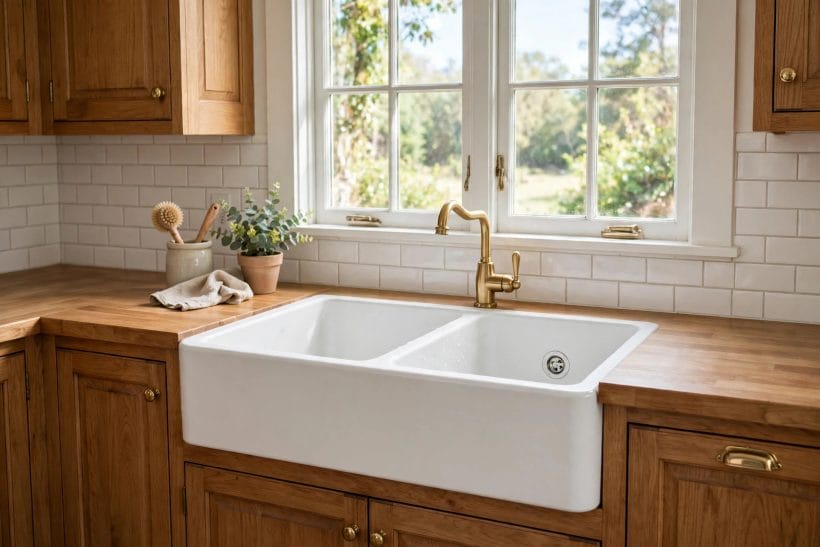
Accessories can change how a sink works, so check them as part of the same decision. A draining board, a grid that sits in the bowl, a chopping board that fits across the rim, or a strainer basket can each make daily use easier, but only if they fit the bowl you actually choose. Ask whether each accessory is made for that bowl shape and size, and whether it can be removed easily for cleaning. An accessory that fits poorly is worse than no accessory at all, because it gets in the way every time you wash up.
6. Think About Depth, Reach and Comfort
Depth is often praised as a virtue, and a deep bowl does hold large items well, but depth also changes how you stand and reach. A very deep bowl can mean bending further to reach the bottom, which matters if the sink is used for long washing sessions or by someone with a sore back. A shallower bowl is easier to reach into, but it may splash more and hold less. The right depth is the one that suits the people who will use the sink, the height of the counter, and the size of the items they wash.
Stand at a display sink if you can, and imagine a normal washing session: lifting a pan from the bottom, rinsing a board, reaching for the tap. Notice whether your back stays comfortable, whether your arms reach without stretching, and whether water is likely to splash onto the counter or your clothes. These small physical checks tell you more than any description can, because comfort is felt in the body rather than read on a page. If you cannot stand at a display, think through the same movements at your own sink and compare honestly.
Counter height plays a part here too. A sink set into a high counter feels different from the same sink set into a low one, and a household where people of different heights share the kitchen may need a compromise. There is no depth that suits every household, so treat depth as a comfort question rather than a contest. The sink you can use comfortably, day after day, is the sink that will serve your kitchen well.

7. Plan Cleaning and Everyday Care
Every sink needs cleaning, and a composite sink is no exception. Before you choose, ask what everyday cleaning involves: a soft cloth and plain water, a mild cleaner, or a particular routine the maker recommends. Ask too what should be avoided, such as harsh scouring pads or strong cleaners, and keep those notes somewhere you will find them again. A care routine that fits your household is easy to keep; a routine that fights your habits will slowly be abandoned, and the sink will show it.
Think about what your sink meets every day. Hot pans, dark liquids, food colouring, and limescale in hard-water areas can all leave their mark over time, and different finishes show those marks differently. A household that cooks with strong colours or lives in a hard-water area may want to ask directly how the finish responds to those everyday conditions, and what routine keeps it looking good. Ask in general terms, and be wary of any promise that a sink needs no care at all, because every working sink needs some.
It helps to plan where cleaning things will live. A soft cloth, a gentle cleaner, and a place to hang a drying cloth near the sink make the routine easy, while a routine that needs a special product stored far away will be skipped. This is a small, practical check, but it is the kind that decides whether a sink still looks good after months of daily use. A sink is not only chosen once; it is cared for every day, and the care should be part of the choice.
8. Check What Fitting Involves
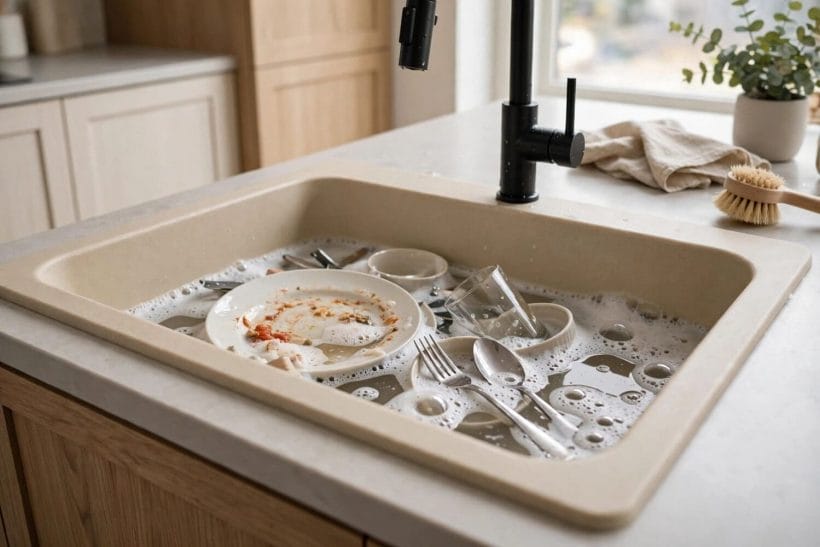
Fitting a kitchen sink touches the countertop, the cabinet, the water supply, and the waste, so it is work for a plumbing professional, not a first attempt at home. Before you order, ask what the fitting involves for the sink you are considering: how the sink is supported, how it is sealed to the countertop, how the waste and trap are connected, and how the tap is fixed and supplied. A professional can confirm whether your cabinet and counter suit the sink, and whether any extra work is needed before the sink arrives.
Also ask about the order of work. A sink is often fitted as part of a wider kitchen change, and the timing matters: the countertop may need to be cut or prepared, the cabinet may need strengthening, and the plumbing may need to be moved. Knowing the sequence in advance lets you plan around it and avoids a sink arriving before the kitchen is ready for it. If any part of the plan is unclear, ask for it to be explained in plain terms before you agree to anything.
Finally, ask what to check once the fitting is done. Look at the seal around the rim, test the tap and the waste, run water and watch how the bowl drains, and check beneath the sink for any sign of a leak. A careful professional will welcome these checks, and they are far easier to make on fitting day than after the kitchen is back in daily use. Fitting is the moment when a good choice becomes a good sink, and it deserves the same care as the choice itself.
9. Compare Options Without Chasing a Verdict
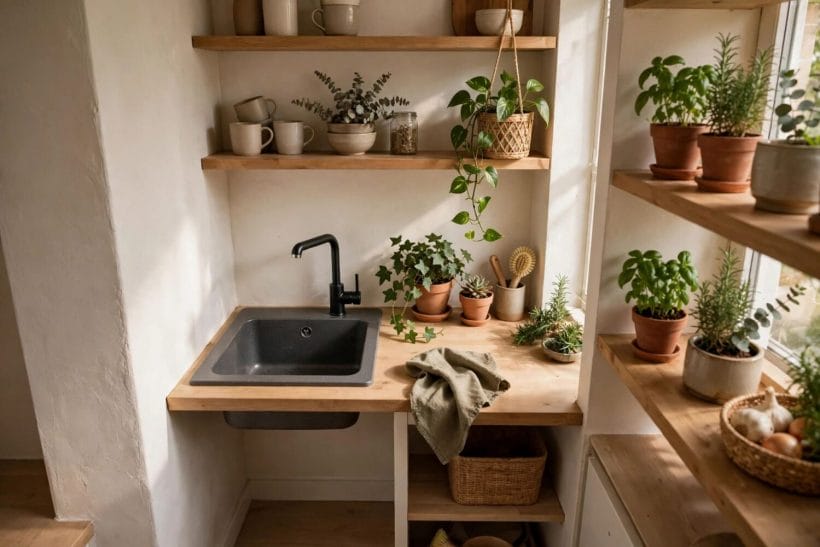
When you look at several sinks, it is tempting to search for a single winner, but a kitchen sink is not a contest with one answer. Two sinks can both be well made and still suit different kitchens, different cabinets, and different households. A better way to compare is to lay out what you have learned, sink by sink, against the checks in this guide: fit, finish, bowl layout, tap and drainage, depth, care, and fitting. The sink that answers the most of your own checks is the one to look at more closely, even if it is not the one that photographed most strikingly.
Be careful with comparisons that rest on a single feature. A striking colour, a novel accessory, or a display that catches the eye can dominate a decision and push quieter checks aside. Return to the cabinet measurements, the daily washing habits, and the care routine, and let those decide. If two sinks answer your checks equally well, choose the one that feels better in person and fits your kitchen more comfortably, rather than searching for a further reason to separate them.
It is also worth noting what a comparison cannot tell you. A sink seen in a showroom has not lived in your kitchen, met your water, or been washed by your household. That is why this guide leans on checks you can make yourself — measurements, light, reach, and care — rather than on claims about how a sink will behave over years. A careful comparison is not about finding certainty; it is about narrowing the choice until the remaining options all fit your kitchen well.
10. Keep a Record and Ask the Right Questions
Before you order, gather your notes into one place: the cabinet and counter measurements, the mounting you discussed with a professional, the tap and waste arrangement, the finish and colour notes, and the care routine. Keep any samples until the sink is fitted, so the colour can be checked against the delivered sink. If anything was agreed in conversation, ask for it to be written down with the order. A clear record protects both sides and makes any later question easy to answer precisely.
The questions themselves are worth preparing. Ask how the sink is supported and sealed, how the waste drains, what the maker recommends for cleaning, and what to avoid. Ask whether the tap you plan to use suits the bowl, and whether any accessory fits that exact bowl shape. Ask what the fitting involves and what to check when it is done. None of these questions needs specialist knowledge; each one follows naturally from living with a sink every day, and a good supplier or professional will answer them plainly.
Finally, give yourself a pause before ordering. A sink is not an emergency purchase, and a day or two of reflection rarely changes the choice but often sharpens it. Re-read your notes, look at the kitchen once more, and ask the one question you have been meaning to ask. If everything still reads clearly, order with confidence. If something still feels unclear, that feeling is itself useful information, and it is worth resolving before the order goes in rather than after the sink is fitted.
Final Considerations
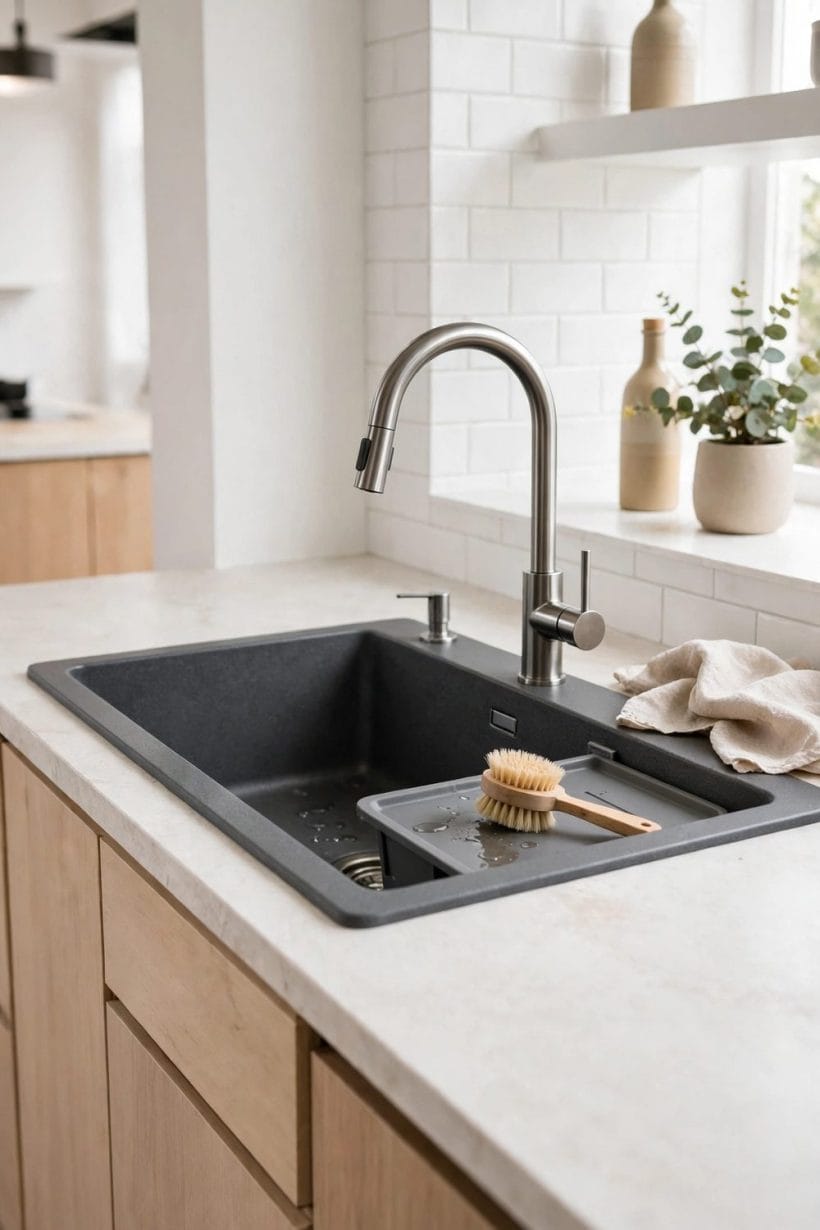
A composite sink is chosen well when the quiet checks come first. Understand the material in general terms, judge the finish in your own light, measure the cabinet and counter, and choose a bowl layout that matches daily use. Check the tap, the holes, and the drainage as one arrangement, think about depth and comfort, plan the cleaning routine, and leave the fitting to a plumbing professional. Compare options against your own kitchen rather than chasing a single verdict, and keep a record of everything before you order.
None of these checks requires specialist knowledge. They require a tape measure, a careful look, and a willingness to ask plain questions. That is their strength. A sink that survives a careful reading of your own kitchen — its cabinet, its light, its daily washing — is a sink you can choose with confidence, and live with happily every day.
For related reading, see how kitchens sit within a whole home: tiny house designs show how kitchens shape small rooms, tiny house floor plans show where kitchens fall in a layout, and tiny house interiors show how light and storage are balanced inside. Room guides such as tiny house living room ideas and tiny bedroom ideas explore the rooms around the kitchen, while small kitchen ideas and tiny house storage ideas cover the small-space thinking a sink choice sits within.



0 Comments