
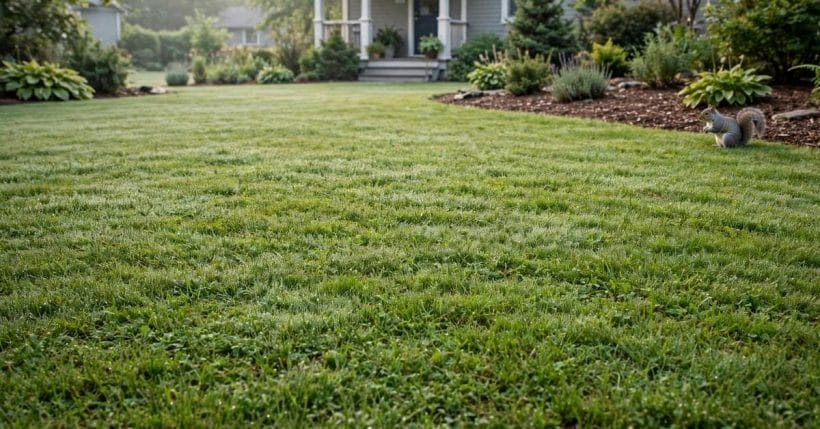
A lawn that keeps being dug up can feel frustrating, especially when the damage appears overnight and the cause is not obvious at first. Squirrels are busy, curious animals, and a garden that offers food, soft soil and quiet corners can draw their attention again and again. This guide looks at how to keep squirrels from digging in yard spaces in general, gentle terms, with habits that may reduce digging over time rather than promises about any single fix. Nothing here harms the animals, and nothing asks for strong measures, because a shared garden works best when people and wildlife are both given room.
The approach below is patient and practical. It starts with understanding why digging happens, then moves through covering new plantings, tidying food sources, shaping beds and lawn edges, and building a small seasonal routine. Each idea can be tried on its own, watched for a while, and kept or dropped depending on what seems to help in your own garden. Gardens differ in soil, shade, planting and nearby trees, so what calms digging in one place may matter less in another, and that variation is normal rather than a sign that something has been done wrong.
1. Why Squirrels Dig in Lawns
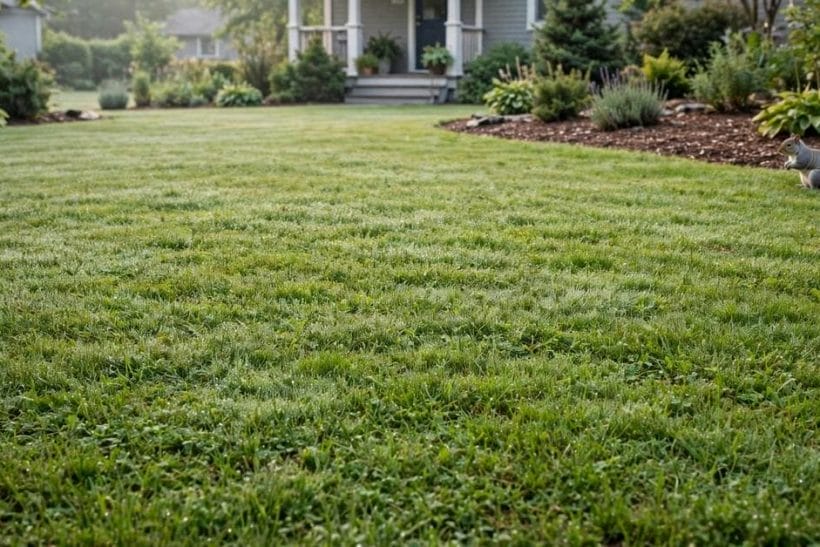
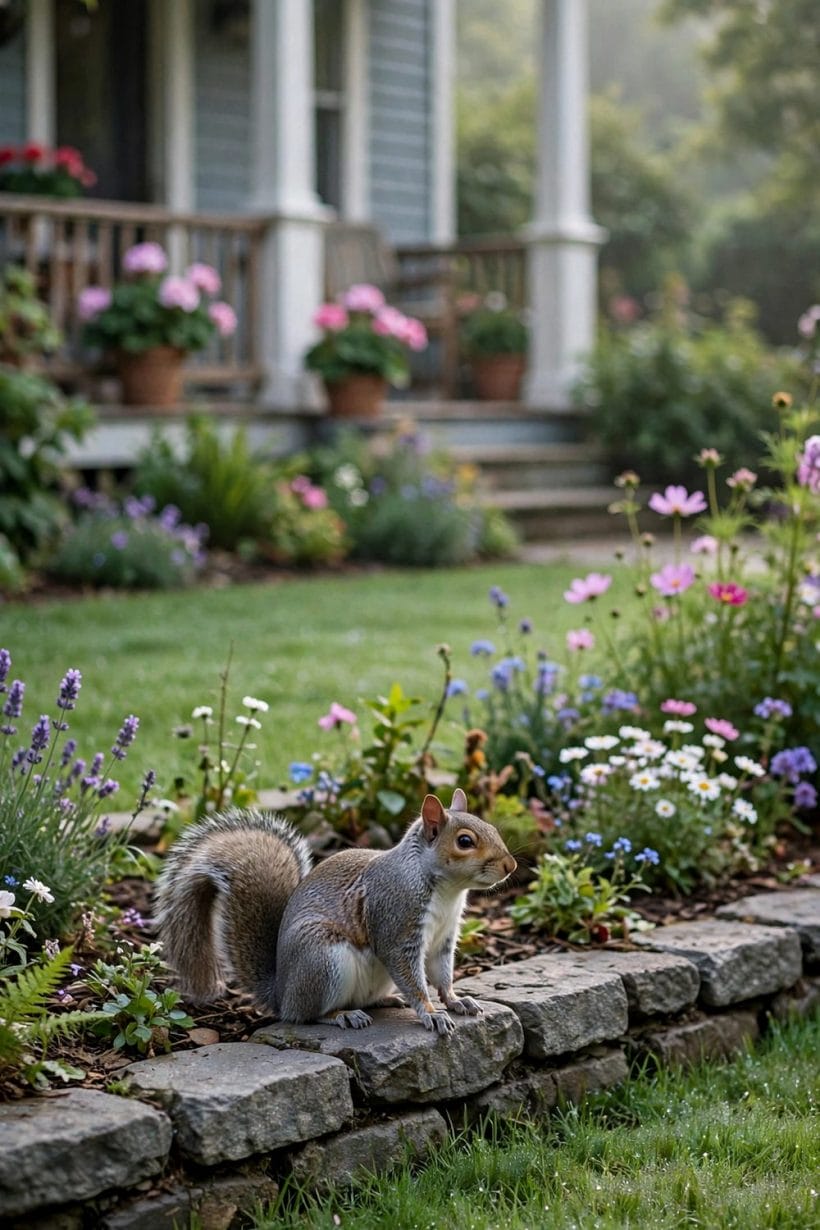
Squirrels dig for reasons that are ordinary rather than mischievous. They bury food to return to later, they search for food that may already be hidden in the soil, and they explore soft ground where digging is easy. A lawn that has been recently watered, newly seeded or freshly turned can feel especially inviting, because the surface gives way readily and the soil beneath may hold something worth finding. Understanding that pattern helps, because it shifts the question from how to scold an animal to how to make the lawn a little less rewarding to dig in.
Trees and shrubs near a lawn also shape the pattern. Where nuts, seeds and fruit fall regularly, squirrels learn that the ground below is worth checking, and they may return to the same spots out of habit. That habit can look like deliberate damage, but it is usually a routine built around a reliable food source. Removing or reducing that food source, or making it harder to reach, may weaken the routine over time, though the change is often gradual rather than immediate, and some visits may continue while the habit fades.
Seasonal rhythms matter too. In some parts of the year squirrels are more active in burying and searching, while in others they spend more time feeding above ground. A patch that is dug repeatedly in one season may be left alone in another, and a fix that seems to help in spring may need a different emphasis in autumn. Watching the lawn across the seasons, rather than judging a single week, gives a fairer picture of what is happening and which habits are worth keeping.
2. Reading the Signs in Your Lawn
Before changing anything, it helps to look closely at where digging actually happens. Small, shallow holes scattered across open grass often point to searching, while digging concentrated near beds, borders or the base of trees may point to food that has fallen or been buried there. Noting the pattern, even briefly, can save effort, because a cover that protects a bed will do little for holes in open lawn, and tidying fallen food will do little for a newly seeded patch that simply invites exploration.
Timing can be a useful clue as well. Fresh digging after rain or watering may reflect soft soil, while digging that follows a fall of nuts or fruit may reflect a food source overhead. Digging that appears near a new planting may reflect curiosity about disturbed ground. None of these clues proves a single cause, and gardens often hold several at once, but together they can suggest where to start, so the first changes are aimed at the likeliest spots rather than spread thinly across the whole garden.
It also helps to separate digging from other lawn problems. Bare patches, thinning grass and uneven growth can come from shade, wear, dry spells or soil that needs attention, and those issues may sit beside squirrel digging without being caused by it. Treating the lawn kindly in general, with regular care and patience, may help the grass recover between visits, which can make occasional digging less noticeable even when it does not disappear entirely.
3. Covering New Plantings and Bulbs
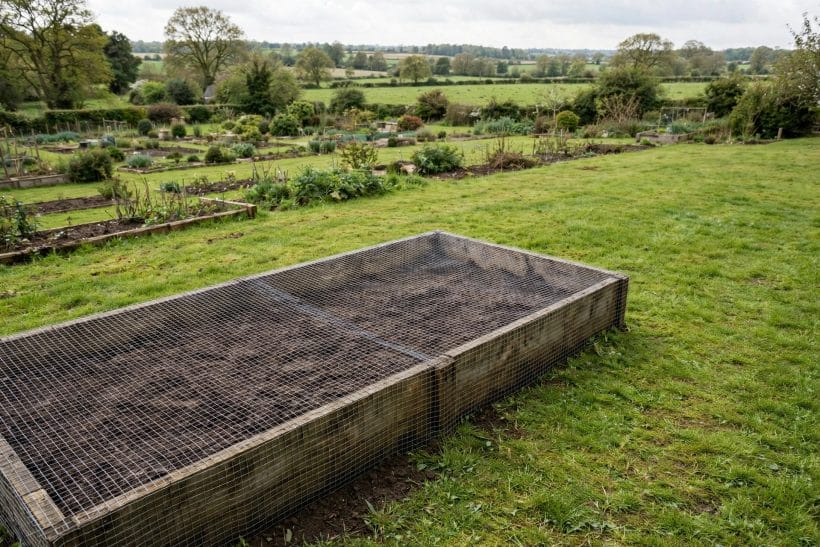
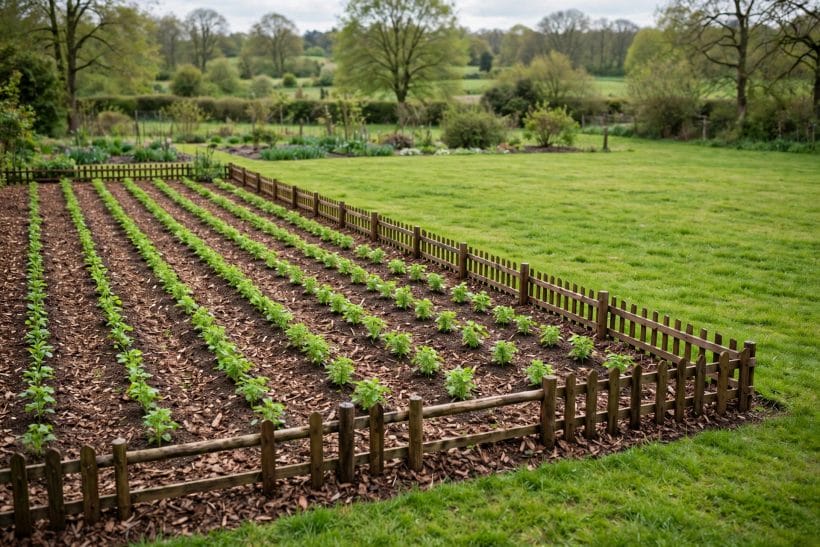
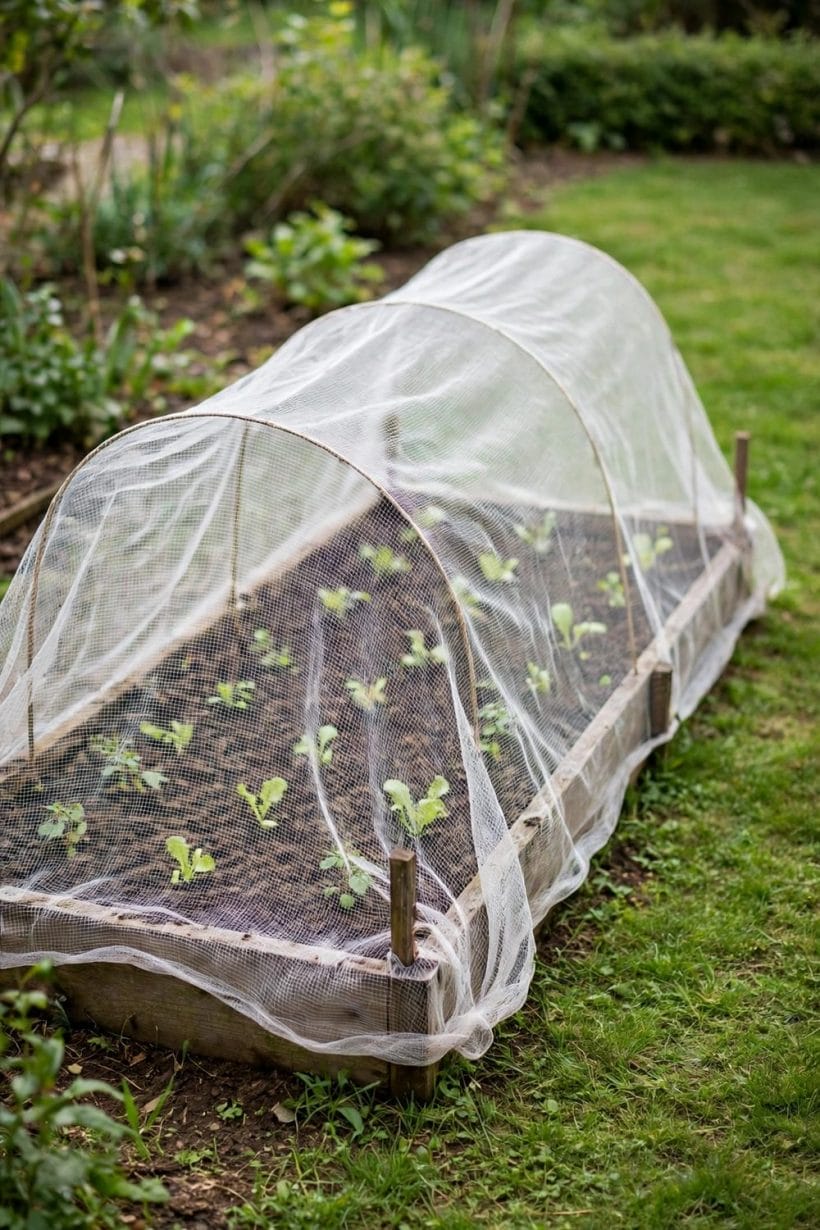
Newly planted ground is often the most tempting ground in a garden, because the soil is loose and the surface shows where work has just been done. A simple cover over a new bed or a row of bulbs may reduce digging there, and the cover can be as plain as fine mesh or netting laid flat and held at the edges so it stays in place. The cover should sit close to the soil without smothering young growth, and it can be lifted for watering and checking, then laid back again while the planting is still young and vulnerable.
For bulbs and seeds planted in open beds, a layer of mesh buried just under the surface is sometimes used by gardeners, with the planting going in above it and roots finding their way through over time. This kind of cover needs care in placing, because a mesh that sits too high can catch tools and a mesh that sits too deep may miss the point, and it should never be used where it could endanger wildlife. Checking the cover regularly, keeping its edges tidy and removing it when it is no longer needed are all part of using it kindly.
Covers work best when they are treated as a temporary help rather than a permanent feature. Once plants are established and the soil has settled, the surface may attract less attention on its own, and the cover can often come away. Leaving a cover in place long after it is needed can look untidy and may interfere with growth, so a habit of checking covers as the season moves on keeps the garden both protected and pleasant to look at.
4. Bird Feeders Without an Open Invitation
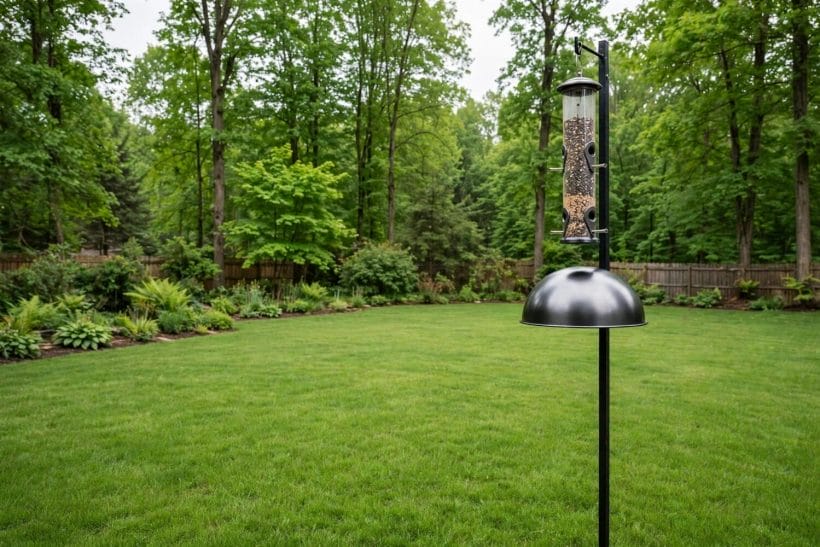
Bird feeders can bring squirrels into a garden even when the lawn itself holds little food, because seed that spills or sits within easy reach is a reliable meal. A feeder hung on a smooth pole with a baffle guard may make climbing harder, and placing the feeder away from fences, branches and roofs that offer a launch point may reduce visits as well. These are gentle barriers rather than promises, and a determined animal may still find a way, but a feeder that is harder to raid may draw less regular attention over time.
Spilled seed deserves as much attention as the feeder itself. Seed that gathers on the ground below a feeder can become a daily habit for ground-feeding visitors, so sweeping or raking the area beneath the feeder fairly often may help. Choosing a feeder that spills less, and filling it in modest amounts rather than letting seed pile up, can also keep the ground tidier. The birds still get fed, but the lawn below stops acting as a second, open feeder.
Where a feeder stands in the garden also matters. A feeder near a lawn that is already being dug may concentrate activity in exactly the wrong place, while a feeder placed over a mulched bed or a paved area may keep spilled seed and digging away from the grass. Moving a feeder is a small change, and it may take a while for birds to find the new spot, but the trade can be worth it when the lawn is the part of the garden that needs relief.
5. Tidying Fallen Food and Shelter Spots
Fallen nuts, fruit and seed are among the strongest draws for digging, because they teach squirrels that the ground in a particular spot is worth checking again. Gathering fallen food regularly, especially under nut and fruit trees, may reduce that lesson over time, though it rarely removes it in a single clearing. A garden that is tidied little and often tends to calm digging more than a garden that is cleared thoroughly once and then left, because the habit of returning is broken by routine rather than by a single effort.
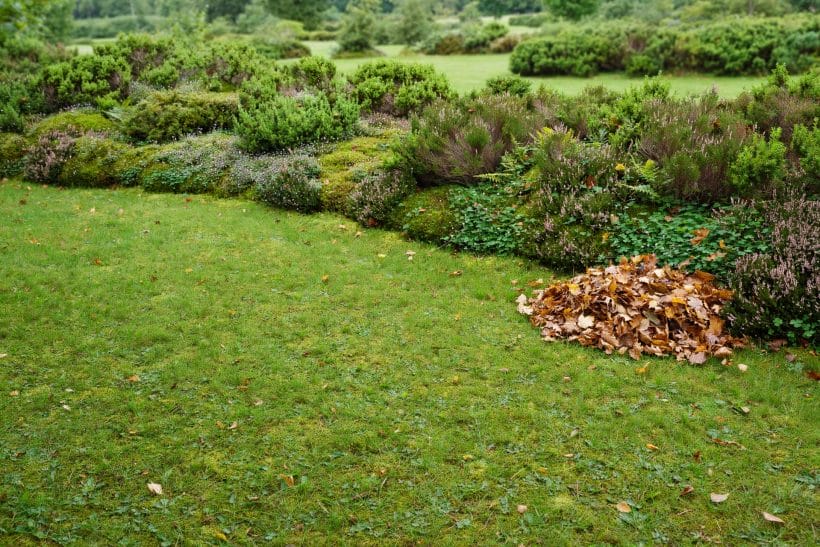
Shelter spots matter in a quieter way. Piles of leaves, stacked timber and dense clutter near a lawn can offer cover where squirrels feel safe to pause and dig, and tidying those spots may make the open lawn feel less comfortable for lingering. This does not mean stripping a garden bare, because wildlife needs shelter too, and a garden with no cover at all is poorer for it. The aim is balance: keep the garden tidy near the lawn, while leaving wilder corners further away where animals can shelter without disturbing the grass.
Compost and stored food also deserve a thought. An open heap that spills or smells of food may draw visitors, while a tidy, well-kept heap that is turned regularly may attract less attention. Keeping bins and stores closed and tidy is a small habit, but it fits the same pattern as the rest of this guide: leave less food lying around, and the lawn may gradually become a less interesting place to dig.
6. Edging, Mulch and Bed Boundaries
A clear boundary between lawn and bed can help in a modest way, because it marks where digging is more likely to be tolerated and where the grass should be left alone. Low edging in timber, stone or metal gives beds a finished edge, and it can make it slightly harder for loose soil to spill onto the grass, where it might invite investigation. Edging alone will not stop a determined animal, but as part of a tidy garden it can support the other habits in this guide and make the whole space easier to keep.
Mulch on beds can cut both ways, so it helps to use it thoughtfully. A neat layer of mulch keeps soil moist and suppresses weeds, and it can make a bed look cared for, but very loose, deep mulch may itself invite digging, because it is easy to move. A thinner, settled layer, kept away from the lawn edge and topped up gently rather than piled high, may be a better balance. Watching how a particular mulch behaves in your own garden is more useful than any general rule, because materials and animals vary.
For ideas on shaping the ground around a small home, these backyard landscaping ideas show how lawns, beds and paths can sit together, and these tiny house exterior ideas show how the outside of a compact home can frame the garden. In both cases the lesson is the same: a garden that reads as one planned space, with clear edges and tidy beds, tends to be easier to look after than a garden where lawn and beds blur into each other.
7. Water, Movement and Gentle Disturbance
Gentle disturbance is sometimes used to make a lawn feel less settled for digging, and the kindest forms are simply part of normal garden life. Regular mowing, watering and walking across the lawn all change the surface and may discourage an animal from treating one spot as its own, though none of these should be done harshly or with the aim of frightening wildlife. A lawn that is used and cared for often feels less like an undisturbed digging ground than a lawn that is left untouched for long stretches.
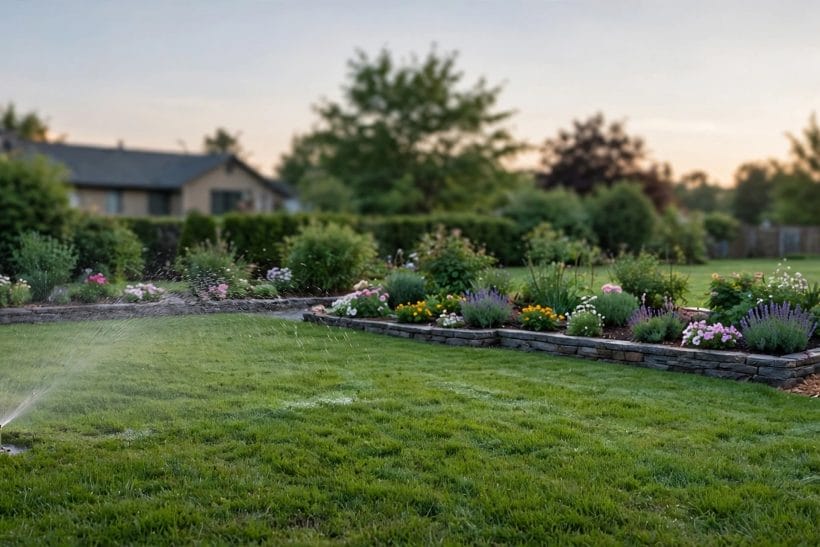
Motion-activated sprinklers are sometimes mentioned by gardeners as a gentle disturbance, because a brief spray of water may startle a visitor without harming it. Such devices need thought before use, because they can also startle birds, pets and people, and they need placing so they do not soak paths, beds or neighbours. If one is tried, it should be watched for a while, moved or removed if it causes trouble, and never relied on as a sole answer, because animals may learn its pattern over time.
Human presence itself can be a gentle disturbance. Spending time in the garden, working in beds, sitting outside and moving around the lawn all make the space feel occupied, and squirrels may choose quieter moments for digging. That is not a reason to patrol the garden, and it should never become chasing or harassing animals, but a garden that is lived in and enjoyed often calms digging a little on its own, as a side effect of being loved rather than as a deliberate campaign.
8. Repairing Dug Patches and Reseeding Gently
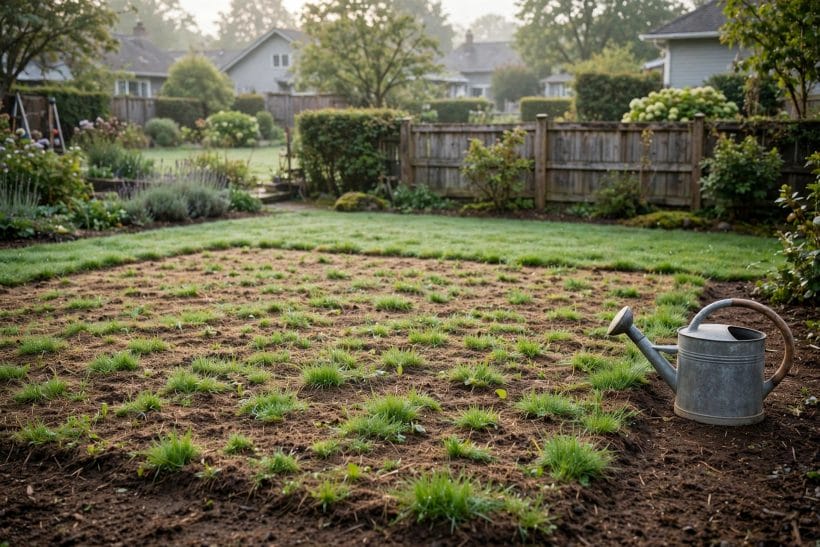
Even with good habits, some digging may continue, so repairing patches kindly is part of the routine. A dug patch can be levelled gently, pressed back into place and watered, and the grass around it may fill in on its own given time. For larger bare spots, a light reseeding over loosened soil, kept moist while it establishes, may help the lawn recover, and a temporary cover over the reseeded patch may protect it while it is young, following the same covering habit described earlier in this guide.
Patience matters more than speed in repair. Grass that is coaxed back slowly, with regular watering and gentle care, often establishes more evenly than grass that is forced with heavy treatment, and a patch that is repaired calmly may attract less fresh attention than a patch that is freshly turned again and again. If a patch is dug repeatedly, it may help to change the approach for that spot, perhaps by covering it for a longer stretch or by accepting a different planting there, rather than repeating the same repair in the same way.
For storing the tools and materials that repair work needs, these tiny house storage ideas show how small spaces can hold garden gear tidily, and a tidy store may make the repair habit itself easier to keep. When tools are easy to find and put away, levelling a patch or reseeding a bare spot becomes a small job rather than a project, and small jobs are the ones that actually get done.
9. Living With Squirrels in a Shared Garden
A garden is rarely for people alone, and squirrels are part of the wildlife that makes a garden feel alive. Watching them, learning their routes and accepting a little digging in wilder corners may make the whole question easier, because the goal shifts from removing animals to steering their attention away from the lawn. A corner of the garden left a little wild, with shrubs and ground cover where digging does less harm, can give squirrels a place to be without putting them in conflict with the grass.
That sharing works best when it is deliberate rather than resigned. Deciding which parts of the garden matter most, and which parts can be left to wildlife, lets effort go where it counts, and it keeps the gardener from feeling that every hole is a failure. The lawn near the house may be protected with covers and tidiness, while a far border may be allowed its own rhythms, and both can belong to the same garden without contradiction.
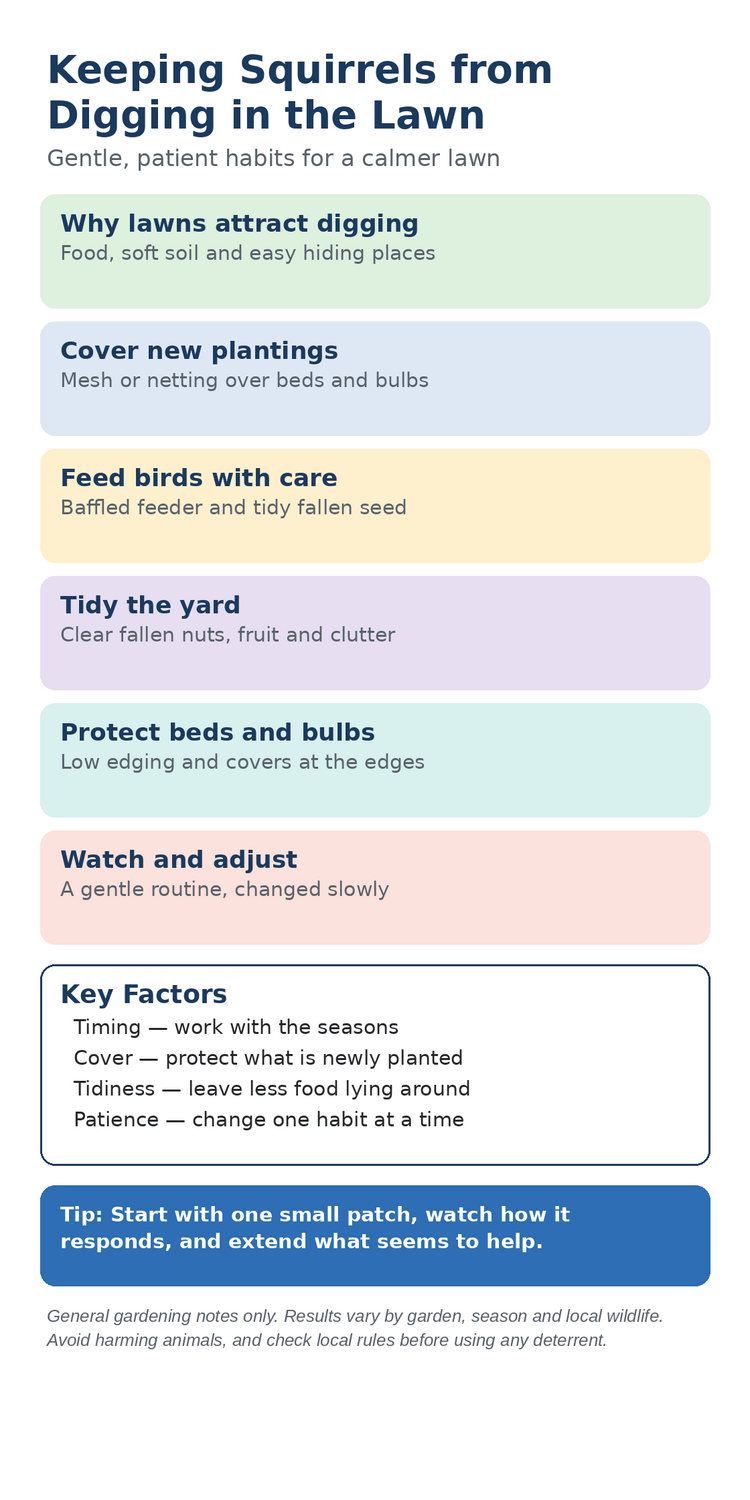
Learning how to keep squirrels from digging in yard lawns is therefore less about a single trick and more about a way of gardening: tidy food sources, protect young plantings, shape clear edges, repair patches gently and accept that wildlife will visit. Over time, that way of gardening may reduce digging, and even when it does not remove it entirely, it leaves a garden that is calmer, tidier and more pleasant for everyone who uses it, human and animal alike.
10. A Seasonal Routine That Stays Kind
A small routine, repeated through the year, may do more than any single change. In the planting season, covers over new beds and bulbs matter most, while in the fruiting season, gathering fallen food matters most, and in quieter seasons, repair and tidiness matter most. Shifting the emphasis with the seasons keeps the work light, because each task arrives when it is most useful, and no single habit has to carry the whole year on its own.
Keeping notes, even brief ones, can help the routine improve. A note about where digging appeared, what was tried and what seemed to help may reveal patterns that memory alone misses, and it can stop the same unhelpful change being repeated year after year. Notes also make the garden feel like a project shared with the seasons rather than a battle against them, which is a kinder frame for a problem that may never fully disappear.
For the wider shape of a small home and its garden, these tiny house designs show how compact homes sit in their plots, these contemporary home design ideas show a broader view of home and garden together, and a tiny house porch can extend the garden into a sitting space that makes time outside more enjoyable. For the inside of a small home, these interior design ideas for tiny houses complete the picture, because a home that is planned as a whole tends to be cared for as a whole, lawn included.
Final Considerations
Preventing squirrels from digging up a lawn is, in the end, a matter of gentle, repeated habits rather than a single answer. Cover what is newly planted, tidy fallen food, shape clear edges, keep feeders from spilling, repair patches calmly and give wildlife a wilder corner of its own. Each habit may help a little, and together they may reduce digging noticeably, though no honest guide can promise an end to digging entirely, and gardens that expect perfection from wildlife are likely to be disappointed.
Start small, watch patiently and adjust slowly. Try a cover on one bed, tidy one food source, move one feeder, and see what changes before doing more. A garden that is cared for in this steady, kindly way tends to reward the effort, not only with a calmer lawn but with a space that feels good to spend time in, where squirrels may still visit, but where their digging no longer defines the garden.



0 Comments