
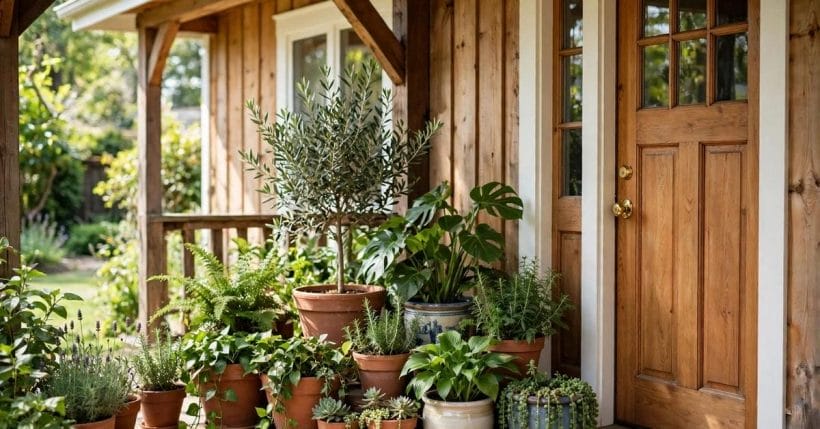
Ordering plants online can be a pleasant way to fill a porch, a windowsill or a garden bed, especially when the plants you want are not easy to find nearby. The trade-off is simple: you choose from photographs and descriptions rather than walking past the plant itself, so a few checks before you order carry more weight than they would in a shop. This guide gathers those checks in one place, as a general what-to-look-for list for anyone buying plants sight unseen, with no single seller held up as a model and no promise made about any individual plant.
The checks below follow the plant’s journey in order, from the listing to the first weeks in its new home. Start with what is actually stated about size and light, then look at delivery and packing in general terms, then plan a calm arrival day, and finally give the plant time to settle before judging it. None of these steps requires special equipment or knowledge, and each one is worth more than a second order placed to replace a first one that arrived at the wrong size for the wrong spot.
1. Start With the Size Stated
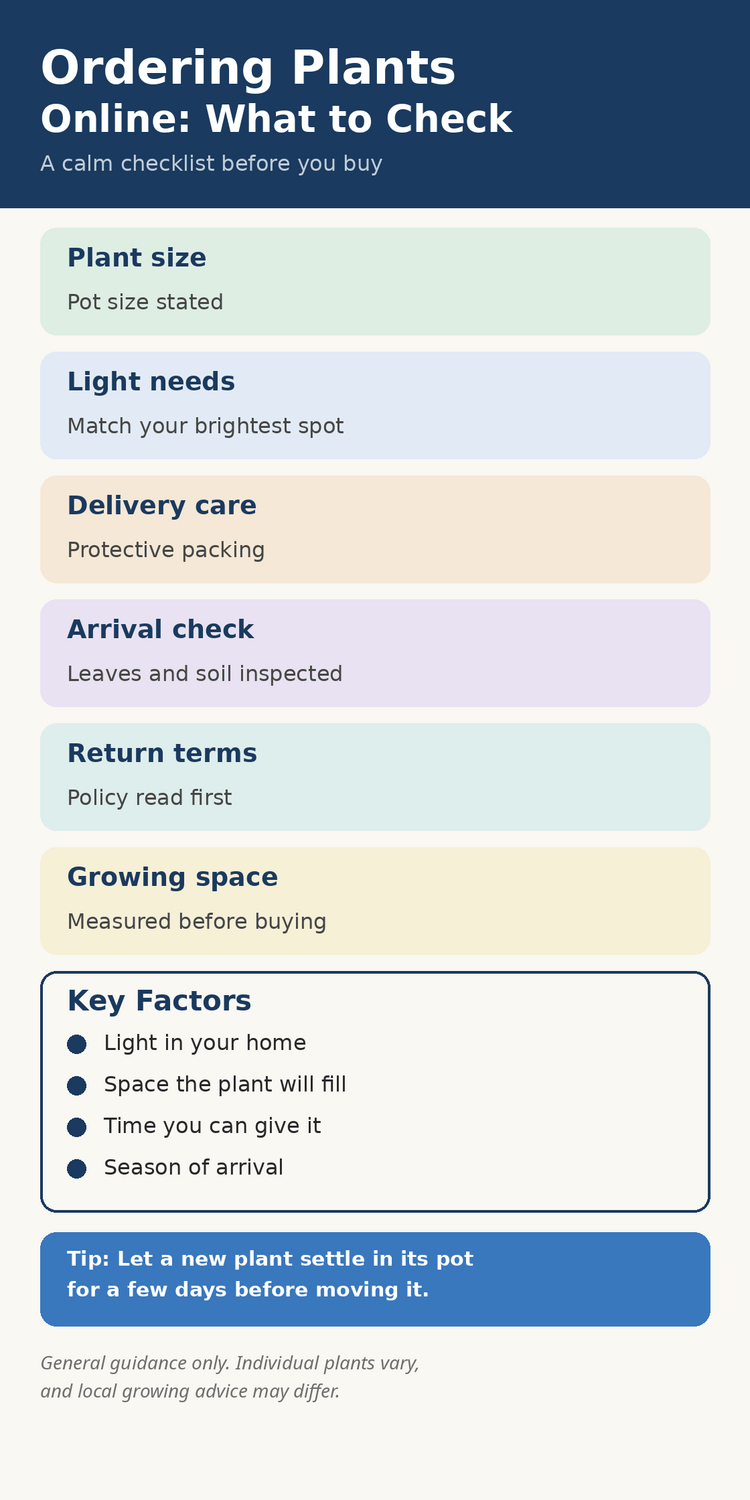
Size is the most common surprise in an online plant order, because a photograph rarely shows scale honestly. A young plant in a close-up photograph can look far larger than it is, and a mature plant photographed from a distance can look smaller. The listing’s stated pot size is therefore the most useful number on the page, and it deserves more attention than the photograph. Compare that pot size with a pot you already own, and picture the plant in the space you have in mind, not in the photograph’s background.
It also helps to read the size description as a range rather than a fixed promise. Plants are living things, and two plants of the same kind can differ in height and spread even when grown side by side. A listing that gives an approximate height at dispatch tells you the plant’s starting point, not its finished size, and the finished size depends on the plant’s kind, its container and the conditions it grows in. Planning for a plant that may grow larger than its arrival size keeps a windowsill or a bed from becoming crowded later.
Before ordering, measure the space where the plant will live. A windowsill has a depth as well as a length, a porch step has a width, and a garden bed has neighbours that will also grow. A tape measure takes a minute and prevents the most avoidable disappointment in online ordering: a healthy plant that simply does not fit where it was meant to go. If the stated size is unclear, that uncertainty is itself useful information, and it is better to pause than to guess.
2. Match the Plant to Your Light
Light is the second check, and it matters more than almost any other condition once the plant is home. A plant that suits a bright windowsill may struggle in a shaded corner, and a plant that prefers shade may scorch in strong afternoon sun. Before ordering, spend a day noticing the light in the spot you have in mind: when the sun reaches it, how long it stays, and whether it is direct sun or light reflected off a pale wall. That one day of observation tells you more than any general label.
Listing descriptions usually describe light needs in broad words, and those words are worth reading carefully rather than skimming. Terms for bright, indirect and low light are not interchangeable, and a plant described as suited to bright light will not necessarily thrive in a dim hallway. Where the description is vague, treat the vagueness as a reason to look up the plant kind in general terms and compare several descriptions, rather than relying on a single line. Agreement across several general descriptions is a steadier guide than one confident phrase.
Remember too that light changes with the seasons. A windowsill that is bright in summer may be dim in winter, and a garden bed that is sunny in spring may be shaded once nearby trees leaf out. Choosing a plant for the light the spot gets through most of the year, rather than the light it gets on the day you order, gives the plant a fairer start. If no spot in your home matches the light a plant prefers, that is a good reason to choose a different plant, not to hope the plant will adapt.
3. Read the Listing Before You Order
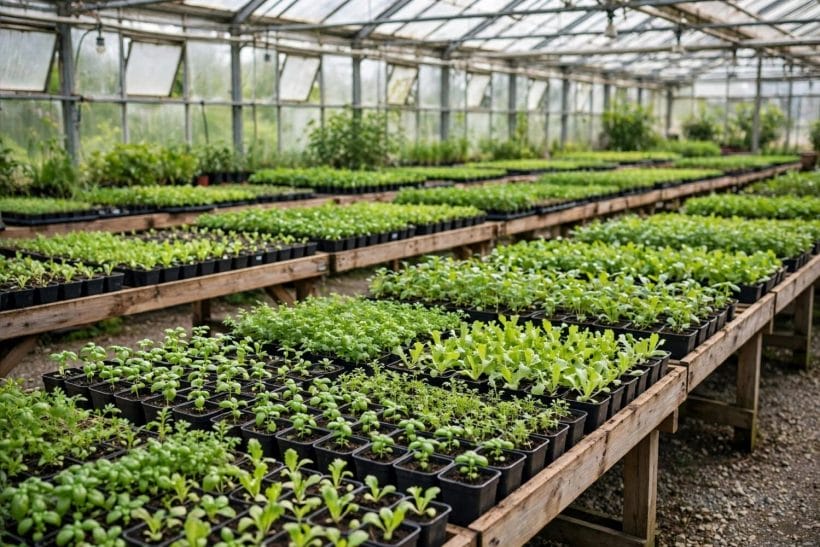
A careful read of the listing is the cheapest insurance an online plant order has. Beyond size and light, a listing may state the plant’s kind, whether it is supplied in a pot or bare-root, and what stage of growth it is at. Each of those details changes what you should expect on arrival and what you should have ready at home. A bare-root plant and a potted plant need different handling on the first day, and a young plant needs different patience than a mature one.
Photographs deserve a second look as well, with attention to what they do not show. A photograph of a plant in full leaf may have been taken in a different season from the one you are ordering in, and many plants look quite different when dormant or newly sprouted. If the listing shows only one view, do not assume the plant will look exactly like that photograph on arrival. A listing that shows the plant from more than one angle, and states its growth stage honestly, gives you a fairer picture than a single flattering photograph.
Finally, check the practical details that surround the plant itself: the delivery area, the expected timing in general terms, and the terms the seller states for plants that arrive damaged. You are not looking for a promise, only for clarity. A listing that states its terms plainly is easier to deal with than one that leaves them vague, and reading those terms before ordering means there is no scramble to understand them on arrival day.
4. Check Delivery and Packing in General Terms
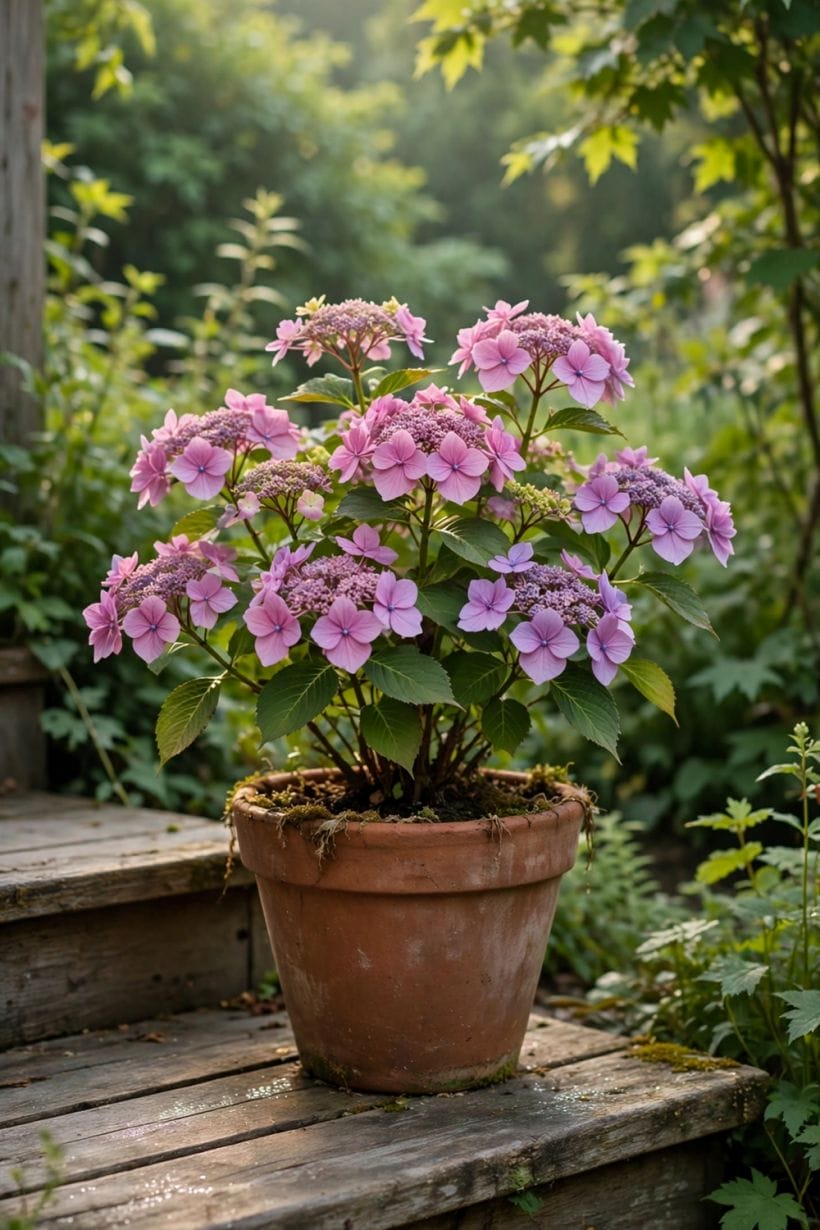
Delivery is where an online plant order is most unlike a shop purchase, because the plant spends time in a box rather than on a bench. Packing therefore matters, and it is reasonable to look for a general description of how plants are packed: whether pots are secured, whether foliage is protected, and whether the box is designed to stay upright. You do not need the technical details, only a sense that the packing has been thought about for plants rather than for ordinary parcels.
Timing matters alongside packing. A plant that spends a long time in transit may arrive looking tired even when it is healthy, and extreme weather during transit can add stress. Where a choice of delivery timing is offered, a milder spell is generally kinder than a very hot or very cold one, and ordering for arrival when you will be home is better than leaving a box waiting. If you cannot be home on arrival day, ask a neighbour to bring the box inside, since a plant left outdoors in a sealed box can suffer in sun or frost.
It is also worth considering how many plants to order at once. A first order of one or two plants lets you learn how the process works, how the plants travel, and how they settle in your home, before a larger order follows. A large first order multiplies both the pleasure and the risk, and a small first order is the calmer way to begin a new habit of buying plants by post.
5. Plan the Arrival Day
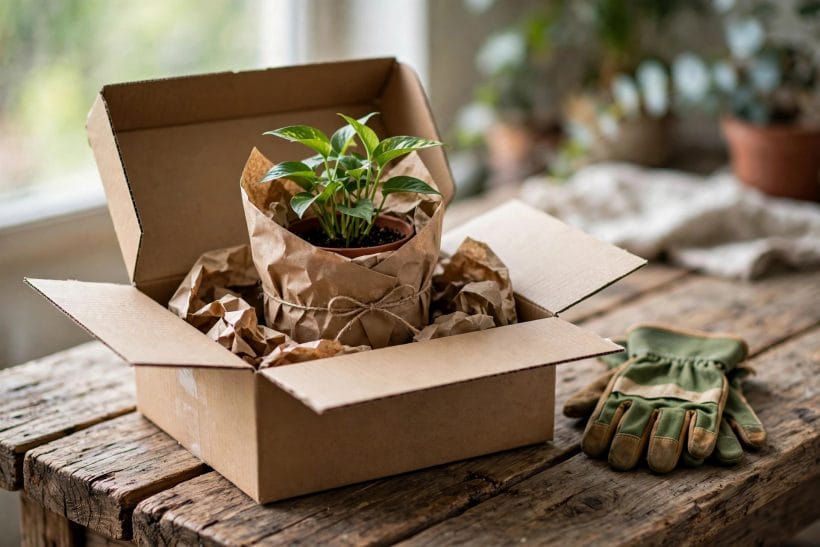
A little planning for arrival day makes the whole order feel easier. Have a spot ready before the box arrives: a clear surface indoors, a watering can nearby, and the pot or bed the plant will go into if it is to be moved at once. Unpacking in a rush, with nowhere to put the plant, is how stems get snapped and soil gets spilled, and both are avoidable with ten minutes of preparation.
Open the box gently and in good light, and unwrap the plant layer by layer rather than pulling it free. Packing material is there to protect the plant, and it can also hide a loose stem or a folded leaf, so a slow unwrap lets you see the plant as it actually arrived. Keep the packing until you have looked the plant over, in case anything about the order needs to be discussed with the seller, and keep the plant’s label with it so the kind and care notes are not lost.
Give the plant a drink only if the soil feels dry, and let it sit in its arrival spot for a while before any further handling. A plant that has travelled is often thirsty, but it is also adjusting to new light, new air and a new temperature, and a quiet first day is kinder than a busy one. Repotting, pruning and moving can all wait until the plant has had a chance to settle.
6. Inspect on Arrival: Leaves, Stems and Soil
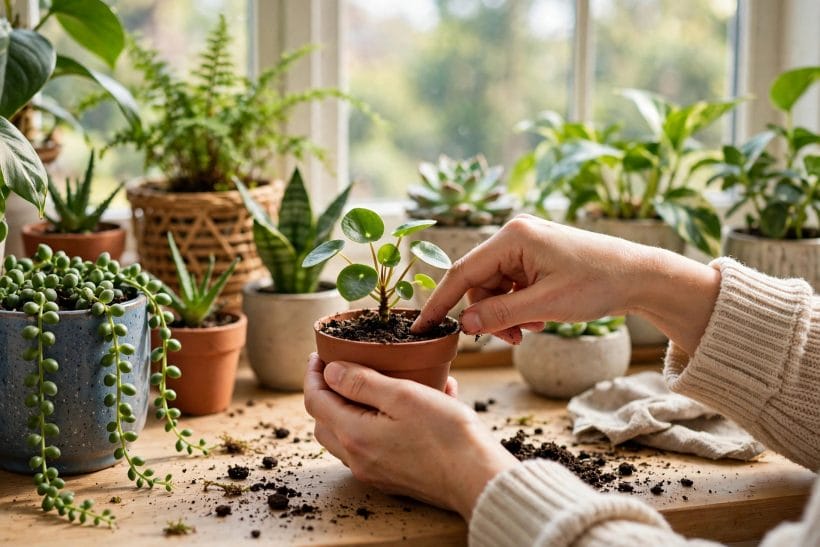
The arrival inspection is best done calmly, with the plant in good light and a clear idea of what to look for. Start with the leaves: are they mostly firm and intact, or are many broken, yellowed or dropped? A few damaged leaves after a journey are not unusual, and a plant can recover from them, but widespread damage is worth noting. Look at the stems next, checking that they are not snapped or bent sharply, and look at the soil to see whether it is damp, dry or badly disturbed.
It helps to compare what you see with what the listing stated, without expecting a perfect match. A plant may arrive smaller than its photograph, or with fewer leaves than pictured, and still be a healthy plant at its stated stage of growth. The question to ask is whether the plant matches its description in kind, size and general condition, not whether it matches a photograph leaf for leaf. If something clearly does not match, note it promptly and keep the photographs you take of the plant as it arrived.
Keep the inspection notes simple: the date, the plant kind, and a sentence about its condition. Those notes are useful if you need to discuss the order, and they are also useful for yourself, because they let you compare how the plant looks after a few weeks with how it looked on arrival. A plant that is settling in should gradually look steadier, with new growth appearing in time, while a plant that is struggling will usually show it in its leaves first.
7. Give the Plant Time to Settle
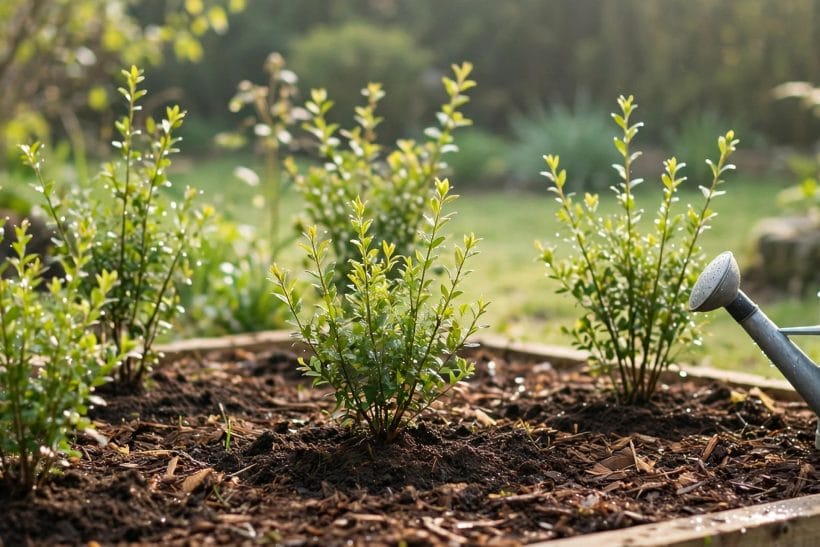
Settling in is the stage most often rushed, and the one where patience pays most. A plant that has travelled has changed its light, its temperature, its humidity and often its soil surroundings all at once, and it may take days or weeks to adjust. During that time it may drop a few leaves, or simply sit quietly without visible growth, and neither is necessarily a sign of trouble. Plants adjust on their own timetable, and a quiet plant is often a plant putting its energy into roots rather than leaves.
The kindest approach during settling is steadiness: the same spot, the same watering habit, and no sudden moves. Resist the urge to move the plant from room to room searching for a better position, since each move is another adjustment. If the plant’s chosen spot proves clearly unsuitable, a single move to a better spot is better than several small moves, and after that move, the plant deserves another quiet period to adjust.
Watch the plant rather than the calendar. New growth, firm leaves and soil that dries at a steady pace are all signs that settling is going well, while persistent wilting or rapid leaf loss suggests something in the spot or the watering needs a second look. If you are unsure, a general care guide for the plant kind, or advice from a local nursery, can help you judge whether what you see is normal adjustment or a problem worth acting on.
8. Pots, Drainage and the First Repot Question
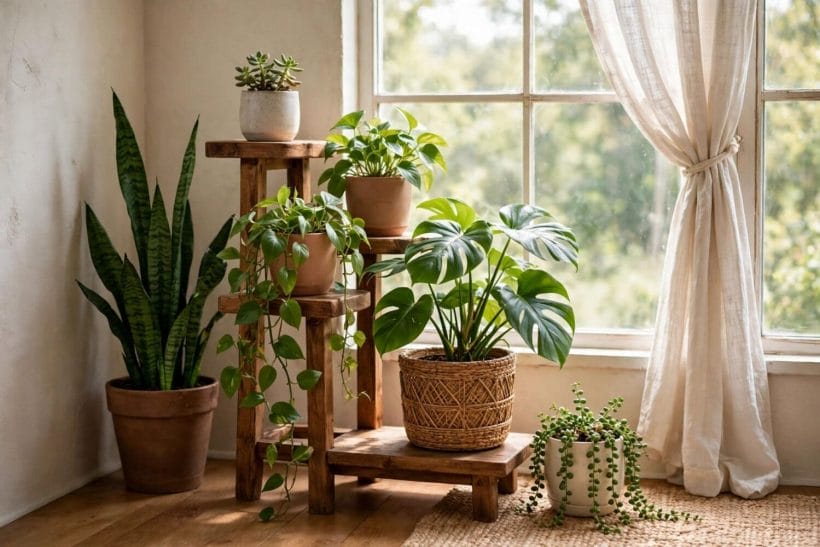
Most plants ordered online arrive in a pot, and the first question is whether to leave them in it. In general, leaving a new plant in its arrival pot for a while is the calmer choice, since repotting is another change on top of travel. The arrival pot may not be the prettiest pot you own, but it can sit inside a decorative outer pot until the plant has settled, which gives you the look you want without disturbing the roots.
Drainage deserves a check before any repotting decision. A pot without drainage can hold water around the roots, which most plants dislike, while a pot with drainage lets excess water escape. If the arrival pot has no drainage, a decorative outer pot with the inner pot lifted out for watering is a simple workaround. When repotting time does come, a pot only slightly larger than the old one is generally kinder than a much larger one, since a large pot can hold more water than a small root system can use.
The right time to repot is usually when the plant is growing steadily and the roots have filled the arrival pot, rather than on arrival day itself. Signs that a plant may be ready include roots appearing through drainage holes, or soil that dries out very quickly after watering. Even then, repotting is best done gently, keeping the root ball as intact as possible, and followed by a quiet period in the same light as before.
9. Watering Without a Fixed Schedule
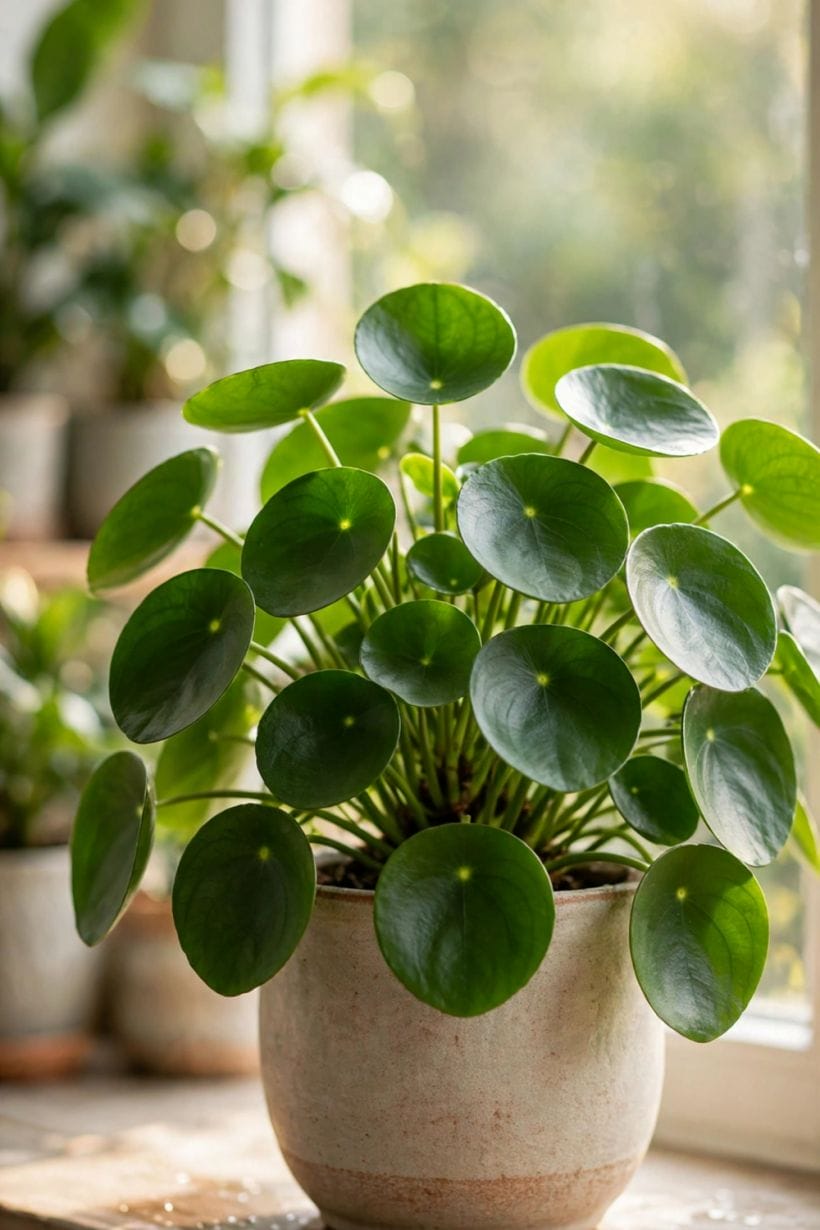
Watering is the area where a fixed schedule causes the most trouble, because a plant’s water needs change with light, temperature, pot size and season. A routine that suits a plant in a bright summer room may be too much for the same plant in a dim winter corner. The steadier habit is to check the soil before watering, and to water when the soil feels dry to the touch at the depth of a fingertip, rather than on a set day of the week.
How you water matters as much as when. Watering thoroughly, so that water reaches through the soil and drains away, is generally better than frequent small sips that wet only the surface. After watering, empty any saucer or outer pot so the plant is not left standing in water, and then leave the plant alone until the soil dries again. That wet-then-dry rhythm suits a wide range of common houseplants and garden plants, though individual kinds vary and a general guide for your plant kind is worth consulting.
Watch the plant’s response and adjust slowly. Leaves that droop and recover after watering may simply have been thirsty, while leaves that stay soft or yellow despite careful watering may point to a different issue, such as light or drainage. Changing one thing at a time, and giving the plant a week or two to respond, makes it far easier to learn what works than changing water, light and position all at once.
10. Keep Notes for the Next Order
Notes turn a first order into a better second one. A short note for each plant, covering its kind, its arrival size, the spot it went to, and how it settled, is worth more than any memory of the order itself. Over a season, those notes show which spots in your home suit which kinds of plants, and which kinds struggled no matter where they were placed. That knowledge is the real reward of buying plants this way, because it makes every later choice easier.
Notes also help you judge a seller’s listings more fairly over time. If a plant arrived at the stated size and in good condition, that is useful to remember; if a listing was vague about size or light, that is useful too. You are not building a verdict on any seller, only a record of your own experience, and that record helps you decide which kinds of listings to trust and which questions to ask before the next order.
Finally, notes help you share what you learned. A friend who is thinking of buying plants by post will benefit far more from your notes about light, size and settling than from a photograph of a plant on arrival day. Gardening knowledge grows by being passed on, and a few honest sentences about what worked, and what did not, are a better gift than any single plant.
Final Considerations
Ordering plants online works best when it is treated as a slow process rather than a quick purchase. Check the stated size, match the plant to your light, read the listing fully, and think about delivery and packing before you order. Then plan a calm arrival day, inspect the plant gently, give it time to settle, and water by checking the soil rather than by following a fixed schedule. Each step is small on its own, and together they give a new plant the fairest possible start.
It is also worth keeping expectations modest. Not every plant will thrive in every home, and a plant that struggles is not necessarily a sign that the order was a mistake. Light, season and the plant’s own nature all play a part, and a thoughtful second attempt, in a better spot or with a different kind, often succeeds where the first did not. Patience, observation and a few notes are the gardener’s best tools, whether the plant arrived by post or came home from a shop.
Related reading: tiny house patio ideas, rock landscaping ideas, container garden ideas, tiny backyard ideas, backyard landscaping ideas, and tiny house garden ideas.


0 Comments