

Yes, a gas fireplace can usually be removed, but the job splits sharply in two: the gas work belongs to a licensed professional, and only the cosmetic work belongs to you. This guide explains what removing a gas fireplace insert involves, which steps a licensed gas fitter must handle, and how to finish the wall safely and neatly once the appliance is gone.
1. At a Glance: What Removal Involves
Here is the honest summary before the detail. Removing a gas fireplace is entirely possible, and in many homes it is a routine job for the right trades. The non-negotiable point is that anything touching the gas supply, including disconnecting the appliance and capping the line, must be done by a licensed gas fitter. Your own role begins after that professional work is complete and verified.
| Question | Short answer |
|---|---|
| Can a gas fireplace be removed? | Usually yes, once the gas supply has been professionally disconnected and capped. |
| Who disconnects the gas line? | A licensed gas fitter, always. This is not a DIY task in any circumstance. |
| What can you safely do yourself? | Surround removal, finishing, patching and decorating, after the professional disconnection. |
| What happens to the flue or vent? | It must be assessed and sealed or removed appropriately as part of the professional plan. |
| Do rules and permits apply? | Often, yes. Requirements vary by area, so check with your local authority and your gas fitter. |
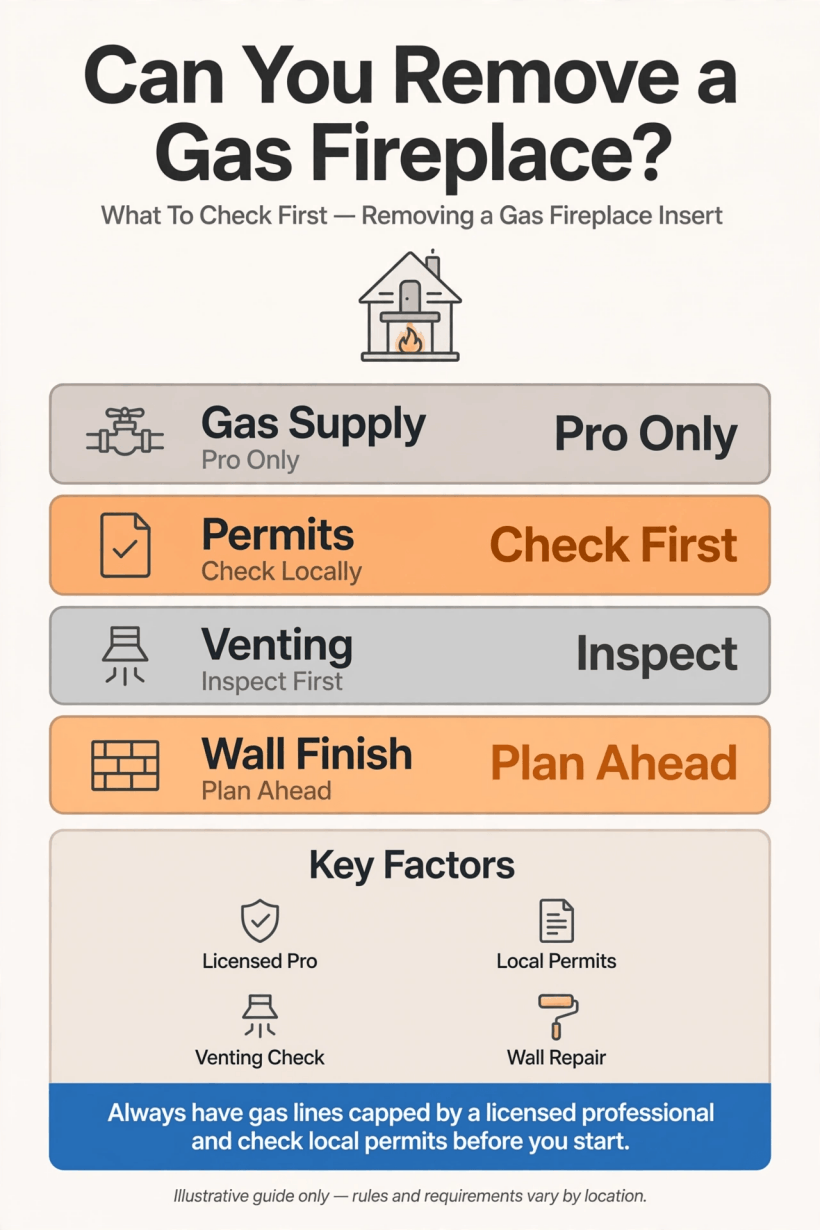
The safe sequence at a glance: professional disconnection first, then careful cosmetic finishing.
Costs vary widely with the type of fireplace, the state of the flue, access to the gas line and how you choose to finish the wall afterwards, so this guide describes what drives cost rather than quoting figures. The sections that follow walk through deciding factors, the professional appointment, and the finishing work in a safe order, so the project feels manageable instead of mysterious.
2. Decide Whether Removal Is Right for Your Home
Start with the reason. Some households remove a gas fireplace because it never gets used and the wall could serve better as shelving, a media wall or simply open floor space. Others are renovating a room layout, replacing an ageing appliance, or converting the opening into a decorative feature. Each reason points to a slightly different finish, so settle the end goal before anyone picks up a tool. A fireplace removed for a flush wall is a different project from one removed to make way for a bookcase or an electric alternative.
Also weigh the practical losses honestly. A working gas fireplace provides heat and a focal point, and removing it is far easier than reinstalling one later. If the appliance still functions, consider whether servicing or updating the surround would solve the real complaint. Homeowners browsing tiny houses for sale in Charlotte, NC tend to think hard about every fixture in a small footprint, and the same discipline helps here: remove the fireplace because the room will genuinely work better without it, not on a passing whim.
3. Know Your Fireplace Type Before Anything Else
Gas fireplaces come in a few broad families, and the removal story differs for each. An insert sits inside an existing chimney opening and draws through the original flue, often with a liner. A factory-built or zero-clearance unit is a self-contained firebox installed within a framed structure, vented through its own flue system. Freestanding stoves stand in the room and connect to a flue at the back or top. Knowing which you have shapes everything from access to how the opening can be finished.
The safest way to identify your type is paperwork and professional eyes: installation manuals, service records, or a gas fitter’s inspection visit. Photographs of the appliance, its data plate and the flue route help a fitter quote and plan without guesswork. Avoid opening panels or disturbing seals to investigate; that curiosity is exactly how safe appliances become unsafe ones. Treat identification as a looking-and-asking exercise only, and let the professional do any hands-on inspection when they attend.
4. The Gas Line: Strictly Professional Territory

This section carries the most important message in the guide, so it is worth stating plainly. Disconnecting a gas appliance and capping its supply line must be done by a licensed gas fitter. Gas leaks are invisible, dangerous and unforgiving of improvisation, and in many places unlicensed gas work is also unlawful and can void home insurance. There is no careful-DIY version of this step, no video that makes it acceptable, and no saving that justifies the risk to your household.
What the fitter does, in broad terms, is isolate the supply, disconnect the appliance safely, cap the line securely, and test that everything is sound before leaving. They can also advise whether the capped line should remain accessible for a possible future appliance or be removed further back, and they will document the work as your local rules require. When booking, ask what certification or paperwork you will receive. Readers planning other upgrades alongside tiny houses for sale in Nashville, TN will recognise the principle: for regulated trades, the paperwork is part of the product, and it protects you when you sell the home later.
5. Booking the Professional and Preparing the Room
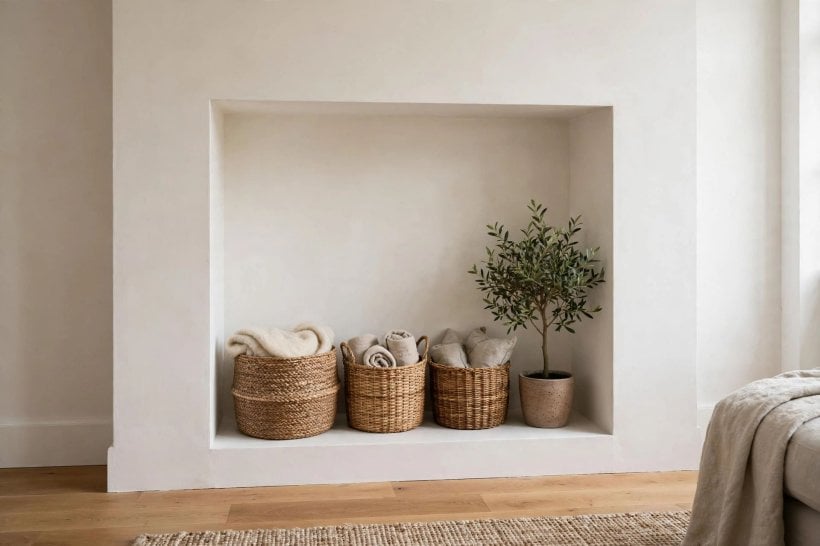
Good preparation makes the professional visit shorter and cleaner. Clear the hearth area completely, move furniture back, and protect floors along the route the old appliance will travel out of the house. If the fireplace has a power connection for a fan or ignition, the fitter will advise whether an electrician is also needed; combining visits in the right order avoids repeat call-outs. Ask in advance what will happen to the flue, the vent terminal outside, and any openings left behind, so there are no surprises mid-job.
Agree the scope in writing before work starts: disconnection, capping, appliance removal, and who is responsible for disposing of the old unit. Disposal rules vary, and a heavy insert is not a casual lift for one person. This is also the moment to confirm whether any permits or notifications apply in your area, because requirements genuinely differ between regions and housing types. People researching where to rent a tiny house learn a similar lesson about local rules: the answer is always local, so ask the professionals who work under those rules every day.
6. What Happens to the Flue, Vent and Opening
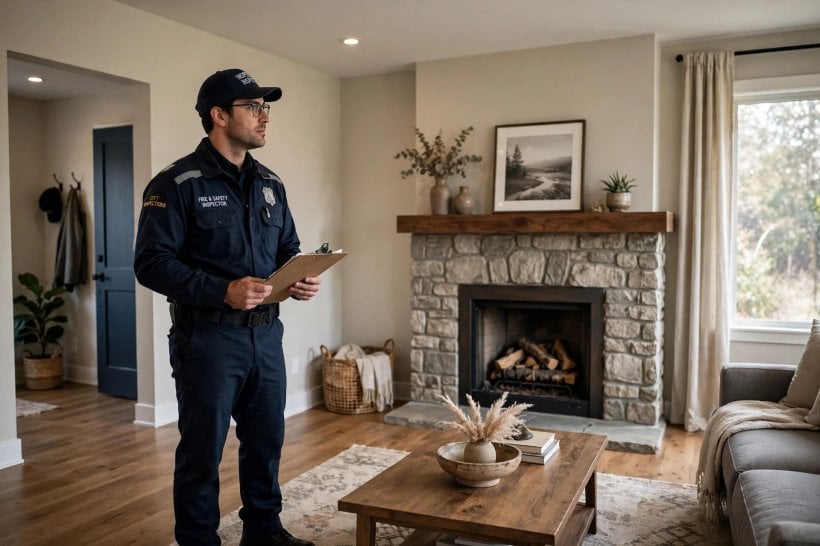
Once the appliance is out, three things need decisions: the flue or vent, the opening in the wall or chimney breast, and any gaps left in flooring or plaster. An unused flue left open can invite drafts, moisture and nesting visitors, while sealing it carelessly can trap damp. The right treatment depends on the construction, which is why your gas fitter or a builder should advise. Ventilation of a sealed chimney is a real consideration in many homes, and getting it wrong shows up later as damp patches.
For the opening itself, options range from boarding and plastering flush, to lining it as a decorative alcove for candles, books or a plant display. If the chimney breast remains, the alcove option preserves character and avoids major plaster work. Flooring gaps where the hearth sat usually need patching with matching material or a deliberate border detail. None of this finishing work involves the gas supply, so once the professionals have signed off their stage, these decisions become pleasant decorating questions rather than safety questions, and you can take your time over them.
7. Removing the Surround: Your First Safe DIY Stage

After professional disconnection, and only after it, the surround becomes a fair DIY project. Surrounds are typically timber, stone, tile or marble-effect panels fixed with screws, clips or adhesive, sometimes with sealant along the edges. Work slowly: score sealant lines with a utility knife, locate fixings before pulling, and support heavy pieces so they do not drop and damage the floor. A mantel shelf often lifts away once its hidden brackets or screws are found, which is satisfying and entirely safe territory.
Keep two cautions in mind. First, older homes can hide surprises behind surrounds, including fragile plaster, old wiring routes, or materials best left undisturbed, so stop and take advice if something looks unusual or degraded. Second, if removing the surround would expose the capped gas pipe or any part of the flue, leave that section alone and keep the cap zone untouched and accessible. The dividing line stays simple: decoration is yours, the gas installation is not. Work on one side at a time, photograph progress, and keep fixings in labelled bags if there is any chance of reassembly elsewhere.
8. Making Good: Plaster, Paint and Flooring
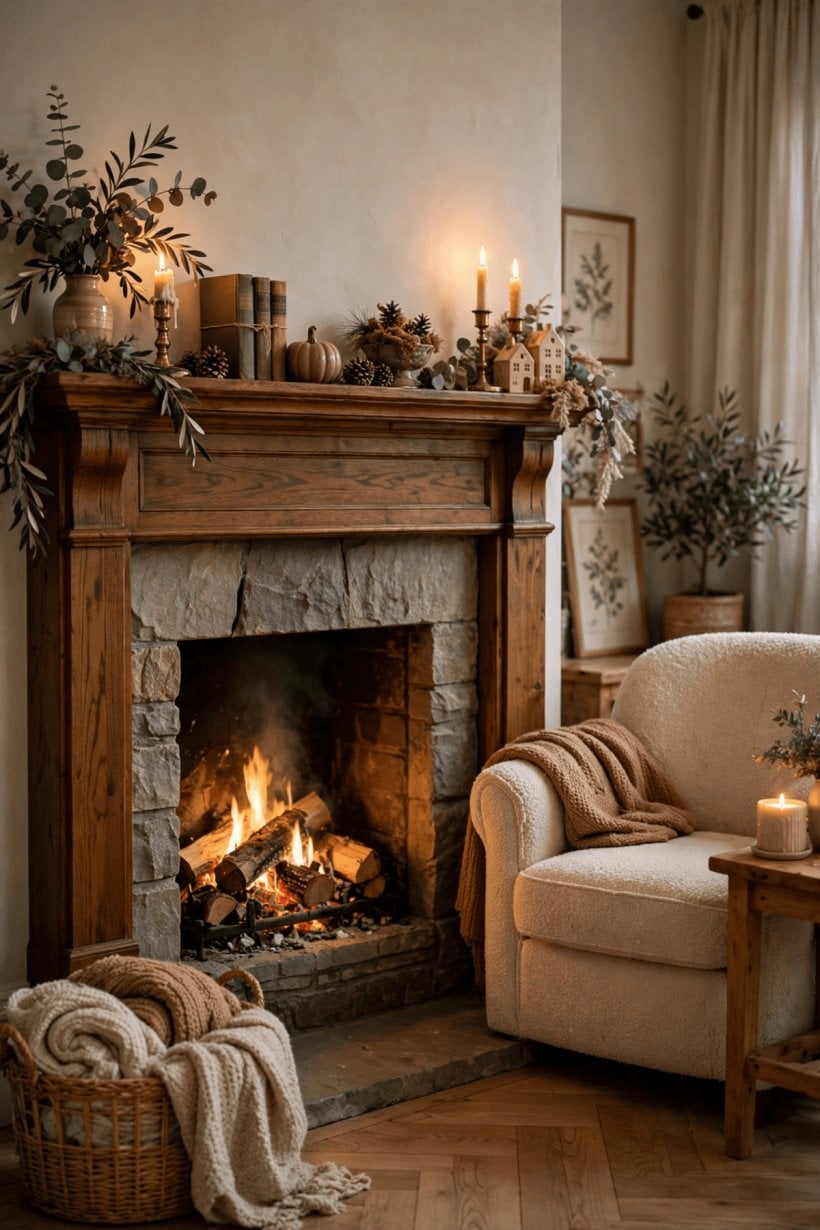
Making good is where the project visibly pays off. Small fixing holes and sealant scars fill and sand in an afternoon. Larger openings framed for boarding need a timber or metal frame fixed to sound structure, board cut to fit, joints taped and skimmed, and patience between coats. Feather the repair wider than feels necessary; shallow, wide blends disappear under paint far better than narrow ridges. If the wall is a chimney breast, allow for its slightly different temperature and moisture behaviour when choosing fillers and paints, and let everything dry fully before decorating.
Flooring deserves the same care. A hearth footprint can be patched with matching boards or tiles if spares exist, bridged with a threshold detail, or embraced as a zone for a rug or a low bookcase. Colour is your ally: painting the whole wall rather than the patch alone hides a multitude of sins. The same whole-surface logic appears in small home interior design ideas, where consistent finishes make modest rooms feel deliberately designed. Stand back at each stage and check the wall in daylight and lamplight before calling it finished.
9. Alternatives to Full Removal
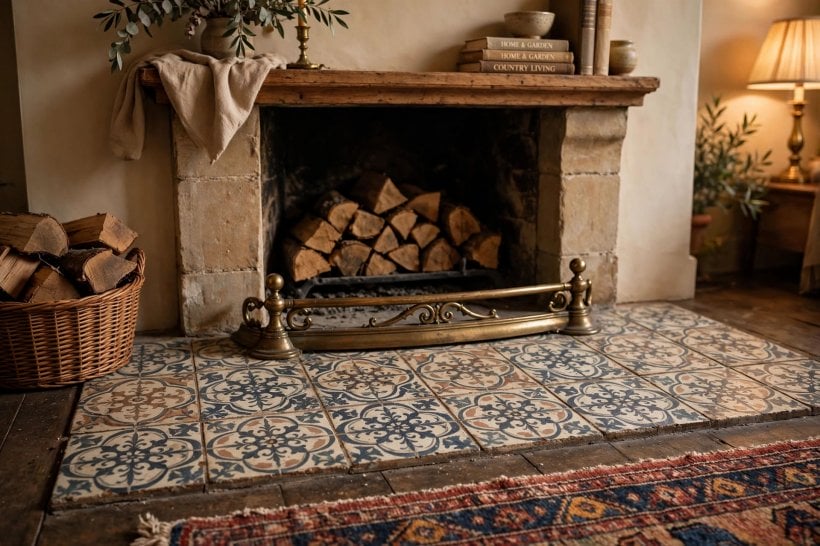
Full removal is not the only answer, and some alternatives solve the original problem with less upheaval. If the fireplace is sound but ugly, a new surround, a painted finish or a restyled mantel display may be enough. If the appliance is unused but removal feels drastic, a professional can advise on safe decommissioning options, which still involve the gas supply and therefore still belong to the licensed fitter. Decorative dressing, such as candles, logs or a screen in front of an unused firebox, satisfies many households once the safety questions have been properly settled.
Converting the opening for an electric fire is another popular middle path, giving flame effect without a gas connection, though electrical work has its own qualified-trade requirements. Whichever route appeals, the decision framework is the same as in section two: name the real problem first. Readers comparing tiny house listings in Dallas, Texas often find a smaller fix beats a bigger project, and fireplaces are no different. A refreshed surround costs less, disrupts less, and keeps future options open, while full removal remains available whenever you are certain.
10. Costs, Timeframes and Keeping Records
Because every fireplace, flue and wall differs, honest costs can only be described by their drivers. The professional stage depends on the fitter’s time, access to the line, and what the flue needs. The finishing stage depends on how flush you want the result and whether flooring must be matched. Disposal, permits where required, and making-good materials add their share. Multiple quotes from licensed fitters, each describing the same written scope, are the reliable way to learn what your specific job should cost in your area.
Timeframes are similarly local, but the sequence is predictable: assessment and booking, the professional visit, then finishing at your own pace. Keep every document: the fitter’s certificate or invoice, photographs of the capped line’s location before it is covered, and notes of who did what and when. A simple sketch marking where the capped pipe sits is gold for any future tradesperson. Households that keep such records, much like careful sellers among tiny houses for sale in Augusta, GA listings, find that good paperwork quietly protects the value of the home.
Final Considerations
Removing a gas fireplace is a reasonable, achievable project when the order of operations is respected. The licensed gas fitter disconnects and caps the supply and confirms the installation is safe; everything after that, from surround removal to plastering and decorating, is ordinary home improvement that confident homeowners can pace themselves through. Never blur that boundary, and never let enthusiasm move the cosmetic work ahead of the professional work.
Plan the finish before you start, keep the paperwork, and photograph each stage. Done in that order, the lost fireplace becomes gained wall, gained space and a room that finally matches how you live in it, achieved safely and without regrets.




0 Comments