

Brass has a warmth that few other household metals can match. In a small home it shows up in all sorts of quiet places: a pair of candlesticks on a shelf, the handles on a drawer, a lamp base, a small bowl, or the fixtures beside a sink. When it is clean, brass catches the light and adds a soft golden note to a room. When it is left alone for a while, it darkens, dulls, or takes on a patchy tone that can make a well-loved piece look tired.
This guide explains how to clean brass gently and sensibly, from telling solid brass from plated or coated pieces to knowing when the kindest choice is to leave a piece exactly as it is. The emphasis throughout is on a light touch, patience, and care, rather than on force or harsh treatment, so that the pieces you live with keep their character for years to come.
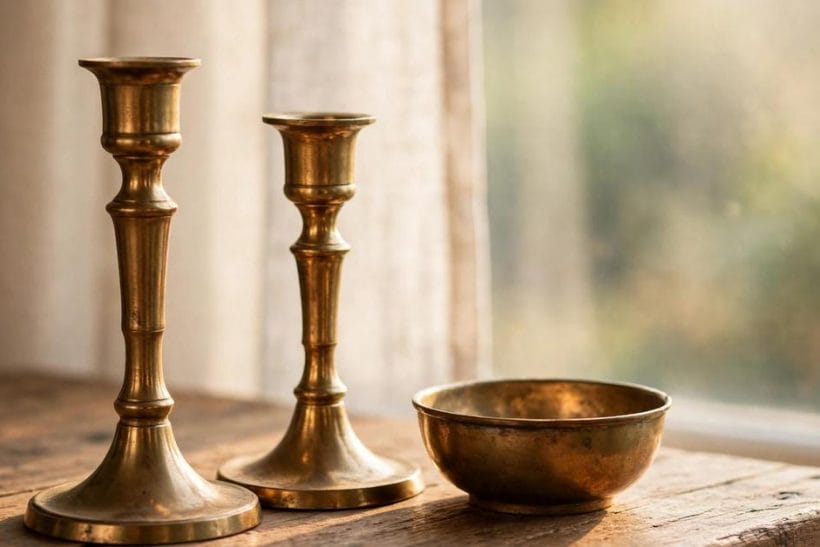
1. What Brass Is and Why It Changes Colour
Brass is an alloy, a metal made by blending other metals together, and its golden colour comes from that blend. Because it is used for so many different kinds of objects, from sturdy hardware to delicate ornaments, no two brass pieces behave in quite the same way. Some are solid brass right through, while others are a thin layer of brass over a different metal underneath, and some carry a clear protective coating that changes how they should be cleaned. Knowing which kind of piece you are holding is the first step toward cleaning it well, and it is worth a few quiet minutes before any cloth touches the surface.
Over time, brass reacts with the air around it. Moisture in the air, handling, and everyday dust can all dull the shine, and the surface may darken unevenly or develop a soft, muted tone that collectors call patina. Patina is not damage in itself. On some pieces it is part of their charm, a record of age and use that gives them depth. On a piece that is used every day, such as a door handle, a duller surface may simply be the result of constant touching and cleaning, while a piece kept in a closed cabinet may stay brighter for longer. Understanding that change is gradual and normal helps you judge what a piece needs, rather than expecting every item to look freshly made.
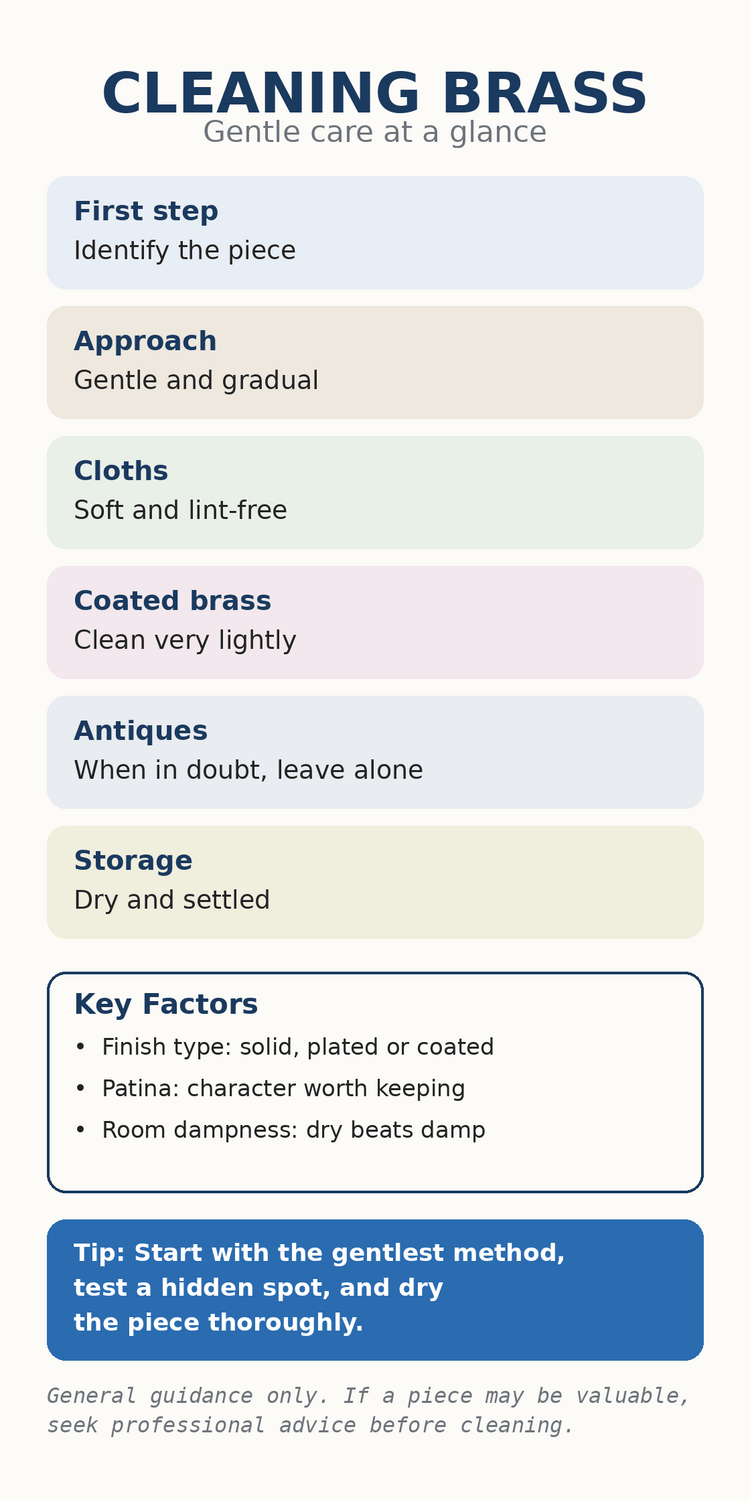
| At a Glance | Cleaning Brass Basics |
|---|---|
| First step | Identify the piece before cleaning it |
| General approach | Gentle, gradual and patient |
| Cloths | Soft, clean and lint-free |
| Coated pieces | Clean lightly and protect the coating |
| Antiques | When in doubt, leave the piece alone |
| Storage | Dry, settled and away from damp air |
The setting matters as much as the metal. A bathroom or a kitchen, where steam and splashes are common, tends to dull brass faster than a dry living room, and a piece near a window may change colour unevenly where sunlight falls on one side. None of this means a piece has been ruined. It usually means the piece is living in a real home, and its care routine should suit the room it lives in. For a broader sense of how different metals sit together in a home, mixing metal finishes looks at how warm and cool metals can share a space without clashing.
2. Telling Brass from Plated or Coated Pieces
Before cleaning, it helps to work out what kind of piece you have, because the same treatment does not suit every surface. Solid brass feels substantial for its size and, where the surface has worn over many years, the colour underneath the worn spot tends to match the colour around it. A plated piece, by contrast, is a thin brass-coloured layer over a different metal, and wear may reveal a different tone beneath, often at edges, handles, or places that are touched often. Looking closely at edges and undersides, where wear shows first, can tell you a great deal without any special equipment.
A coating adds another question. Many newer brass items carry a thin clear lacquer that seals the surface and keeps it bright. A lacquered piece often looks very even and glossy, and it may feel slightly smoother than bare metal. If a piece has stayed bright for years with little care, a coating is a likely reason. Cleaning a coated piece as if it were bare brass can wear that coating away, leaving a patchy result that is harder to live with than the dullness you started with. When you are unsure whether a coating is present, it is safer to assume that it might be and to clean very lightly.
A simple magnet can offer a gentle clue, since brass itself is not magnetic, while some base metals used beneath plating may respond to a magnet. This is only a clue, never a verdict, because fittings, screws, or mixed materials in a single piece can confuse the result. Age, maker, and history matter too, and a piece with an old label, an engraved mark, or a family story behind it deserves extra caution. Comparing the tone of your piece with other metals in the home can also help, and polished nickel versus chrome shows how easily warm and cool metal tones can be confused at a glance.
3. Starting Gently: Dust, Cloth and a First Clean
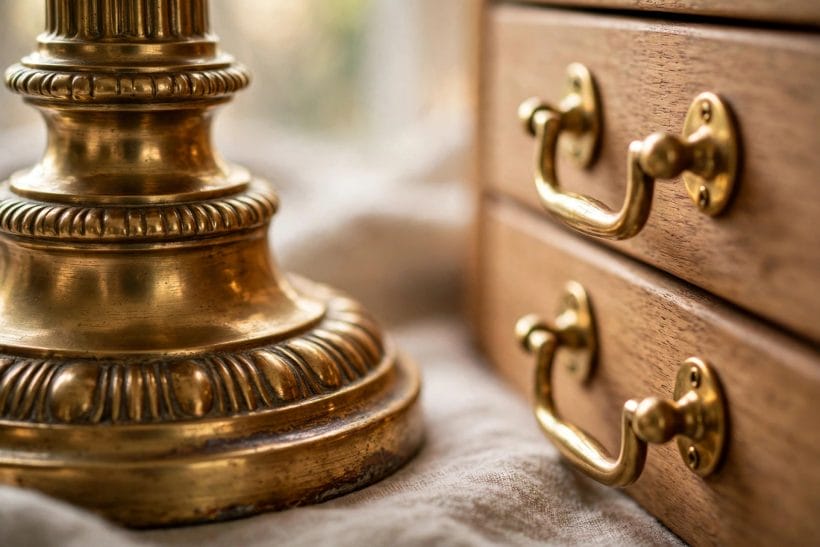
Most brass cleaning begins, and often ends, with dusting. A soft, clean, lint-free cloth, used dry, lifts everyday dust and fingerprints without touching the surface beneath. Work in one direction with light pressure, and pay attention to crevices and raised decoration, where dust gathers and where a cloth can catch. A soft brush with gentle bristles can help in carved or patterned areas, provided the bristles are truly soft and you use no force. This quiet first pass often reveals that a piece is in better condition than it seemed under a layer of dust.
If dusting alone is not enough, the next step is a barely damp cloth, wrung out until it holds almost no water, followed at once by a dry cloth. The aim is to lift surface grime without leaving moisture sitting on the metal, since standing dampness is one of the things that dulls brass over time. Clean a small, hidden area first and look at the result in good light before going further. If the hidden spot looks even and unchanged apart from being cleaner, you can continue over the rest of the piece in the same gentle way. If anything looks patchy or the coating seems to be lifting, stop and reconsider, because a small test area is far easier to live with than a whole surface treated the wrong way.
This is the heart of how to clean brass well: start with the mildest method, check your work often, and only move to something stronger when the gentler approach has clearly not been enough. The same patient habit serves other surfaces in a small home, and cleaning hardwood floors follows a similar principle of dust first, damp lightly, and dry promptly. Keeping a dedicated soft cloth for brass, separate from cloths used for rougher jobs, also helps, since grit trapped in a cloth can mark a soft metal surface even when your hand feels gentle.
4. Cleaning Uncoated Brass with a Light Touch
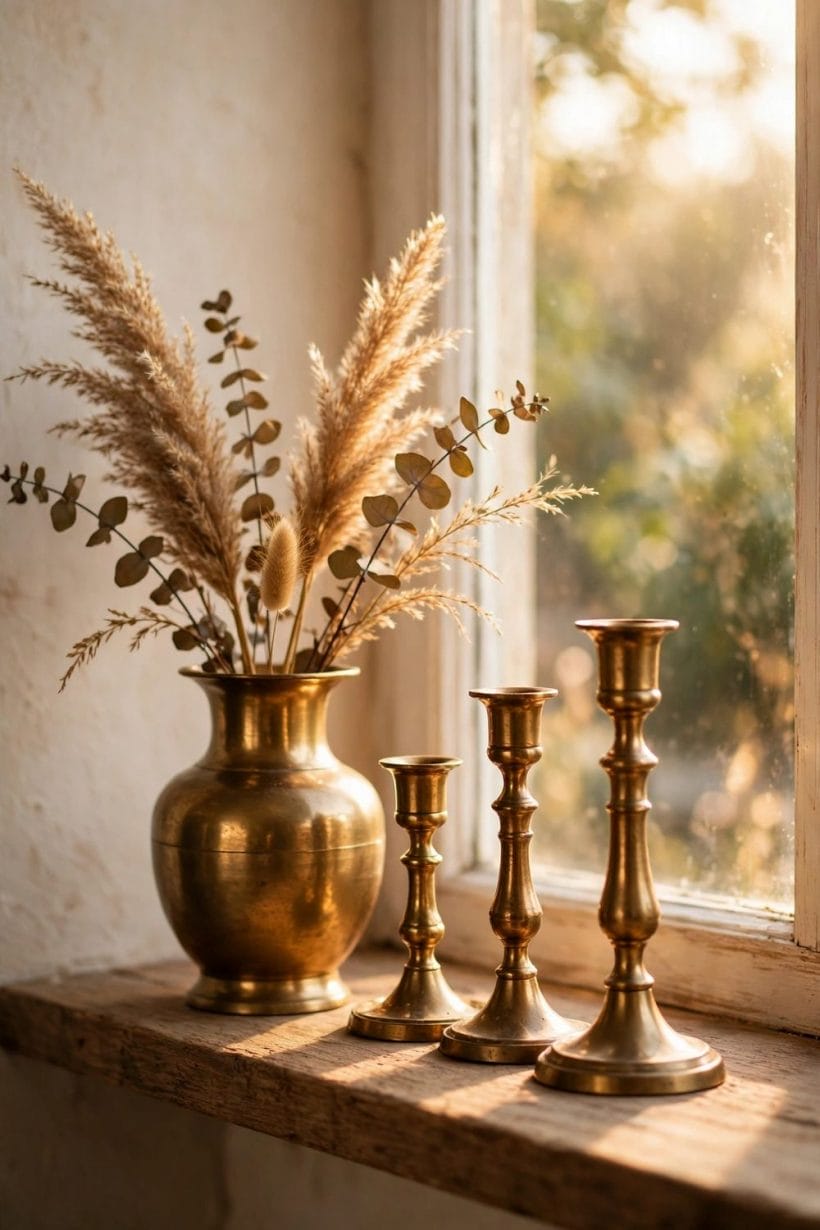
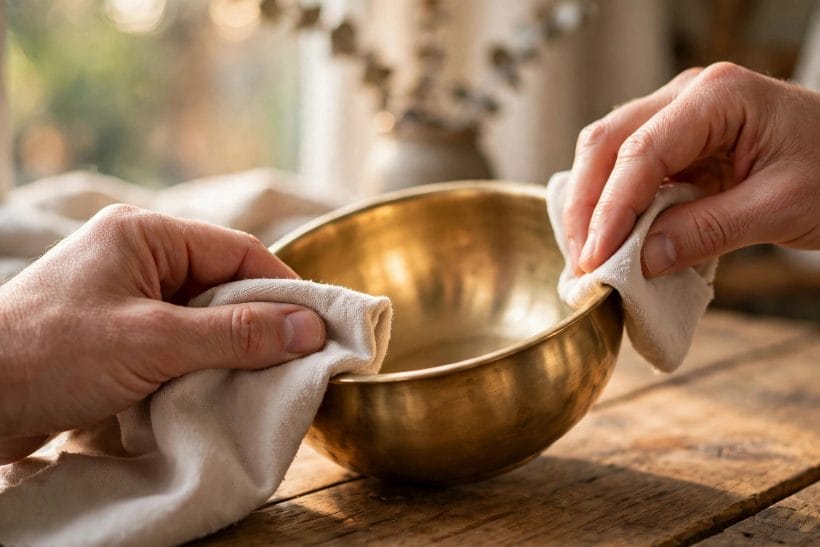
Uncoated, solid brass is the most forgiving kind of piece to clean, because there is no coating to damage and the metal beneath the surface matches the surface itself. Even so, a light touch remains the right approach. Work section by section, using a soft cloth and a gentle cleaner intended for brass, applied to the cloth rather than poured onto the piece. Light, even strokes, repeated patiently, generally do more good than hard rubbing, which can leave fine marks that catch the light and dull the finish over time.
Detailed pieces need a slower pace. Engraving, embossing, and raised patterns can trap grime, and a soft brush or a cloth wrapped around a fingertip can reach into those places without force. Take care around joins, hinges, and places where two parts meet, since grime and moisture can linger there. After cleaning, wipe the whole piece with a clean, dry cloth and look at it in daylight, turning it slowly so the light moves across the surface. Daylight is honest about patchiness in a way that a single lamp is not, and a final check in good light can catch a missed spot while it is still easy to deal with.
It is worth keeping expectations modest. A well-used piece may clean up to a soft, warm glow rather than a mirror shine, and that is a perfectly good result. Deep marks, dents, and uneven colour that has developed over many years may soften with cleaning, but they may not disappear, and chasing a flawless surface can do more harm than the flaw itself. A piece that looks cared for, even, and clean is a better goal than a piece that looks brand new, and it is a goal that gentle cleaning can reach without risk.
5. Caring for Lacquered and Coated Brass
Lacquered brass asks for the lightest care of all, because the coating, not the metal, is the surface you are really cleaning. Dust with a soft, dry cloth, and if a damp cloth is needed, keep it barely damp and dry the piece straight away. Avoid anything abrasive, including rough cloths, scouring pads, and gritty cleaners, since a scratch in lacquer can let air and moisture reach the metal beneath and create a dark spot that spreads. A coating that is intact protects the brass well, and the kindest cleaning routine is the one that keeps that coating intact.
Over time, lacquer can wear thin at edges and touch points, and a piece may start to look uneven as some areas stay bright while others darken. This is normal wear rather than a fault in your cleaning, and it is a sign to be even gentler, not more vigorous. Trying to even out the appearance by scrubbing the bright areas will usually make the contrast worse, because it removes more coating. If a coated piece has become very patchy and its appearance bothers you, it is worth seeking advice from a professional who works with metal finishes, rather than attempting to strip or recoat the piece at home, where the result is difficult to control.
It can help to keep coated pieces out of the dampest spots in a home where you have a choice. A lacquered ornament in a dry room tends to hold its even look far longer than the same piece beside a steamy sink. Where a coated fixture must live in a damp room, a quick wipe after splashes and a prompt dry can slow the wear. Gentleness, dryness, and a regular light dusting are the whole routine for coated brass, and that simplicity is part of its appeal.
6. What to Avoid: Harsh Tools and Harsh Treatments
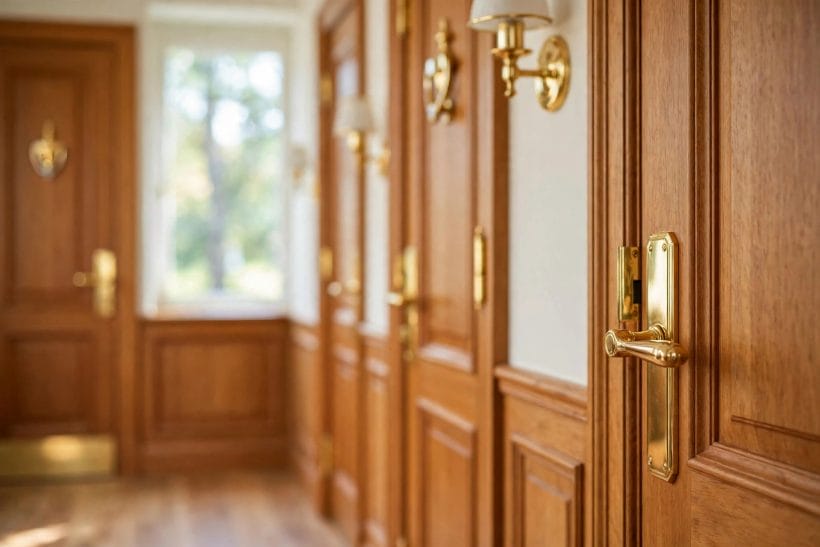
The quickest way to harm a brass piece is to reach for something too strong. Abrasive pads, stiff brushes, gritty powders, and harsh chemical cleaners can scratch the surface, strip a coating, or leave a patchy tone that is difficult to undo. Even a cloth that feels soft can cause trouble if it carries grit from another job, so a cloth kept only for brass is a small habit with real value. If a cleaner is not made for brass, or if its label warns against use on soft metals or coated surfaces, leave it on the shelf.
Moisture deserves the same caution. Leaving a brass piece sitting in liquid, or putting it away while still damp, invites dullness and spotting, and water that lingers in crevices or around fittings can darken those areas first. The same applies to steam and splashes: a piece that is wiped dry promptly after contact with water generally fares better than one left to dry on its own. Heat is another quiet risk, since a piece placed very close to a strong heat source can discolour, and sudden changes of temperature can stress fittings and joins. None of these cautions requires special equipment, only a habit of drying and placing pieces thoughtfully.
It is also wise to avoid improvised mixtures and home recipes for cleaning brass. A mixture that suits one piece may harm another, especially where a coating is present or where the piece is plated rather than solid, and the strength of an improvised mixture is difficult to judge. A gentle cleaner made for brass, used sparingly and tested first on a hidden spot, is a steadier choice than an experiment. The same caution about improvised methods applies around the home generally, and a washer self-clean cycle is a useful reminder that appliances and finishes alike usually fare best when their own care routines are followed rather than improvised.
7. Handles, Fixtures and Everyday Brass Around the Home
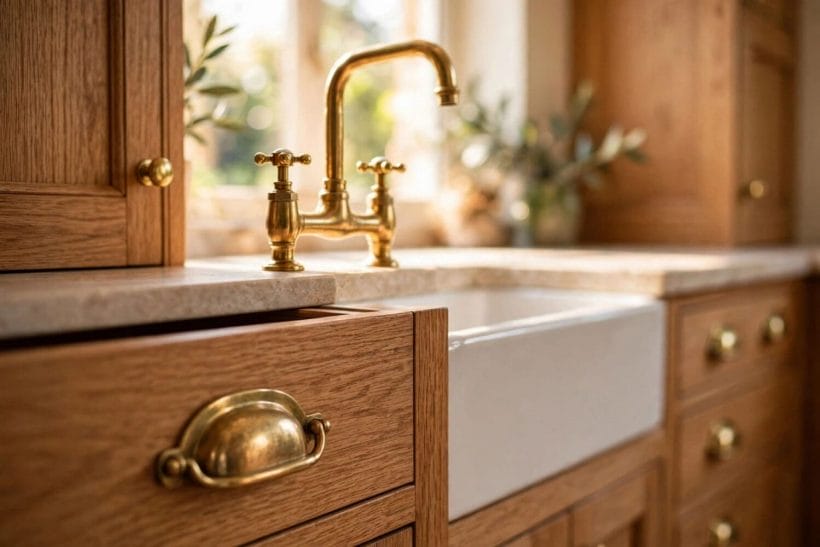
Much of the brass in a home is not ornament at all, but hardware that is touched every day: drawer pulls, cupboard knobs, taps, light fittings, and door handles. These pieces dull faster than ornaments, because hands leave natural oils on the surface, and kitchens and bathrooms add steam and splashes. A regular light wipe, as part of an ordinary cleaning routine, usually keeps everyday brass looking cared for without any special session. The goal is maintenance, not transformation, and a piece that is wiped often needs far less attention than one left for months and then tackled all at once.
Fixtures need a little extra thought, because they are fixed in place and often sit beside other materials. Wipe brass taps and handles with a soft cloth, dry them after splashes, and take care not to let cleaners meant for neighbouring surfaces, such as tiles or stone, sit on the brass. Cleaners for other surfaces can be stronger than brass tolerates, and a splash left unnoticed can leave a mark. Working from the brass outward, or wiping the brass last with its own clean cloth, is a simple way to keep products where they belong.
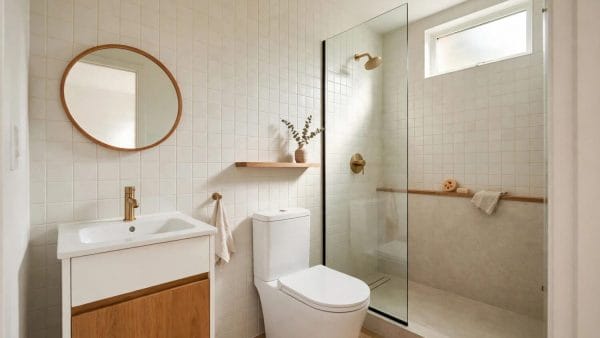
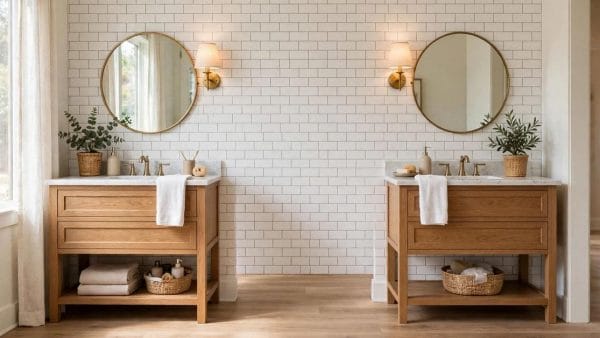
In a small home, brass hardware can tie a room together, and its warm tone pairs well with timber, painted cabinetry, and soft textiles. Kitchens and bathrooms are where brass fixtures are most often found, and tiny kitchen ideas and tiny bathroom ideas both show how warm metal details can lift a compact space. When choosing new hardware, it is worth noting whether the finish is lacquered or uncoated, since that single detail decides how much care the piece will need and how its colour will change over time.
8. Antiques, Heirlooms and Pieces with Patina: When to Leave a Piece Alone
Some brass pieces should not be cleaned at all, or should only be dusted, and recognising those pieces is one of the most useful skills in brass care. An antique, a family heirloom, or a piece with a rich, even patina may owe much of its value and character to the surface exactly as it stands. Removing patina from such a piece can change its appearance permanently and, in the case of a piece with historical or collector interest, can reduce its value. When a piece carries a story, an old mark, or a sense of age that you enjoy, leaving it alone is not neglect, it is care.
There are signs that suggest restraint. A very even, deep tone that has developed over many years, engraving softened by age, or a surface that looks settled rather than dirty, all point toward dusting only. Pieces with fragile fittings, loose parts, or repairs are also best left to a professional, since cleaning can loosen a join or disturb a repair. If you are unsure whether a piece is valuable, or if it came from an estate, an auction, or a family collection, a quick opinion from a reputable dealer or conservator is worth far more than a cleaning session that cannot be undone.
Leaving a piece alone does not mean ignoring it. Dust it gently, keep it dry, and place it where it will not be knocked or handled roughly. If you enjoy the look of a bright finish, there are plenty of everyday brass pieces that welcome gentle cleaning, and the antique can keep its history intact beside them. The contrast between a softly glowing antique and a freshly dusted modern piece often looks better in a room than a shelf of pieces all polished to the same brightness, and it honours the different lives those pieces have lived.

9. Drying, Polishing Lightly and Checking Your Work
Drying is not an afterthought in brass care, it is part of the cleaning itself. After any damp wipe, dry the piece thoroughly with a clean, soft cloth, including crevices, undersides, and the places where fittings meet the body of the piece. A piece that looks dry at a glance may still hold moisture in a groove, and that hidden dampness is often where dull spots appear first. Taking a few extra moments with the dry cloth is a small price for an even result.
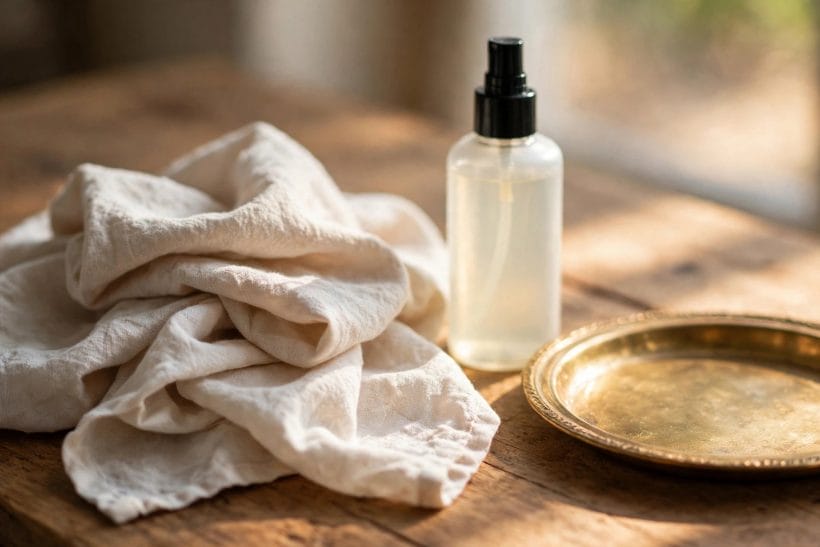
If you choose to polish, do so lightly and sparingly. A gentle polish intended for brass, applied to a cloth and worked over the surface with even strokes, can lift remaining dullness and leave a soft shine. Use only a small amount, work in sections, and buff with a separate clean cloth afterwards so no residue is left sitting on the surface. Residue left in crevices can attract dust and dull the finish again, so the buffing step matters as much as the polishing step. As with cleaning, test on a hidden area first, and stop if the result looks uneven.
Finally, check your work in daylight and from more than one angle. Turn the piece slowly, look along the surface rather than only at it, and run a clean fingertip lightly over a hidden edge to check for residue. If a spot has been missed, a gentle repeat of the same method is better than switching to something stronger. A piece that has been cleaned, dried, and checked in good light is ready to return to its place, and the care you took will show in an even, soft glow rather than a harsh shine.
10. Storage and Everyday Care That Slows Tarnish
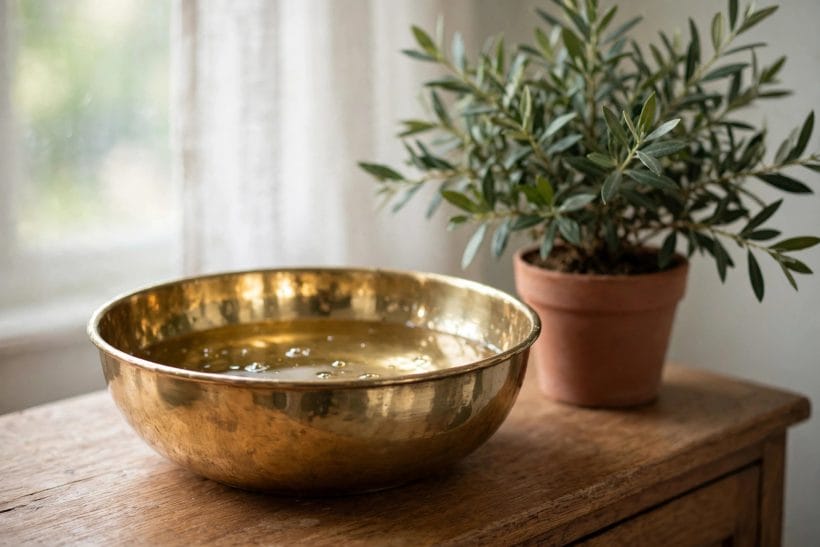
How brass is stored matters as much as how it is cleaned. A dry, settled place, away from damp air and direct splashes, slows the dulling process more effectively than any cleaning routine. Pieces stored in a closed cabinet or drawer tend to stay brighter than pieces left in a steamy room, and wrapping a treasured piece in a soft, clean cloth before storing it can protect it from knocks and dust. Avoid stacking brass pieces against each other without protection, since contact can scratch a soft surface and trap moisture between pieces.
Everyday habits make the biggest difference over time. Wiping a brass handle after cooking or washing, drying a tray after use, and dusting ornaments during an ordinary tidy all prevent the slow build-up that makes a later clean feel like a project. Gloves are worth considering when handling a piece you want to keep bright, since bare hands leave oils that dull the surface, though for everyday hardware this is rarely practical and a regular wipe is the better habit. Small, frequent attention beats rare, vigorous cleaning, and it keeps brass looking like part of a lived-in home rather than a museum piece.
Storage thinking fits naturally into small-home living, where every cupboard and shelf earns its place, and tiny house storage ideas shows how thoughtful storage can protect the things you value while keeping them within reach. Label nothing on the brass itself, and avoid adhesive labels or tape on a brass surface, since residue can mark the finish. A piece that is clean, dry, and stored with a little space around it will greet you in good condition whenever you bring it out again, whether that is next week or next season.
Final Considerations
Cleaning brass rewards patience more than effort. Begin by understanding the piece in your hands, choose the gentlest method that could work, test it where it will not show, and dry everything thoroughly before you put it away. Treat coated pieces with extra lightness, leave antiques and treasured patina alone unless you have good reason and good advice, and keep everyday brass in a simple routine of dusting and prompt drying. These habits, repeated quietly, will keep brass looking warm and cared for without drama.
If a piece worries you, whether because it may be valuable, because its coating is failing, or because cleaning has produced an uneven result, pause and seek advice from someone who works with metals. A short conversation with a knowledgeable professional can save a piece that a well-meaning clean might harm, and there is no shame in asking. Brass has lasted in homes for generations precisely because it responds well to gentle, regular care, and the pieces you look after today may well be the heirlooms someone else treasures tomorrow.


0 Comments