

Two bulbs can use the same power, fit the same socket and still make a room feel like two different houses. The gap between 2700K and 3000K looks tiny on a specification sheet — and is anything but tiny on your walls, your skin and your food.
This guide explains what is the difference between 2700k and 3000k in plain terms: how each one looks, how each one feels, and the rooms where each quietly wins.
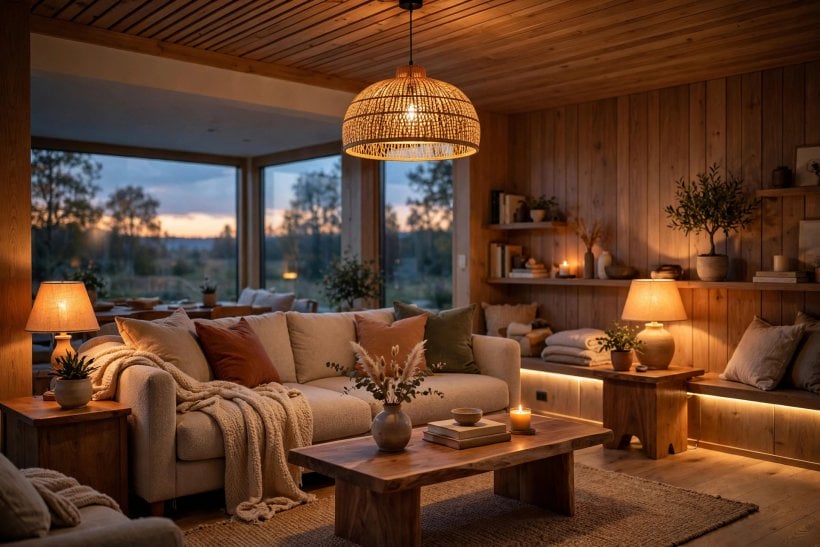
1. 2700K vs 3000K at a Glance
The central entity is colour temperature: the measured colour of a light source, expressed in kelvin (K). Both of these temperatures sit in the warm family — neither is the blue-white “daylight” of office tubes — but they occupy different ends of warm. 2700K is the traditional warm white of the incandescent bulb, amber-leaning and soft; 3000K is a cleaner warm white, a step towards neutral, often described as halogen-like. Every difference in this guide — mood, colour rendering, where each belongs — follows from that single step along the scale.
| What does the K number mean? | Kelvin measures the colour of the light itself, not its brightness. Lower numbers are warmer and more amber; higher numbers are cooler and whiter. Both 2700K and 3000K are warm whites. |
| How does 2700K look? | Soft, golden and relaxing — the colour of candlelight-adjacent lamplight and of the filament bulbs it replaced. Whites lean cream, wood leans richer, and the room feels evening-ready. |
| How does 3000K look? | Cleaner and crisper while still warm — whites read closer to white, colours separate a little more clearly, and the room feels a touch more awake and defined. |
| Which is brighter? | Neither, inherently. Brightness is measured in lumens, not kelvin. But 3000K is often perceived as slightly brighter at the same output, because cooler light reads as clearer to the eye. |
| Can I mix them in one home? | Yes — and most good lighting plans do, by room and by layer. Mixing them inside one small room or one fitting is where it usually goes wrong. |
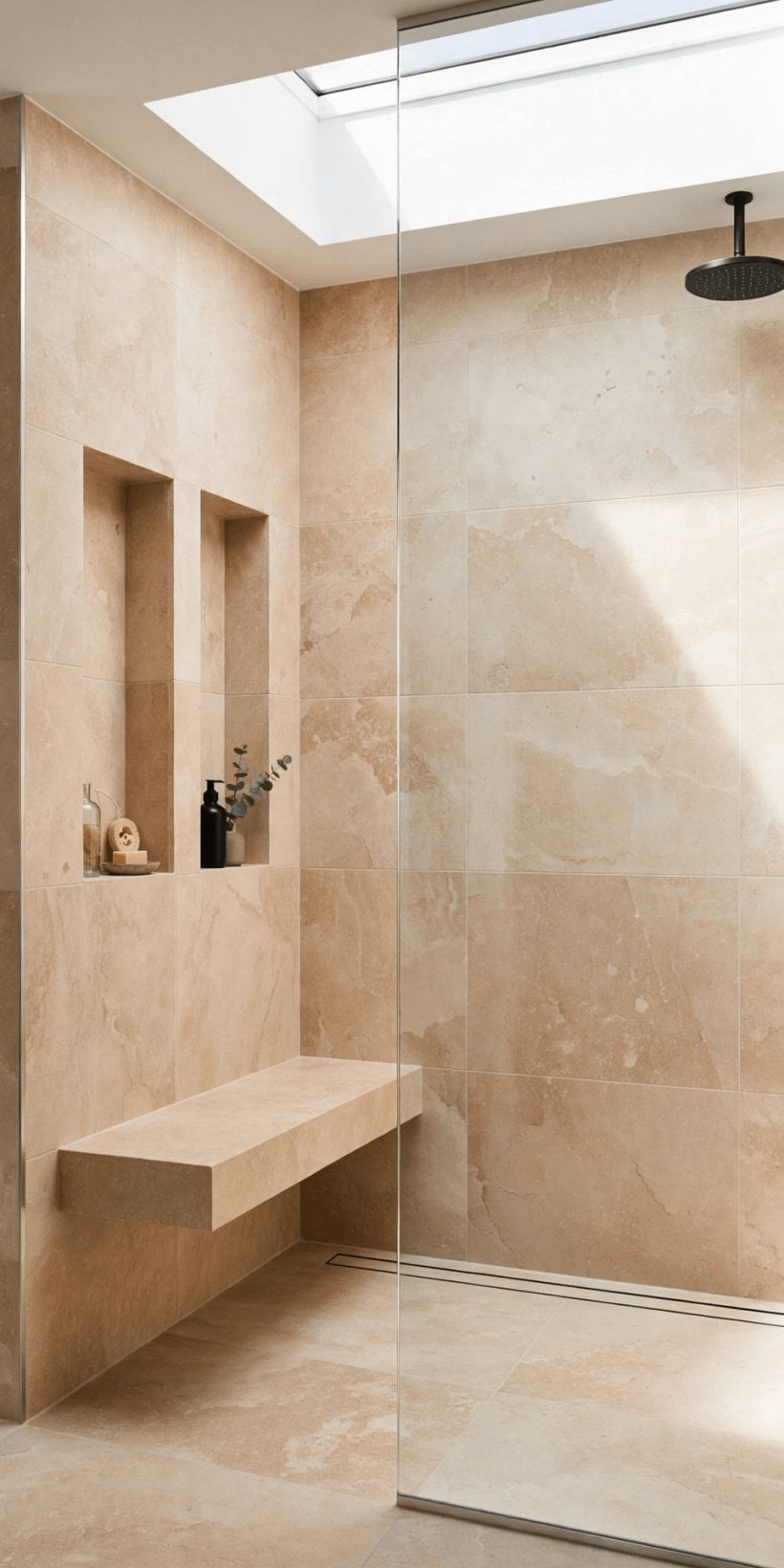
At a glance: 2700K is warm, soft and amber-leaning; 3000K is warm but cleaner and crisper. Same family, different mood — choose by room and by layer, not by habit.
2. What Colour Temperature Actually Means
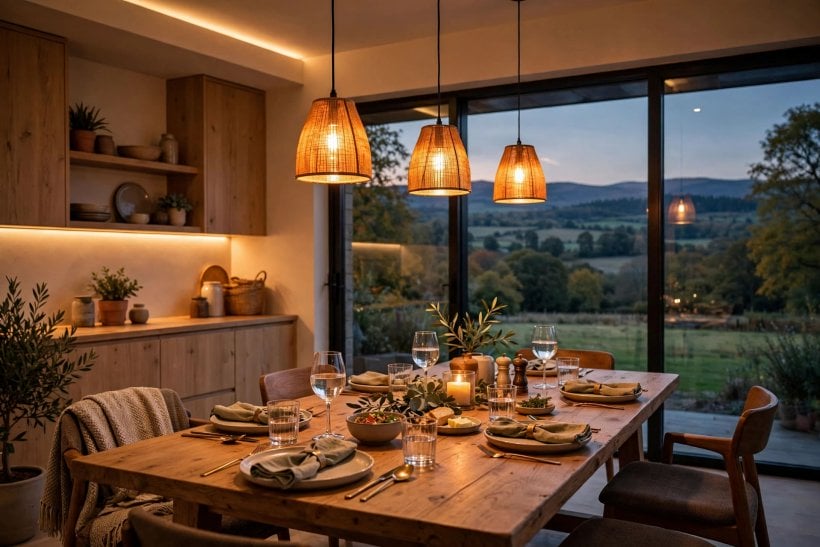
The kelvin scale for light comes from physics: heat a theoretical black object and it glows first red, then orange, then warm white, then neutral white, then blue-white as the temperature rises. Lamp makers borrowed the scale to describe the colour their light appears. Around the bottom of the domestic range sit candlelight and filament warmth; the middle holds the warm-to-neutral whites homes actually use; the top holds the cool, blue-leaning light sold as “daylight”.
Two clarifications prevent most buying mistakes. First, temperature is not brightness: a dim 3000K bulb is still 3000K, and a powerful 2700K lamp is still warm — output is a separate figure, in lumens. Second, temperature is a description of the light source, not of the room: the same bulb will make a white-tiled bathroom, a timber cabin and a grey-painted flat feel different, because surfaces borrow the light’s colour and hand it back. That is also why this guide to tiny house interior paint colours insists on judging paint under your own bulbs — paint colour and light colour are a single decision wearing two coats.
Where Daylight Fits
Natural daylight shifts across the day — warm at sunrise, cooler and whiter at noon, golden again by evening. Neither 2700K nor 3000K imitates noon daylight, and neither should try in living spaces: both are evening-register lights, closer to the warm ends of the day. Homes with big daylight features, like the layouts in these clerestory window tiny house layouts, need bulbs mainly after dark — which is exactly when the warm family is at its best.
3. 2700K: The Warm, Firelight Register
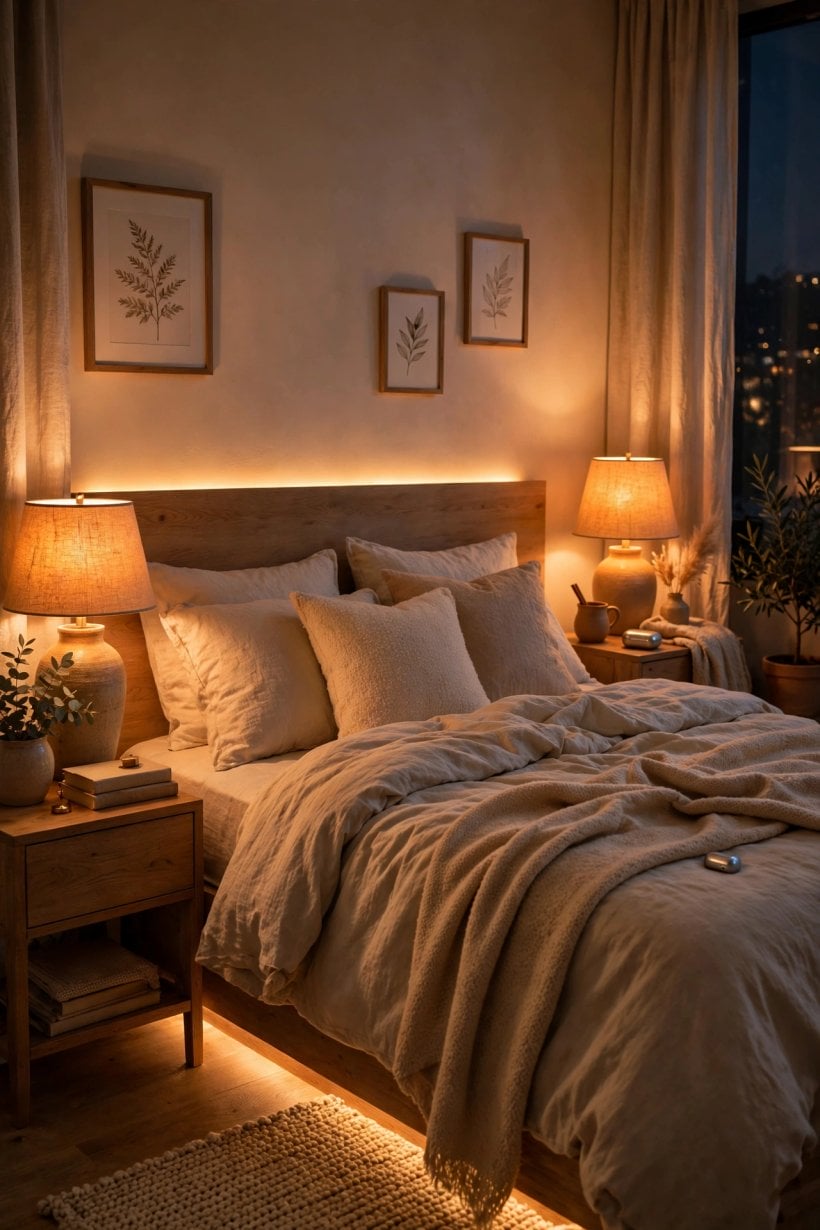
2700K is the colour most people picture when they picture “warm light”: the glow of the incandescent and halogen-era living room, translated into LED. It flatters almost everything organic — skin looks healthier, timber looks deeper, food looks richer, and textiles in cream, rust, olive and warm grey settle into themselves. Shadows soften, contrast drops, and a room’s hard edges — white paint, chrome, glass — get gentler.
Its character is relaxation. 2700K tells the body the day is ending, which is why it suits the rooms where evenings happen: living rooms, bedrooms, dining spaces and any corner built for sitting still. Its weakness is precision: fine detail, true colour judgement and task work all suffer slightly, because the amber cast tints everything it touches. Whites go cream, blues go muted, and a pale blue-green paint can slide towards sage. None of that matters at a sofa; all of it matters at a worktop or a mirror.
The Incandescent Inheritance
Part of 2700K’s comfort is familiarity: it is the light several generations grew up under at home, so rooms lit at 2700K read as “homely” almost by reflex. When people say an LED-lit room feels cold even though the bulb claims to be warm white, the bulb is very often 3000K or above being judged against a 2700K memory.
4. 3000K: The Clean, Slightly Crisp Register
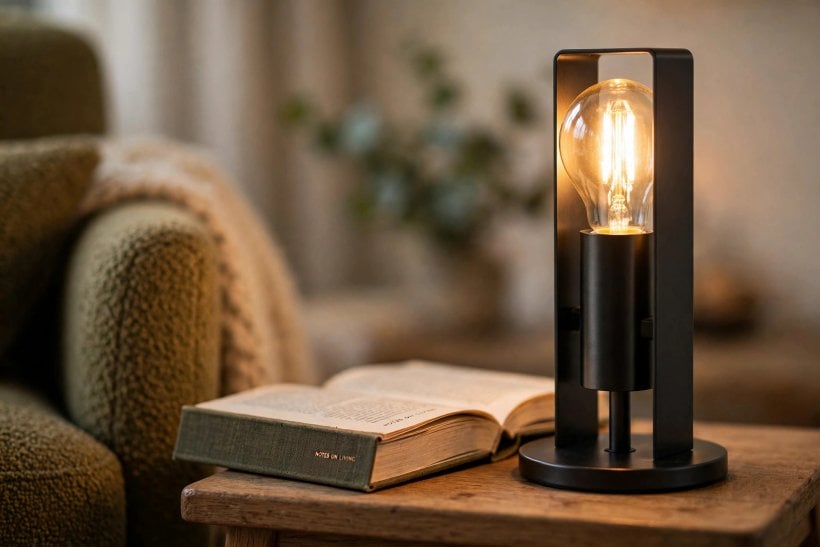
3000K keeps one foot in warmth and puts the other in clarity. The amber cast is mostly gone: whites read as soft white rather than cream, colours keep more of their daylight identity, and edges — a tile line, a page of text, the rim of a glass — define themselves a little more sharply. Designers often call it the halogen look, after the crisp warm-white of halogen downlights.
That clarity is why 3000K dominates kitchens, bathrooms and workspaces in professionally lit homes. It is awake light: it suits mornings, tasks and rooms whose materials are cool — stone, stainless steel, white ceramic, grey paint — because it does not fight them with amber. Its weakness is the mirror of 2700K’s strength: in a room meant for winding down, 3000K can feel a fraction too alert, and in a dim, cosy scheme it can read as merely less warm rather than deliberately crisp if the rest of the layer is all 2700K.
Why Shops and Showrooms Love It
Retail and kitchen showrooms lean on 3000K and above because products look cleaner and colours truer under it. That is worth remembering when a kitchen or a fabric looks wonderful in the showroom and slightly tired at home: part of what you bought was the light it was standing in.
5. The Differences, Side by Side
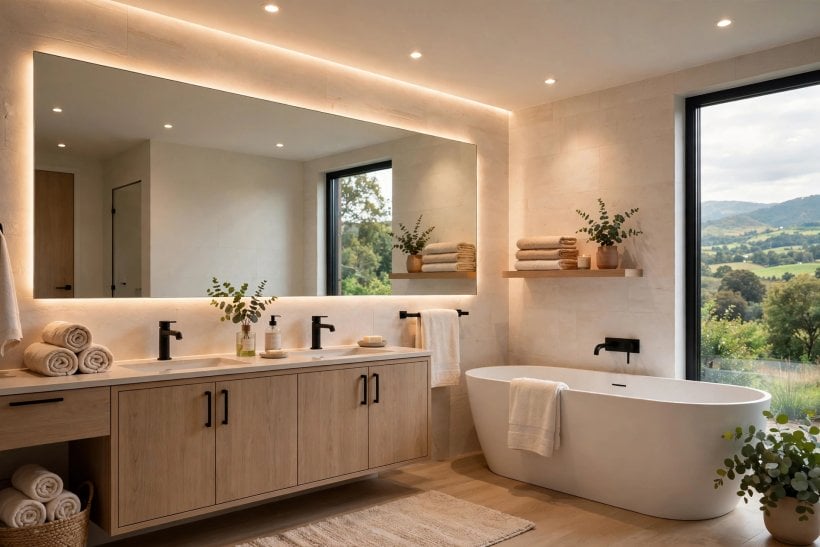
Stand the two in the same room and the differences organise themselves into four. Colour cast: 2700K adds amber; 3000K adds almost nothing. Everything in the room is filtered accordingly — the same white wall is cream under one and soft white under the other. Mood: 2700K relaxes, 3000K focuses; the gap is small but consistent, and people feel it before they can name it. Perceived brightness: at equal lumens, 3000K usually reads as slightly brighter and clearer, which is why a bulb swap can make a room feel “brighter” without any change in output. Material behaviour: warm materials (timber, brass, leather, warm paint) glow under 2700K; cool materials (stone, chrome, glass, cool greys) look cleaner under 3000K.
Skin, Food and Fabric
Three everyday tests show the split best. Skin is kindest under 2700K at a dinner table and most honest under 3000K at a bathroom mirror — you want flattery where you eat and honesty where you shave or apply makeup. Food photographs and presents richer under 2700K but reads fresher — salads, fish, white plates — under 3000K. Fabric and paint colours shift least under 3000K, which is why it is the safer light for judging colours you are choosing, and 2700K is the pleasanter light for living among colours you have chosen.
The Gap Is Real but Small
Honesty matters here: 300 kelvin is a step, not a leap. Nobody walks into a well-layered 3000K living room and gasps at the cold, and nobody finds a 2700K kitchen unusable. The difference earns its keep at the margins — in rooms with a strong mood to protect, in colour-critical corners, and in consistency across a home — which is exactly where the next sections put it to work.
6. Room by Room: Where Each Works Best
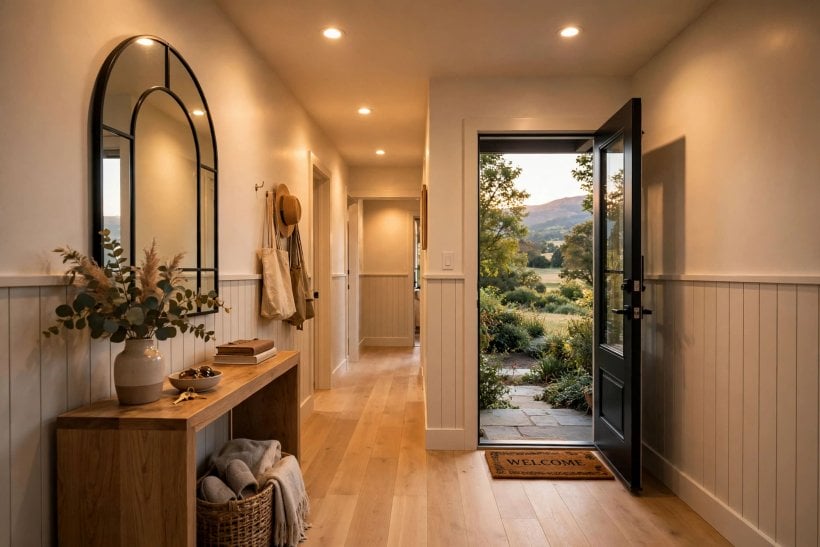
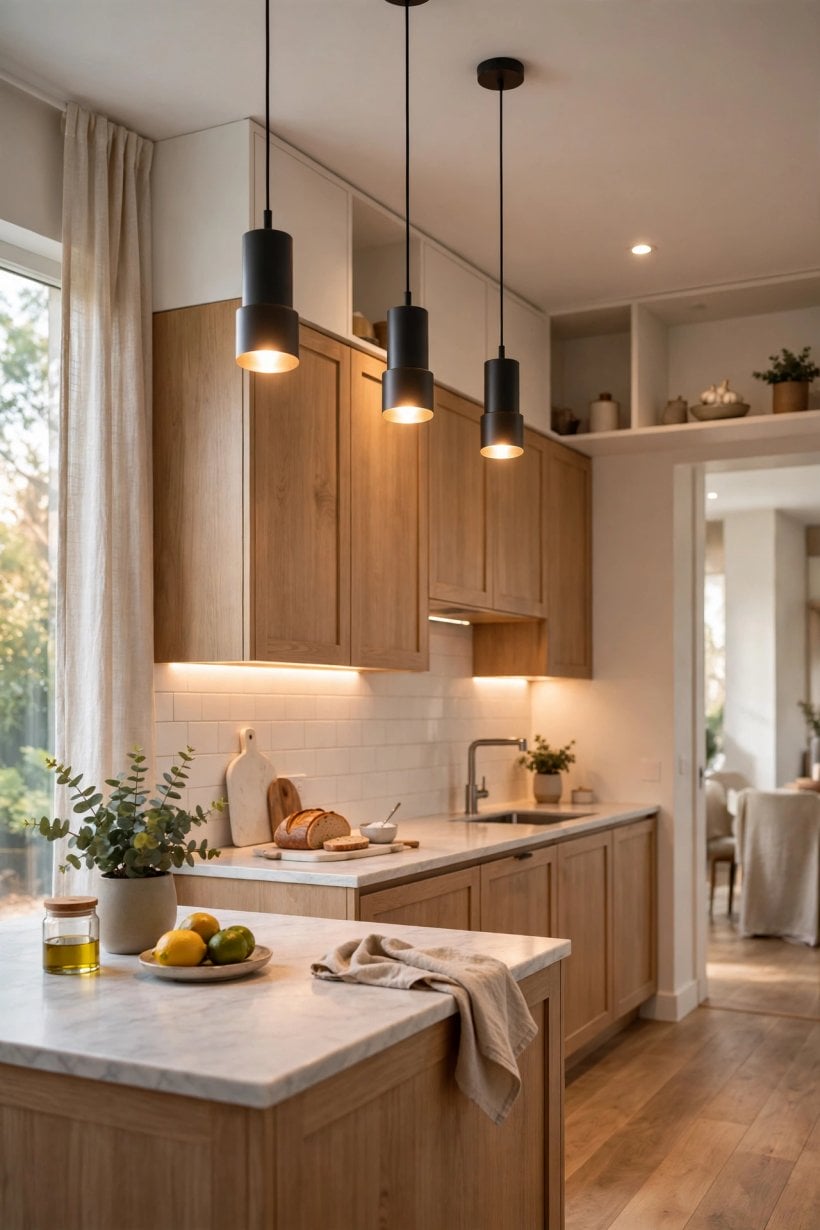
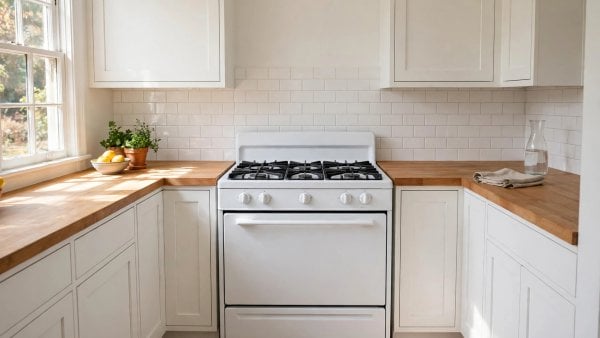
Living room: 2700K for the lamp layer that carries the evening; a 3000K ceiling layer is defensible if the room doubles as a workspace, but dimmed warm lamps will do the real living. Bedroom: 2700K, almost without argument — it is the room of winding down. Kitchen: 3000K earns its place over worktops and hobs, where clarity and honest colour matter; the layouts in these tiny house kitchen designs and the broader kitchen ideas collections both assume light you can actually cook by. A dining corner within the kitchen can still take a 2700K pendant over the table.
Bathroom: 3000K around the mirror for honest light, with a warmer, softer layer acceptable for bath-time ambience — the same split-personality logic as the spa-register rooms in these bathroom interior design ideas for tiny houses. Hallways and stairs: either works; consistency with the rooms they connect matters more than the number. Outdoors and security: warmer light is kinder to neighbours and wildlife, while crisper light reads better on cameras — the trade-offs are set out in this guide to exterior lighting for security, solar versus hardwired.
Workspaces and Reading Corners
Desk and reading light is the one place to be deliberate against the room’s mood: a 3000K task lamp in a 2700K room gives your eyes a clear pool to work in without cooling the whole space. The reverse — a warm lamp at a desk in a crisp room — is how people end up squinting pleasantly and achieving neither comfort nor clarity.
7. Mixing the Two in One Home — the Layer Method
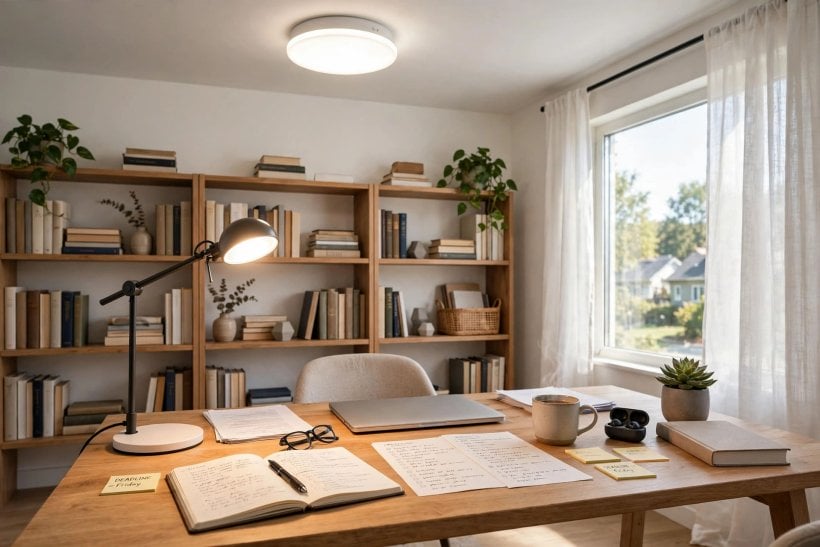
The professional answer to “which one?” is usually “both, in their places”. Mix by room first: warm living spaces at 2700K, working rooms at 3000K, and the home reads as a gradient from alert to relaxed as you move through it — which matches how the rooms are used. Mix by layer second, inside larger or open-plan rooms: a crisper ambient layer for practical hours, a warm lamp layer for the evening, each on its own switch or dimmer.
What to avoid is mixing by accident within one visual field: two bulbs of different temperatures in the same fitting, or one of each at either end of a small room. The eye reads that not as layering but as a mistake — one bulb always looks wrong, even though both are fine. In open-plan spaces, let the boundary between temperatures coincide with a real boundary in the plan: the island line, the rug’s edge, the change of floor. Where zones are defined by furniture rather than walls — as in any small open plan — a temperature change at the same line reinforces the zoning instead of confusing it.
Dimming Changes the Colour Too
Many LEDs shift warmer as they dim, imitating filament behaviour; some hold their temperature all the way down. Know which yours do before planning a scheme around dimmed levels, and test the actual bulb in the actual fitting — dimmer compatibility is the other half of this, since an unhappy pairing flickers or buzzes at exactly the low levels evening rooms live at.
8. Choosing Bulbs and Fittings: Rendering, Dimming and Consistency
Temperature is only one of three figures that decide whether a bulb flatters a room. The second is colour rendering — how truthfully the light shows colours compared with a natural reference. Light with poor rendering makes even the right temperature look cheap: reds go brown, greens go grey, skin goes waxy. As a rule, choose bulbs from the higher end of the rendering scale for rooms where colour matters — kitchens, mirrors, art walls — and never judge rendering from the box photograph.
The third figure is consistency. Bulbs of the same stated temperature vary slightly between makers and even between production batches, which is why a row of visible bulbs — over a mirror, along a kitchen run — should always be the same make and model bought at the same time, with a spare kept. Buy for the whole fitting, and ideally the whole room, in one purchase.
Fittings Have a Temperature Personality Too
Shades and diffusers edit the light that passes through them: a cream fabric shade warms any bulb, a white opal glass keeps it closer to stated temperature, and an open metal shade leaves it raw. When a room feels warmer or cooler than the bulb specification promises, the shade is often the reason. Judge bulb and fitting together, in place, at night — the three-way test no specification sheet can do for you.
9. Small and Tiny Homes: One Space, Several Temperatures
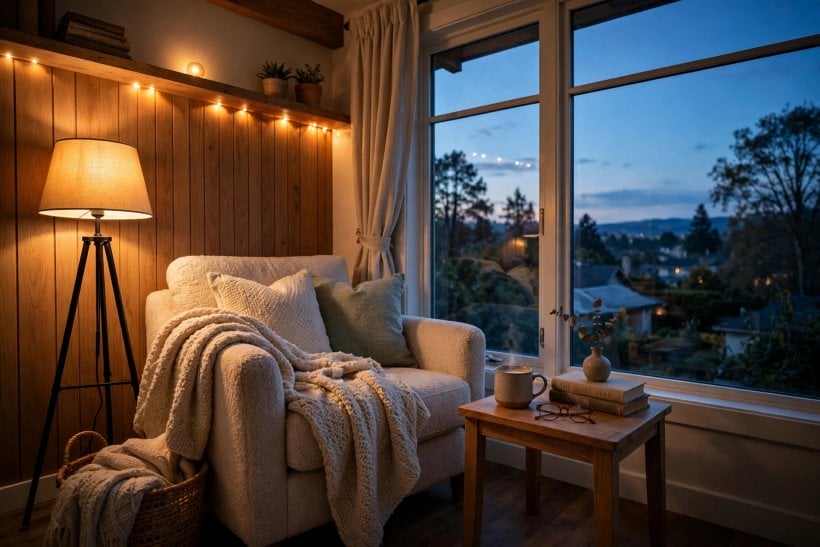
Compact homes compress the problem: one room may be kitchen, living room and bedroom in rotation, so “choose by room” collapses into “choose by layer and by hour”. The workable tiny-home pattern is a crisp-ish layer for the working day — 3000K over the kitchen run and any desk surface — and a warm 2700K lamp layer for the evening, when the same square metres become a sitting room. The two layers never need to be on together, which neatly avoids the mixed-field problem.
Compact, clean-lined schemes of the kind in this look at modern tiny house interior design with clean lines for compact living benefit doubly: LED strips and small fittings suit the scale, and a consistent temperature story keeps a small space from fragmenting into lit islands. In a tiny home also mind heat and power draw less than folklore suggests — modern LEDs sip power at either temperature — and mind glare more: at short viewing distances, exposed bulbs of any temperature are harsh, so shades and indirect placement matter more than the K figure.
The One-Bulb Compromise
If a small space truly has one light source, choose by the hour the room works hardest. A studio that is mostly slept and lounged in takes 2700K; a workshop-cabin that is mostly worked in takes 3000K. Or sidestep the dilemma with a warm-dim or tunable fitting that travels between the two — a legitimate solution in one-room living, provided the fitting’s rendering stays good at both ends of its range.
10. Mistakes to Avoid — and Final Buying Checks
The commonest mistake is buying by habit: replacing every bulb in a home with one temperature because the storeroom had one box. The second is judging a bulb in the shop, under the shop’s own lighting, against a white card — judge it at home, in the fitting, against your walls and your skin. The third is mixing temperatures inside one fitting or one small room and then blaming whichever bulb was bought second.
The buying checks take a minute. Confirm the temperature on the box matches the room’s job; buy the whole fitting’s bulbs — and a spare — from the same make and batch; prefer the higher end of the rendering scale where colour matters; check dimmer compatibility before, not after, installation; and keep one bulb of each temperature at home permanently as test stock, so the next decision starts from evidence instead of memory.
Final Considerations
2700K and 3000K are not rivals; they are two stops on the same warm railway, one at the firelit end and one at the clear-eyed end. 2700K flatters people, timber and evenings. 3000K flatters work, cool materials and honest colour. The difference between 2700k and 3000k is small on paper and consistent in person — which is why the right answer is rarely a single number for a whole home.
Choose by room first and by layer second, keep each visual field to one temperature, and buy consistently. Do that, and the question stops being which temperature is “better” and becomes what it always should have been: which light each part of your home deserves.


0 Comments