
Every gardener knows the feeling: a catalogue full of tempting varieties, an order form half filled in, and a quiet hope that everything arrives healthy and grows well. A little checking before you order can spare you most of the common disappointments.
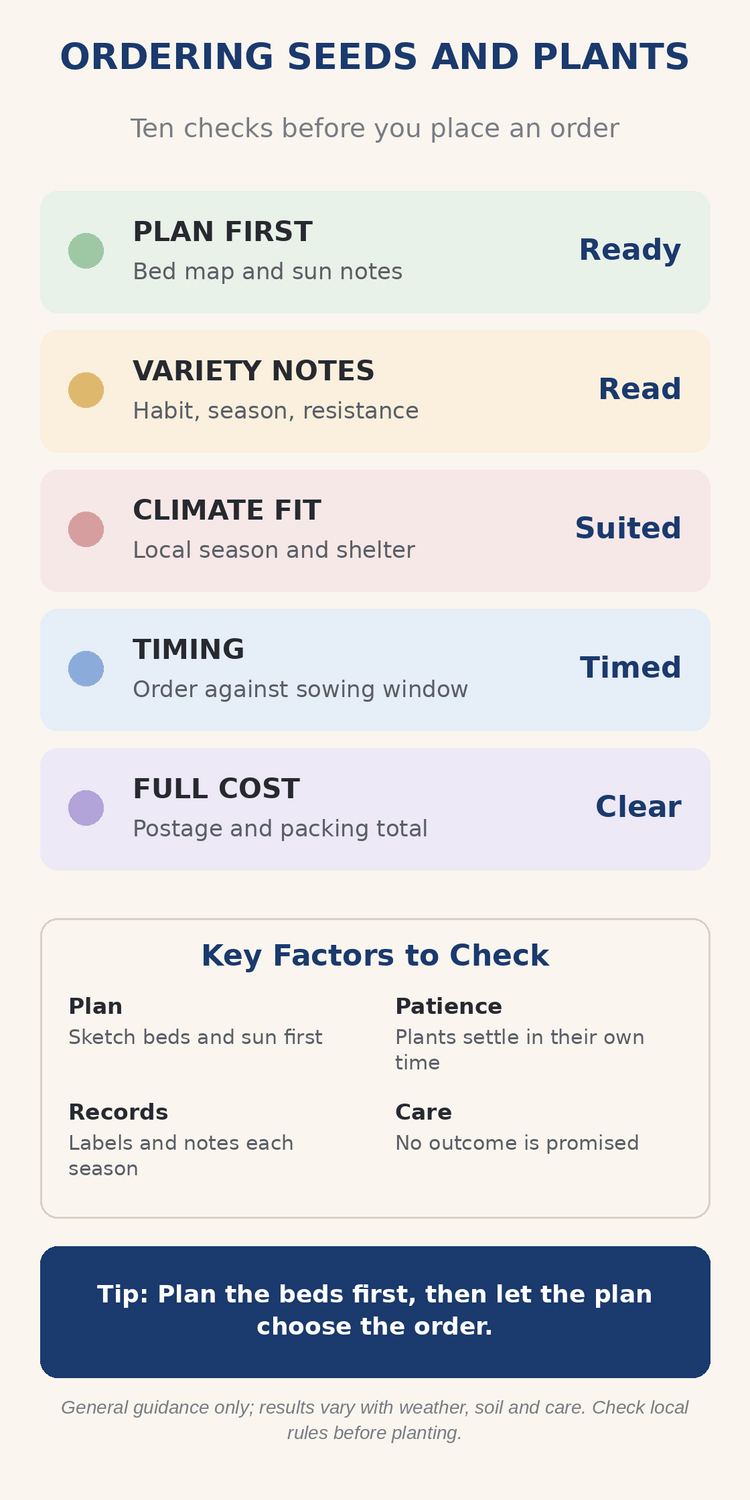
This guide walks through ten simple checks for ordering seeds and plants, from planning your beds to keeping records once things are growing.
1. Start With a Plan, Not a Catalogue
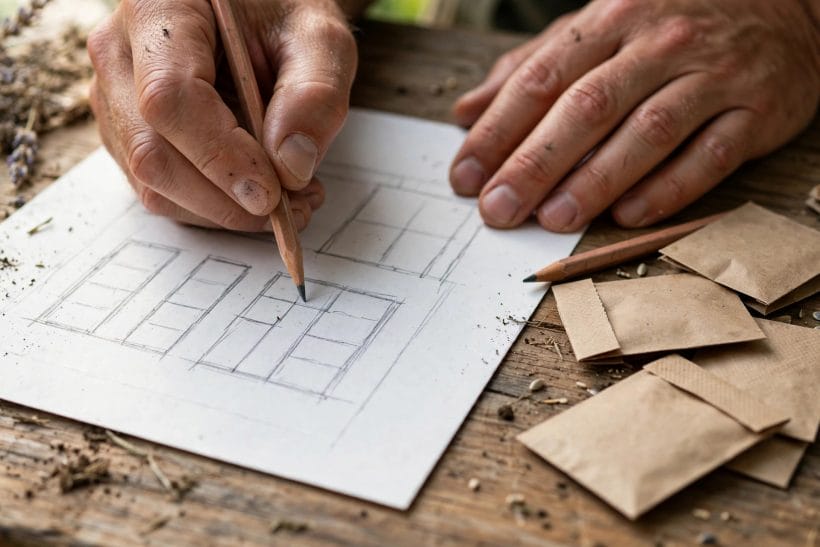
It is easy to order first and plan later, but that order usually ends in a pile of packets that do not fit the garden you actually have. Before you browse, sketch the beds you intend to plant. Note which spots catch sun for most of the day, which stay damp after rain, and which sit in shade. A rough sketch on paper is plenty; it does not need to be a work of art, just honest about space.
Measure your beds in paces if you like, and count how many plants each bed can comfortably hold once they reach full size. Young plants look small in pots and trays, and it is tempting to squeeze in extras. Crowded beds often lead to weak growth and tangled plants that are hard to tend, so leave room for plants to spread and for you to walk between them.
Write a short list of what you want from each bed: food for the kitchen, flowers for cutting, colour through the colder months, or ground cover for a bare corner. When the list is set, ordering becomes a matter of matching varieties to gaps in the plan rather than collecting favourites. That single habit tends to save money, reduce waste, and make the whole garden easier to look after.
| Check | What to look at | A reassuring sign |
|---|---|---|
| Plan first | Bed map and sun notes | Choices fit the space you have |
| Variety notes | Habit, season and resistance | Description read in full |
| What you buy | Seed, plug or potted plant | Form suits your skill and season |
| Climate fit | Local season and shelter | Choices suit your garden |
| Timing | Order against sowing window | Arrival suits your calendar |
| Policies | Returns and replacements | Terms clear before paying |
| Full cost | Postage and packing | Total understood in advance |
| Feedback | Recent buyer comments | Pattern read with care |
| Arrival day | Inspection and prompt planting | Plants settled without delay |
| Records | Labels and notes | Next order informed by notes |
2. Read Every Variety Note in Full
Variety descriptions carry the details that decide whether a plant suits your garden, so read them right through rather than stopping at the photograph. Look for the plant’s eventual habit: whether it sprawls, climbs, forms a bush, or stays compact. A variety that sounds perfect in a pot may grow far larger than expected in open ground, and a climber needs support from the start.
Pay attention to the season notes too. Some plants suit sowing in cool weather, others need warmth before they get going, and many flower or crop only in a particular part of the year. If the notes mention disease resistance or tolerance of damp or dry spells, treat that as useful guidance rather than a promise; plants still respond to weather, soil and care, and no description can cover every garden.
Where a description uses words you do not recognise, look them up before ordering. Terms for growth habit, flowering time and hardiness all change what a plant needs from you. A few minutes spent understanding the notes can prevent a season of coaxing a plant that was never suited to the spot. When you are shaping the wider garden around those choices, our backyard landscaping ideas may help you see how beds sit together.
3. Understand What You Are Actually Buying
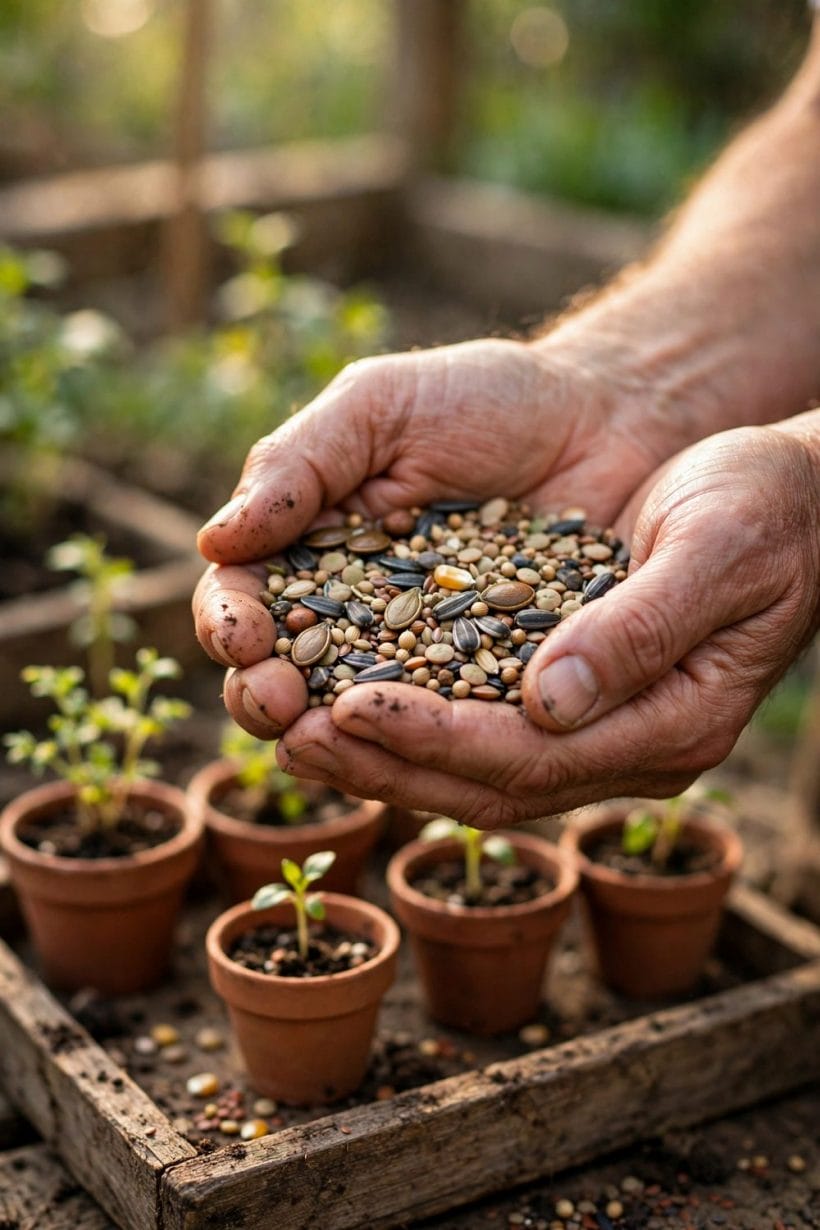
Seeds, young plug plants and larger potted plants are very different purchases, even when they carry the same variety name. Seeds usually cost less and offer the widest choice, but they ask for patience, space indoors or under cover, and care while seedlings are small. Plug plants skip the earliest stage, which suits gardeners short on indoor space, though they still need gentle handling and steady watering after arrival.
Potted plants arrive further along and often settle faster, but they take more room, cost more to post, and still need planting out with care. Bare-root plants, sold without soil around the roots during the dormant season, are another form entirely; they generally need planting soon after arrival and should never be left to dry out. Knowing which form you are buying helps you judge whether it fits your time, your space and the season.
Read the listing for what is included. One listing may offer a single plant, another a small collection, and packet contents can differ a great deal between sellers and varieties. If anything is unclear, ask the seller before ordering rather than guessing. A clear answer before you pay is worth far more than a surprise when the parcel arrives. If you garden mainly in pots or small plots, our tiny backyard ideas cover plant forms that suit tight spaces.
4. Match Choices to Your Climate and Season
A variety that thrives in a mild coastal garden may struggle where winters bite or summers turn dry, so think about your own patch rather than the photograph. Consider your usual last frosts, your hottest spells, and whether your soil stays wet or dries quickly. Plants described as tender will generally need shelter or indoor space through cold weather, while hardy kinds are usually better able to cope outside.
Local knowledge helps here. Neighbours, nearby gardeners and local growing groups often know which kinds do well in your area and which disappoint year after year. Their experience is not a promise, but it is a useful counterweight to a glowing catalogue description. If you are new to an area, start with a modest order and see how things perform before committing a whole bed to an untried variety.
Season matters as much as climate. Ordering a plant that needs a long warm season when your summers are short may leave you with growth but little flower or crop. Choosing varieties whose season fits your garden gives them a fair chance, and that fairness is really what good ordering is about.

5. Time the Order Around Your Sowing Window
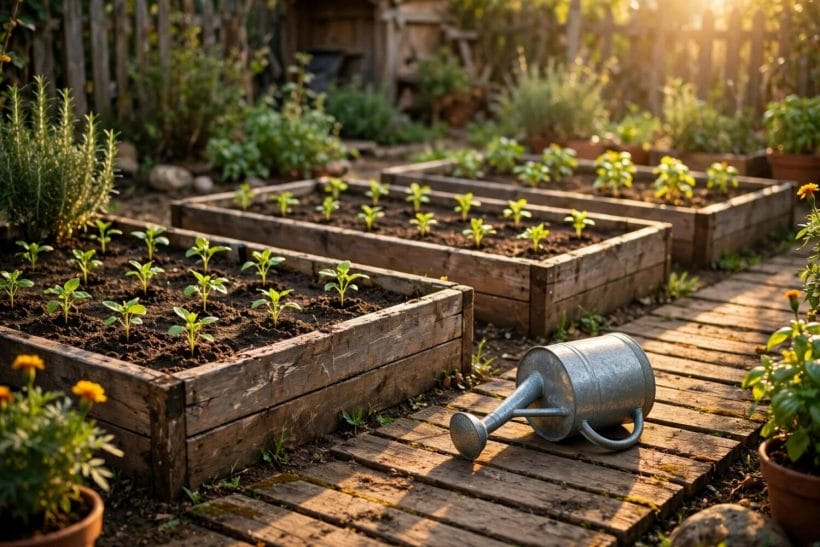
Seeds and plants have their moments, and ordering with those moments in mind makes life easier. Work backwards from when you hope to sow or plant out, and allow time for delivery, for preparing beds, and for the inevitable delay. Ordering far ahead of the season can mean storing seed or plants longer than ideal, while ordering late can leave you sowing into weather that no longer suits the variety.
Many sellers send plants only during suitable planting periods, which is a helpful guard, but it still pays to check the expected despatch window before you pay. If you will be away when a parcel is due, plan around that too; young plants left in a box or on a doorstep can suffer, and seed kept in damp or heat may lose vigour. A delivery date that suits your calendar is part of the purchase, not an afterthought.
Keep a simple sowing calendar for your garden: rough periods for each bed, noted in a notebook or on the plan you sketched earlier. When ordering becomes a habit guided by that calendar, fewer parcels arrive at awkward moments and fewer seedlings sit waiting for a bed that is not ready. Herb beds follow the same calendar thinking; our herb garden layouts may help you arrange beds for steady sowing through the season.
6. Check the Seller’s Policies Before You Pay
Before money changes hands, read the seller’s terms in full: returns, replacements for items that arrive damaged, and how to get in touch if something goes wrong. Clear, plainly written terms are a reassuring sign; vague wording or missing contact routes are worth noting. You do not need to expect trouble to want a clear route for sorting it out.
Look for how the seller handles plants that arrive in poor condition, and what evidence they ask for. Some ask for a photograph, some ask you to get in touch within a stated period, and some explain the steps on the listing itself. Knowing the process in advance means you can act promptly on arrival day instead of hunting for terms while plants wait.
Also check how the seller communicates: whether they confirm orders, give despatch news, and offer tracking or delivery updates. None of this tells you how your plants will grow, but it does tell you how easy the seller is to deal with if a parcel goes astray. A seller who is hard to reach before you buy is unlikely to be easier afterwards. While you wait for despatch news, planning the spaces around new beds can help; our rock landscaping ideas cover stone and gravel areas that sit beside plantings.
7. Work Out the Full Cost of the Order
The price beside a variety is rarely the whole story. Postage and packing can change the total considerably, especially for larger plants or heavy pots, and some sellers set a minimum order or charge differently by parcel size. Add everything up before you commit, and compare like with like: a cheaper plant with costly delivery may end up dearer than a slightly pricier one posted more cheaply.
Think about what else the order needs. Compost, pots, labels and supports all add up, and buying them in the same order can be convenient but is not always the cheapest route. If you already have supplies at home, leave them out of the basket. A calm review of the basket before paying often catches duplicates, wrong quantities, or a variety added on impulse that does not fit the plan.
It also pays to think about value in terms of the garden rather than the parcel. A packet that gives you many plants for a bed you have planned is often better value than a single showy specimen with nowhere sensible to go. Ordering to the plan, again, is what keeps spending useful rather than merely enthusiastic.
8. Read Buyer Feedback With a Sceptical Eye
Buyer comments can be genuinely helpful, but they need reading with care. Look for patterns across many comments rather than trusting one glowing or furious note. Repeated mentions of sturdy packing, healthy arrival or clear labelling tell you more than a single superlative, just as repeated complaints about damage or confusion deserve attention even if other comments are warm.
Remember that feedback reflects the reviewer’s garden as much as the seller. A variety that failed in one climate or soil may do well in yours, and a plant that arrived during a heatwave may have suffered in transit rather than from poor quality. Comments that mention the season, the region and how the plant was handled after arrival are usually more useful than bare praise or blame.
Be wary of feedback that reads like advertising or that repeats the same phrases across many entries. Genuine comments usually carry small, specific details: how the parcel was packed, what state the plants were in, how quickly a query was answered. Treat feedback as one piece of evidence among several, weighed alongside the variety notes, the policies and your own plan, rather than as a verdict on its own.
9. Be Ready for Arrival Day
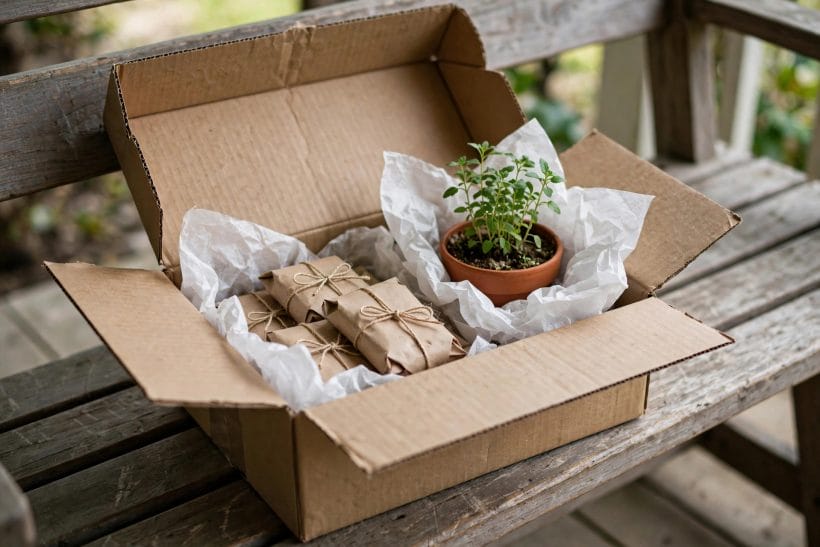
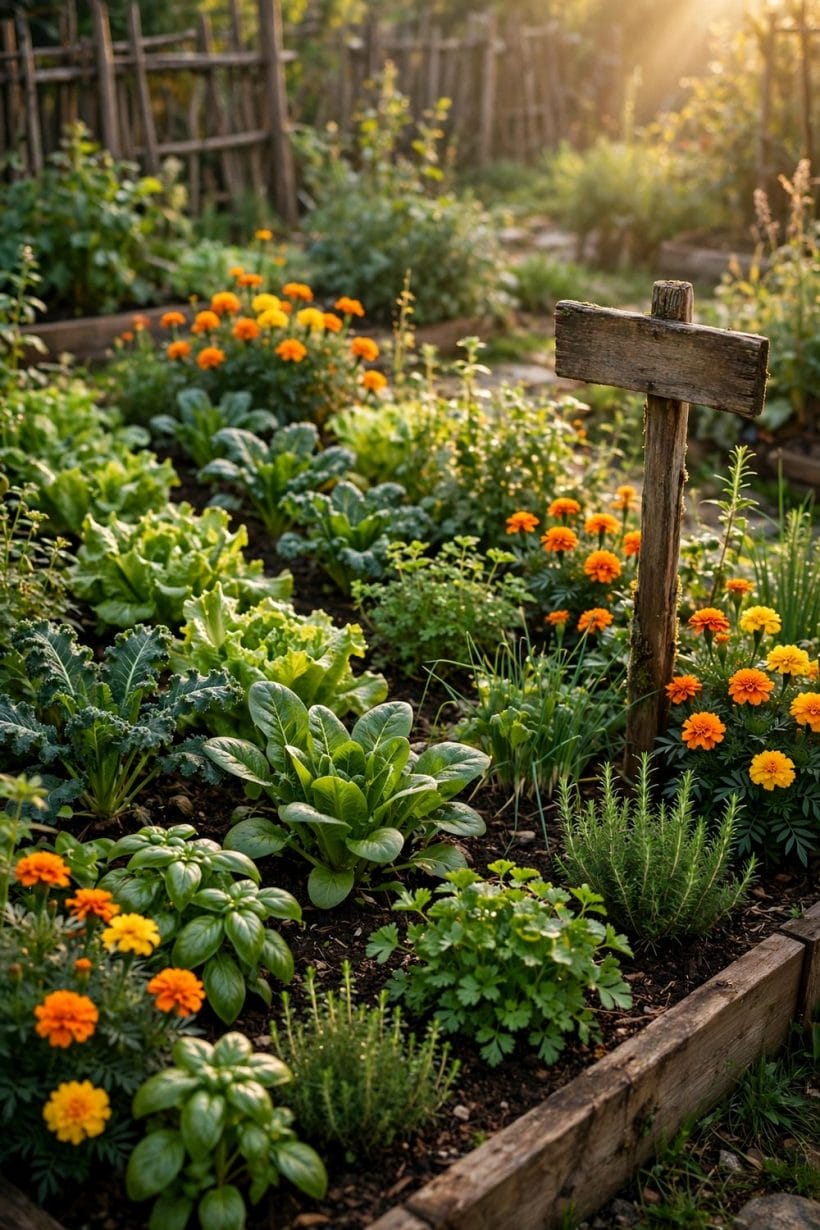
When a parcel arrives, open it promptly and look everything over while the plants are still in their packing. Check that the varieties match your order, that labels are present and legible, and that plants look fresh rather than dried out or crushed. Note anything damaged or missing straight away, with a photograph if the seller’s terms ask for one, and get in touch promptly rather than waiting to see if things recover.
Give new arrivals a drink if they need one and a sheltered spot out of harsh sun and wind while you prepare their beds. Most plants benefit from a gentle start: a day or two of shelter helps them adjust after travel, though the right length of time depends on the plant, the weather and the season. Avoid planting straight into frozen or waterlogged ground, and avoid leaving pots standing in deep water.
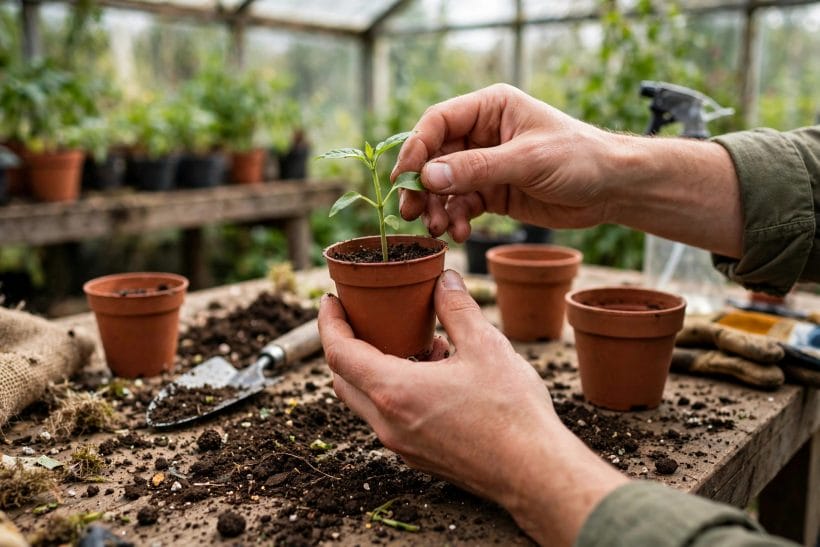
Plant out with the care the variety notes suggest, firming soil gently around roots and watering in well. Then label everything at once, while the names are certain. Labels written on arrival day save a season of guessing, and they are the foundation of the records that make next year’s ordering easier.
10. Keep Records for Next Year
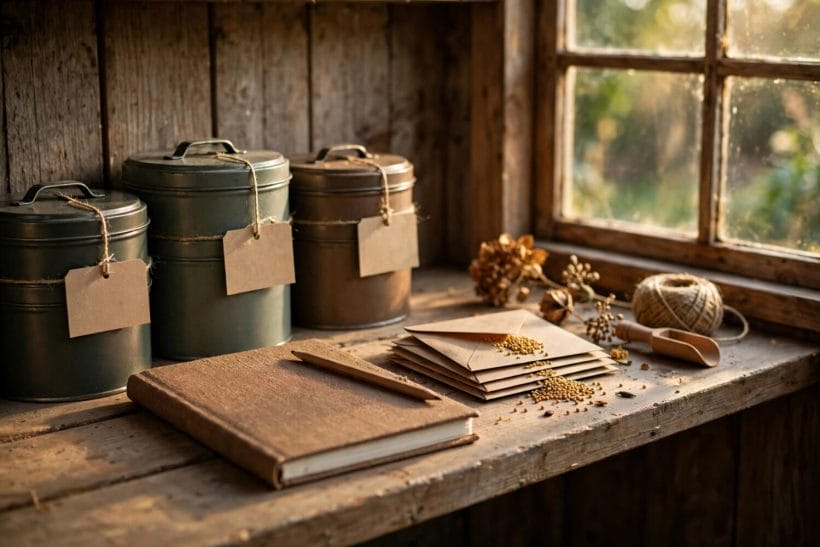
A small notebook can transform your ordering from guesswork into steady improvement. For each variety, note where it was planted, when it went in, how it grew, and whether it pleased you. Add notes on weather quirks, pests that visited, and anything you would do differently. Over a few seasons, these notes become a personal guide far more useful than any catalogue.
Records also help you order sensibly. When you can see that a bed already holds a vigorous climber, you will not order another to crowd it. When notes show a variety cropped poorly more than once in your soil, you can try something else without feeling you are giving up too soon. And when a variety does beautifully, your notes tell you exactly what to reorder and where it thrived.
Keep seed leftovers stored cool, dry and labelled, and note the year on every packet. Seed kept well may still grow in later seasons, though vigour often fades with time, so older seed is best sown a little more thickly and watched with patience. Good records turn each order into a lesson, and each season into a slightly wiser garden.
Final Considerations
Ordering seeds and plants well is less about finding a perfect seller and more about doing your own homework first. Plan the beds, read the variety notes, understand what form you are buying, match choices to your climate, and time the order to your calendar. Check policies and full costs before paying, read feedback with a sceptical eye, and be ready when the parcel arrives.
None of these checks can promise a perfect season; weather, soil and chance all play their part, and even careful gardeners lose plants some years. What the checks do offer is fewer avoidable surprises: the right plant in the right place, arriving at the right time, with its name on a label and its progress in your notebook. That is a solid foundation for any garden, and a habit worth keeping every time you order.
If you are planning new beds alongside a fresh order, our guide to container garden ideas may help you shape small spaces, and our garden shed ideas can help you plan storage for the pots, tools and seed boxes that ordering soon accumulates.




0 Comments