
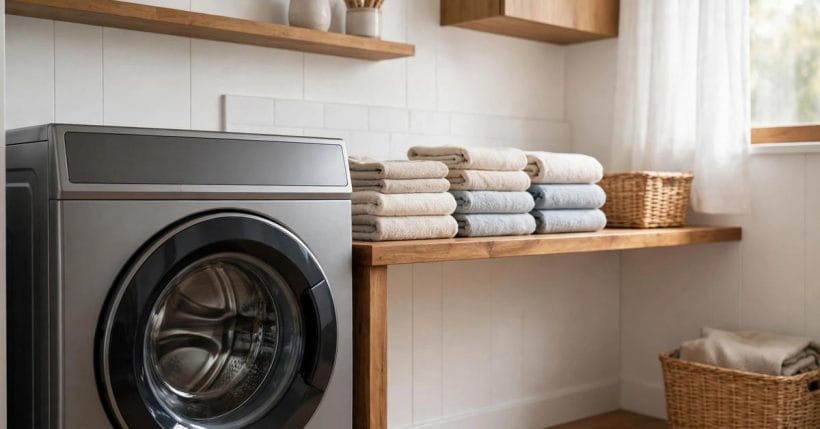
A front-load washer can be a quiet workhorse in a home, washing load after load behind a round glass door. It is also a machine that has to fit a real room, reach water and power safely, drain properly, and suit the way a household actually washes. Choosing one in a hurry, on looks alone, can lead to a door that cannot swing open, a machine that shakes the floor, or a wash routine that never quite suits the clothes. A calmer approach works better: look at the room first, then the loads, then the programmes and the everyday care, and let each check narrow the choice.
This guide walks through those checks in plain language, without favouring any one machine. It covers space, load size, wash programmes, noise, hook-ups, loading comfort, care, controls, running costs in general terms, and delivery and fitting. Keep your own home in mind as you read, and note the points that matter most to your rooms and your household. A short list of your own priorities will serve you better than any single recommendation, because it keeps the decision tied to your laundry, your rooms and your daily routines.
1. Start With the Space and the Door Swing
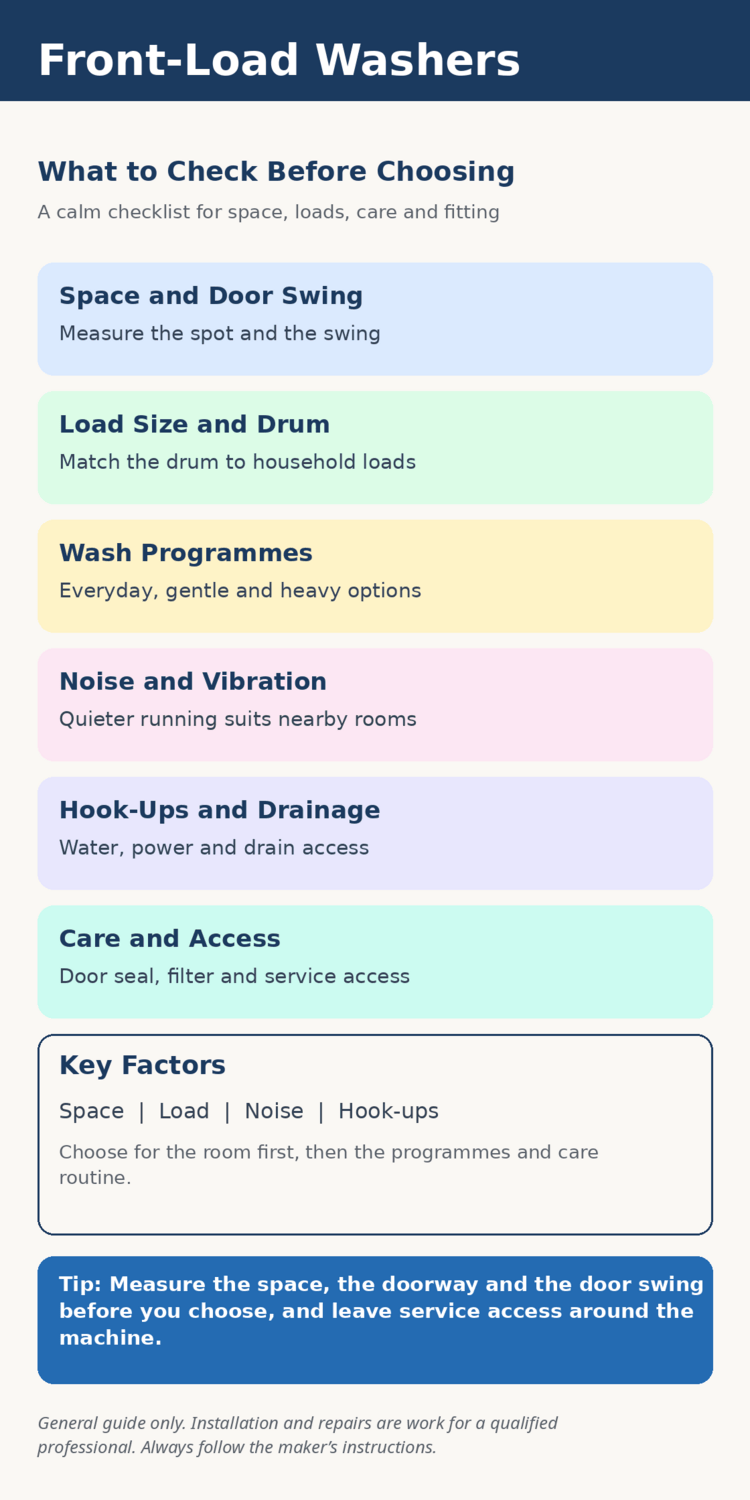
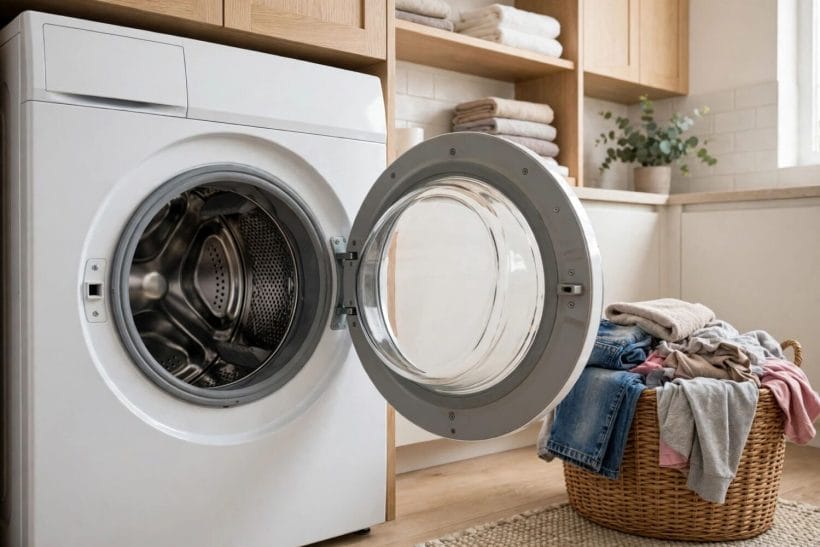
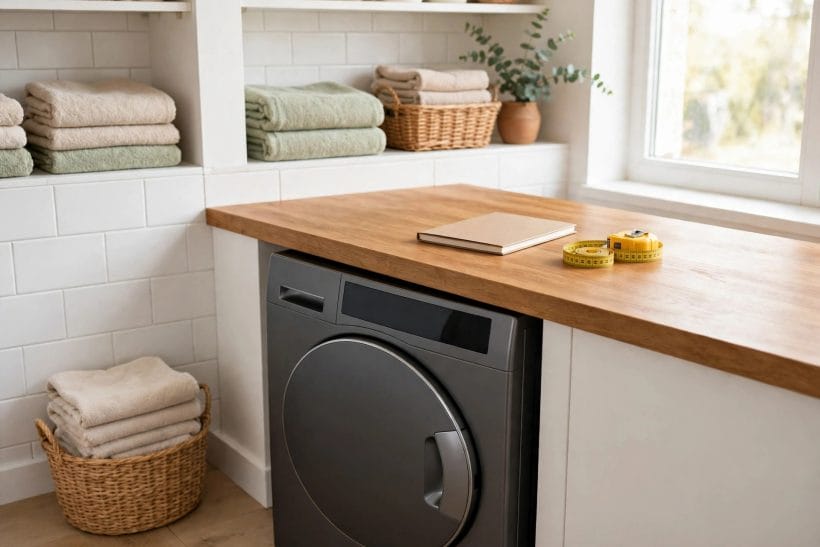
Begin with the room, not the machine. Measure the spot where the washer will stand, the width of the doorways it must pass through on delivery day, and the space in front of the machine where its round door will swing open. A front-load washer needs clear room in front for loading and unloading, and a door that opens against a wall or a cupboard will make every wash a struggle. Walk the route from the front door to the laundry corner in your mind, and notice tight turns, narrow passages and steps that could complicate delivery.
Also think about the floor beneath the machine and the walls around it. A level, solid floor helps a washer run steadily, while a springy or uneven floor can make vibration worse. Leave room around the machine for air to move and for a professional to reach the back and sides if service is ever needed. For tiny laundry room ideas, where every centimetre counts, this step matters even more, since a machine that fits on paper can still fail if its door cannot open fully or its hoses cannot be reached.
2. Match the Drum to Your Household Loads
The drum is where the washing happens, and its size should match the loads a household usually washes. A home that washes small, frequent loads has different needs from a home that washes bulky bedding and towels in large batches. Think about a typical week: how often the machine runs, what goes into it, and whether large items like blankets and curtains are washed at home or taken elsewhere. A drum that suits everyday clothes may still struggle with bulky items, while a very large drum can feel wasteful for small loads.
Look at the drum itself when you can, and picture your own washing inside it. A wide opening makes loading and unloading easier, especially for bulky items, and a smooth drum surface treats clothes gently. Avoid judging size by the outside of the machine alone, since two machines of similar outer size can hold quite different loads. The honest test is your own laundry: if the machine suits the loads you actually wash, week after week, it is the right size for your home.
3. Look at Wash Programmes in Plain Terms
Wash programmes are the settings that decide how a load is washed, and the useful question is whether they match the clothes in your home. Everyday cotton clothes, delicate fabrics, woollen items, sportswear and heavily soiled work clothes each need a different approach, and a machine that offers sensible choices for the fabrics you actually own will serve you better than one with a long list of settings you never touch. Read programme names in plain terms, and ask what each one does for the clothes rather than what it is called.
Useful extras are the ones that solve real problems in your home. A quick wash can help when a single item is needed soon, a gentle setting protects delicate fabrics, and a thorough setting suits heavily soiled loads. Temperature choices matter too, since some fabrics and stains need cooler water while others benefit from warmer water. Keep the focus on your own washing: the right set of programmes is the one that covers your weekly loads without asking you to guess or compromise on care.
4. Think About Noise, Vibration and Nearby Rooms
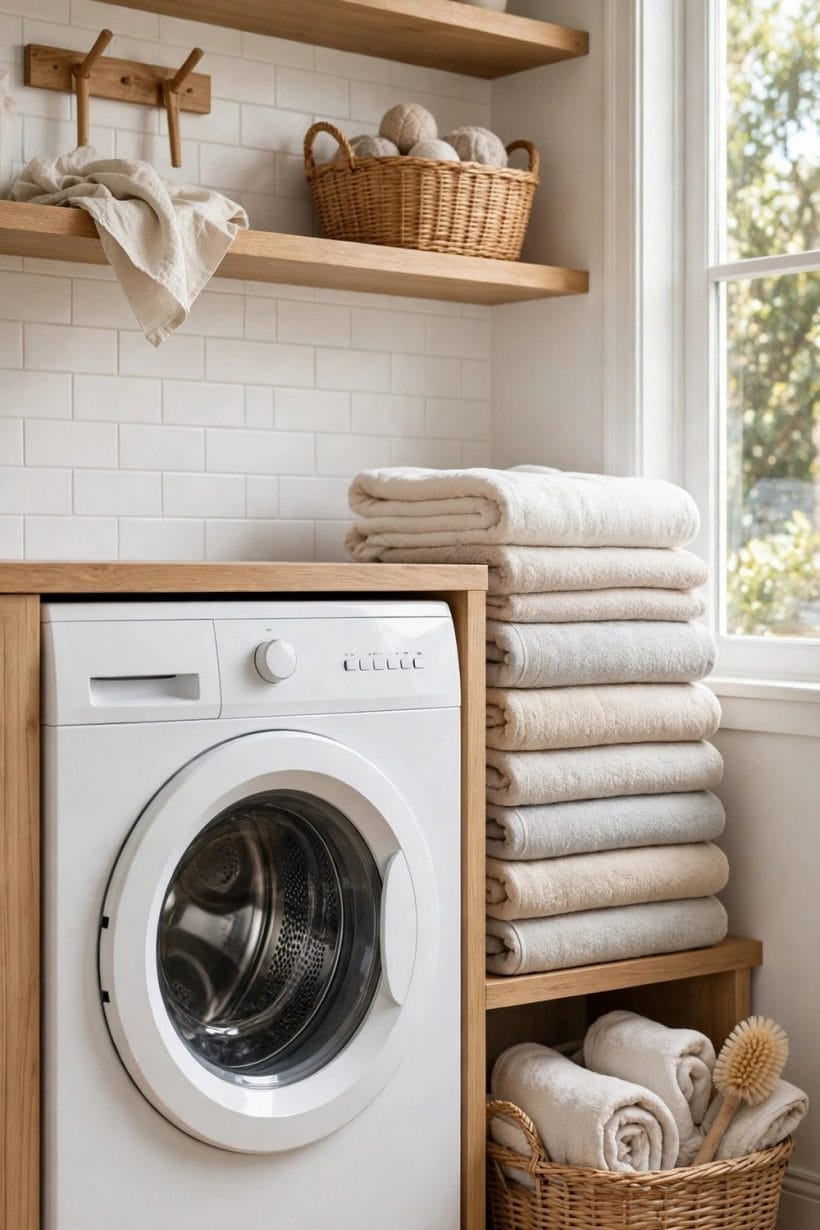
A washer does not live in isolation, and its sound travels through floors and walls into the rooms around it. A machine placed beside a bedroom, beneath a living room, or against a shared wall will be heard far more than one in a separate utility space. Think about when the machine usually runs: early mornings, evenings, or overnight, and who might be resting nearby at those times. A machine that runs quietly suits a home where laundry shares walls with sleeping and living spaces.
Vibration matters as much as sound. A machine that shakes can rattle nearby cupboards, creep across the floor, and disturb the rooms below. A level floor, a steady stance, and correct installation by a qualified professional all help a machine run smoothly. If the laundry sits on an upper floor or over a living space, take extra care with this check, and ask how the machine is levelled and secured. Quiet, steady running is a comfort that matters every single wash day.
5. Check Water, Power and Drainage Access
Before choosing, look at what the room already offers: a water supply, a drain, and a suitable power outlet, all within safe and sensible reach of the machine’s position. A front-load washer needs a reliable water connection and a drain that can carry water away without fuss, and both should be checked by a qualified professional rather than improvised. If the room lacks a drain or the supply sits far from the machine’s spot, that is a fitting question to settle before delivery, not after.
Electrical safety deserves the same care. The machine should connect to a suitable outlet in good condition, away from splashes and damp, and any new outlet, circuit work or plumbing change is work for a qualified professional only. Never run a machine from an unsafe extension or a damaged outlet, and never move plumbing or wiring yourself to make a machine fit. For tiny house designs, where services are often compact and shared, this check matters even more, since space and services must be planned together.
6. Consider Loading, Bending and Everyday Ease
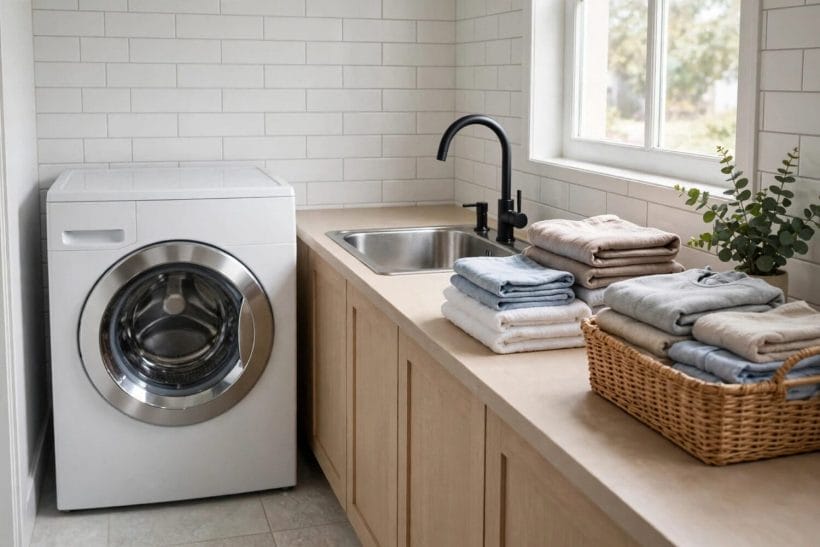
A front-load washer is loaded through its round front door, which means bending or crouching to reach the drum. That motion is repeated with every load, so comfort matters more than it first appears. Picture yourself loading a full basket, reaching to the back of the drum, and pulling out damp clothes at the end of the cycle. A door that opens wide, a drum that is easy to reach into, and a comfortable working height all make the routine easier on backs and knees.
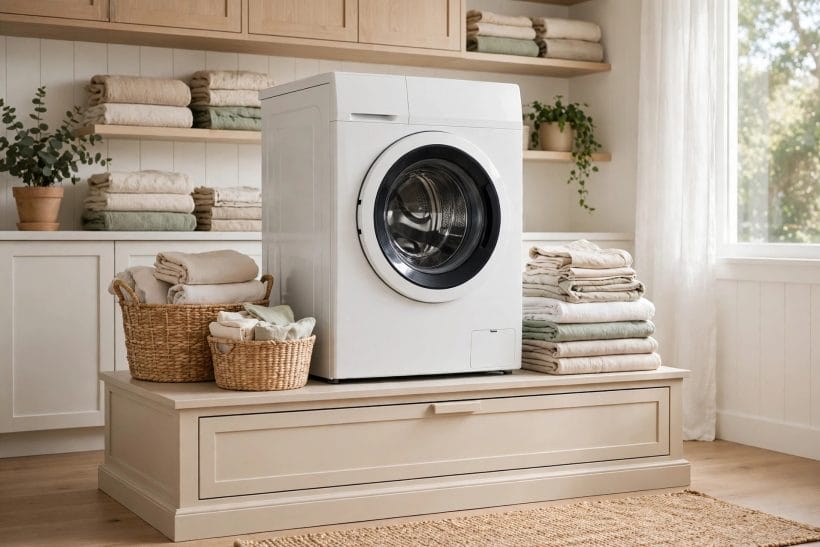
Raising the machine on a sturdy pedestal or a solid platform can bring the door to a kinder height, but only where the platform is stable, level, and suited to the machine’s weight and vibration. Ask a professional whether a raised position suits your floor and your machine, and never stack or balance a washer on an unsuitable surface. Small comfort details, like a door that stays open while you load and a drum light that helps you see inside, add up across years of weekly washing.
7. Look at the Door Seal and Everyday Care
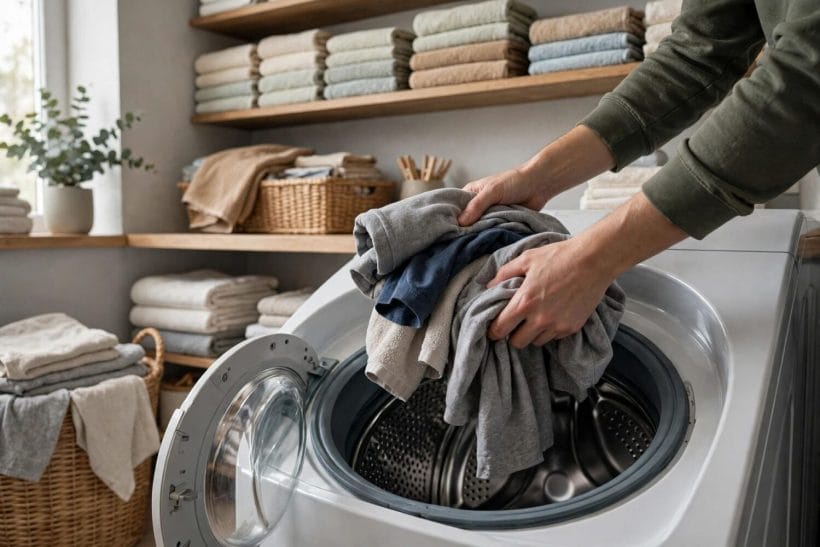
The rubber seal around the front door keeps water inside the machine, and it deserves a regular look. After washing, the seal can hold moisture and stray items, so a gentle wipe and a chance to dry, following the maker’s instructions, helps keep it fresh. Check that the seal sits evenly, closes cleanly, and shows no wear, and ask what routine care the maker recommends for it. Simple, regular attention here prevents small problems from becoming unpleasant ones.
Other everyday care is just as straightforward. The detergent drawer, the filter area, and the outside of the machine all benefit from gentle cleaning as the maker directs, and the drum benefits from an occasional empty maintenance wash if the maker recommends one. Keep the maker’s instructions somewhere easy to find, and follow them rather than improvising with harsh cleaners or homemade mixtures. A machine that is easy to care for is a machine that stays pleasant to use, and care routines that fit your habits are more likely to actually happen.
8. Compare Controls Without the Jargon
Controls should be easy to understand on a tired evening, not only in a showroom. A clear dial or a simple display, programme names that make sense, and buttons that respond cleanly all matter more than a long list of features. Try the controls if you can, and notice whether you can find the programme you want without hunting through menus. If the controls feel confusing at first sight, they will feel confusing every wash day.
Helpful touches include a clear display of the remaining time, a simple way to delay a wash, and a child lock if young children share the home. Keep the focus on clarity rather than novelty: the controls you will actually use are the ones that match your loads and your routine. For tiny house interiors, where the laundry often sits close to living spaces, simple controls that anyone in the household can use without a manual search are a genuine everyday advantage.
9. Think About Running Costs in General Terms
Running costs are not only about the machine itself, but about water, energy and detergent used across years of washing. A machine that uses water and energy efficiently for the loads you actually wash will cost less to run over time than one that wastes either, and washing at cooler temperatures where clothes allow can reduce energy use further. Look for efficiency information in general terms, and compare machines on the same basis rather than on a single headline claim.
Detergent and care costs belong in the same picture. Some machines work well with modest amounts of detergent, while others need more, and the maker’s guidance on dosing is worth following rather than guessing. Loading the drum sensibly, neither cramming it nor running it nearly empty, also helps each wash do its work properly. Think of running costs as a long, quiet total rather than a single figure, and favour the machine whose everyday use suits your household’s habits.
10. Plan Delivery, Fitting and Service Access
The final check happens before the machine ever reaches your home. Confirm the delivery route, the doorway widths, and the turning space at each corner, and make sure the machine can be brought in without damage to floors, walls or door frames. Ask who will fit the machine, how the water and drain connections will be checked, and how the machine will be levelled and checked on its first run. Fitting, plumbing and electrical work belong to qualified professionals, and a proper first run with no leaks and steady running is worth waiting for.
Also plan for the years after fitting. A machine needs service access around it, a clear path for a technician, and instructions kept somewhere easy to find. Ask what support is available if something goes wrong, and how service visits are arranged, without assuming any particular promise. A machine that can be reached, serviced and cared for easily will serve a home far longer than one wedged into a corner where no one can reach its back or sides.
Final Considerations
Choosing a front-load washer well comes down to a handful of honest checks: a room it fits, a drum that suits your loads, programmes that match your clothes, quiet and steady running, safe water and power, comfortable loading, simple care, clear controls, sensible running costs, and a fitting plan that leaves service access open. None of these checks needs a technical background, only a little time spent thinking about your own home before you choose. The general washer guide at washer buying checks covers the wider choice in similar terms, and the rooms around the laundry matter too, from tiny house flooring ideas underfoot to tiny bathroom ideas and tiny house kitchens nearby.
Take your notes with you, ask questions in plain language, and let the machine earn its place by fitting your room and your routine. A washer that is easy to load, simple to care for, and quiet in the rooms around it will make laundry feel like a smaller part of the week rather than a constant chore. That everyday ease is the real measure of a good choice, far more than any single feature or programme on its own. If any check raises a doubt, especially around plumbing, drainage or electrics, pause and ask a qualified professional before going further. A careful choice, fitted properly and cared for simply, gives a home a washer that works quietly in the background for years, load after load, without fuss or surprise.



0 Comments