
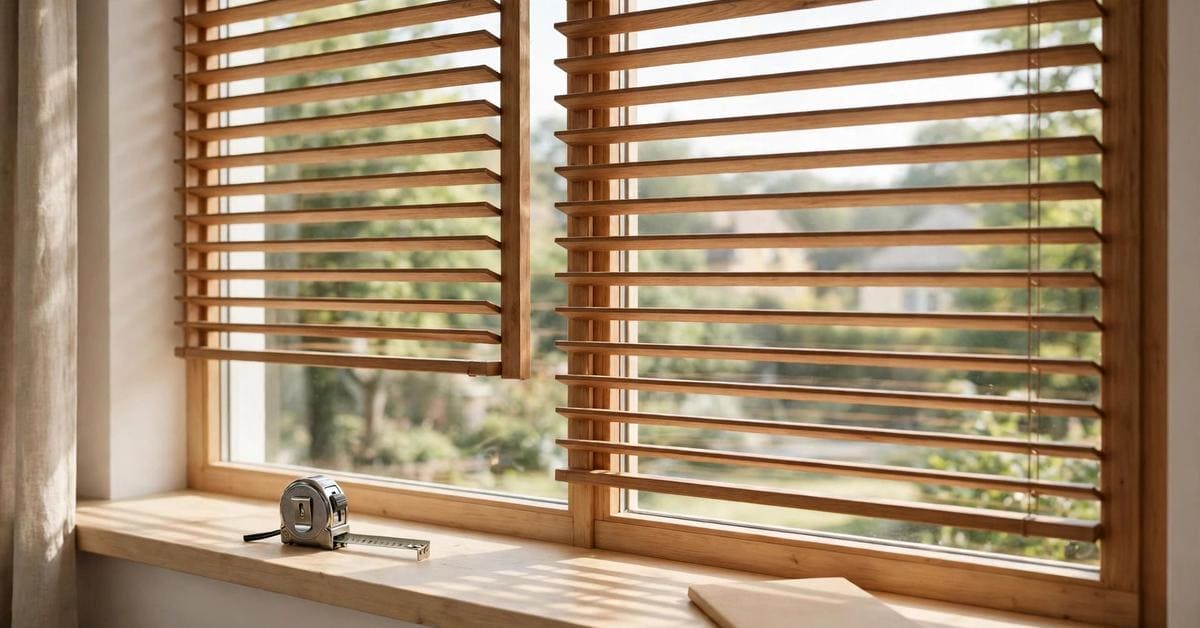
A blinds quote can look simple at first glance: a list of windows, a choice of covering, and a total. The trouble usually starts later, when a blind arrives and does not fit the frame, blocks light in a way nobody wanted, or leaves a cord hanging where small children play. Most of those problems are not about taste. They come from details that were never written down clearly before the order was placed.
This guide walks through what to check in a blinds quote before you agree to anything. It covers measuring, the way a blind sits in the frame, light and privacy, materials, operation, and the written quote itself. It does not compare sellers, rank products, or recommend one supplier over another. The aim is simpler than that: to help you read any quote carefully, ask the right questions, and end up with window coverings that fit your home and the way you live in it.
1. Start With the Windows Themselves
Every good quote starts with the windows, not with the blinds. Walk around the house and look at each window on its own terms. Note its shape, whether it opens inward or outward, and whether anything sits close to it: a handle that sticks out, a deep sill, a radiator below, a door that swings past, or a tile edge that is not quite square. A blind that works beautifully on a plain rectangular window can be awkward on a window with a protruding handle or a shallow recess, and those details need to be in the quote rather than discovered on fitting day.
Think about what each room asks of its windows. A kitchen window sits above a sink and gets splashed. A bathroom window lives in steam. A bedroom window faces a streetlight or an early sunrise. A living room window may be the main source of daylight in the house. When you look at the windows this way, the quote stops being a single repeated line and becomes a set of separate decisions, one per window. That is exactly how it should read.
It also helps to count the windows twice. Count them once as you walk the rooms, and once again from the quote itself. A missed window is one of the easiest mistakes to make and one of the most annoying to fix, because a single extra blind ordered afterwards may not match the batch, the colour, or the fitting arrangement of the rest. If the quote lists windows by room, check the room names against your own. If it lists them by size, check that every window you counted appears somewhere in the list.
2. Measure Twice, in the Same Way
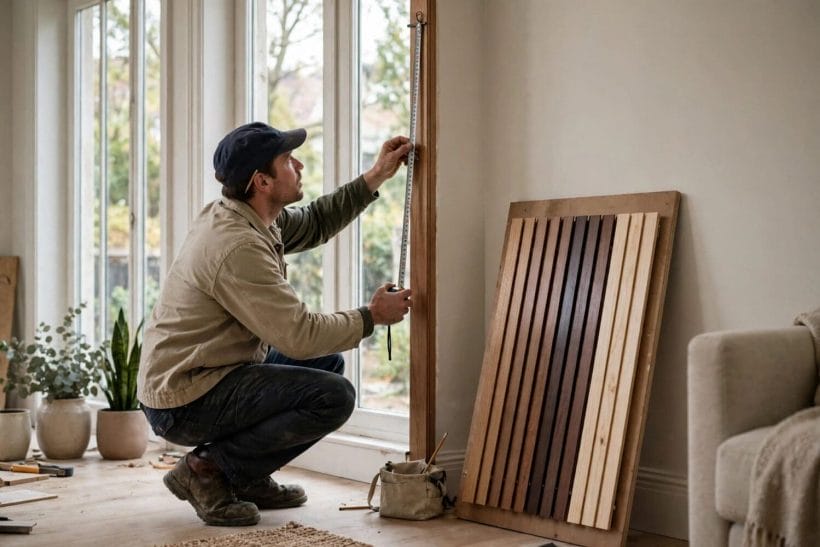
Measuring is where most fitting problems begin, and it is also where a careful quote earns its keep. A window is rarely a perfect rectangle. Frames can be slightly out of square, plaster can bow, and a sill can slope. That is why a single measurement across the middle of a window is not enough on its own. Measure the width at the top, in the middle, and at the bottom. Measure the drop on the left, in the centre, and on the right. If those readings differ, the differences themselves are useful information, and they should be discussed before the blind is made, not after it arrives.
Consistency matters as much as accuracy. Everyone measuring should use the same method, the same units, and the same reference points, so that a measurement taken in one room means the same thing as a measurement taken in another. If a professional measures for you, ask them to explain which points they measured from: the inside of the frame, the face of the wall, or the edge of the architrave. If you measure yourself, write each reading down as you go, window by window, and keep the notes. A quote built on clear, consistent measurements is far easier to check than one built on a single round figure per window.
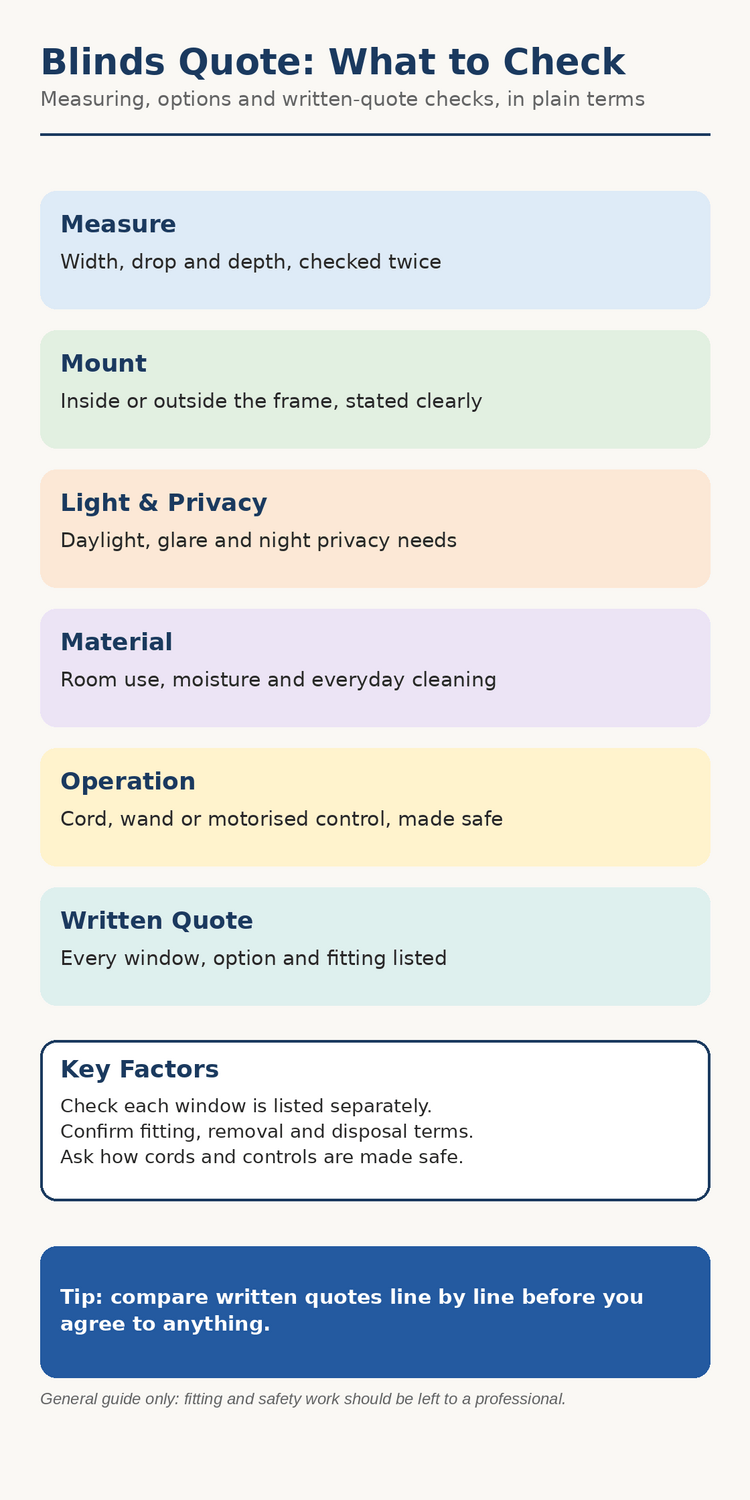
Depth deserves the same attention. The depth of the recess decides whether a blind can sit inside the frame at all, and whether handles, locks, or vents will get in the way when the blind is lowered. Measure the depth at more than one point, and note anything that sticks into the recess. A shallow recess, a chunky handle, or a window that opens inward can all change what is possible, and a quote that ignores depth is a quote that has not yet looked at the window properly.
Finally, check how the measurements appear in the quote. Each window should carry its own set of readings, or at least a clear reference to the measurement notes that were taken. If the quote gives only a blind size with no link back to the window it belongs to, ask for the link. You are not being difficult. You are making sure that the blind made for the kitchen ends up in the kitchen, and not in the bedroom by mistake.
3. Decide How the Blind Will Sit in the Frame
One of the first choices in any blinds quote is whether the blind mounts inside the recess or outside it, overlapping the frame and part of the wall. Both approaches are common, and neither is right for every window. An inside mount sits neatly within the frame and leaves the architrave and the wall visible. An outside mount covers the whole window opening and can hide an uneven frame or a shallow recess. The choice changes the look of the room, the amount of light that leaks around the edges, and the measurements that matter.
Because the choice matters so much, it should be stated plainly in the quote for every window, not assumed. If one window is inside-mounted and the next is outside-mounted, the quote should say so, window by window. If the quote is silent on the point, ask. A fitter working from an unclear quote will have to guess, and a guess made on the day is rarely the guess you would have made with time to think.
Also check what the mount means for the rest of the window. An outside mount may cover a vent, a trickle slot, or part of a handle. An inside mount may leave a gap at the sides where light slips through. Neither outcome is necessarily a problem, but both are worth knowing about in advance. Ask how much of the frame will stay visible, whether the window can still open fully with the blind in place, and whether anything already fitted to the window will need to move. The answers belong in the conversation before ordering, and ideally in the written quote itself.
4. Match Light and Privacy to Each Room
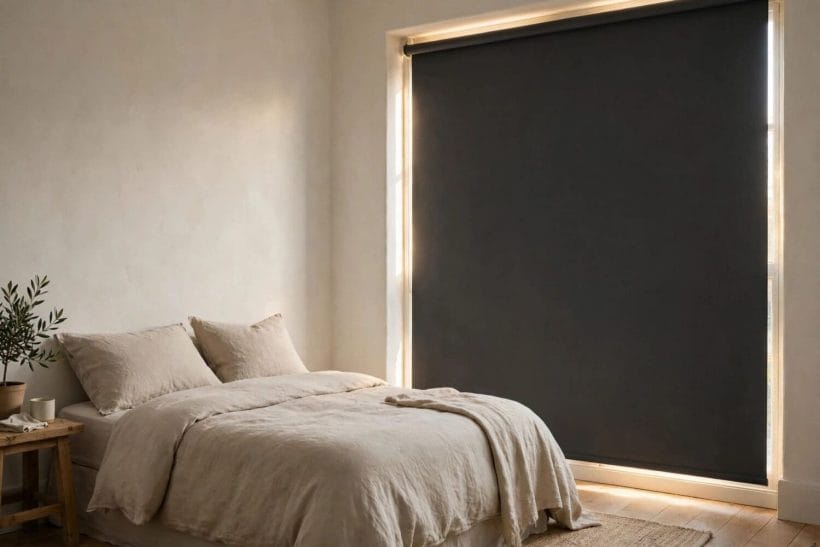
Blinds do two jobs at once: they manage light and they manage privacy. Those two jobs pull in different directions, and the balance is different in every room. A living room may need soft daylight during the day and a clear view out in the evening. A bedroom may need darkness for sleeping and privacy from a neighbouring house. A bathroom needs privacy at all times but still benefits from daylight. A home office needs glare kept off a screen without turning the room gloomy.
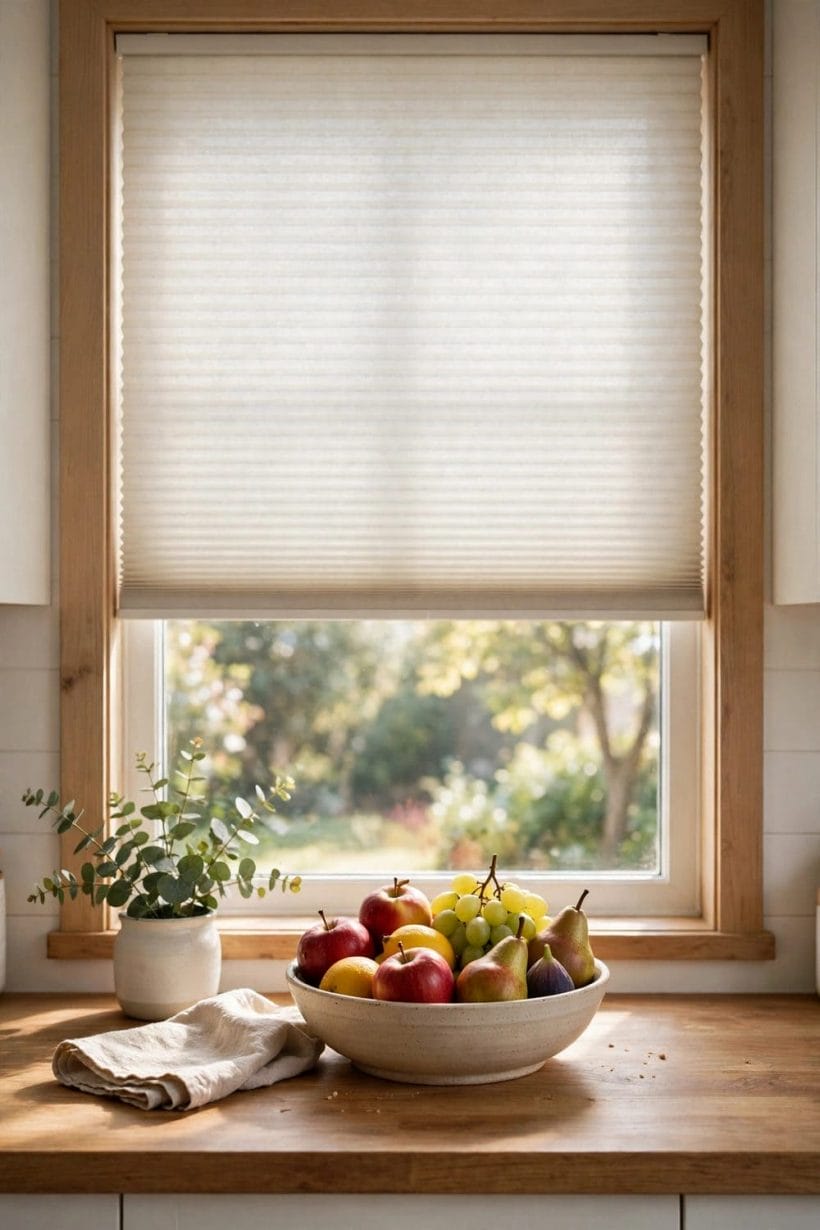
When you read a quote, check that it treats light and privacy as room-by-room questions rather than one answer for the whole house. Slatted blinds can be tilted to soften light while keeping a view. Sheer fabrics filter daylight and give daytime privacy but offer little after dark when the lights are on inside. Opaque fabrics block light and view together. Each option has a different character, and the quote should make clear which character you are getting for each window. If the quote names a fabric or a slat style, ask what it looks like with the light behind it, both by day and by night, and ask to see a sample held up to a window rather than laid flat on a table.
Direction matters too. A south-facing window and a north-facing window in the same house can feel like different rooms. One may flood with sun and heat in the afternoon, while the other stays cool and dim. A quote that gives both windows the identical treatment may be perfectly fine, or it may be a sign that nobody has thought about orientation. It is worth asking the question, even if the answer turns out to be that the same treatment suits both. The point of the check is not to change the order. It is to be sure the order was considered.
5. Choose Materials for the Room They Will Live In
Materials are where a blinds quote meets real life. A fabric that looks elegant in a showroom can stain, warp, fade, or hold moisture in the wrong room. Kitchens deal with steam, grease, and splashes. Bathrooms deal with constant humidity. Sunny rooms deal with strong light that can fade colour over time. Rooms with pets or small children deal with knocks, pulls, and sticky fingers. The material for each window should be chosen with that room in mind, and the quote should show that thinking.
Ask how each material is cleaned. Some blinds wipe down with a damp cloth. Some need a gentle vacuum or a careful dusting. Some should not get wet at all. Cleaning is not a minor detail: it is the difference between a blind that still looks good after a few years and one that slowly becomes a chore. If a material needs special care, that care should be explained before you order, not discovered in a care label afterwards. The same goes for moisture. If a blind is going into a bathroom or above a kitchen sink, ask directly whether the material suits damp conditions, and what happens to it over time if it gets wet regularly.
Colour deserves a quiet word as well. Colour looks different under showroom lighting than it does in your own home, and different again in morning light versus evening light. A sample viewed at home, against your own walls and furniture, tells you far more than a swatch viewed anywhere else. If the quote names a colour, ask for a sample to live with for a few days. Hold it against the window at different times of day. The few days this takes are nothing compared with the years you will live with the choice.
6. Check How the Blind Is Operated
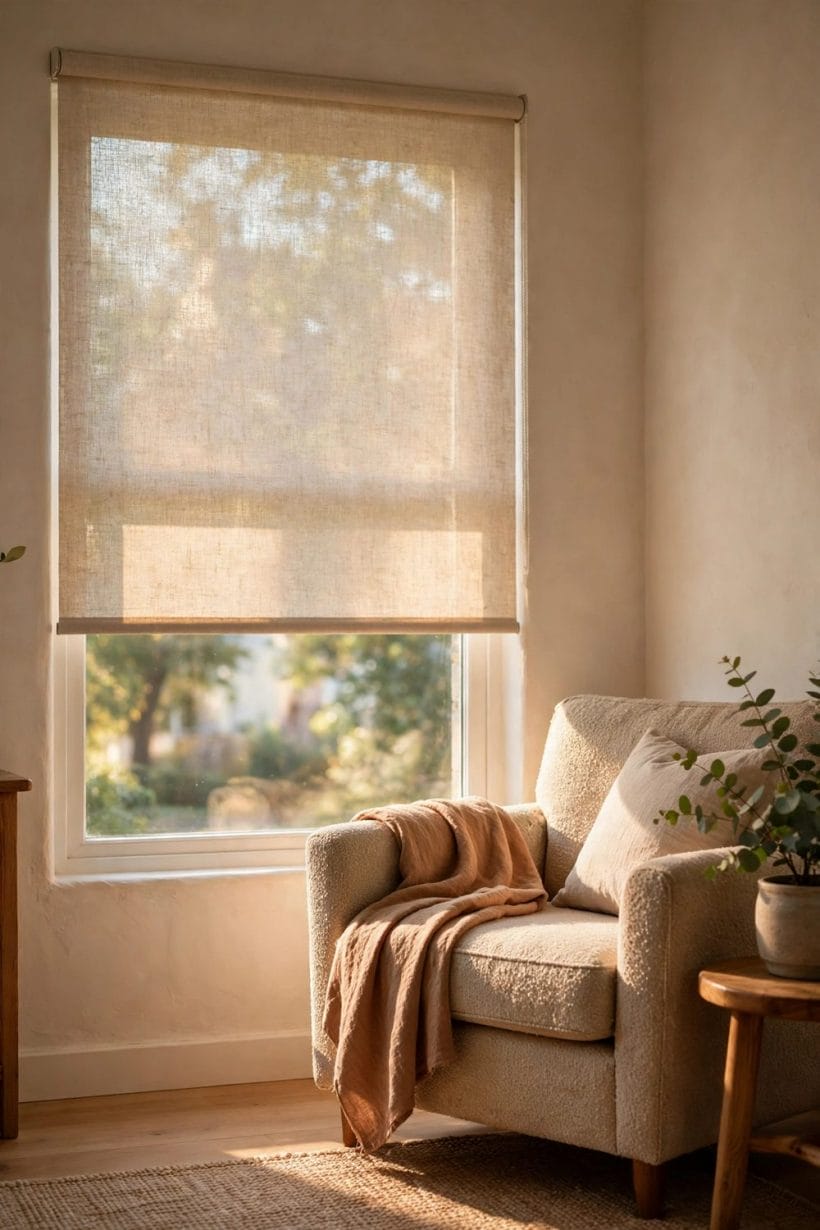
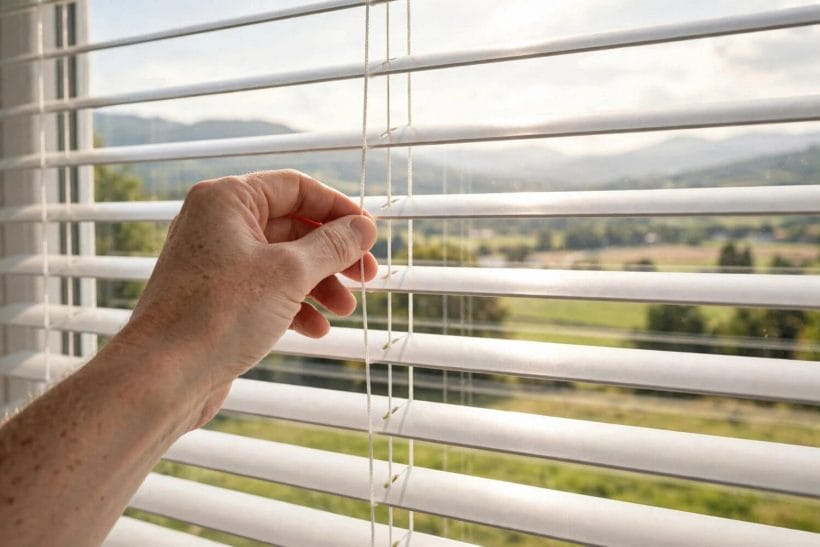
How a blind opens, closes, and tilts is easy to overlook and hard to live with once it is wrong. A cord, a wand, a chain, a spring mechanism, and a motorised control all feel different in daily use, and they suit different households. A tall window may need a longer control. A window behind a sofa or a bath may be hard to reach at all. A household with small children or pets needs to think carefully about anything that hangs, loops, or dangles within reach.
Safety is the most important part of this check. Loose cords and loops near windows are a known hazard for small children, and modern blinds are designed with that in mind: cordless options, tension devices, breakaway fittings, and motorised controls all exist to reduce the risk. When you read a quote, check that it says how each blind will be operated and what safety arrangement comes with it. If the quote is silent, ask. Fitting is a good moment to have safety devices installed properly, and a professional fitter can advise on the arrangement that suits each window and each room.
Think about daily use as well. Will the blind be raised and lowered every day, or left in one position most of the time? A blind that moves daily needs a control that is easy to reach and comfortable to use. A blind that rarely moves can be simpler. Motorised controls add convenience, especially for high or hard-to-reach windows, but they also add a power source, a control, and something that may one day need attention. The quote should make clear what kind of control each blind has, where its power comes from if it needs any, and what is included in the fitting. None of that should be a surprise on the day.
7. Read the Written Quote Line by Line
The written quote is the heart of the whole exercise, and it deserves a slow, careful read. A good quote lists every window separately, names the blind type and material for each one, states the mount, the operation, and the colour, and gives a line for each item rather than one lumped total. If any of those pieces are missing, the quote is not yet finished, however tidy it looks. Ask for the missing pieces before you agree to anything.
Watch for vague wording. Phrases that sound reassuring but commit to nothing are a warning sign in any quote, for blinds or anything else. If a line says a blind will be fitted to a window but does not say which blind, which material, or which mount, then it does not yet describe the job. If a line mentions extras without naming them, ask what they are. Clarity now prevents disagreement later, and a supplier who is confident in their work will generally welcome clear questions about their own quote.
Check the totals as well. Add the lines up yourself, or at least check that the total matches the lines you can see. If the quote shows a single total with no breakdown, ask for one. You do not need to be suspicious to want a breakdown. You need it to compare anything at all, and to know what you are paying for if you later decide to change one window and not the others. A quote that cannot be broken down cannot be adjusted, and a quote that cannot be adjusted is a poor basis for a decision.
8. Ask What Fitting Covers, and What It Does Not
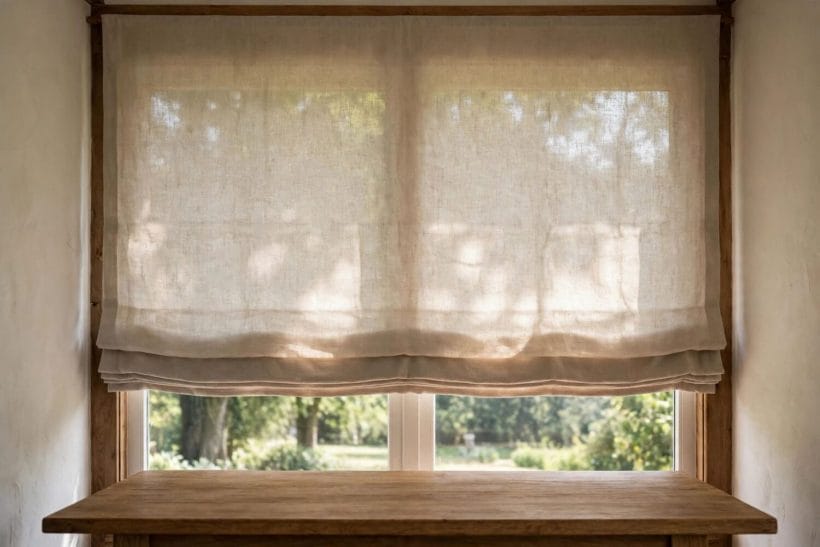
Fitting is often where expectations quietly diverge. One person assumes fitting includes removing old blinds, making good the wall, and taking the packaging away. Another assumes it means fixing the new blinds and nothing more. Both assumptions are reasonable, and that is precisely why the quote needs to say which one applies. Ask whether fitting is included at all, and if it is, what it covers: fixing, adjustment, a demonstration of the controls, and tidying up afterwards.
Also ask about the windows themselves. Old blinds, curtains, tracks, and fixings may need to come down first. Walls may need small repairs where old brackets come out. A fitter working in a finished room will want to protect floors and furniture, and you will want to know whether that protection is part of the job. If the quote says nothing about removal or making good, ask. The answer may be that those things are included, or that they are your responsibility, or that they carry a separate charge. Any of those answers is fine. What is not fine is finding out on the day.
Timing belongs in the same conversation. Ask how long fitting is expected to take, whether all windows will be done in one visit, and what happens if a blind does not fit or arrives damaged. A clear answer to those questions tells you a great deal about how organised the work will be. It also lets you plan the day: which rooms will be out of use, whether furniture needs moving, and whether someone needs to be home. Fitting work in a home is disruptive by nature, and a little planning makes it far less so. If any part of the fitting involves drilling, wiring, or working at height, leave it to a professional rather than improvising, and make sure the quote reflects professional fitting rather than a do-it-yourself assumption.
9. Compare Like With Like, Not Total With Total
If you hold more than one quote, the temptation is to compare the totals and pick the lower one. Resist it. Two quotes with different totals may describe entirely different jobs: different materials, different mounts, different controls, different fitting arrangements, and different numbers of windows. A lower total for a lesser specification is not a saving. It is a different purchase.
The honest way to compare quotes is line by line, window by window. Lay the quotes side by side and check each window against the others. Is the same blind type named? Is the mount the same? Is the operation the same? Is fitting included in both, or only in one? Does one quote include removal of old blinds while the other leaves it out? Only when the lines match can the totals be compared fairly, and only then does a difference in total mean something. If a line is missing from one quote, ask for it to be added before you compare. You are not making extra work. You are making the comparison possible.
It is also worth comparing what is not in the quote. A quote that lists aftercare, adjustments, or a visit to fix a problem reads differently from one that ends at fitting day. Neither approach is automatically better, but the difference matters, and it should be visible before you decide. Read the small print too, especially anything about lead times, changes to the order, and what happens if you need to alter a window after measuring. Those terms rarely matter until they suddenly do, and by then the order has already been placed.
10. Keep a Record Before Anything Is Ordered
Before you agree to a quote, gather the record into one place. Keep the measurements, the samples, the written quote, and any notes from conversations together, whether on paper or in a folder on your phone. Photograph each window with its measurements noted beside it. Keep the sample swatches until the blinds are fitted, so that the colour can be checked against the delivered goods. If anything was agreed verbally, ask for it to be added to the written quote. A verbal agreement is easy to remember differently on two sides of a conversation, and a written line costs nothing to add.
This record also protects you if something changes. Windows get remeasured, rooms get repainted, and plans shift. With a clear record, a change to one window can be discussed precisely: which window, which measurement, which material. Without one, every change becomes a fresh negotiation about what was originally agreed. The record is not about distrust. It is about clarity, and clarity helps both sides.
Finally, give yourself a pause before ordering. A blinds quote is not an emergency, and a day or two of reflection rarely changes the price but often changes the decision. Re-read the quote with fresh eyes. Check the rooms once more. Ask the one question you have been meaning to ask. If everything still reads clearly, order with confidence. If something still feels unclear, that feeling is itself useful information, and it is worth resolving before the order goes in rather than after the blinds arrive.
Final Considerations
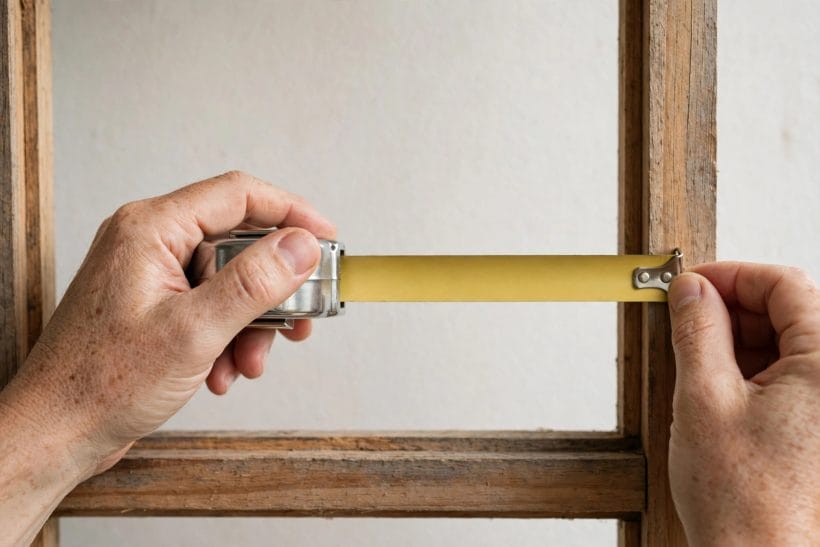
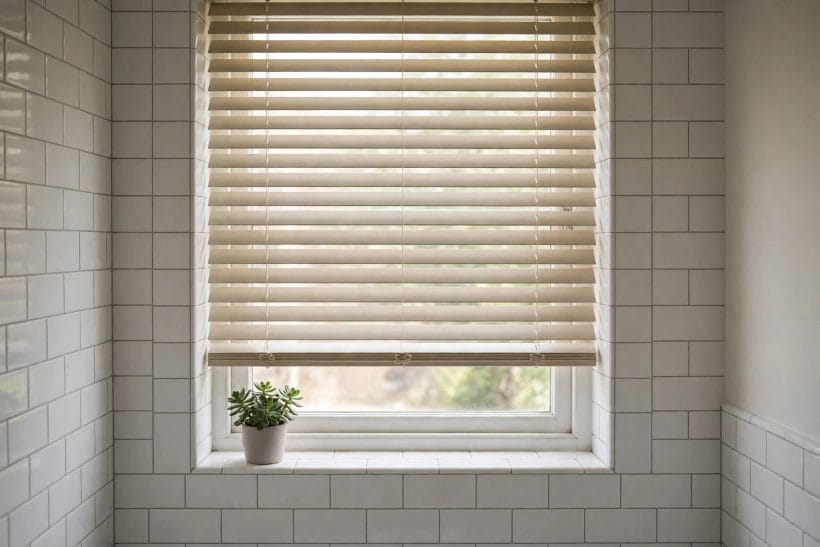
A blinds quote is, at its core, a description of a job. The better the description, the better the result. Measure carefully and consistently. State the mount for every window. Match light, privacy, and material to each room. Check how each blind is operated and how its controls are made safe. Read the written quote line by line, ask what fitting covers, compare like with like, and keep a record of everything before you order.
None of these checks requires specialist knowledge. They require patience, a tape measure, and a willingness to ask plain questions. That is their strength. A supplier who answers plain questions plainly is a supplier you can work with, and a quote that survives a careful reading is a quote you can agree to with confidence.
For related reading, see how window coverings sit within a whole home: tiny house designs show how windows shape small rooms, tiny house floor plans show where windows fall in a layout, and tiny house interiors show how light and privacy are balanced inside. Room guides such as tiny house living room ideas and tiny bedroom ideas explore the rooms where blinds matter most. For the coverings themselves, curtains over blinds looks at layering one treatment over another, and blinds and shades: what to check before you buy covers the wider buying checks that sit behind any quote.

0 Comments