
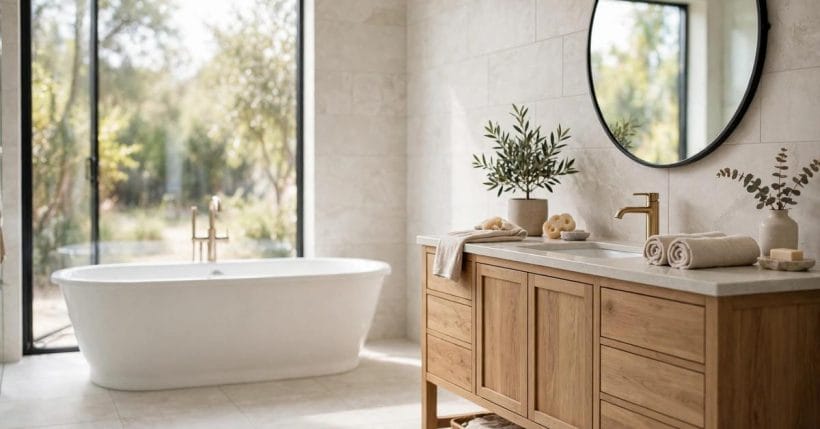
Choosing tile looks simple from a showroom shelf, where every sample sits under bright lights and every colour looks settled. At home the same tile meets daylight, lamplight, steam, splashes, bare feet and daily cleaning, and those ordinary conditions decide whether it feels right for years or starts to grate within weeks. A tile what to check list helps slow that decision down, moving attention from the single sample in hand to the room it will live in, the surface it will cover, and the way it will be cleaned, joined and finished. The checks below cover materials, finishes, sizes, colours, grout, samples, wet areas, edges and everyday care, so each choice can be weighed before fixing begins.
Tile is a long-stay surface. Unlike paint, it is not easily changed on a weekend, and unlike a rug, it cannot be rolled up when tastes shift. That permanence is the reason to check the practical points first and the decorative points second. A tile that suits the room, the surface and the household will usually look good as well, because its colour and pattern will be working with the light and the fittings rather than against them. Where fixing, waterproofing or structural preparation is involved, that work belongs to qualified professionals, and local rules should be checked before anything is altered.
1. Start With the Room and How It Is Used
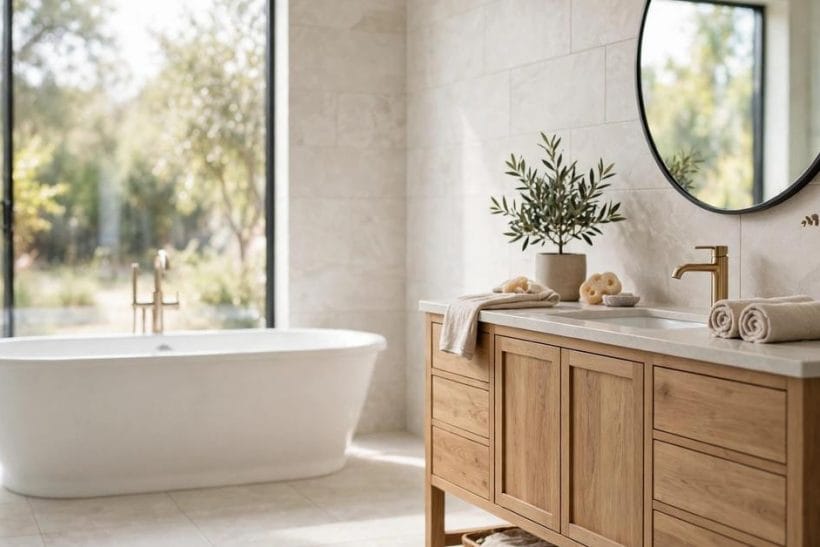
Every tile decision starts with the room rather than the tile. A bathroom floor meets water, steam and bare feet every day, while a kitchen wall meets cooking splashes and frequent wiping, and a hallway floor meets grit from shoes and the coming and going of a whole household. Each of those uses asks something different of a surface, and a tile that suits one may be wrong for another. Before looking at colours, note how the room is used, how often it gets wet, how much daylight it receives, and who walks across it, because those answers narrow the field far more honestly than any display.
The room also sets the scale of the job. A small cloakroom shows every joint and every cut, so pattern and grout colour matter more there than in a large open room where the eye reads the whole floor at once. A room with awkward corners, sloping ceilings or many fittings will need more cuts, and a busy pattern can hide small cuts while a plain large tile shows them. Look at the room as it is, with its doors, windows and fixed fittings, and picture the tiled surface finished, not just the sample. Tiny house bathroom designs show how much difference room size and layout make to tile choices, because every surface there has to earn its place.
2. Tile Materials and What Each One Suits
Ceramic tile is the familiar all-rounder of kitchens and bathrooms, with a glazed surface that wipes clean and a wide range of colours and patterns. It suits walls very well and suits floors in rooms where use is light to moderate, and its glaze gives a finished look that needs little more than regular cleaning. Porcelain tile is denser and harder wearing, which makes it a common choice for floors that take daily traffic, for hallways, and for rooms where durability matters more than decoration. Stone tile, including marble, slate and travertine looks, brings natural variation, so no two pieces are quite alike, and that variation is part of its appeal as well as something to check carefully before fixing.
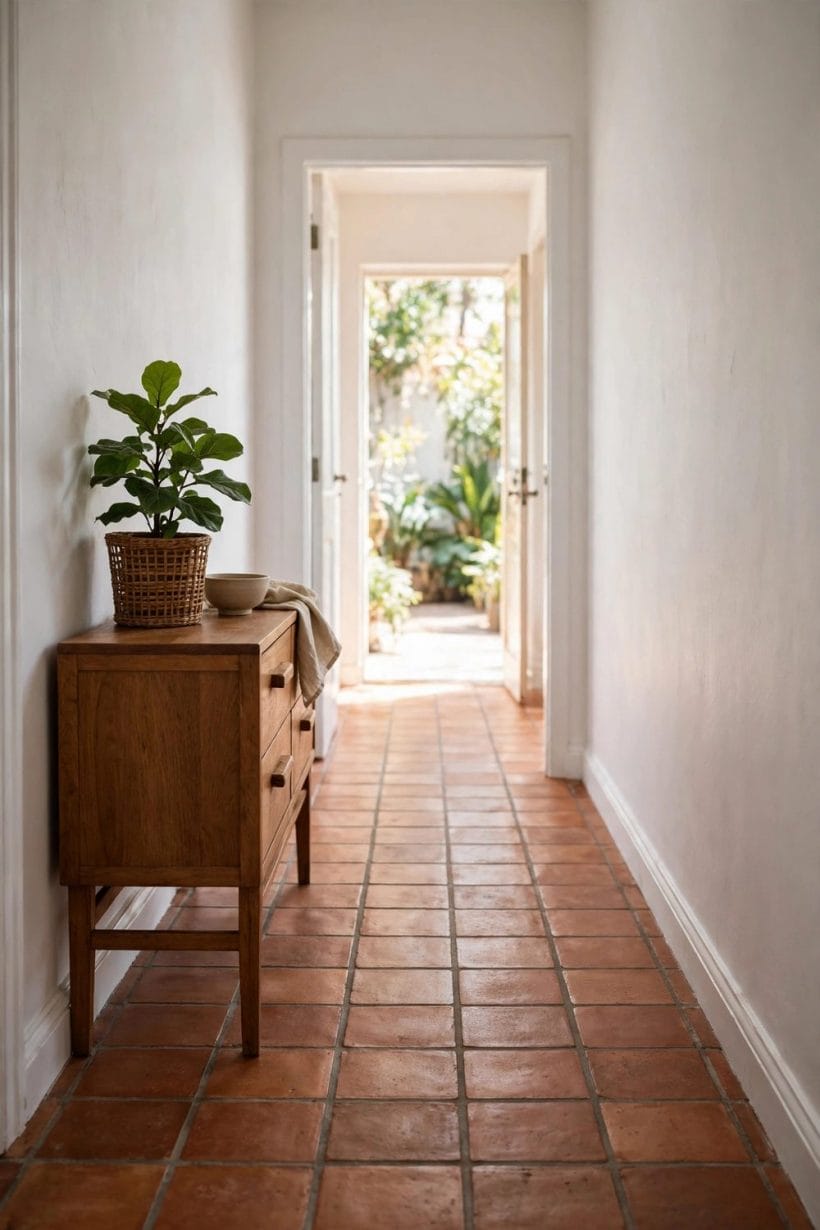
Other materials widen the choice further. Glass tile suits splashbacks and feature strips, where its shine and depth catch light, while mosaic tile, made of small pieces on a sheet, suits curves, niches and shower floors, where small pieces follow shapes that large tiles cannot. Cement-look and encaustic-look tiles bring strong pattern to floors, and terracotta-look tiles bring warmth to hallways and patios. Each material has its own care needs, and some natural stones need sealing while glazed tiles generally do not, so the care question belongs in the material decision, not after it. Ceramic tile bathrooms give a sense of how one material can carry a whole room when its colour and pattern are chosen with care.
3. Glaze, Texture and Grip Underfoot
The surface of a tile decides how it feels, how it catches light, and how it behaves when wet. A high-gloss glaze reflects light and brightens a small room, but it also shows water marks, smears and every footprint, so it asks for more wiping to look its best. A matt glaze softens light and hides marks more easily, which suits busy floors and family bathrooms, while a textured surface gives more grip underfoot and suits shower floors, steps and outdoor areas where wet feet are expected. Run a hand over samples, and stand on them in socks if the showroom allows, because touch tells what the eye cannot.
Texture also changes how a tile cleans. A heavily textured or riven surface can trap dirt in its hollows, so it needs a brush or a firm wipe where a smooth glaze needs only a cloth. A crackle glaze, with its fine network of lines, suits walls and splashbacks, where it is admired rather than walked on. In wet rooms, grip matters more than shine, and a tile that looks elegant dry can feel uncertain under wet feet, so check the surface in wet conditions wherever possible. The finish should match the job: shine where light is wanted, grip where feet are wet, and a forgiving matt surface where daily life leaves its marks.
4. Sizes, Formats and the Look of the Joints
Tile size changes a room out of all proportion to its cost in attention. Large-format tiles, with fewer joints, make a floor look calm and continuous, and they suit open rooms where the eye can travel across them. Small tiles, by contrast, break a surface into pattern, and they suit small rooms, curved shapes and feature areas, where their many joints become part of the design. Rectangular tiles laid in brick bond stretch a wall sideways, while the same tiles laid upright stretch it upward, and square tiles give a steadier, more even rhythm. The format is a design decision in its own right, not just a size on a box.
Joints deserve the same attention as tiles. Wide joints suit rustic and handmade-look tiles, where uneven edges are part of the character, while narrow joints suit rectified tiles with straight, even edges, where the surface reads almost as one sheet. Every joint is also a line the eye follows, so a contrasting grout colour will draw the pattern of the joints across the whole surface, while a matching grout colour lets the tile colour lead. Lay a few tiles on the floor at home, with the intended joint width between them, and step back to see the rhythm before committing, because a floor of joints looks very different from a single sample.
5. Colour, Pattern and How Light Changes Them
Colour is where most tile choices begin, and it is where most surprises hide. A tile that looks soft grey under showroom lights can read blue in morning daylight and warm beige under evening lamps, and a white tile can look stark in a bright room and creamy in a shaded one. The room’s own light, its wall colour, its wood tones and its fittings all push tile colour one way or another, so samples must be judged in the room itself, at different times of day, before a decision is made. Hold samples upright against the wall where they will sit, because a tile flat on a table catches light differently from a tile on a wall.
Pattern needs the same room test. A bold patterned floor can carry a plain room and give it character, while the same pattern in a room already full of colour and fittings can feel restless. A single feature wall of patterned tile, with plain tiles elsewhere, often gives more lasting pleasure than pattern on every surface, because the eye has somewhere calm to rest. Plain tiles, meanwhile, let fittings, towels, plants and wood take the lead, and they are easier to live with when tastes change. Wall tile bathroom ideas show how pattern, plain surfaces and fittings balance one another across many different rooms.
6. Grout Choices That Shape the Finished Wall and Floor
Grout is often treated as an afterthought, yet it frames every tile and can change the whole look of a finished surface. A grout colour close to the tile colour lets the tiles read as a single surface, with joints quietly present, while a contrasting grout colour turns the joints into a pattern of their own, drawing attention to the shape and layout of each tile. Dark grout hides marks on floors, which suits hallways and kitchens, while pale grout keeps a small bathroom feeling bright, though it shows marks sooner and asks for more cleaning. The grout decision is part of the tile decision, and samples should be judged together, not apart.
Grout also has practical work to do. It seals the gaps between tiles, takes up tiny movements in the surface beneath, and protects edges from knocks and moisture. In wet areas, grout needs to be kept clean and intact, and damaged or missing grout should be repaired rather than left, because water finds its way through gaps over time. Sealing grout, where the product used calls for it, helps it resist staining, and regular cleaning keeps it looking even. Wood-look tile bathrooms show how grout colour can either blend a wood-effect floor into a calm surface or pick out each plank shape, depending on the look wanted.
7. Samples, Batches and Checking Tiles Before They Are Fixed
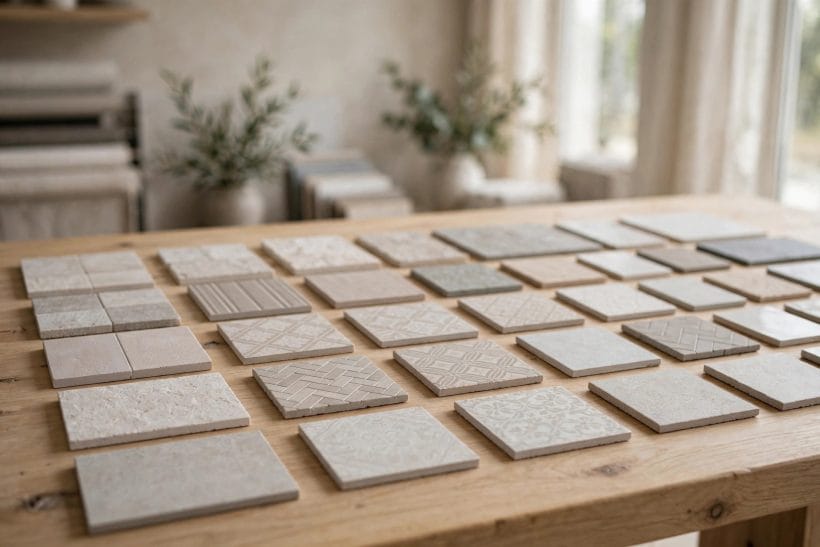
No tile should be fixed unseen in its own room. Order samples, live with them for a few days, and look at them in daylight, in lamplight, against the wall colour, beside the fittings, and next to the wood or paint they will sit with. A sample that charms in the hand can disappoint on the wall, and a sample that seems plain in isolation can look calm and generous once it covers a surface. Keep samples from different rooms apart, because a tile judged for a bathroom may be wrong for a hallway, and label each sample with the room it belongs to, so decisions stay clear when several rooms are planned at once.
Batch and tone matter as much as the sample itself. Tiles are made in batches, and the tone can shift slightly between one batch and another, so tiles for one room should come from a single batch wherever possible, with a few spares kept for future repairs. When a delivery arrives, open the boxes and check the tiles before fixing begins, looking at colour, size, glaze and edges across several boxes, not just the top tile of one box. Mixed tones or chipped pieces should be set aside and raised before fixing, because once tiles are fixed, changes become far harder. A guide to buying flooring online covers the same sample, batch and delivery checks in general terms, and the same care applies to tiles ordered from any source.
8. Floors, Walls and Wet Areas: Matching Tile to Place
Floors, walls and wet areas ask different things of tile, and the same tile is not always right for all three. Floor tiles need to stand up to foot traffic, grit, furniture and cleaning, while wall tiles carry less wear and can favour glaze, pattern and shine. Wet areas, including showers, splashbacks and bathroom floors, need surfaces that cope with constant moisture, that drain well, and that can be cleaned without damage. A tile chosen for a dry wall may be wrong for a shower floor, and a tile chosen for a hallway may be wrong for a wet room, so each surface should be checked on its own terms.
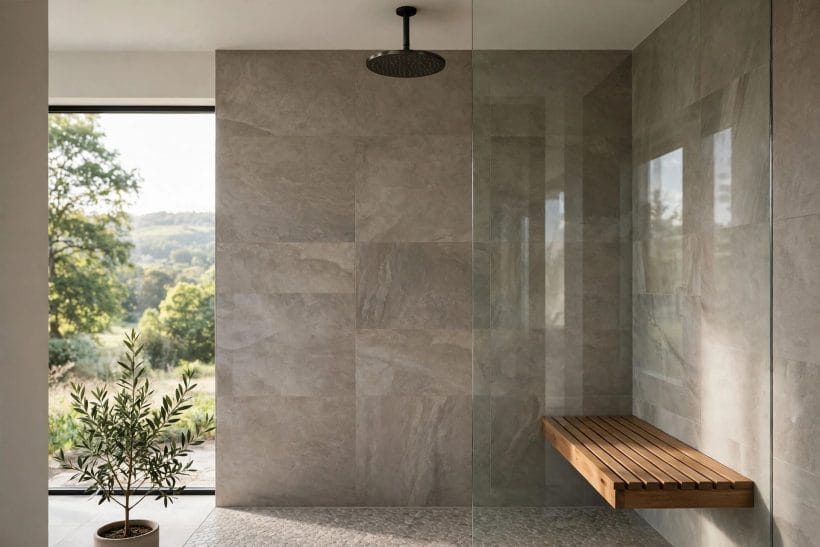
Showers deserve particular care. The floor of a shower needs grip under wet feet, joints that drain cleanly, and a surface that can be kept free of soap and residue, while shower walls need a glaze that wipes clean and joints that stay sound under daily water. Niches, shelves and benches inside a shower need tiles that follow their shapes without awkward cuts. Waterproofing beneath the tiles, falls toward the drain, and sealing around fittings are all professional work, and they matter more than the visible tile, because a beautiful shower over poor preparation will fail from beneath. Tiled shower ideas show how tile, pattern and grout work together in showers, where the material itself becomes the whole design.
9. Edges, Trims and the Details That Finish a Tiling Job
The edges of a tiled surface decide whether the job looks finished or merely stopped. Where tiles meet a wall, a window, a bath edge or a doorway, the edge needs a trim, a rounded tile, or a neatly finished cut, and the choice should be made before fixing begins, not discovered halfway through. Metal trims give a clean, straight line in a range of finishes, while tile trims and bullnose pieces soften an edge in the same material as the field tiles. The trim finish should sit happily with taps, handles and fittings, because a bright chrome trim beside brushed brass fittings will catch the eye for the wrong reason.
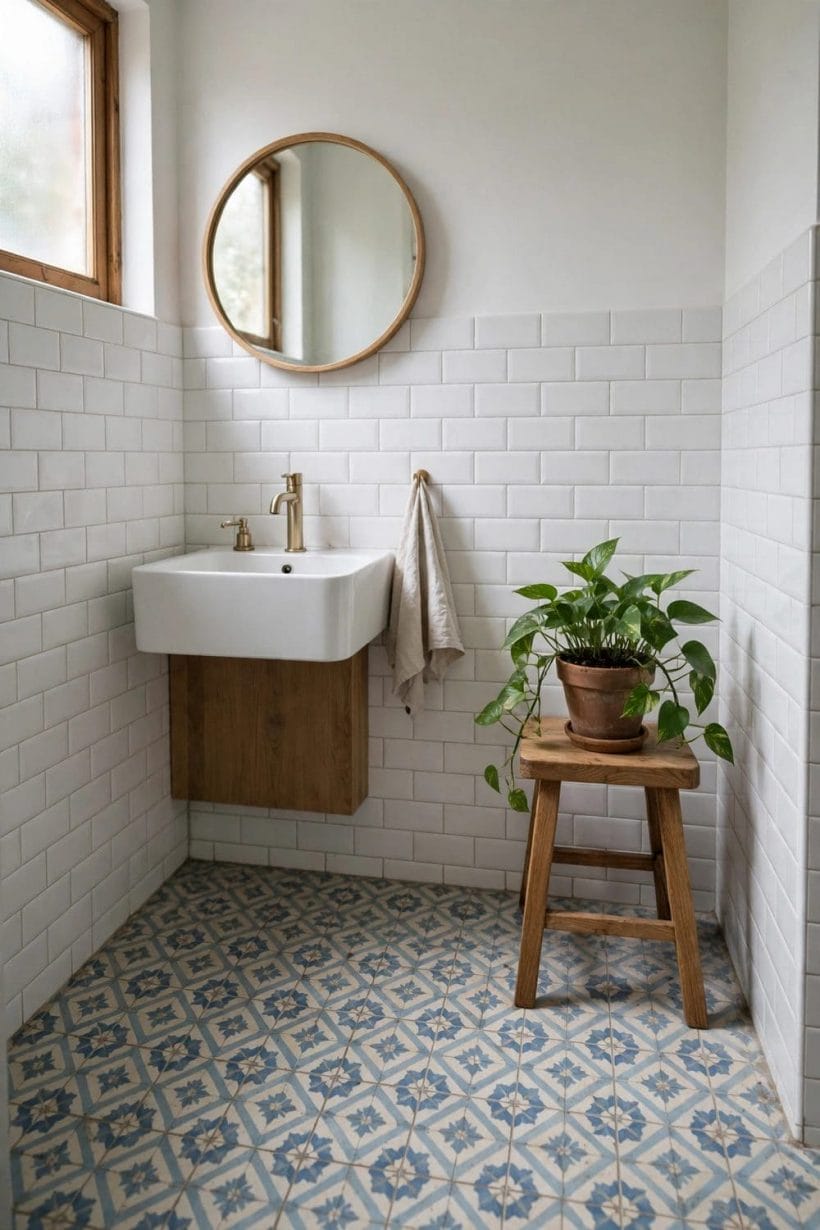
Other details repay the same planning. External corners need care, because two cut edges meeting at a corner can look rough where a mitred or trimmed corner looks deliberate. The line where tiles meet the floor, the ceiling or a painted wall should be planned so the last row of tiles is not a thin sliver, and the layout should be centred so cuts fall evenly at both ends of a wall rather than leaving one awkward strip. Door thresholds, bath panels and window sills all need a plan for how tile meets them. These details are small on their own, but together they are what separates a tidy, considered job from one that feels unfinished.
10. Care, Cleaning and Living With Tile Day to Day
Tile earns its keep in daily life, and its care needs should be understood before it is chosen. Glazed tiles generally need only regular sweeping and wiping with a mild cleaner, while natural stone may need sealing and gentler cleaning products, and textured tiles may need a brush to clear their hollows. Grout needs regular cleaning to stay even in colour, and spills should be wiped rather than left, because some substances can mark grout or unsealed stone over time. Ask how each tile and grout should be cleaned, and whether any common household cleaners should be avoided, before the tiles are fixed.
Daily life also tests tile in ways showrooms do not. Dropped objects can chip a glazed edge, heavy furniture can mark a soft surface, and grit walked in from outside can wear a floor over time, so entrance mats, felt pads under furniture and a habit of sweeping grit away all help a tiled floor last. Spare tiles kept from the original batch make future repairs far simpler, because a broken tile can then be replaced with a true match rather than a near one. A tile that is easy to live with, easy to clean, and easy to repair will usually give more lasting satisfaction than a tile chosen on looks alone.
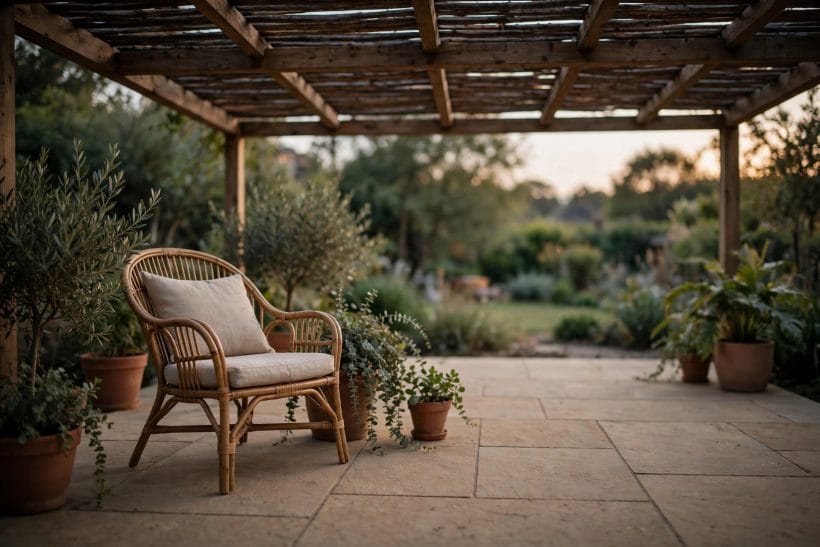
Outdoor tiles bring one more set of checks. A patio or terrace tile needs to cope with rain, frost, sun and dirt, and its surface needs grip when wet, because an outdoor floor that is beautiful dry can be uncertain after rain. Outdoor tiles should be chosen for outdoor use, with joints and falls that let water drain away rather than pool, and with a surface that can be brushed clean of leaves and soil. The laying of outdoor tiles, including falls, drainage and preparation of the base, is professional work, and local weather and ground conditions should shape the choice, not just the look of the sample.
Hallways and entrances test tile differently again. They take the grit and moisture of every arrival, and they are seen at a glance by everyone who enters, so they need a surface that is hard wearing, easy to sweep, and forgiving of marks. A mid-tone tile often suits a hallway better than a very pale or very dark one, because it shows less dust and fewer footprints between cleans, while a patterned tile can hide the wear of daily traffic. The hallway is also where tile meets other floors, such as wood or carpet, so the threshold between materials needs a neat, level finish that does not trip or catch.
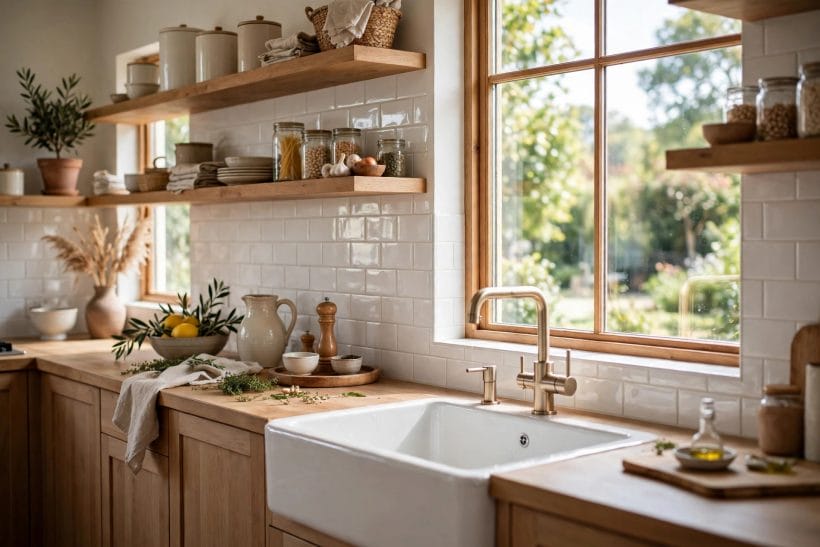
Kitchens ask tile to do two jobs at once. The floor needs to stand up to dropped pans, spilled food and constant foot traffic, while the splashback needs to wipe clean of cooking marks and steam. A splashback tile can favour pattern and shine, because it is admired more than walked on, while a kitchen floor tile should favour durability and easy cleaning. The two need not match exactly, but they should sit happily together, with grout colours and finishes that do not fight. Tiny house flooring ideas show how floors carry whole rooms, and the same lesson applies in kitchens, where the floor is the largest single surface.
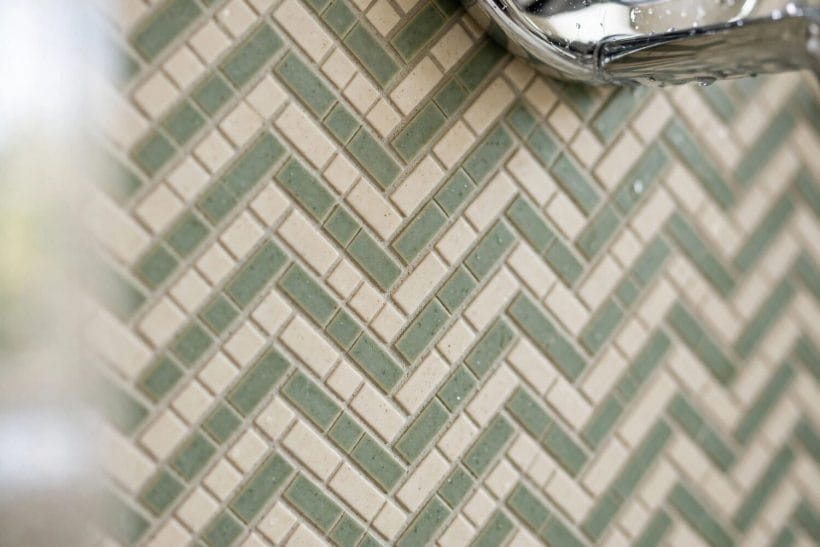
Small rooms reward restraint. A cloakroom, a utility room or a narrow bathroom shows every tile, every joint and every cut, so a calm tile with a quiet grout colour often works better there than a loud pattern that crowds the space. Light colours and a gloss or satin glaze can make a small room feel brighter, while a single feature strip or a patterned floor can give character without overwhelming the walls. Mirrors, lighting and fittings all change how tile reads in a small room, so judge samples with the room’s own light and fittings in place, not in isolation.
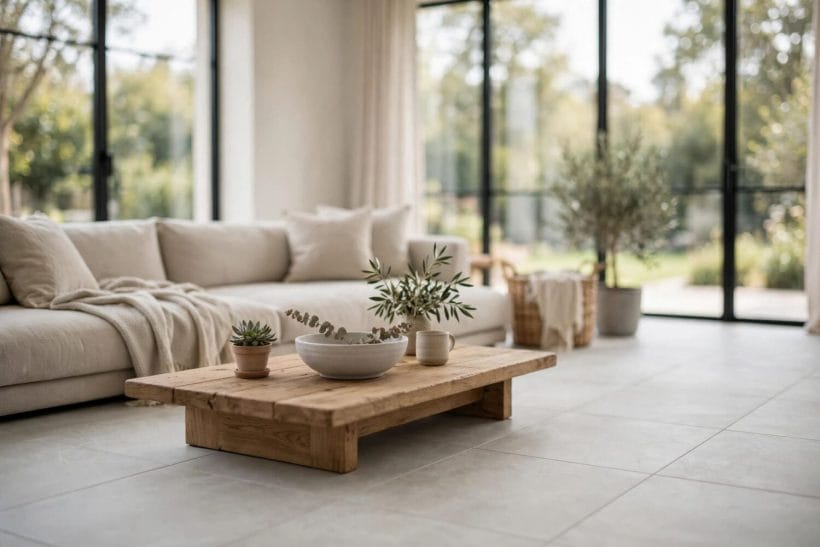
Large rooms, by contrast, reward calm and continuity. A large floor laid in big tiles with a matching grout colour reads as one generous surface, and it lets furniture, rugs and art take the lead. Pattern in a large room should be used with intent, whether as a rug-like panel of patterned tiles in the centre of a floor, or as a border that frames the room, rather than spread everywhere without a plan. The scale of the tile should suit the scale of the room, because small tiles in a very large room can look busy, while very large tiles in a small room can leave awkward cuts at the edges.
Final Considerations
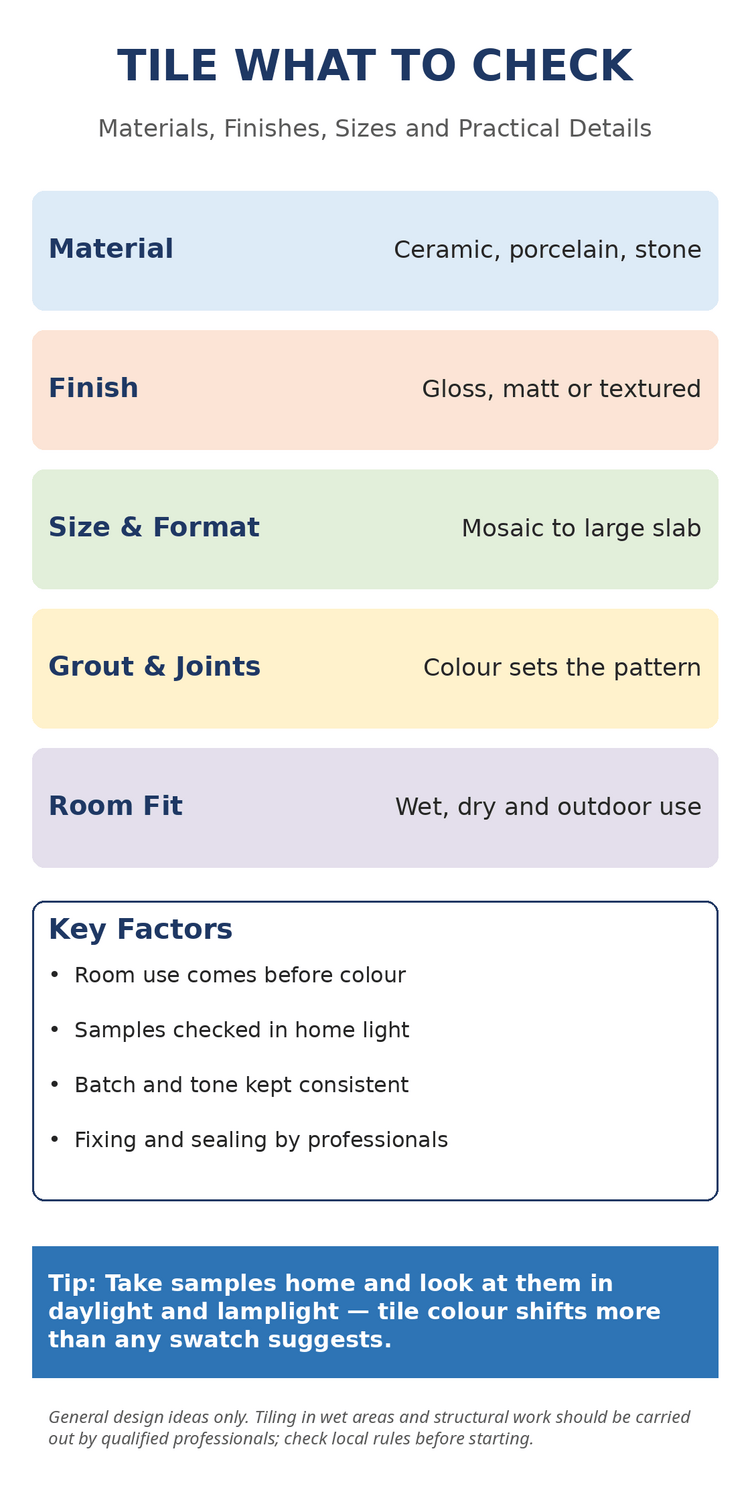
Tile choice comes down to a short list of honest checks. Know the room and how it is used, choose a material that suits that use, pick a finish with the right grip and cleaning needs, settle the size and joint pattern, judge colour and pattern in the room’s own light, choose grout with the tiles, check samples and batches before fixing, match each tile to its floor, wall or wet-area job, plan edges and trims, and understand the daily care involved. Each check on its own is small, but together they prevent the common disappointments of tiling, which are rarely about a single tile and usually about a tile in the wrong place.
Take time with samples, keep spares from the same batch, and bring in qualified professionals for fixing, waterproofing and any structural preparation. A tiled surface chosen this way will not only look considered on the day it is finished, but will stay easy to live with, easy to clean and easy to repair for years afterwards, which is the quiet test every tile in a home eventually has to pass.

0 Comments