
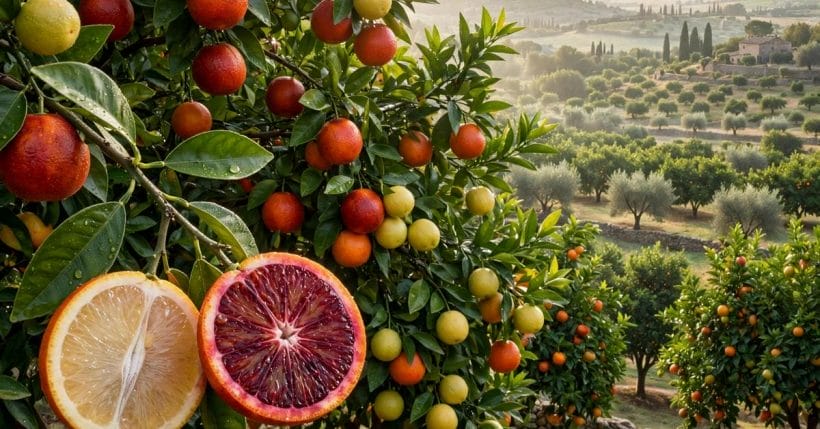
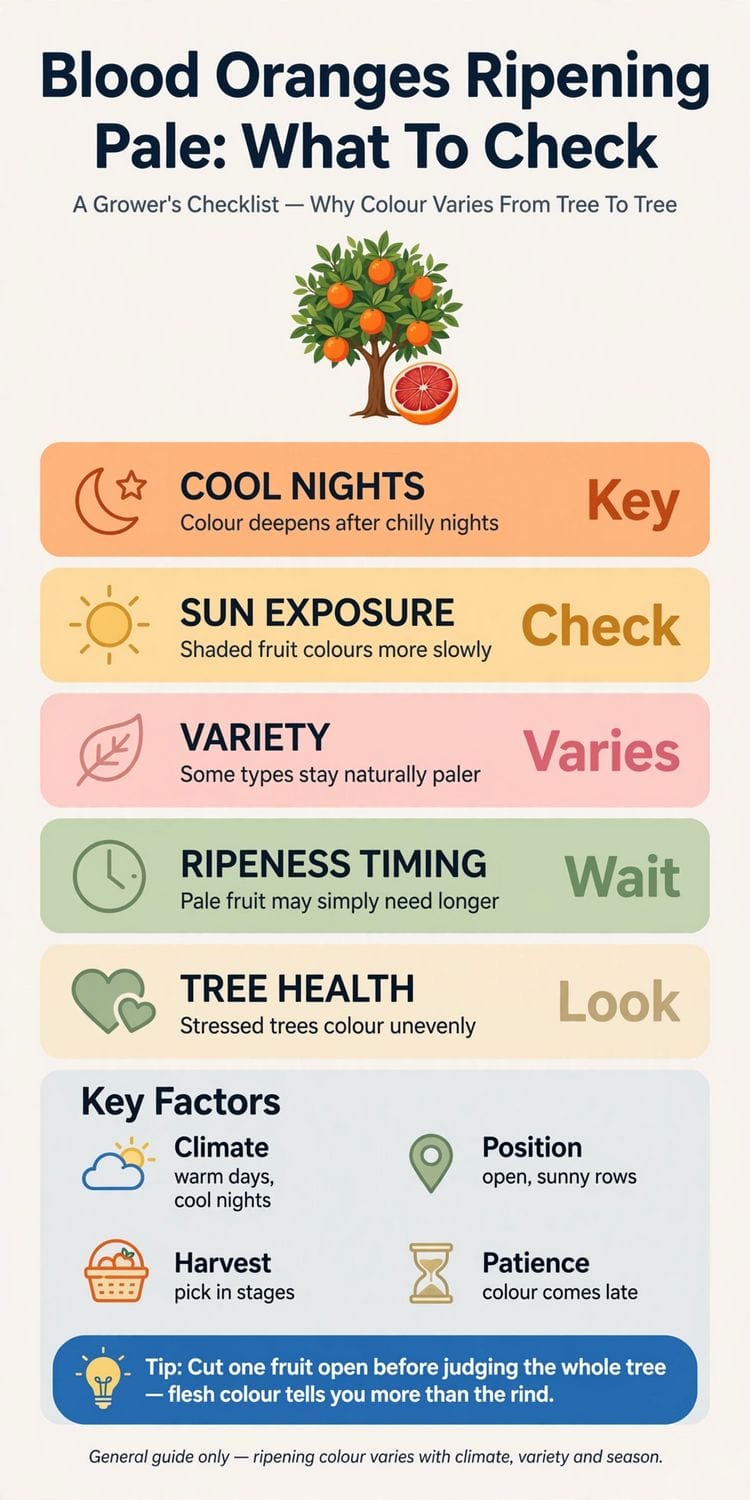
A blood orange tree that produces pale fruit is a common frustration, and it rarely has a single cause. The deep red colour of a blood orange comes from pigments that develop late in ripening and respond strongly to variety, climate, position and patience, so a pale crop usually means one or more of those factors is not yet lined up rather than anything being wrong with the tree itself.
This guide explains, in general terms, why blood oranges colour unevenly, what growers check first, and what not to expect. It promises no remedy and no guaranteed cure, because colour varies naturally from tree to tree and season to season, and any advice that promised a certain result would be misleading.
It also helps to know what a normal blood orange crop looks like, since expectations are often set by supermarket fruit photographed at its best. Shop fruit is selected, graded and photographed for colour, while a garden tree produces a spread: some fruits deeply coloured, some streaked, some pale, all from the same branches in the same season. Judging a garden tree against a shop display is therefore unfair to the tree, and much apparent disappointment comes from that comparison rather than from any real shortfall.
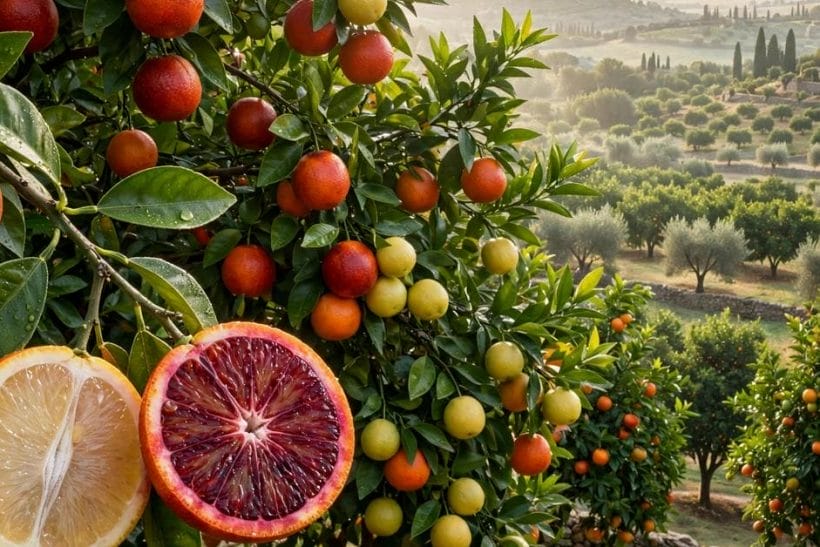
What “Not Bloody” Actually Means
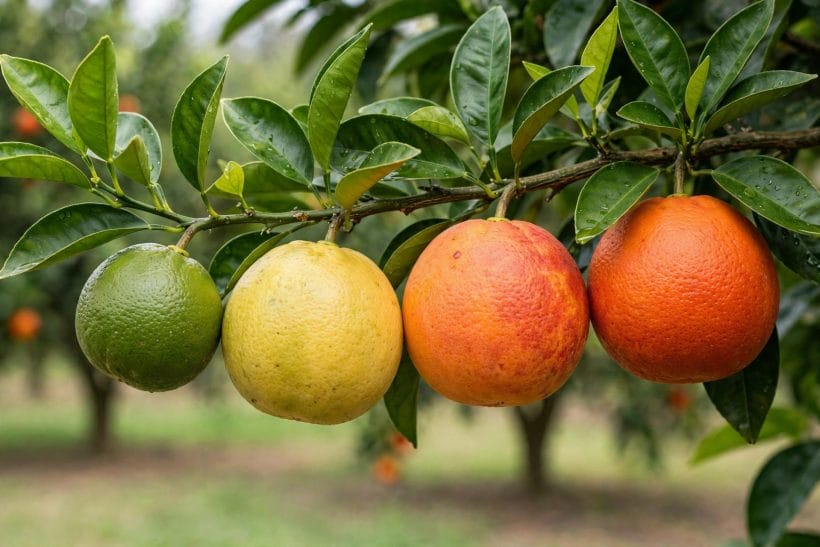
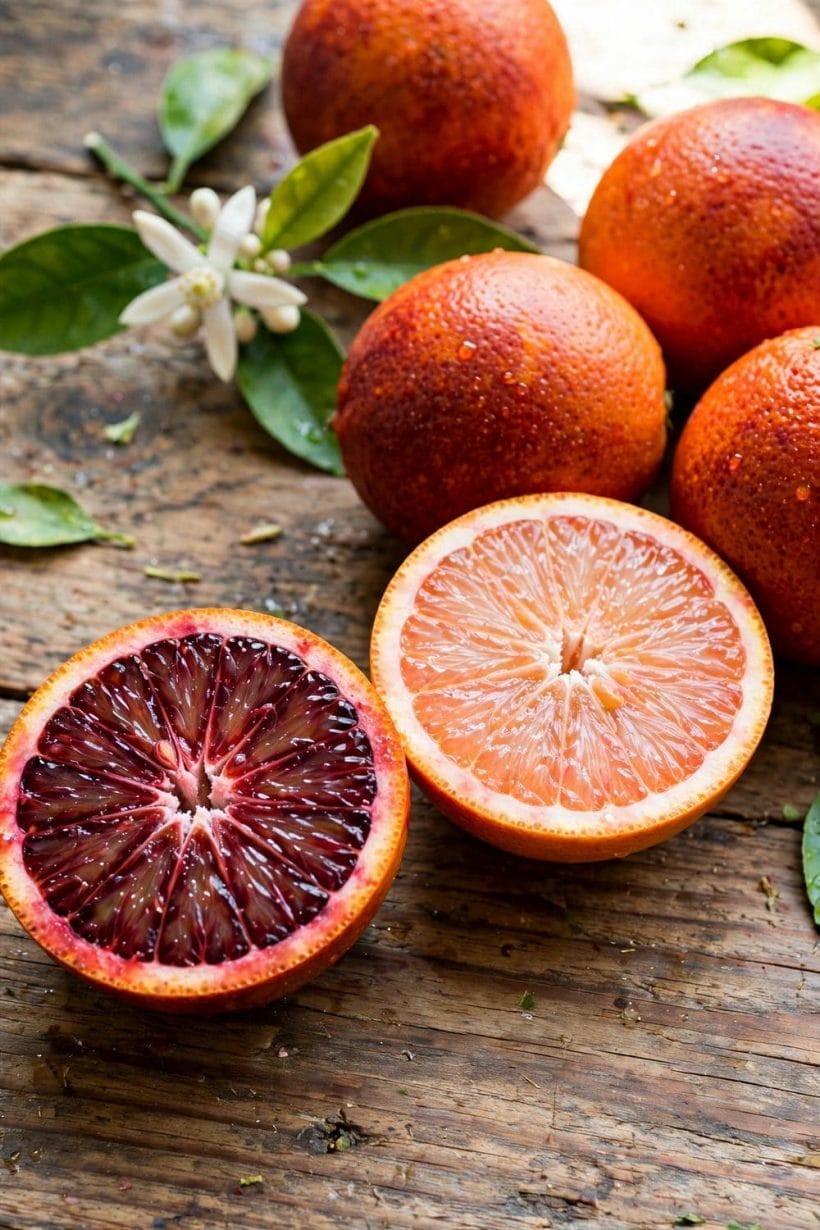
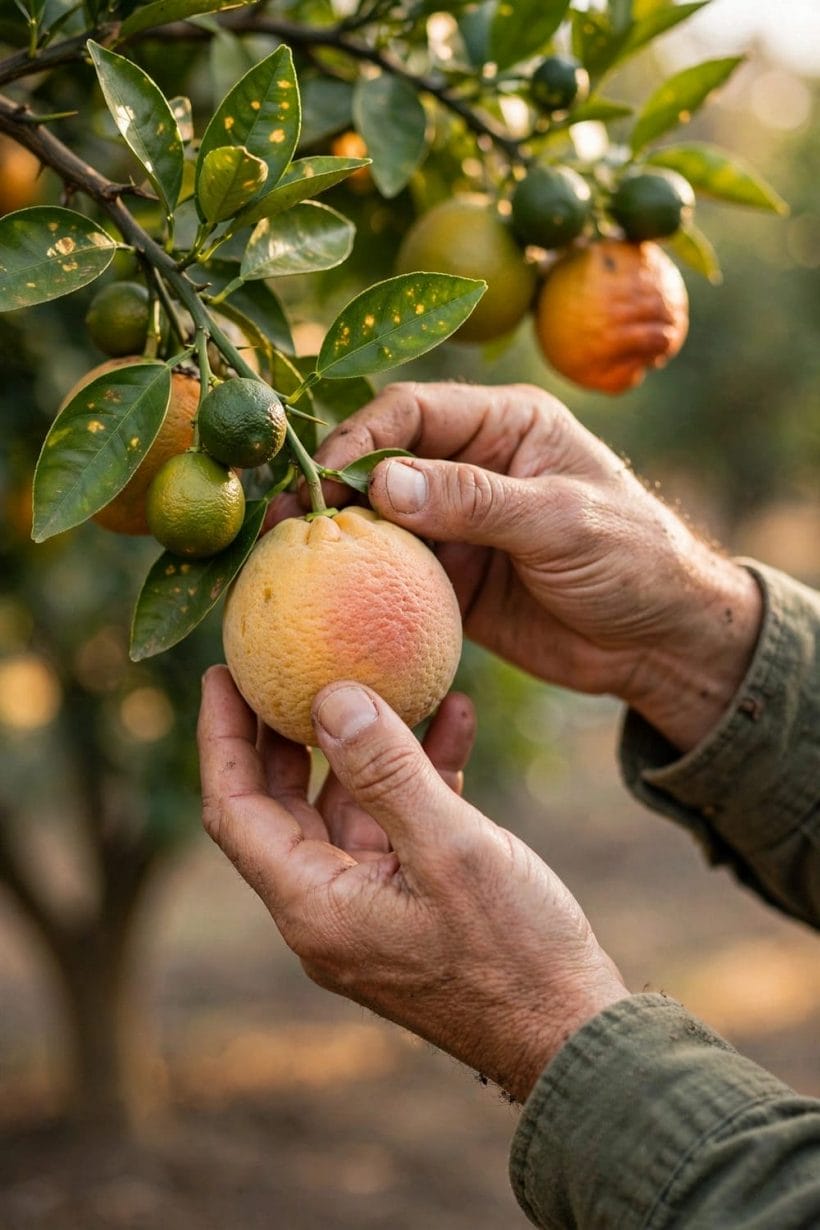
When growers say a blood orange is not “bloody” enough, they usually mean the flesh is pale orange, streaked, or only faintly blushed instead of deep red. The rind may also look ordinary, since rind colour and flesh colour do not always develop together, and a fruit can look unremarkable outside while colouring well inside.
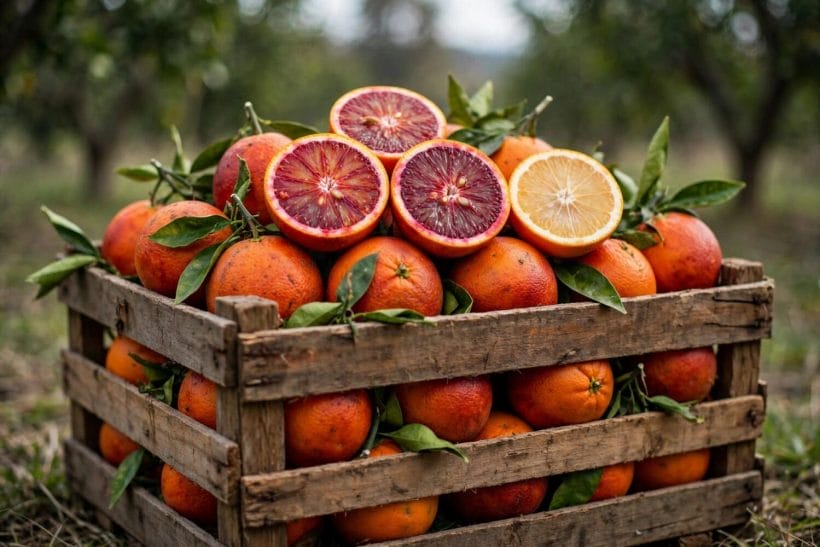
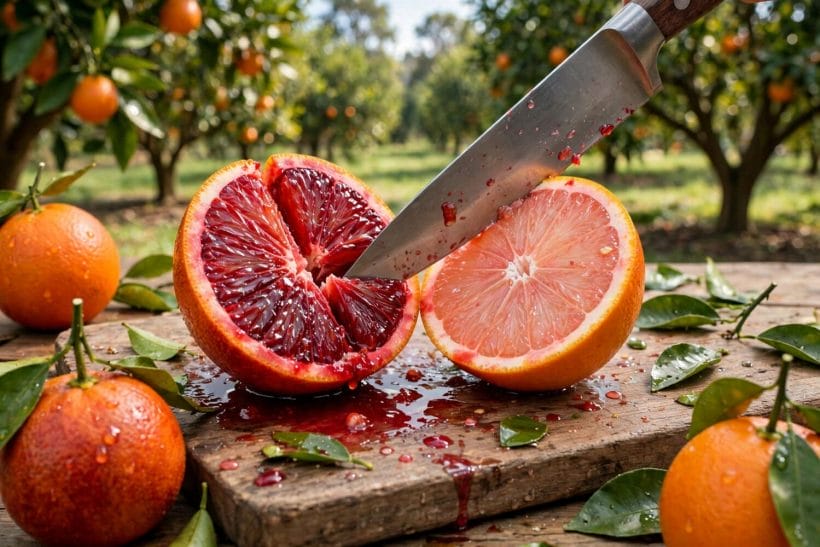
The first check is therefore to cut a fruit open rather than judging by the rind alone. Flesh colour tells you far more than rind colour, and a tree whose fruit looks pale outside may already be colouring properly within, simply needing more time on the branch.
Colour also varies between individual fruits on the same tree, so one pale fruit proves very little. Fruit on the sunny outer canopy often colours first, while fruit tucked inside or on the shaded side lags behind, which means a fair judgement needs several fruits, cut open from different parts of the tree, rather than a single sample.
One more distinction helps: rind colour responds to light and temperature differently from flesh colour, so a fruit can look fully orange outside while still colouring inside, or show a red blush on the rind while the flesh stays pale. Peeling or cutting is the only reliable test, and growers who judge by rind alone frequently pick too early or worry unnecessarily.
Variety Comes First
Variety is the single largest influence on how red a blood orange becomes. Some types are bred to colour deeply and reliably, while others stay naturally paler even in ideal conditions, and no amount of feeding or attention will push a pale variety past its own character.
If the variety is unknown, because the tree came with a house or was bought without a label, that uncertainty itself is part of the answer. Comparing your tree’s fruit with the same variety grown nearby, or asking a local nursery what types colour well in your climate, gives a more honest picture than assuming every blood orange should look the same.
Nurseries usually describe whether a type is a deep-colouring one, an early colourer or a paler type, and that description is worth asking for before buying. If your tree is already planted and its type is unknown, comparing its fruit over two or three seasons still tells you more than any catalogue claim, since your garden’s own pattern becomes the reliable guide.
Climate and Cool Nights
Blood orange colour deepens after cool nights, and this is the factor growers mention most. Warm days followed by distinctly cool nights encourage the pigments to develop, while a mild, even climate with warm nights tends to produce paler fruit, however healthy the tree otherwise is.
This is also why the same tree can colour differently from year to year. A season with a sharp autumn chill will often bring deeper colour than a warm, settled autumn, and a tree in a frost-free coastal garden will typically colour less than the same variety grown somewhere with cooler nights.
Microclimates matter even within one garden. A tree in a frost pocket, where cold air pools on still nights, may colour better than the same variety planted against a warm, sheltered wall that holds its heat, and a tree near the coast may behave differently again. These small differences explain why neighbours with the same variety sometimes report quite different colour.
Sun and Position
Fruit that hangs in shade colours more slowly than fruit in sun. A tree crowded by neighbouring plants, or fruit tucked inside a dense canopy, will often stay paler simply because the colouring process responds to light as well as temperature.
Thinning a crowded canopy, in general terms and without aggressive pruning, lets light reach more fruit. Any significant pruning is best done with local guidance on timing for citrus in your area, since heavy cutting at the wrong time can cost a season’s fruit.
Fruit on the outside of the canopy, where light reaches it directly, generally colours ahead of fruit deep inside the tree. This is one reason a light thinning of crowded growth can help, though it should be gentle and well timed, since heavy pruning removes the very wood that would have carried next season’s fruit.
Feeding and Watering, in General Terms
A healthy, well-fed tree colours better than a stressed one, but feeding is a general support rather than a colour switch. Balanced citrus feeding through the growing season, steady watering without waterlogging, and mulch to keep roots cool and moist all support the tree’s overall vigour, which in turn supports full ripening.
What feeding cannot do is override variety or climate. No fertiliser, however applied, will turn a pale variety deep red in a warm climate, and anyone promising such a product is selling certainty that nature does not offer. This guide gives no feeding recipes, because rates and products vary by soil, tree age and region, and a local nursery or extension service is the right source for those specifics.
Over-feeding can work against colouring as well as under-feeding. Excessive nitrogen-rich feeding tends to push leafy growth at the expense of fruit development, so the goal is steady, balanced nutrition through the season rather than heavy doses in the hope of forcing a result. A tree putting its energy into leaves has less to spare for ripening fruit.
Tree Age and Patience
Young blood orange trees often fruit paler than mature ones. A tree in its first few fruiting years is still establishing its root system and canopy, and its fruit colour may deepen noticeably as it matures, even with no change in care.
Patience is therefore a genuine part of growing blood oranges. A young tree that fruits pale in its second year may colour well by its fifth, and judging the tree too early can lead to unnecessary changes, or even removal, of a tree that simply needed time.
Seedling trees, grown from seed rather than grafted, typically take longer to fruit well and may colour unevenly in their early years. Grafted trees on known rootstocks are generally more predictable, which is another reason the tree’s origin, where it can be established, helps explain its behaviour.
Reading the Fruit and Harvest Timing
The most useful habit for a blood orange grower is to cut fruit open at intervals rather than harvesting on a fixed date. Colour develops late, and fruit picked too early will always look pale, however good the variety and climate.
Taste matters alongside colour. A fruit that is sweet, juicy and easy to peel is ripe even if its flesh is only lightly blushed, while a deeply coloured fruit picked too early can still taste sharp. Colour is one sign of ripeness, not the whole story.
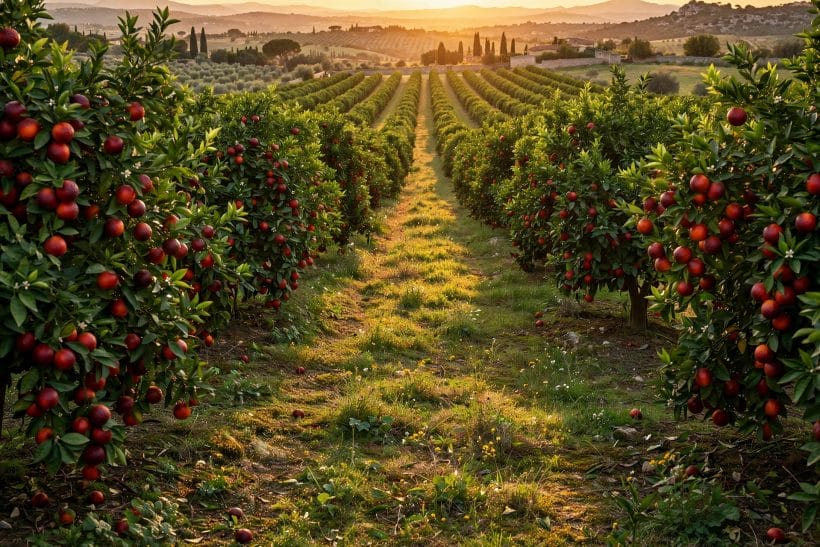
Blood oranges generally colour and sweeten late in the season, and leaving fruit on the tree longer, where climate allows, usually deepens both. Fruit picked in stages, taking the most coloured first and leaving the rest to develop, often gives a better overall crop than a single early harvest.
Watch for the tree’s own signals rather than a calendar date: fruit that feels heavy for its size, gives slightly under gentle pressure, and detaches easily is ready, while fruit that still clings firmly and feels light is usually worth leaving longer.
Taste is the better guide than colour alone when deciding whether to pick. A blood orange that is sweet and juicy with only a light blush is ripe and enjoyable, while a deeply coloured fruit that still tastes sharp was picked too early. Picking in stages, taking the ripest-looking fruit first and returning for the rest, usually gives the best eating across the whole crop.
What Not to Expect
It is worth stating plainly what no grower should expect. no spray, feed or trick can promise deep red flesh, and fruit colour will vary between individual fruits on the same tree, between seasons on the same tree, and between neighbouring trees of the same variety.
Claims of a certain remedy for pale blood oranges should be treated with scepticism. The honest position is that variety, climate, position, tree health and patience together explain most pale crops, and where those factors are already favourable, the remaining variation is simply the nature of the fruit.
Be sceptical of products and posts that promise a certain remedy for pale blood oranges. Colour depends on several interacting factors, and no single spray, feed or technique controls them all, so a claim of guaranteed results usually signals marketing rather than horticulture. The reliable advice is almost always the least dramatic: right variety, right position, good general care, and patience.
Season-by-Season Checks
Through the growing season, a simple routine serves most growers well. In spring, check the tree’s general health and growth; in summer, ensure steady water and light to the fruit; in autumn, watch for cool nights and resist picking early; in winter, protect young trees from hard frost where your climate requires it, following local guidance.
Keeping brief notes from year to year, of when colour appeared and how the weather ran, builds a far better guide to your own tree than any general article can. Over a few seasons, the pattern of your tree in your garden becomes clear, and expectations adjust to what it genuinely produces.
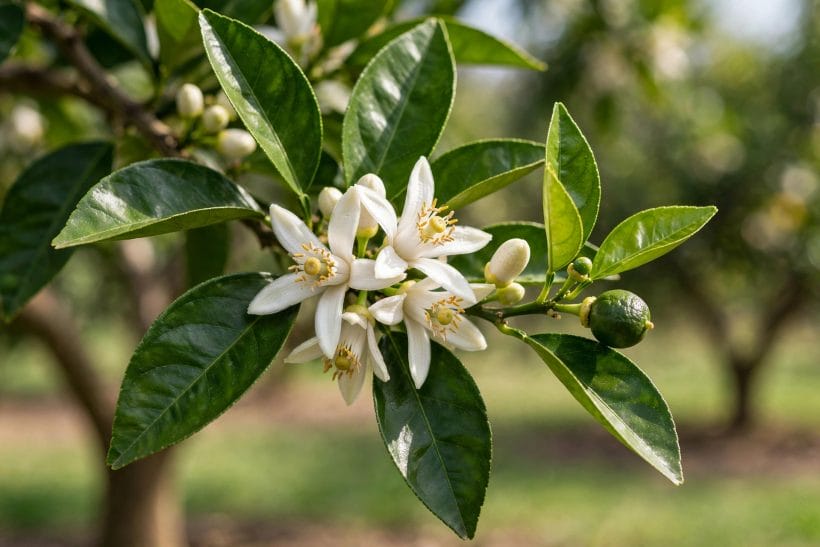
A simple notebook habit pays off over time. Noting each year when the first coloured fruit appeared, how cold the autumn nights were, and how the crop tasted gives you a personal record that no general guide can match, and after three or four seasons the pattern of your own tree becomes clear enough to set realistic expectations.
When to Ask Locally
Local knowledge beats general advice for citrus. A nursery or grower in your own area knows which varieties colour well there, what the local chill patterns are, and whether your soil or water needs attention, all of which vary too much by region for a single guide to cover.
If a tree is also showing signs of poor health, such as yellowing leaves, dieback or very low fruit set, that is a separate question from colour, and it deserves local diagnosis rather than any remedy suggested online. A healthy tree that fruits pale is a colour question; an unhealthy tree is a health question, and the two should not be confused.
When you do ask locally, take evidence with you: a couple of cut fruits, photographs of the tree and its position, and a note of its age and watering routine. A nursery or local grower can give far better guidance from a real sample than from a description alone, and they can also tell you whether anything about the tree looks unhealthy rather than merely pale.
Final Considerations
A pale blood orange crop is usually a message about variety, climate, position or patience, not a verdict on the grower. Check the variety first, give the tree sun and time, cut fruit open before judging, and let local knowledge fill in the details this guide deliberately leaves general.
Above all, treat the tree as a long-term project rather than a problem to be solved in one season. Blood oranges reward growers who observe, note and wait, and the pale crop of one year often becomes the deep crop of a later one, with no intervention beyond the steady care described here.
For the wider garden picture, see our Asian landscaping ideas, Mediterranean pool ideas and Florida backyard patio ideas, plus the general guides at tiny house designs, interior design ideas and tiny house porch ideas.
And if, after variety, climate, position and patience have all been considered, the fruit is still paler than hoped, that is not failure. It is the tree telling you what it produces in your garden, and enjoying it for flavour rather than colour is a perfectly reasonable ending to the story.



0 Comments