

Chalkboard walls have outgrown the playroom. Used thoughtfully, they bring depth, softness and a genuinely useful writing surface to kitchens, hallways, studies and living spaces in grown-up homes.
This guide explores where they work best, how to prepare and paint them properly, and how to style them so they look intentional rather than improvised.
1. Why Chalkboard Walls Suit Adult Spaces
A well-placed chalkboard surface does three jobs at once. It adds a deep, matte block of colour that anchors lighter furniture, it absorbs visual clutter by giving notes and lists one proper home, and it invites a little everyday creativity that printed artwork cannot match. In adult rooms the effect is closer to a slate panel or a bistro menu board than to a classroom, especially when the edges are framed and the writing is kept deliberate.
| Check | What to confirm | Why it matters |
|---|---|---|
| At a Glance: Room | Kitchen, hall, study, living or dining space | Each room uses the surface differently |
| At a Glance: Surface | Full wall, panel, door or framed section | Smaller areas are easier to live with and change |
| At a Glance: Colour | Classic black, deep green or a tinted alternative | Colour decides whether the wall feels bold or calm |
| At a Glance: Writing tools | Traditional chalk or low-dust alternatives | Affects dust, sharpness and cleaning |
| At a Glance: Light | Daylight and evening lighting on the wall | Matte dark surfaces need enough light to read |
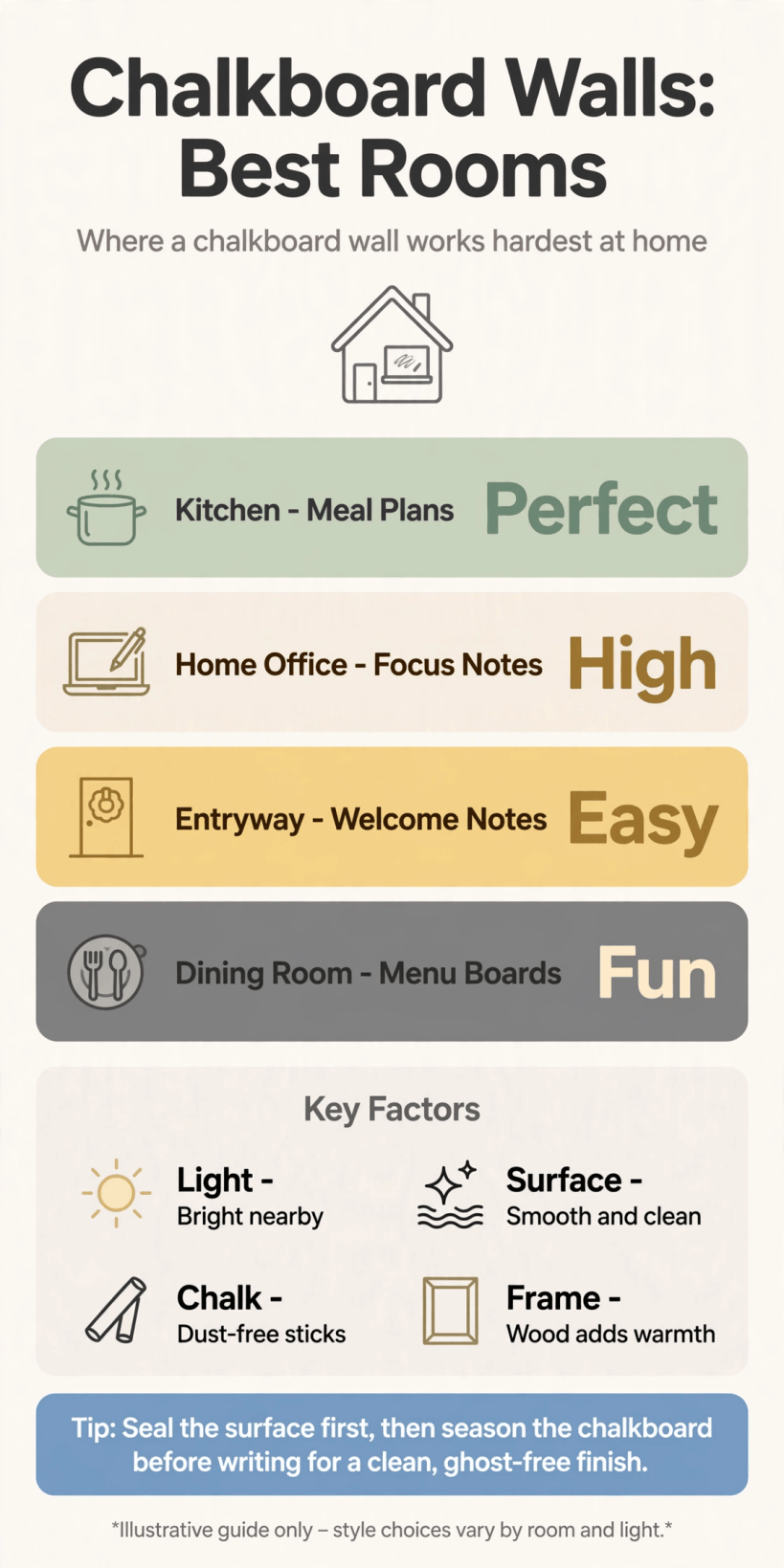
An at-a-glance plan keeps colour, surface and writing tools decided before the first coat goes on.
Start by watching how the room is actually used. A kitchen wall might carry shopping lists and weekly menus, a hallway might hold reminders and a family calendar, and a study might need space for planning and sketching ideas. When people choose a chalkboard wall for an adult room, that everyday usefulness is usually the real reason, and the striking look is a welcome bonus. For more small-space wall thinking, see these ideas for home interior design in small spaces.
Decide early whether the chalkboard is the star of the room or a supporting player. One strong wall among calm neighbours usually looks richer than several competing dark surfaces, and it leaves lighter walls free for art, shelving and mirrors.
2. The Kitchen: Menus, Lists and Everyday Notes
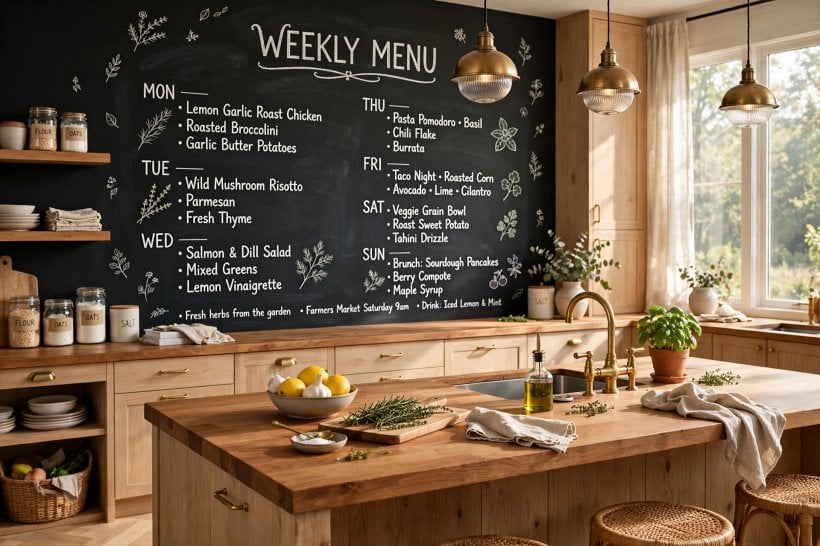
The kitchen is the most natural grown-up home for a chalkboard. A panel beside the fridge or on the wall behind a dining nook can hold the week in one place: meals planned, items running low, and notes for whoever cooks next. Because the writing changes constantly, the wall always looks alive, and paper lists stop migrating across worktops.
Position matters. Keep the writing surface away from direct cooking splashes and steam where possible, or accept that section will need wiping more often. A framed panel or a painted area stopped neatly at a natural break, such as a door frame or the end of a run of cabinets, looks more deliberate than paint that simply fades out mid-wall.
Style the surrounding kitchen to support the look. Warm wood, brushed metal and simple white crockery all sit comfortably against a deep matte background, and a rail with hanging utensils or a row of herbs can bridge the gap between practical wall and decorative feature. Keep the chalk writing itself tidy, with one or two handwriting styles rather than a crowd, and the whole corner will read as a composed bistro-style nook.
For renters or cautious decorators, a large framed board or chalkboard-painted cabinet doors can deliver the same function with far less commitment. The lesson of the kitchen is simple: usefulness first, and the style follows.
3. The Home Office and Study Corner
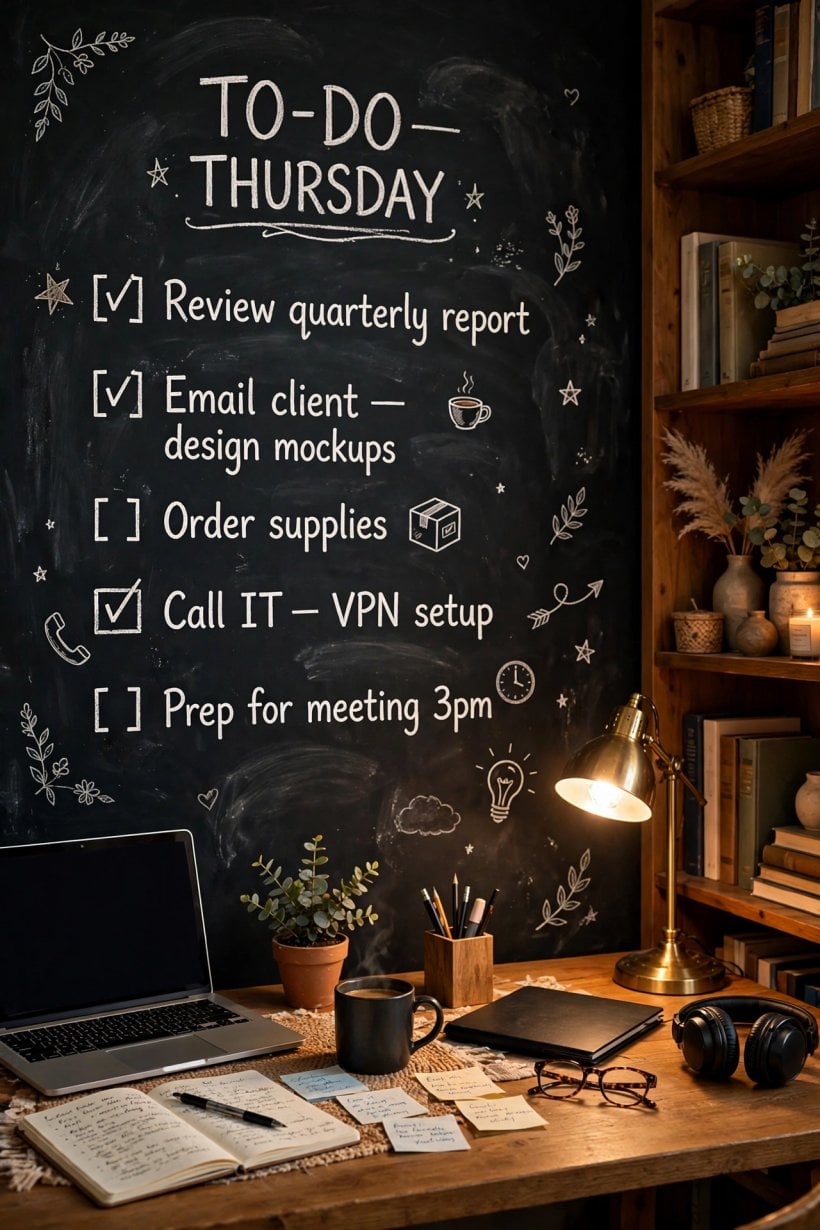
Few tools beat a wall you can think on. In a study or home office, a chalkboard behind or beside the desk gives projects a visible home: timelines, outlines, goals and the occasional encouraging sentence. Unlike a screen, it stays present without notifications, and unlike paper notes, it cannot be buried under the next delivery.
Size the surface to the way you work. A wide, low panel suits timelines and lists, while a tall section suits sketching and mind-mapping. If video calls happen at the desk, consider what appears behind you; a neatly written board can look characterful on camera, but a chaotic one will distract. Many people keep a permanent, tidy section in frame and a freer working area out of view.
Pair the dark surface with good task lighting and lighter desk furniture so the corner does not feel heavy. A pale desk, a warm lamp and one plant are usually enough to balance the depth of the wall. Add a small shelf or ledge at the base for chalk and an eraser, so tools live with the board instead of wandering around the room.
This approach scales down beautifully to a study nook in a living room or bedroom, where a single framed panel above a compact desk creates a defined work zone. For related compact planning, browse these modern interior design ideas.
4. Hallways and Entryways That Work Harder
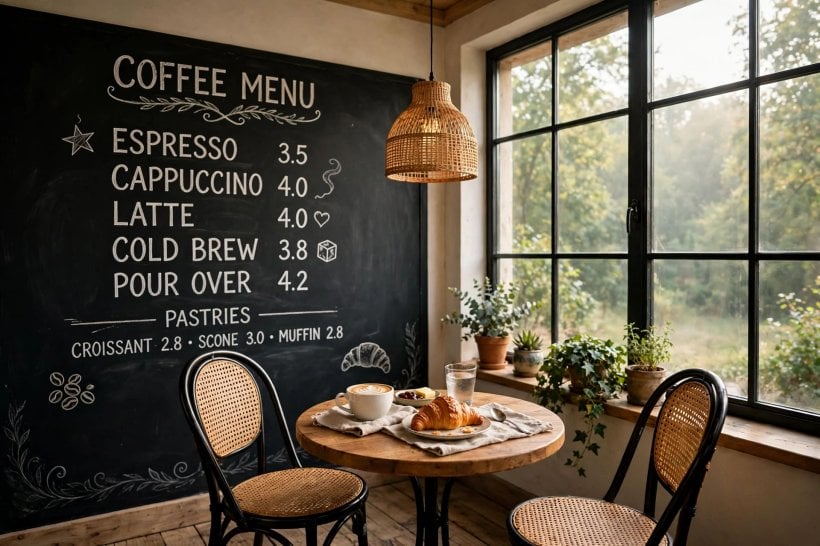
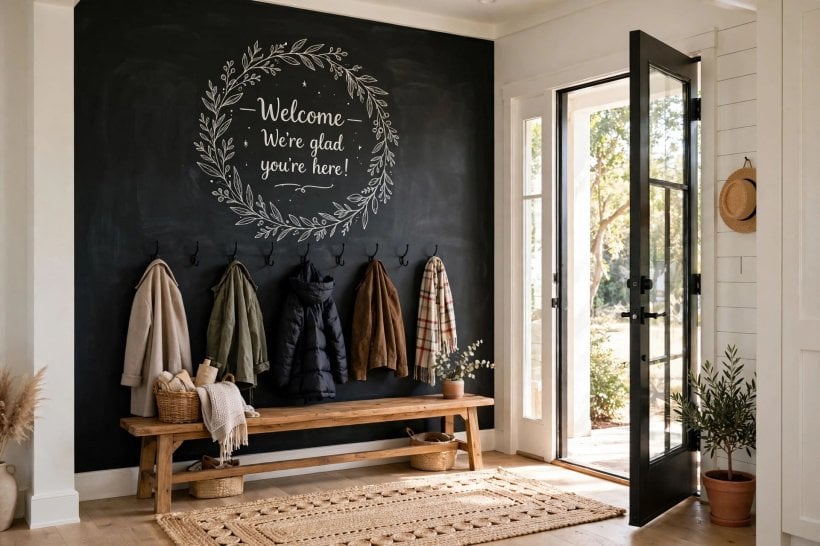
Hallways are often wasted walls, yet they are the one place every household member passes several times a day. A chalkboard section near the front door becomes a shared noticeboard: appointments, reminders, a rotating welcome for guests, and a place for keys-and-post discipline to be gently reinforced by a written prompt.
Because hallways can be narrow and light is often limited, a partial wall or the back of a door may work better than a full dark wall. Painting the lower half, with a chair-rail style divide, gives children and bags a forgiving surface while keeping the upper wall light. Alternatively, a column of chalkboard between two doorways creates a natural, contained panel.
Combine the board with hooks, a small bench and a mirror, and the entry becomes a proper arrival station rather than a corridor of dropped coats. Keep a small container for chalk at adult height, decide on one household handwriting convention for important notes, and wipe the board weekly so old messages do not become wallpaper.
Guests tend to love these walls, so leave a corner where visitors can add a short note or drawing when they stay. That small tradition turns a practical surface into part of the character of the home, much like the welcoming touches in these apartment interior design ideas.
5. Living Rooms: A Calm, Gallery-Like Backdrop

In a living room, a chalkboard wall should be handled like a piece of furniture: considered, balanced and not asked to do too much. The safest grown-up approach is a single wall or chimney breast in a deep tone, with most of its surface left calm. A large hand-lettered quote, a simple drawn wreath that changes with the seasons, or even a completely blank, softly smudged panel can look strikingly elegant.
Treat the wall as a gallery backdrop. Framed prints, pale ceramics and metallic accents stand out beautifully against matte black or deep green, and picture lights or wall lamps add the warmth that dark surfaces need in the evening. Avoid covering every inch with writing; white space, or rather black space, is what separates a sophisticated room from a busy classroom feel.
Texture is the other secret. Linen cushions, a wool throw, leather and wood all soften the flatness of chalk paint, while glass and chrome can make it feel cold. If the room is small or north-facing, test a panel first and live with it through a few evenings before committing the whole wall.
For households that love hosting, the living-room board earns its keep at gatherings: a drinks list, a quiz scoreboard, or a welcome note for a celebration. Between events it returns to calm, which is exactly how multifunctional design should behave. See also these small living room interior design ideas for balancing bold walls in compact rooms.
6. Dining Spaces and Entertaining
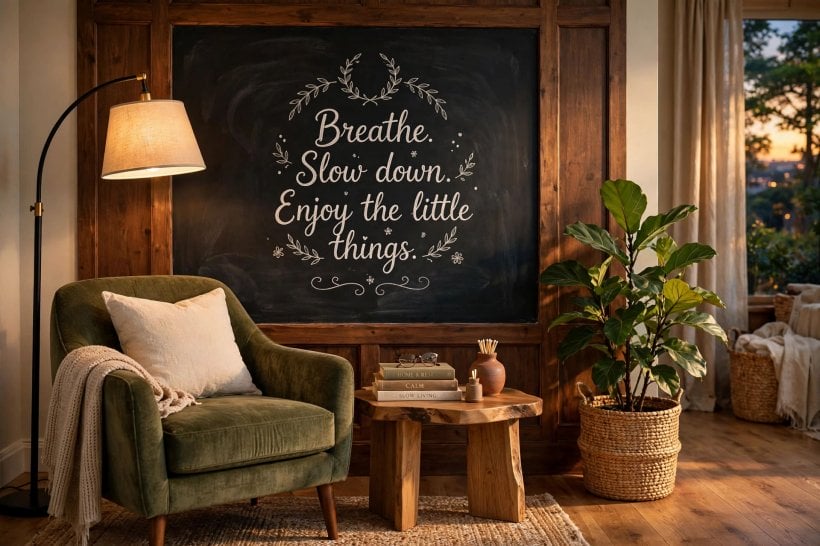
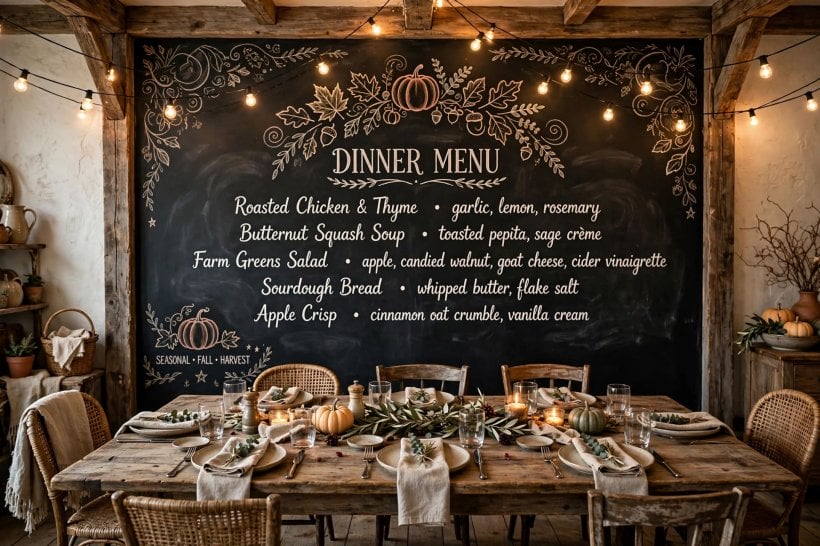
Dining rooms and kitchen-diners are where chalkboards become theatre. A menu written for guests, a seating plan for a big celebration, or a simple note of what is being served makes an ordinary supper feel like an occasion, and it costs nothing beyond a steady hand and a few minutes before people arrive.
Place the board where diners can see it without it dominating the table conversation, often on the wall behind a sideboard or at the end of the room. Style the sideboard below it with candles, glassware and greenery, and the board becomes the top layer of a composed arrangement rather than a noticeboard that wandered in from the kitchen.
Handwriting carries the whole effect, so take time over it. Practise the menu on paper first, use guidelines wiped away afterwards, mix one larger heading with smaller neat lines, and leave generous spacing. If lettering is not your strength, simple block capitals, small drawings of ingredients, or a printed-look list written slowly can look just as good.
Between gatherings, the same wall can hold a rotating line of poetry, a family gratitude list, or the plan for the next celebration. That rhythm of display and rest keeps the dining room feeling curated all year, not only on party days.
7. Bedrooms: Soft, Personal and Restrained
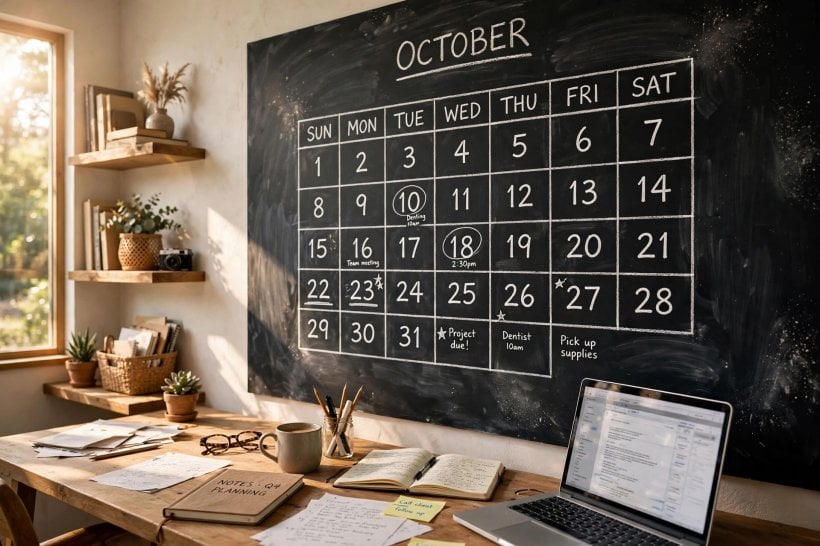
A bedroom chalkboard needs a lighter touch than any other room, because the space is for rest. The most successful versions are restrained: a headboard wall with a single drawn motif, a small panel used for a morning intention or a reading list, or a wardrobe door painted to carry notes that would otherwise clutter the bedside table.
Dust is the practical consideration here. Traditional chalk creates fine dust that settles, which is not ideal beside bedding, so many people choose low-dust chalk or liquid chalk markers for bedroom use, and keep the written area modest. A framed board that can be taken down and cleaned elsewhere is another sensible compromise.
Colour can soften the idea further. Deep green, slate blue-grey tones or a warm charcoal feel gentler than stark black against pale bedding, and they pair well with natural wood and woven textures. Keep writing minimal and personal rather than busy: a line from a favourite song, a simple star map, or a changing seasonal sketch.
Handled this way, the bedroom board becomes a quiet ritual rather than a project wall, one more element in a restful room. For calmer bedroom planning in general, these small bedroom interior design ideas offer useful balance.
8. Preparation and Painting: Getting a Smooth Finish
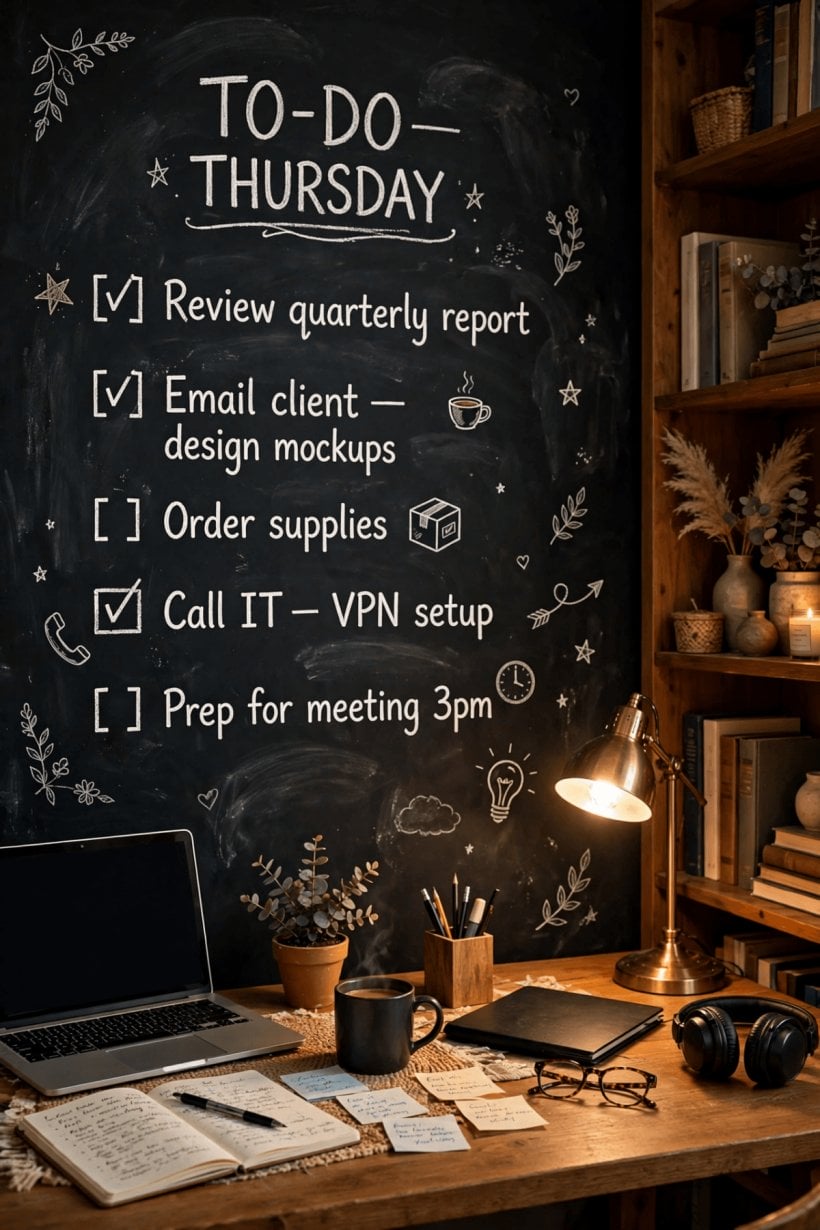
The difference between a chalkboard that delights and one that disappoints is usually preparation. Chalk paint shows every bump, filled hole and ridge in the underlying wall, because the matte finish and the action of writing highlight texture. Fill and sand until the surface feels smooth to a flat palm, then remove dust thoroughly before any paint is opened.
Mask edges carefully and decide the boundary before painting: a crisp line against a skirting board, a timber batten frame, or a painted border in a contrasting tone all give a finished edge. Apply paint in thin, even coats following the product instructions, allowing proper drying between coats, and resist the temptation to load the roller to finish faster. Thin coats level better and cure harder.
Once cured, the surface needs seasoning before proper use: cover the whole area lightly with the side of a piece of chalk and rub it in, then erase. That step, recommended by many manufacturers, helps prevent the first words from burning permanently into the finish as ghost marks. Always check the specific product guidance, because formulations differ.
Keep leftover paint labelled for touch-ups, and note the product and colour somewhere safe. A well-prepared wall can be refreshed in an afternoon years later, returning it to a clean slate for a new room scheme.
9. Writing, Cleaning and Living With Chalk Dust
Daily life with a chalkboard is easy once a few habits are set. Keep chalk and a good felt eraser together in one place, ideally on a small ledge or in a pot fixed near the board. Standard chalk gives the classic soft look, while dustless sticks and liquid chalk markers give sharper lines with less mess; markers suit detailed lettering, although they can be harder to remove from some finishes, so test in a corner first.
Clean in stages. Erase first, then wipe occasionally with a slightly damp cloth to lift the haze that builds up over time, and let the surface dry fully before writing again. Writing on a damp board is the fastest route to streaks and ghosting. Strong cleaners are rarely needed and can damage the finish, so follow the paint maker guidance rather than improvising.
Manage dust by placement and routine. Avoid chalkboards directly above soft furnishings that are hard to wash, shake erasers outside or over a bin, and add a narrow ledge at the base of the wall to catch falling dust before it reaches the floor. In homes with allergies, a marker-based board in living areas and traditional chalk kept to the kitchen or study is a pragmatic split.
Refresh the display regularly. A board wiped weekly and rewritten with intention always looks designed, while a board left untouched for months starts to look neglected. Treat it like a vase of flowers: a small, regular moment of attention keeps it at its best.
10. Alternatives and Smaller-Scale Versions
A whole wall is not the only route, and for many homes it is not the best one. Large framed boards, painted cupboard doors, the side of a fridge panel, a section of a utility room, or the inside of a pantry door all deliver the writing function with a fraction of the commitment. These smaller versions are ideal for testing whether the household actually writes on the board before investing in a full wall.
Chalkboard-effect removable panels and peel-and-stick surfaces can suit rentals, although quality varies and edges need care. Painted furniture is another underrated option: a desk top edge, a toy or craft cupboard in a family room used by adults for projects, or a serving tray that carries the menu to the table.
Children have not been forgotten in this guide; the point is simply that they should not have the idea to themselves. A family command centre in the hall, a kitchen menu wall and a study thinking board serve adults first, and any children in the home will happily borrow them.
Whichever scale is chosen, apply the same rules: a defined edge, a prepared surface, tools kept with the board, and writing that is refreshed often. Scale changes; the habits that make it work do not. For more whole-home inspiration, explore these bedroom and interior design ideas.
Final Considerations
A chalkboard wall succeeds when it is treated as both a tool and a finish: prepared like good paintwork, placed where its job makes sense, and styled with the restraint of any other strong colour. Start with the room that will genuinely write on it, test a panel if you are unsure, and keep the display fresh.
Do that, and the result is one of the most adaptable surfaces in the home, equally ready for a shopping list, a study plan, a celebration menu or a single perfect line of handwriting, and just as ready to be wiped clean when life moves on.


0 Comments