
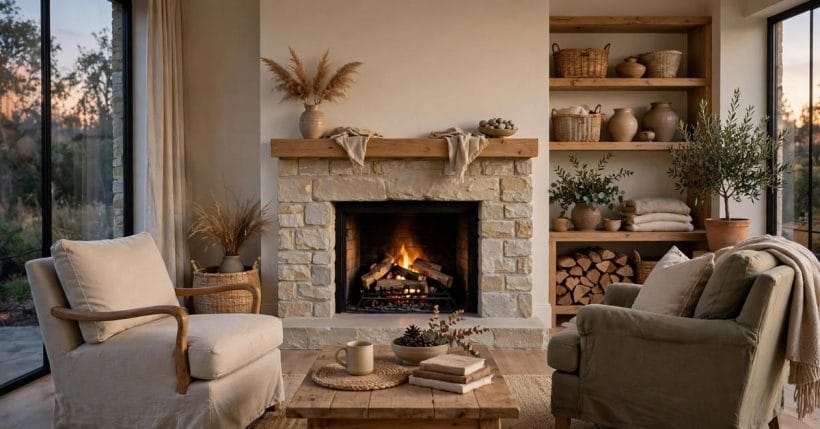
A fireplace changes how a room feels long before it changes how warm it is. It draws the eye, sets where people sit, and quietly shapes the whole layout around it.
These ten fireplace buying checks help you choose with the room, the venting and the upkeep in mind, before you fall for a single style.
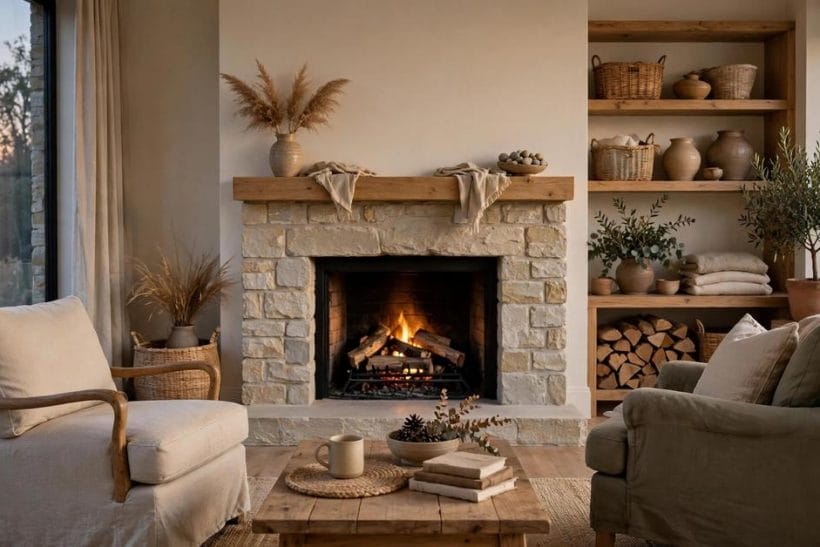
1. Start With the Room, Not the Fireplace
The easiest mistake in fireplace shopping is choosing the fire first and the room second. A fireplace that looks wonderful in a showroom can feel too large, too small or simply out of place once it sits in your own living space, because showrooms are generous with ceiling height, floor area and light in ways that ordinary rooms often are not. Starting with the room instead keeps the decision honest. Walk into the room you actually have, notice where people already gather, where the light falls through the day, and which wall naturally draws the eye, and let those observations narrow the field before you look at any single model.
Room-first thinking also protects the rest of the room. A fireplace is rarely the only thing a living room must do. The same space may need seating for family and guests, a place for reading, room for children to play, and a route through to the kitchen or the garden. When the fireplace is chosen to serve that whole picture, it settles into the room rather than taking it over. When it is chosen on looks alone, the seating ends up pushed to the edges, the walkways feel pinched, and the room slowly reorganises itself around one feature at the expense of everything else.
| At a Glance | Fireplace Checks |
|---|---|
| First check | Room fit and layout, before any style decision |
| Fuel choice | What suits your home, habits and upkeep |
| Venting route | Flue and chimney checked by a qualified professional |
| Surround and mantel | Materials that suit the room and its use |
| Hearth space | Clear space kept around the fire |
| Everyday care | Cleaning and servicing you can sustain |
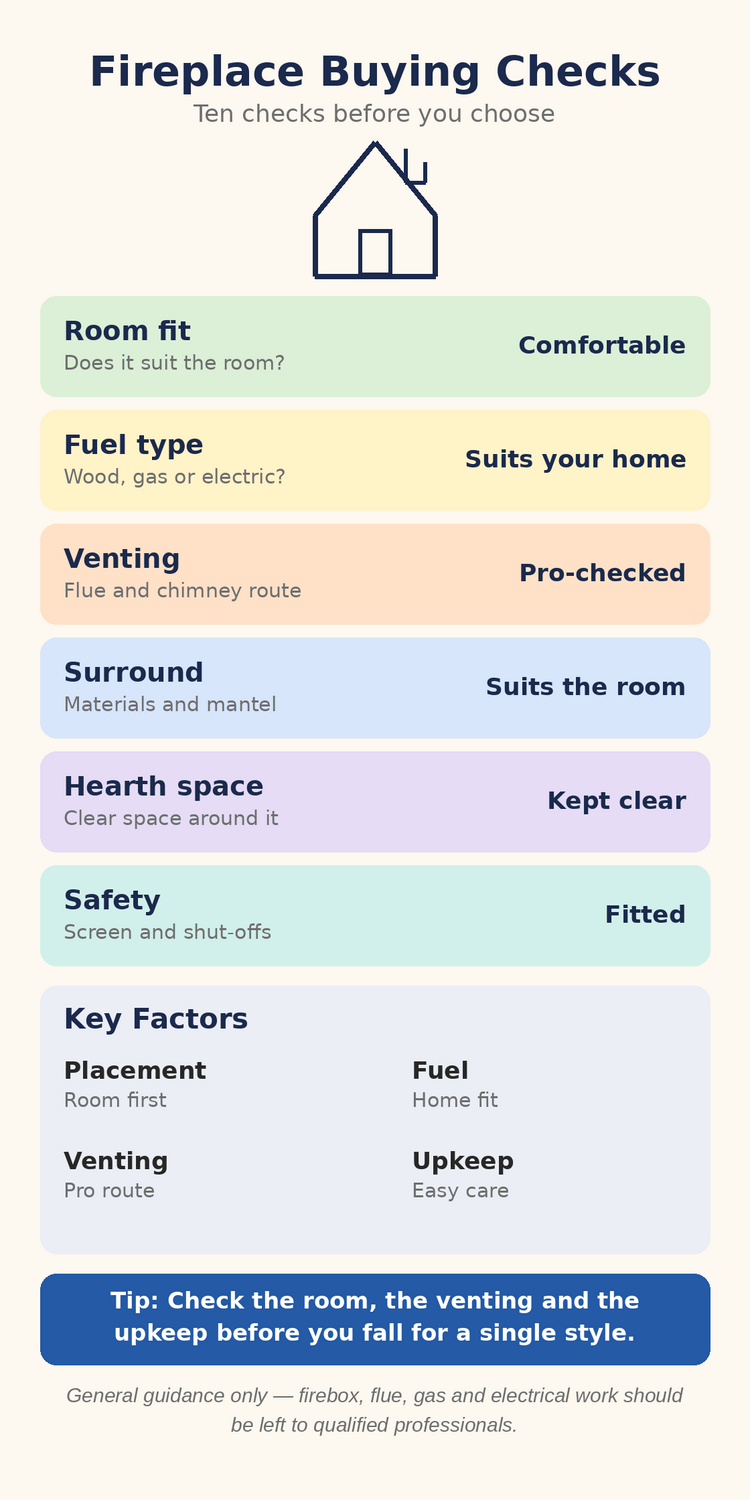
Use the sections that follow as a working checklist rather than a ranking. No single check settles the choice on its own, and the right answer for a large open room may be the wrong answer for a small snug one. Read through them with your own room in mind, note where your home makes a check easy and where it makes it awkward, and take the awkward notes with you when you talk to a professional. A short list of honest observations is worth far more than a long list of features you may never use.
2. Match the Fireplace to the Room’s Size and Layout
Size is the first practical question, and it is best answered by proportion rather than by enthusiasm. A fireplace should feel like it belongs to the wall it sits on, with enough wall around it that the room still breathes, and enough presence that it does not look lost. Stand back and imagine the whole wall, not just the firebox. Notice the height of the ceiling, the width of the wall, and the size of the furniture that will sit nearby. A tall wall can carry a taller arrangement, while a short wall usually suits something lower and calmer, and a narrow wall between doors or windows asks for restraint rather than grandeur.
Layout matters just as much as size, because a fireplace fixes where people sit. The seating will naturally turn toward the fire, so check what that turn does to the rest of the room. Does it leave a comfortable route to the door, or does every crossing cut through the conversation? Does the television, if there is one, end up fighting the fireplace for attention, or can the two live calmly in the same room? These are questions worth answering on paper, with a simple sketch of the room, before anything is ordered. A guide to great rooms with fireplaces and the scale they need shows how the same thinking stretches to larger open rooms, where proportion becomes even more important.
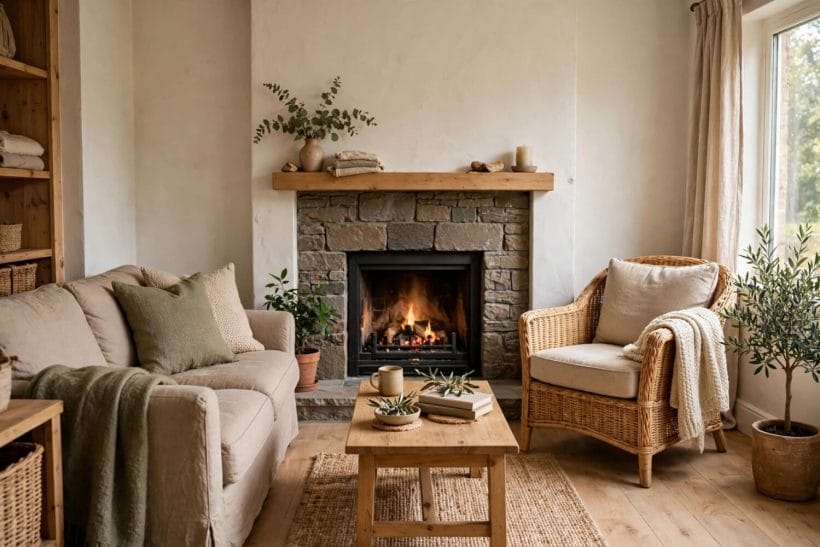
Small rooms deserve special care here, because a fireplace that dominates a small room can make the whole space feel smaller, while one chosen with restraint can make it feel warmer and more settled. In a compact room, look for a design that sits neatly into the wall and leaves the floor as open as possible, and be honest about how much furniture the room truly needs. Removing one chair you rarely use often does more for a small room than choosing a smaller fireplace, and the room will thank you for the space every day.
3. Choose a Fuel Type That Fits Your Home
Wood, gas and electric fires each suit different homes, and the honest choice depends less on which sounds most appealing than on which fits your house, your habits and your tolerance for upkeep. A wood fire asks for fuel storage, regular cleaning and a chimney that a professional has checked, and it rewards that effort with a living flame and a ritual many people love. A gas fire asks for a professional gas connection and servicing, and it rewards that with instant warmth at the touch of a control. An electric fire asks for little more than a sound electrical supply, and it rewards that with simplicity, though its flame is an effect rather than a real fire, and that distinction matters to some buyers more than others.
Think about daily life, not just winter evenings. Who will light the fire, who will clean it, and how often will it honestly be used? A household that loves tending a fire will enjoy the rhythm of wood, while a household that wants warmth without ceremony may prefer gas or electric. Think, too, about the home itself. A house without a usable chimney faces a different set of choices from one with a sound flue, and a home where the fireplace will sit in a bedroom or a small study faces different questions from one where it will anchor a large living room. The fuel decision should follow the house, not lead it.
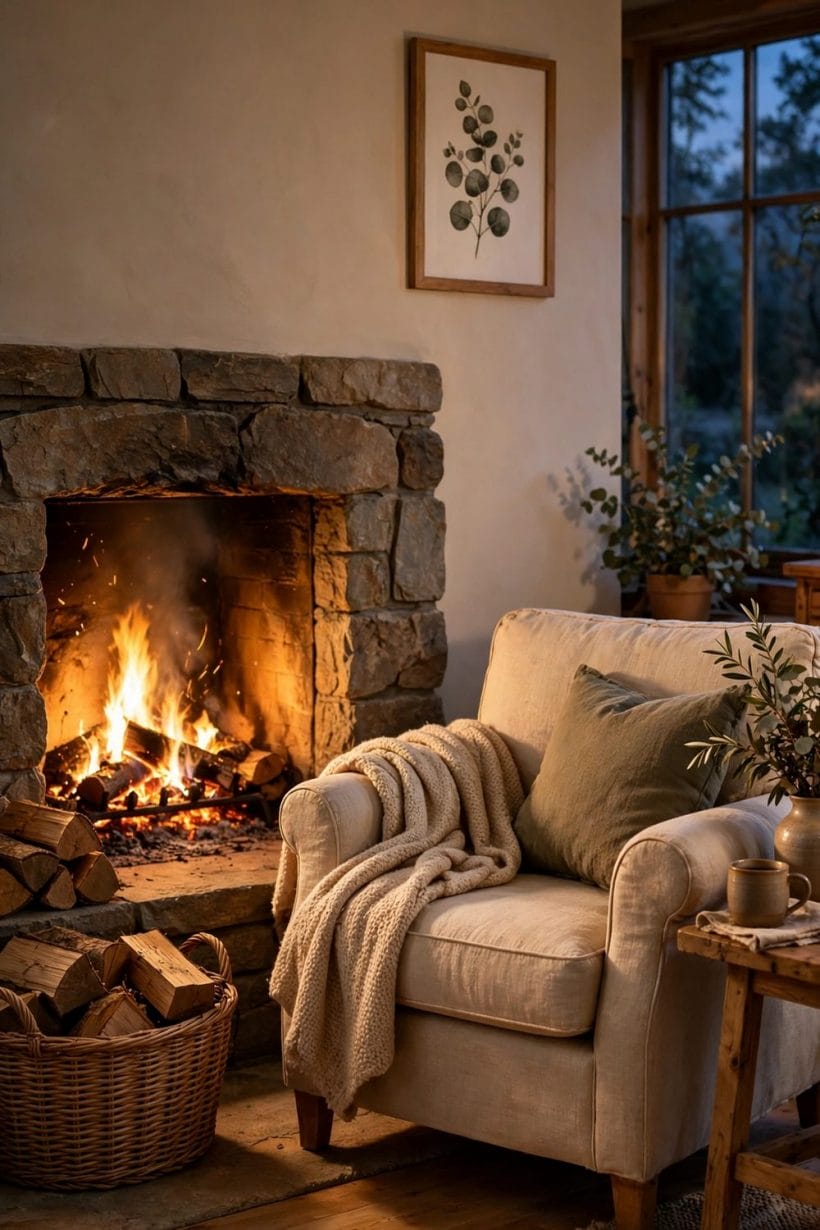
Where gas is on the table, venting becomes part of the fuel question, because not every gas fire vents in the same way. Some need a flue, others are designed differently, and the difference affects where the fire can sit and what work the installation involves. A comparison of vented and vent-free gas fireplaces and what to check explains that distinction in general terms, and it is worth reading before you narrow the field. Whatever fuel you lean toward, keep the decision provisional until a qualified professional has confirmed that your home can support it safely.
4. Understand the Venting Route Before You Decide
Venting is the least glamorous part of fireplace shopping and one of the most important, because it decides whether a fireplace can work safely in your home at all. Wood and many gas fires need a route for smoke and fumes to leave the house, usually through a flue or chimney, and that route must be sound, correctly sized for the fire, and free of blockages. An old chimney that looks fine from the outside may need attention inside, and a house that has never had a fireplace may need a new route built by professionals. None of this is work to improvise, and none of it should be assumed from the outside appearance of the house.
Ask early, not late, about the venting route, because the answer can change the whole project. If the route is straightforward, your choices stay wide. If it needs repair, lining or a new path through the house, the cost and disruption of that work become part of the decision, and they may steer you toward a different fuel or a different wall. A professional inspection of the chimney and flue, carried out before you commit to a purchase, is one of the wisest steps in this whole guide. It turns a hopeful guess into a known fact, and it protects both the household and the house.
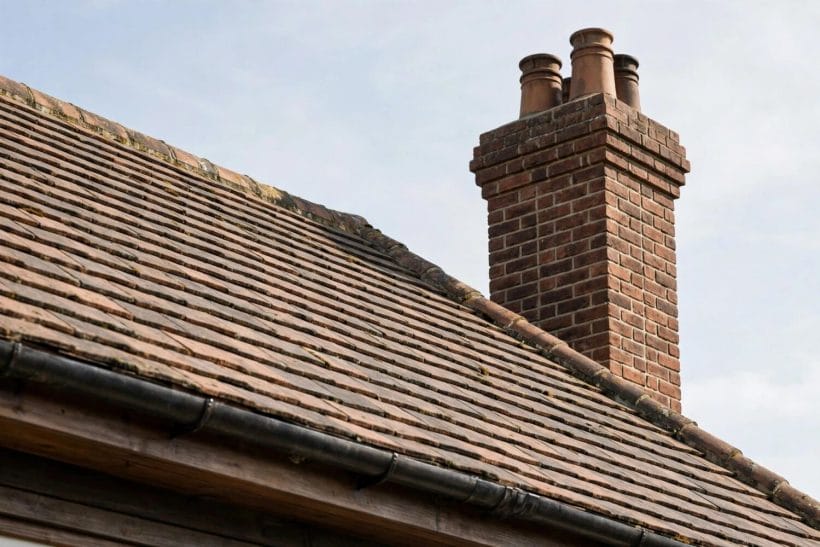
Electric fires sit outside this question, since they need no flue, and that freedom is a genuine part of their appeal for homes without a chimney. But freedom from venting does not mean freedom from care. Electrical supply, placement and the manufacturer’s instructions still matter, and electrical work should still be left to a qualified professional. The broader lesson holds for every fuel: understand how the fire breathes, or how it does not need to, before you choose it, and never let a beautiful design talk you past a venting problem.
5. Look Closely at the Surround and Mantel
The surround and mantel are what you actually live with day after day, long after the novelty of the flame has settled. They frame the fire, carry the eye, and set the tone of the whole wall, so they deserve the same careful attention as the fire itself. Look at materials in general terms first. Stone feels solid and cool, timber feels warm and informal, tile can bring colour and pattern, and plaster can sit quietly and let the fire do the talking. Each material also asks something different of the household: some show dust and marks readily, some need sealing or careful cleaning, and some suit a busy family room better than a formal one.
The mantel shelf deserves its own thought, because it will collect whatever the household puts on it, from candles and photographs to books and seasonal decorations. A shelf that is generous and well placed invites calm styling, while a shelf that is awkwardly high, narrow or close to the heat can become a source of small daily frustrations. Think about what you honestly place on a mantel, and whether the design gives those things a safe, sensible home. Ideas for gas fireplace surrounds in marble, stone, tile and timber and for fireplace mantel ideas with beams, stone surrounds and styled shelves show how different materials and shelves change the same wall, and browsing them can sharpen your own taste before you decide.
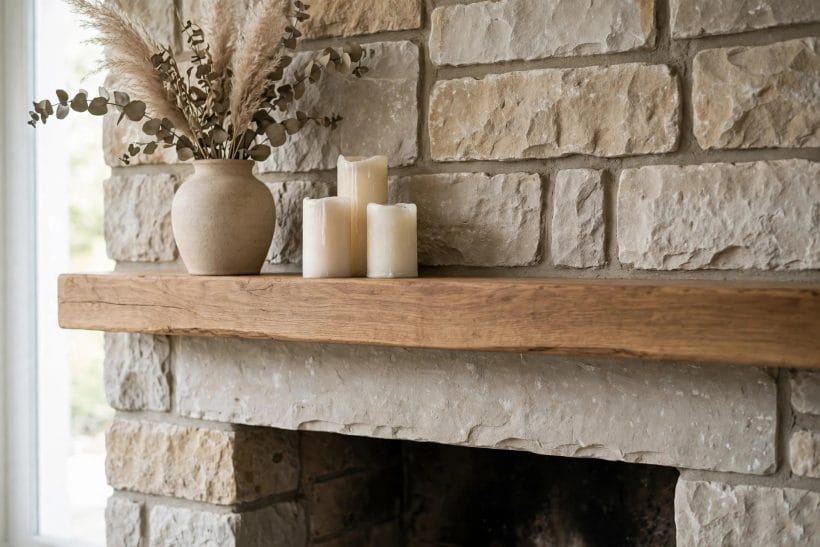
Keep the surround honest to the room rather than to a passing trend. A very ornate surround can overwhelm a simple modern room, while a very plain surround can look unfinished in a room full of period detail. The happiest results usually come when the surround echoes something already in the room, whether that is the timber of the floor, the stone of an existing wall, or the calm colour of the woodwork. When the surround belongs to the room, the fireplace feels as though it has always been there, and that settled feeling is worth more than any single fashionable detail.
6. Keep the Hearth and the Space Around It Clear
The hearth is the working edge of the fireplace, and it needs room to do its job. It catches stray sparks, gives the fire a safe border, and marks the boundary between the fire and the rest of the room. That boundary only works if it is respected, so look at the floor in front of the fireplace with fresh eyes. Is there enough clear space for the hearth to sit comfortably, or does furniture crowd right up to it? Do rugs, baskets and toys drift into the area through the day? A hearth that is constantly hemmed in by clutter is a hearth that cannot do its job, however handsome it looks in a photograph.
Clear space is also a comfort question. People gather near a fire, and they need somewhere to sit that is close enough to enjoy the warmth without feeling crowded against the heat. Check the distance from the hearth to the nearest seat, and imagine the room on a cold evening with everyone in it. If the seating feels squeezed, the room will feel squeezed every time the fire is lit, and the fireplace will slowly become something the household avoids rather than enjoys. A collection of small living room ideas for seating and layout can help here, because the same layout thinking that serves a small room serves the space around any fireplace.
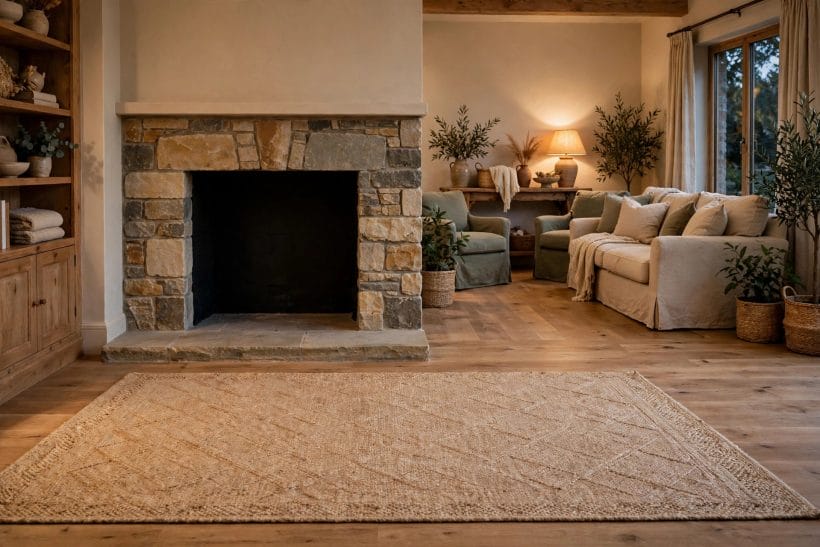
Children and pets add another layer to this check, and it is worth thinking through honestly rather than hopefully. A low hearth at toddler height, a rug that slides toward the fire, or a favourite toy box parked beside the fireplace all change the risk picture of a room. Screens and guards can help, and they are covered in the safety section below, but the simplest protection is space itself: a clear, respected zone around the fire that the whole household understands. Agree that zone before the fireplace is installed, not after, and the room will keep its calm.
7. Weigh Controls, Lighting and Everyday Ease
A fireplace is used in real evenings, often tired ones, so everyday ease matters more than showroom drama. Think about how the fire is lit, adjusted and put out, and whether those actions feel simple in the dark, with cold hands, or while carrying something. A control that is fiddly in a bright showroom will be more fiddly at home, and a lighting routine that needs several steps will slowly discourage use. Simplicity is not a lack of sophistication; it is the quality that keeps a fireplace part of daily life rather than a weekend project.
Lighting in the room around the fire deserves thought too. A fireplace gives off its own light, warm and flickering, and the room’s other lights should complement that rather than compete with it. Harsh overhead light can flatten the glow of a fire, while soft lamps at seating height let the flame stay the star of the evening. Notice, too, how the room looks when the fire is not lit, because for much of the year it will not be. A fireplace that looks good unlit, with a calm surround and a tidy hearth, serves the room all year, while one that only looks good with a flame can leave the wall feeling empty through the warmer months.
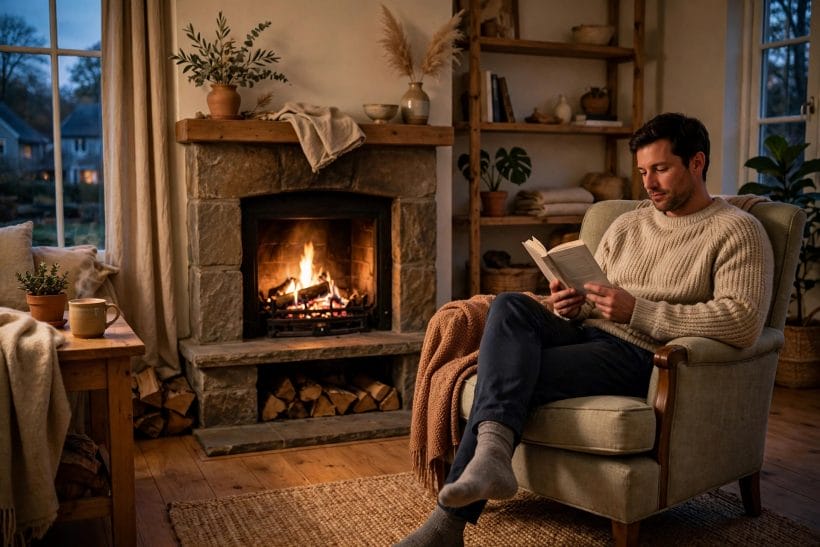
Noise is a smaller check that is easy to overlook and surprisingly important once you live with it. Some fires include fans or blowers that add a background hum, and what seems quiet in a showroom can feel present in a silent house at night. If the fire you are considering uses a fan, ask to hear it running, and imagine it during quiet conversation or reading. A fireplace should add warmth to an evening, not a soundtrack, and a few minutes of listening before purchase can save years of mild irritation.
8. Ask About Cleaning and Long-Term Care
Every fireplace asks for care, and the honest question is whether your household will give it. Wood fires need ash removed, glass cleaned and chimneys swept by a professional at sensible intervals. Gas fires need servicing by a qualified professional, with burners and vents checked as the manufacturer directs. Electric fires need far less, though dust and the occasional care of the flame effect still belong to the routine. None of this is difficult, but all of it is recurring, and a fireplace whose care routine does not fit your household will slowly lose its charm.
Ask the seller, in plain terms, what the care routine looks like across a year, and what it looks like across several years. Which parts need a professional, and which parts can the household safely handle? Are there parts that wear and need replacement, and can those parts be found easily? A fireplace from a maker with clear instructions and accessible support is worth more, over time, than a slightly cheaper one whose care is vague. Keep the manufacturer’s manual somewhere you will actually find it, because the manual, not memory, is the right guide when a question arises.
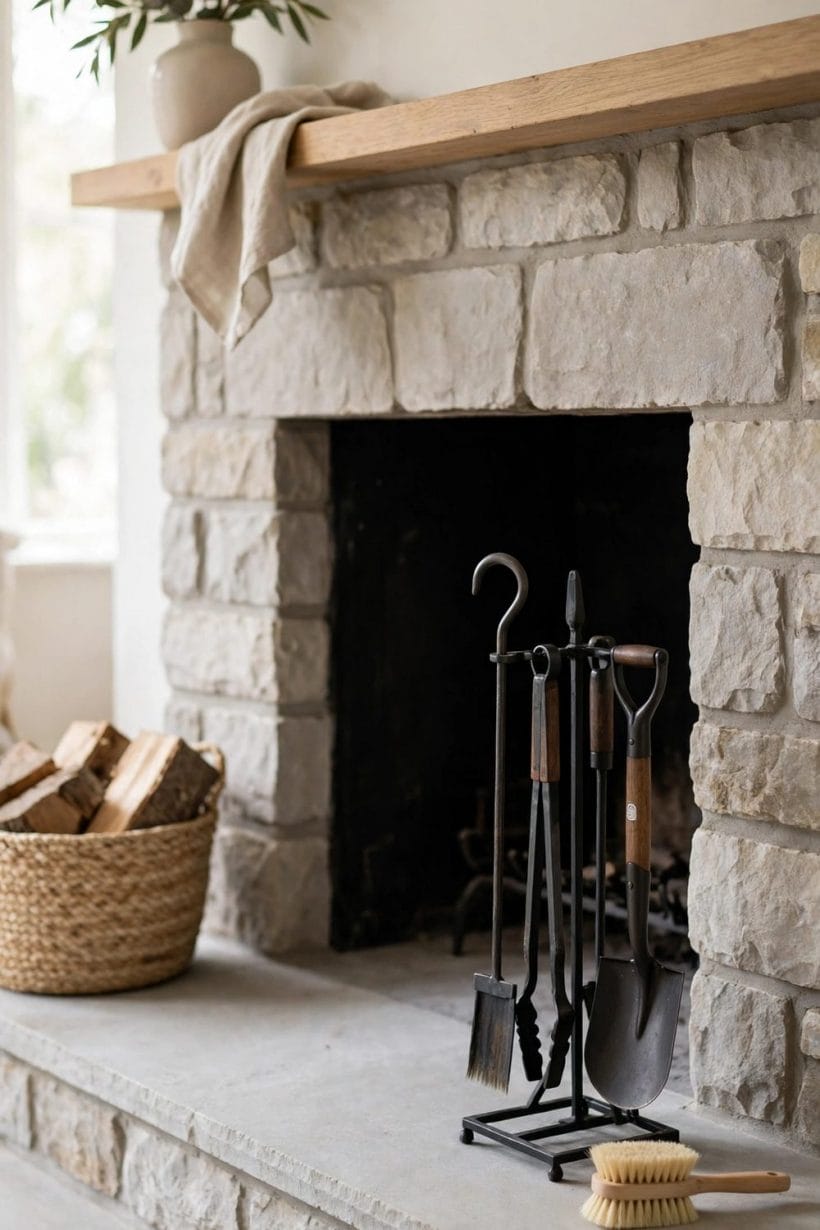
Seasonal care deserves a note of its own. A fireplace that sits unused through warm months still collects dust, and a chimney that sits unused can collect debris or nesting material. A sensible routine includes a check before the heating season begins, so the first cold evening does not reveal a problem that could have been caught in calm weather. Households that build this check into their autumn routine enjoy their fires with far fewer surprises, and the fire itself lasts longer for the attention.
9. Put Safety Checks First
Safety is not the final check in this guide because it matters least; it is here because it should be confirmed after every other decision, once the room, fuel and design are settled. Start with the screen or guard, which keeps sparks, curious hands and wandering pets at a sensible distance from the fire. A good screen fits the opening properly, stands steadily, and can be moved aside without a struggle when the fire needs tending. A screen that wobbles, gaps at the edges or blocks the view entirely will either be removed or resented, and neither outcome serves the household.
Think next about the wider safety picture of the room. Smoke and carbon monoxide alarms belong in any home with a fuel-burning fire, placed and maintained as their makers direct, and their batteries or power supplies checked as part of the household routine. The area around the fire should stay free of flammable clutter, and decorations on the mantel should sit well clear of heat. These are simple habits, but they are the habits that keep a fireplace a pleasure rather than a worry. A broader look at home design ideas for rooms that work safely and calmly can help place the fireplace within the whole home, rather than treating it as an isolated feature.
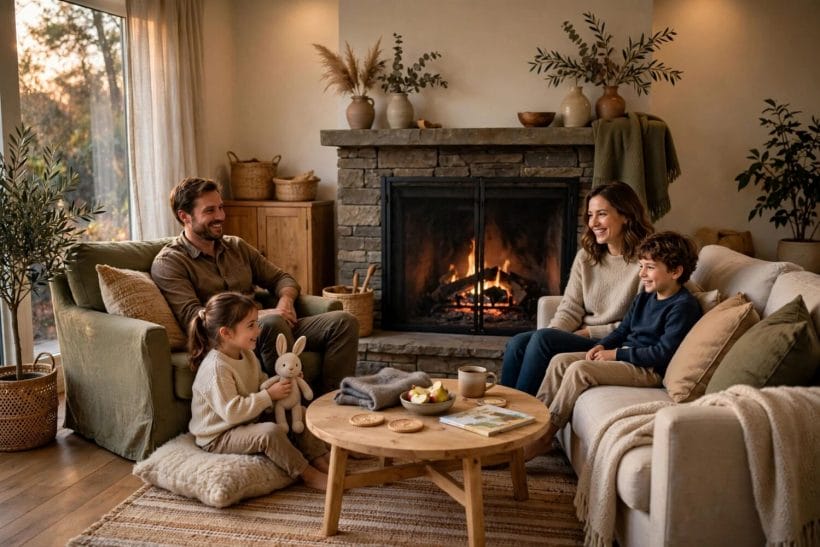
Above all, keep installation and repair work with qualified professionals. Firebox work, chimney work, gas connections and electrical connections all carry risks that are invisible until something goes wrong, and the cost of professional work is small beside the cost of a mistake. If a seller suggests that any of this work can be improvised, treat that as a reason to walk away rather than a reason to save money. A fireplace installed properly, and serviced properly, is one of the safest comforts a home can offer.
10. Compare Running Costs Without Guessing
Running costs are where guesswork most often misleads buyers, because the price of fuel, the efficiency of the fire and the size of the room all pull in different directions. Wood costs depend on supply, storage and how the household buys, gas costs depend on tariffs and use, and electric costs depend on rates and how long the fire runs. No single figure captures that honestly, and any seller who offers one should be heard with care. What matters is the pattern of costs for your household, not a headline number from someone else’s home.
Compare costs in general terms instead. Ask how each fuel is typically charged in your area, how much attention each fire needs to run efficiently, and how the fire will actually be used through a week. A fire that runs for a few hours on winter evenings costs a household very differently from one that runs all day, and a fire that heats one room well may still leave the rest of the house to the central heating. Thinking in patterns, rather than in precise figures, keeps the comparison honest and keeps the decision grounded in your own life.
Also weigh the costs that are not fuel at all. Servicing, chimney sweeping, replacement parts and the occasional repair all belong in the picture, and a fire that is cheap to run but expensive to maintain may cost more over time than a steadier alternative. Ask about those costs in the same plain terms as fuel, and add them to your thinking before you decide. A fireplace chosen with its whole cost pattern in view is a fireplace the household can enjoy without the quiet worry that it is costing more than it should.
Final Considerations
Choosing a fireplace well is mostly a matter of order: room first, fuel second, venting confirmed, surround chosen for the room, hearth kept clear, ease and care weighed honestly, safety confirmed, and costs compared in general terms. No single section of this guide replaces a professional’s eyes on your chimney, your gas supply or your wiring, and the best purchase you can make is often the professional inspection that happens before the purchase itself. These fireplace buying checks are meant to make that conversation sharper, not to replace it.
Take your time with the decision, and let the room have its say. Visit the room at different times of day, sit where you would sit on a cold evening, and imagine the fire lit and unlit, busy and quiet, across the seasons. The right fireplace will feel less like an addition to the room and more like something the room was waiting for, and it will earn that feeling every evening it is lit. For smaller homes in particular, where every feature must earn its floor space, a look at tiny house designs and compact living ideas shows how carefully chosen focal points can carry a whole room.


0 Comments