
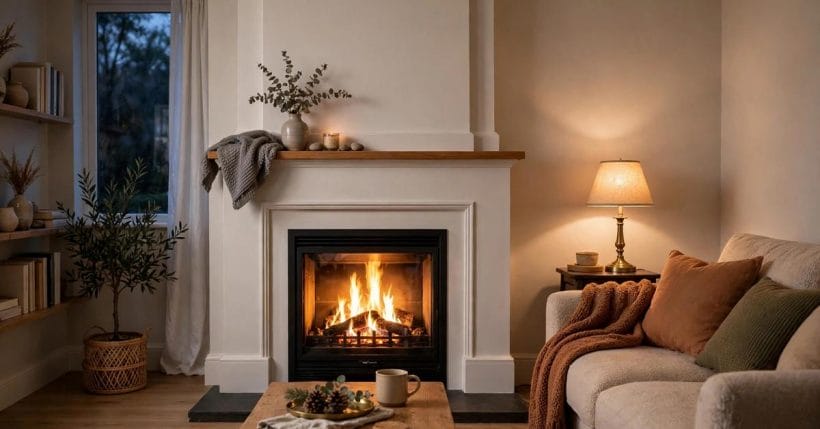
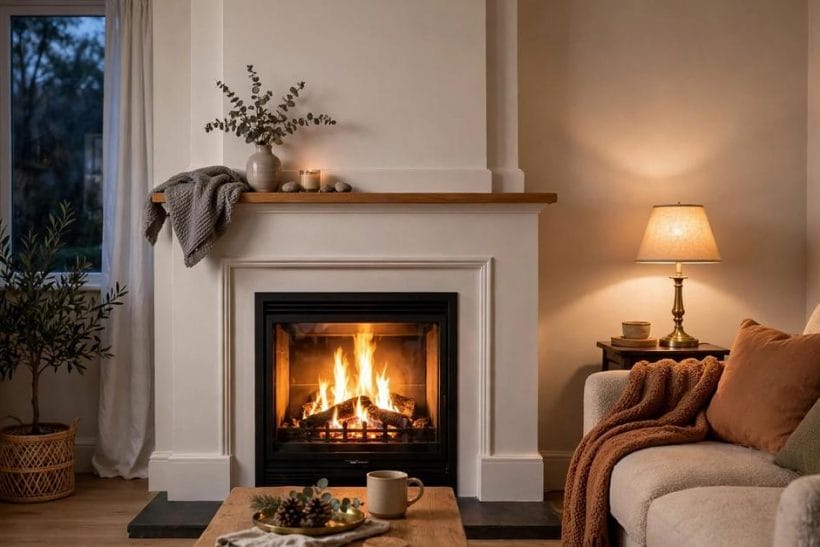
Two gas fireplaces can look almost identical from the sofa, yet work in completely different ways. One sends its exhaust outside through a flue. The other releases its warmth straight into the room. That single difference shapes everything else, from where the fireplace can sit to how the room feels on a cold evening.
This guide compares the two types in plain terms, so you can walk into a conversation with a gas professional knowing which questions matter. It covers venting, comfort, room fit, upkeep and safety habits, and it keeps the focus where it belongs: on choosing well, not on fitting anything yourself.
1. What Vented Means in Plain Terms
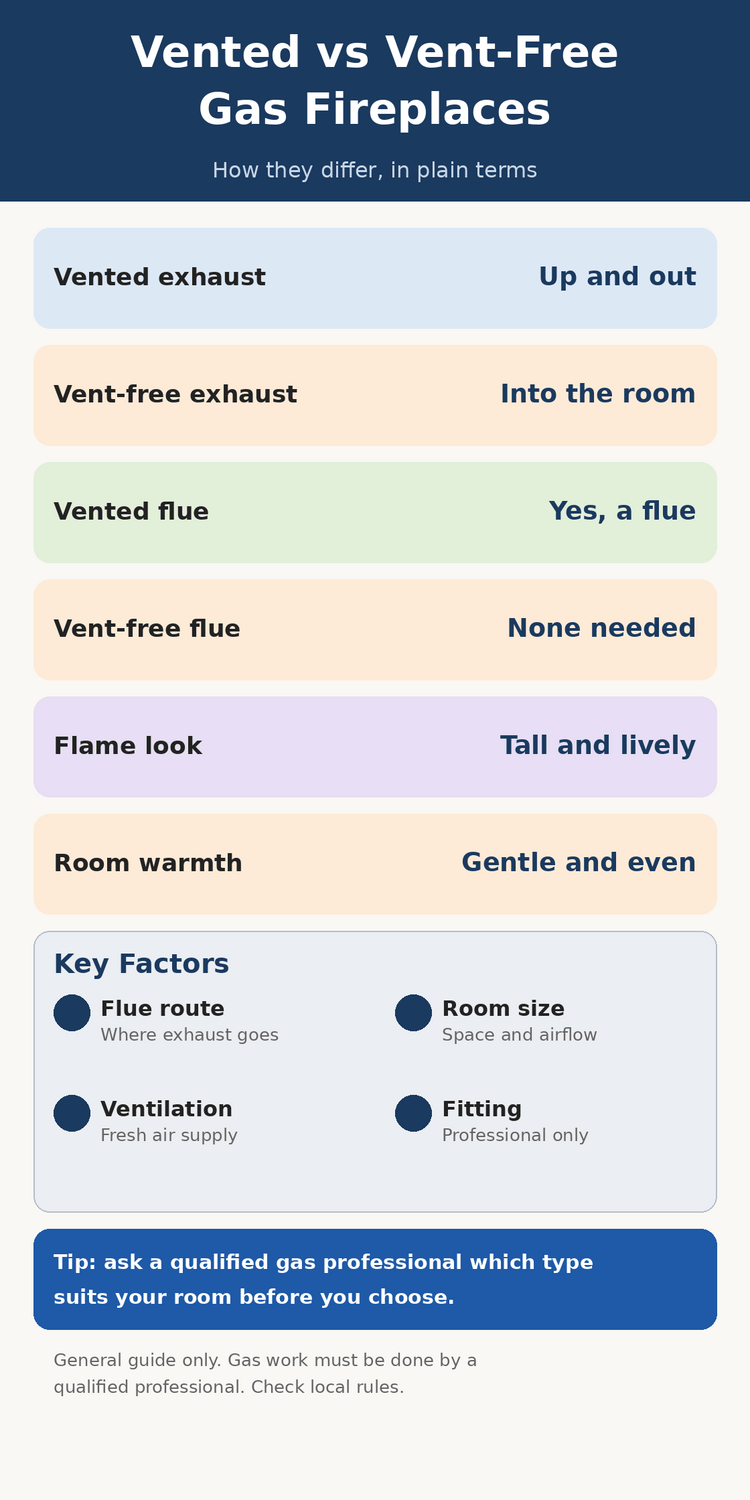
A vented gas fireplace works much like a traditional fireplace. It burns gas behind glass or an open front, and the exhaust travels up and out of the home through a flue or chimney. The flame you see is fed by gas, but the byproducts of burning do not stay in the room. That is the whole point of the vent: it gives exhaust a dedicated way out.
Because the exhaust leaves the home, a vented fireplace usually has a taller, livelier flame that looks closer to a wood fire. Many people choose this type for the atmosphere alone. The trade-off is that the fireplace needs a route for the flue, which means its position in the home is decided partly by the building itself, not only by where the sofa sits.
If you are weighing up vent free vs vented gas logs, start here: the vented option is the one that behaves like the fireplaces most of us grew up with, with a chimney doing quiet work in the background. It suits homes that already have a chimney or a straightforward path for a flue, and rooms where a traditional fireplace look feels right.
| At a glance | Vented | Vent-free |
|---|---|---|
| Exhaust | Sent outside through a flue | Released into the room |
| Flue needed | Yes | No |
| Flame character | Tall and lively | Steady and neat |
| Room warmth | Gentle, with some warmth lost up the flue | More warmth stays in the room |
2. What Vent-Free Means in Plain Terms
A vent-free gas fireplace has no flue and no chimney. It is designed so that its combustion is clean enough, in the conditions it is built for, that its warmth and exhaust stay in the room. That is why it can sit on almost any suitable wall, including rooms where adding a flue would be awkward, disruptive or simply not possible.
The flame on a vent-free model tends to look steadier and more contained than a vented flame. The logs or stones glow evenly, and the heat stays where you are sitting rather than drifting up a chimney. For a small living room or a compact home, that can make a real difference to comfort, because less of the warmth you pay attention to is lost to the outside.
The freedom of placement is the great appeal of this type. Without a flue to plan around, the fireplace can anchor a seating area, warm a snug corner or bring a focal point to a room that never had a chimney. The responsibility that comes with it is equally clear: because nothing leaves the room, the room itself, its size, its airflow and how the fireplace is used all matter more, and a qualified gas professional should confirm the choice before anything is fitted.
3. How the Two Handle Air and Exhaust
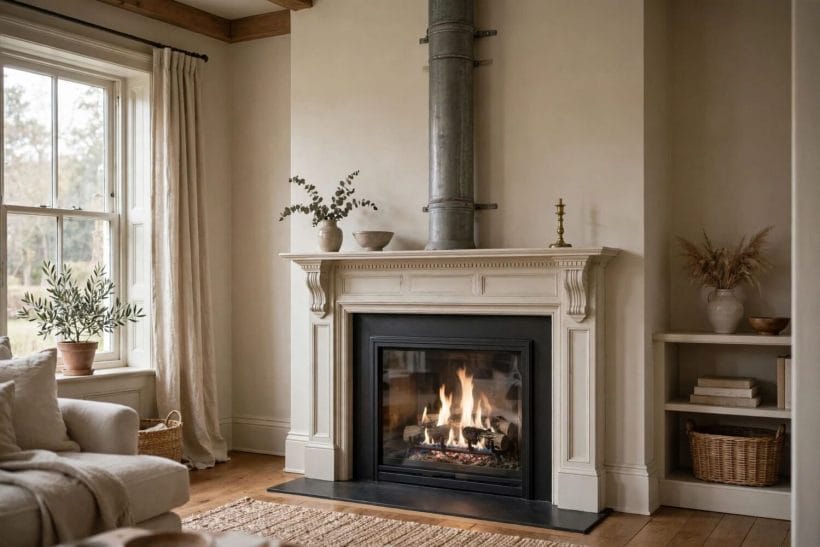
Every gas fireplace needs air to burn, and every one produces exhaust. The difference between the two types is simply where that exhaust ends up. In a vented fireplace, the flue carries it outside, so the room keeps its own air largely unchanged. In a vent-free fireplace, the room itself is part of the system, and fresh air from the room supports the burn.
That is why ventilation matters so much more for a vent-free model. A room that is tightly sealed, very small or rarely aired will behave differently from a larger, well-ventilated space. Doors left open to neighbouring rooms, ordinary air movement through the home and the general freshness of the room all play a part. A gas professional can judge whether a particular room is a good match, and that judgement should come before any decision is final.
It is also why the two types feel different to live with. A vented fireplace can run for a long evening with the room feeling much as it did before, apart from the warmth. A vent-free fireplace warms the room more directly, and you may notice the air feeling closer or warmer sooner. Neither feeling is a fault in itself, but knowing which one to expect helps you choose honestly rather than being surprised later.
4. Flame Look and Room Comfort
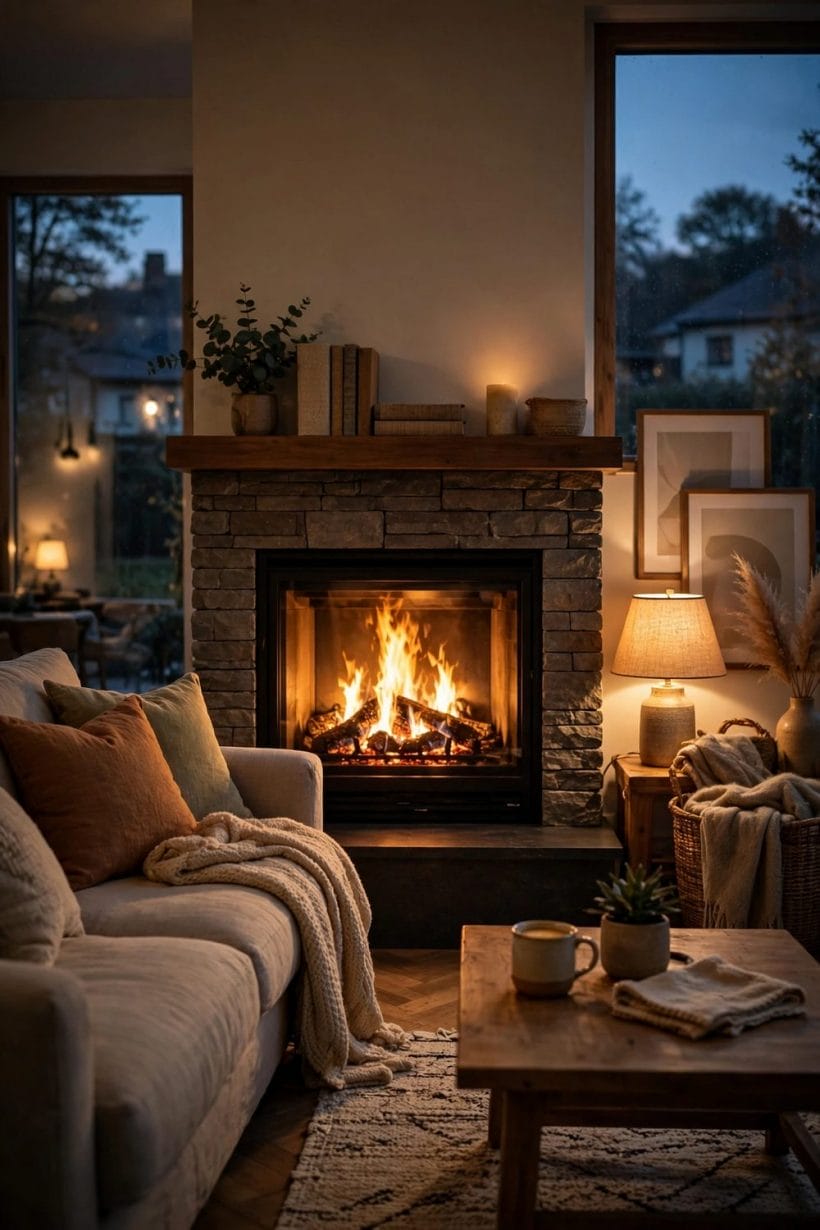
For many buyers, the flame is the deciding factor, and here the two types genuinely differ. Vented flames tend to be taller, softer at the edges and more varied, because the draw of the flue pulls air through the firebox. They read as a traditional fire, and they suit rooms where atmosphere matters as much as warmth.
Vent-free flames are usually neater and more even. The burner and logs are arranged for a steady, controlled burn, and the result is a calm, consistent glow. Some people prefer this tidy look, especially in a modern room where clean lines matter. Others miss the wilder movement of a vented flame. There is no right answer, only the look you will still enjoy after many evenings.
Comfort follows the same split. A vented fireplace gives a gentler, more traditional warmth, with some heat naturally leaving through the flue. A vent-free fireplace keeps more of its warmth in the room, so a small space can feel cosy sooner. In a larger room, that same quality can feel less important, and the traditional flame may win on charm alone. Think about the room you actually live in, not the showroom you visited.
5. Room Size, Layout and Everyday Living
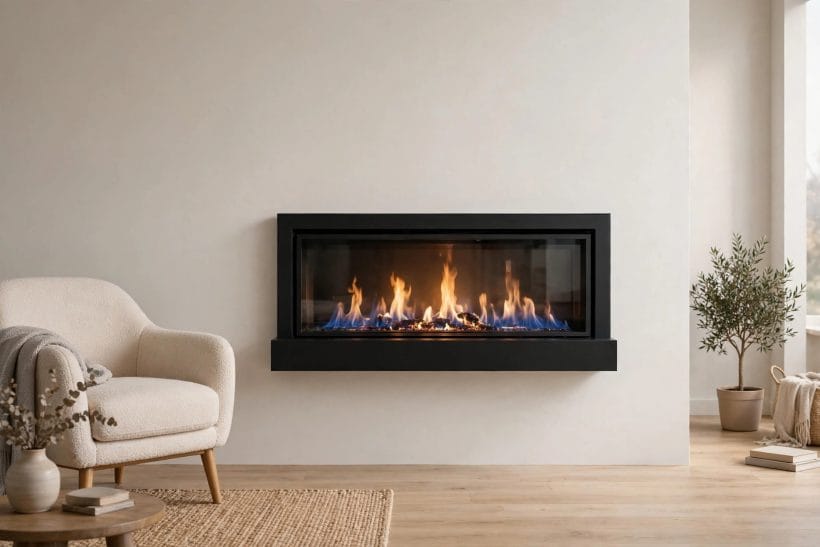
Room size is one of the most practical differences between the two types. A vented fireplace is less sensitive to the size of the room, because its exhaust leaves through the flue. It can sit in a generous living room or a modest snug, provided the flue route works, and the room does not carry extra responsibility for the burn.
A vent-free fireplace asks more of its room. Smaller rooms, rooms with little natural airflow and rooms that are closed off from the rest of the home all deserve a careful professional check. This is not a reason to rule the type out. It is a reason to match the fireplace to the room deliberately, with advice from someone qualified to judge the combination, rather than choosing on looks alone.
Layout matters too. A vented fireplace usually belongs where a chimney or flue can run, which often means an outside wall or an existing chimney breast. A vent-free fireplace can sit on an inside wall, divide a seating area or warm a room that never had a fireplace before. If your home has no chimney and you love the idea of a fire in a particular spot, that flexibility may settle the question. If your home already has a chimney breast, the vented route may be the natural fit. Either way, the small living room ideas that shape your seating plan should be settled alongside the fireplace choice, not after it.
6. Fitting the Fireplace Into Your Home
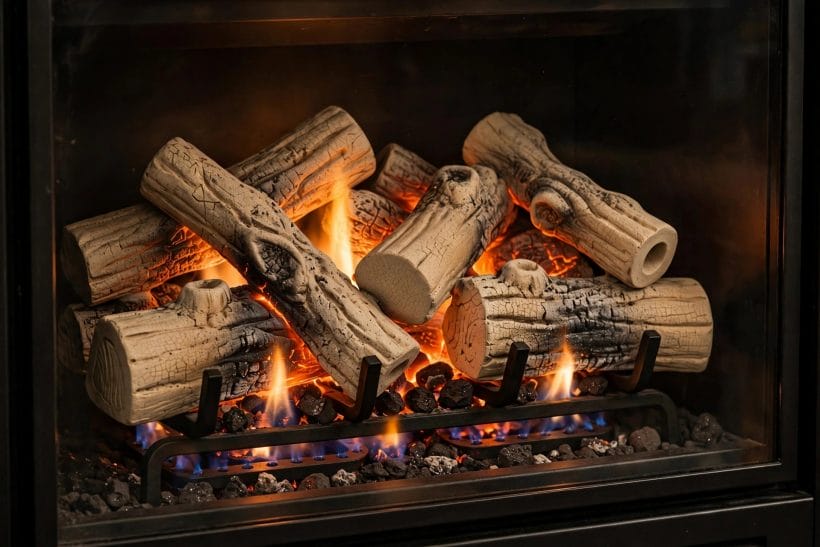
Fitting is where the two types diverge most in practice, and it is also where professional help is non-negotiable. A vented fireplace needs a flue route planned through the building, which can mean work on the chimney, the wall or the roofline, depending on the home. A vent-free fireplace needs no flue, but it still needs a gas supply, a suitable wall and a professional assessment of the room.
In both cases, gas work belongs to qualified professionals only. Connecting a gas supply, altering pipework or opening up a firebox is not household DIY, and this guide deliberately gives no instructions for any of it. What you can do is prepare well: know your room, know how you use the space, and be ready to describe the wall, the airflow and the seating layout to the professional who will judge the fit.
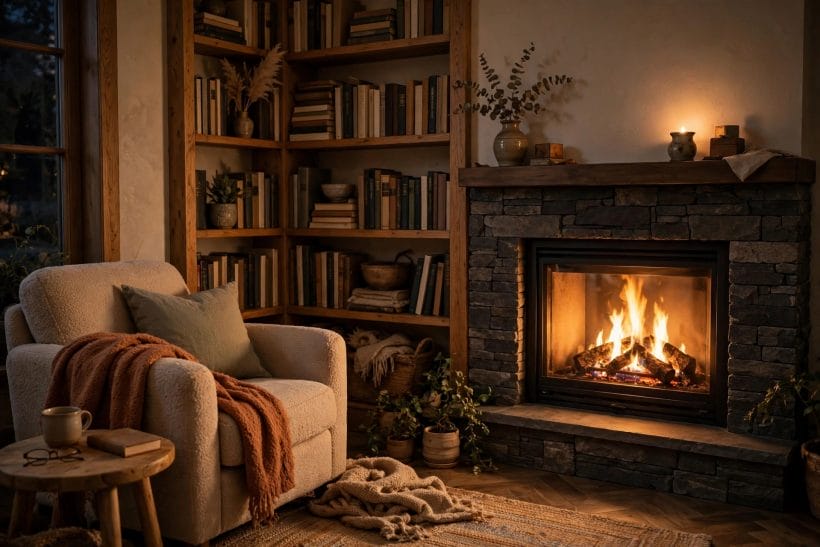
The surround deserves thought at the same stage. The materials around a fireplace shape the whole room, and gas fireplace surround materials are worth choosing with the same care as the fireplace itself. Stone, tile, timber and plaster each give a different mood, and the surround should suit both the fireplace type and the room around it. Shelving beside a fireplace can complete the arrangement, giving the wall a finished, lived-in feel rather than a bare appliance on a blank wall.
7. Upkeep, Checks and Everyday Care
Day-to-day care for either type is refreshingly simple, and most of it is about keeping the area tidy and noticing changes early. Keep the space around the fireplace clear of clutter, soft furnishings and anything that could scorch. Notice how the flame looks on an ordinary evening, so that any change in colour, height or steadiness stands out rather than passing unnoticed.
Anything beyond that belongs to a professional. Work inside the firebox, on the burner or on any gas part should never be attempted at home, and the maker’s guide for your model is the only authority on its servicing schedule. A regular professional service keeps the fireplace running as designed and gives you a chance to ask about anything you have noticed, from a new smell to a flame that looks different from usual.
It helps to keep a simple habit: when the fireplace is serviced, note what was checked and when the next visit is due. That small record turns maintenance from a vague intention into a routine, and it means the fireplace is looked after by someone who knows it, rather than remembered only when something seems wrong. Household care stops at the outside of the unit and the space around it; everything inside stays professional territory.
8. Safety Habits Worth Keeping
Safety with a gas fireplace is mostly about habits, and the good ones are easy to keep. Never leave a fireplace running in a room you have left for a long stretch, and never use it to dry clothes or warm anything that should not be near a flame. Keep children and pets from playing close to the glass, which stays hot long after the flame is out, and teach everyone in the home that the fireplace is for looking at and warming the room, not for touching or experimenting with.
Ventilation deserves a habit of its own, especially with a vent-free model. Let fresh air into the room as part of ordinary living, and pay attention to stuffiness or headaches, which are signs to switch the fireplace off, air the room and seek professional advice before using it again. These are not reasons to be fearful. They are the same kind of everyday awareness that belongs around any source of heat in the home.
Alarms complete the picture. A working carbon monoxide alarm in the room, kept in date and tested regularly, is a sensible companion to any gas appliance, and a smoke alarm in the home is simply good practice. Alarms do not replace professional fitting or servicing, but they add a quiet layer of protection that costs little attention and gives a great deal of reassurance.
9. Which Choice Suits Which Kind of Home
There is no single winner here, and that is the honest answer. A home with an existing chimney or a straightforward flue route will often suit a vented fireplace beautifully, especially if the traditional flame is part of the appeal. The fireplace becomes a natural feature of the room, and the flue does its work unnoticed.
A home without a chimney, a compact home or a room where a flue would be difficult to add will often suit a vent-free fireplace better, provided a professional confirms the room is a good match. The flexibility of placement is a genuine advantage, and the warmth that stays in the room suits smaller spaces well. Tiny living room ideas often turn on exactly this kind of choice, where one flexible feature changes how the whole room works.
Think also about how you live in the room. If the fireplace will run for long, sociable evenings with the family gathered around, the traditional vented flame may feel right. If it will warm a snug reading corner or a compact main room for shorter spells, the steady vent-free glow may suit better. Tiny house interior design ideas show how much a single well-chosen feature can do in a small footprint, and a fireplace is no exception. Tiny house interior lighting ideas can help you plan the lamps and glow around it, so the fireplace sits in a room that feels warm even when it is off.
10. Questions to Ask a Gas Professional Before You Decide
The most useful step in this whole decision is a conversation with a qualified gas professional, and going in with good questions makes that conversation far more valuable. Ask whether your room suits a vent-free model at all, or whether a vented model is the safer recommendation for your space. Ask what flue route would be needed for a vented model, and what that means for the wall you have in mind.
Ask about ventilation in plain terms: how much fresh air does the room need, and does anything about your home, such as tightly sealed windows or a very small room, change the advice? Ask what servicing the model you are considering needs, and how often it should be checked. Ask what to watch for in everyday use, so you know the difference between normal behaviour and something worth a call.
Finally, ask about the room as a whole, not just the appliance. A professional who has seen the space can advise on placement, on the surround and on how the fireplace will sit with the seating and the rest of the room. Tiny house floor plans are a useful way to think about this, because they show how a fireplace, seating and storage all share one small plan. Go in with your questions written down, and leave with a recommendation you understand, not just a model name.
Final Considerations
Vented and vent-free gas fireplaces both warm a room and give it a focal point, but they do it in different ways, and the difference matters. Vented models send exhaust outside through a flue and offer a traditional flame. Vent-free models keep their warmth in the room and can sit where no flue could go, provided the room is a good match and a professional confirms it.
Choose by your home, not by a showroom. Consider the chimney you have or do not have, the size and airflow of the room, the flame you enjoy looking at and the way you actually spend your evenings. Then let a qualified gas professional make the final call on fit and safety. A fireplace chosen that way will warm the room for years, quietly, safely and beautifully, and that is exactly what a good fireplace should do.

0 Comments