
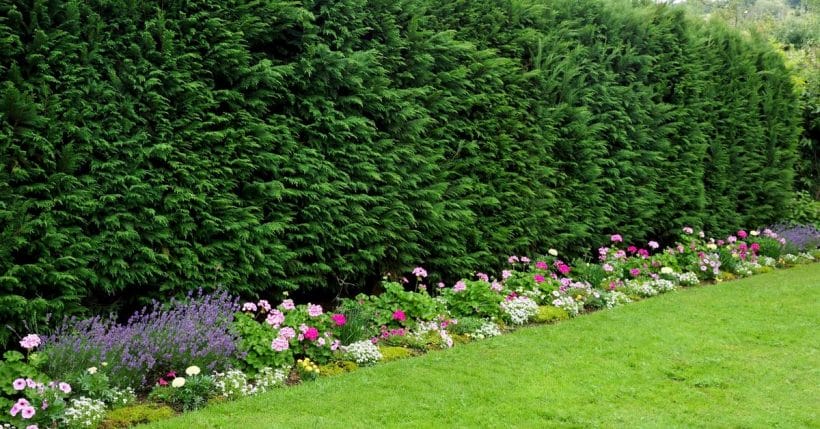
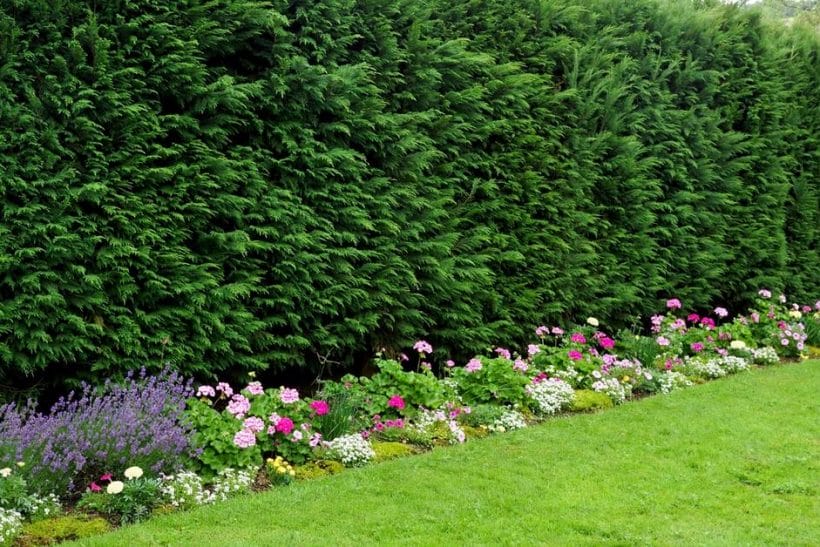
1. Leyland Cypress at a Glance
The leyland cypress is the fastest route most gardens ever take to a tall green screen — and the tree most often ruined by the quickest fix in gardening: topping. This post explains what topping actually does to a leylandii, why the damage cannot be undone, and what works instead — gentler pruning of the sides, honest reduction by professionals, and screening alternatives that never ask a tree to be something it is not. One rule runs through everything below: work at height on trees belongs to qualified professionals, never to a weekend plan.
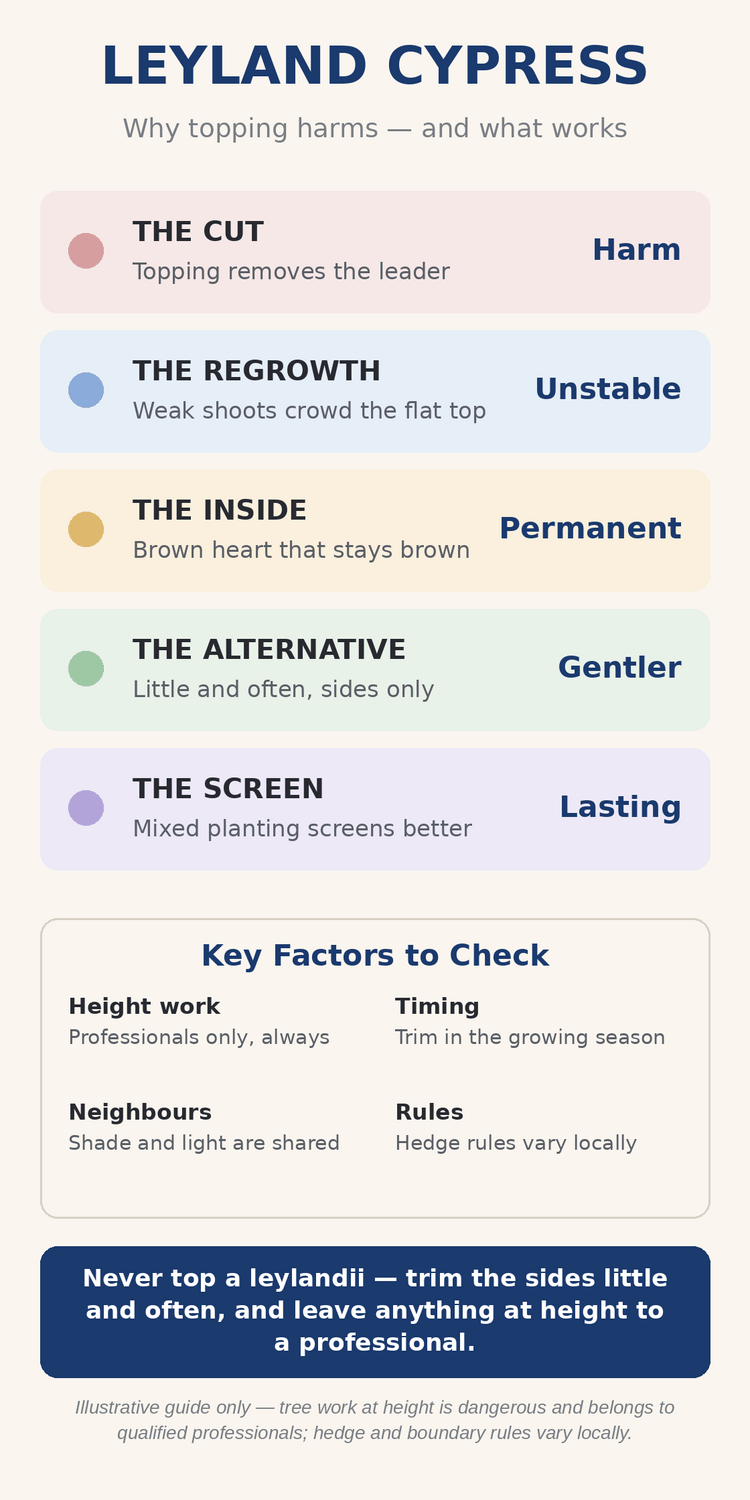
| Part | What It Covers | Why It Matters |
|---|---|---|
| THE CUT | Topping removes the leader | Harm |
| THE REGROWTH | Weak shoots crowd the flat top | Unstable |
| THE INSIDE | Brown heart that stays brown | Permanent |
| THE ALTERNATIVE | Little and often, sides only | Gentler |
| THE SCREEN | Mixed planting screens better | Lasting |
Never top a leylandii — trim the sides little and often, and leave anything at height to a professional.
The reason topping tempts is understandable: the hedge has outgrown the garden, the light is going, and a single drastic cut promises the problem solved by Sunday. What follows is the honest account of that promise — what the cut removes, what grows back, and why the tree that returns is weaker, uglier and faster-growing than the one that was cut.
2. What Topping Actually Does
Topping leyland cypress means cutting the main upward stem — the leader — and the tops of its main branches back to stubs, usually to drop the tree’s height in one operation. A conifer is not built for this. The leader is the tree’s organising stem: remove it and the tree does not simply continue, shorter. It loses the growth pattern its whole structure was arranged around, and every response it can make is an improvisation. The side of the garden where these trees usually stand — the boundary strip — is planned in the side yard landscaping collection, where leylandii so often end up doing boundary duty.
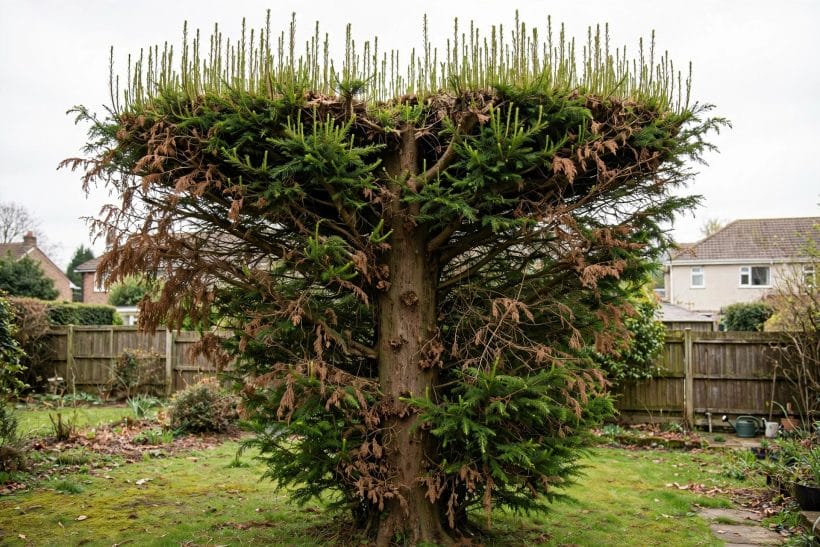
The wounds are the second injury. Cuts across thick wood at the top of a conifer are large, slow to seal, and held up to the weather like open bowls. Decay organisms enter wood that a conifer defends poorly compared with many broadleaf trees, and the rot works downwards invisibly while the top still looks green. A topped tree can be dying structurally for years behind a screen of shoots.
And the height saving — the whole point of the exercise — is temporary in the worst way. The tree answers the cut with a burst of vigorous upright regrowth, described in the next section, which restores the height quickly while adding none of the original strength. Topping buys a season or two of shorter tree at the price of a permanently compromised one.
3. The Damage, Season by Season
The first season after topping is the deceptive one: the flat top greens over with fresh shoots, and from the ground the tree can look almost recovered — denser, even. Underneath, the stubs are not healing so much as being covered, and the new shoots are anchored to the surface of decaying wood rather than grown from the tree’s heart. Hard landscaping around such trees — the paths and edging their roots also contend with — is covered in the stone landscaping collection; the tree’s own decline runs on regardless of how tidy the ground looks.
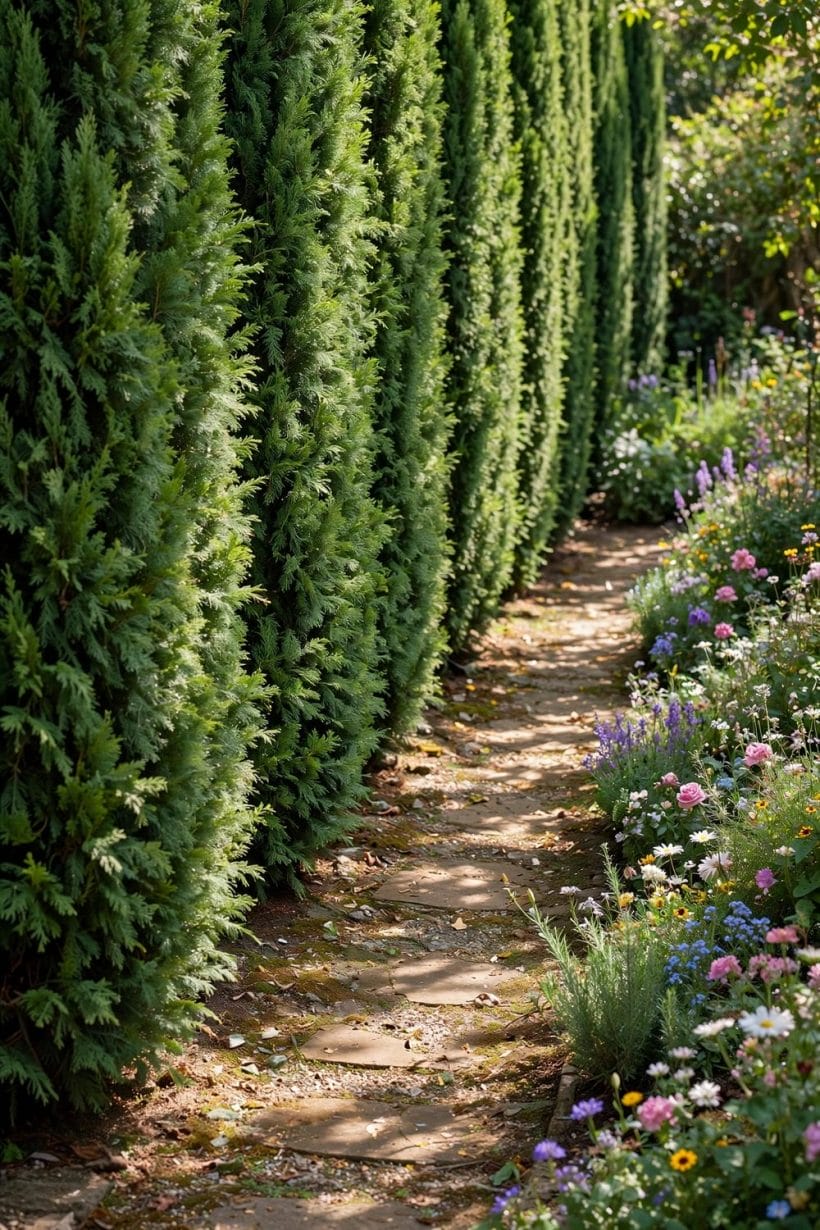
Later seasons expose the structure. The crowded upright shoots compete, thicken and lean on each other, their unions weak where they meet the old cut surface. In wind or wet snow, sections tear away that a sound tree would have flexed through — and they tear from height, over whatever the hedge was planted beside. The tree that was topped to make it safer has become the least predictable tree in the garden.
The inside tells the longest story. Leyland cypress foliage only grows where light reaches; the interior of a mature tree is already a brown skeleton of shaded-out growth. Cutting hard — topping above all — pushes the green surface further from the heart and can expose that brown core permanently, because this conifer does not re-shoot from old brown wood. What is cut back to brown stays brown. That single fact governs every pruning decision this post makes.
4. Why the Regrowth Makes It Worse
A topped leylandii responds the way the species responds to any emergency: with speed. Multiple leaders race upward from below the cut, each thinner and more weakly attached than the single leader the tree started with, and the growth rate of a stressed, well-rooted mature tree is at least the equal of a young one’s. The flat top becomes a candelabra of competing stems — the recognisable silhouette of every topped conifer in every suburb.
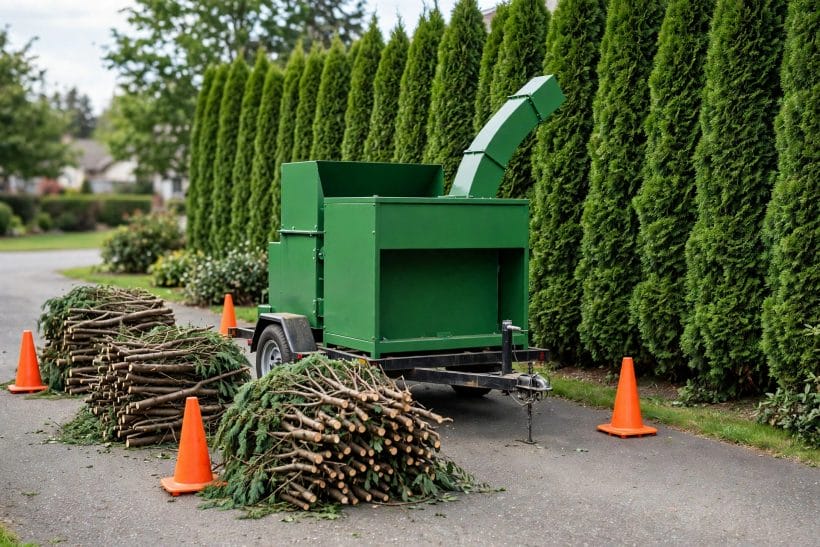
Each year’s regrowth then demands cutting again, higher and more awkwardly than the last, on a tree whose safe working structure is quietly decaying underneath the work. This is the cycle topping actually purchases: not a shorter tree, but a recurring job at height on a weakening tree, with the risk and the cost rising each round. Professional arborists inherit these trees constantly, and the honest ones say what this post says: the first topping was the expensive decision; everything after is its interest.
There is also the garden to consider. The regrowth thicket shades more erratically than the original crown, drips longer after rain, and sheds its dead interior growth into the hedge’s heart, where it lodges as brown thatch no tidy surface can hide forever. The screen the household wanted — calm, green, even — is the one thing the topped tree progressively stops providing.
5. The Light and the Neighbours
Most topping requests begin as a light problem: a hedge planted for privacy has become a wall against the sun, and the shade falls on lawns, borders and windows — often the neighbour’s as much as the owner’s. It is a real grievance, and in many places hedge height between neighbours is governed by local rules and mediation processes, which is the honest route for a genuine dispute: measured, documented, and settled by the rules where you live rather than by a unilateral cut.
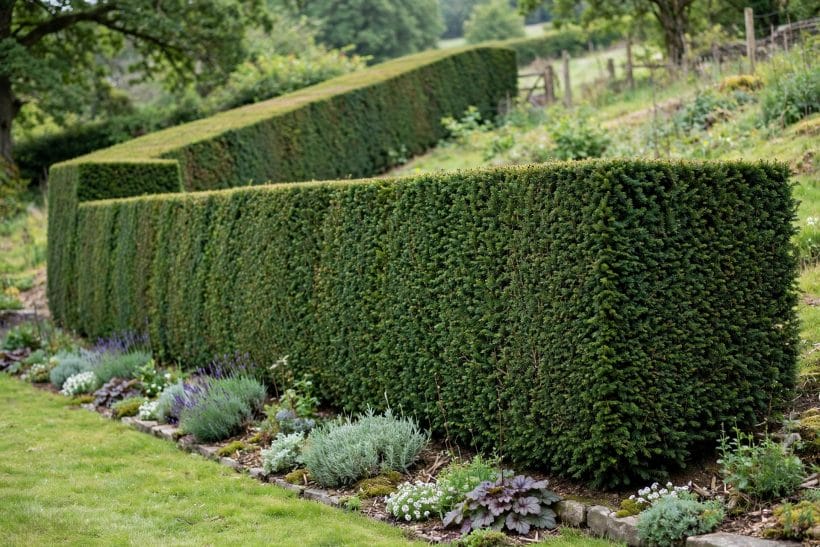
What topping cannot do is solve the light problem justly or permanently. The regrowth restores the shade within a short time, now on a tree neither household can safely manage, and a topped boundary tree is a poor foundation for neighbourly relations — the surgery is visible from both sides, and so is its failure. The gardens that handle big boundary planting best treat it as shared architecture: the farmhouse landscaping collection shows boundaries planned as part of the whole plot rather than fought over at the fence.
The deeper lesson is at planting, and it is worth stating for anyone starting a screen: a leylandii’s mature size is not a surprise it springs later — it is the tree’s nature from the first season. Planted where its full height is welcome, it is a magnificent screen. Planted where it is not, no pruning regime, gentle or drastic, will ever quite rescue the mismatch.
6. What To Do Instead: Sides, Little and Often
The workable alternative is boring in the best way: trim the sides of the hedge, lightly and regularly, so the green surface is never cut back beyond living foliage. A leylandii hedge kept this way from youth stays dense to the ground, holds a clean face, and asks for a manageable pass in the growing season rather than a crisis every few years. The discipline is the method — little, often, and never into the brown.
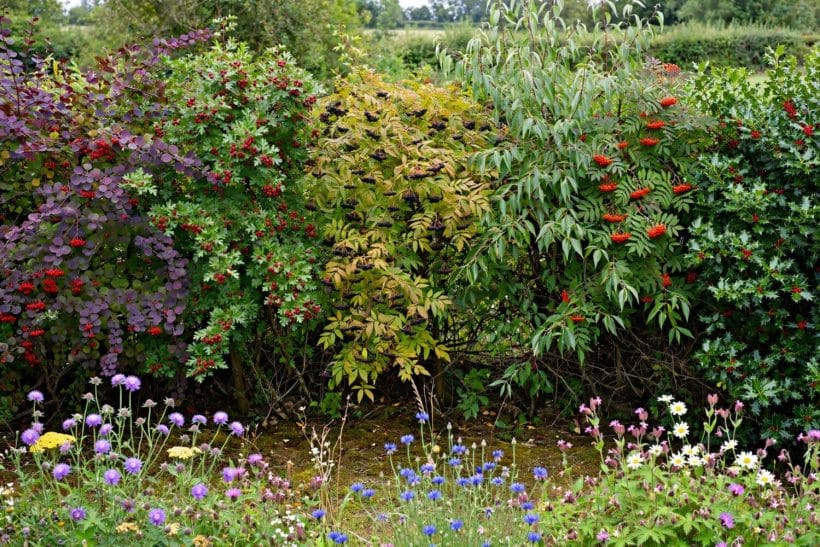
Sides only is the governing limit. The face of the hedge can be trimmed because the cut stays within the green growth that will re-cover it; the moment a cut passes into brown interior wood, that patch is finished — it will not green again, and the hedge carries a permanent window. Knowing where green ends is the whole skill of maintaining this species, and it is judged by eye, from the surface, a little at a time. Back gardens where that patience has been kept are the backbone of the backyard landscaping collection.
Height, by contrast, is not a trimming question at all. Any work above safe reach from the ground — and any reduction of a mature tree’s height — is professional work, full stop: trained arborists, proper equipment, insured judgement about what the tree can bear. A professional may stage a modest reduction over more than one visit, or may advise that the tree’s structure rules it out. Either answer is the service you are paying for.
7. Reducing an Overgrown Hedge, Honestly
For the hedge that is already too tall — the commonest case — the honest menu has three items, and topping is not among them. First: professional assessment. An arborist reads the tree’s structure, its past cuts and its brown core, and says what reduction, if any, the tree can accept without the topping cycle beginning. Sometimes a staged, modest lowering of a sound hedge is possible; sometimes the truthful answer is that it is not.
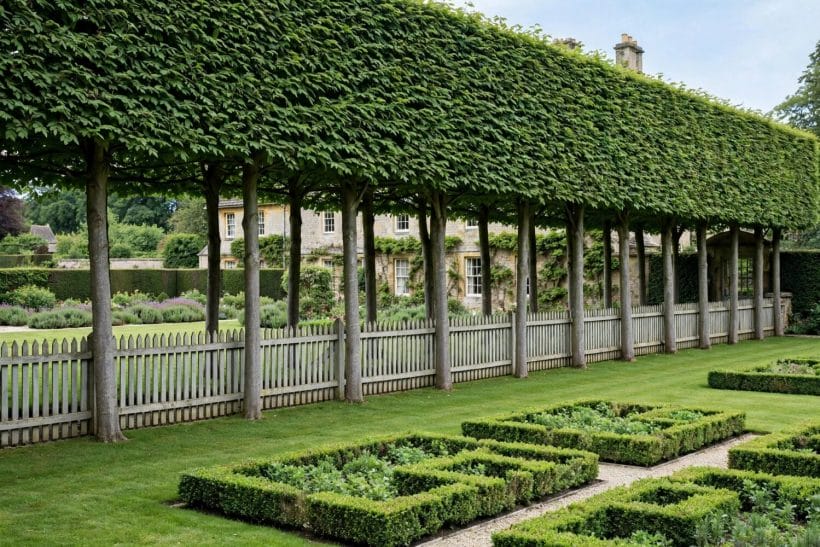
Second: accept the height and restore the sides. Many overgrown hedges are wide rather than dangerously tall, and a professional reshape of the faces — back to green, battered slightly inward as conifer hedges prefer — recovers most of the garden’s light and all of its tidiness without touching the leader at all. Gardens re-planned around a kept screen are a theme of the tiny house landscaping collection, where small plots make the same negotiation.
Third: removal and replanting, which the next sections take seriously rather than treating as defeat. A hedge is a planting decision, not a monument; where the mismatch between tree and plot is total, replacing it ends the problem instead of managing it forever. The honest comparison is between years of recurring professional cutting on a declining tree, and one removal plus a screen designed for the space it will actually fill.
8. Screening Alternatives That Work
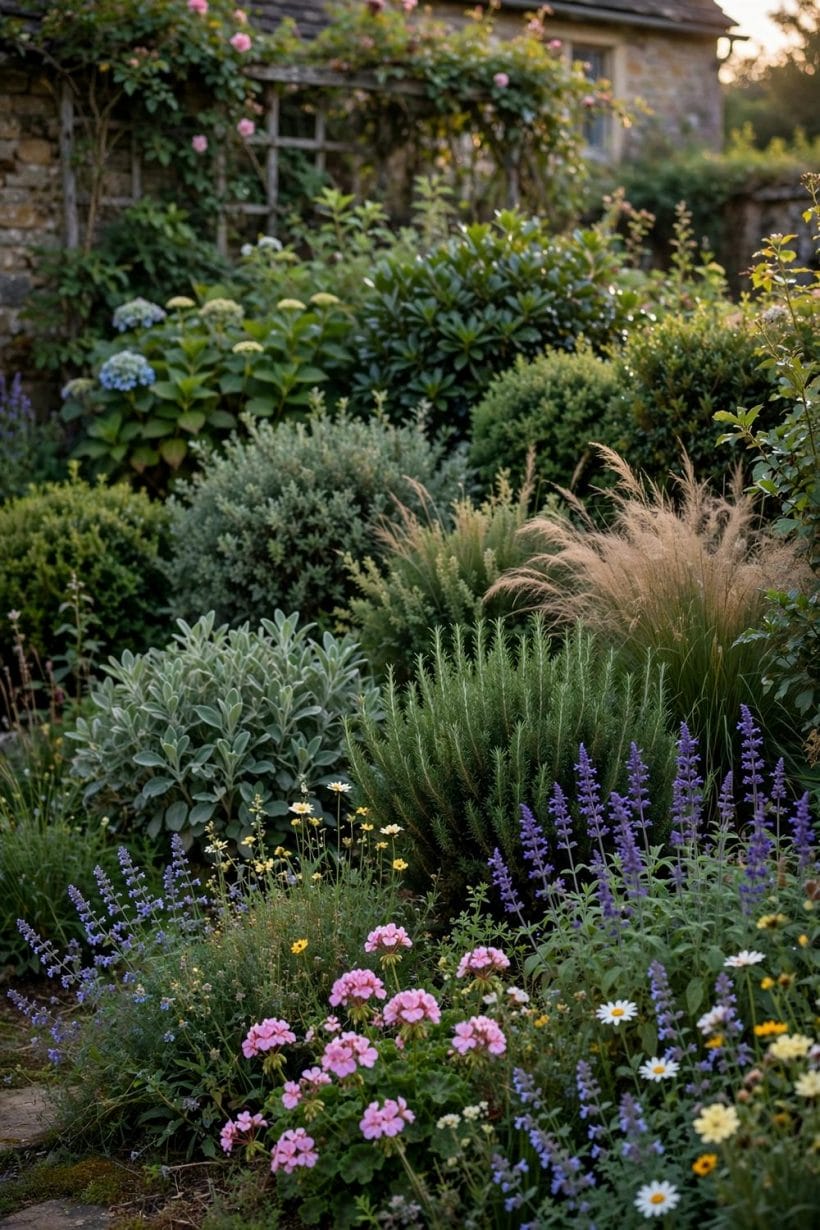
The alternatives share one virtue topping never offers: they screen at the size they were chosen for. A mixed native hedge — varied shrubs with different textures, seasons and wildlife value — grows to a height that can be held with ordinary trimming, and reads as planting rather than fortification. It will not match a leylandii’s speed, and that is precisely its kindness: nothing in it will ambush the garden in five years’ time.
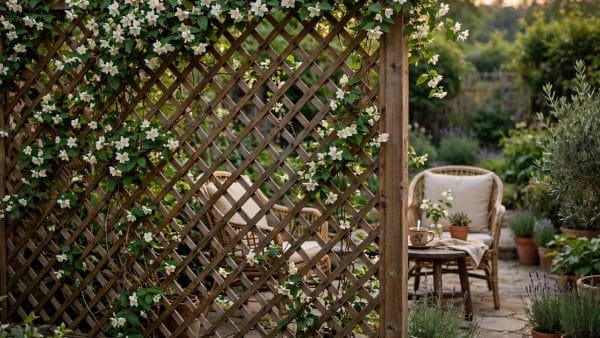
Trained forms answer the height question with geometry instead of growth: pleached trees carry their screen as a raised panel on clear stems, held by pruning to a frame; espalier and fan forms do the same against walls. Climbers on a well-built screen or fence give green coverage whose ultimate height is set by the structure, not the plant — the climbing plants collection works through the candidates, and layered planting of shrubs and small trees, the approach behind the tiny house garden collection, builds screens in storeys that never need a hero tree at all.
None of these outcomes can be guaranteed plant by plant — screening depends on aspect, soil and patience — and any adviser who promises a finished screen by a date is selling, not advising. What can be promised is structural: a screen chosen for its mature size cannot outgrow its welcome the way a leylandii in a small plot almost always does.
9. When the Hedge Has To Come Out
Removal is the right answer more often than pride admits: when the trees are topped already and failing, when the brown core is most of the tree, when roots and shade have ended the garden beneath, or when a boundary dispute needs the problem ended rather than trimmed. Removal of mature conifers is professional work without exception — the weight, the height and the boundaries involved are not a household job — and the arisings are best chipped and cleared as part of the same engagement.
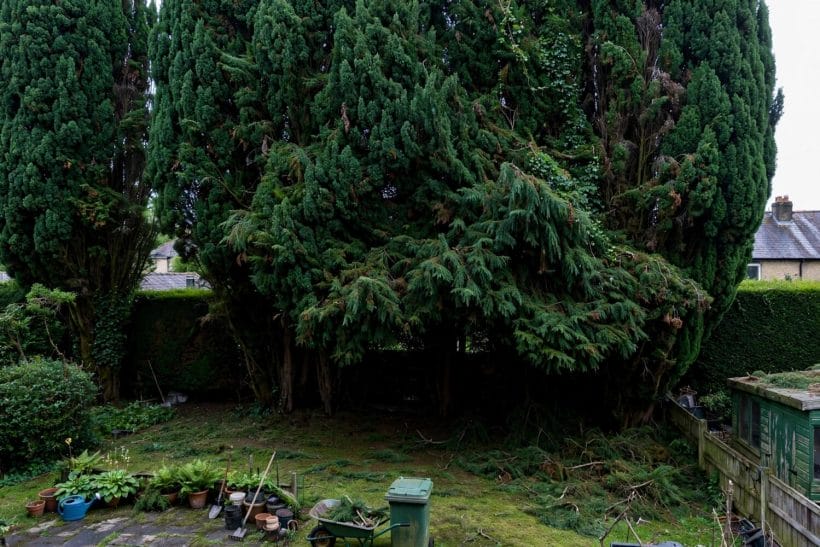
What follows a removal deserves the same care as what preceded it: stumps ground out where replanting is planned, the soil fed after years of hungry roots, and the replacement screen chosen from the alternatives above at its mature size, with the light of both gardens in mind. The gap year while a new screen grows is real — and shorter than the decline it replaces.
10. Before You Cut: The Checks
The whole post in one short routine. Check first whether the work is on the sides and within the green: if it is, it is ordinary hedge care, done little and often. If it involves the top, the leader, or anything beyond safe reach from the ground, stop — that is professional territory, and the next step is an arborist’s assessment, not a purchase of equipment.
Check the tree’s history before believing any proposed cut: past topping, a brown core, torn unions — each rules options out. Check the local picture too: boundary and hedge rules vary, and a conversation with the neighbour precedes any work on a shared sightline. And check the promise being made to you: no cut guarantees a screen’s future shape, and no honest professional will pretend otherwise. The leylandii forgives patience and punishes haste; plan accordingly.
Final Considerations
Topping endures because it looks decisive, and it fails because a conifer is not a hedge plant that happens to be tall — it is a forest tree asked to behave like one, held in check only at its green surface. Keep the sides trimmed, keep cuts out of the brown, give height to the professionals, and when the tree and the plot are truly mismatched, replace the tree rather than wounding it on a schedule. That is the whole arboriculture of the leyland cypress, and it is enough.



0 Comments