
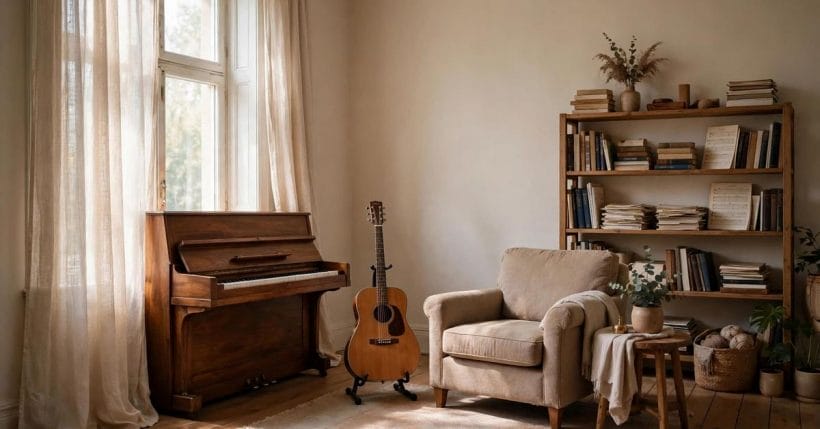
A room set aside for music changes how often instruments get played. When an instrument lives in its case in a cupboard, practice becomes a chore before it even begins, and when there is nowhere comfortable to sit and listen, playing stays a solitary habit. These music room ideas start from a simpler premise: give music a visible, welcoming place in the home, and the room will earn its keep every day, whether it hosts daily practice, relaxed listening, or an evening spent playing together.
Planning matters more than size. A generous room can still feel awkward if the largest instrument blocks the doorway, if seating faces away from the player, or if sheet music and accessories have no obvious home. A modest corner, planned with care, can feel far more musical than a large room filled without thought. The sections below work through the decisions in the order that makes them easiest: what the room is for, how it is laid out, where everything sits, and how colour, light and soft furnishings shape the atmosphere.
Nothing here calls for specialist knowledge or structural change. Most of the ideas are about arrangement, storage and atmosphere, and anything involving fixed wiring or changes to the structure of the home belongs with a qualified professional. Start with the room you have, keep the pieces you already love, and let the room grow around the way your household actually plays and listens.
| Item | What it is |
|---|---|
| Choose the Room's Role First | Every good music room begins with a single honest question: what will this room mostly be used for? |
| Plan a Layout That Leaves Room to Play | Layout is the quiet foundation of a music room. |
| Arrange Seating for Players and Listeners | Seating makes or breaks a music room, because it decides whether people stay. |
| Store Instruments Where They Are Easy to Reach | Instruments that are easy to reach get played far more often than instruments that are stored away. |
| Keep Sheet Music and Small Accessories in Order | Sheet music has a habit of spreading. |
| Choose Colours That Suit Practice and Performance | Colour sets the mood of a music room more quietly than any other choice. |
| Layer Light for Daytime Practice and Evening Playing | Good light is essential for reading music, and a music room benefits from several layers of light rather than a single overhead fitting. |
| Soften the Sound With Furnishings and Soft Surfaces | A room full of hard surfaces can feel lively in a way that tires the ears, while a room with soft furnishings tends to feel gentler and more comfortable for both playing and listening. |
| Keep Cables, Stands and Cases Tidy and Safe | Music rooms gather equipment, and equipment brings cables, stands and cases that can quickly turn a pleasant room into a tangle. |
| Make the Room Work in a Small Home | Not every household has a spare room to give to music, and a music room does not have to be a whole room to work. |
1. Choose the Room’s Role First
Every good music room begins with a single honest question: what will this room mostly be used for? A room built around daily practice looks different from one built around listening, and both differ from a room meant for playing together as a family or with friends. Practice asks for a clear playing position, a place for sheet music at eye level, and a chair that stays comfortable through long sessions. Listening asks for seating that faces the sound source and a layout that lets everyone relax without feeling arranged in rows. Playing together asks for open floor space and room for more than one person to sit comfortably with an instrument.
Many rooms need to serve more than one purpose, and that is perfectly workable as long as one role leads. Choose the main use first, then let the secondary uses fit around it. A practice-first room can still welcome listeners with a spare chair tucked by the wall. A listening-first room can still hold a guitar on a stand, ready to be picked up. Trouble only arrives when every use is given equal weight and none of them ends up with the space it needs, leaving a room that is neither comfortable for practice nor inviting for listening.
Think about who uses the room and when. A child practising after school needs a setup that is ready to use without rearranging furniture each time. An adult returning to an instrument after years away needs a room that feels encouraging rather than formal. A household where several people play different instruments needs storage that keeps everything accessible without turning the room into a storeroom. Writing down the main role, the regular users and the busiest time of day gives every later decision a test to pass: does this choice serve the room’s main role, or does it work against it?
It also helps to decide what the room is not. A music room does not have to hold every instrument in the house, every book of sheet music, or every piece of equipment ever bought. Keeping the room to the instruments and materials in regular use makes it calmer and easier to enjoy. The rest can live elsewhere, brought in when needed. A room with a clear role feels settled, and a settled room is one people return to.
2. Plan a Layout That Leaves Room to Play
Layout is the quiet foundation of a music room. Before choosing furniture or colours, stand in the empty room and notice where the door swings, where the windows sit, and where daylight falls through the day. The playing position should have breathing space around it, so arms, bows and instrument cases never feel cramped against a wall. Leave a clear path from the door to the seat, so carrying an instrument in and out never becomes an obstacle course, and keep the centre of the room open enough for a second player to join without moving furniture.
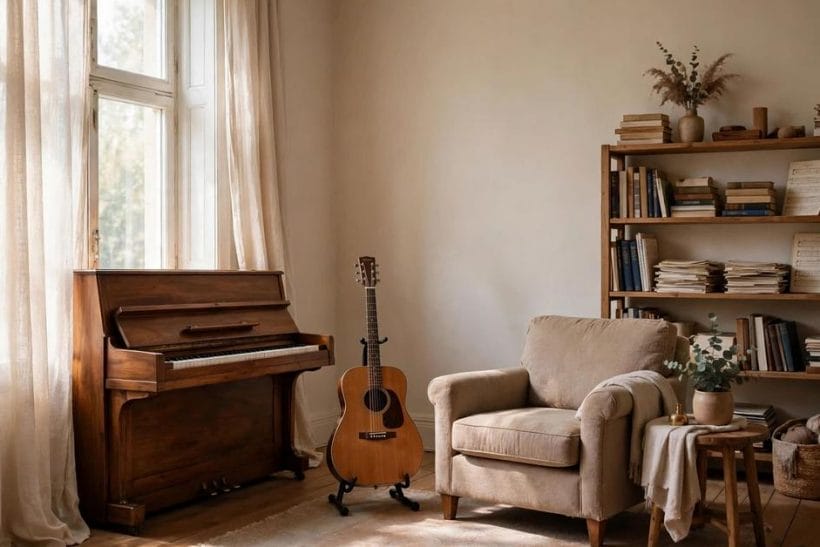
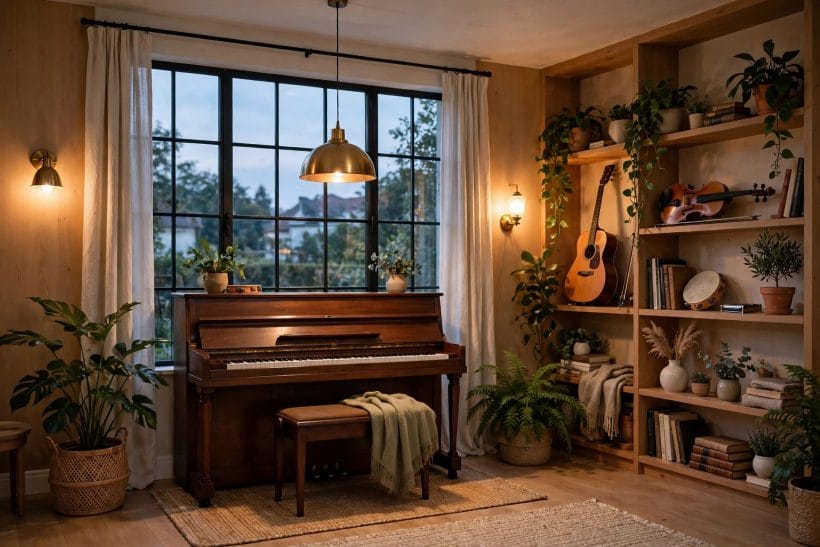
Large instruments deserve the first decision, not the last. A piano, an organ or a drum kit sets the shape of the room, and everything else should be arranged around it rather than squeezed in afterwards. Place the largest instrument against a wall that leaves the player facing into the room, so the sound carries naturally and listeners can sit opposite without craning. Smaller instruments can then fill the remaining walls, with stands and storage kept clear of walkways so the room stays easy to move through even when several people are present.
Try the layout before committing to it. Move a chair to the intended playing spot, sit with the instrument, and check whether the light falls well on the music, whether there is room to open a case on the floor, and whether a listener could sit nearby without blocking the door. Living with a trial arrangement for a few days reveals problems that a floor plan hides, such as a draught from a window, a glare spot in the afternoon, or a corner that feels cut off from the rest of the room. Small adjustments at this stage are easy to reverse and prevent a finished room that never quite works.
For homes where space is tight, the same principles still apply, only at a smaller scale. A corner of a living room can hold a playing position, a stand and a chair, provided the layout protects that corner from becoming a walkway. Ideas for compact living spaces, such as those in small living room ideas, show how a defined zone can feel like a room of its own even when it shares walls with the rest of the house. The goal is the same at any size: room to play, room to listen, and room to move.
3. Arrange Seating for Players and Listeners
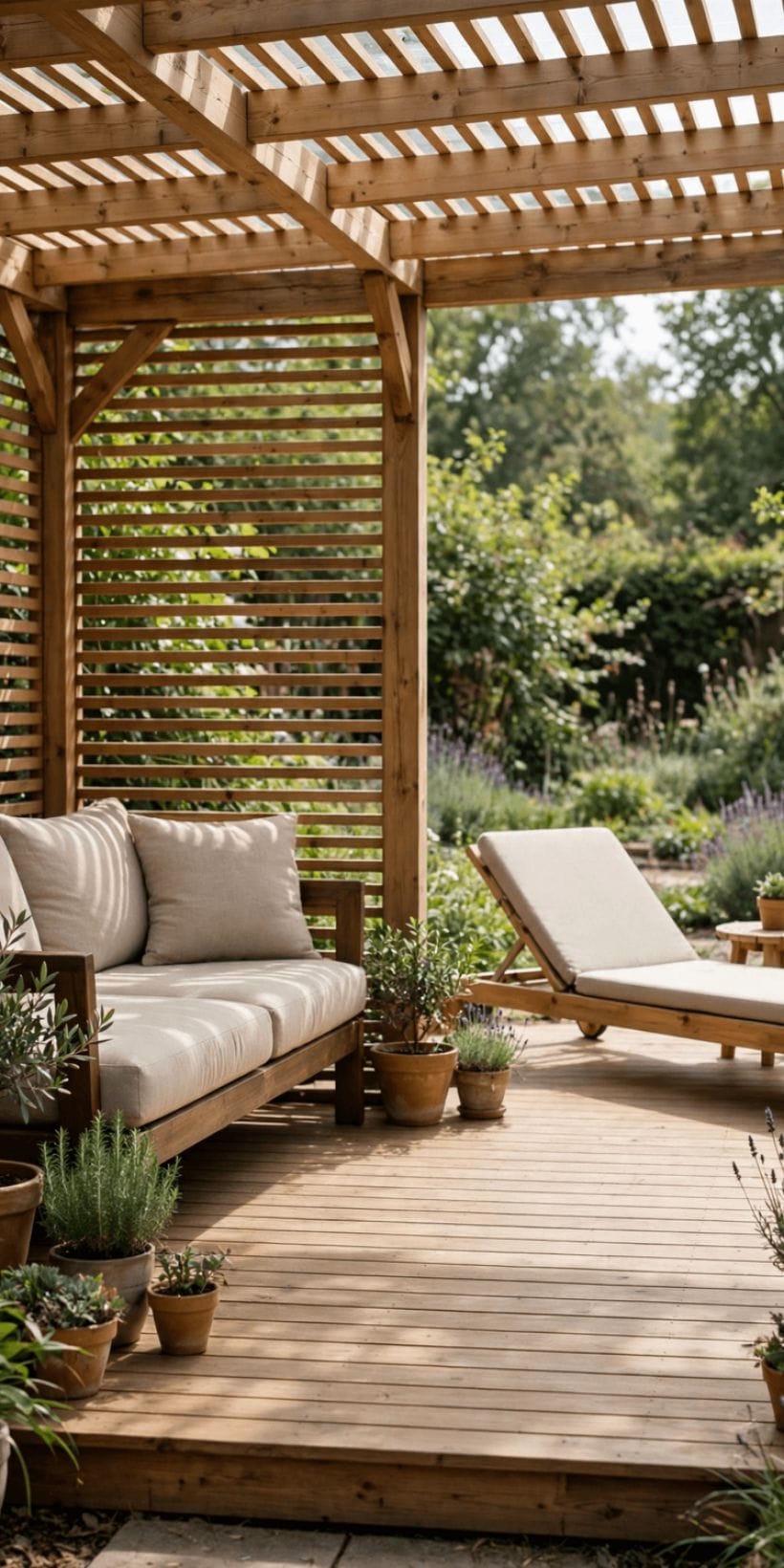
Seating makes or breaks a music room, because it decides whether people stay. The player’s seat comes first and should suit the instrument: a firm, stable seat at a comfortable height for keyboard players, a chair without arms for guitarists and string players who need freedom of movement, and a seat that supports good posture for longer sessions. An adjustable seat is a kind gift to a household where players of different heights share the room, and a seat that can be moved easily lets the playing position shift when the room hosts more than one musician.
Listener seating deserves the same care. A room that only seats the player tells guests to stand in the doorway, while a room with one or two comfortable chairs invites people to stay, listen and enjoy. Place listener seating facing the player, at a distance that feels conversational rather than formal, and add a small table nearby for a drink or a book of music. An armchair with a soft throw becomes the natural listening spot, and a small sofa can turn the room into a place where the whole household gathers in the evening.
Flexibility keeps the room useful across different occasions. Lightweight chairs that can be pulled in for a duet or a small gathering, then returned to the wall, let the room change shape without a rearrangement project. Folding or stacking chairs stored nearby are a practical answer for occasional guests, while the everyday seating stays in place for practice. Avoid filling the room with so many seats that the playing area disappears; seating should frame the music, not crowd it out.
Comfort also means thinking about time. A seat that feels fine for a few minutes can become tiring during a long practice session or an evening of playing, so cushions, back support and a footrest for smaller players all earn their place. A room where everyone sits comfortably is a room where music lasts longer, and where practice feels like a pleasure rather than a duty to be endured.
4. Store Instruments Where They Are Easy to Reach
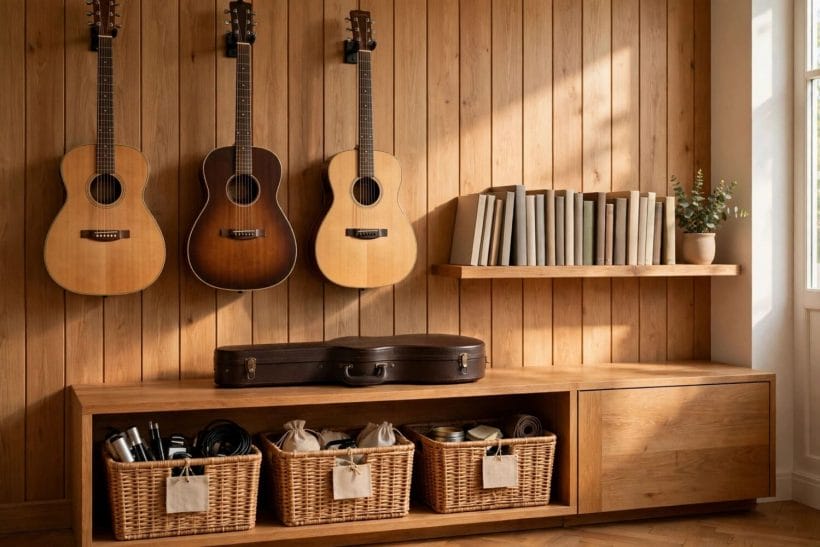
Instruments that are easy to reach get played far more often than instruments that are stored away. Wall hooks and sturdy stands keep guitars, violins and smaller instruments visible, accessible and safely off the floor, while a low cabinet or a dedicated shelf can hold cases for instruments that need protection between sessions. The guiding rule is simple: the instrument played most often should be the easiest to pick up, with no case to unpack, no cupboard to empty, and no furniture to move first.
Storage should protect as well as display. Instruments kept near a radiator, in direct sunlight through a window, or in a damp corner will suffer over time, so choose a wall that stays dry and out of harsh sun. Keep heavier instruments low and stable, with stands that cannot easily tip, and give each instrument its own place so nothing leans against anything else. A room where every instrument has a named spot stays tidy almost by itself, because putting things away becomes as easy as taking them out.
Children’s instruments deserve special thought. A small guitar or a practice instrument stored at a child’s height, on a hook they can reach safely, turns practice into something they can start on their own, without waiting for an adult to fetch and set up. At the same time, valuable or fragile instruments are better kept where younger hands cannot accidentally knock them, with cases on a shelf rather than balanced on furniture. Balancing access and safety keeps the room welcoming for every age in the household.
Storage can also be beautiful. A wall of instruments, arranged with care, becomes the room’s decoration, far more personal than any bought artwork. Wooden hooks, a simple shelf and a few well-chosen baskets give the room character while keeping everything in order. For more ways to keep a home tidy without losing its warmth, tiny house storage ideas offer practical lessons in making every shelf and hook earn its place, lessons that suit a music room of any size.
5. Keep Sheet Music and Small Accessories in Order
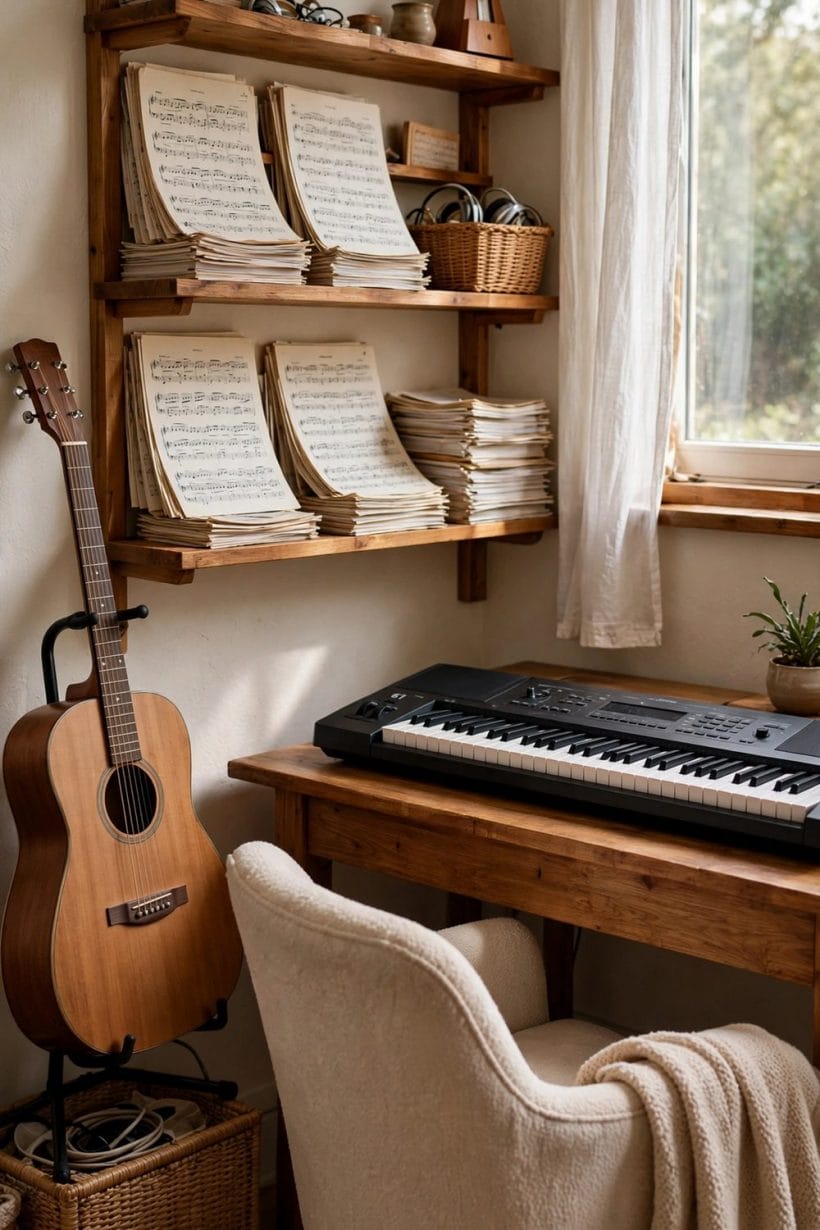
Sheet music has a habit of spreading. Loose sheets pile on the piano, books migrate to chairs, and the piece being practised disappears just when it is needed. A dedicated home for sheet music solves the problem: a shelf near the playing position for current pieces, a box or a folder for pieces in progress, and a larger shelf or cabinet for the full collection. Keeping current music separate from the archive means the next session starts with the right pages to hand, not with a search through a stack.
Small accessories need homes of their own, and the smaller the item, the more it benefits from a container. Picks, rosin, reeds, tuners, cables and spare strings vanish easily into drawers and pockets, so a small tray, a lidded basket or a drawer divider near the playing position keeps them findable. A pencil kept with the sheet music encourages marking fingerings and notes, and a small notebook for practice notes turns scattered reminders into a record of progress that is satisfying to look back on.
Labelling helps more than it seems, especially in a shared room. A basket marked for one player’s music, a folder for another’s, and a shelf for shared pieces prevent the gentle confusion of mixed collections. The labels need not be formal; a handwritten tag or a coloured folder works just as well. What matters is that anyone using the room can find their own materials and return them without guessing, so the room resets itself between users.
Regular tidying keeps the system working. A brief sort at the end of each week, returning stray sheets to their folders and accessories to their trays, takes only a few minutes and prevents the slow drift back to piles. A music room that stays ordered feels calm and inviting, and a calm room is one where players can focus on the music instead of the mess around it.
6. Choose Colours That Suit Practice and Performance
Colour sets the mood of a music room more quietly than any other choice. Soft, muted walls create a calm background that lets players concentrate, while warm neutrals make the room feel welcoming in the evening when lamplight takes over. Deep, rich colours on a single feature wall can give the room character and a sense of occasion, especially behind the main instrument, where the eye naturally rests. The aim is a room that feels settled rather than stimulating, a backdrop that supports music instead of competing with it.
Natural materials bring their own colour to the room. Wooden floors, a wooden instrument, a woven rug and linen curtains already supply warmth and texture, so wall colours can stay gentle and let those materials speak. A palette drawn from the room’s existing pieces, the wood of a piano, the fabric of a favourite chair, the tones of a rug, tends to feel harmonious without effort. When in doubt, choose one calm main colour, one warm accent, and let the instruments and furnishings supply the rest.
Light changes colour through the day, so test choices in the room itself before committing. A shade that looks serene in morning daylight can feel cold under evening lamps, and a warm tone that glows at night can feel heavy on a bright afternoon. Paint a generous test patch, live with it for a few days, and notice how it feels during practice as well as during listening. Colour that survives both daylight and lamplight is colour that will suit the room for years.
Personal touches finish the palette. Framed sheet music, a favourite concert programme, or artwork that reflects the household’s musical taste adds meaning that no colour chart can supply. Keep wall decoration restrained around the playing position, where visual clutter distracts, and let the listening side of the room carry the more decorative pieces. For inspiration on warm, liveable interiors, tiny house interiors show how a limited palette and natural materials can make even a compact space feel rich and personal.
7. Layer Light for Daytime Practice and Evening Playing
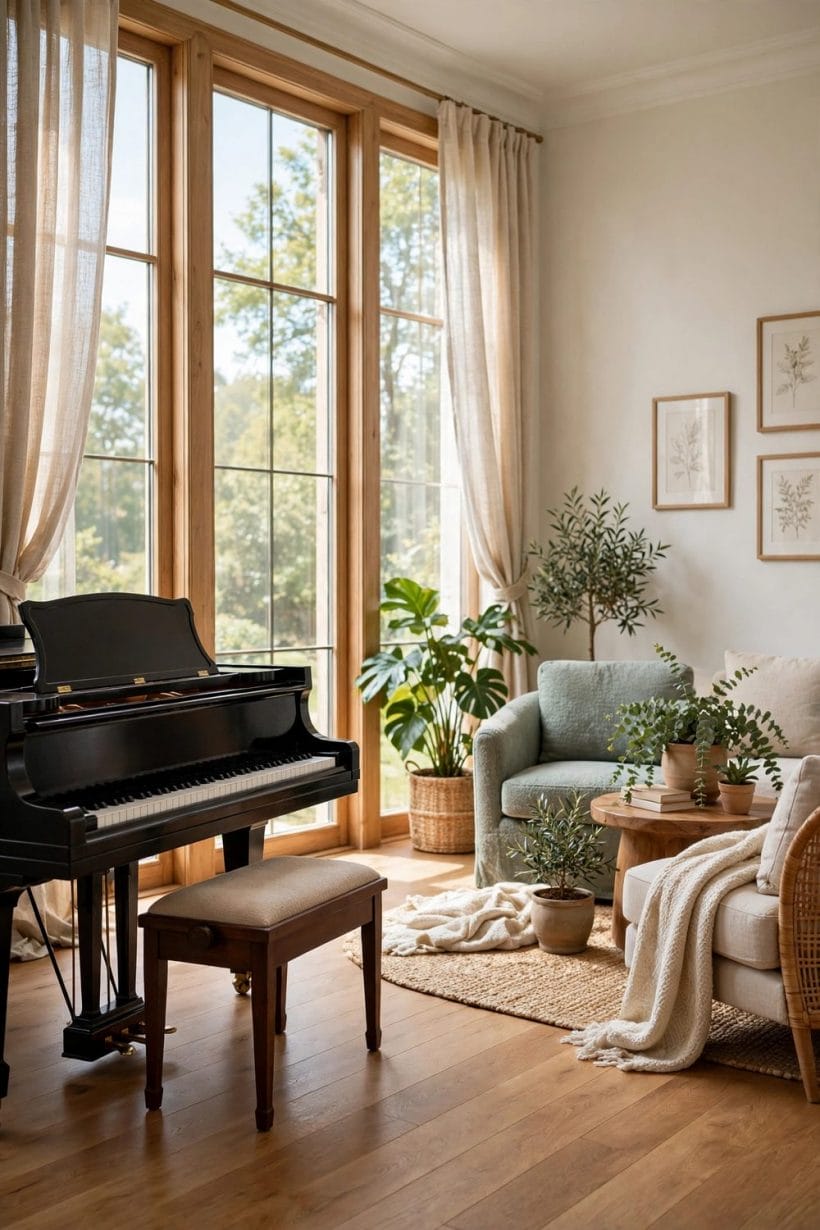
Good light is essential for reading music, and a music room benefits from several layers of light rather than a single overhead fitting. Daylight should be the first layer wherever possible: a playing position near a window, with light falling over the shoulder rather than directly into the eyes, makes daytime practice a pleasure. Sheer curtains soften harsh sun without darkening the room, and a window that opens lets in fresh air during longer sessions, which matters more than it sounds when a room is in steady use.
Evening playing needs its own plan. A dedicated music stand light, or a well-placed lamp that shines on the sheet music without glaring into the player’s eyes, transforms night practice from a strain into a comfort. Warm-toned lamps around the listening area create a relaxed atmosphere for evening gatherings, while a dimmer or a choice of lamps at different brightnesses lets the room shift from focused practice to gentle listening with a simple switch. The goal is light that serves the music, not light that merely fills the room.
Glare and shadow deserve attention, because they tire the eyes faster than dim light. A lamp placed behind the player throws the player’s own shadow across the music, while a bare bulb facing the player causes squinting and headaches. Testing the lamp positions while seated at the instrument, with music on the stand, reveals these problems quickly. A small adjustment, moving a lamp to the side or adding a shade, often solves them completely, and the improvement in comfort is immediate.
Any work on fixed lighting or wiring belongs with a qualified electrician, and this guide offers no instruction for such work. Freestanding lamps, plug-in stand lights and curtains are the safe, simple tools for shaping light in a music room, and they offer plenty of scope for a room that feels bright by day and warm by night. Light that flatters both the music and the musician is light worth taking time over.
8. Soften the Sound With Furnishings and Soft Surfaces
A room full of hard surfaces can feel lively in a way that tires the ears, while a room with soft furnishings tends to feel gentler and more comfortable for both playing and listening. Rugs, curtains, upholstered seating and fabric wall hangings all soften the character of sound in a room, taking the edge off echo and making conversation and music feel more intimate. The effect is general and qualitative rather than technical: the room simply feels calmer, and music sits more comfortably within it.
Start with the floor. A rug under the playing position and the listening area anchors the room visually and softens its sound, and a rug large enough to cover the main seating area works better than a small mat that floats in the middle of the floor. Curtains at the windows add a second layer of softness, and they have the added benefit of controlling daylight and draughts. Together, rug and curtains do much of the work of making a room feel like a music room rather than an empty box.
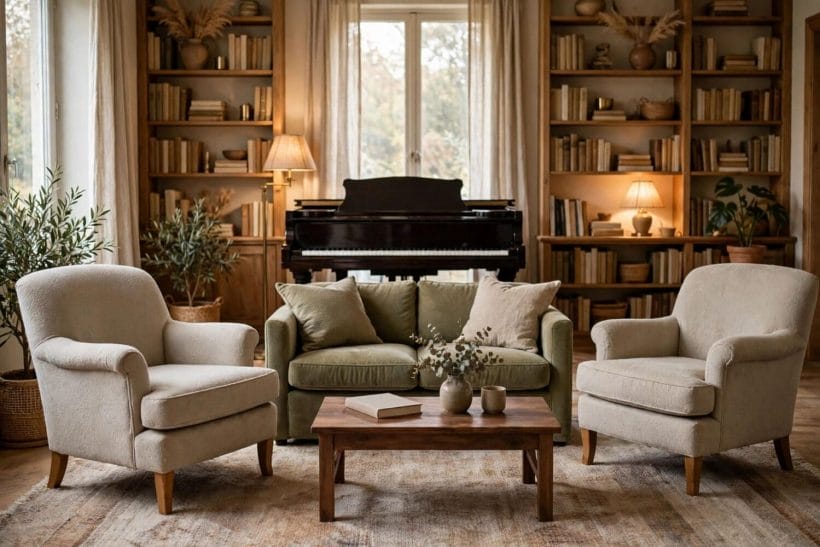
Upholstery and cushions complete the effect. A fabric sofa or armchairs, soft throws, and cushions on the listening seats all contribute to a room that feels warm and sounds gentle. Bookshelves, full of books and sheet music, break up flat walls and add texture, and a shelf of books behind the listening area is both practical and pleasing. None of this requires specialist treatment; ordinary household furnishings, chosen with comfort in mind, shape the room’s sound in a way that most listeners notice without being able to name.
Balance matters. A room stuffed with soft furnishings can feel muffled and dull, while a room with none feels harsh and echoing. Aim for a middle ground: soft surfaces where people sit and where sound first meets the walls, and harder surfaces left where they add life, such as a wooden floor around the rug or a bare wall behind a bookshelf. Trust the ear: play in the room, listen from the listener’s seat, and adjust one piece at a time until the room sounds as good as it looks.
9. Keep Cables, Stands and Cases Tidy and Safe
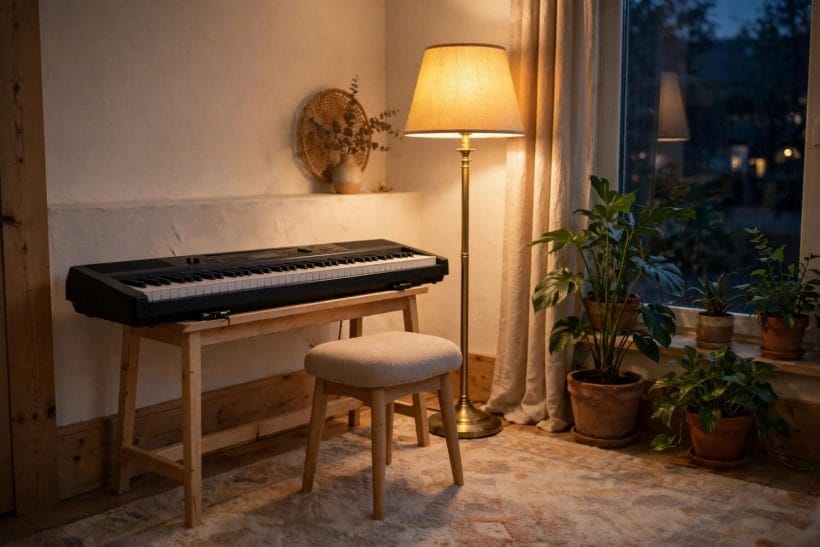
Music rooms gather equipment, and equipment brings cables, stands and cases that can quickly turn a pleasant room into a tangle. A tidy room is a safer room, especially where children, guests or pets move through it. Route cables along walls rather than across walkways, gather loose lengths with simple ties or a cable basket, and keep charging leads and power strips where they cannot be tripped over. A cable that crosses a path is an accident waiting for a dark evening, and a few minutes of routing prevents it entirely.
Stands deserve the same discipline. A music stand, a microphone stand or an instrument stand left in a walkway will be knocked sooner or later, so give each stand a resting place against a wall when it is not in use, and return it there after every session. Sturdy stands that hold their position are worth choosing over flimsy ones that creep and topple, and a stand with a broad base suits a room where people move around freely. When stands live in their places, the room stays open and the instruments stay safe.
Cases are the room’s bulkiest guests. An empty case left open on the floor consumes the very space the room needs for playing, so store cases upright in a cupboard, under a bench, or on a high shelf when the instrument is out. A case kept near the door makes packing up easy at the end of a session, and a household rule that cases are put away before playing begins keeps the floor clear without anyone having to think about it. The room then stays ready for music at a moment’s notice.
Anything involving fixed wiring, new sockets or changes to the home’s electrical system should be left to a qualified professional, and this guide gives no instructions for such work. Within that boundary, simple habits, cables routed neatly, stands returned to their places, cases stored away, keep the room safe and welcoming. A tidy music room invites playing; a tangled one quietly discourages it, one obstacle at a time.
10. Make the Room Work in a Small Home
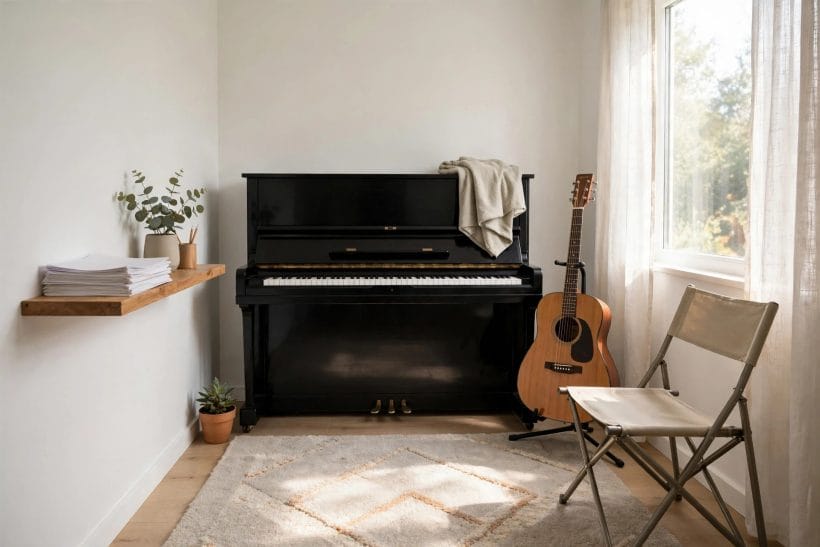
Not every household has a spare room to give to music, and a music room does not have to be a whole room to work. A corner of a living room, a wide landing, or a quiet end of a bedroom can all host a playing position, provided the zone is defined and protected. A rug marks the boundary, a shelf holds the music, and a chair that stays in place signals that this corner has a purpose. Even a modest zone, treated with intention, feels like a music room to the person who plays there.
Shared spaces need gentle rules to work well. In a home where living, cooking and playing share open space, agreeing on practice times keeps music a pleasure for everyone rather than a source of friction. Headphones for electronic instruments offer a practical compromise for late sessions, and a folding screen or a bookshelf can give the playing corner a sense of enclosure without building a wall. These small arrangements let music live comfortably alongside everyday life, which is exactly where it belongs.
Compact furniture earns its place in a small music zone. A keyboard that folds away, a guitar on a wall hook instead of a floor stand, and a stool that tucks under a desk all save space without sacrificing the joy of playing. Storage that uses the wall, rather than the floor, keeps the zone open, and a single basket for accessories prevents the spread of small items across shared surfaces. For homes where every square foot counts, tiny house building design ideas show how careful planning makes small spaces feel generous, and the same thinking serves a music corner well.
The smallest music rooms often become the most loved, because they are used daily and kept close to the life of the house. A corner that holds a well-loved instrument, a comfortable seat and a shelf of music is enough to build a habit around, and a habit is worth more than a grand room that stays empty. Start with the corner you have, protect it, and let the music grow there.
Final Considerations
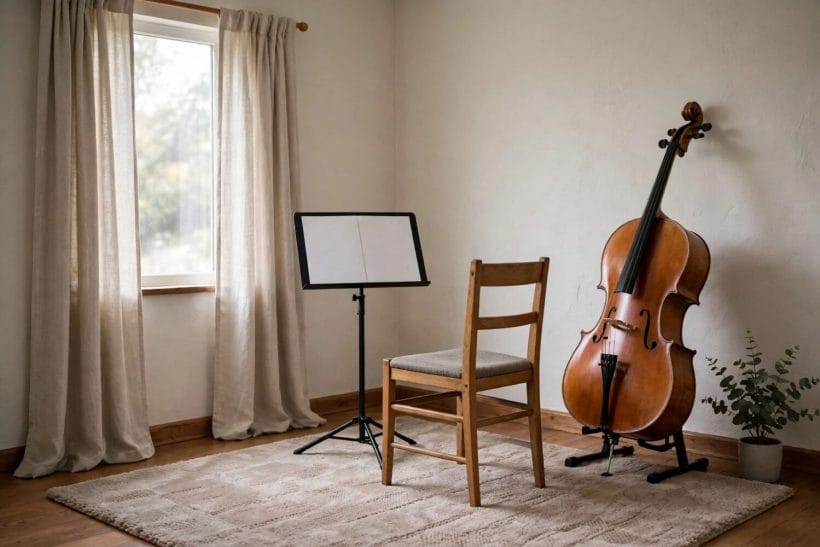
A music room succeeds when it is used, and use follows comfort, access and atmosphere more than size or expense. The rooms that get played in are the ones where the instrument is easy to pick up, the seat is comfortable, the light falls well on the music, and listeners have somewhere pleasant to sit. Everything else, colour, decoration, extra seating, can grow over time, but those foundations repay attention from the very first day.
Begin with one change rather than a full redesign. Move the instrument to its easiest spot, clear the playing area, add a rug or a lamp, and notice how the room feels after a week of use. Small, tested changes build a room that truly fits its household, while a single grand overhaul risks solving problems nobody had. These music room ideas are meant to be tried one at a time, kept when they help, and set aside when they do not.
Planning a room is also a good moment to think about the wider home. A music zone that shares space with living and cooking areas benefits from the same careful zoning as the rest of the house, and guides such as kitchen ideas and building a tiny house checklist show how planning room by room, with storage and layout considered together, keeps a whole home working smoothly. A music room that fits its home, rather than fighting it, is a room that lasts.
Above all, keep the room personal. The instruments, the music, the seating and the colours should reflect the people who play there, not a showroom ideal. A room that carries the marks of its musicians, a worn chair, a shelf of well-used music, a favourite instrument always to hand, is a room with a story, and that story is what draws people back to play, listen and share music together.

0 Comments