

Some houses stop you mid-scroll — not the grandest, not the newest, just composed: a swept path, a glowing window, a garden that frames the face. Beauty, it turns out, has a recipe.
These 75 ideas tour beautiful homes through their house pictures and in person: everyday houses, cottages and terraces, walked from street to hall to garden, with every picture read for the honest, borrowable decision behind it.
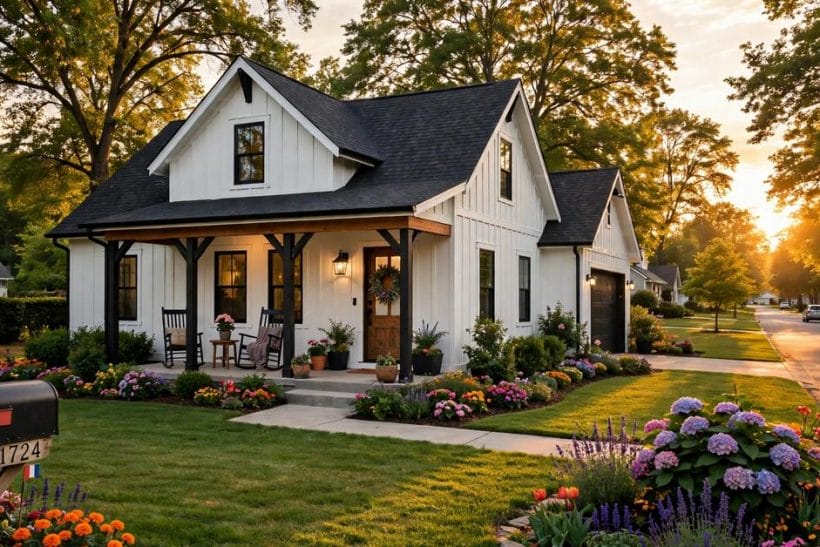
1. Beautiful Homes in Pictures at a Glance
The central entity is the beautiful everyday home, seen whole — the subject of these house pictures and of this tour, defined by its attributes: proportion that no lens invents, daylight well received, honest materials, one clear idea per house, working rooms kept in order, and grounds that frame the face. It is deliberately distinct from the grand house and from the face alone: this is beauty at family scale, inside and out, maintained as a habit.
| Question | Short answer |
|---|---|
| What makes a home beautiful in pictures? | Proportion, light and one clear idea — composed faces, daylight generously received, honest materials and nothing competing for the frame. |
| Is this a tour of mansions? | No — the grand houses have their own post. This tour keeps to everyday homes: cottages, terraces, farmhouses and family houses at ordinary sizes. |
| What can a reader actually copy? | Almost everything: the swept approach, the single accent door, the one calm wall, the porch furnished, the garden’s one great planting gesture. |
| Where does the beauty budget go first? | Care, light and edges before objects — sweeping, mending, clean glass and dressed windows change a house’s portrait before anything is bought. |
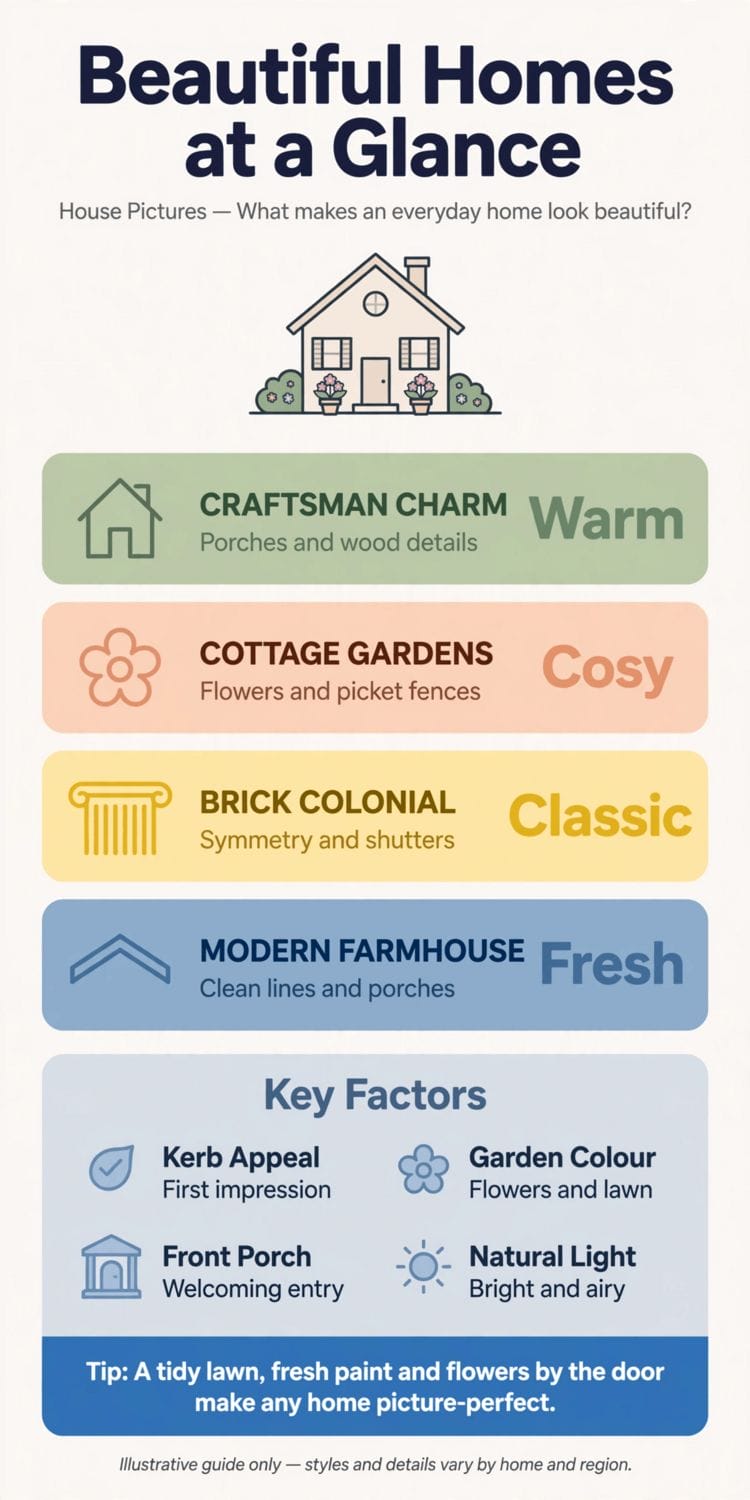
2. What Makes a House Beautiful: In a Photograph, and in Person
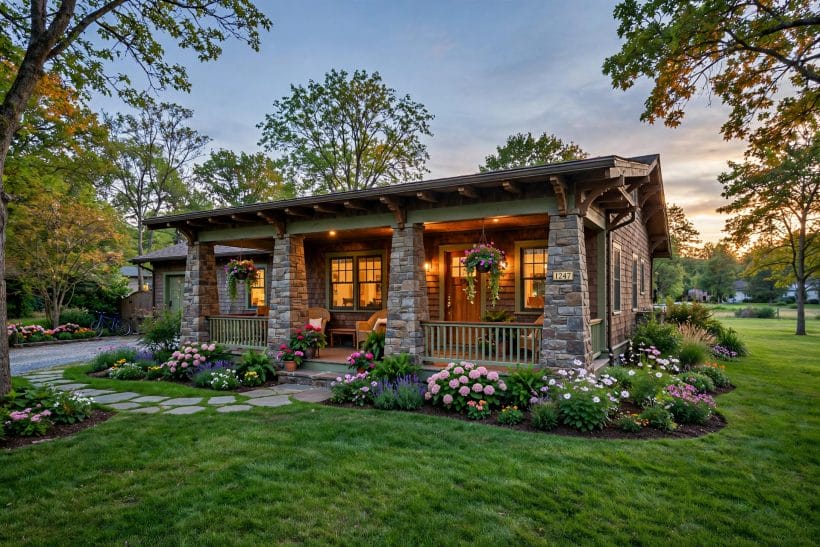
Every house in this tour was chosen on one test: that it would still be beautiful with the camera put away. The exteriors-only survey of the same country is the nice houses post; this tour goes further — through the door, up the stairs and into the garden — in ordinary homes, at ordinary sizes, where beauty is a habit rather than a budget.
1. Start With Proportion, the Beauty No Lens Invents
A house whose roof, windows and door agree in scale photographs beautifully because it is beautiful. Proportion survives every filter and every decade; when a picture charms you, look first for the agreement of parts underneath the charm.
2. Let Light Be the Tour’s Real Guide
The homes people save and share are lit before they are styled: windows that admit the day generously, rooms arranged to catch it.
3. Trust Honest Materials at Camera Distance and at Touching Distance
Brick, timber, stone, limewash and real tile hold up in photographs because they hold up in weather. Houses dressed in honest materials age into their pictures; houses dressed in finishes age out of them.
4. Keep One Idea Per House, Clearly Stated
The memorable homes each say one thing — the cottage’s roses, the farmhouse’s porch, the white house’s calm — and say it completely.
5. Let the Ordinary Size Be the Point
These are family homes, cottages and terraces, not estates: beauty at the scale most lives are actually lived at.
6. Read Every Picture for Its Borrowable Truth
Behind each lovely image sits a transferable decision: a colour, a planting, a way of arranging a hall.
7. Notice What the Beautiful Houses Leave Out
No clutter at the door, no competing colours at the face, no garden fighting the architecture. Half of beauty is omission, patiently maintained — the tour’s plainest lesson is also its cheapest to copy.
8. Judge a House by Its Worst Month, Not Its Best Photograph
June flatters every address. The genuinely beautiful homes in these pictures are composed for February too — evergreen bones, a lit porch, a face that holds in bare weather. Beauty that needs summer is merely decoration.
9. Let Age Show as Character Where It Is Honest
A worn step, silvered timber, brick softened by a century: pictures love patina because people do. The beautiful home is maintained, never embalmed — care visible, perfection nowhere required.
10. Keep People, Pets and Real Life in the Frame
A bicycle at the gate, a dog on the step, washing’s ghost at the garden’s end: homes read as beautiful when they read as lived in.
11. Remember the Camera’s Final Lesson: Care Is Visible
Every picture in this tour reduces, in the end, to evidence of attention — swept, planted, painted, mended. Beauty at house scale is care, repeated until it looks like character.
3. Street Faces: Proportion, Roofs and First Impressions
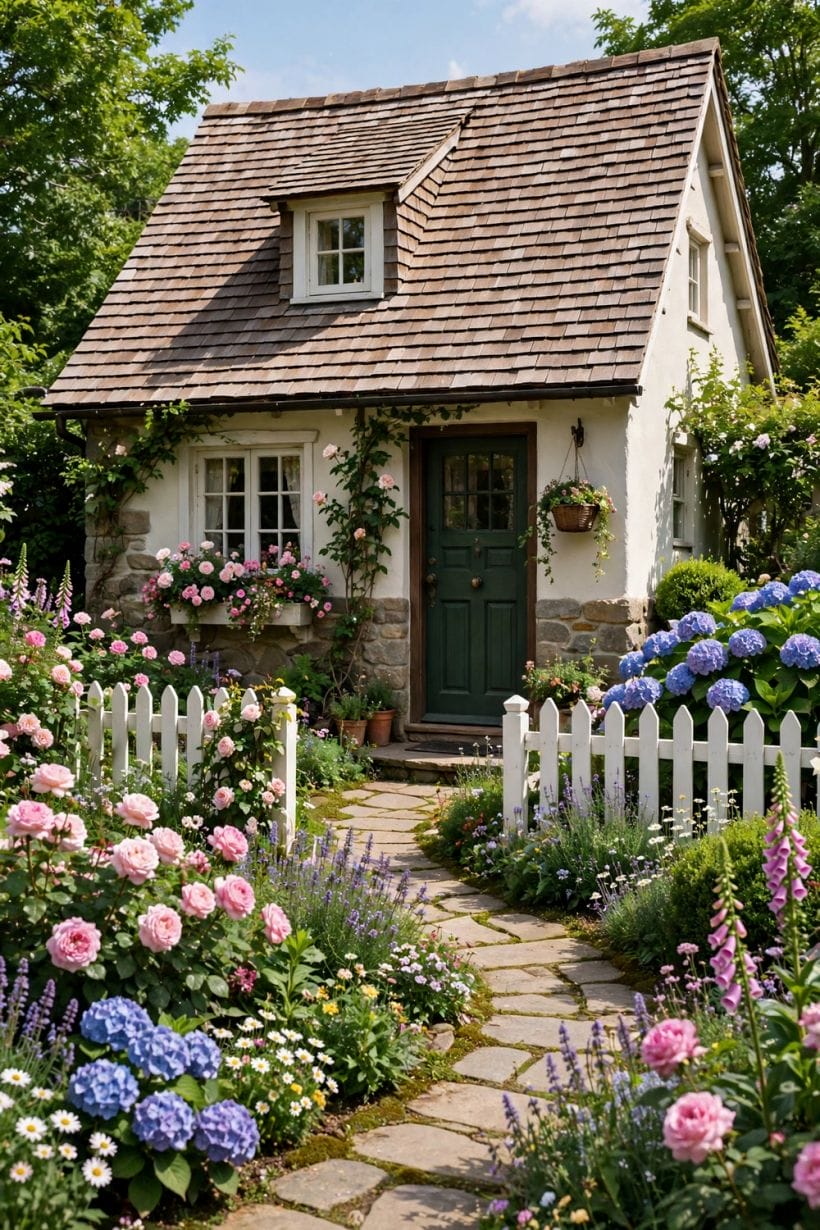
The tour begins where every visitor begins: at the gate, looking at the face. The full grammar of that face — materials, trim and colour at survey length — belongs to the exterior home ideas post; this section keeps to what the pictures themselves teach, house by house, about the composed street face.
12. Let the Roof Sit Like It Belongs to the Walls
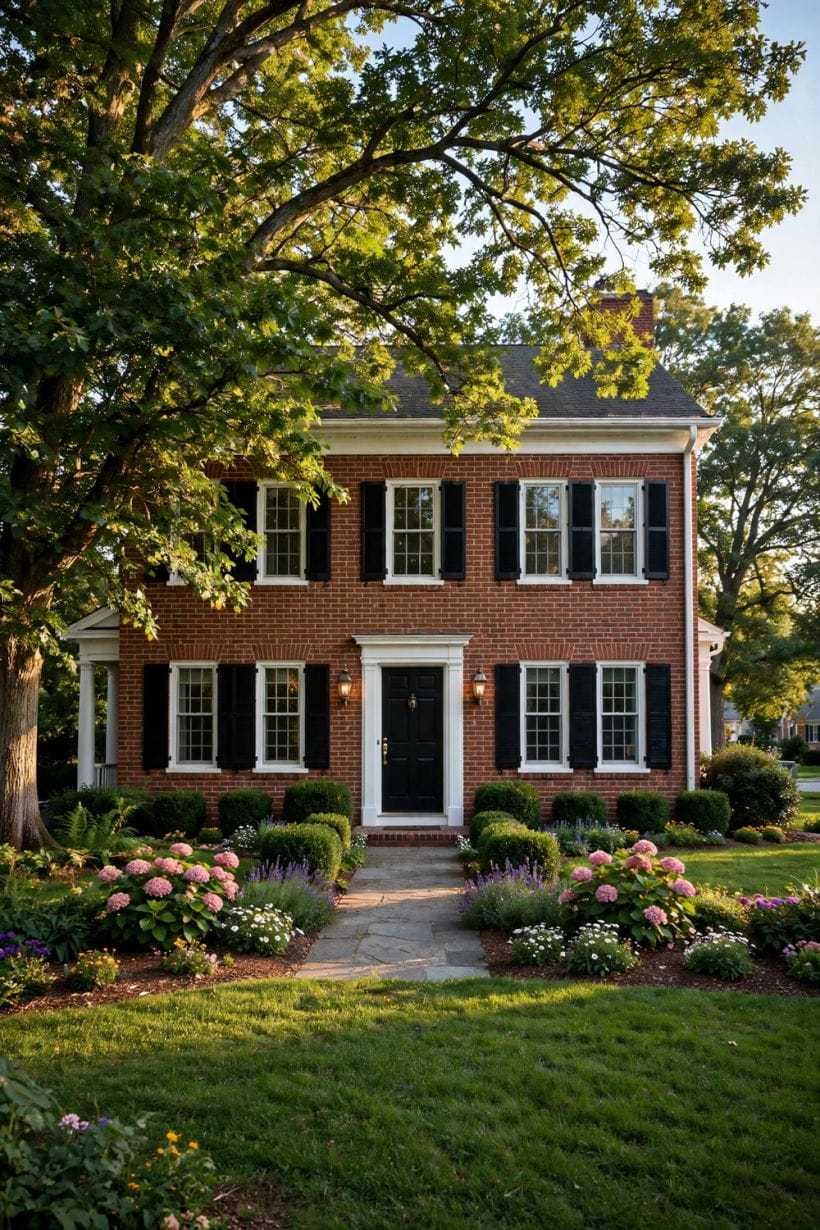
A roof pitched and sized in agreement with the house beneath it is the street face’s first grace. In picture after picture, the beautiful homes wear their roofs like well-fitted hats — neither perched nor swamped.
13. Give the Front Door the Face’s Single Accent
One confident colour, decent furniture and a lantern’s welcome: the door is the face’s signature, and the homes in these pictures sign once, clearly. Everything else at the face stays quieter by design.
14. Frame the Windows, Then Let Them Glow
Dressed surrounds by day and lamplight by evening: windows are the face’s expression in both shifts. The pictured homes keep their frames painted, their glass clean and their curtains a promise of the rooms inside.
15. Plant the Face, Do Not Decorate It
Planting that follows the house’s lines — a climber by the porch, evergreen anchors at the corners, one bed’s colour at the path — composes the portrait. Scattered pots and competing ornaments merely annotate it.
16. Keep the Path and Step Swept Like They Matter
The approach is the face’s handshake, and the pictured homes all shake firmly: edges cut, stone swept, the step clean enough to sit on. It is the least expensive beauty in this entire post, and the most photographed.
17. Let Symmetry Do the Work Where the House Offers It
A centred door with balanced windows is beauty’s oldest shortcut, and these pictures use it gratefully.
18. Borrow the Neighbours’ Greenery, Frame Your Own
Street trees, a neighbour’s hedge, the hill behind the roof: the beautiful face composes with borrowed scenery. Plant your own framing for the angles the street actually sees, and let the borrowed landscape complete the picture for free.
19. Keep Cars, Bins and Machinery in Their Parish
The pictured faces share one discipline: the machinery of life is parked, stored and screened out of the portrait.
20. Choose the Face’s Colours From the Street’s Palette
Brick towns, stone villages, white coastal rows: the homes that photograph best converse with their street’s materials rather than shouting over them.
21. Light the Face at Dusk for Its Second Portrait
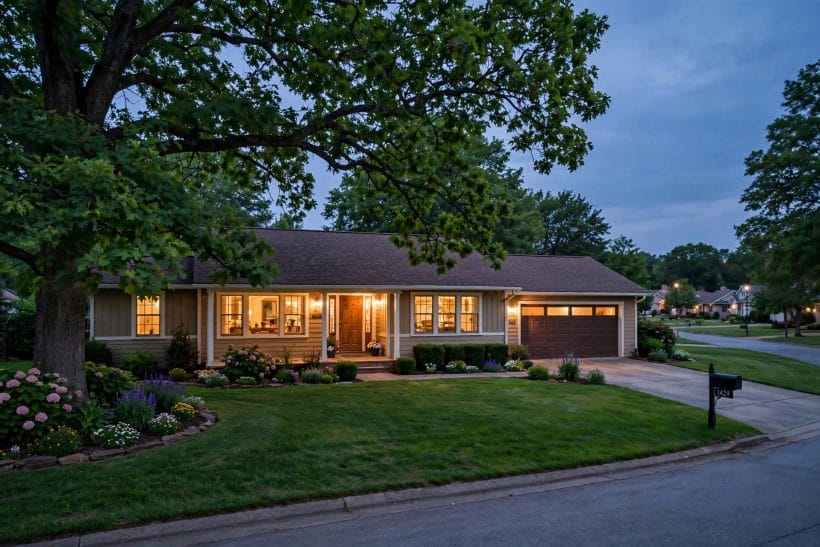
Porch lantern, hall glow, one window lit warm: the evening face is the second picture every house publishes daily.
22. Photograph Your Own House From the Street, and Believe It
Stand where visitors stand, take the picture, and study it cold: the leaning pot, the tired paint, the one brave success. The camera is the cheapest design consultant a house will ever hire, and the least sentimental.
4. Inside the Frame: Halls, Stairs and Rooms Full of Light
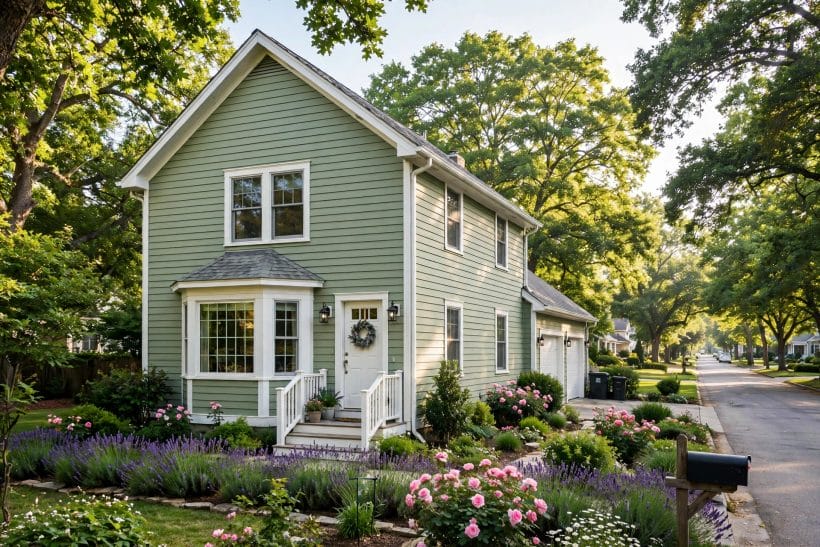
Through the door, the tour looks for the same composition indoors: a hall that receives, stairs that climb gracefully and rooms arranged for daylight. The grand version of this walk — at mansion scale, hall to great room — is the mansions inside and out post; this section keeps deliberately to the everyday house, where every device must fit a family and a budget.
23. Let the Hall Make the House’s Introduction in Five Steps
A swept floor, a place for coats, a picture or mirror and light at the end of the passage: the pictured halls all introduce their houses inside a few steps.
24. Give the Stair a Runner, a Rail and a Reason to Look Up
Stairs photograph as the interior’s sculpture when they are given a runner’s line, a handrail’s polish and a window or picture at the turn.
25. Arrange the Sitting Room Around Its Best Light
Seats turned toward the window’s gift and the fire’s glow in balance, as the pictured rooms arrange them, is the interior’s oldest composition.
26. Keep One Calm Wall in Every Busy Room
Pictures rest where a wall rests: one plain, quiet surface lets furniture, art and people compose against it.
27. Let Books, Plants and Instruments Be the Decoration
The rooms that photograph warmest are decorated by life itself — books in use, a plant thriving, an instrument out of its case. Styling that imitates life convinces nobody; life, tidied slightly, convinces everyone, camera included.
28. Use Mirrors Where the Light Needs a Second Window
A mirror placed to catch and return daylight doubles a room’s brightness without a single new opening. The pictured interiors place them like windows that happen to reflect — high, generous and opposite the light they borrow.
29. Keep Floors Visible: the Room’s Quiet Sixth Wall
Boards, rugs and stone given room to show make interiors read as spacious in person and in pictures alike. Rooms filled furniture-edge to furniture-edge photograph as storage; leave the floor its speaking part.
30. Dress Beds Like the Pictures: Layers, White and One Colour
The bedrooms in this tour repeat one recipe — pale linen, layers for the season, a single colour carried in a throw and a picture.
31. Let Children’s Rooms Be Beautiful at Their Own Scale
Small furniture, pictures hung at a child’s eye, colour with courage and storage the child can actually work: the pictured family homes refuse to make childhood the house’s untidy secret.
32. Open Every Door the Camera Looks Through
Rooms read as a suite when doors stand open, light travels and the eye is invited onward.
33. End the Indoor Tour With the View Back
Every pictured interior composes one money shot: the room seen from its doorway, whole.
5. Kitchens, Bathrooms and the Working Rooms, Photographed Honestly
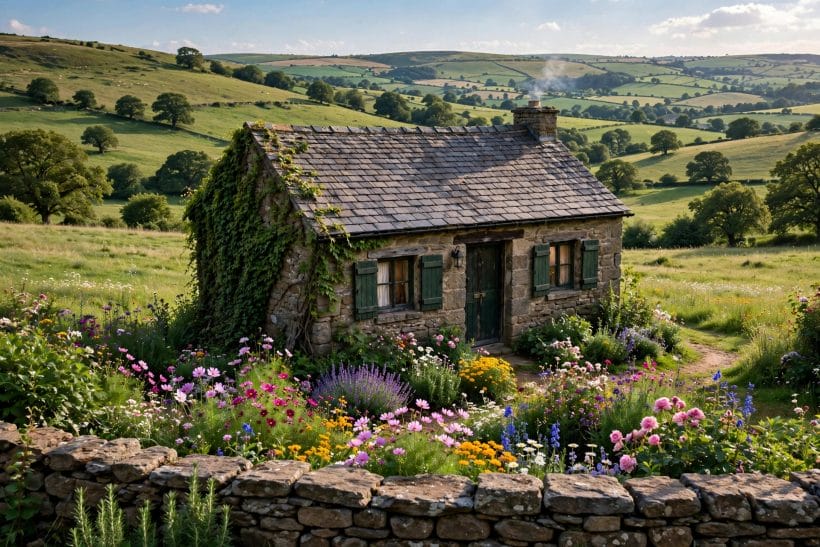
The working rooms are where beautiful pictures usually stop — and where these houses quietly win. Their flagship room’s full survey lives in the kitchen ideas post; this section tours the kitchen, bath and utility spaces of the pictured homes for their transferable honesty.
34. Let the Kitchen’s Table Be Its Portrait Subject
In farmhouse and family pictures alike, the kitchen composes around a table that seats real life — homework, harvests and all.
35. Keep Worktops Clear Enough to Show the Room’s Bones
The pictured kitchens rest their beauty on clear surfaces, good light and honest materials, with the day’s tools homed in drawers and rails.
36. Use Open Shelves Only Where the Household Keeps Them Beautiful
A shelf of everyday crockery, kept in daily rotation, is the kitchen’s prettiest storage. Shelves holding the rarely used merely display dust at eye level — the pictured homes shelve what they use, and use what they shelve.
37. Let the Bathroom Borrow the Hotel’s Two Tricks: White and Order
Pale surfaces, everything in its place, one plant and one good mirror: the bathrooms in this tour are small, ordinary and immaculate in composition. Their beauty is housekeeping, framed — which is why any household can afford it.
38. Give the Laundry and Utility a Door, a Bench and a System
The working rooms in the pictured homes are not hidden in shame but organised with pride: a bench, hooks in a row, baskets with parishes.
39. Keep the Study Corner Composed Like a Room, Not a Spill
A desk with a lamp, a chair that belongs, papers in a box with a lid: the pictured homes fit work into their beauty rather than letting it colonise the sofa. One ordered corner defends the whole house’s calm.
40. Let Storage Show Its Face Where It Is Handsome
Hooks, rails, baskets and open cupboards in honest materials turn storage into the working rooms’ decoration. The pictured houses hide only what is ugly; what is well made and well kept is allowed to be seen, working.
41. Photograph the Working Rooms at Their Worst Hour, and Design for That
Breakfast chaos, bath time, the laundry’s mountain day: design the working rooms for their busiest hour’s photograph, not their emptiest. A room that composes under load is a room that was designed, not staged.
42. Keep One Living Thing in Every Working Room
A herb pot at the sink, a plant on the bathroom shelf, flowers on the kitchen table: green life is the working rooms’ signature in every beautiful picture.
43. Floor the Working Rooms for the Life They Actually Lead
Washable, warm-hearted floors — stone, tile, sealed wood, honest lino in its modern dress — are the working rooms’ foundation in every pictured home.
44. Let Appliances Be Quiet Citizens
Integrated, plain or honestly retro, the pictured kitchens’ machines never shout their branding across the composition. The room’s stars are light, material and the table — appliances are the stage crew, essential and uncredited.
6. Gardens, Porches and the Ground Between House and Street
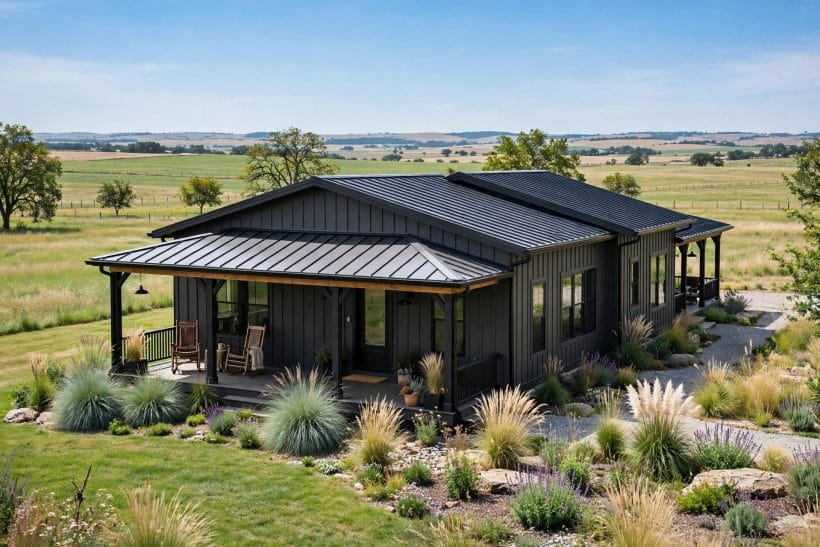
Half of every beautiful house picture is taken outdoors, and this section walks that half: the porch as the house’s smile, the garden as its frame. The porch’s own full survey is the porch ideas pillar; here the grounds are read as the pictures present them — the composition between the gate and the door.
45. Let the Porch Be the House’s Smile, Furnished
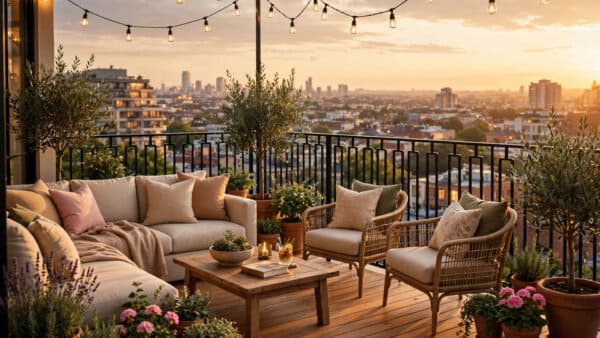
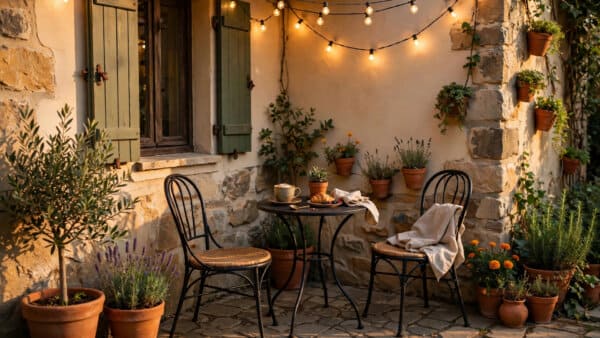
Two chairs, a bench or a swing, a plant that thrives and a mat that welcomes: the pictured porches are outdoor rooms in miniature, not storage with a roof. Furnish the porch and the whole house changes expression.
46. Frame the House With One Great Planting Gesture
A rose at the gable, a tree that signs the lawn, a hedge that gives the face its green plinth: each pictured home makes one large planting decision and lets it mature.
47. Keep the Front Garden Simpler Than the Back
Ceremony in front, abundance behind is the tour’s recurring treaty: a calm green frame at the face, the cottage riot where the family lives. The front garden that tries to say everything ends by framing nothing.
48. Use the Garden Path as the Picture’s Leading Line
Every beautiful exterior photograph uses the path to walk the eye to the door.
49. Let the Back Garden Be the House’s Second Portrait
Terraces for eating, lawns for games, borders for the gardener’s joy: the pictured homes compose their private grounds as carefully as their faces. A house beautiful only from the street is half a home wearing its best side out.
50. Seat the Garden Where the House Looks Best From
A bench at the lawn’s end, chairs under the tree: the pictured gardens all include the audience seat for their own architecture. The household that sits and looks at its house keeps it beautiful on purpose.
51. Keep the Working Garden Handsome in Its Parish
Sheds, compost, bins and the mower live in the pictured gardens’ screened, orderly corners — present, unashamed and out of the portrait. Beauty survives utility easily; it does not survive utility in the foreground.
52. Plant for the Picture’s Worst Month Outdoors Too
Evergreen structure, winter stems, a tree with bark like sculpture: the gardens in this tour hold their composition bare. The camera visits in February as faithfully as in June, and so, more importantly, does the household.
53. Let Evening Claim the Garden: One Lantern, Lit Windows
Dusk is the garden’s portrait hour in these pictures — a lantern at the path, the house glowing behind its curtains.
54. Borrow the Landscape Beyond the Fence
Hills, water, a church spire, the neighbour’s great tree: the pictured homes compose their grounds to include the view they do not own.
55. End the Outdoor Tour at the Gate, Looking Back
The last picture of every beautiful home is taken leaving: gate, path, face and garden composed in one farewell. Arrange the grounds to pass that backward glance, and the house will say goodbye as beautifully as it said hello.
7. Styles on Tour: Cottage, Farmhouse, Traditional and Modern
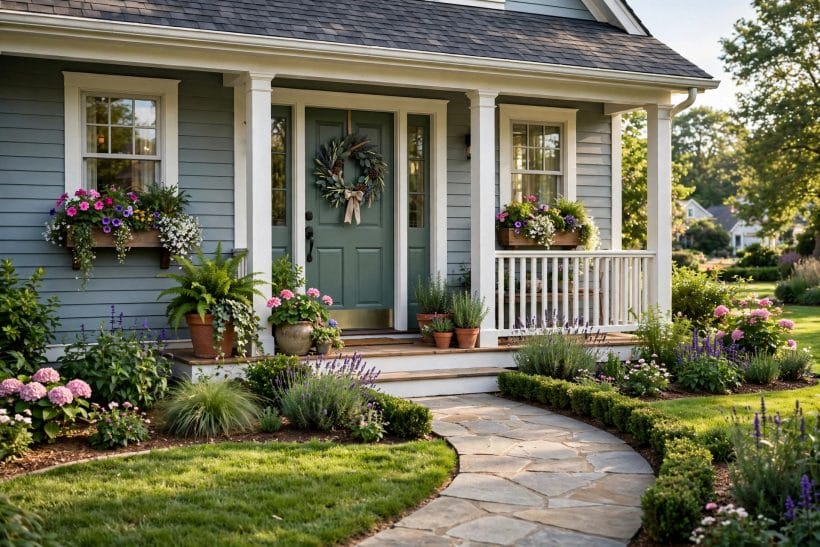
The tour crosses styles without changing its test — proportion, light, honesty and care — and this section reads the families side by side. The whole field they belong to is gathered in the home design ideas pillar; here each style is visited as a pictured home, with its borrowable truth named.
56. Let the Cottage Prove That Small Is a Style, Not a Limit
Low doors, deep windows, roses at the wall and rooms that fit like a glove: the cottages in this tour are the argument that beauty scales down gracefully.
57. Give the Farmhouse Its Working Elegance
Porch across the face, mud room at the back, a kitchen built around its table: the pictured farmhouses wear their usefulness as elegance.
58. Let the Traditional House Carry the Street’s Ceremony
Balanced faces, dressed windows, a door with manners: the traditional homes in the tour hold their streets together like good neighbours in good coats. Their lesson is maintenance as beauty — nothing new, everything kept, the composition complete.
59. Trust the Modern House to Be Softened by Green
Clean lines and great glass photograph stark until planting arrives; the modern homes in this tour are all married to their gardens.
60. Let the Coastal House Be About Light, Not Souvenirs
Pale walls, bare boards, shutters and the sea’s own colour rationed like a spice: the pictured coastal homes resist every cliché of their genre. Their beauty is brightness, honestly arranged — the souvenirs are mercifully absent.
61. Honour the Brick Terrace, the Tour’s Quiet Majority
Most beautiful homes in these pictures are ordinary terraces and semis, composed by care: paint kept, path swept, one tree, curtains glowing. The style is simply the well-kept house, and it is the most borrowable style of all.
62. Let a Converted Building — Barn, School or Chapel — Keep Its Biography
Homes made from working buildings photograph with a story built in: great windows where the doors were, volumes no new build dares. Their lesson for ordinary houses is to keep and show one’s own history, however humble.
63. Borrow Across Styles by Attribute, Never by Costume
A farmhouse porch’s order on a terrace, a modern home’s calm in a cottage’s clutter, a traditional house’s door manners anywhere: attributes travel; costumes merely dress up. The tour’s final style lesson is to steal systems, not silhouettes.
64. Keep One Style Decision Consistent at the Face
Mixed messages photograph as muddle: the pictured homes each let one style govern the street face, whatever liberty the back enjoys. Consistency at the portrait is what lets individuality read as character rather than noise.
65. Remember Every Style in This Tour Is the Same House at Heart
Cottage, farmhouse, terrace and modern box all pass the identical test — proportion, light, honesty, care. Style is the accent; the language is the same, and it is learnable in any accent the reader already speaks.
8. Taking the Tour Home: Stealing Ideas Honestly for Your Own House
A tour that ends in admiration has failed; this closing section converts pictures into a programme for the reader’s own address. The newest thinking on where to start — exteriors first, systems honestly — is gathered in the new home exterior design ideas post at small scale; the method below works at every size.
66. Make Your Own Tour: Photograph Every Room and Face Cold
Walk your house with a camera as this tour walked its subjects — street, hall, rooms, garden — and study the pictures away from the house.
67. Choose One Idea Per Room, as the Pictured Homes Did
From each section of this post, take the single idea your own room most begs for, and do that completely before the next.
68. Start at the Gate: the Cheapest Beauty Is at the Edges
Sweep the path, edge the lawn, paint the door, plant the one brave thing: the approach’s transformation costs the least and changes the house’s whole portrait. Begin where visitors begin and the momentum funds itself in morale.
69. Spend First on Light: Clean Glass, Dressed Windows, Working Lamps
Before furniture, before paint colours, maximise the daylight the house already owns and the lamplight it makes at dusk.
70. Adopt the One-Plain-Wall Rule Indoors
Calm one wall per busy room — cleared, painted quietly, given the room’s single best picture — and watch the whole interior compose itself around the rest you have made.
71. Give the Working Rooms Their System Before Their Style
Hooks, baskets, benches and parishes first; beauty in the kitchen and utility follows order the way a portrait follows a swept path. The homes in this tour are beautiful at breakfast because their systems were designed at leisure.
72. Plant the One Great Gesture This Season
The tree, the rose, the hedge that frames the face: gardens compound like savings, and every season’s delay is a year’s growth forgone.
73. Keep the Camera as the Household’s Honest Friend
Photograph the house each season, from the same spots, and keep the set: progress becomes visible, backsliding becomes obvious, and the tour of beautiful homes acquires its most important exhibit — your own, improving.
74. Budget Beauty in the Tour’s Order: Care, Light, Edges, Then Objects
Sweeping and mending first, light second, the face and the garden’s frame third, and new objects last and least: the pictured homes were not bought beautiful, they were kept so.
75. End With Your Own Picture Worth Saving
When one photograph of your house — the porch at dusk, the hall in morning light, the garden path in June — makes you pause before scrolling on, the tour has done its work. Frame that picture.
9. Checks and Mistakes: Before the First Pour or Purchase
Check your own house the way this tour checked its subjects: photograph it from the street, the hall and the garden’s end, in its worst month as well as its best, and study the pictures cold. Admiration is not a plan; the photographs are — mark the one clear fault each frame confesses and begin there.
Check every borrowed idea against your own house’s proportion, light and materials before adopting it: an idea that flatters a cottage can bully a terrace. The pictured homes are evidence, not instructions — the transferable part is always the decision underneath, never the costume on top.
The common mistakes are all impatience: five ideas attempted in one room, objects bought before care and light, and the working rooms left undesigned while the sitting room is styled a third time. Each is avoided by the post’s order — photograph, choose one idea, finish it, photograph again.
10. Costs and Pulling It Together
Costs stay qualitative, as honest homemaking must: the economical end of beauty is nearly free — sweeping, edging, cleaning glass, clearing surfaces and planting one brave thing are labour and attention, not shopping. The expensive end is real enough — roofs, windows and garden structure — and belongs exactly where this tour found it: underneath the composition, decided slowly, and never mistaken for the beauty itself.
Pull it together in the order this post kept: proportion, face, inside, work, grounds, style, then the programme for home. Followed in that sequence, these seventy-five ideas stop being other people’s pictures and become the reader’s own address, improving one finished decision at a time.
Final Considerations
The beautiful home is not a different house from yours — it is the same house, kept with its eyes open. Photograph it honestly, finish one clear idea at a time, and let care compound: the next picture worth saving is already standing at your address, waiting for its portrait.

0 Comments