
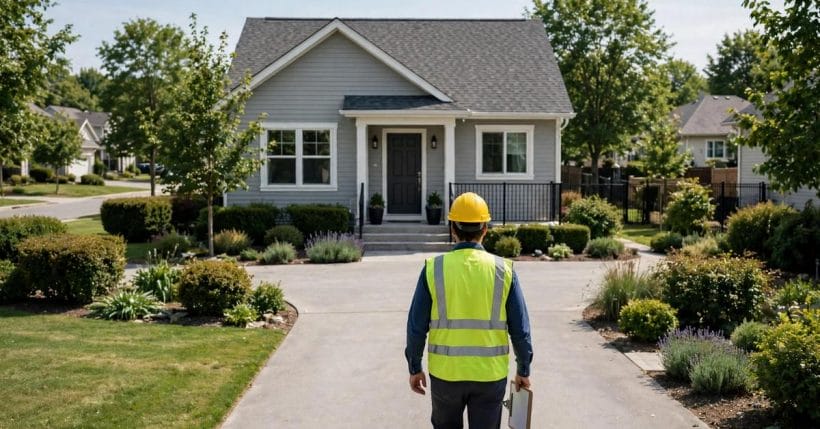
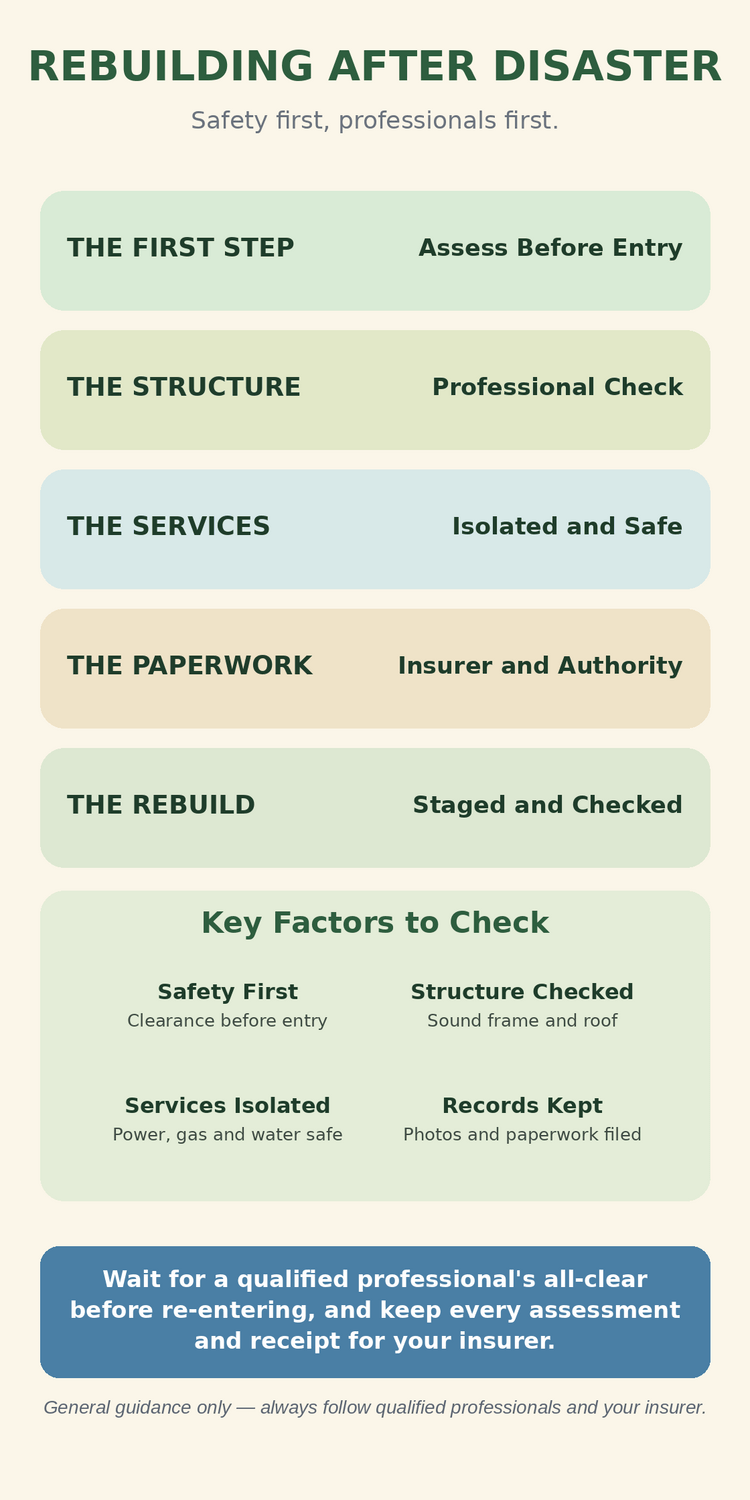
After a house fire or flood, the urge to get inside quickly and start putting things right is powerful, and it is also the most dangerous impulse of the whole recovery. A damaged home can hide structural weakness, live electrics, contaminated water and weakened floors that show no warning before they fail, which is why every part of rebuilding starts with professional assessment before entry.
This guide is a safety-first rebuilding explainer only. It covers, in general terms, who assesses what, how insurance and authorities fit in, and how a rebuild is staged. It gives no salvage instructions for food, medicine, soft furnishings or electrical items, no mould-remediation or smoke-cleaning recipes, and no recovery costs or timelines, because those specifics belong to qualified professionals and your insurer, not to a general article.
It is also worth preparing, in the first days, a simple list of who to call and in what order: insurer, local authority, utility providers and a surveyor or engineer. In the shock that follows a disaster, even straightforward decisions become difficult, and a short written list, made once and kept with the insurance file, removes the need to work out the sequence under stress.

Safety Before Entry
The first rule after any fire or flood is simple: do not re-enter until a qualified professional or the relevant authority says the building is safe to enter. Fire can weaken floors, stairs and roofs in ways that are invisible from the doorway, and floodwater can undermine floors and carry contamination that is not obvious to the eye.
Wait for the all-clear even when the damage looks minor from outside. A house that looks intact can still have a compromised structure, and the delay of waiting for an assessment is always shorter than the consequences of entering a building that has not been checked.
Keep children and pets away from a damaged home until it is cleared, and resist returning for belongings before the assessment. Belongings can be replaced; the risks inside an unchecked building, from a weakened floor to a live circuit, cannot be seen from the doorway and do not announce themselves before they cause harm.
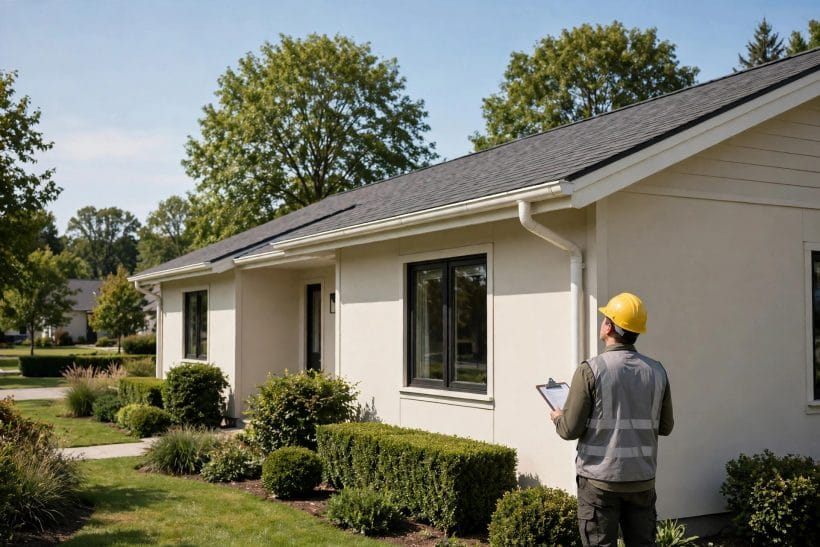
Photograph the exterior as well as the interior during documentation, including roofs, gutters, outbuildings and boundary walls, since damage to these is easy to overlook while attention focuses inside. A complete exterior record also helps the assessor, who may otherwise need a second visit to cover what the first missed.
Who Assesses What
Different professionals assess different risks, and a full picture usually needs more than one of them. A structural engineer or surveyor assesses the frame, floors and roof; an electrician assesses wiring and appliances; a plumber assesses water and gas services; and environmental or remediation specialists assess contamination where the disaster involved floodwater, smoke or hazardous materials.
Each assessment answers a different question, and none substitutes for another. A structural all-clear does not make the electrics safe, and an electrician’s sign-off does not speak to the roof, so a rebuild that skips any of these checks is building on an incomplete picture.
Assessments work best in sequence, with the structural check usually first, since it decides whether anyone can safely enter to carry out the others. Keep every report together in the same file as the insurance paperwork, because each specialist’s findings shape the next stage of work, and a missing report can stall the whole sequence.
Where temporary accommodation is needed, agree its expected duration in writing and review it at each rebuild stage, since stages often move. A review habit prevents the unpleasant surprise of accommodation ending before the home is ready, and it gives the insurer a clear, updated picture at every step.
Water, Power and Services
Services are isolated before any other work begins, in general terms and in practice. Power, gas and water supplies to a damaged home are made safe by qualified professionals, and they stay isolated until each service has been checked and cleared individually.
Never restore a service yourself to “test” whether it still works. A circuit that survived a fire may still be damaged behind walls, and a gas or water line affected by flood or heat can fail in ways that only a professional inspection reveals. The inconvenience of waiting is the price of a safe rebuild.
Any temporary supply of power, heat or water during the rebuild should also be arranged through qualified professionals. Makeshift connections in a damaged building carry the same risks as the damaged services themselves, and a properly arranged temporary supply keeps the household functioning without adding a new hazard to an already damaged home.
Documenting for Your Insurer
Documentation starts as soon as it is safe to do so, and it matters more than most people expect. Photographs of each room and each damaged area, taken from several angles, together with any paperwork you still hold, form the record your insurer will work from, so gather them methodically before anything is moved or cleared.
Keep every assessment report, receipt and piece of correspondence in one place, and keep copies outside the damaged home. Insurers and builders both work from paper trails, and a well-kept file shortens every later conversation, while a missing report can stall a claim for weeks.
A short video walkthrough, filmed once entry is permitted, complements still photographs by showing how rooms connect and where damage runs across walls and ceilings. Store the video off site or online, alongside the photographs, so the record survives even if devices kept in the home are later lost or damaged.
What Professionals Check Room by Room
A room-by-room assessment works through the house systematically rather than by impression. Walls, ceilings and floors are checked for movement, cracking and water damage; windows and doors are checked for frame distortion; kitchens and bathrooms, where services concentrate, receive closer attention; and roof spaces and basements, which hide damage longest, are checked even when they look untouched.
The result is usually a schedule of work rather than a single verdict: some rooms cleared for use, some needing repair, and some requiring major work before they can be occupied. That schedule, not any general guide, is what your rebuild follows.
Hidden areas deserve particular attention during assessment, including roof spaces, wall voids, under-floor areas and basements, where damage can sit unseen for months. A house that looks sound at eye level may still carry serious damage overhead or below, which is why assessors check spaces the household rarely enters.
Drying and Airing, in General Terms
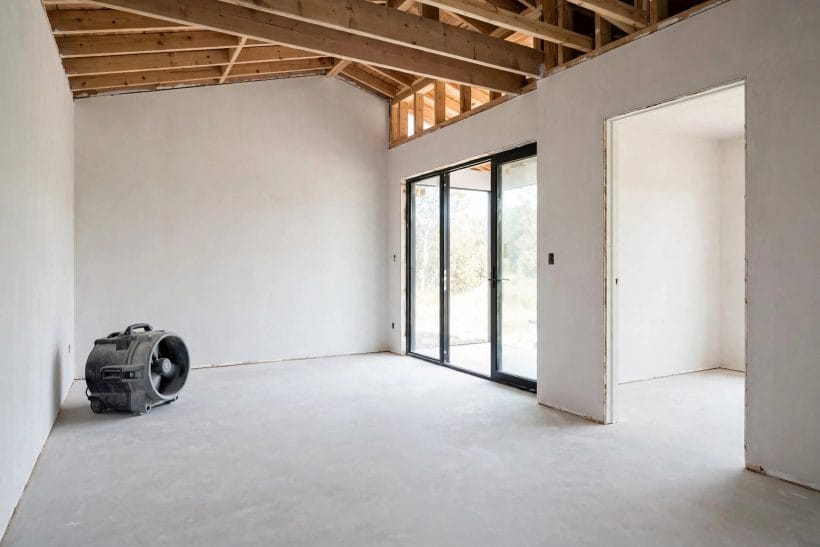
After flooding, drying is a slow process that professionals manage with equipment and monitoring, and it should not be rushed. A house that feels dry to the touch may still hold moisture deep in walls and floors, and closing it up too early traps that moisture where it can cause longer-term problems.
This guide gives no drying recipes, timelines or mould-remediation instructions, because those depend on the building’s construction, the water involved and the extent of saturation, all of which a qualified assessor measures on site. If anyone offers a fixed drying time without inspecting the property, treat that as a warning sign rather than reassurance.
Patience during drying protects the rebuild that follows. Walls and floors that are closed up while still damp can develop problems that only emerge after finishes are applied, at which point the work must be opened up again. A slower, monitored drying stage is not wasted time but the foundation the rest of the rebuild stands on.
Belongings: Decisions, Not Instructions
Decisions about belongings after a disaster are made with your insurer and qualified assessors, and this guide deliberately gives no keep-or-discard rules. Food, medicine, soft furnishings and electrical items each carry their own risks after fire or flood, and whether any individual item can be kept depends on what it was exposed to, for how long, and what it is made of.
The safe approach is to ask, item by item, rather than to follow any general list. Photograph belongings before they are moved, keep anything your insurer asks to inspect, and do not use electrical items, soft furnishings or consumables from a damaged home until a qualified person or your insurer has advised that they are safe to use.
Sentimental items deserve a separate conversation with your insurer, since their value is not captured by replacement cost alone. Photograph them, keep them aside where they can be inspected, and ask directly how they are treated under the policy, rather than assuming they fall under the same rules as ordinary contents.
Working with Authorities and Permissions
Rebuilding after a disaster usually involves the local authority as well as your insurer, in general terms. Planning and building permissions may be needed where the rebuild changes the structure, and local rules on flood resilience, fire safety or heritage status can shape what is permitted, so early contact with the relevant authority saves rework later.
Keep the authority’s requirements alongside the insurer’s in the same file. Where the two pull in different directions, which happens more often than people expect, your builder or surveyor can usually reconcile them, but only if both sets of requirements are on the table from the start.
Where a home sits in a flood zone, or carries heritage or conservation status, additional rules may shape the rebuild in ways that are not obvious at first. These requirements are best discovered at the start, through the local authority, rather than midway through works that must then be altered to comply.
Rebuild Staging and Choosing Builders
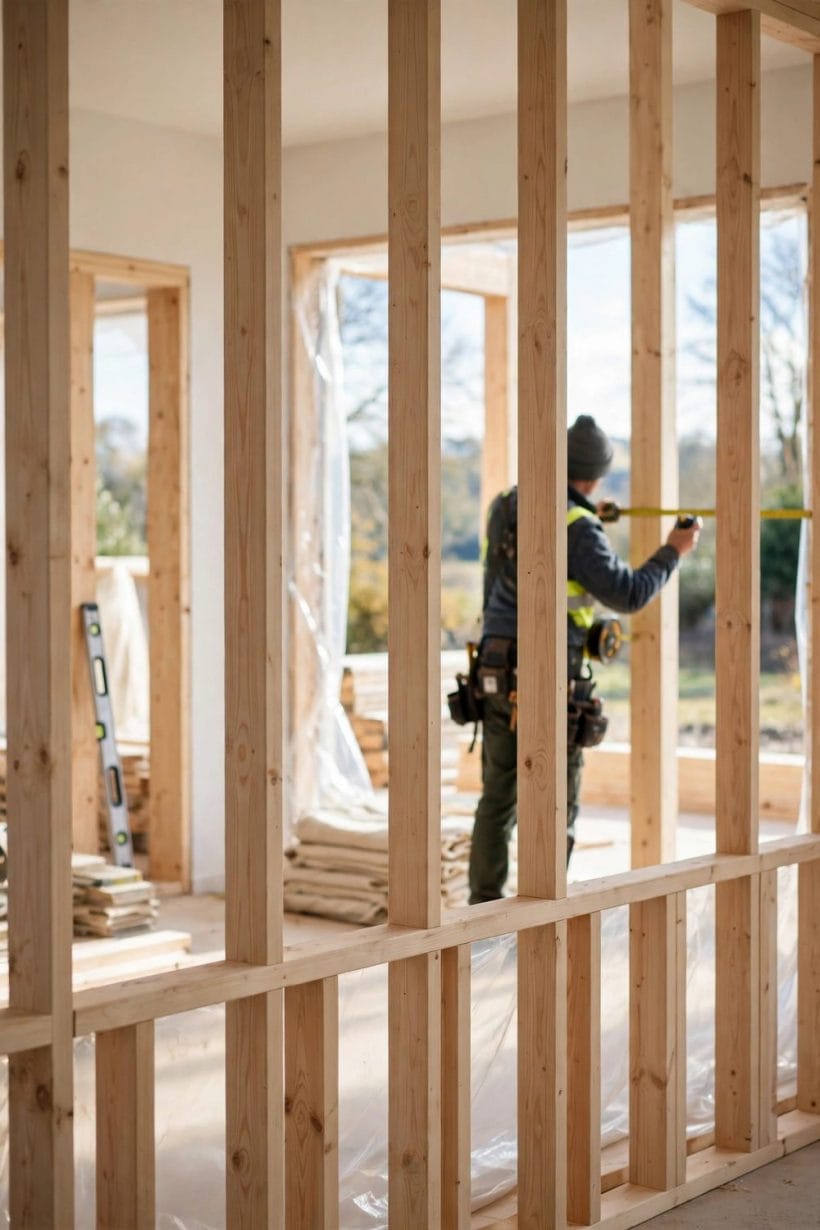
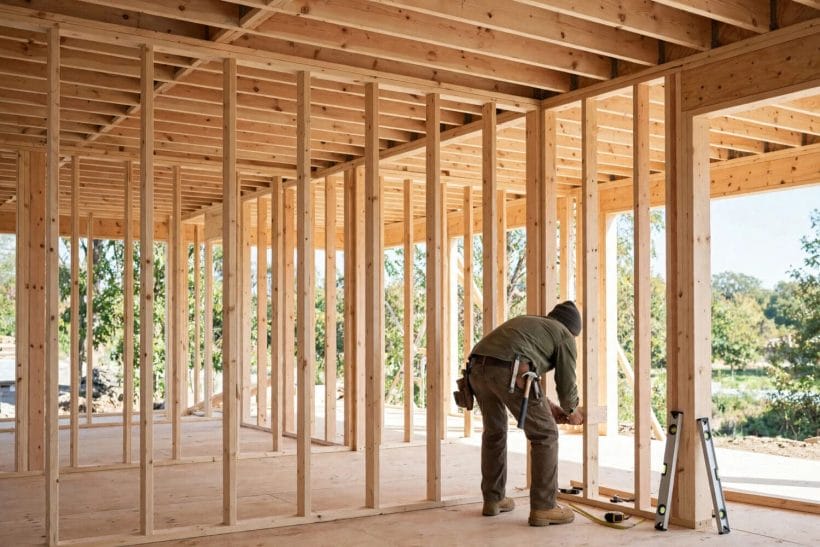
A rebuild is staged, not done at once. Structure comes first, then weather-tightness, then services, then finishes, and each stage is checked before the next begins. Skipping ahead, for instance by plastering walls before the structure behind them is signed off, creates work that must later be undone.
Staging also protects the household’s budget and patience. A clear sequence, agreed with the builder and insurer at the outset, means everyone knows what happens next and why, which matters enormously during a process that is stressful even when it runs smoothly.

Choose builders and specialists on credentials and references rather than on speed of availability alone. After a widespread disaster, demand surges and so do opportunistic operators, so checking qualifications, insurance and recent comparable work is not bureaucracy but self-protection.
A written scope, a staged payment schedule tied to checked work, and a single point of contact for the project are the three basics of a sound rebuilding arrangement. If a contractor resists any of them, that resistance itself is useful information about whether to proceed.

Communication with the builder matters as much as the contract. Agree how often progress will be reported, who the single point of contact is, and how changes to the scope will be priced and approved, since most rebuilding disputes trace back to unclear communication rather than to bad workmanship.
Living Through the Rebuild
Living arrangements during a rebuild deserve as much planning as the building work. Temporary accommodation, storage for salvaged belongings, access to the property during works, and a realistic sense of how long each stage takes all affect daily life, and discussing them early prevents the mid-project crises that strain households most.
Your insurer is part of this conversation, since temporary accommodation and storage may fall within the claim, but the terms vary widely by policy. Ask early, in writing, what is covered and for how long, rather than assuming the answer.
Keeping everyday routines going, for children especially, helps a household through a long rebuild. School runs, mealtimes and familiar contact with neighbours provide stability while the home itself is in flux, and planning for that stability is as practical a part of recovery as any building decision.
Final Considerations
Rebuilding after fire or flood is a professional process from the first assessment to the final finish, and this guide’s central message is to keep it that way. Wait for the all-clear, let each specialist answer their own question, document everything, and let the insurer’s and authority’s requirements shape the work rather than improvising around them.
Recovery rarely follows a straight line, and setbacks, from a delayed report to a material shortage, are a normal part of rebuilding rather than a sign that the project has failed. A household that expects some unevenness, and keeps its records, contacts and patience intact through it, usually reaches the same finish line with less strain than one that planned for a perfectly smooth run.
For the wider home picture, see our exterior entryway ideas, fence gates and false ceiling design, plus the general guides at tiny house designs, interior design ideas and tiny house porch ideas.
Finally, keep one copy of every key document outside the rebuilt home as well as inside it. A second set, held digitally or with a trusted person, means that if disaster ever strikes again, the household starts its recovery with its records already safe.






0 Comments