

It happens in a second: you spot a chair in a café, a lamp in a rental, a tile in a friend’s kitchen, and you want one exactly like it. Until recently that meant describing it in words and hoping a search box understood you.
Now you can start with the picture itself. Here is how photo matching works, and how to use it well.
1. Visual Search at a Glance: Shopping That Starts With a Picture
A houzz shop style search turns the usual shopping order upside down. Instead of typing words and scrolling through whatever a keyword happens to summon, you hand the tool a photograph and ask a simpler question: what looks like this? The tool studies the image and returns pieces with a similar shape, colour, pattern or mood, so the starting point for your shortlist is something you already know you love.
| Aspect | What to Know |
|---|---|
| You start with | A photo you took, a screenshot, or a saved image of a room or a single piece you want to track down. |
| The tool studies | Outlines, proportions, colours, patterns, materials and small details such as legs, handles and edging. |
| You get back | A set of visually similar products and looks, ranging from near twins to looser cousins that share the general style. |
| Best results come from | One clear subject, photographed straight on in decent light, with as little clutter behind it as possible. |
| Always check next | Dimensions, materials, construction and delivery details on the product page, because a photo cannot tell you any of those. |
| Photos can mislead on | Exact colour, true scale and surface texture, all of which shift with lighting, lenses and screens. |
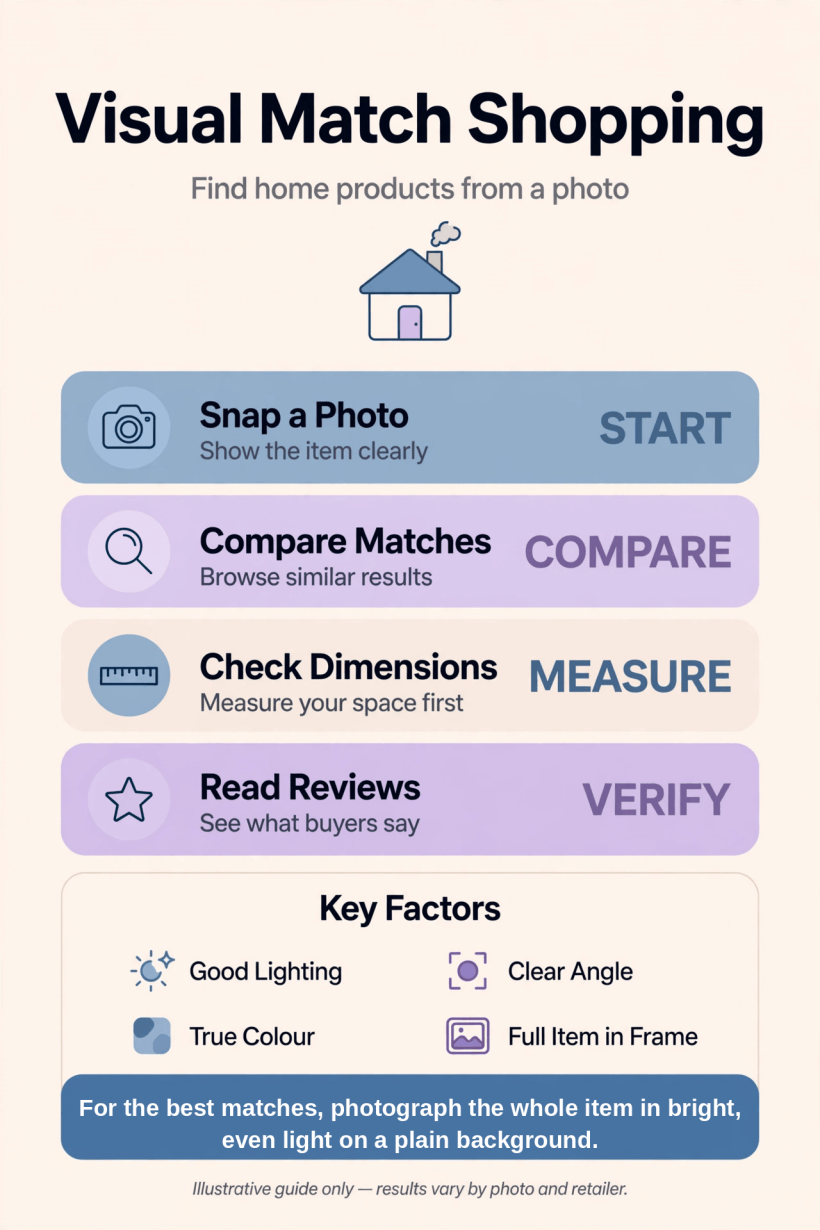
From one saved photo to a shortlist of look-alike pieces: the photo matching journey in a single view.
Used well, visual search is less a magic trick than a very fast pair of eyes. It will not judge quality, comfort or value for you, and it does not know your room, your budget or your taste beyond the picture you gave it. What it does brilliantly is narrow a vast catalogue down to a shelf of plausible candidates in seconds.
Many people pair the technique with a saved collection of inspiration images, so every match can be judged against the look they are building. If you do not have one yet, these tiny house idea boards show how to gather photos into a board that makes later comparisons far easier, whether your home is tiny or generously sized.
2. How Photo Matching Actually Works
Behind the scenes, the software does not see a chair the way you do. It breaks your image into patterns of edges, shapes and colours and converts them into a kind of numerical fingerprint. Strong lines, repeated textures and distinctive silhouettes all leave their mark in that fingerprint, while plain backgrounds and soft shadows mostly fade into the background of the calculation.
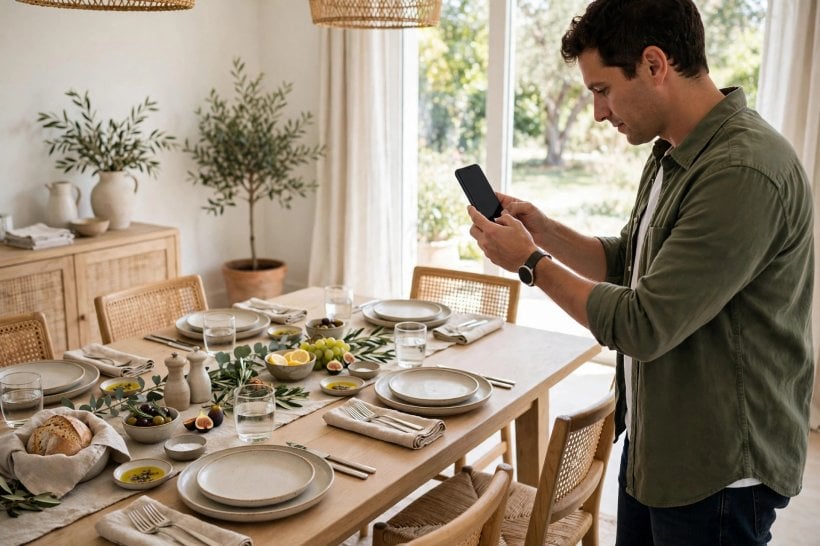
That fingerprint is then compared with fingerprints made from product photographs. The closer two fingerprints sit, the higher the product climbs in your results. This is why a distinctive piece, a chair with an unusual back or a lamp with a sculptural stem, tends to match beautifully, while a plain white box of a product gives the tool very little to hold on to.
It also explains the occasional odd result. The system matches appearance, not purpose, so a shiny round side table might be offered a round mirror or a tray that shares its outline and finish. Treat those surprises as useful rather than wrong: sometimes the cousin it suggests suits your room, or your budget, better than the twin you were hunting.
3. Taking or Choosing a Photo That Matches Well
The quality of your matches is decided long before you press search, because the tool can only work with what your photo shows it. If you are photographing a piece yourself, move close enough that it fills the frame, shoot it straight on rather than from a steep angle, and try to capture it in soft, even light that shows its true colour and outline.
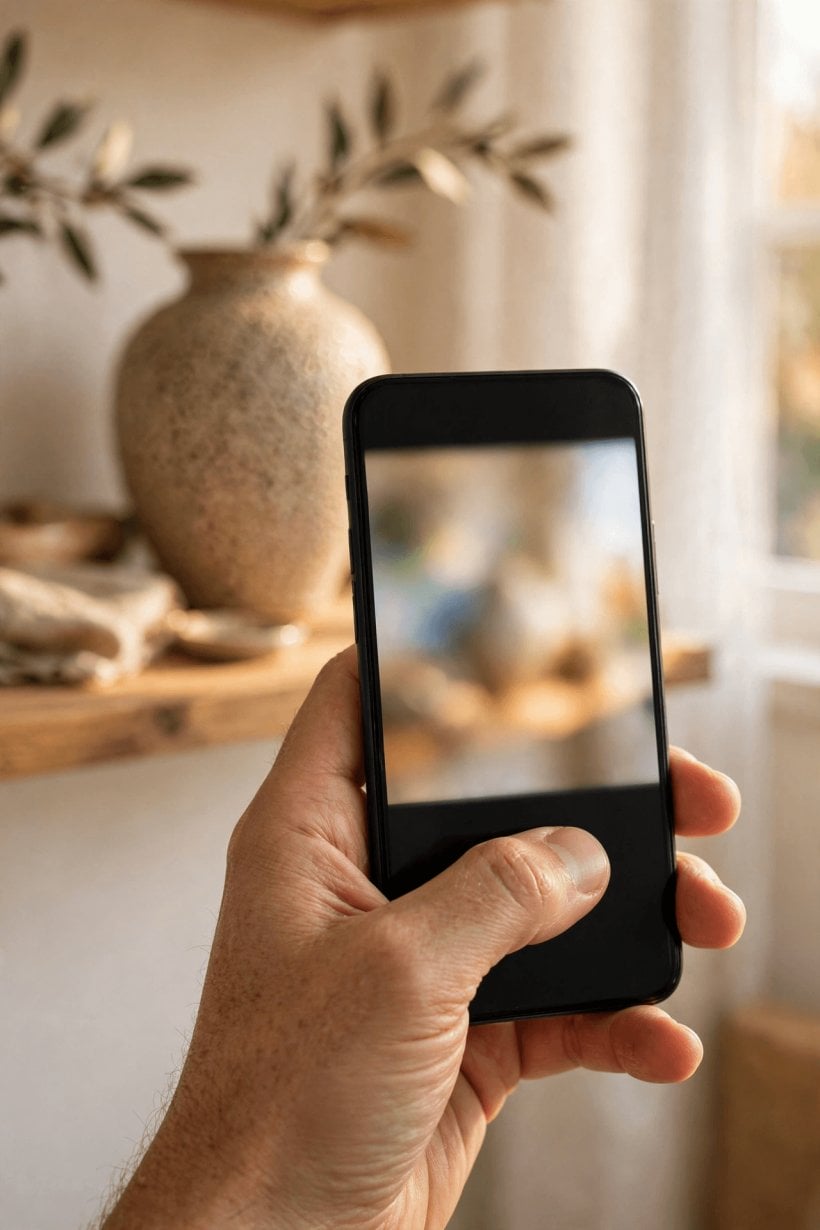
Clutter is the enemy. A chair half hidden behind a plant, cut off at the edge of the frame or tangled up with three other pieces forces the software to guess which shapes matter, and its guesses show up as muddled results. Where you cannot retake the photo, many tools let you crop or draw a box around the item you mean, and that small act of pointing is worth the ten seconds it takes.
Screenshots from room photos work too, especially when the piece sits clearly in the scene. This is where visual search pairs naturally with planning a whole look: gather the rooms you love, pick out the pieces doing the work in them, and match those one by one, an approach that sits comfortably alongside online tiny house design tools and planners when you are laying out a small space.
4. Reading Your Results: Near Twins, Cousins and Wild Cards
Results usually arrive as a spectrum, and reading them in bands saves time. The first few matches are the near twins: same silhouette, similar finish, sometimes close enough that only a detail like a leg shape or a handle gives them away. These are your candidates when the original is unavailable, out of reach, or simply a photograph with no product attached to it at all.
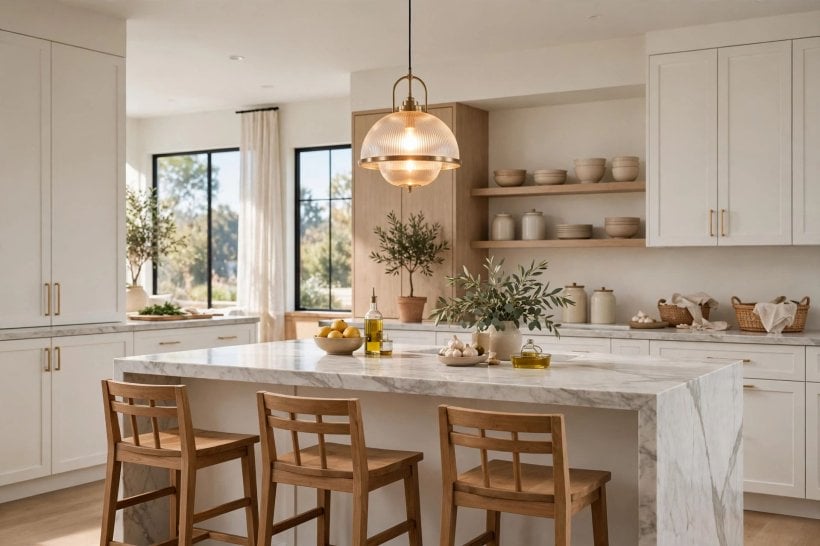
Further down sit the cousins, pieces that share the spirit rather than the blueprint: the same warm timber but a simpler frame, the same curved back in a different fabric. Cousins are often the smarter buy, because they leave room for your own room to shape the choice, and they frequently come in sizes and finishes the twin never offered.
Finally come the wild cards, results that share one strong feature with your photo and little else. Do not dismiss them too quickly. A wild card can reveal a direction you had not considered, a different material or a bolder colour that still honours the mood of your original picture, and browsing them is half the pleasure of searching this way.
5. Matching Furniture and Larger Pieces
Big pieces are where photo matching earns its keep, because furniture is hard to describe in words and easy to recognise in a picture. Sofas, armchairs, dining tables and beds all have strong silhouettes, which is exactly the language the software reads best. Search with a clear three-quarter view if you can, since it shows both the front profile and the depth of the piece.
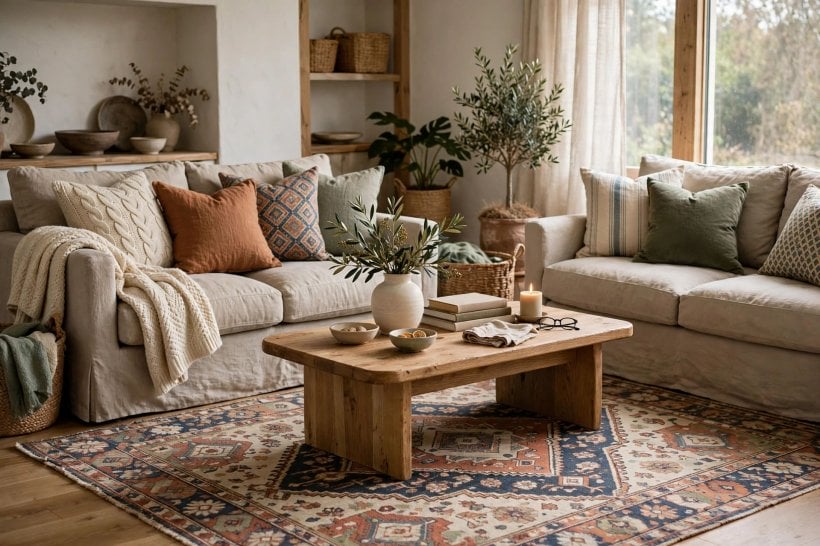
Once the matches arrive, discipline matters. A sofa is not its photograph: check the seat depth, the firmness described by other buyers where reviews exist, the fabric composition and whether covers come off for washing. In smaller homes the stakes rise again, because a few centimetres decide whether a piece glides through the door or hosts an awkward afternoon in the hallway.
The room schemes in these tiny house living room ideas show how much of a compact sitting room’s success comes from choosing key pieces with the right proportions. Let visual search find you the look, then let a tape measure, used honestly against your own floor plan, decide whether that look is allowed to move in.
6. Matching Decor, Lighting and Small Pieces
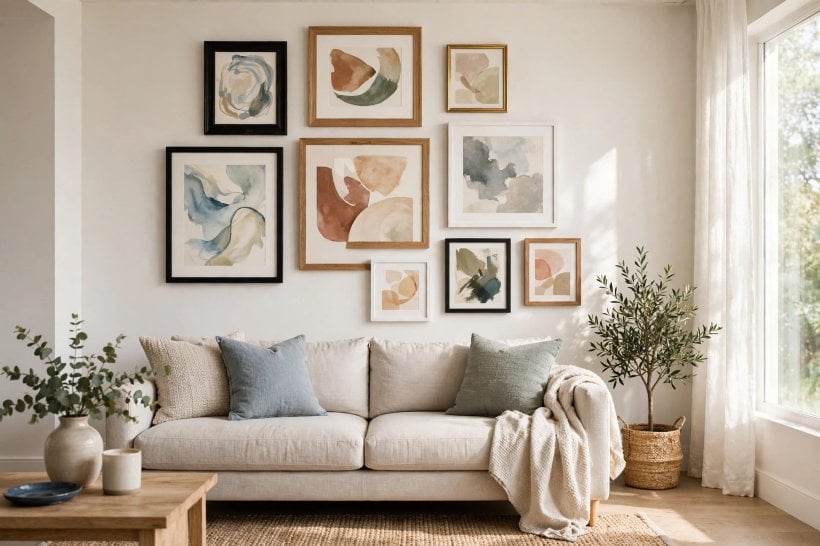
Small pieces match differently. Lamps, mirrors, cushions, throws, vases and wall art are the seasoning of a room, and they are often what you actually fell for in a photograph. Their shapes are simpler, so expect more cousins than twins, and expect colour and pattern to do most of the matching work, for better and for worse.
Lighting deserves a special note. A lamp in a photo carries two identities, its shape when switched off and its glow when lit, and matching tools only see the first. If the pool of warm light in your inspiration picture is what seduced you, look for shades, bulb shapes and placements that create a similar glow, and treat the matched base as a starting suggestion rather than a promise.
Textiles are the forgiving end of visual search. A cushion or throw that lands near your photo’s palette will usually blend happily with what you own, so this is a good category for experimenting cheaply. Order one piece, live with it against your sofa and curtains for a few days, and only then decide whether its siblings should follow it home.
7. Checking Size, Scale and Fit From a Photo Match
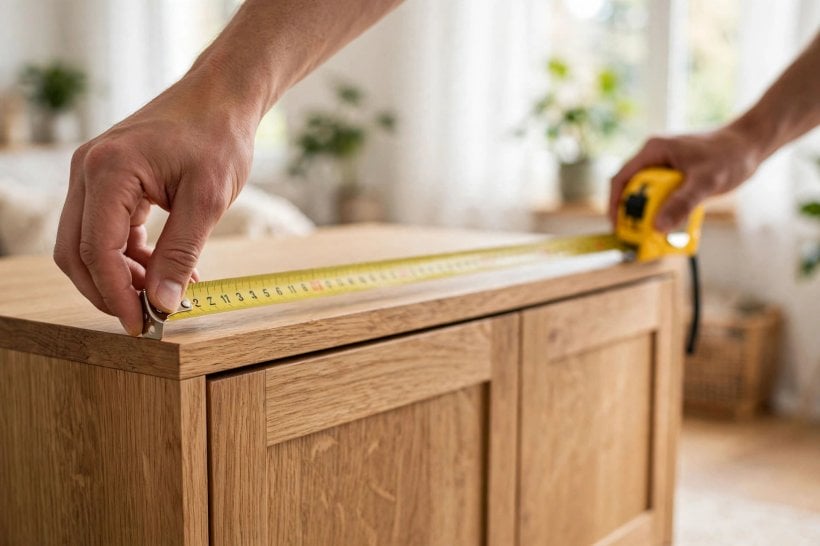
Every photograph lies about size. A bedside table photographed alone can look like a dining table, and a generous armchair shot in a vast showroom can shrink to doll’s-house proportions on your screen. Visual matching has no ruler, so the moment a result tempts you, the detective work changes tools: leave the picture, open the product details, and read the dimensions like they matter, because they do.
Compare three numbers against your room: the footprint, the height, and the clearance the piece needs to be used comfortably, such as a drawer that opens or a chair that pulls out. Mark the footprint on your floor with painter’s tape and live with the outline for a day. It is a humble trick, and it prevents more disappointing deliveries than any other step in this article.
Scale is also about relationships, not just centimetres. A matched lamp should converse with the table under it and the ceiling above it. The balanced arrangements in these home interior design ideas for tiny houses and small spaces are a good reference: in room after room, pieces look right because their proportions agree with their neighbours, whatever the catalogue said.
8. Colour, Material and Finish: Where Photos Can Mislead
Colour is the slipperiest part of any photograph. Screens shift it, sunlight warms it, evening lamps amber it, and the camera that took your inspiration picture made its own quiet decisions before you ever saw the image. A match that looks like the same sage green may arrive as grey-green or mint, so treat matched colour as a neighbourhood, not an address.
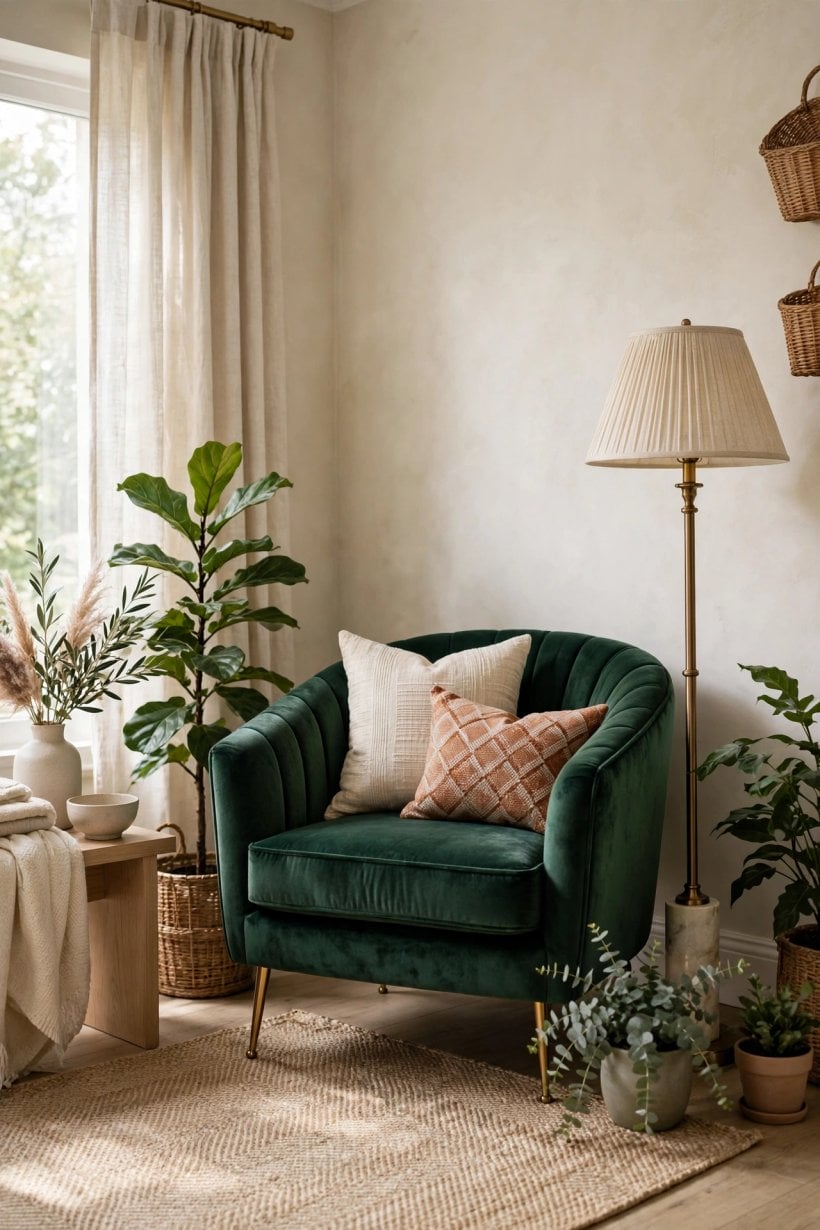
Materials hide in photographs too. Veneer can impersonate solid timber, coated metal can pose as brass, and a fabric’s weave, the very thing your hand will judge every day, is invisible until the piece is in the room. Read the materials section of any matched product carefully, and where samples are offered, order them; a small square of the real thing settles arguments a screen never will.
Finish sits between the two. A photo can suggest whether something is matte, brushed or polished, but reflections depend on the light in the original shot. If a finish matters to the look you are building, compare the matched piece’s own photographs in different settings, and be a little suspicious of any product shown only in one heavily styled scene.
9. From Match to Shortlist: Comparing Your Options Like a Buyer
A page of matches is not a decision; it is the raw material for one. Save your favourite matches into a shortlist of three to five, then compare them on the things photographs cannot show: price in full including delivery, materials and construction, dimensions, care requirements, and how returns work if the piece disappoints. The twin that fails on delivery terms loses to the cousin that arrives easily and can go back without a drama.
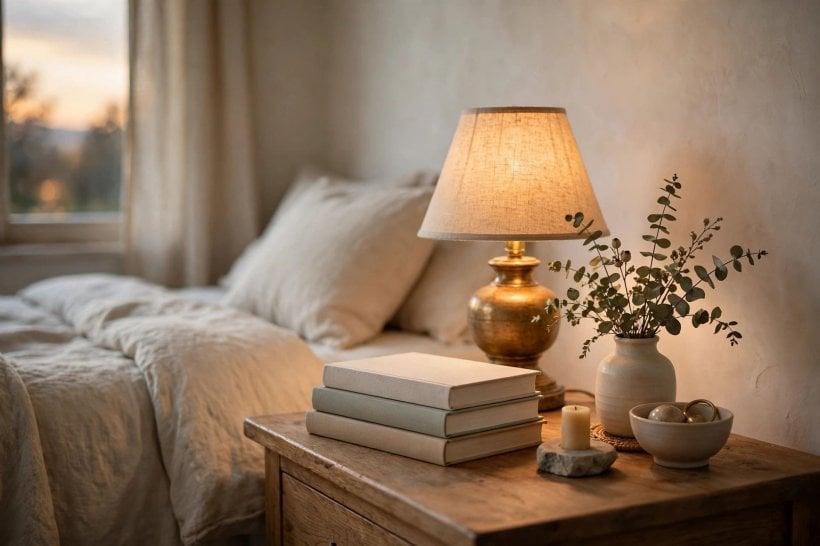
Put the shortlist back next to your original photo and your room. Which candidate keeps the mood of the picture while respecting the room’s actual light, colours and proportions? Which one will still please you when the trend that produced the inspiration photo has moved on? Those two questions filter a glossy page of possibilities down to a piece you will enjoy for years.
Colour confidence helps here as well. If your shortlist spans several shades, set them against schemes you know work; these colorful tiny house interior ideas show how bold pieces hold their own inside a deliberate palette, which is exactly the test a matched statement piece has to pass before it earns its place.
10. Privacy, Price Sense and Buying With Confidence
A final word on the photographs themselves. Photos you upload may show more than the chair you are chasing: family pictures on a shelf, documents on a desk, the view from your window. Cropping tightly to the item is good for matching and good for privacy at the same time, and it is worth a moment’s attention before any personal picture leaves your phone.
Keep your price sense switched on, too. A matched look-alike can cost far less than the designer original in your photo, or surprisingly close to it, and neither fact alone tells you about quality. Judge each candidate on its own materials and making, and be wary of any listing that borrows the original’s photographs or promises the identical piece at an implausible fraction of the price.
Above all, buy in the order of certainty: the piece you have measured, sampled and compared calmly is ready; the piece you fell for at midnight is a candidate for the shortlist, not the basket. The patient, test-first mindset in our tiny house interior designer guide applies just as well here, because visual search finds options quickly, but good buying still happens at human speed.
Final Considerations
Photo matching will not furnish a home by itself, and it was never meant to. What a houzz shop approach really offers is a better beginning: a search that starts from something you have seen and loved, instead of from words you hope a catalogue understands. The measuring, sampling and comparing still belong to you, and they are what turn a look-alike into the right piece.
So keep your inspiration photos, crop them kindly, shortlist bravely and measure honestly. Do that, and visual search becomes what it should be, a cheerful assistant with excellent eyes and no opinions, leaving every decision that matters exactly where it belongs: with the person who will live with the result.


0 Comments