

Two tins of paint sit side by side on the shelf, the colours look identical, and yet one small word on each label quietly changes how your finished room will feel. Flat and low-sheen finishes are close cousins, but they behave differently on plaster, in sunlight and under a cleaning cloth.
Here is the calm, clear way to choose between them, room by room, without guesswork or jargon.
1. The Quick Answers: Both Finishes at a Glance
The matte vs flat decision really comes down to sheen, which is simply how much light a dried paint film bounces back at you. Flat paint reflects almost none, so it reads as soft, chalky and calm. A matte finish reflects a tiny amount more, which gives the surface a faint, velvety glow and a slightly tougher skin. Everything else in this guide, from cleaning to colour depth, flows from that one small difference in reflected light.
| Question | Short Answer |
|---|---|
| What is flat paint? | The lowest-sheen wall finish. It absorbs light, looks powdery and calm, and hides surface flaws better than any other finish. |
| What is a matte finish? | A low-sheen finish one small step above flat. It keeps the same soft look but adds a little more durability and wipeability. |
| Which hides wall imperfections better? | Flat, in most cases, because it does not throw shadows across bumps, dents and patched areas the way glossier finishes do. |
| Which is easier to keep clean? | The matte option, generally. Its slightly sealed surface releases everyday marks more readily when wiped gently with a damp cloth. |
| Which suits busy family rooms? | Matte, because hallways, play spaces and living areas collect scuffs, fingerprints and the odd splash that flat paint struggles to forgive. |
| Which suits ceilings? | Flat is the classic ceiling choice. It kills glare from windows and light fittings and hides the joins and ripples common overhead. |
| Do the two finishes cost very different amounts? | Usually not. Prices overlap a great deal between ranges, so choose on performance and feel rather than on a small price gap. |
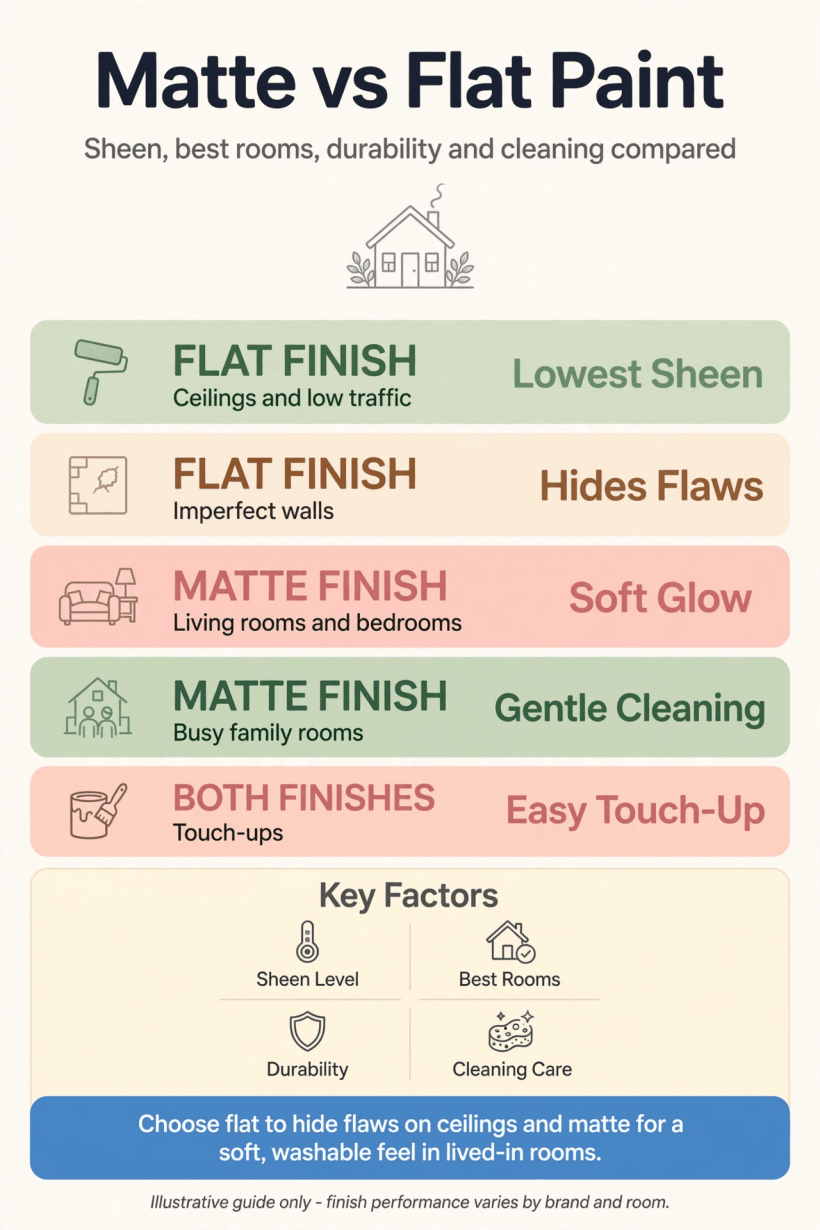
A side-by-side look at sheen, durability and the rooms each finish suits best.
Notice that neither finish is simply better. They trade strengths: flat wins on disguise and softness, while its low-sheen cousin wins on resilience and easy care. Most homes end up using both, placing each where its strengths matter most, and that mixed approach is usually the wisest plan of all.
Colour plays its part too, because the same pigment can look deeper and richer under one finish than the other. If you are still settling on a palette, our guide to tiny house interior paint colors shows how shades behave in compact rooms, where every wall is close enough to study. With colours shortlisted, the sections below walk through sheen, wear, light and testing so the final choice feels easy.
2. Sheen Levels Explained in Plain Language
Paint sheen is usually described on a ladder that runs from flat at the bottom, through matte, eggshell and satin, up to semi-gloss and gloss at the top. Each step up reflects more light, feels a little harder to the touch and shows a little more of whatever lies beneath, whether that is lovely smooth plaster or a lumpy repair you would rather forget.
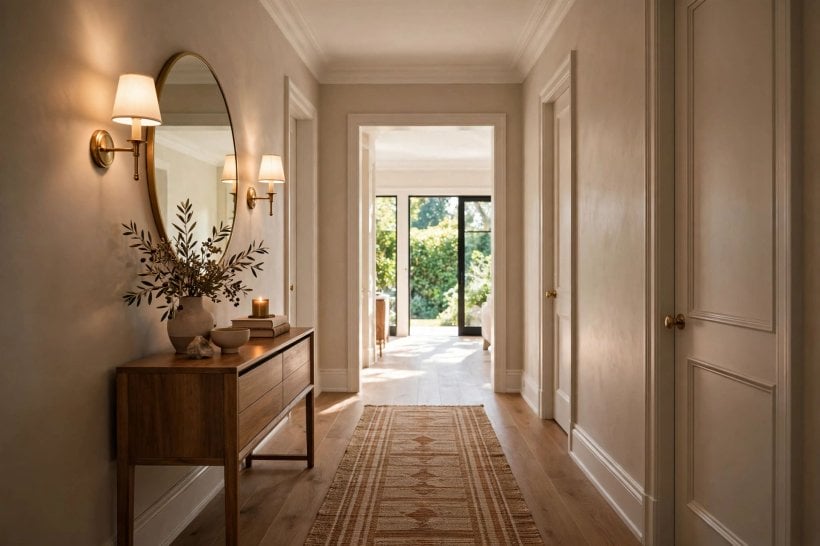
The gap between the bottom two rungs is the smallest on the whole ladder, which is why these two finishes cause so much confusion. In some ranges the names are even used loosely, and one brand’s matte can look very much like another brand’s flat. That is why comparing physical swatches, rather than labels, matters so much, a theme this guide returns to when it talks about testing.
Sheen also changes how big a room feels. Soft, light-absorbing walls tend to recede quietly, which suits the calm backgrounds most of us want behind furniture and art. The effect is especially welcome in compact homes, where walls are always in your eyeline; browsing home interior design ideas for tiny houses and small spaces shows how often designers lean on these gentle finishes to keep small rooms feeling restful rather than stark.
3. Where Flat Paint Works Best
Flat paint earns its keep wherever walls are imperfect or light is harsh. Older plaster with gentle undulations, ceilings crossed by joins, and bedrooms in period houses all benefit from a finish that refuses to spotlight every ridge. Because it scatters light evenly in every direction, flat paint gives a room a settled, almost cocooning quality that suits spaces meant for rest.
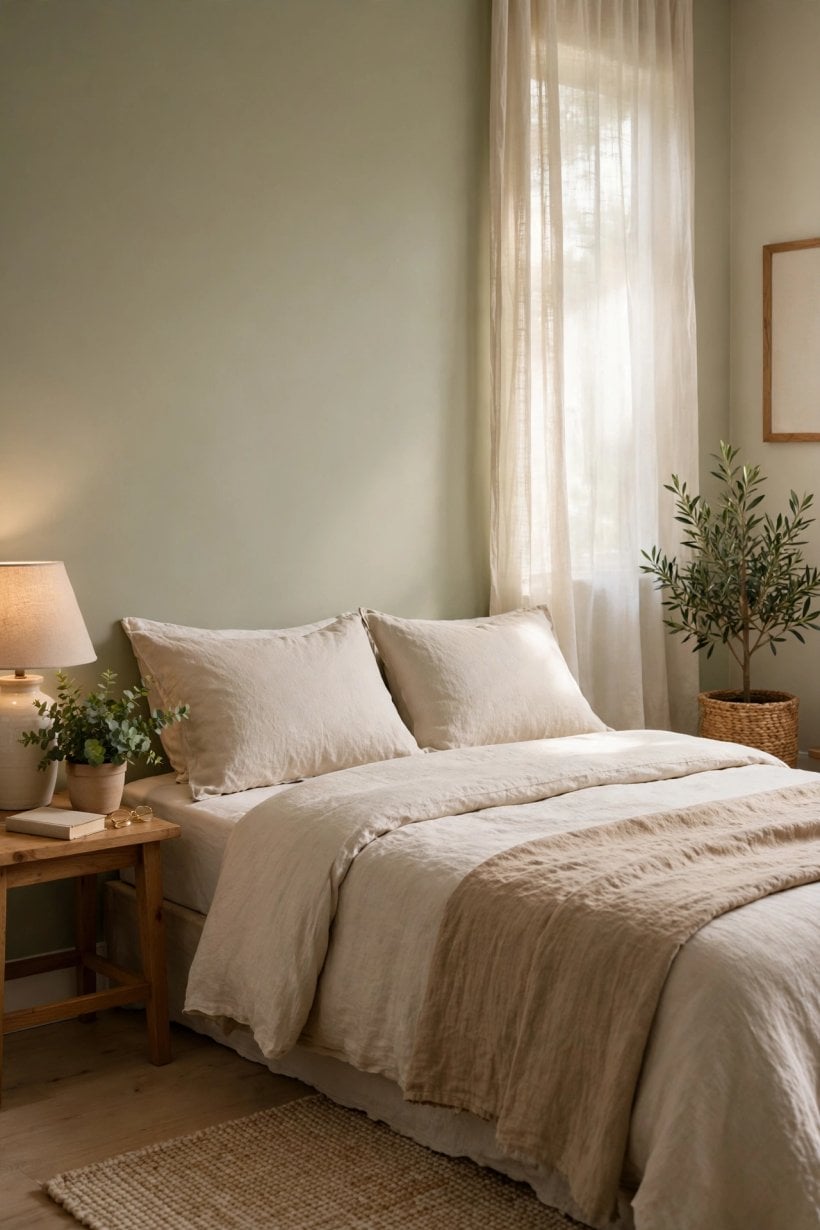
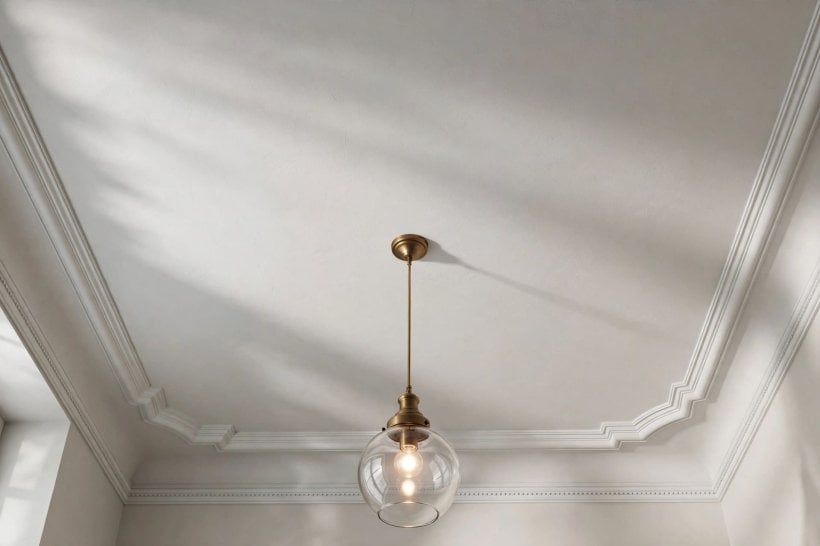
Ceilings are its most famous stronghold. Overhead surfaces catch raking light from windows and are rarely perfectly flat in the literal sense, whatever their finish is called. A zero-sheen coating hides the taping lines, slight sags and patched cracks that a shinier product would announce to everyone who walks in, and it keeps glare off the surface so downlights and pendants stay comfortable.
Low-traffic rooms are the other natural home for this finish: a main bedroom used mostly for sleep, a quiet study, or a guest room that sees visitors a few times a year. Where hands, bags and furniture rarely brush the walls, flat paint’s one weakness, its reluctance to be scrubbed, simply never gets tested, and its softness can be enjoyed without compromise.
4. Where a Low-Sheen Matte Finish Works Best
Step into the rooms where daily life actually happens and the balance tips. Living rooms, hallways, family kitchens and children’s bedrooms all collect the evidence of busy routines: handprints at switch height, scuffs from chair legs, splashes near sinks and the mysterious marks that appear wherever small people and pets spend their time. A matte finish shrugs off far more of this than flat paint can.
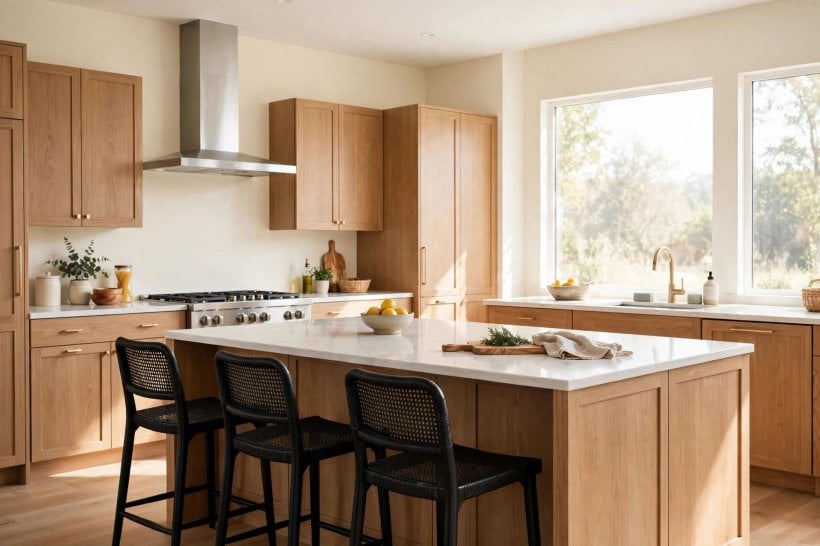
The secret is in the slightly more sealed surface. Everyday marks sit a little less deeply in it, so a gentle wipe with a soft, damp cloth lifts most of them away instead of spreading them into a shiny patch. Modern washable low-sheen ranges have improved this further, and while no wall paint enjoys hard scrubbing, the difference after a year of family life is easy to see.
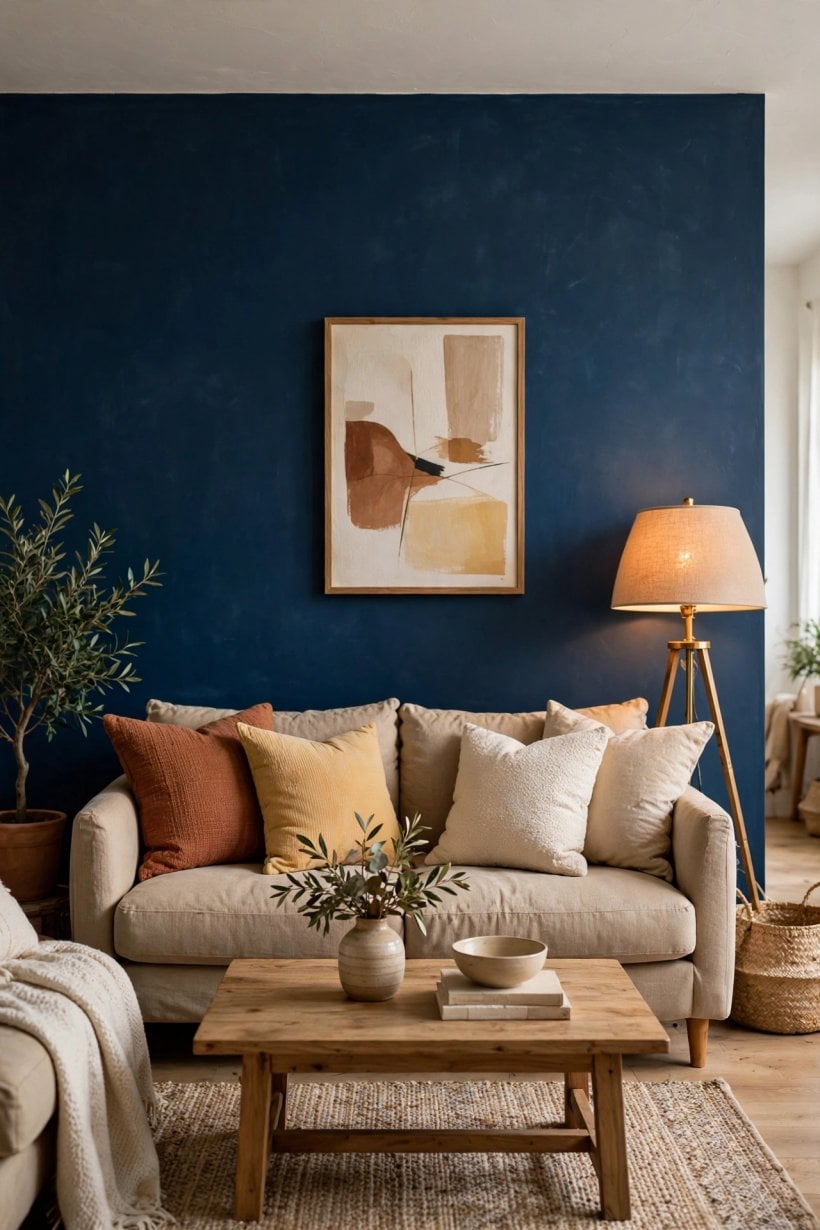
There is an aesthetic bonus too. That faint extra reflection gives colours a touch more depth and life, especially deeper shades such as inky blues, forest greens and warm charcoals, which can look dusty and flat in a completely sheen-free finish. Rooms that host guests, photographs and evening lamplight often feel quietly richer for that small lift, without ever looking glossy.
5. Durability, Washing and Everyday Wear
Durability is where the two finishes part company most clearly. Flat paint’s open, powdery surface is easy to mark and reluctant to release stains; rub a dirty patch firmly and you can polish the spot shinier than the wall around it, leaving a tell-tale island. Its low-sheen rival tolerates the same gentle cleaning far better and keeps a more even appearance across the whole wall.
That said, technique matters as much as product. Use a soft cloth, mild soapy water and patience, working from the outside of a mark inward, and rinse with clean water so soap residue does not attract fresh dust. Avoid abrasive pads on either finish, and treat steam and strong detergents with caution in small rooms where walls sit close to cooking and bathing.
High-energy households can stack the odds further with colour. Mid-tone shades disguise the faint shadows of old scuffs far better than bright white, and a cheerful scheme lifts a hardworking room. For inspiration that balances bold colour with practical finishes, look through these colorful tiny house interior ideas, where strong pigments do plenty of visual work while walls stay calm and easy to live with.
6. How Each Finish Handles Light and Colour
Light is the quiet third player in every paint decision. A north-facing room receives cool, bluish daylight that can make low-sheen walls look shadowy and deep, while a south-facing room floods its walls with warm brightness that flattens subtle differences between finishes. Electric light adds its own twist, since a bare bulb or spotlight skims across a wall and reveals every trowel mark a finish allows it to find.
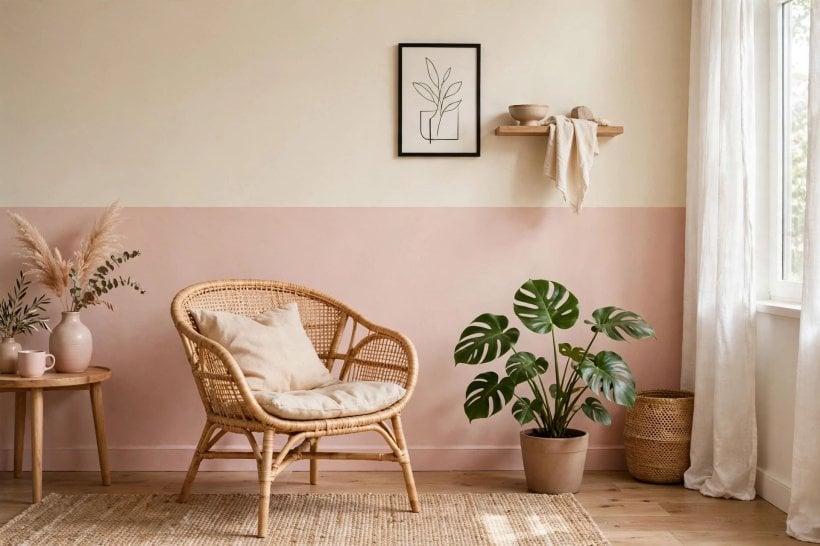
Flat paint is the great leveller here. By absorbing light rather than reflecting it, it evens out patchy daylight and gives colours a true, powdery reading that barely shifts from morning to evening. Choose it when you want a shade to sit still and behave, particularly pale neutrals and chalky pastels that can look washed out when a surface bounces too much light around.
The low-sheen alternative lets colours breathe a little. Deep shades gain a soft inner glow under lamplight, and whites feel marginally crisper. The classic pairing of blue and white shows the effect beautifully; these blue and white interior design ideas for tiny houses demonstrate how gentle sheen keeps crisp contrasts lively without tipping a small room into glare. Whichever direction appeals, view your chosen shade at several times of day before committing.
7. Hiding Bumps, Dents and Imperfect Plaster
Few walls are flawless, and finishes differ enormously in how honestly they report the fact. Gloss acts like a spotlight for every dent, while flat paint is the diplomat of the paint world, quietly declining to mention the filled crack, the old picture-hook holes and the wavy seam where two plasterboards meet. If your walls have lived a life, this disguise alone can justify the choice.
Preparation still counts. Fill, sand and spot-prime repairs before any finish goes on, because a patch of raw filler drinks paint differently and can flash through even a forgiving coating as a dull, thirsty island. A coat of suitable primer over repairs levels out that absorbency, and it is the single cheapest upgrade you can give either finish.
Small rooms deserve special care because their walls are inspected at close range all day long. A forgiving finish, good filler work and soft lighting together can make a compact sitting room feel freshly plastered; the layouts in these tiny house living room ideas pair exactly that kind of calm wall treatment with furniture arranged to keep attention on comfort rather than on the plaster behind it.
8. Touch-Ups, Repainting and Long-Term Care
Sooner or later every wall earns a scuff that cleaning cannot fix, and here flat paint takes its revenge. A dab of the original colour, feathered out with a small roller, disappears into a flat wall almost completely, because there is no sheen difference to betray the repair. It is the most forgiving finish in the entire paint aisle when it comes to invisible touch-ups.
Low-sheen walls can be touched up too, but the repair needs a little more craft. Paint fades and surfaces age, so a fresh dab can sit fractionally brighter or glossier than its surroundings; painting a whole section from corner to corner, or from a door frame to a window, hides the join where a spot repair might not. Keep the batch details from the original tin and the job becomes easier still.
Whichever finish you live with, a small care routine stretches its life: dust walls gently before washing, deal with marks while they are fresh, keep a labelled leftover pot for repairs, and note the colour, range and finish on the lid. Five minutes of record-keeping on painting day saves a frustrating colour-matching session years later when a radiator leak or a moved bookcase exposes an older shade.
9. Choosing Room by Room: A Practical Walk-Through
Start overhead. Ceilings almost always reward the lowest sheen you can buy, for all the glare and disguise reasons covered earlier. Move into bedrooms next: a main bedroom used for sleep alone can stay soft and flat, while a children’s bedroom, which doubles as a play space, homework station and occasional art studio, will thank you for the wipeable low-sheen option every single week.
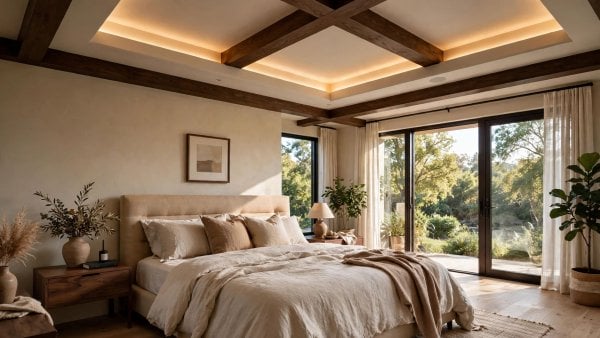
Living areas usually sit in the matte camp, especially open-plan spaces where kitchen splashes, sofa friction and hallway traffic all meet. Hallways themselves are the hardest-worked walls in most homes, carrying bags, bicycles and muddy dogs, so give them the tougher finish without hesitation. Bathrooms and kitchens add moisture to the mix, so check that your chosen range is labelled suitable for steamy rooms before it goes near a shower or hob.
Guest rooms, studies and formal dining corners are the places to indulge a flat finish’s softness, since they are seen often but touched rarely. The restful schemes in these tiny house bedroom ideas show how powdery walls support layered bedding and soft light. Work through your own home room by room in this way and the pattern usually decides itself: soft where life is gentle, sturdier where life is busy.
10. Testing Samples Before You Commit
Because brand labels vary, testing is not a luxury step; it is the step that makes every other decision in this guide reliable. Buy small sample pots of your shortlisted colour in both finishes, paint generous swatches on large boards or directly onto the wall, and live with them for at least a full day and evening, watching how each behaves in morning sun, grey afternoon light and warm lamplight.
Test durability while you are at it. Once a sample patch has dried fully, make a faint pencil mark and a light scuff on each finish, then try your normal gentle cleaning method. The patch that releases its marks without polishing into a shiny island is telling you something important about the next five years of housework, and it is far better learned on a sample board than across a whole room.
Finally, hold samples against your flooring, curtains and largest furniture, since finishes change how neighbouring materials look too: a softer wall can make a glossy floor feel glossier by contrast. The measured approach in our tiny house interior designer guide, sampling first and deciding second, is exactly how professionals avoid expensive repainting, and it costs little more than a couple of sample pots and a weekend of patience.
Final Considerations
In the end, matte vs flat is less a contest than a matching exercise. Choose the flat finish where walls need forgiveness, ceilings need calm and rooms live gently; choose its low-sheen cousin where hands, pets and daily routines demand a surface that can be wiped and worn without complaint. Many homes happily use both, sometimes within a single room.
Let samples have the final word, pick the finish that suits how each room is truly lived in, and the walls will repay you quietly for years, looking soft, clean and considered long after the tins are recycled and the brushes are washed.



0 Comments