
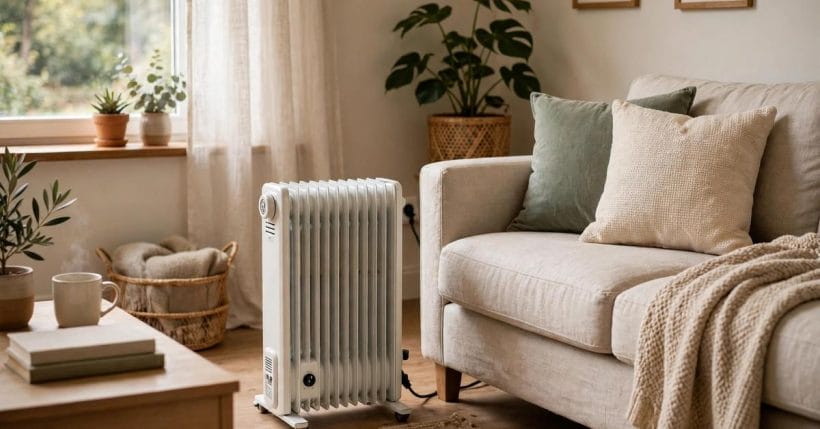
Walk into a shop looking for heating and you will find oil-filled heaters standing on feet, ready to roll from room to room. Look for the same heater fixed flat to a wall and the search goes quiet. The gap is curious, because walls seem like obvious places to put a heater, and the question behind it is a good one.
This guide explains why the wall-mounted oil-filled form is uncommon, what the portable form does well, and what to weigh when you are choosing heating for a room. It stays general throughout, and any fixed electrical or heating work it mentions belongs to a qualified professional.
1. What an Oil-Filled Heater Is, in Plain Terms
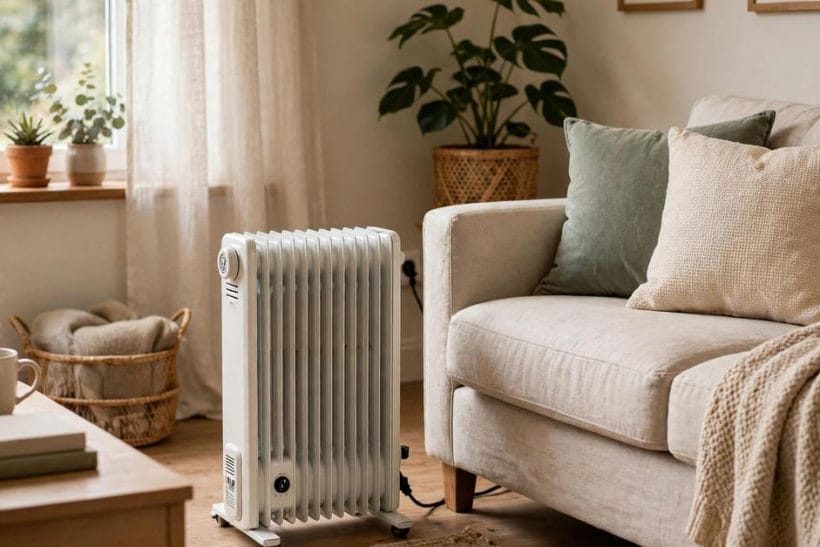
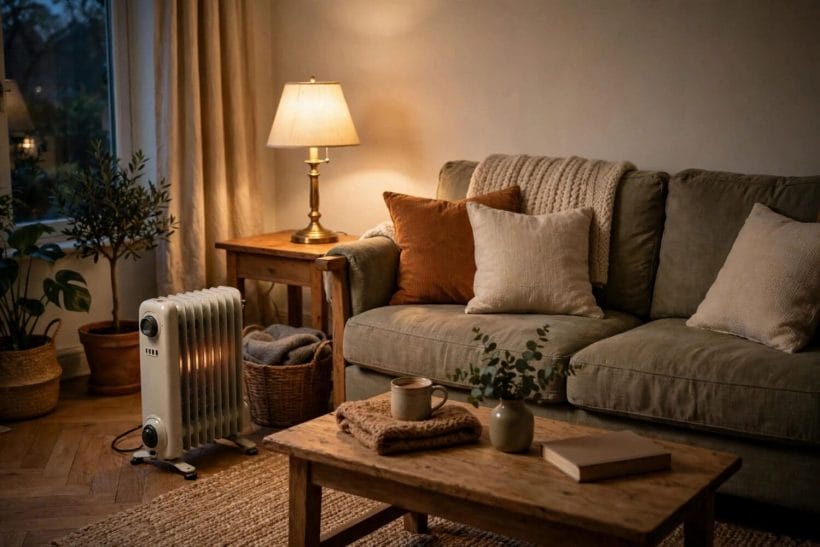
An oil-filled heater is an electric heater built around sealed columns filled with oil. Electricity warms the oil inside, the oil warms the metal surface, and the warm surface warms the air around it. The oil itself is sealed in and never needs topping up, and it keeps giving off warmth for a while after the heater switches off, which gives this form its gentle, lingering feel.
That lingering warmth is part of the appeal. Where a fan heater blasts warm air and then goes quiet, an oil-filled heater warms steadily and cools slowly, so a room feels evenly comfortable rather than alternately hot and cool. The trade is speed: the heater takes time to reach its full warmth, so it suits rooms that are used for long stretches rather than rooms that need a sudden burst of heat.
The keyword for this guide, oil filled wall mounted radiator, names a form that sounds straightforward but is rarely sold as a single product. The table below sets out the broad picture before the detail, so you can see at a glance why the wall-mounted version of this familiar heater is the exception rather than the rule.
| Heating form | What it is like in a room |
|---|---|
| Portable oil-filled heater | Stands on feet, moves between rooms, warms steadily |
| Wall-mounted panel heater | Fixed to the wall, slim, frees floor space |
| Wall-mounted oil-filled heater | Rare as a standard product, heavy for a wall fixing |
| Central heating radiator | Fixed, plumbed into a wider heating system |
2. Weight Is the First Reason Walls Lose Out
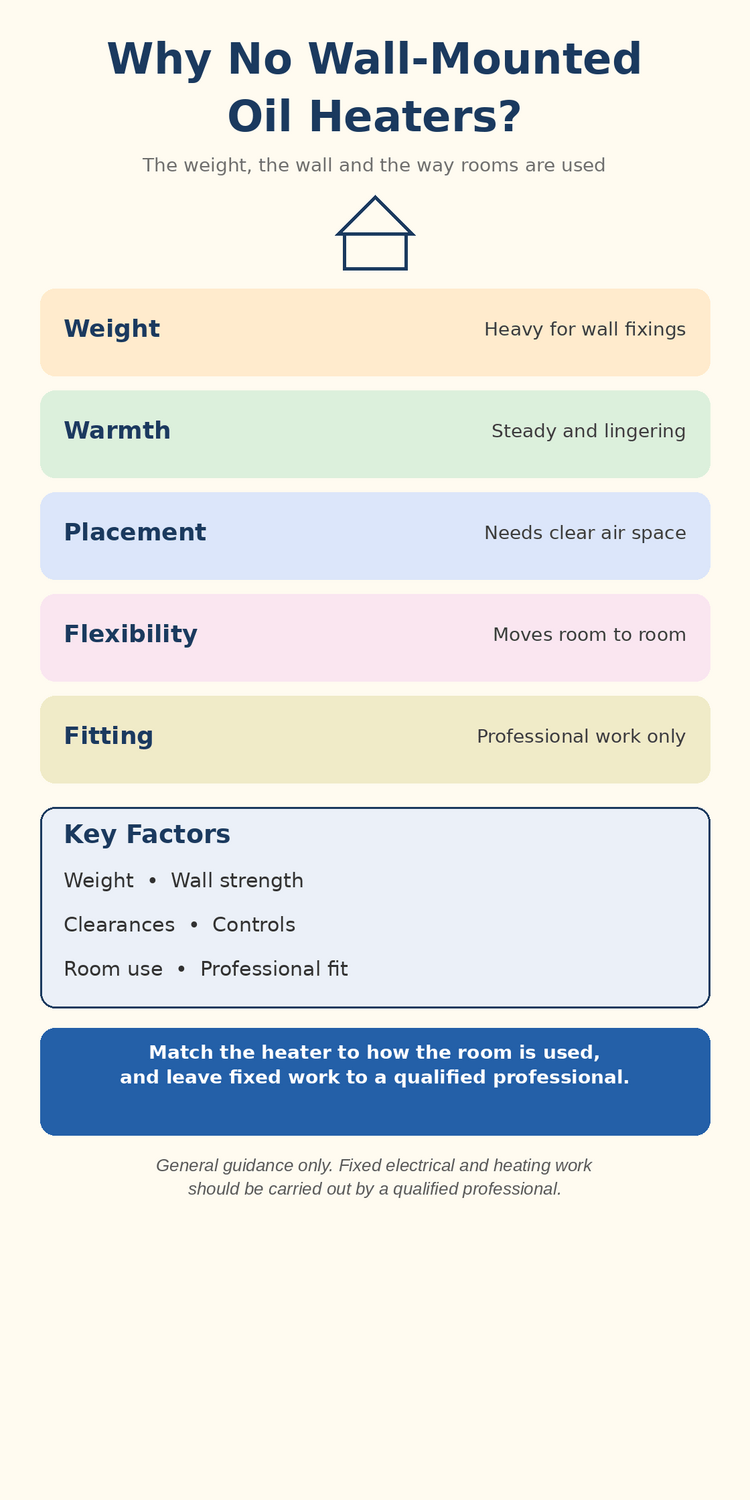
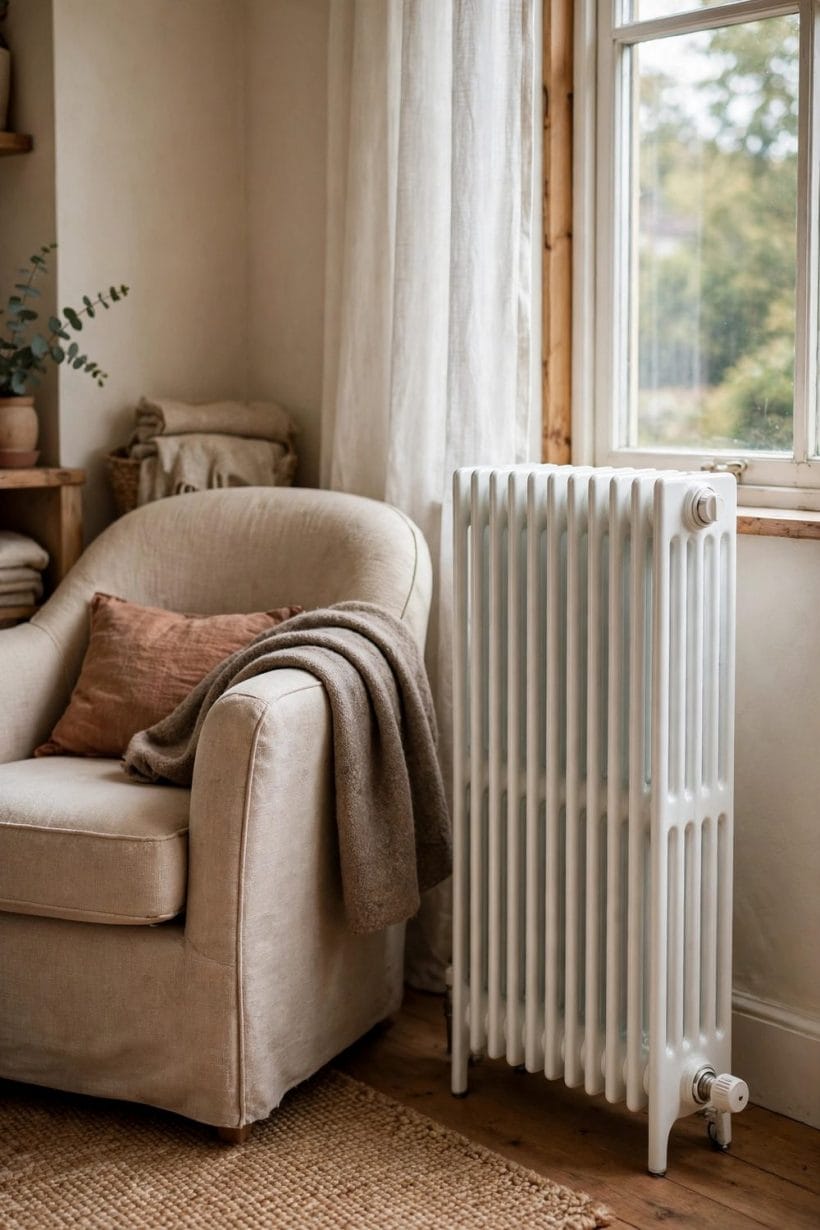
Oil is heavy, and a heater full of it is heavier than it looks. A portable oil-filled heater carries that weight low, on feet or castors, where the floor takes it without any thought. Hang the same heater on a wall and the full weight must be carried by fixings, brackets and the wall itself, for years, through repeated heating and cooling cycles.
That changes the engineering of the product. A wall-mounted heater needs strong brackets, a wall that can hold them, and a design that keeps a heavy, warm body safely clear of the surface behind it. Makers can solve all of that, and fixed radiators prove that heavy heating bodies can live on walls, but the solution adds cost, fitting work and responsibility that a portable heater simply avoids.
There is also the question of what the wall is made of. A solid masonry wall and a lightweight stud wall behave very differently under a heavy load, and a product sold for general use would have to be safe on both or carry careful fitting limits. Portable heaters sidestep the whole question by standing on the floor, which is why the market has settled where it has.
3. Warm Air Needs Room to Move
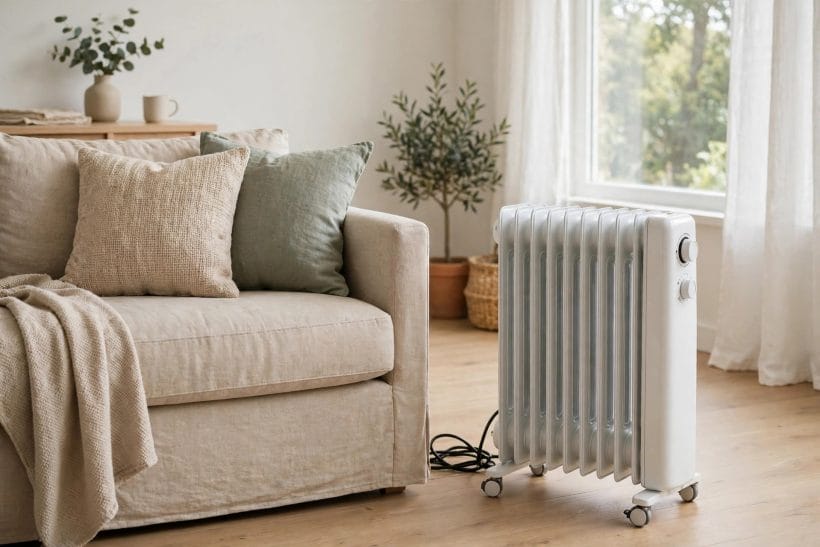
Heaters warm rooms by warming air, and warm air needs space to rise and circulate. A portable heater can be placed where air moves freely, away from curtains, furniture and corners, and moved again if a room layout changes. A wall-mounted heater gives up that freedom: once it is fixed, its position is decided, and the air around it must work with whatever furniture and wall shape surround it.
Wall space is also contested space. In a living room the walls already carry pictures, shelves, sockets and doors, and the best heating position may be exactly where a sofa, a bookcase or a doorway needs to be. A heater fixed to a wall competes with all of that, while a portable heater tucks into a gap and moves when the room is rearranged. For a sense of how rooms balance furniture and open wall space, see the small living room ideas survey, which shows how much work a few clear walls do in a compact room.
The height of a wall heater matters too. Heat rises, so a heater fixed high on a wall warms the upper air first, while a low heater warms the air people actually sit in. Fixed radiators solve this by sitting low, but a low, heavy, oil-filled body on a wall needs clearance above the floor, clearance from skirting and furniture, and a route for its cable that does not cross a walkway. Each requirement is manageable alone; together they narrow the rooms where the form makes sense.
4. Portability Turned Out to Be the Point
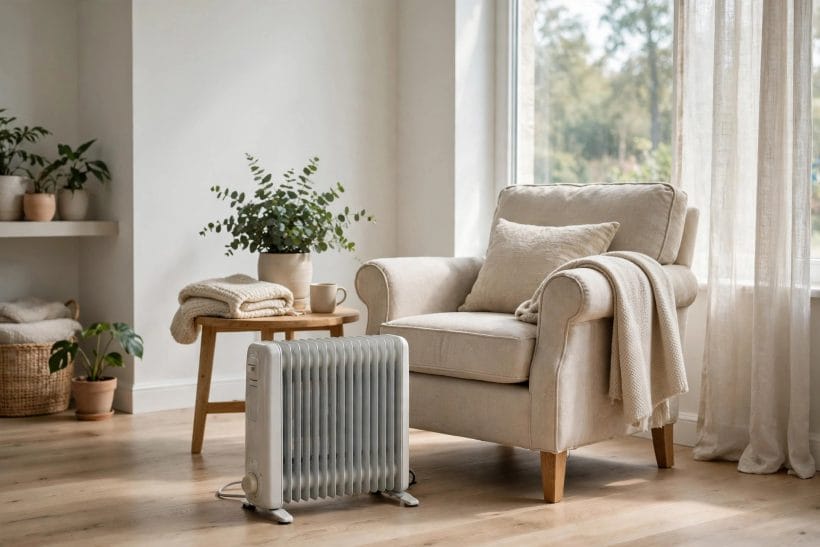
The portable form did not merely survive by accident; it matches how people actually heat homes. Most households do not heat every room equally. A bedroom needs warmth in the evening, a study needs it during the day, and a guest room may need it only occasionally. One heater that moves between those rooms serves all three, where a fixed heater in each room would mean buying, fitting and wiring several units.
Portability also matches changing lives. People move house, rearrange rooms, lend a heater to a family member, or take one to a draughty corner for a cold snap. A heater on feet follows all of that without tools or tradespeople. A wall-mounted heater, once fitted, stays put, and removing it leaves brackets, marks and a cable point to deal with.
That flexibility is especially valuable in rented homes, where tenants may not be allowed to fix heavy items to walls at all, and in small homes, where every fixing is a commitment. The portable heater asks nothing of the building: no drilling, no wiring changes, no landlord permission. For many buyers that freedom alone settles the choice, before any question of warmth or efficiency is reached.
5. What Wall-Mounted Heating Usually Looks Like Instead
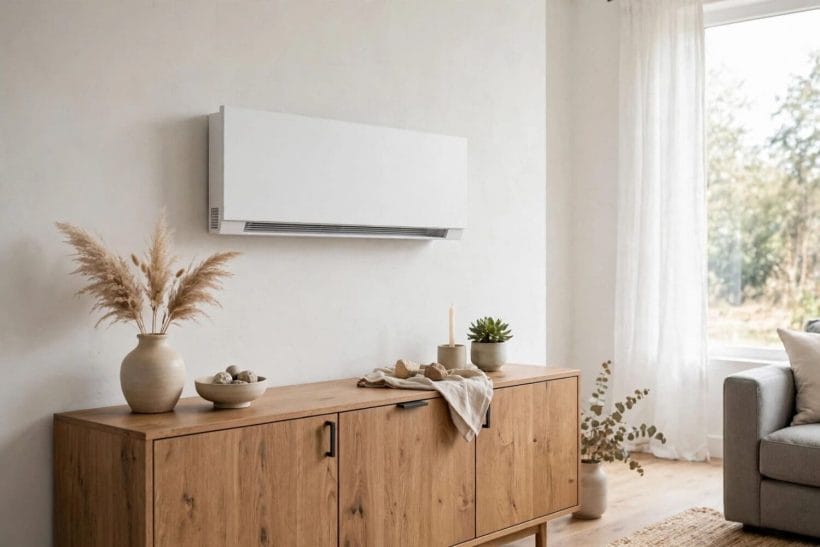
Wall-mounted heating does exist in plenty, just not usually in oil-filled form. The common wall-fixed electric heaters are slim panel heaters, built light so that wall fixings carry them easily, and designed to sit flat against a wall without deep columns. They free floor space, which is their main selling point, and they suit rooms where a heater will stay in one place for years.
Fixed radiators are the other familiar wall form, but they belong to a different system: they are plumbed into central heating, with pipes carrying hot water from a boiler or heat source elsewhere in the building. Their weight is carried by brackets chosen for that system, and their fitting is part of a whole-house installation rather than a single purchase. An oil-filled electric heater has no pipes and no wider system, so it cannot borrow that logic.
Seeing the two fixed forms side by side clarifies the gap. Slim electric panels are light enough to hang easily but do not carry the lingering warmth of oil. Plumbed radiators carry real weight on walls but need a full heating system behind them. The wall-mounted oil-filled heater would sit between those two established answers, heavier than one and less integrated than the other, which is why makers have largely left the middle ground alone. The tiny house living room ideas survey shows how fixed and portable heating choices play out in rooms where every wall and floor area is already spoken for.
6. Small Rooms Feel the Trade-Off Most
In a small room or a tiny house, the wall-versus-floor question sharpens. Floor space is precious, so a wall-mounted heater sounds ideal, yet wall space is precious too, and a fixed heater claims a stretch of it permanently. A portable heater, by contrast, can live in a corner, slide under a window, or be stored away entirely in warmer months, which is a real advantage when a room must serve several purposes.
Storage is part of the same calculation. A portable heater that is not needed in summer can go into a cupboard or a loft, freeing its corner for something else. A wall-mounted heater cannot be stored; it stays on the wall all year, in a room that may need that wall for a desk, a bed or shelving. For compact homes, that permanence is a cost worth weighing honestly. The tiny house interiors survey is a useful companion here, showing how flexible pieces earn their place in small rooms.
Building work adds a further layer in small homes. Walls in compact builds may be thinner, may carry services, or may be part of a structure that should not be drilled casually. Any fixed heater installation, and any electrical work around it, belongs to a qualified professional who can judge the wall, the circuit and the clearances together. That professional advice matters more, not less, when space is tight and every fixing is close to something else.
7. Safety Shapes the Form More Than Style Does
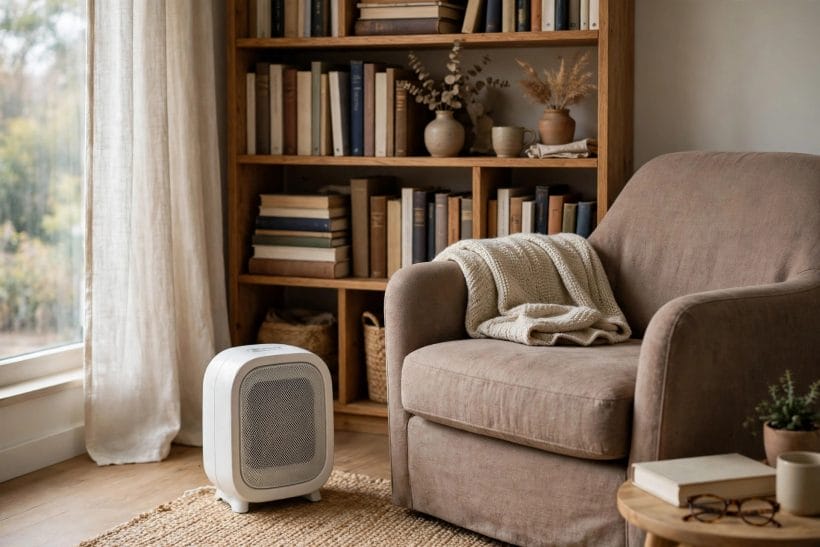
Heating products are shaped by safety rules as much as by looks. A heater must stay stable, keep its hot surfaces clear of curtains and bedding, keep its cable safe from damage, and shut itself down if it tips over or overheats. Portable oil-filled heaters meet those demands with a low centre of gravity, feet that keep them upright, and tip-over protection that switches them off if they fall.
Move the same heater to a wall and the safety picture changes. Tip-over protection becomes irrelevant, but new questions appear: can the brackets hold the weight for the life of the product, does the wall behind the heater stay cool enough, and is the cable routed so it cannot be snagged, pinched or walked on? None of these is unanswerable, but each one adds testing, instruction and liability that a floor-standing heater avoids.
Clearances deserve emphasis because they are easy to overlook. Every heater needs clear space around it, free of curtains, towels, bedding and furniture, so that warm air can move and nothing flammable rests against a hot surface. On a wall, those clearances become fixed zones that the room must respect permanently, which can be awkward in a bedroom or a narrow hallway. Storing a portable heater out of season has its own small rules too: keep it upright, keep its cable undamaged, and keep it somewhere dry. The tiny house storage ideas survey covers the kind of out-of-season storage thinking that applies here.
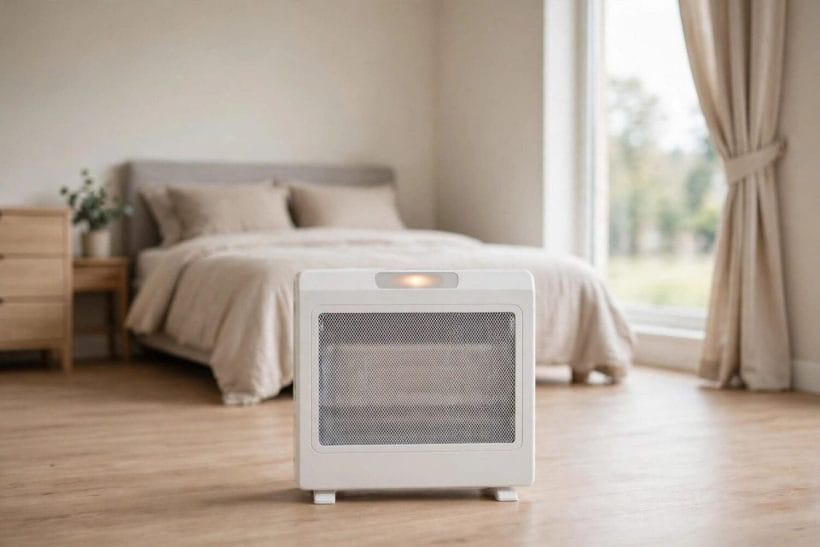
8. Controls and Room-by-Room Heating
Modern heating is as much about control as about warmth. Timers, thermostats and room-by-room settings let a household warm the rooms that are in use and leave the rest cooler, which is both comfortable and economical. A portable heater carries its own controls with it, so the room it moves into gains its timer and thermostat at the same time.
Fixed heating tends to be controlled differently, often from a central thermostat or a wall controller, with the heater itself offering fewer settings. That suits a whole-house system, where one control governs many radiators, but it is a heavier solution for a single room that only needs occasional warmth. The portable heater’s self-contained controls fit the occasional-room pattern neatly.
There is also the simple matter of noticing the heater. A portable heater in the room you are sitting in is easy to adjust, easy to switch off when you leave, and easy to notice if something looks wrong. A fixed heater in a hallway or a spare room is easier to forget, which is a small but genuine point in favour of keeping occasional heating visible and movable rather than fixed and forgotten.
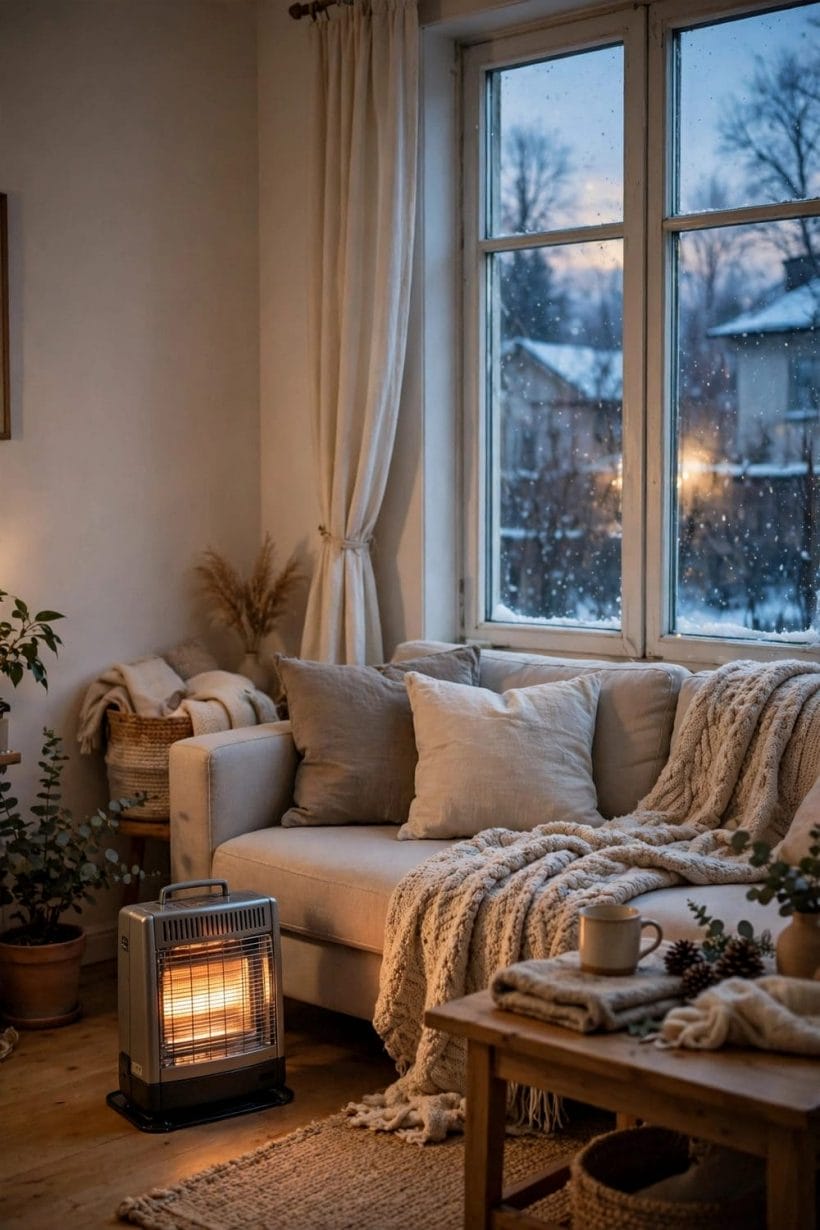
9. Choosing Between Portable and Fixed Heating
The choice, in practice, comes down to how a room is used. If one room needs steady warmth every day through the cold months, and its wall layout will not change, a fixed heater of some form is worth discussing with a heating professional, who can judge the wall, the circuit and the clearances properly. If warmth is needed in different rooms at different times, or the room layout changes, or the home is rented, a portable oil-filled heater is the simpler and more flexible answer.
Room size and wall availability should be weighed alongside that pattern of use. A large room with long, clear walls and a settled layout can host a fixed heater comfortably. A small room with walls already given over to doors, windows, beds and storage may have no good fixed position at all, and a portable heater that tucks into a gap will serve it better. The building a tiny house checklist is a reminder of how many small decisions about walls, circuits and layouts interact in a compact build, and heating is one of them.
Budget thinking should stay general too. A portable heater is a single purchase with no fitting cost, while any fixed heater adds fitting work and possibly electrical work by a professional, which changes the total picture even before running costs are considered. Comparing like with like, including fitting, is the honest way to judge the two forms, rather than comparing a portable heater’s purchase price with a fixed heater’s purchase price alone.
10. Questions Worth Asking a Heating Professional
If a fixed heater still appeals, a conversation with a qualified heating or electrical professional is the right next step, and a few questions will make that conversation useful. Ask whether the wall in question can carry a heavy heater safely, what clearances the heater would need around it, and whether the existing circuit can serve a fixed heater in that position. Ask too what fitting work would be involved and what would be left behind if the heater were ever removed.
It is also worth asking about the alternatives for that specific room. A professional may suggest a slim panel heater for a wall position, a portable oil-filled heater for flexible use, or a change to the room’s existing heating that solves the problem more neatly than any single new heater. The best answer depends on the room, the building and the household, which is exactly why it is a professional conversation rather than a purchase decision made from a product page alone.
Finally, ask about controls and placement together, not separately. A heater in the right place with the wrong controls, or with the right controls in the wrong place, will disappoint in both cases. The goal is a room that warms evenly, stays comfortable through the evening, and can be switched off or moved without fuss when the season changes. The tiny bathroom ideas survey shows a room type where placement and controls are especially tight, and where professional advice pays for itself.
Final Considerations
Wall-mounted oil heaters are rare not because the idea is flawed, but because the portable form answers the same need with fewer complications. Oil is heavy, walls are contested, rooms change, and households heat different rooms at different times. The floor-standing oil-filled heater fits all of that, while a wall-mounted version would need strong fixings, permanent clearances and professional fitting to do the same job.
That does not make fixed heating wrong. Slim wall panels and plumbed radiators both earn their place, and a professional can judge whether a fixed heater suits a particular room. But for most homes, the reason there is no wall-mounted oil heater on the shelf is simple: the heater on feet already does the job, and it does it in whichever room needs warmth tonight.


0 Comments