
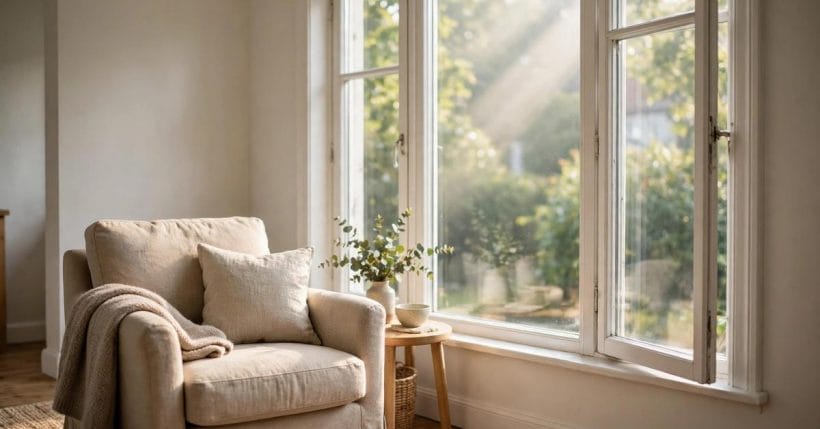
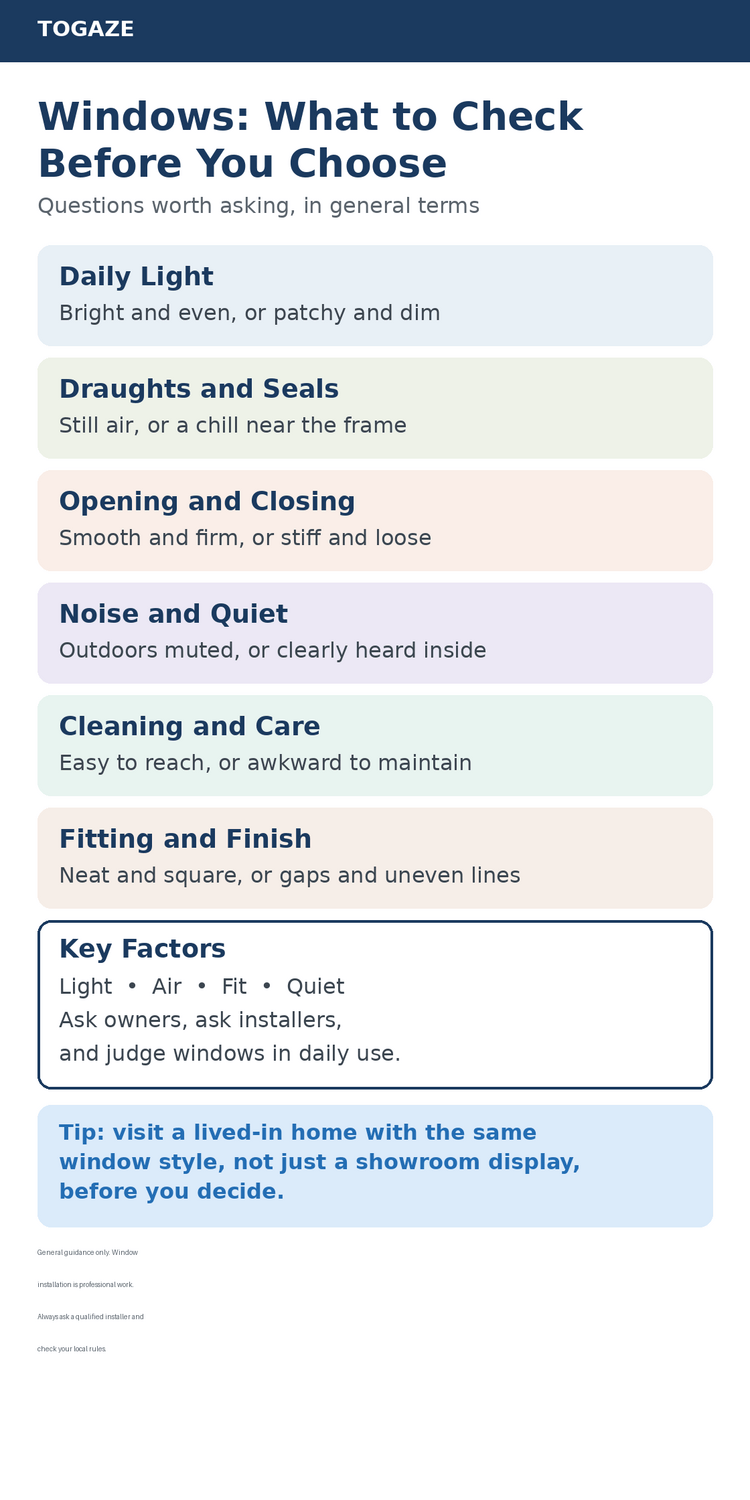
When someone asks whether other people have used a particular window, the honest answer is rarely a simple yes or no. Windows are lived with every day, through bright mornings, cold nights, driving rain and quiet evenings, and what matters most is rarely the name on the frame. What matters is how the room feels, how the window opens, how much light it lets in, and whether it was fitted well. This guide is about those checks. It will help you weigh what other owners say, ask better questions, and judge windows in general terms before you decide anything.
Think of the sections below as a set of questions to carry with you, rather than a verdict on any one product. A window that suits a sunny living room may be wrong for a shaded bedroom. A window that looks beautiful in a showroom may feel very different in a lived-in home. The checks that follow keep the focus on daily life: light, air, quiet, ease of use, and the quality of the fitting. Installation is professional work throughout, so anything that involves removing, replacing or altering a window belongs with a qualified installer, not with a weekend experiment.
1. Start With How the Room Feels, Not a Brochure Claim
A brochure can show a window at its best, in perfect light, in a room dressed for a photograph. Your home will not look like that photograph, and that is exactly why the first check should be about feeling rather than appearance. Stand in the room at different times of day and notice where the light falls, where shadows gather, and whether the room feels bright and settled or gloomy in the corners. A window earns its place by what it does to the room, not by how impressive it looks on a page. If you can, visit a home where similar windows are already in daily use, and notice the same things there, without rushing the visit.
It also helps to separate the window itself from everything around it. Fresh paint, new furniture and a tidy room can make any window look good, while a cluttered room can hide a fine one. Look past the styling and ask simpler questions instead. Does the glass feel clear and bright, or dull and grey? Does the frame sit neatly in the wall, or does it draw the eye for the wrong reasons? Does the room feel calm when the window is closed, or does outside noise press in? The companion guide to window buying checks covers frames, glazing, fit and installation in more detail, and it pairs well with the experience-based questions here.
2. Open, Close and Lock Every Window Yourself
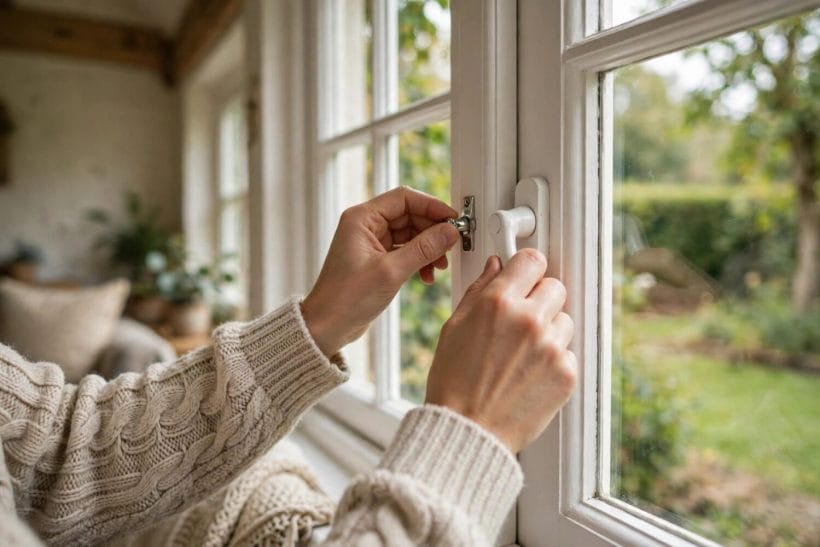
A window that is hard to open will not be opened, and a window that is hard to lock will not feel safe. That sounds obvious, yet many buyers never test a window properly before it is ordered, because showroom samples are oiled, adjusted and demonstrated by someone else. When you get the chance, work the window yourself. Open it fully, close it firmly, and lock it without forcing anything. Notice whether the handle turns smoothly, whether the sash moves evenly, and whether the window settles into its frame with a reassuring close rather than a rattle or a struggle.
Try the same window more than once, and try it the way you would at home, with one hand full or in a hurry, because daily life is rarely as careful as a showroom demonstration. Ask how the window is meant to be cleaned and whether the parts you touch most are easy to reach. If anything sticks, grinds or needs real strength, say so and ask what would be done about it, rather than assuming it will improve once the window is in your wall. A good installer will welcome the question, because a window that works smoothly on day one is far more likely to keep working well.
3. Check Light Through the Day, Not Just at Midday
Light changes everything about a room, and it changes hour by hour. A window that floods a living room with sunshine at midday can leave the same room dim in the morning or glaring in the late afternoon, depending on which way it faces and what stands outside it. Trees, neighbouring buildings, fences and roof overhangs all shape the light that actually reaches you, and none of them appear in a product photograph. If you can, look at the room in the morning, again in the afternoon, and once more towards evening, and notice how the mood of the room shifts.
Pay attention to glare as well as brightness, because a room that is dazzling in one chair and dark in another is hard to live in. Notice where you would sit to read, where a screen would catch reflections, and where plants or pictures would fade in strong sun. Small living room ideas show how much difference a well-placed window makes in a compact space, where every ray of daylight has to work harder. The aim is light that feels even and comfortable through the day, not a single dramatic moment that fades by teatime.
4. Notice Windows in Daily Use, Room by Room
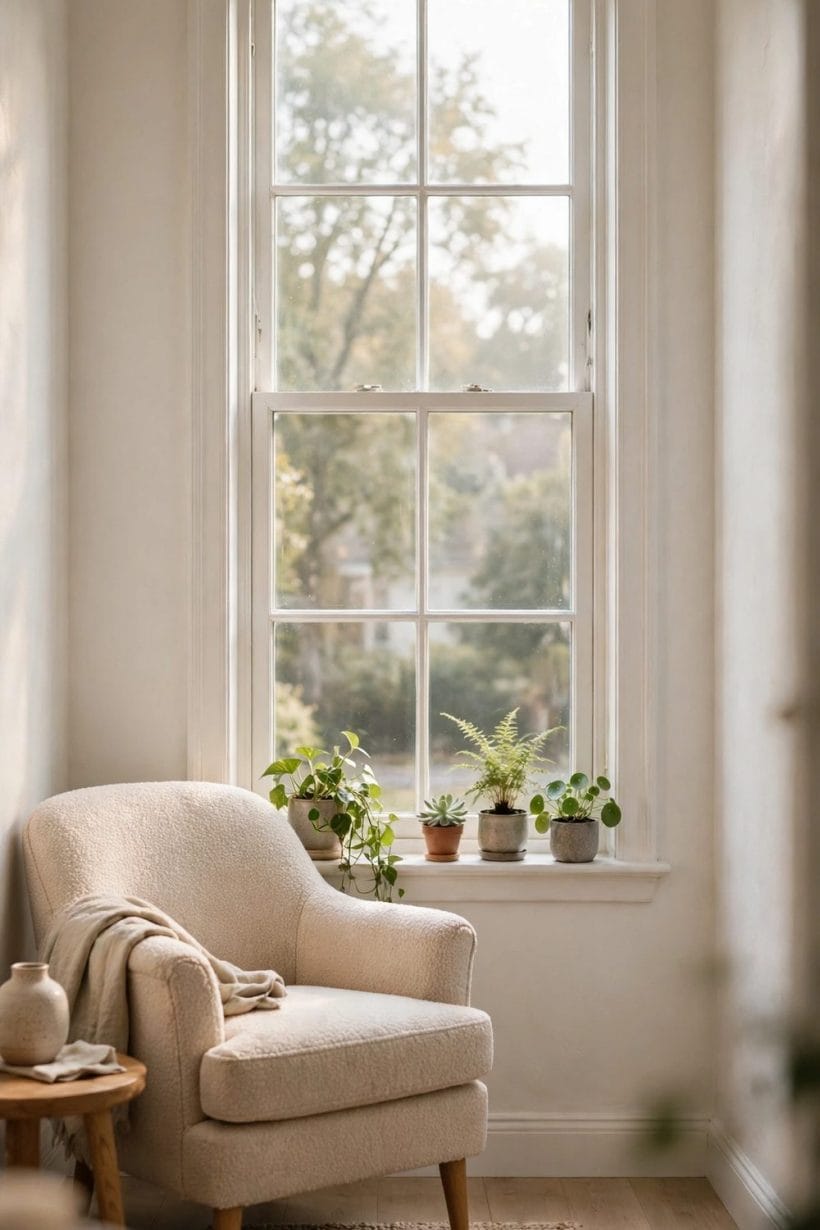
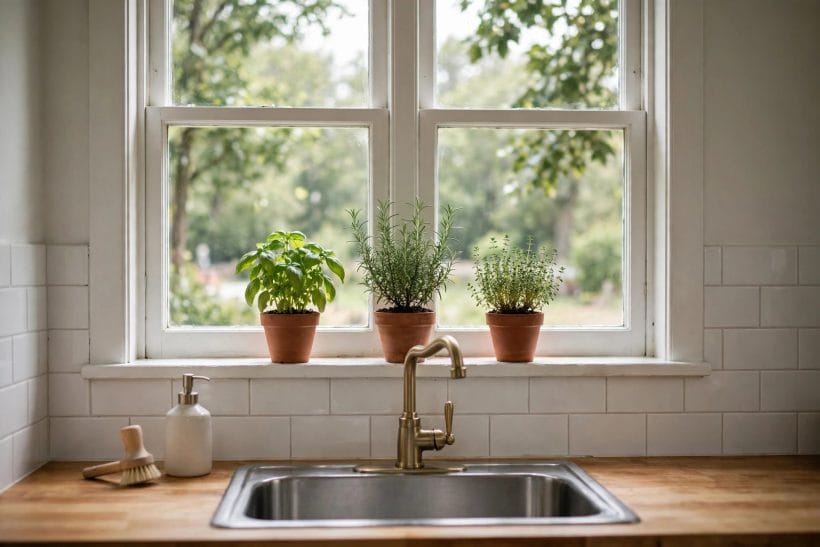
Every room asks something different of its windows, and a single standard rarely suits them all. A kitchen window sits above steam, splashes and cooking smells, so it needs to open easily for fresh air and wipe clean without a struggle. A bathroom window must balance daylight with privacy, and a hallway window may be there mainly to borrow light from elsewhere. Walking through a home room by room, and thinking about what each window actually does all day, gives a far truer picture than judging windows as a set.
Daily use also reveals the small frictions that brochures never mention. A window above a sink may be hard to reach when the tap is running. A window beside a bed may let in street noise at night. A window that faces a busy path may need a dressing for privacy that then blocks the very light it was chosen for. Notice draughts near the frame on a breezy day, listen for rattles when the wind rises, and ask how the room smells and feels after the window has been closed for a while. These ordinary observations, gathered calmly over time, tell you more than any single claim ever will.
5. Place Bedroom Windows With Sleep and Morning Light in Mind
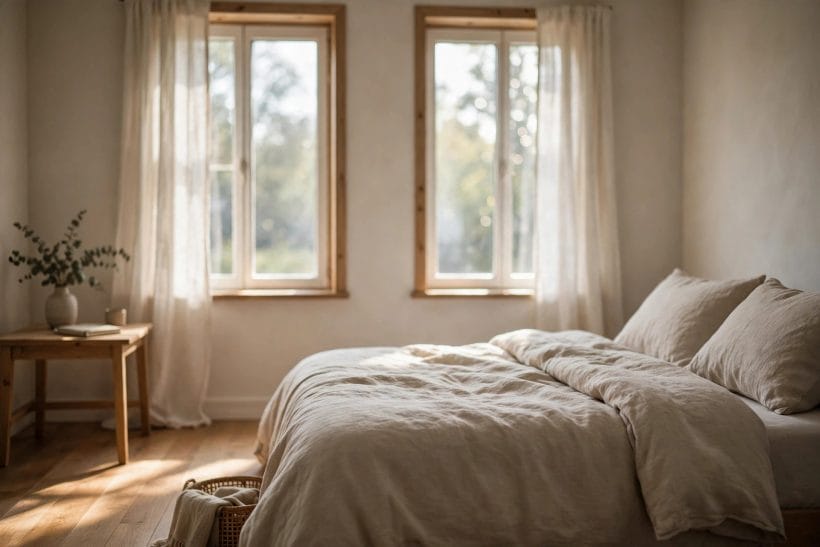
Bedroom windows carry a double duty that other rooms rarely demand. They must let in gentle morning light, yet allow real darkness for sleep, and they must admit fresh air without admitting the noise of the street. That balance is personal: some people wake happily with the dawn, while others need a room that stays dark and quiet long after sunrise. Before choosing, think honestly about your own sleep, and about who else uses the room, because a window that delights one sleeper can disturb another.
Placement matters as much as size. A window beside the bed gives a view to wake up to, but it can also bring draughts and early light exactly where they are least wanted. A window across the room may spread light more gently, while a high window can admit daylight while guarding privacy. Tiny bedroom ideas show how carefully placed windows can make a small sleeping space feel calm rather than cramped. Curtains, blinds and shutters all change the equation too, so judge the window together with its dressing, not apart from it, and leave fitting and any structural change to a qualified professional.
6. Ask the Installer About Fitting Before Anything Is Ordered
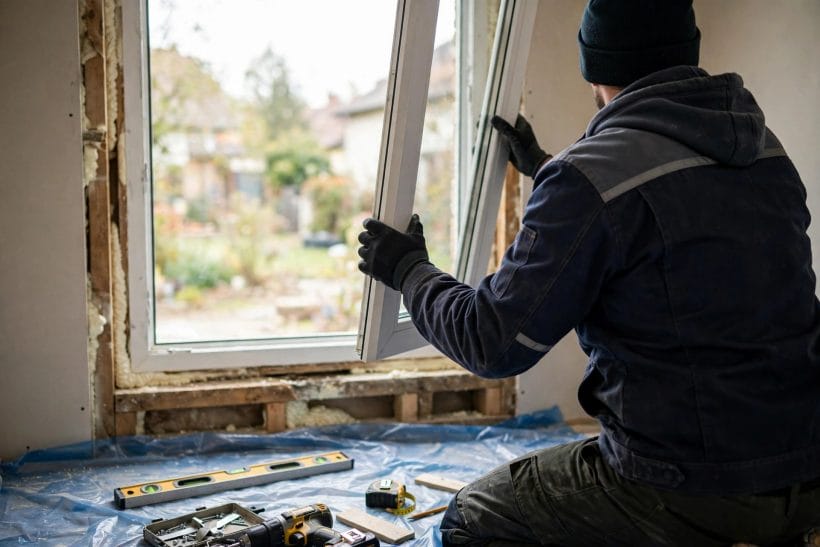
The finest window in the world will disappoint if it is fitted badly, and fitting is where many window stories quietly go wrong. Gaps, uneven lines, stiff operation and draughts often trace back to measuring or installation rather than to the window itself, which is why the installer deserves as much attention as the product. Ask who will measure the openings, who will carry out the fitting, and what happens if an opening turns out to be uneven or damaged once work begins. Clear answers at this stage prevent difficult conversations later.
Ask also about the finish around the window, both inside and out, and about how the wall will be protected while work is under way. A tidy installer will explain the sequence of work in plain language, without rushing you and without promising what cannot be known before the old window comes out. Be wary of pressure to decide on the spot, of vague answers about who is responsible for what, and of any suggestion that you could carry out structural or fitting work yourself. Window replacement involves the fabric of the building, and it belongs with qualified professionals from measuring to final adjustment.
7. Step Outside and Judge the Finish From the Garden and Street
Windows are seen from outside as much as from within, and the outside view reveals things the interior hides. Step back into the garden or onto the street and look at the window as a neighbour would. Does the frame sit square in the opening, with even lines all round? Does the finish look neat where frame meets wall, without gaps, rough edges or smeared sealant? Does the window suit the character of the house, or does it stand out for the wrong reasons? These are questions of craft, and they show up most honestly from a few paces away.
The outside also tells you about weather resistance in a way no interior inspection can. Look for staining or damp marks on the wall beneath the sill, for peeling finish, and for any place where water might sit rather than run clear. Tiny house exterior ideas show how windows shape the whole face of a small home, which makes a neat exterior finish doubly important. If anything looks uneven or unfinished, raise it before final payment rather than after, while the installer is still on site and the work is fresh in everyone’s mind.
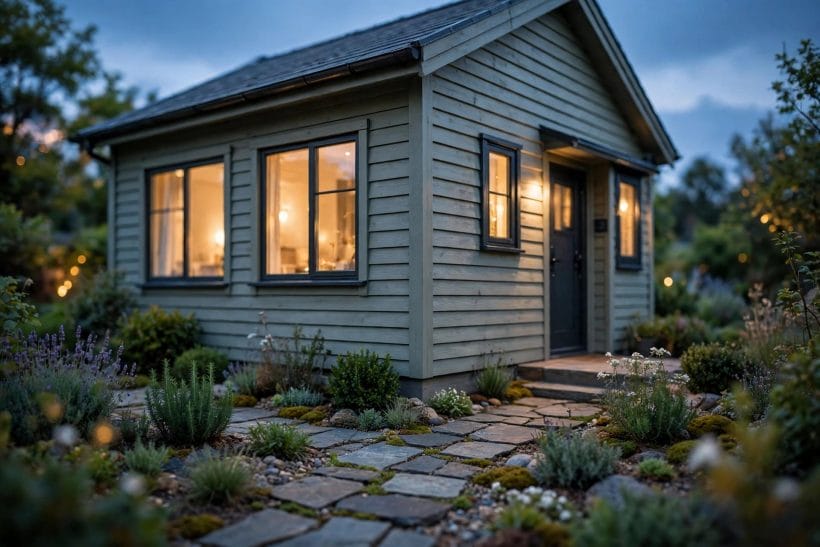
8. Dress Windows for Privacy Without Losing Daylight
A bare window gives the most light and the least privacy, while a heavy dressing gives privacy at the cost of daylight, and most homes need something in between. The right balance depends on the room, the view outside, and how close passers-by come to the glass. A street-facing bedroom needs a different answer from a garden-facing living room, and a bathroom needs more cover than either. Judge dressings in place, at the times of day when privacy matters most, rather than trusting a fabric sample held up in a shop.
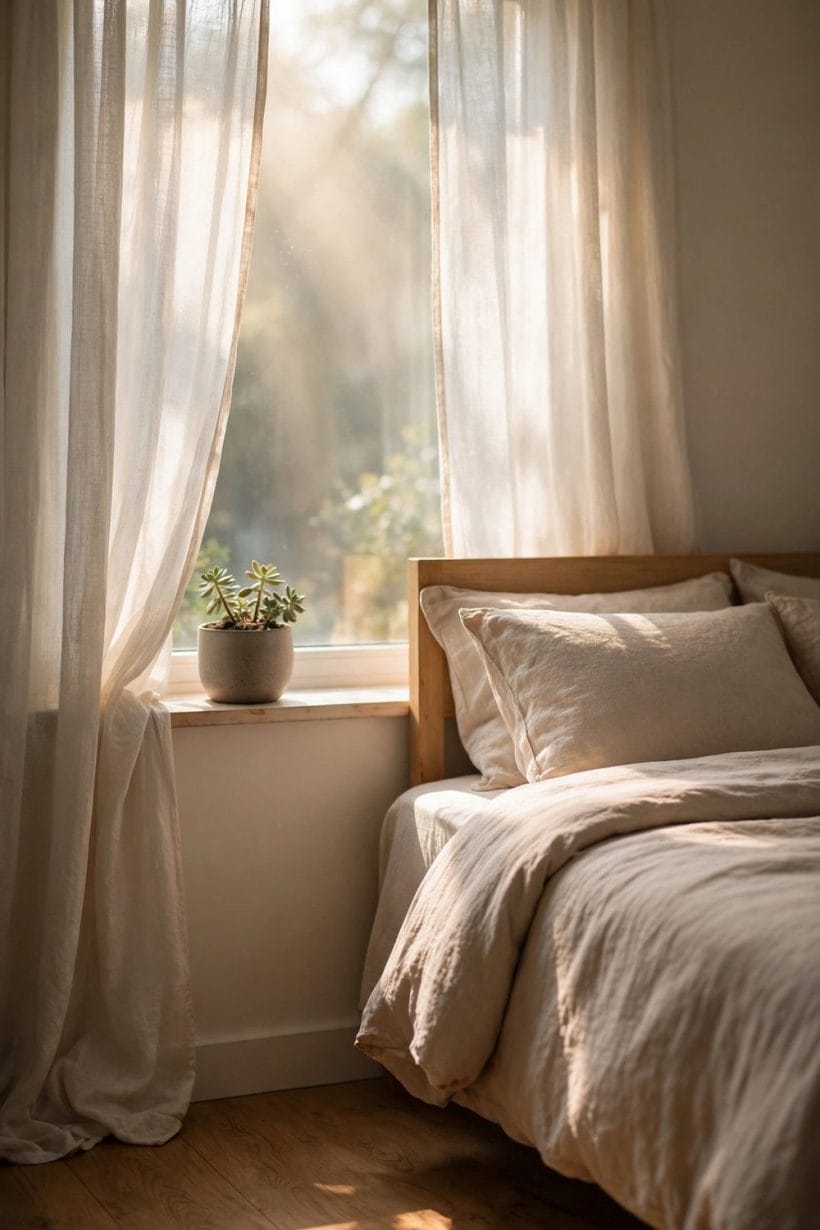
Light fabrics, layered dressings and simple blinds each change the room in their own way, and the best choice is usually the one you will actually use every day. A complicated dressing that stays half-open because it is awkward to move does nobody any good. Tiny house interiors show how sheer layers and simple treatments can keep small rooms bright while still feeling private. Notice, too, how a dressing affects cleaning and ventilation, because a window that is hard to open behind its dressing will be opened less, and a room that is rarely aired will soon feel stale.
9. Picture Living With the Windows for Years, Not Weeks
New windows always look their best on the day they are fitted, when paint is fresh and seals are new. The real test comes with seasons of use: summers of strong sun, winters of cold and damp, and years of daily opening and closing. Ask owners of older windows how theirs have aged, and listen for the quiet details rather than the headline praise. Do the handles still feel firm? Do the seals still sit neatly? Has the finish needed attention, and was that attention simple or troublesome? Honest answers to small questions like these build a far better picture than enthusiasm alone.
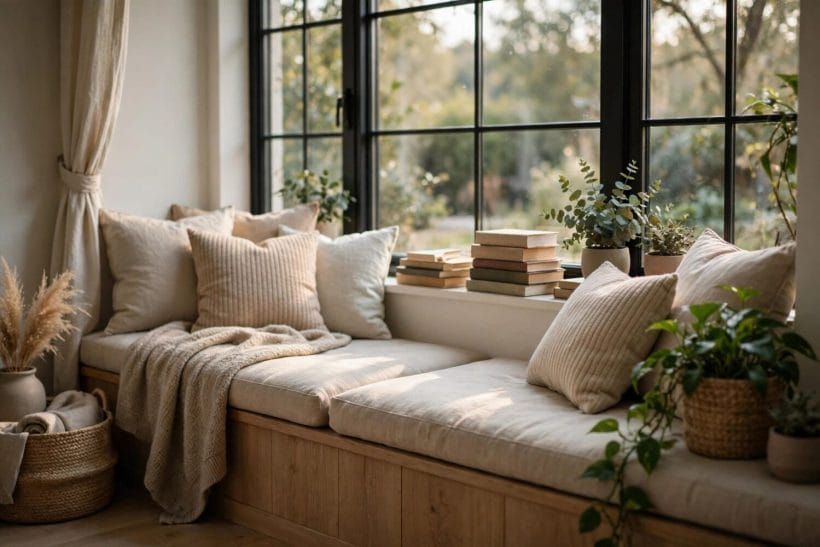
Think also about the life of the home around the windows. A reading corner beside the glass, a window seat with storage beneath, or a sill wide enough for plants all turn a window from a hole in the wall into a place people love. Tiny house storage ideas show how window seats and nearby storage can make the most of the space around the glass. If a window will be opened daily, cleaned often and leaned on for light for years to come, it deserves to be judged on that long horizon, not on its first impression.
10. Decide Slowly, and Know When to Walk Away
Good window decisions are rarely hurried, and the freedom to walk away is the strongest protection any buyer has. If a seller rushes you, refuses to answer plain questions, or dismisses your concerns about light, noise or fitting, that behaviour itself is information, and it is worth more than any polished presentation. A trustworthy supplier will welcome a second visit, a visit to a lived-in home, and time for you to compare notes with other owners. Take that time, even when the offer sounds generous, because windows stay with a home far longer than a sales visit does.
Before you agree to anything, read the paperwork slowly and keep your own records: what was measured, what was promised, who is responsible for fitting and for putting right any faults, and what the guarantees actually cover in plain language. If any part of the paperwork is unclear, ask for it to be explained in writing rather than accepting a spoken reassurance. Tiny house designs are a reminder that a home is a whole system, and windows are one part of it, not a decision to be taken apart from the rest. Walking away from a deal that feels wrong is not a failure; it is the check that protects every other check in this guide.
Final Considerations
So, has anyone used the windows you are considering? Other owners can tell you a great deal, but only if you ask the right questions and listen for daily life rather than for a verdict. Ask about light through the day, about draughts and noise in real weather, about how the windows open and lock, about cleaning, and about how the fitting was carried out. Weigh the answers together, and notice where they agree and where they differ, because a pattern across several homes is worth far more than a single glowing story or a single complaint.
In the end, the best window for your home is the one that suits your rooms, your routines and your climate, fitted neatly by a qualified professional and dressed in a way you will live with happily. Take your time, visit lived-in homes as well as showrooms, test every window yourself, and keep your records safe. A careful buyer who asks plain questions and refuses to be hurried will almost always end up with windows that feel right for years, and that is a far better outcome than any quick answer could ever promise.



0 Comments