
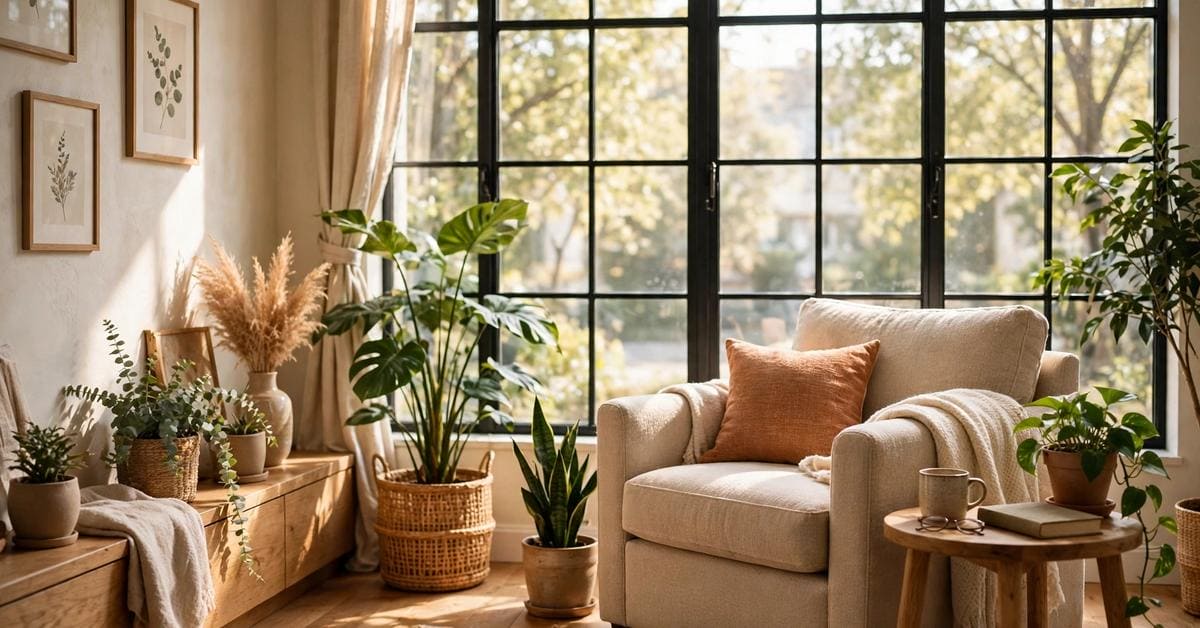
A window is bought once and lived with for years, through bright mornings, cold nights and driving rain.
This guide walks through the checks that matter before you sign anything: frame, glazing, fit and installation, in the order a careful buyer would make them.
1. Start with the Whole Window, Not Just the Glass
A window is a system, not a single pane. The frame, the glazing, the seals, the hardware and the fit into the wall all work together, and a weakness in any one of them shows up in daily life as a draught, a stiff handle, condensation or a room that never quite feels settled. Buyers who judge a window by its glass alone often miss the parts that decide whether it will feel good to live with. The frame carries the weight and sets the look of the room. The seals keep weather out. The hardware decides whether the window opens smoothly in summer and closes firmly in winter. Each part deserves its own check, and the checks belong together, because a strong frame with poor seals, or fine glazing in a badly measured opening, still leaves a disappointing window.
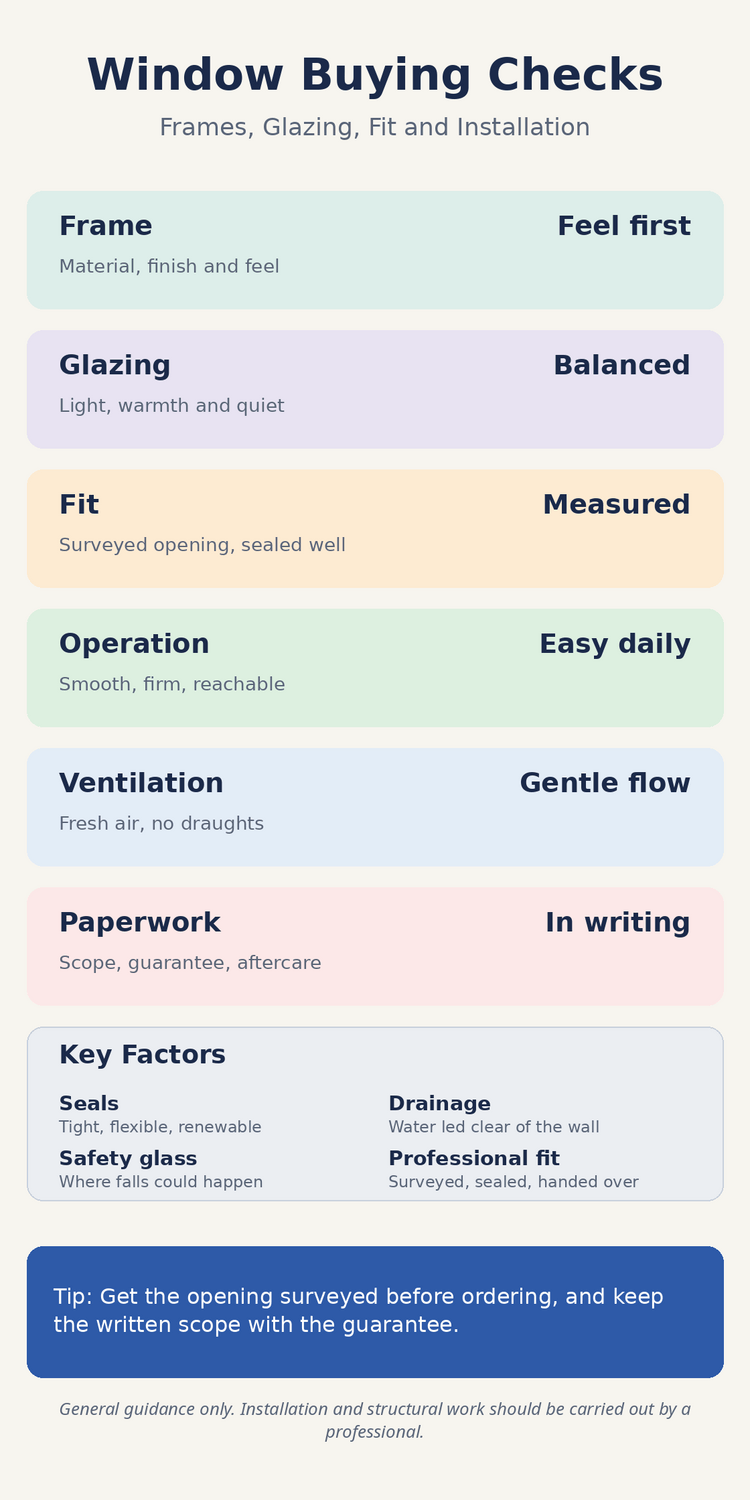
It helps to think of the purchase as a short sequence rather than a single decision. First comes the frame and its finish, then the glazing and what it does for light, warmth and quiet. Then comes fit, which is about the opening in your own wall rather than any showroom sample. After that, operation, ventilation, weather resistance and security each get a look, and only then do quotes and paperwork come into view. Taken in that order, nothing important gets skipped because a showroom display looked attractive or a single feature sounded impressive. The table below gives these window buying checks at a glance, and the sections that follow take each check in turn, with the questions worth asking before anything is ordered.
| Check | What to look for | Question to ask |
|---|---|---|
| Frame | Material, finish and feel that suit the room | How does this frame age and how is it cared for? |
| Glazing | Light, warmth and quiet in balance | What does this glazing do for heat and sound? |
| Fit | An opening measured and surveyed properly | Who surveys the opening before ordering? |
| Operation | Smooth opening, firm closing, reachable handles | Can every user in the home work this window easily? |
| Ventilation | Fresh air without draughts or damp corners | How is background air provided here? |
| Weather resistance | Seals and drainage that handle driving rain | How is water kept out and drained away? |
| Paperwork | Clear written scope, guarantees and aftercare | What exactly is covered, and for how long? |
The companion survey of frame materials and warranty wording is a useful second read alongside this guide, because it goes deeper into material character and guarantee terms than a buying sequence can. The window materials guide covers those two attributes in full, while this post stays with the buying checks themselves. Keep both open while you compare options, and let the materials guide answer the deeper material questions that arise as you narrow the field.
2. Frame First: Material, Finish and Feel
The frame is the part of the window you touch, clean and look at every day, so it deserves the first check. Different frame materials feel different in the hand and behave differently over time. Timber brings warmth and a painted or stained finish that can be refreshed, and it suits homes where joinery detail matters. Modern manufactured frames offer a smooth, low-maintenance surface and a consistent finish, and they suit homes where easy care matters more than visible grain. Composite frames try to combine qualities from more than one material, with a structured core and a weather-facing skin. None of these is right for every home, and the honest choice depends on the look of the house, the care the household is willing to give, and the exposure of the elevation the window sits in.
Finish matters as much as material. Look at the surface in daylight rather than under showroom lighting, and notice whether the colour sits evenly across the frame and whether joints and corners look clean and tight. Ask how the finish is maintained, what cleaning it tolerates, and what happens when it is scratched or marked. A finish that can be touched up easily suits a busy household better than one that shows every mark. Also consider the sightlines, the visible width of frame around the glass, because slim frames admit more daylight and a more open view, while chunkier frames give a bolder, more traditional presence. In a small room, slimmer sightlines can make a real difference to how bright the room feels.
Shape belongs in this check too. A plain rectangular window, a tall narrow window and a wide picture window each frame a view differently, and shaped openings such as bays ask more of a frame than a flat opening does. The broad survey of bay windows shows how a projecting shape changes both frame and glass, and it is worth reading before choosing frames for any shaped opening. Whatever the shape, check that the frame suits the wall it sits in: a heavy-looking frame can overwhelm a light wall, while a very slim frame can look lost in a thick masonry opening. The right frame looks as if it belongs to the house, not as if it arrived from somewhere else.
3. Glazing: Light, Heat and Quiet
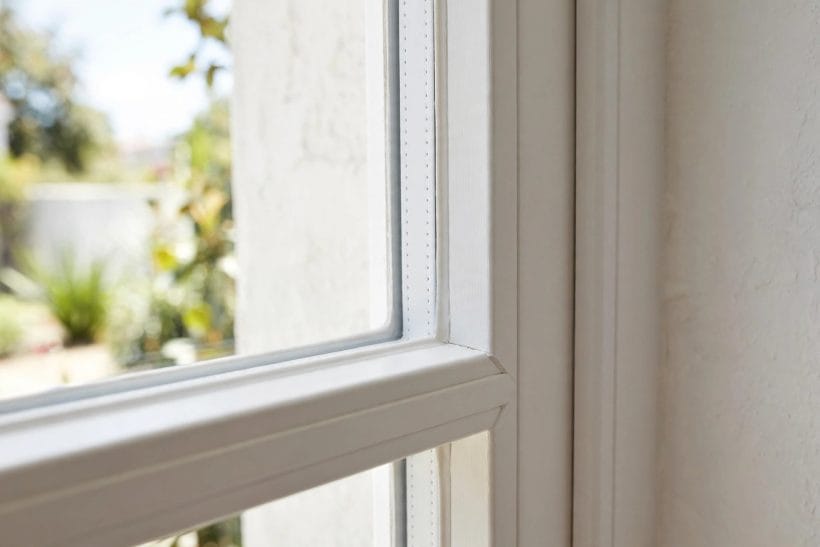
Glazing decides how a room feels at different times of day. Clear glass admits the most daylight and the truest view, while tinted or obscured glass trades some light for privacy or glare control. The number of panes and the spaces between them affect how much warmth stays in the room and how much outside sound reaches it. A well-chosen glazing package keeps a room comfortable without making it dark, and a poorly chosen one either leaves the room chilly and noisy or turns it into a dim box. Ask, in plain terms, what each glazing option does for warmth in winter, heat in summer, daylight and sound, and expect an answer that covers all four rather than one impressive claim about a single benefit.
Coatings and fills are part of this conversation, and they are worth understanding in general terms rather than as technical labels to memorise. Some coatings reflect warmth back into the room, some reduce solar gain on a sun-facing elevation, and some are chosen mainly for easy cleaning. The right combination depends on orientation: a south-facing room that overheats in summer needs a different answer from a north-facing room that struggles for warmth in winter. Talk through each elevation of the house separately rather than accepting one glazing choice for every window, because the same glass that suits a shaded side can be wrong for a sunlit one. Orientation is not a detail here; it is the context that makes a glazing choice sensible.
Privacy and dressing come next, and they belong in the glazing check rather than as an afterthought. A window that faces a neighbour or a street may need obscured glass in its lower section, or a dressing that gives privacy without blocking daylight. The survey of window treatments sets out curtains, blinds and shutters room by room, and it helps to read it before finalising glazing, so that glass and dressing work together instead of fighting each other. A sheer layer that softens daylight, a blind that closes fully at night, or a shutter that frames the opening all change what the glass needs to do. Decide glass and dressing as a pair, and the room will feel considered rather than patched together.
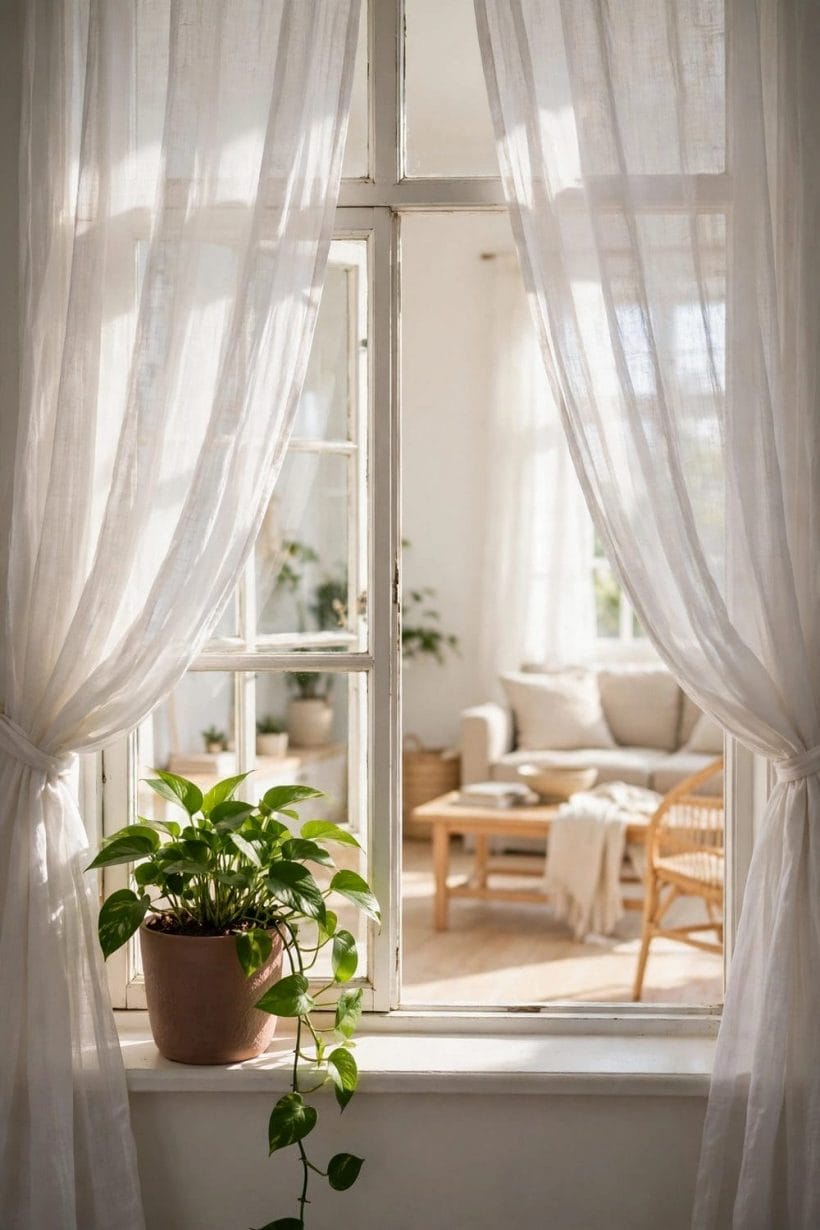
4. Fit and Measurement: Why the Opening Decides Everything
Fit is the check buyers most often leave to chance, and it is the one that causes the most regret. A window is made for an opening, and that opening is rarely as square or as even as it looks. Walls settle, plaster varies, and older openings can be out of true in ways the eye misses. A professional survey measures the opening carefully, notes where it narrows or leans, and records anything that will affect the fit, such as a deep reveal, a stone sill or an uneven lintel. Ordering without that survey risks a window that arrives the wrong size for the hole it must fill, and no quality of frame or glass can rescue a fit that was never measured properly.
Ask directly who surveys the opening, when the survey happens, and what happens if the survey finds something unexpected. A careful supplier treats the survey as part of the order, not as an optional extra, and explains in writing how the window will be sized to the surveyed opening. Also ask how the gap between frame and wall will be sealed and finished, inside and out, because that junction is where draughts and damp most often begin. The sealant, the trim and the finish around the frame are not cosmetic extras; they are part of the window system, and they should be described in the quote rather than left to improvisation on the day.
Shaped openings deserve extra attention at this stage. A projecting bay, for example, has several faces meeting at angles, and each face must be measured and fitted as part of one structure. The guide to the box bay window shows how a square-cornered bay is dressed and used, and it illustrates why a shaped opening needs a more careful survey than a flat one. If your opening is shaped, arched or unusually large, say so early, ask how similar openings have been handled, and make sure the survey covers every face of the opening rather than just its overall width. A thorough survey at this stage saves difficult conversations later, when the window is already made.

5. Opening, Closing and Everyday Operation
A window that is hard to open will stay closed, and a window that will not close firmly will never feel secure. Operation is therefore a daily-life check, not a showroom flourish. Try every opening style under consideration in person where possible: a side-hinged window, a top-hung window, a sliding window and a tilt-and-turn window all move differently, and each suits different users and different rooms. Notice the effort needed, the reach required, and whether the handle sits where every adult in the household can reach it comfortably. A window above a sink or a bath, or one that a shorter person must use, needs a handle position and an effort level that work for that person, not just for the tallest member of the household.
Also consider cleaning and maintenance from the inside. Some opening styles allow the outer glass to be reached safely from indoors, which matters greatly for upper floors, while others need outside access that may be awkward or unsafe. Ask how the glass is cleaned, how the hinges and seals are reached for care, and whether any part of the window needs regular attention that the household should know about before buying. A window that is easy to live with is one whose everyday operation and occasional care were both considered at purchase, not discovered afterwards. Handles, hinges and stays should feel solid rather than flimsy, and they should move without catching, grinding or wobbling.
Think too about furniture and curtains around the opening. A window that swings inward needs clear space inside, a sliding window needs a clear track, and a window with a deep sill may invite plants or books that block the handle. Walk the room mentally with the window open and closed, check what sits in its path, and make sure curtains or blinds do not foul the handle or the opening arc. These small practical checks are easy to make at the planning stage and annoying to live with if missed. The best window for a room is the one that works with the room as it is actually furnished, not with the room as it appears in an empty showroom.
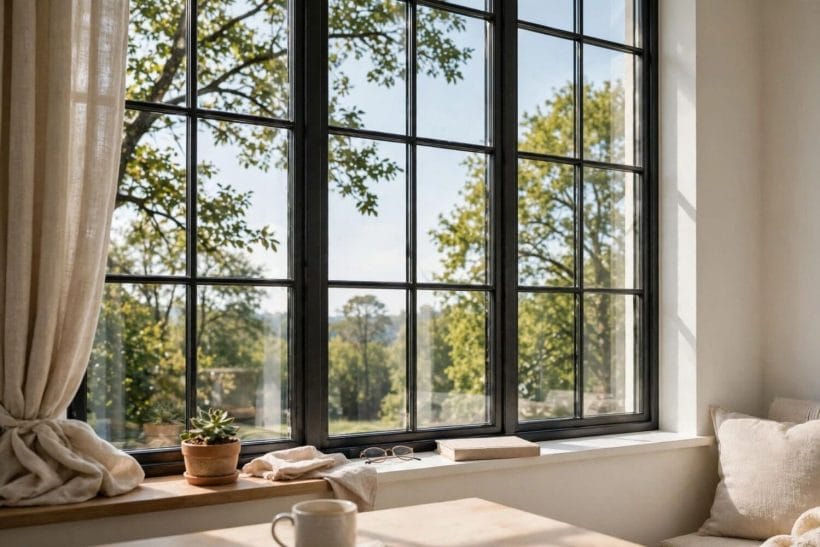
6. Ventilation and Fresh Air Without Draughts
Every home needs fresh air, and windows are the most direct way to provide it, but ventilation that arrives as a cold draught across a chair is not good ventilation. The check here is for controlled background air as well as for full opening. Background ventilation, provided through a trickle vent or a similar discreet opening, lets a room breathe gently without throwing the window wide open, and it helps keep indoor air fresh through the night and through colder months when full opening feels unwelcome. Ask whether background ventilation is included, how it is controlled, and whether it can be closed fully when desired. A room without any background air provision often ends up stuffy, and its occupants end up opening windows wide and then closing them again in a cycle that never settles.
Cross-ventilation matters too. A room with openings on more than one side can draw air through itself, while a room with a single opening relies on that one window to do all the work. When choosing windows, consider the room as a whole: where air enters, where it leaves, and whether furniture or curtains block the path. In a small room, a window that opens in a way that directs air across the space rather than straight down onto a seat makes a noticeable difference to comfort. The collection of small living room ideas shows how light and air are handled in compact rooms, and it is a useful companion read when a window must serve a tight space well.
Damp corners and condensation belong in this check as well. A window that never admits fresh air, or a room where moist air has nowhere to go, will show condensation on cold glass and dampness at edges. Ventilation is not a cure for every damp problem, and structural damp needs professional diagnosis, but a window purchase that ignores air movement stores up trouble. Ask how the proposed windows support steady background air, and discuss kitchens and bathrooms separately, because those rooms produce more moisture than others and need their ventilation thought through with particular care. Fresh air, steadily provided, is part of what a good window does.
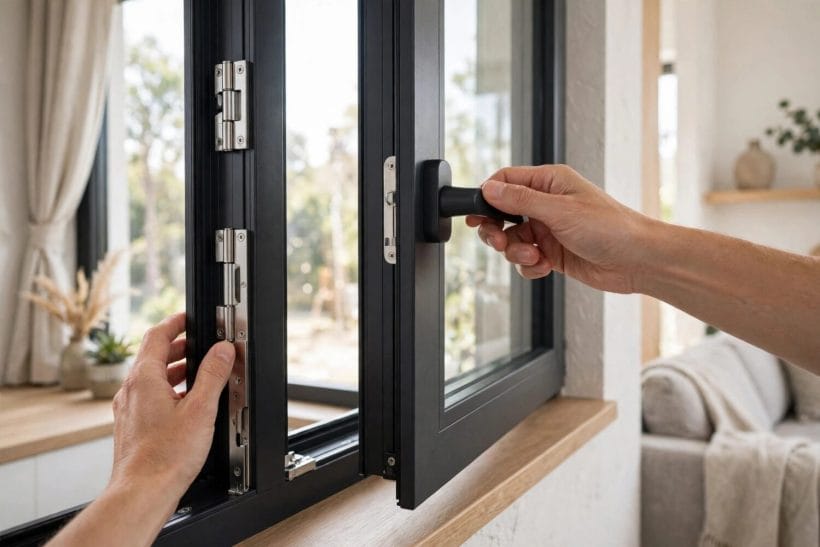
7. Weather Resistance, Seals and Drainage
Rain does not fall straight down, and wind drives it into every joint and edge it can find. Weather resistance is therefore about seals and drainage working together, not about a single waterproof claim. Seals sit between frame and sash and between frame and wall, and they must stay flexible and tight through seasons of heat, cold and movement. Ask what the seals are made of in general terms, how they are fitted, and whether they can be replaced when they eventually age, because a seal that cannot be renewed is a window with a built-in expiry. Look at sample seals if available, press them gently, and notice whether they spring back and sit evenly rather than twisting or gaping at corners.
Drainage is the quiet partner of sealing. A well-designed frame allows any water that does reach it to drain away harmlessly rather than pooling or tracking indoors. Ask, in plain language, where water goes when it reaches the frame, and how the drainage path stays clear over time. This matters most on exposed elevations and in driving rain, and it matters for windows at ground level where splashing adds to the load. Sills play a part here too: a sill that throws water clear of the wall protects both window and masonry, while a flat or poorly finished sill lets water linger where it can do harm. The sill, the seals and the drainage path should be described as one weather system, not as separate afterthoughts.
Exposure should shape the choice. A sheltered window under a deep overhang faces a gentler life than a window on an exposed coastal or hillside elevation, and the same window specification may be generous for one and marginal for the other. Talk through the exposure of each elevation with the supplier, and be wary of any approach that treats every window in the house as if it faced the same weather. Wind, rain and sun vary around a building, and a buying check that ignores that variation is incomplete. Weather resistance, properly checked, is what lets a window feel solid and quiet on a stormy night rather than rattling and weeping at its edges.
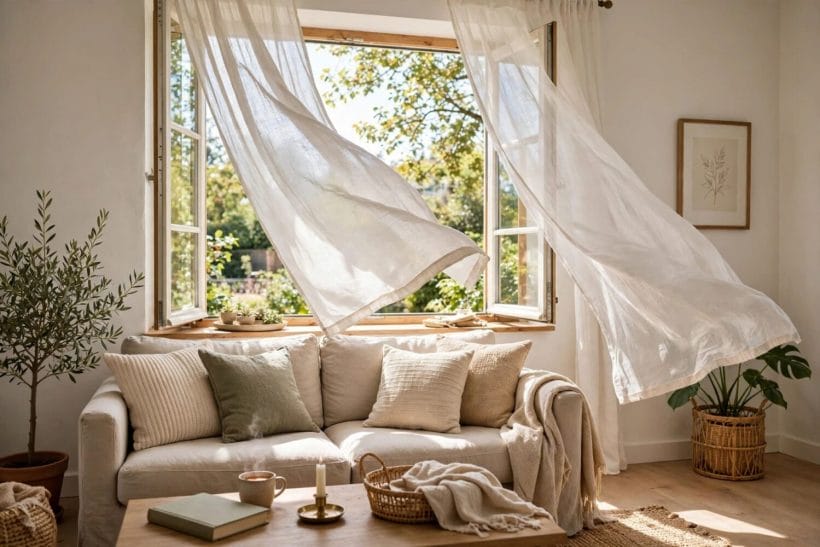
8. Security, Safety Glass and Child Safety
Security begins with the frame, the hardware and the glass acting together. A window should close firmly, lock positively, and resist casual forcing, and its locks should be easy to use correctly every time, because a lock that is awkward to engage will sometimes be left disengaged. Ask what locking the window carries, how it engages, and whether it can be left in a ventilating position that is still secured. Also ask about the glass itself: safety glass is specified for windows in vulnerable positions, such as low windows, windows beside doors and windows over baths, where a person could fall against the glass. The positions that need safety glass should be identified during the survey, not left to chance, and the specification should record them.
Child safety deserves its own conversation. Windows that open wide enough for a child to climb through, especially on upper floors, need restrictors or opening limits that keep the opening safe while still allowing air. Ask how restrictors work, whether they can be released by an adult for cleaning or escape, and how they interact with any fire-escape requirements for the room. These are not details to improvise after installation. A bedroom window in particular must balance security, ventilation and escape, and that balance should be discussed openly before ordering. The collection of tiny bedroom ideas shows how windows serve compact sleeping rooms, and it is worth consulting when a bedroom window must do several jobs at once.
Finally, consider visibility and habit. A window that is overlooked may need obscured glass or a dressing that preserves privacy, while a window that faces a quiet garden can stay clear and open. Locks, handles and keys should be demonstrated, not just described, and every adult in the household should be shown how to lock, unlock and ventilate the window before the installer leaves. Security that depends on a routine nobody was taught is not security at all. A short handover, with the operation of each window shown in person, turns a good specification into a safe daily habit.
9. Installation Day: What a Professional Fit Looks Like
Installation is professional work, and this guide deliberately gives no fitting instructions, because fitting a window badly can damage the wall, the window and the weather resistance of both. What a buyer can and should check is what a professional installation looks like from the outside of the process: a surveyed opening, a window made to that survey, protection for floors and furnishings, careful removal of the old window, a level and square fit, sealing inside and out, and a clean finish to trims and sills. If any of those stages is missing from the description of the work, ask why. A professional installer welcomes these questions and answers them in plain terms.
Ask also about the practicalities of the day itself. How long will each window take, in general terms, and what access is needed inside and outside? What happens to the old windows and packaging, and is disposal included in the written scope? What protection is given to nearby surfaces, and who makes good any disturbance to plaster or decoration around the opening? These questions prevent the most common installation-day frictions, which are rarely about the window itself and usually about access, mess or unfinished edges. A written scope that covers removal, fitting, sealing, finishing and disposal leaves far less room for misunderstanding than a verbal assurance.
After fitting, a proper handover matters. Each window should be opened, closed, locked and ventilated in front of the household, and any adjustment needed should be made before the installer leaves. Check the finish around each frame, inside and out, and check that seals sit evenly and trims are secure. Note anything that needs attention while the installer is still present, and make sure it is recorded. The collection of tiny living room ideas shows how a well-fitted window transforms a compact living space, and it is a good reminder of what careful installation delivers: a window that looks as if it always belonged there. Professional fitting is not an optional upgrade; it is part of the window.
10. Quotes, Paperwork and Aftercare
Quotes should be compared like with like, and that means reading them line by line rather than comparing a single headline figure. A clear quote names the frame material and finish, the glazing, the hardware, the survey, the fitting, the sealing and finishing, and the disposal of old windows, so that two quotes can be set side by side without guesswork. If one quote omits an item another includes, the comparison is not yet honest, and the missing item should be clarified in writing before any decision. Ask for the scope in plain language, and be wary of any quote that bundles everything into a single unexplained line. Clarity at quote stage is the best protection against surprise later.
Guarantees and aftercare deserve the same careful reading. A guarantee should state, in writing, what is covered, what is excluded, how long each part lasts, and who to contact if something goes wrong. Frame, glazing, hardware and installation may carry different terms, and those differences should be explicit rather than discovered when a claim is made. Ask how adjustments and callouts are handled, whether routine care is needed to keep the guarantee valid, and what the process is if a seal fails or a handle stiffens. Keep the paperwork with the house records, because a future owner or a future repair will need it, and a guarantee that cannot be found is little better than no guarantee at all.
Finishing touches close the purchase. Once windows are fitted and handed over, dressings can be chosen with the new glass and light in mind, rather than carried over unthinkingly from the old windows. The collection of tiny house curtain ideas offers curtain and dressing approaches for compact rooms, and it helps to browse it after fitting, when the actual light in the room can be seen. Live with the windows through a few changes of weather before judging them, note anything that needs adjustment, and use the aftercare route promptly rather than letting a small issue settle into a permanent irritation. A careful purchase, professionally fitted and properly documented, is a window that will serve the house quietly for years.
Final Considerations
Window buying rewards patience. Visit showrooms, handle the frames, try the operation, ask about survey and sealing, and read the quote and the guarantee before signing. Resist any pressure to decide on the spot, and take the time to compare options elevation by elevation, room by room. The window that suits a shaded bedroom may not suit a sunlit living room, and the right answer for a house is often a thoughtful mix rather than a single choice repeated everywhere. A careful buyer ends up with windows that fit the house, suit the household, and feel right every day, not just on installation day.
Keep this sequence with you as you shop: frame, glazing, fit, operation, ventilation, weather resistance, security, installation and paperwork, in that order. If a supplier answers each check clearly and in writing, you have a sound basis for a decision. If answers are vague, rushed or missing, that vagueness is itself information, and it is worth pausing over. Good windows are quiet achievers: they admit light, keep weather out, open easily and close firmly, and they do all of it without demanding attention. Choose with that quiet standard in mind, insist on professional installation, and let the windows get on with their work.

0 Comments