

Measure the gap in many older kitchens and you will find a puzzle: the space is wider than a standard range and narrower than a professional one. Forty inches sits in that awkward middle, and ranges built to fill it have become genuinely hard to find. This guide explains why the size faded, who still wants one, and the practical alternatives when your kitchen was designed around it.
Width is only one kitchen decision, of course. If the room opens into your living space, our tiny house living room ideas show how open-plan layouts handle cooking zones gracefully.
1. Why 40-Inch Ranges Are Rare at a Glance
The short version is that kitchen design standardised around a few widths, and 40 inches was not one of the survivors. Most homes are built for a 30-inch range, larger remodels step up to 36 inches or into professional-style sizes, and the in-between width lost its place in the catalogue as manufacturing consolidated around the sizes that sell in volume. If you are hunting for a 40 inch electric stove in particular, you are looking for one of the rarest variants of an already rare size, because many surviving wide ranges are gas or dual-fuel models aimed at traditional or off-grid kitchens. The table answers the questions owners ask most, and the sections that follow explain each one.
| Question | Short answer |
|---|---|
| What are the standard range widths? | Most kitchens are designed around 30 inches, with 36 inches the common step up and wider professional-style sizes above that; compact models exist below 30 inches too. |
| Why is 40 inches missing? | It fell between the mainstream and professional sizes as ranges, cabinets and kitchen design standardised around fewer widths. |
| Where do 40-inch gaps come from? | Older homes and farmhouse kitchens, where wide ranges with storage or a second oven were once more common. |
| Are 40-inch ranges still made at all? | A small number of specialist and traditional-style models exist, but choice is very limited compared with standard widths. |
| Is electric the hardest variant to find? | Generally yes; wide ranges lean toward gas and dual fuel, so electric choice is especially thin. |
| What is the usual solution? | Fit a standard width, most often 36 inches, with filler pieces or a small cabinet change, or step up to a wider pro-style model if the space and budget allow. |
| Should I keep an old 40-inch range? | Often worth considering; a sound older range can be serviced, and keeping it avoids cabinet work. |
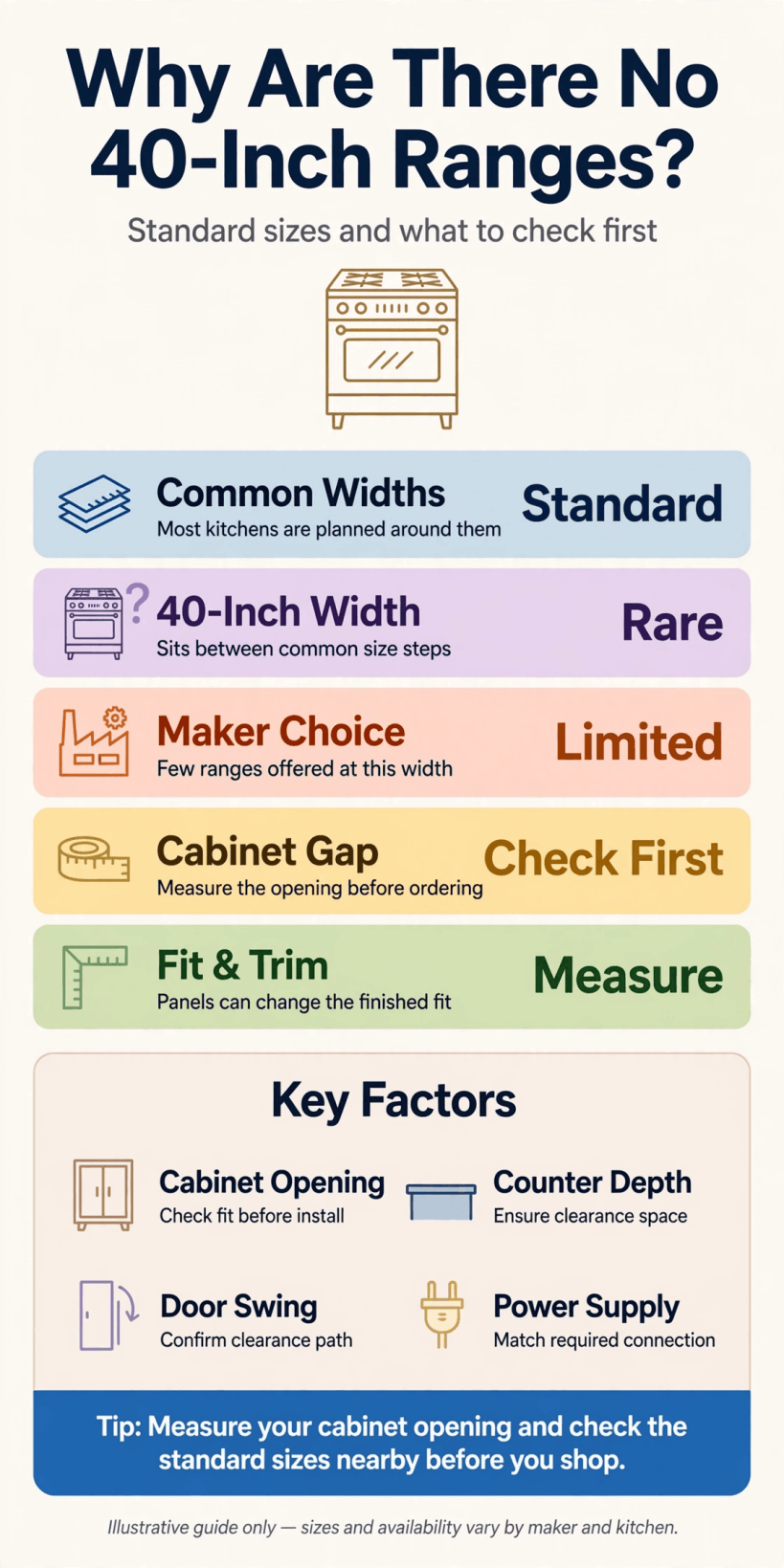
At a glance: standard widths won, 40 inches fell between them, and the practical answers are a serviced older range, a 36-inch fit with fillers, or a step up in size.
2. The Standard-Width Landscape
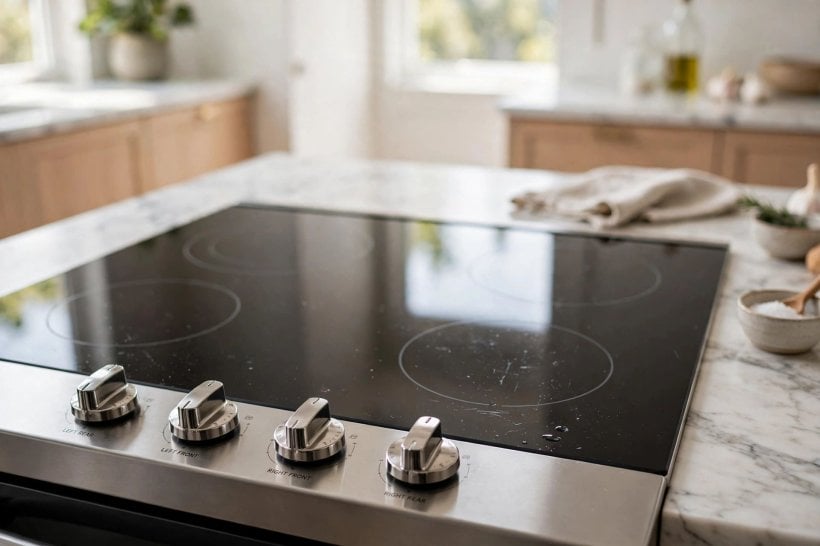
Walk into any appliance showroom and the range wall tells the story in a glance. Row after row of 30-inch models dominate, because that width became the default around which cabinets, worktops and whole kitchen ranges are designed. Beside them sit 36-inch models, the recognised upgrade step, offering a wider oven and more hob space for keen cooks. Above that, the professional-style category takes over, with wider formats aimed at serious home kitchens and priced accordingly.
Below the standard, compact ranges serve apartments and small homes, and slide-in, freestanding and drop-in formats all repeat the same small set of widths. This standardisation is not a conspiracy; it is how manufacturing stays efficient. Every width a brand offers needs its own tooling, parts, packaging and warehousing, so the industry settled on the sizes that cover almost every kitchen and quietly retired the rest.
For homeowners, the landscape has a practical consequence: everything else in the kitchen assumes those widths. Cabinet catalogues, filler pieces, worktop cuts and even second-hand listings are organised around them. A kitchen designed decades ago around 40 inches is therefore out of step with the whole modern supply chain, which is why replacing that one appliance can turn into a small renovation project.
Understanding the landscape reframes the problem helpfully. Your kitchen is not wrong, and you have not missed an obvious product hiding somewhere. You own a gap sized for a category the market largely left behind, and the rest of this guide is about the honest options that follow from that.
3. Why 40 Inches Fell Between Two Stools
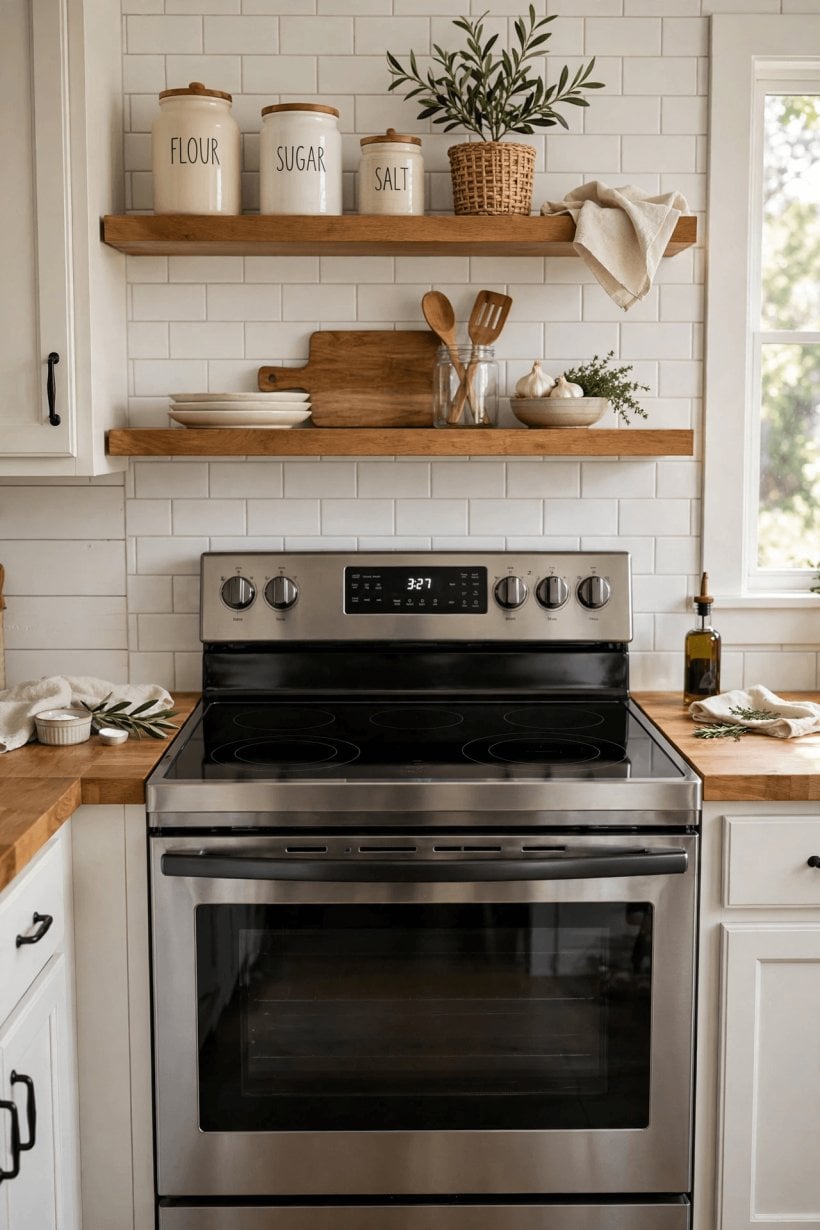
The 40-inch width made sense in its era. Older ranges often combined the hob and oven with storage drawers, a second small oven or a griddle section, and farmhouse kitchens had the floor space to accept a generous appliance. As fitted kitchens took over, those extras migrated: storage moved into cabinets designed for the purpose, second ovens appeared in built-in wall units, and the freestanding range shrank back to its core job.
Once that happened, 40 inches lost its reason to exist for most buyers. A cook who wanted more than standard moved to 36 inches for a modest step or jumped to a professional-style range for a statement piece, and the middle width served neither the budget buyer nor the enthusiast. Manufacturers follow that logic ruthlessly: a size that is nobody’s first choice is a size that gets dropped when ranges are redesigned.
Fuel played a part too. Wide legacy ranges were strongly associated with gas cooking and, in some regions, with solid-fuel traditions, while the growth market moved toward electric and induction in standard widths. The result is the double rarity owners describe today: few 40-inch ranges of any kind, and among them, electric models the hardest to source.
There is also a quieter, self-reinforcing effect. Kitchen designers stopped drawing 40-inch gaps because appliances were scarce, and appliances stayed scarce because no new kitchens needed them. The only fresh demand comes from owners of older kitchens, a real but small and scattered market that mainstream brands are not organised to serve.
4. Who Actually Wants a 40-Inch Range?
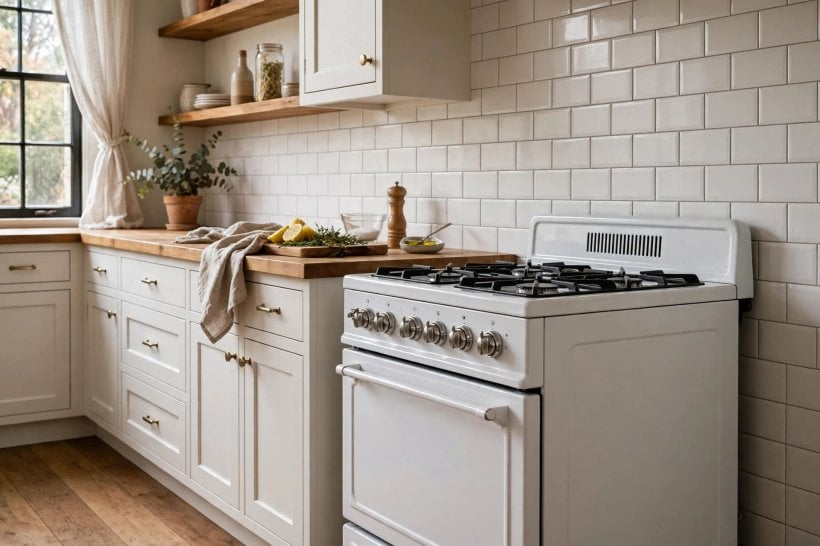
The people searching for this size are rarely doing it on a whim. The largest group is owners of older homes, farmhouses and family kitchens where a wide range has stood for decades and the cabinets were built around it. For them, a like-for-like replacement promises no joinery, no worktop surgery and no plaster dust; the new appliance simply slides into the life of the old one. That convenience is worth real money, which is why the search persists long after a standard size would have been bought.
A second group is cooks who genuinely use width. Preserving, batch cooking, holiday meals with every ring occupied and two dishes in the oven at once: a wide range earns its floor space in a busy household kitchen. Someone hunting a 40 inch electric stove for these reasons usually wants the easy-clean, controllable surface of electric cooking with the elbow room their recipes assume, a combination the current market serves poorly.
Then there are renovators with a period brief. A traditional kitchen design, perhaps in a home styled along the lines of our tiny barn house interior feature, often calls for a substantial range as its centrepiece, and modern professional models can look too industrial for the room. For these buyers, restored or traditionally styled wide ranges have a visual rightness that standard appliances cannot match.
Finally, landlords and owners of rental or holiday properties inherit 40-inch gaps and simply need a working appliance in them. Their priority is reliability and cost rather than romance, and they are often the quickest to accept the standard-width-plus-filler solution covered later in this guide.
5. The Manufacturing Logic Behind the Rarity
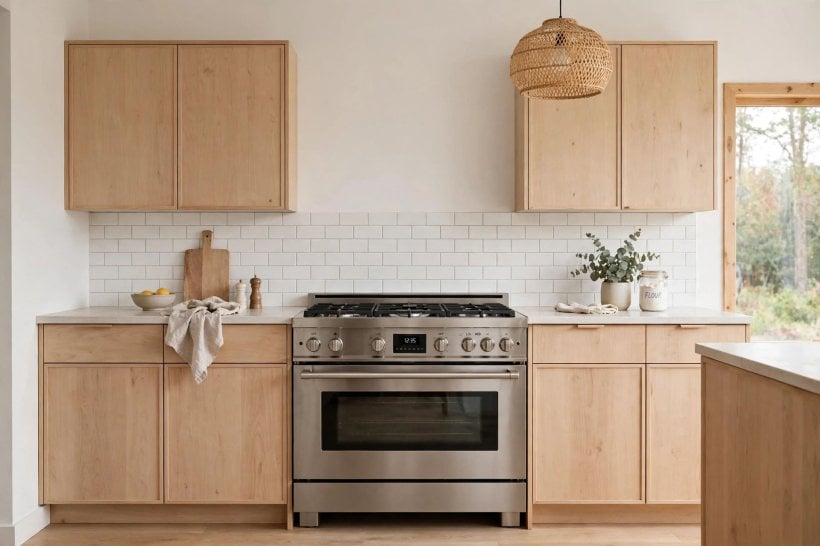
It helps to see the problem from the factory’s side of the fence. An appliance range is not one product but a family of parts: pressed steel bodies, oven cavities, doors, hobs, control panels, packaging and spares, all size-specific. A manufacturer will carry that cost for a width that sells in large, predictable volumes. For a niche width, the same investment is spread across far fewer units, pushing the price up, which shrinks demand further. Rarity, once started, feeds itself.
Regulation and testing add fixed costs per model regardless of volume, covering safety, energy labelling and compliance in each market served. A brand deciding where to spend its development budget will naturally favour the sizes that fit the kitchens being built now, which are drawn at standard widths by designers who know what is available. The circle closes neatly, and 40 inches stays outside it.
Retail reinforces the logic. Showrooms and warehouses stock what turns over; a slow, bulky, size-specific appliance is expensive to display and store. So even where a specialist 40-inch model exists in a catalogue, seeing one in person, or getting one quickly, can be difficult, and delivery charges for a special order may reflect that.
None of this makes the surviving wide ranges bad products. The specialists who still serve this niche, traditional, off-grid and heritage-oriented makers among them, typically build simple, repairable appliances for loyal customers. But it does explain why their prices and lead times look different from the mainstream, and why comparing them against a mass-market 30-inch range on price alone is unfair to both.
6. What Owners of Older 40-Inch Ranges Face
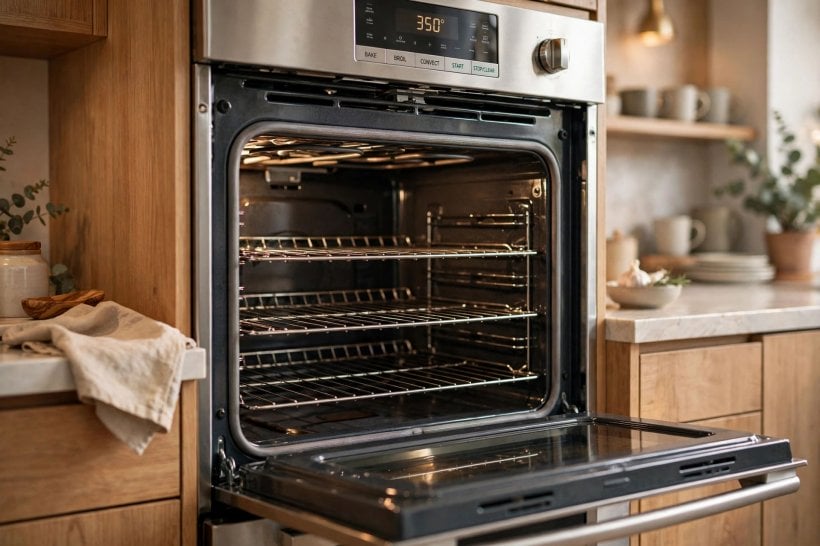
If you already own a 40-inch range, your decision arrives in stages. The first is usually a failure: an oven element, a thermostat, a control knob, parts that were once a phone call away and now require detective work. Many older ranges were built to be serviced, and independent appliance engineers can often repair them, source compatible parts or adapt modern components safely. A professional assessment is the right first step before assuming replacement is the only path.
Energy and features form the second pressure. An older range lacks the insulation, accurate controls and efficient hobs, such as induction, that modern cooks expect, and its running costs and quirks grow harder to accept as energy prices matter more. Against that, replacing it triggers the cabinet problem, so the comparison is never just appliance against appliance; it is repair against a small kitchen project.
Safety deserves a calm mention. Any elderly appliance deserves periodic professional checks of its electrics or gas connection, controls and ventilation, and a range that trips circuits, heats unevenly in a way that suggests failing controls, or shows damaged wiring should be seen promptly, whatever your replacement plans. Treat inspection as maintenance, not alarm.
There is also the resale and renovation angle. If you plan to sell or remodel in a few years, the wide gap is a fact a buyer’s surveyor or a kitchen designer will meet anyway. Some owners choose to regularise the gap during other planned work, when joinery is already happening, which spreads the disruption sensibly. Sequencing work this way is the same logic we recommend for whole-home projects in how to build your own tiny house: do the structural change once, while the tools are out.
7. Alternative One: A 36-Inch Range and a Filler
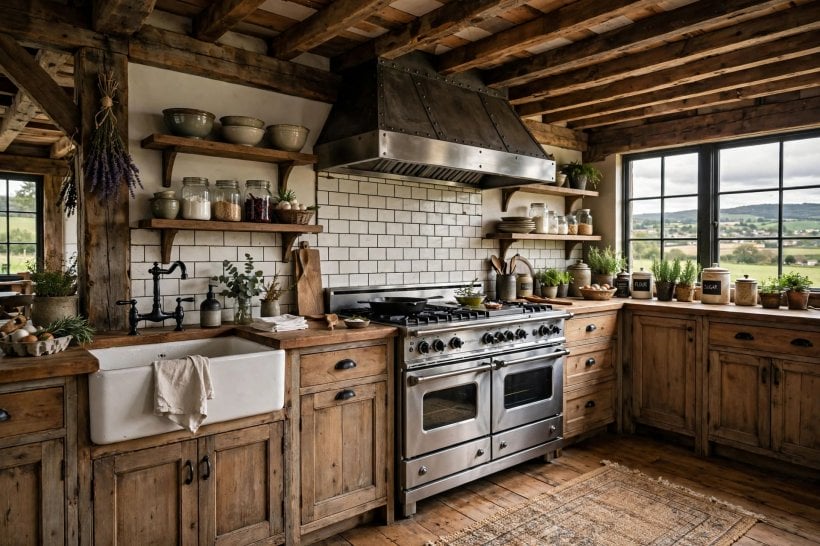
The most popular solution is to step down to 36 inches and deal with the remaining space honestly. That leaves a modest gap to distribute, typically split between the two sides or taken up on one side, and the trade for losing a few inches of appliance is gaining the entire mainstream market: every fuel type, every feature level, sensible prices and parts for years. For most households, the cooking capacity of a modern 36-inch range, with an efficient oven and a well-designed hob, covers what the old wide range actually did day to day.
The gap itself has several tidy answers. A cabinet-maker can fit narrow filler panels matched to your units, returning a clean, deliberate look. Alternatively, a slim pull-out storage unit can claim the space for trays, oils or spices beside the heat, turning a problem into one of the most useful cabinets in the kitchen; purpose-made narrow units exist precisely because standard gaps recur everywhere. Worktops are then cut or extended to meet the new arrangement.
Installation details matter. The range must sit level, ventilation clearances in its manual must be respected, and fillers near a hob should be suitable materials finished to withstand heat and cleaning, a point your installer or cabinet-maker will advise on for your specific layout. Electric models make this route especially simple, since a suitable supply may already exist for the old range, though an electrician should confirm it suits the new appliance.
Cost-wise, this route usually beats hunting a specialist wide model, even after joinery, because standard appliances compete hard on price. It also future-proofs the kitchen: the next replacement, decades from now, becomes a simple swap at a standard width.
8. Alternative Two: A 30-Inch Range Plus Extra Capacity
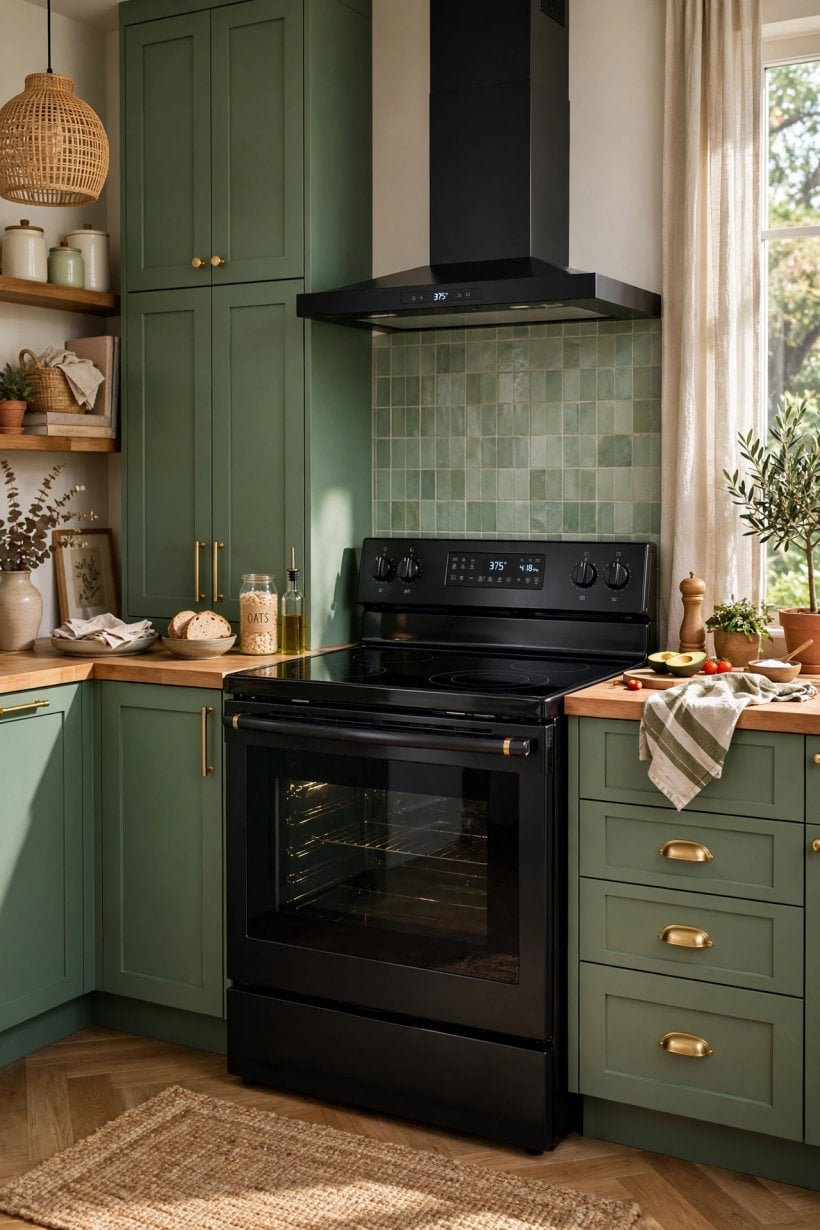
The second route rethinks the problem: instead of one wide appliance, combine the standard of standards, a 30-inch range, with supplementary cooking capacity. The freed-up width becomes cabinets, and the extra oven space that wide-range owners love is supplied by a countertop oven, a built-in microwave with oven functions, or a second compact oven elsewhere in the kitchen. Modern countertop ovens roast, bake and air-fry credibly, and they can be replaced cheaply when they tire, unlike a rare built-in.
This arrangement suits households whose wide-cooking needs are occasional. Christmas and harvest weekends demand the extra oven; the other fifty weeks do not, and a flexible countertop appliance that can be stored away serves that pattern better than permanently heating a cavernous main oven for weekday meals. Energy use follows the same logic: small jobs in a small oven, big jobs in the range.
The design conversation matters here. Ten inches of recovered space is a lot in a small kitchen: a bank of drawers for pans, a pull-out for bins, or simply worktop room beside the hob where hot dishes land. Planning that space well, with the storage thinking in our tiny house bedroom ideas applied to kitchen drawers and cupboards, can make the smaller range feel like an upgrade rather than a compromise.
Be honest about the hob, though. If your cooking regularly uses four large pans at once, a 30-inch hob will frustrate you daily, and no countertop oven fixes that. In that case the 36-inch route, or the professional step-up in the next section, respects your habits better than a bargain.
9. Alternative Three: Go Wider, the Professional-Style Route
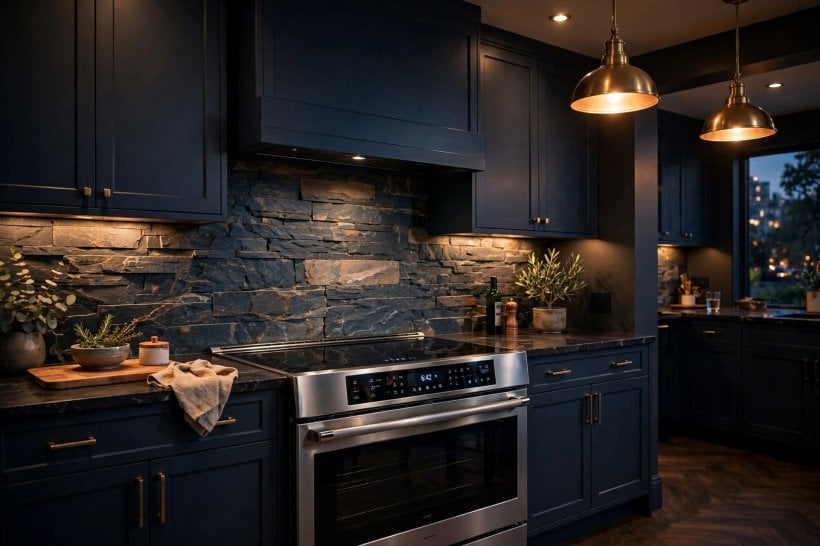
The boldest answer to a 40-inch gap is to stop treating it as a leftover and design around a wider, professional-style range instead. That means cabinet alterations to gain the extra width, but it converts an awkward inheritance into the kitchen’s headline feature: multiple ovens, a serious hob and the presence keen cooks dream about. In a large farmhouse or open-plan space, this route can look more natural than fillers, because the appliance is meant to be the room’s anchor.
Professional-style ranges come with professional considerations. Weight can be substantial, so floors and access routes need checking. Heat output and ventilation requirements are greater, and extraction should be planned as part of the project rather than inherited from a domestic hood that was sized for a gentler appliance. Fuel choice widens at this level, with dual-fuel models, gas hobs over electric ovens, a popular combination, alongside all-electric and induction options in the mainstream pro-style brands.
Budget honestly for the whole change: appliance, cabinet work, possible floor reinforcement, extraction and any electrical or gas upgrades, all before the first meal. This is the most expensive of the three alternatives by a wide margin, and it only makes sense when the kitchen itself justifies it and the household will use the capacity. In the right home, though, it also adds a feature future buyers understand instantly, unlike a quirky gap.
A middle path exists for the undecided: make the cabinet alterations reversible where you can, keep removed units stored, and choose the pro-style size that mainstream brands support best. If tastes change, a well-documented, standard-width-adjacent layout is far easier for the next owner to adapt than a one-off improvisation.
10. Measuring and Deciding: A Practical Checklist
Every route in this guide starts with the same half hour of measurement, and skipping it is how money gets wasted. Measure the gap width at worktop height and at the floor, because older kitchens are rarely perfectly parallel, and note the depth and height of surrounding units. Record the existing services precisely: the rating and position of the electrical supply, the gas connection if any, and the ventilation path. Photograph everything, including the area behind the current range if it can be moved safely by a professional.
Next, audit your cooking honestly for a week. Count how often you truly need more than four rings, whether the second oven is storage or a working tool, and which meals stretch your current range. Most households discover their wide-range use is concentrated in a handful of occasions, which points toward the 36-inch or combined solutions. A minority discover daily, genuine need, which justifies hunting a specialist model or stepping up in size.
Then price the three alternatives as complete projects, appliance plus works plus services, and add the value of your own tolerance for disruption. A repair-and-keep decision, armed with a service engineer’s report, belongs on that list too; it is frequently the wisest spend of all, buying years while a fuller renovation is planned alongside other rooms, much as our tiny house bathroom ideas projects get sequenced with kitchen work.
Finally, decide in the order the market dictates: services first, because a fuel you cannot supply is a non-starter; then the width strategy; then the specific model within it. Followed calmly, that order turns a frustrating rarity into a sequence of ordinary, answerable questions, and ends with a kitchen that fits the way you actually cook.
Final Considerations
Forty-inch ranges are rare for structural reasons, not because anyone overlooked the size: kitchens standardised, cabinets followed, manufacturers consolidated, and the in-between width lost its constituency. Owners of wide gaps are not doing anything wrong; they are simply shopping in a category the mainstream left behind, alongside a small band of specialists who still serve it.
Your best move is the unglamorous one: measure carefully, audit your cooking, price each complete alternative, and include repairing what you have. Whether the answer is a serviced older range, a neat 36-inch fit, a flexible 30-inch combination or a confident step up to professional width, it will be a decision that fits your kitchen and your habits, which is worth more than any exact number of inches. For more small-home efficiency thinking while you plan, our tiny house landscaping ideas cover the outdoor half of the same project.

0 Comments