

Composite decking promises the look of timber without the yearly cycle of sanding and oiling, but the brochures all sound the same after a while. This guide compares the established names fairly, explains what the board labels actually mean, and shows you what to check in person before any brand earns your money, ending with a clear verdict on who should pick which.
A deck is part of the garden as much as the house, so it helps to plan it alongside the planting and paths in our tiny house landscaping ideas guide.
1. Composite Decking Compared at a Glance
Here is the honest summary before the detail. Getting composite decking brands compared side by side shows three established names with different personalities: Trex is the widely available household name, TimberTech is the design-led range with a strong focus on realistic wood looks, and AZEK is the premium polymer line from the same family as TimberTech, known for lightweight boards and a timber-free core. None of them is best at everything, and the right choice depends on your budget band, your climate, how realistic you want the boards to look and how much maintenance you will genuinely do. The questions below are the ones buyers ask most; the rest of the guide works through each answer properly.
| Question | Short answer |
|---|---|
| What is composite decking made of? | Traditionally a blend of wood fibre and plastic, often with a protective polymer cap; AZEK boards are made from polymer without wood fibre. |
| Which brand is the household name? | Trex, one of the original composite brands and among the most widely stocked. |
| Which focuses most on realistic looks? | TimberTech is generally known for design-led ranges and detailed wood-grain finishes. |
| What makes AZEK different? | It is a polymer (PVC) decking line rather than a wood-plastic composite, positioned at the premium end. |
| Is composite maintenance-free? | No deck is. Composite greatly reduces upkeep compared with timber, but boards still need cleaning and care. |
| What should I compare before buying? | The cap, the core, board profile, colour and grain, fixing system, warranty terms and the full installed cost. |
| Can I judge from a website? | Only partly. Order samples, view a full board outdoors and read the actual warranty document. |
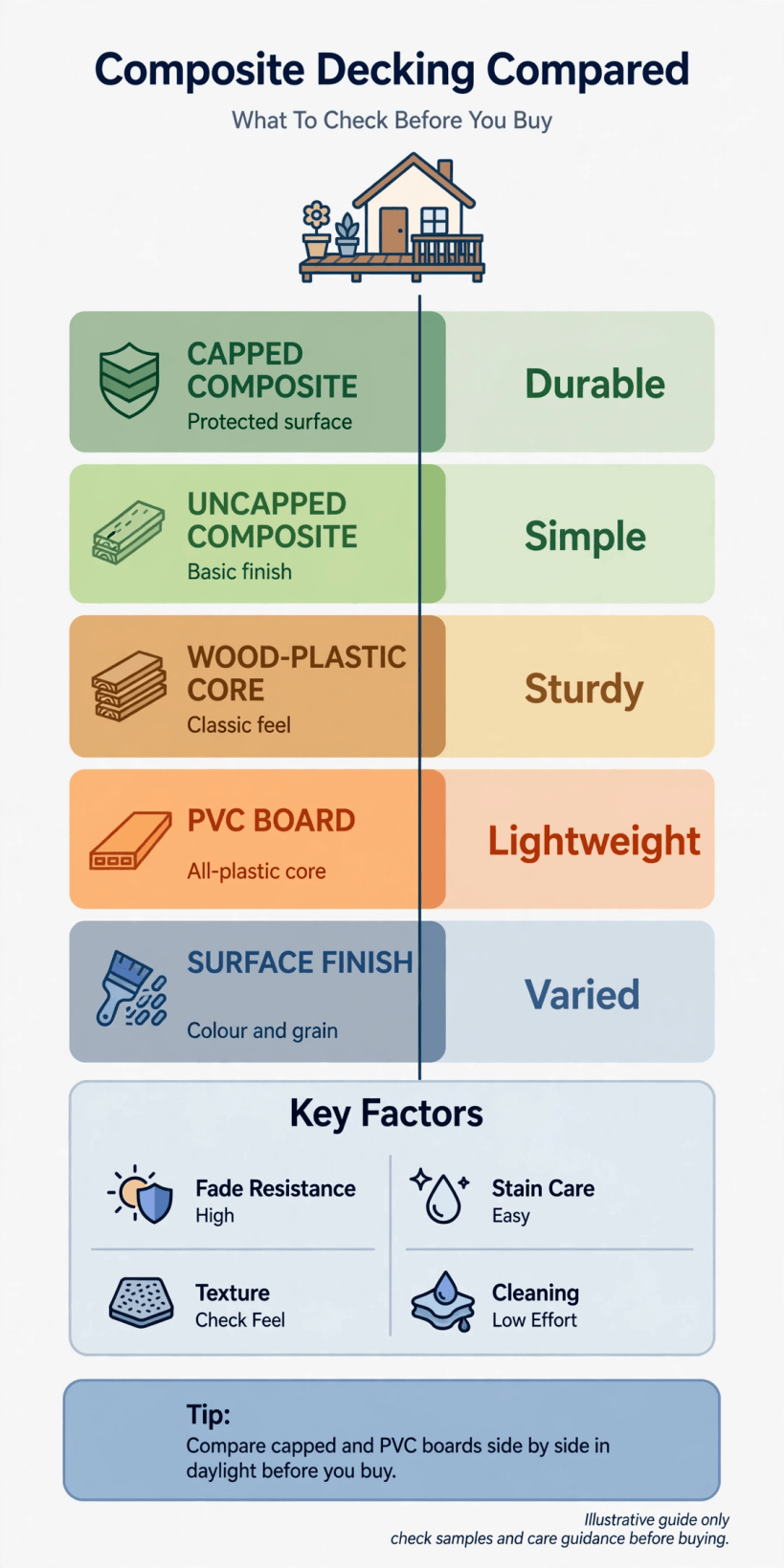
At a glance: Trex for wide availability, TimberTech for design-led looks, AZEK for a premium polymer board, and samples in hand before you decide.
2. What Composite Decking Actually Is
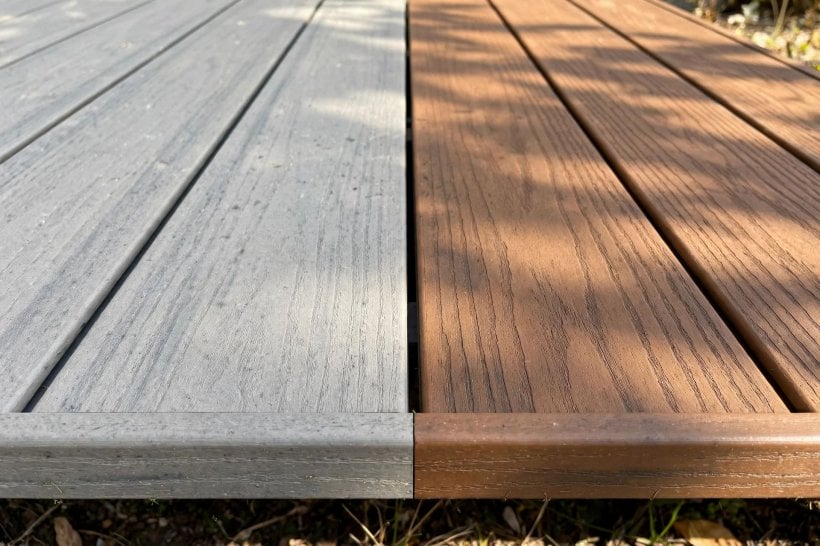
Composite decking was created to solve a familiar frustration: timber decks look lovely and then demand constant attention. The classic composite board blends wood fibre with plastic, combining the stiffness and familiar feel of wood with the weather resistance of a synthetic. Most modern boards add a cap, a hard polymer shell wrapped around the board, which protects the core from stains, scratches and moisture and carries the colour and grain pattern you actually see.
Not every board sold as low-maintenance decking is the same underneath. Alongside wood-plastic composites sit fully polymer boards, made without wood fibre at all, and the two families behave a little differently in weight, feel and price. There are also uncapped boards at the budget end, early-generation products and own-brand ranges from large retailers. Knowing which family a board belongs to explains more about it than any marketing name printed on the sample.
Profiles vary too. Solid boards are heavy, simple and can be cut much like timber. Scalloped or hollow-core boards use less material, weigh less and usually cost less, with shaped undersides that must be hidden by the deck design. Grooved edges take hidden clips for a clean, screw-free surface, while square edges are face-fixed in the traditional way. Each choice affects price, appearance and how the deck can be built, which is why comparing ranges means comparing systems, not just boards.
The practical takeaway is that composite is a category, not a product. Two boards can share a colour name and little else, so the checks in the following sections, cap, core, profile, warranty and total cost, matter more than the badge when you are standing in the showroom.
3. Trex: The Household Name
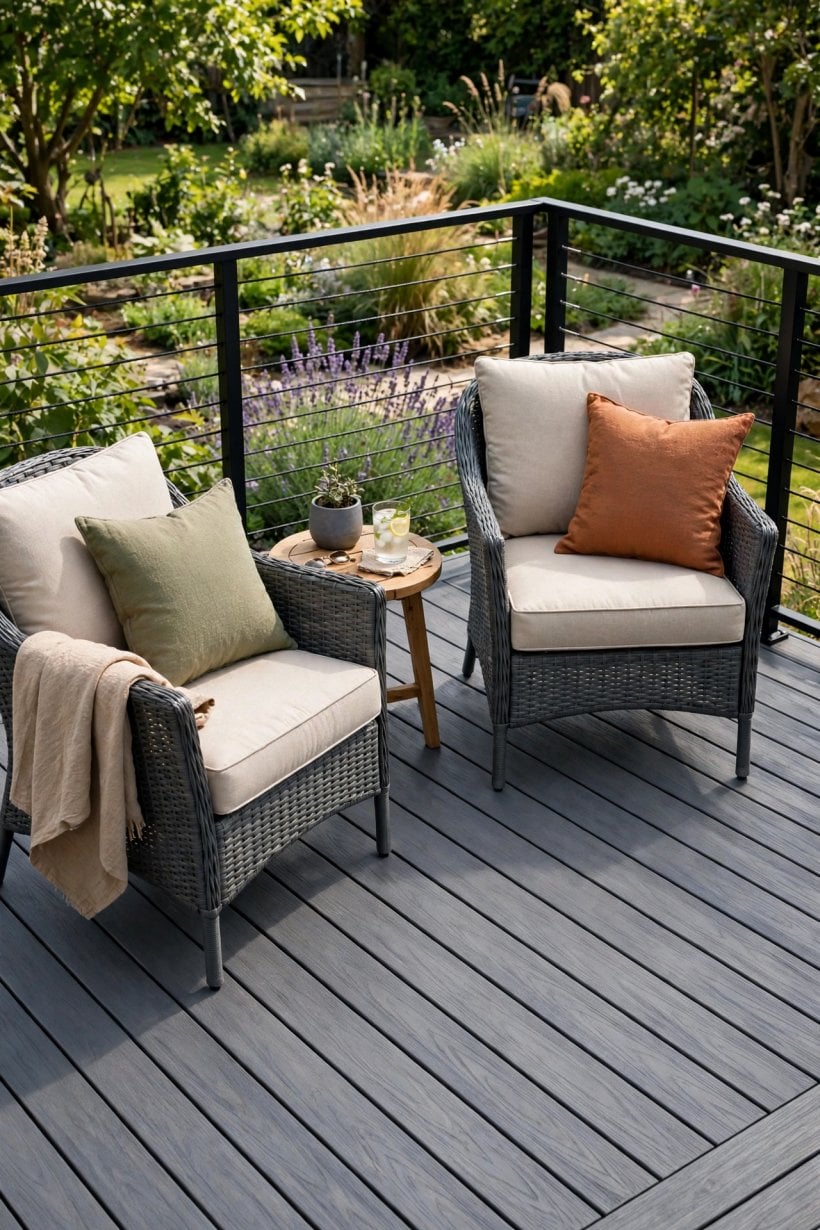
Trex is the name most people meet first, and for good reason: it is one of the pioneers of composite decking and its ranges are stocked widely, which makes seeing full boards, matching trims and the colour range in person much easier than with smaller brands. Availability is an underrated virtue in a deck project, because fascia boards, end caps and a replacement board years later all matter, and a well-distributed brand makes those things straightforward.
The Trex range is generally organised in tiers, from more affordable boards for straightforward decks up to premium lines with richer colours and more elaborate grain. That ladder lets you match the board to the job: a rarely seen side deck and the main entertaining terrace simply do not need the same specification. The brand is also generally known for emphasising recycled content in its boards, which appeals to buyers weighing the environmental side of a plastic-containing product.
In character, Trex tends to be the safe, mainstream choice: broad colour range, lots of installed examples to look at, and installers who know the system well. Its boards are capped composites in the classic wood-and-plastic family, and the look leans toward a clean, slightly uniform finish that some people love for its tidiness and others find less convincing as imitation timber.
What to check with Trex is the tier. The difference between its entry and premium boards shows in cap quality, colour depth and price, so compare within the range as carefully as against other brands, and always view the exact tier you are quoted for rather than the flagship board on the display wall.
4. TimberTech: The Design-Led Ranges
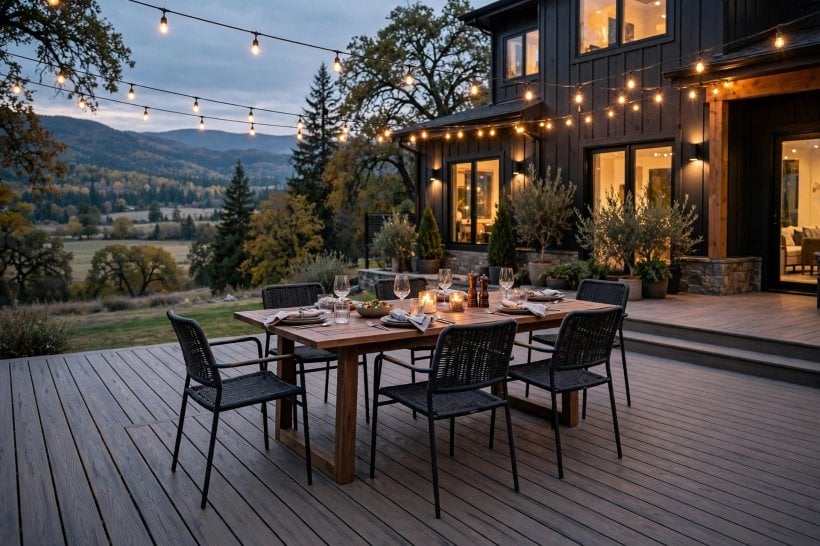
TimberTech is generally known as the design-focused name in composite decking, the brand that talks most about colour blending, grain variation and boards that mimic specific timber looks. Where some composites repeat one printed pattern, TimberTech ranges lean into multi-tonal colouring and wire-brushed or hand-scraped style finishes, aimed at buyers renovating a garden to match a particular aesthetic rather than simply covering a frame.
The range structure rewards a careful read. TimberTech sells capped composite boards, and it sits within the same company family as AZEK, whose polymer boards are covered in the next section. That relationship can confuse shoppers, because a showroom may present the two side by side as rivals. Think of them instead as two material options under one roof: composite boards with a wood-fibre core on one side, full polymer on the other, with looks and price points overlapping in the middle.
Colour choice is a TimberTech strength. The palettes tend to run wide, from pale, weathered greys to deep, rich browns, and the brand puts effort into matching fascia, railing and lighting within its own system. If your deck design depends on a very specific colour story, perhaps to sit beside a particular house exterior, this is the range most likely to be browsed first.
What to check is availability and lead time in your area, and whether the exact finish you fell for is a current line. Design-led ranges refresh colours periodically, so confirm that matching boards and trims will remain obtainable for the life of your project and any later extension.
5. AZEK: The Polymer Option
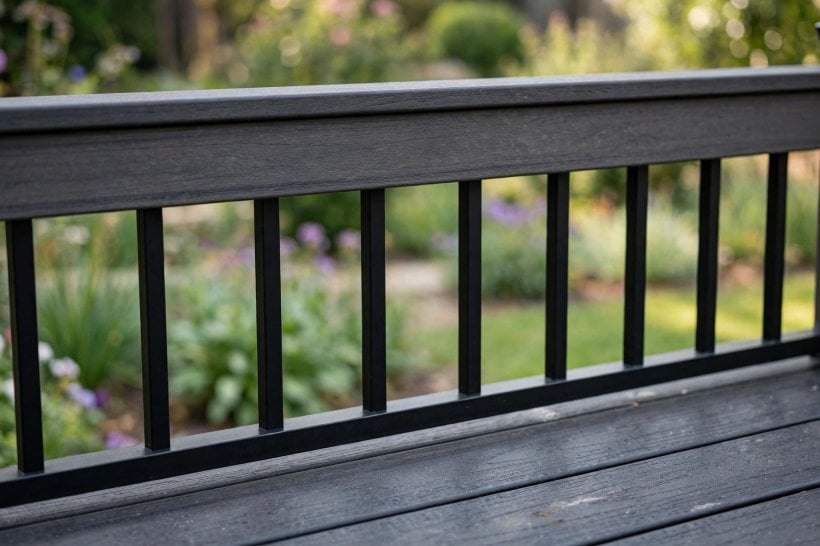
AZEK is the premium polymer line: boards made from PVC polymer rather than a wood-and-plastic blend, so there is no wood fibre in the core at all. It is generally known for light weight, which installers appreciate on site, and for a crisp, painted-timber look in many of its finishes, including collections designed to resemble painted or stained boards with a more uniform, tailored appearance.
The absence of wood fibre is the talking point. Buyers who worry about organic content in a damp climate often look at polymer boards for reassurance, and AZEK is marketed toward exactly that concern, as well as toward crisp coastal and traditional styles where a painted finish suits the architecture. The trade-offs are the ones you would expect: polymer ranges sit at higher price points than most wood-plastic composites, and the feel underfoot and the sound of the board differ subtly from a denser composite.
AZEK’s connection to TimberTech matters when you shop. The two are ranges of the same parent company, so a dealer may steer you between them based on your priorities, looks and realism toward TimberTech composite, polymer construction toward AZEK. That is a legitimate way to choose, provided you compare actual boards and prices rather than accepting the steering on trust.
What to check with AZEK is the total system cost and the colour in strong sun. Premium boards plus matching trims and fixings add up quickly, and pale polymer finishes can look quite different at noon from the showroom. Take samples home and live with them beside your house for a few days before committing.
6. Caps, Cores and Board Profiles: What the Labels Mean
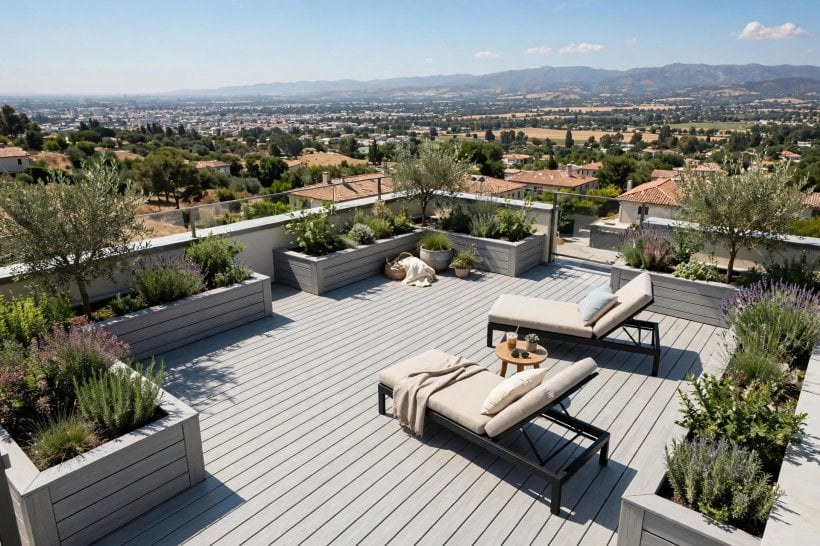
Strip away the brand names and every decking board is a cap, a core and a profile. The cap is the protective shell: it carries the colour and grain and does the fighting against stains, fading and scratches. Boards capped on all sides protect the underside too; boards capped only on top leave the core more exposed at cut ends and underneath, which matters in persistently damp gardens. Ask, for any board, exactly what is capped and what is not.
The core is the structure. Wood-plastic cores feel dense and familiar; polymer cores are lighter and contain no organic fibre; mineral-based and other newer core recipes appear in some premium ranges, generally marketed on strength and stability. You do not need to memorise recipes. You need to know how the board is supported, because span and joist spacing rules differ between products, and a board installed beyond its stated span will feel springy no matter what it cost.
Profile is the shape. Solid, scalloped and hollow profiles trade weight, cost and stiffness against each other, and the edge profile decides your fixings: grooved boards with hidden clips give the cleanest surface and consistent gaps, while square-edged boards are screwed through the face, which some installers prefer on stairs, picture-frame borders and repairs.
Read the installation guide for any board you shortlist, not just the brochure. It tells you the joist spacing, the gap to leave for expansion, and the fasteners approved for warranty. Those dry pages are where brands quietly reveal how confident they are in their product, and they are free to download before you spend anything.
7. Colour, Texture and How Realistic You Want It
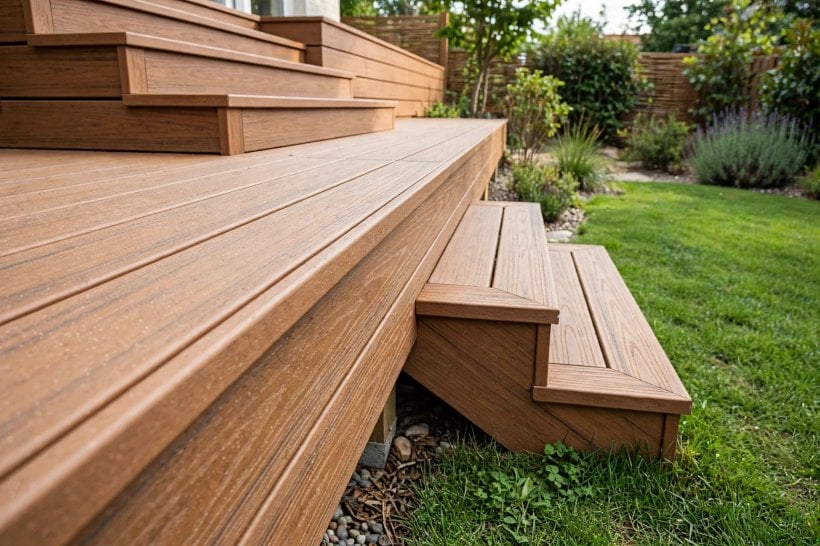
Colour is where decking dreams meet reality, because a board that looks perfect in a showroom can misbehave at home. Samples are small, decks are large, and colour reads differently across a wide surface in full sun. Dark boards show dust and pollen more and grow warm underfoot in summer; pale boards show muddy footprints and can glare. None of this rules a colour out, but it should rule out choosing from a phone screen.
Texture is the other half of realism. Embossed grain that follows the printed pattern looks far more convincing than a repeating stamp, and variation between boards matters as much as the grain itself: a deck where every board repeats the same figure reads as artificial from across the garden, however expensive it was. Lay six or eight sample boards side by side, shuffled, and look at them from standing height; that five-minute test tells you more than an hour of brochure reading.
Decide how realistic you actually want. Some households prefer a clearly contemporary, uniform board that makes no claim to be timber, and that honesty can look superb against modern architecture. Others are recreating a traditional garden and want every knot and streak the technology can offer. Timber-effect finishes in composite pair naturally with rustic interiors, too; the material stories in our tiny barn house interior feature show how convincing modern wood-look surfaces can be. The same colour discipline helps indoors, as our look at colourful tiny house interiors demonstrates.
Finally, plan for change over time. All outdoor colours soften with weather, composites included, though capped boards are designed to hold colour far better than bare timber. A new extension added years later will not match a weathered original perfectly; a sympathetic, deliberate contrast usually looks better than a near miss.
8. Cost: Comparing Like With Like
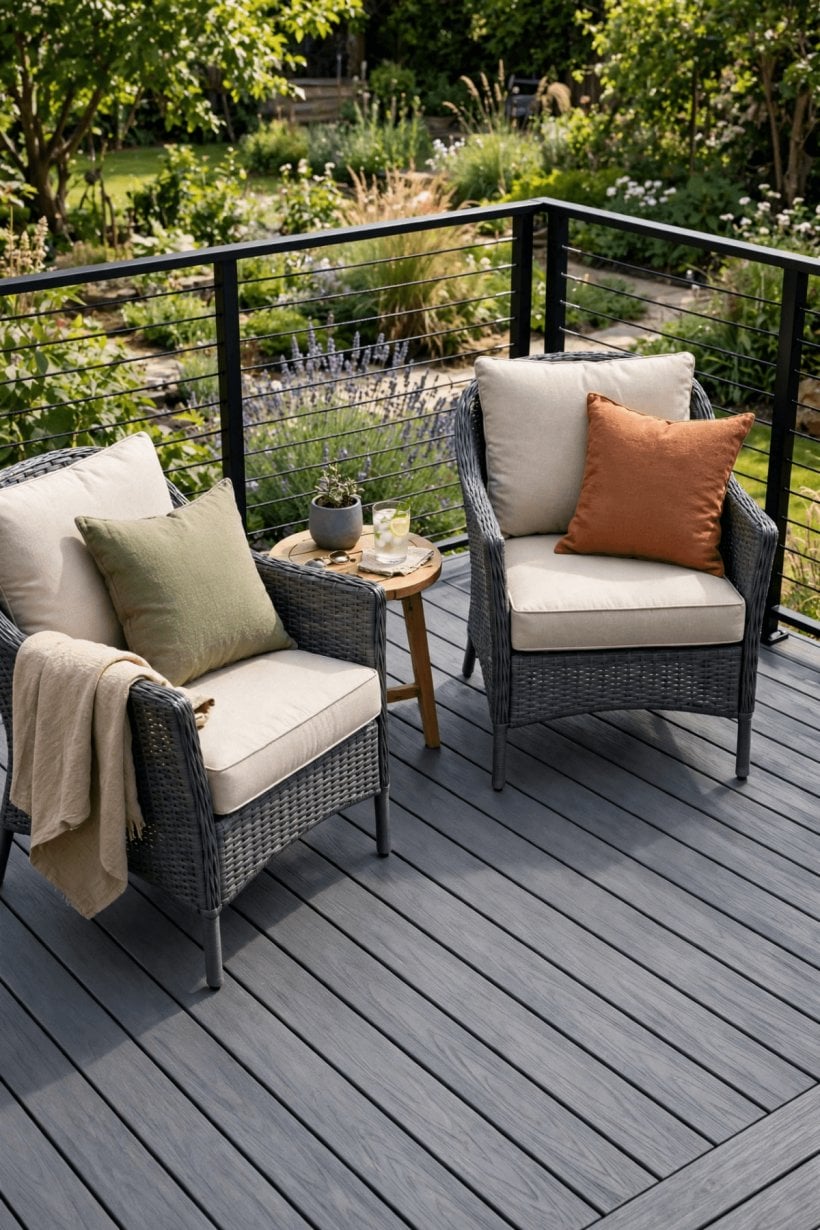
Decking is usually priced per board or per metre, which invites misleading comparisons. The figure that matters is the full installed cost of the finished deck: boards, subframe, fixings or clips, fascia and trims, steps, delivery and labour, plus the removal of what is there now. Two quotes with a similar board price can separate widely once trims and clips are added, and premium boards demand premium trims to look right.
Within that total, brands separate into broad bands. Entry composites and retailer own-brands occupy the budget band; the mainstream Trex and TimberTech composite tiers sit in the middle; premium capped boards and AZEK polymer ranges sit at the top. The bands overlap at the edges, which is why a like-for-like basket, same deck size, same trims, same fixing system, is the only fair way to compare a Trex quote with a TimberTech or AZEK one.
Think in cost per year as well as cost per metre. A deck is a long-lived structure, and a board that keeps its appearance with washing rather than annual treatment saves real money and weekends over its life. Cheaper boards that fade patchily or need early replacement are expensive at any price. That said, do not let longevity arguments bully you past your budget: a sound mid-range deck installed well beats a premium deck stretched over a weak frame every time.
Labour and access move the total as much as materials. Raised decks, complex shapes, stairs and sloping gardens all add installation time for any brand, so settle the design before the brand if money is tight. Our guide to how to build your own tiny house makes the same point about structure before finishes, and it applies to a deck exactly.
9. Installation, Care and Warranties
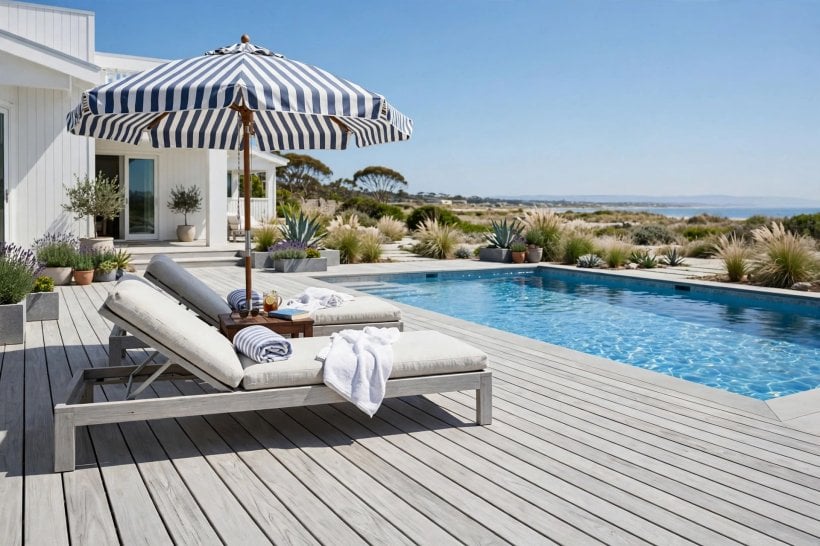
Composite decks live or die by their installation. The subframe must be level, well supported and ventilated, with joist spacing that matches the board’s requirements, because composite is less forgiving of a springy or uneven frame than timber. Gaps at board ends and against walls are not sloppiness; they are expansion room the material needs, and an installer who ignores them is storing up buckled boards for the first hot summer.
Care is simple but not zero. Sweep the deck, wash it with soapy water and a soft brush as grime builds up, and clear gaps between boards so water drains and air moves. Avoid harsh chemicals or pressure settings the manufacturer warns against, and treat spills as you would on any surface: promptly. That modest routine is the entire deal, no sanding, no oiling, no staining, which is precisely what most people are buying when they choose composite over timber.
Warranties deserve an unglamorous half hour of your life. Established brands publish separate terms covering structural performance and fade or stain resistance, with conditions: correct installation, approved fixings, residential use, and care as directed. Read the exclusions, not just the headline length, and note what is actually promised, which is usually repair or replacement of affected boards rather than a refund of the deck. Keep your receipts and a note of the exact product line; claims years later depend on them.
Choose the installer with the same care as the board. Ask whose systems they have fitted, whether they follow the brand’s guide, and whether you can see a deck they built a few years ago, not last week. Good composite work looks effortless because everything difficult happened under the boards.
10. Who Should Pick Which: The Verdict
After all the checking, the choice usually resolves into a clear pattern. Pick Trex if you want the mainstream path: wide availability, tiers for most budgets, plenty of installers who know it, and a safe, tidy look in a broad colour range. It is the natural shortlist-topper for a first composite deck and for anyone who values being able to see, buy and later match the product easily.
Pick TimberTech if looks lead your decision. Its design-led ranges, colour blending and realistic finishes suit buyers building a considered garden scheme, perhaps flowing from the interiors in our tiny house living room ideas out onto the terrace, who are happy to browse widely and pay mid-to-premium prices for the exact colour story they want.
Pick AZEK if you prefer polymer construction, a lighter board and a crisp, often painted-timber aesthetic, and your budget reaches the premium band. It suits coastal, traditional and damp-garden briefs where a wood-free core and tailored finish feel worth the step up, provided the total system cost still fits the project.
And pick none of them until samples have lived in your garden for a few days. When you have composite decking brands compared on paper, the last test is personal: boards in your light, against your house, under your feet. The brand that wins that test, within the band you can afford and installed by someone who follows its guide, is the right deck, and any of these three established names can be exactly that.
Final Considerations
Composite decking rewards buyers who compare systems rather than slogans: cap and core, profile and fixings, warranty wording and total installed cost. Trex, TimberTech and AZEK each have a fair claim on your shortlist, with different strengths in availability, design and construction, and none of them needs exaggeration to justify its place there.
Spend your effort where it counts: settle the design and frame first, view full boards outdoors, read the installation guide and the warranty, and get like-for-like quotes. Do that, and whichever badge ends up on your deck, the surface you sit on for years will be the one you actually chose, not the one a brochure chose for you. For the planting that softens its edges, return to our tiny house landscaping ideas and plan the two together.


0 Comments