

The best porches work like outdoor rooms: a place for slow coffee at sunrise, real shade at noon and lamplight after dinner. These back porch ideas build that room step by step — layout first, then furniture, swings, screening and light — so every choice supports the hours you will actually spend there.
Work through the sections in order for a complete plan, or jump straight to your weak spot: seating, shade, screens, lighting, floors or seasonal care.
1. Back Porch at a Glance: Zones, Shade and Comfort
Before buying a single chair, walk the space at three times of day and note where sun, breeze and rain actually land. A porch planned around real conditions needs fewer fixes later, and its furniture can be arranged once, properly, instead of being dragged around all summer.
| Decision | What to aim for | Why it matters |
|---|---|---|
| Zones | Separate spots for sitting, swinging and dining | Different hours need different seats and light |
| Shade | Cover for the midday hours you use most | Shade decides whether the space works in summer |
| Screens | Full, partial or none, chosen by insect pressure | Evening comfort depends on keeping biters out |
| Furniture | Sized to the floor, with walkways kept clear | Oversized pieces make small porches unusable |
| Lighting | Layered: ceiling, wall and portable sources | One harsh light ruins the evening mood |
| Floor | Slip-aware surface with an outdoor rug on top | Wet feet and smooth floors are a bad mix |
| Storage | A home for cushions and covers nearby | Comfort survives weather only if storage is easy |
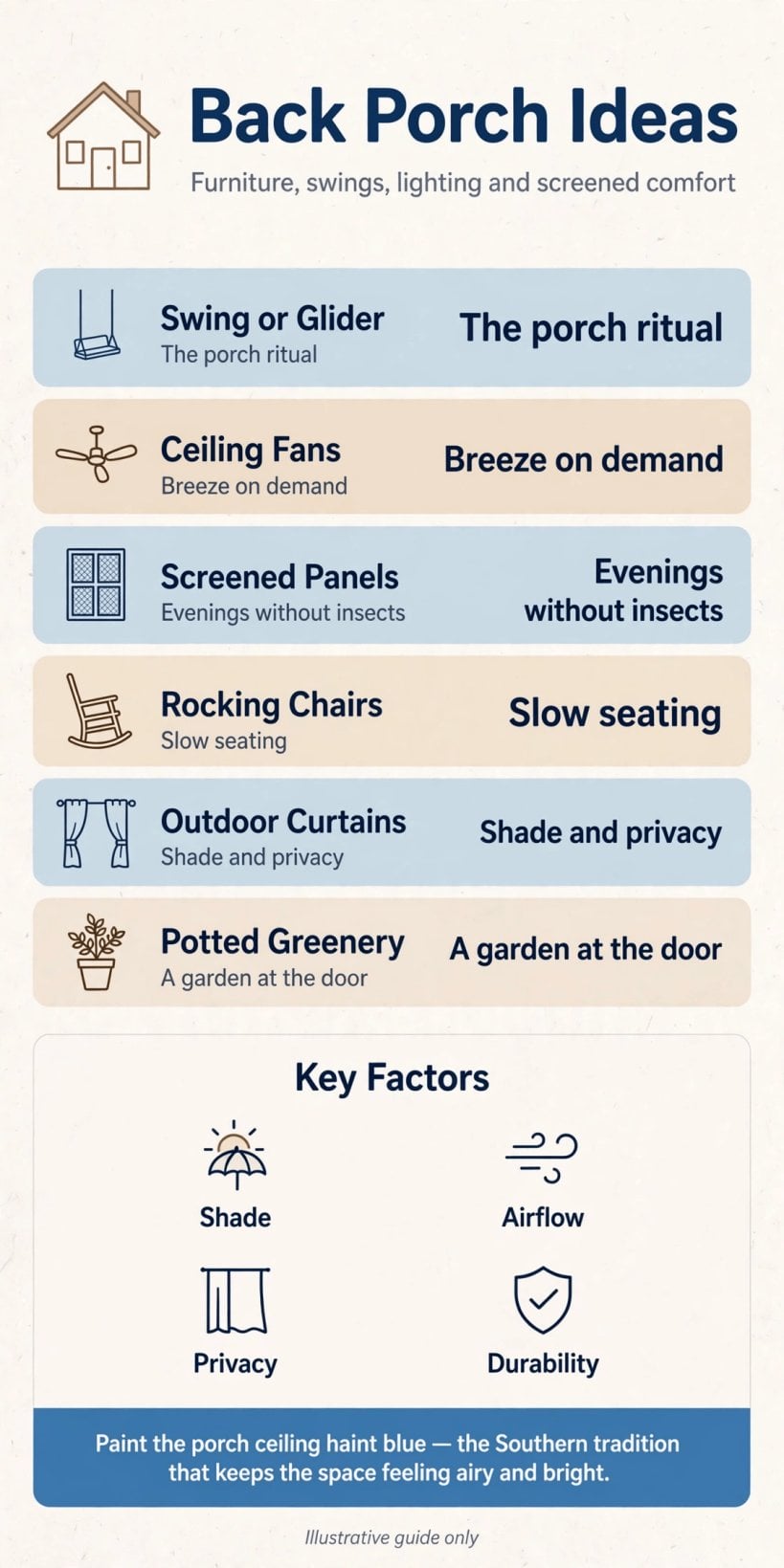
A quick visual summary of porch zones, shade options, screen choices and lighting layers before the ideas begin.
- Map the sun before anything else. Spend one day noting which corners are shaded at breakfast, midday and evening. Place the swing in morning light, dining where midday shade falls, and loungers where the last sun lingers longest.
- Keep a clear path from the door. Everyone crosses the porch carrying something — trays, laundry, firewood, dogs. A straight, unobstructed route from door to steps keeps furniture arrangements honest and prevents daily frustration.
- Decide the porch’s main job. Quiet reading, family dining, neighbourly coffee and children’s play all ask for different layouts. Name the primary use first, then let secondary uses borrow space rather than compete for it.
- Measure before you fall in love. Tape the footprint of any sofa, swing or table on the floor before buying. Swings need swing room, chairs need pull-out room, and every seat needs knee room nobody remembers to allow.
- Plan for insects from the start. If evenings mean mosquitoes where you live, screening or at least a fan plan belongs in the first sketch, not as an apology later. Biting insects end more porch evenings than rain does.
- Give cushions a weather plan. Cushions are the comfort and the chore of porch life. Decide now where they go when storms threaten — a bench box, a dry corner indoors, or covers that genuinely stay on.
- Check the ceiling and structure. Swings, fans and hanging chairs all hang from something. Confirm what the beams above can carry before choosing any suspended seat, and spread fixings across structure, never into boards alone.
2. Layouts and Zones That Earn Their Space
Zoning is what turns a rectangle of boards into a room. Anchor each zone with a rug, a light or a furniture grouping, using the same room-planning thinking found in our Tiny House Living Room Ideas, just moved outdoors.
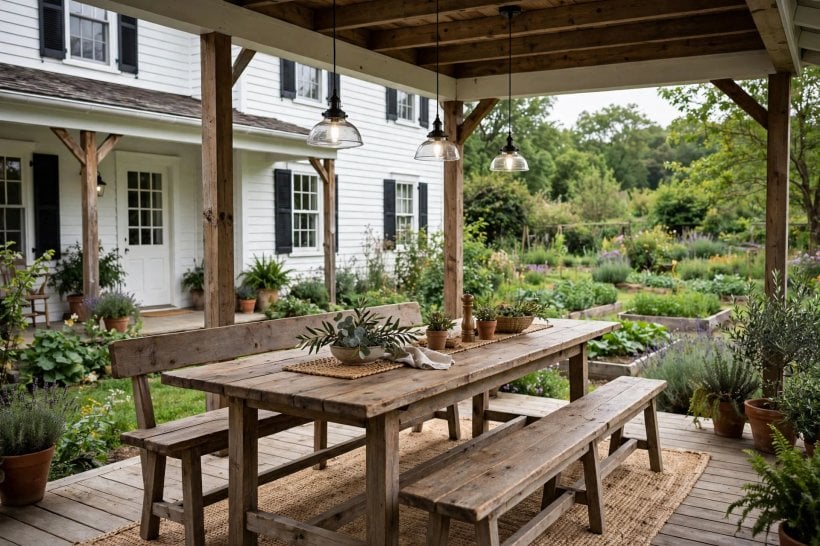
- Morning corner, evening corner. Give the day two addresses: an east-facing chair for first coffee in early sun, and a west-facing seat for the evening’s last light. The porch feels twice as large when its hours have homes.
- Conversation square. Four chairs or two loveseats facing each other over a low table remains the most sociable arrangement ever devised. Keep distances close enough for quiet talk; porches reward intimacy, not sprawl.
- Dining at the shaded end. Put the table where midday shade is deepest and the kitchen door is nearest. Serving distance matters every single meal, while the view is a bonus that can be enjoyed from the end seats.
- Swing as the anchor. Build the layout around the swing’s arc: nothing inside its sweep, a small table within arm’s reach, and the best view straight ahead. An anchored swing becomes the porch’s heartbeat.
- Reading nook by the rail. One deep chair, a footstool, a side table and the porch’s best reading light — natural by day, warm by night — create a nook that gets claimed early and defended cheerfully.
- Long, narrow porch in stations. Divide a skinny porch into two or three small stations — coffee spot, swing, plant bench — rather than one stretched line of chairs. Stations give each stretch of floor a purpose.
- Children’s corner that grows up. A washable rug, low bench and basket of outdoor toys in one corner keeps small people happily inside the porch’s life. As children grow, the same corner becomes teen seating without rebuilding anything.
- Flexible centre for gatherings. Keep the middle of a larger porch loosely furnished so tables can join, chairs can multiply and a party can happen. Fixed arrangements are for daily life; flexible centres are for the days everyone remembers.
3. Furniture Essentials That Last Outdoors
Outdoor furniture fails through weather, weight and wobble — in that order. Buy fewer, better pieces with honest materials, and borrow the assess-every-piece discipline from our Tiny House Interior Design guide: everything must earn its footprint.
- Deep-seated chairs as the foundation. Two genuinely comfortable deep chairs will be used more than any other purchase. Test seat height and cushion depth as you would a sofa; porches host long sits, not photo shoots.
- A loveseat for shared sits. A two-seat bench or loveseat suits couples, grandparents with grandchildren, and anyone reading beside a dog. Place it facing the garden’s best view and it becomes the evening’s default address.
- Rocking chairs for rhythm. Rockers suit porches the way porches suit rockers — the pairing is centuries old because it works. Choose runners that will not mark your floor, and add thin cushions rather than thick ones.
- Side tables at every seat. Each permanent seat deserves a surface within arm’s reach for drinks, books and spectacles. Mismatched small tables collected over time look more like a home than a matched set ever will.
- A coffee table that can take weather. The central table will hold wet glasses, muddy pots and board games. A slatted timber, metal or stone-look top shrugs off all three; save delicate finishes for indoors.
- Storage bench doing double duty. A bench with a dry box inside seats two, stores every cushion, and anchors a zone beautifully. If you buy one multifunctional piece for a small porch, this is the one.
- Lightweight chairs for guests. A few stackable or folding chairs in a corner multiply seating for gatherings without crowding daily life. Choose ones you can carry one-handed while holding a tray in the other.
- Materials matched to your weather. Teak, powder-coated metal, quality resin wicker and outdoor-grade fabrics each suit different climates and maintenance appetites. Honest material choices, kept clean, outlast fashionable ones neglected.
4. Swings, Rockers and Daybeds
Movement is the porch’s secret ingredient: a gentle rock changes how an hour feels. Suspend what you can safely, give every moving seat its clearance, and let the swing of the place set its tempo.

- Classic two-person swing. The traditional slatted swing, hung level and facing the view, remains the seat everyone migrates to. Hang it so feet rest flat or dangle happily — both postures should be comfortable.
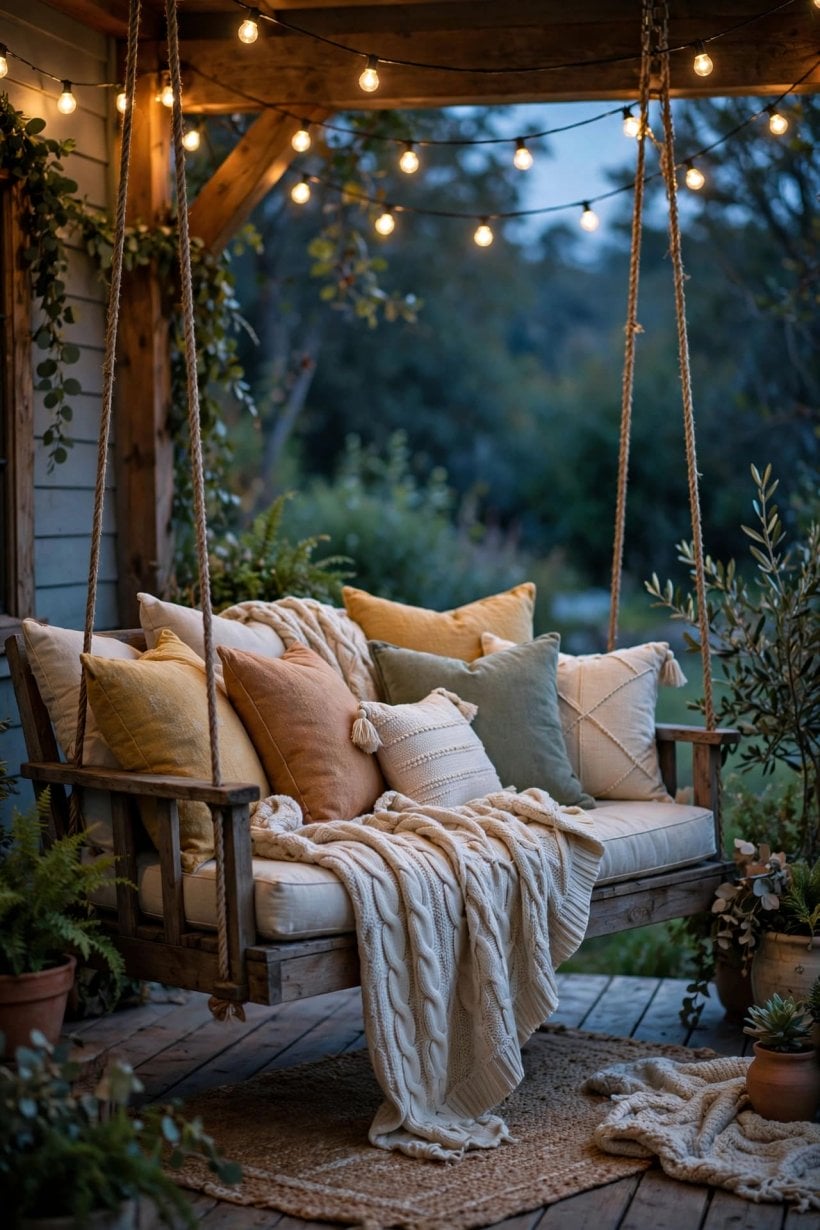
- Deep swing bed for slow afternoons. A wide swing daybed with real cushions turns the porch into a nap destination. It needs generous clearance and a blanket within reach; expect it to be occupied whenever the weather is kind.
- Single hanging egg or pod chair. One suspended cocoon chair gives a small porch its feature seat without a swing’s footprint. Confirm the fixing point properly, and angle it towards the view rather than the door.
- Glider for gentle motion on solid floors. Where hanging is impossible, a glider bench offers the same rhythm standing on its own frame. Gliders suit upper porches and renters who cannot touch the structure above.
- Hammock across a quiet corner. Diagonal corners were invented for hammocks. Hooks in solid posts, a washable fabric, and a small table nearby create the cheapest luxury on this entire list of seventy-five.
- Rockers in a row for company. Three rockers facing the garden make conversation, shelling peas and watching storms equally companionable. Keep a shared table at the end of the row for drinks and elbows.
- Cushions that invite lingering. Swing and daybed cushions in outdoor fabric, deep enough for a real lean, transform hard slats into furniture. Choose covers that unzip for washing; porch cushions meet pollen, pets and lemonade.
- Clearance checked twice. Measure the full arc of any swing with its tallest imagined occupant aboard. Walls, rails and plant stands inside that arc will be found — by the swing, in motion, at the worst moment.
5. Screening, Shade and Privacy
Comfort outdoors is mostly about edges: keeping insects out, sun off and neighbours’ sightlines soft. The right combination of screens, shades and planting gives the porch its calm, and our Tiny House Landscaping Ideas can extend that privacy planting into the garden.

- Full screening for true evening use. Floor-to-ceiling insect screen on open sides transforms dusk from a retreat indoors into the porch’s finest hour. Keep panels replaceable in sections, because screens live hard lives.
- Screen door that closes itself. A self-closing, latching screen door is the unsung hero of every screened porch. Doors left ajar by children, dogs and tray-carrying adults are how the insects win.
- Partial screening where pressure is light. In breezy or low-insect areas, screening just the seating end can be enough, leaving the dining end open to the garden. Partial work costs less and keeps the outlook wide.
- Ceiling fan as an insect deterrent. Moving air discourages weak fliers like mosquitoes while cooling everyone beneath. A fan over the main seating zone earns its place on screened and unscreened porches alike.
- Outdoor curtains for shade and privacy. Washable curtains on a simple rod soften low western sun, add privacy on overlooked sides and move beautifully in breeze. Tie them back neatly; loose fabric near candles is not a combination to allow.
- Roller shades for glare control. Exterior roller shades drop for the brutal hours and vanish when the light softens. They are the tidy answer where curtains would billow into drinks and plants.
- Climbing plants as living shade. A trellis panel with a vigorous climber shades and screens while perfuming the air. Choose plants honestly suited to your winters, and give roots a big container or a ground bed.
- Lattice and slat panels for filtered privacy. Timber slats break sightlines while keeping air moving — privacy without a wall’s heaviness. They also give climbing plants a structure and the porch a crafted, finished edge.
6. Lighting for Long Evenings
Porch light should glow, not glare: several small warm sources beat one bright fitting every time. Layer ceiling, wall and portable light so the porch can be bright for games and dim for stargazing within a minute.

- Ceiling fan with a warm light kit. One central fitting that moves air and gives gentle overhead light covers two needs in a single installation. Choose dimmable, warm bulbs and the fan light stops feeling like a compromise.
- Wall lanterns flanking the door. A pair of lanterns by the door lights faces kindly, marks the way indoors and makes the house look welcoming from the garden. Match their finish to hinges and house numbers for quiet coherence.
- String lights along the beam. Festoon lights tracing the porch’s edge give instant celebration and flattering, diffuse light. Use outdoor-rated sets, support the catenary properly, and keep a spare set of bulbs in the bench box.
- Lanterns and hurricane lamps on tables. Portable lanterns — real flame in safe hurricanes or quality battery versions — gather light where people actually sit. Cluster them in odd numbers and the tables style themselves.
- Step and path lighting for safe feet. Small lights at steps and level changes prevent the evening’s only drama being a stumble. Low, shielded fittings light treads without glaring into seated eyes.
- Solar accents where wiring is hard. Solar stakes and table lights will never light a dinner, but they mark edges and add sparkle without an electrician. Treat them as jewellery, not infrastructure, and they never disappoint.
- Dimmers and scenes, simply done. Even one dimmer on the main circuit lets the porch shift from board-game bright to firefly soft. Simplicity matters: controls nobody understands stay at full blast forever.
- Candlelight kept safe and deliberate. Real candles belong in glass hurricanes on stable, heat-safe surfaces, away from cushions and curtain hems. Planned candlelight is atmosphere; careless candlelight is a story with a bad ending.
7. Flooring, Rugs and the Ceiling Above
The surfaces you touch barefoot and look up at from the swing decide how finished the porch feels. Underfoot comfort, a washable rug and a painted ceiling are the trio that turns boards and rafters into a room — colour help lives in our Tiny House Interior Paint Colors guide.

- Boards running the long way. Floorboards laid along the porch’s length draw the eye out to the garden and make narrow spaces feel longer. Keep gaps honest for drainage and sweep-ability; porches collect the outdoors daily.
- Painted floor for a cottage feel. A porch floor painted in a classic colour unifies patched boards and brightens shaded spaces. Use proper floor paint, expect cheerful wear, and repaint on a rhythm rather than mourning every scuff.
- Outdoor rug defining the main zone. A washable outdoor rug under the conversation group muffles footsteps, protects bare feet from splinters and declares the zone. Hose it, shake it, let it dry in sun — choose one that invites exactly that.
- Layered mats at the door. A scraper mat outside and a washable runner inside the door keep the porch floor and the house cleaner with zero thought. This tiny system quietly saves more housework than any other idea here.
- Pale blue ceiling tradition. A soft blue-green ceiling is a beloved porch tradition said to echo sky and discourage nesting insects. Proven or not, the colour is beautiful against white trim and worth it for looks alone.
- Beadboard or boarded ceiling. Lining the underside of the roof with boards hides rafters, reflects lamplight warmly and makes the porch feel built rather than assembled. Paint it before furniture arrives and thank yourself later.
- Ceiling fan sized to the space. A fan matched to the porch’s dimensions moves air without rattling conversation. Outdoor-rated damp or wet models only — indoor fans surrender quickly to porch humidity.
- Barefoot-friendly finishes. Sand rough boards, sink stray screws and choose rug textures kindly. A porch is a barefoot place from May to September in most lives; its floor should be planned that way.
8. Dining and Entertaining Out Back
Food tastes better outdoors — provided serving is easy, drinks stay cold and nobody balances a plate on a railing. A few hosting fixtures turn occasional porch suppers into the household’s default summer plan, especially paired with the drinks-station thinking in our Home Coffee Bar Design Ideas.

- Table sized for real meals. Choose a table that seats your household plus two, with elbow room for serving dishes. Extendable designs earn their keep twelve months a year, not just on party weekends.
- Serving ledge along the rail. A wide, sturdy rail cap or a slim serving shelf gives drinks, platters and elbows a home during gatherings. It is the hardest-working twenty centimetres in any entertaining layout.
- Drinks station on a trolley or tray table. A dedicated drinks spot — ice bucket, glasses, bottles, water jug — keeps trips indoors rare and the host at the table. Park it in shade so the ice outlasts the conversation.
- Bench seating for squeezable gatherings. Benches along the table’s long sides seat the extra cousin gracefully and slide underneath when the meal ends. Add long cushions and benches stop feeling like the children’s seats.
- Shade over the table at midday. Whether from the roof, a shade sail or a big umbrella, dining shade is non-negotiable for summer lunches. Test the shadow at one o’clock, not at the hour you bought the furniture.
- Outdoor-safe serveware stored nearby. Enamel, melamine and steel serveware living in the porch’s bench box ends the indoor-outdoor relay race. Pretty and unbreakable is a real combination; choose it once and stop carrying glassware through doorways.
- A bin, discreetly placed. One small, lidded bin on the porch keeps napkins, wrappers and bottle caps from migrating across tables and rails. Parties stay tidy when throwing things away is effortless.
9. Plants, Decor and Small Porches
Greenery is what makes a porch feel like the garden’s room rather than the house’s corridor. Even the smallest porch takes a pot, a hanging basket and one personal layer — and the planting advice in our Tiny House Landscaping Ideas scales right down to a doorstep.
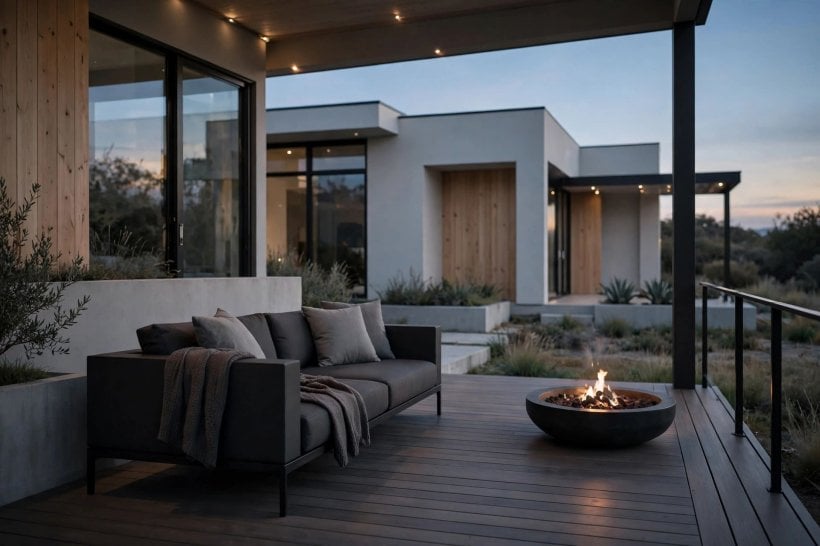
- Pots in threes by the steps. A cluster of three pots — tall, medium, trailing — at the steps softens the porch-to-garden junction. Keep the palette of pots consistent and the planting can change with every season.
- Hanging baskets at eye level. Baskets hung just above seated eye level bring flowers into view without using a centimetre of floor. Water them with a long-spout can or a drip system, or they will quietly resent August.
- Herbs within snipping distance. Mint, basil and rosemary in pots by the dining zone serve drinks and dinners alike. Herbs ask for sun and water, repay with scent every time a hand brushes past.
- A small tree for structure. One potted olive, citrus or maple gives a porch year-round bones that annual flowers cannot. Choose the biggest container you can manage; roots in small pots live thirsty, difficult lives.
- Textiles that tell the season. Cushion covers and a throw in rotation — linens for summer, plaids for autumn — refresh the whole porch for the price of a pizza. Store the off-season set in the bench box.
- Personal layer: signs, bells, found things. A wind chime, a house sign, a bowl of collected stones — one or two personal objects make the porch yours rather than a catalogue’s. Edit ruthlessly; charm curdles into clutter quickly outdoors.
- Small porch, vertical thinking. Where floor space is tiny, go up: wall planters, a fold-down table, stackable stools and a rail-mounted herb box. A small porch with vertical storage lives far larger than its measurements.
10. Seasons, Weather and Everyday Care
A porch that is easy to keep is a porch that gets used. Ten minutes of weekly care, a storm routine the household knows, and honest winter storage will keep every earlier idea working for years — the low-maintenance mindset in our Modern Tiny House Interior Ideas applies outdoors too.
- Storm routine everyone knows. Cushions in, light chairs stacked, hanging baskets down — a five-minute routine the whole household can run when weather turns. Practise it once in sunshine and it will happen calmly in wind.
- Weekly sweep and wipe rhythm. Porches collect pollen, leaves and spider architecture at remarkable speed. A weekly sweep, a monthly wash-down and cobweb corners kept honest preserve the just-finished feeling all season.
- Covers that actually get used. Furniture covers only work if they are quick: elastic hems, handles, and storage within arm’s reach of the furniture. Complicated covers live in the garage while rain ruins the chairs.
- Winter storage with a plan. Decide in autumn where cushions, textiles and delicate pieces winter — dry, ventilated and off the floor. Label the boxes in spring-you’s language and reopening the porch becomes a pleasure.
- Wood care on a calendar. Timber floors, swings and furniture want cleaning and re-oiling or resealing on the maker’s rhythm. Sun and rain are patient; a calendar reminder is how porches stay handsome anyway.
- Shoulder-season warmth. A throw per chair, a windward curtain and one safe heat source stretch the porch’s year by months. The first and last outdoor weeks are often the most beautiful of all.
Final Considerations
Start with the unphotogenic essentials — shade, screens, sound fixings and storage — because they decide how many hours the porch truly gets used. Then add the swing, the string lights and the pots, in that order, and stop decorating while it still feels calm.
Have structural fixings for swings, fans and heaters checked by someone qualified, follow makers’ guidance for outdoor electrics, and keep real flames in safe hurricanes away from fabrics. With that care taken, the porch becomes what it should be: the house’s happiest room, open to the garden and used from first coffee to last light.


0 Comments