
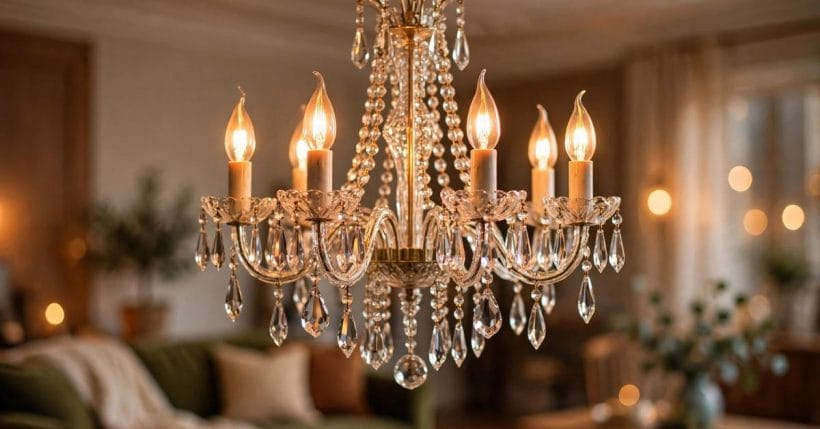
Staring at a bulb packet in a shop, faced with two codes that look almost alike, is a small modern confusion with a simple answer — once you know that the two codes measure different things. B10 and E12 are not two rival bases, and neither is a different name for the other. B10 describes the bulb’s shape and size; E12 describes its screw base. A single bulb very often carries both codes at once — a flame-tip bulb, B10 in shape, fitted with a candelabra screw base, E12 — which is exactly why shoppers mix them up.
This guide explains the two designations in general terms: what each code actually names, why they appear together, how to check both when you shop, and what goes wrong when either is mismatched. No wiring instructions are given, and no brightness or power claims are made for any particular bulb — those belong to the maker’s own guidance for the bulb you buy. Electrical work, where it is needed at all, belongs to qualified professionals.
| Item | What it is |
|---|---|
| The Short Answer: Different Jobs, Often One Bulb | B10 and E12 are not the same thing, but they are not alternatives either. |
| What the Two Codes Actually Name | Bulb codes come in two families, and the letter tells you which family a code belongs to. |
| Why Both Codes Appear on One Packet | It helps to read a packet the way the maker wrote it: shape first, base second, as a pair. |
| The E12 Base: A Small Screw Connector | The E12 base is a compact member of the Edison screw family, used widely in decorative lighting where a small bulb suits the fitting's scale. |
| The B10 Shape: A Small Flame Tip | Flame-tip bulbs also age visibly in a way that helps you shop. |
| How to Tell What You Have | The surest way to identify what you need is to look at the old bulb and its packet together. |
| Two Different Ways to Get It Wrong | One more mismatch deserves mention because it is easy to miss: the bulb that fits both codes yet still suits neither the room nor the fitting. |
| Brightness, Power and the Maker's Guidance | Neither code says anything about brightness or power. |
| Adapters: They Change Bases, Not Shapes | Adapters also deserve a periodic check once fitted. |
| Shopping Without a Second Trip | The reliable shopping routine takes one minute and prevents nearly every base-and-shape mistake. |
1. The Short Answer: Different Jobs, Often One Bulb
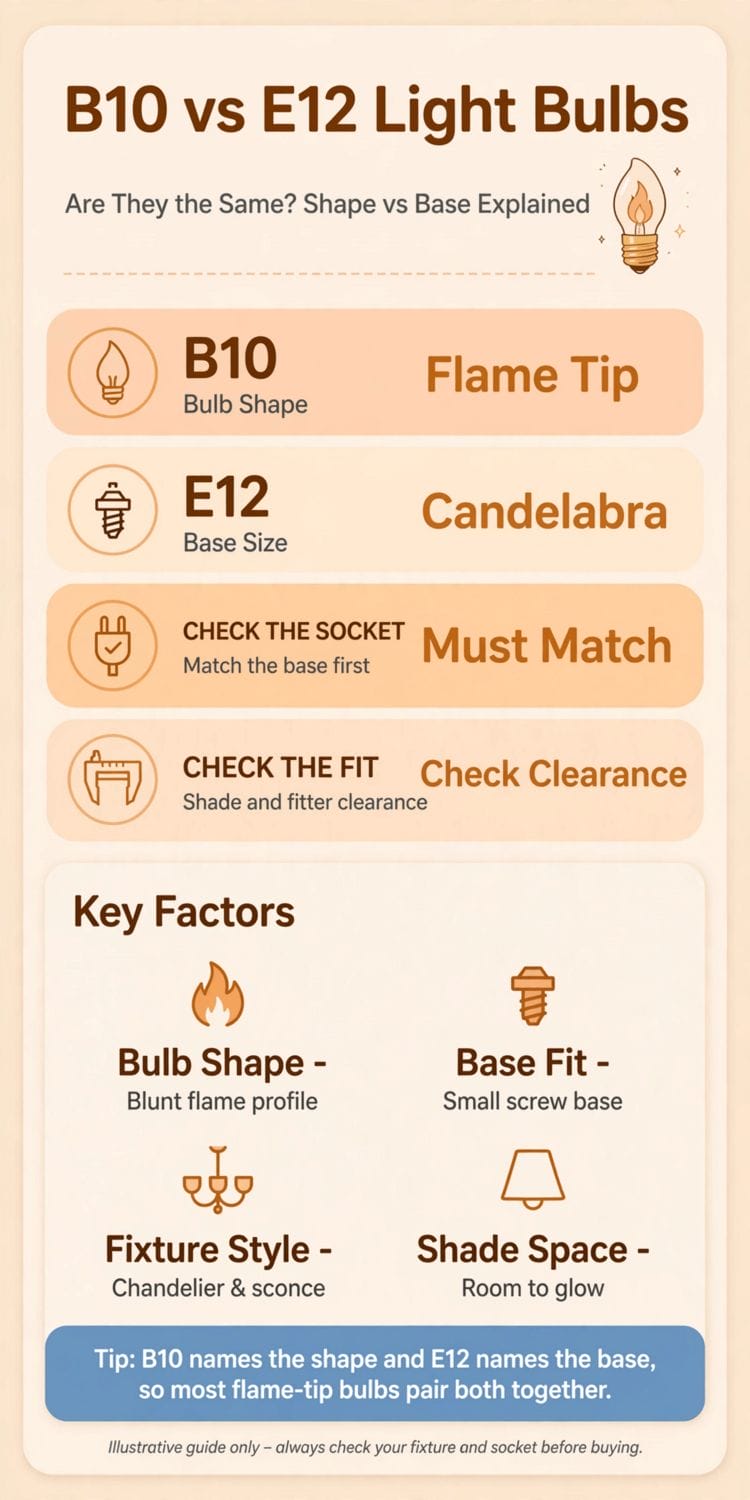
B10 and E12 are not the same thing, but they are not alternatives either. Think of them as two labels on one bulb, each answering a different question. B10 answers “what shape and size is this bulb?” E12 answers “what base screws it into the fitting?” A bulb can therefore be B10-shaped and E12-based at the same time — and the classic small chandelier bulb usually is.
That is the whole confusion in one paragraph, and it is worth stating plainly before the detail, because the question “is B10 the same as E12?” sounds like a choice between two products when it is really a mix-up between two attributes. The shopper who understands that stops hunting for a “B10 or E12” decision and starts checking two things instead: does the shape suit the fixture, and does the base match the socket?
2. What the Two Codes Actually Name
Bulb codes come in two families, and the letter tells you which family a code belongs to. Shape codes describe the glass: its profile and its size class. Base codes describe the connector: how the bulb attaches to the fitting and how large that connector is. B10 belongs to the first family — a small flame-style shape, the kind seen on chandeliers and wall sconces. E12 belongs to the second — the Edison screw family, in its small candelabra size.
The letters give the game away once you know them. In base codes, E stands for the Edison screw, the threaded connector that winds into its holder. In shape codes, B marks the blunt, flame-tip profile. The numbers size each code within its own system: they let you match like with like inside one family, but a number from a shape code and a number from a base code are not comparable. A B10 and an E12 share nothing except smallness, and smallness is not sameness.
3. Why Both Codes Appear on One Packet
It helps to read a packet the way the maker wrote it: shape first, base second, as a pair. A packet marked with a shape code alone leaves you guessing about the socket; one marked with a base code alone leaves you guessing about the shade. Together they answer the only two questions that matter before purchase, which is why reputable makers print both. If a packet prints only one code, treat the missing one as a question to answer — check the old bulb, the holder, or the shop staff — rather than assuming the visible code tells the whole story.
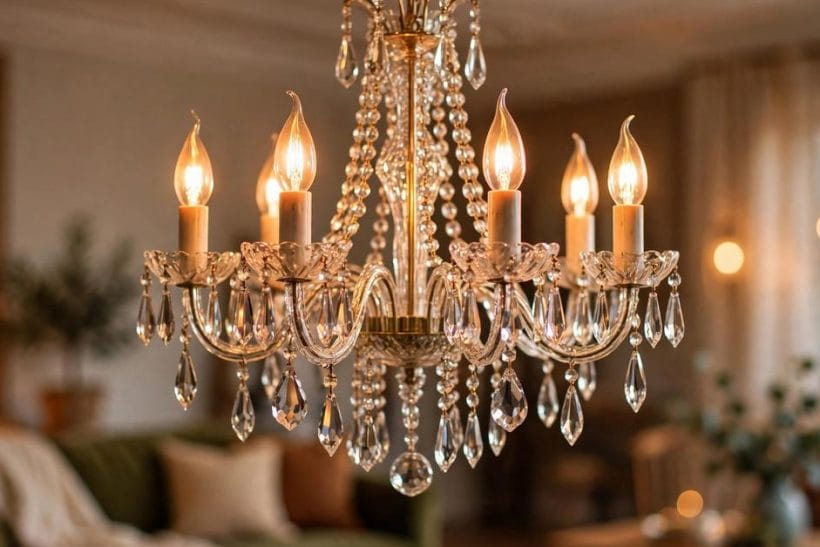
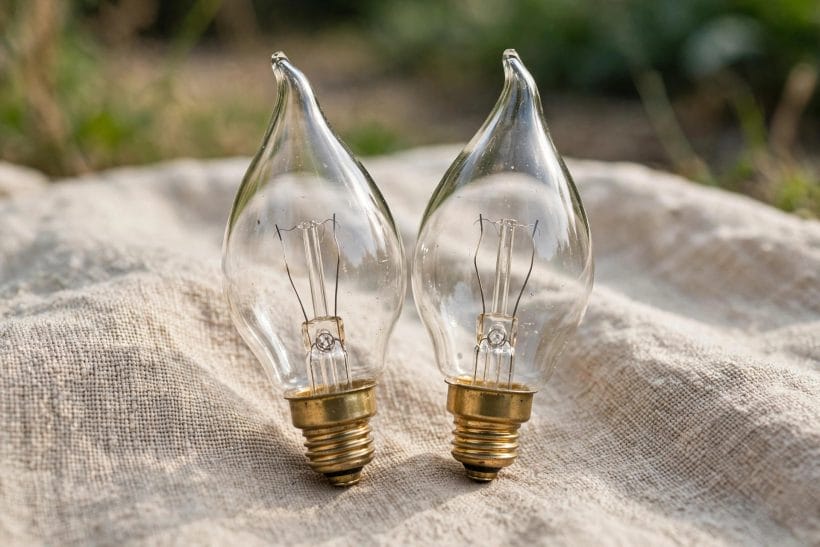
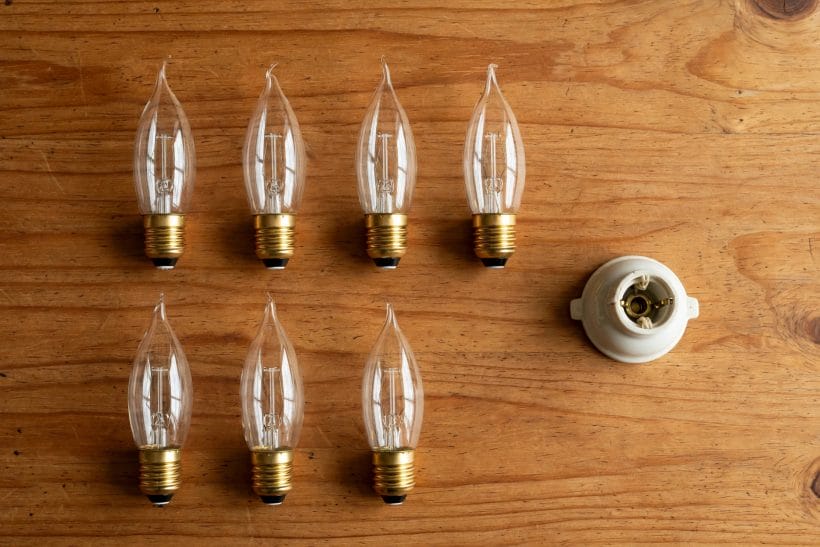
Walk down a lighting aisle and you will see packets marked with both codes together, and that pairing is the source of the confusion. A packet reading “B10 E12” is not offering a choice; it is describing one bulb twice over — flame-tip shape, candelabra screw base. The two codes sit side by side because a buyer needs both facts before purchase, and the packet gives them together.
This pairing is also why the question gets asked in the first place. A shopper who has only ever bought one code at a time sees two codes and assumes a contest. In fact, the contest never existed: the shape code and the base code cooperate, and the bulb that carries both is the ordinary, everyday chandelier bulb found in homes everywhere. Once that clicks, the aisle becomes much less intimidating.
4. The E12 Base: A Small Screw Connector
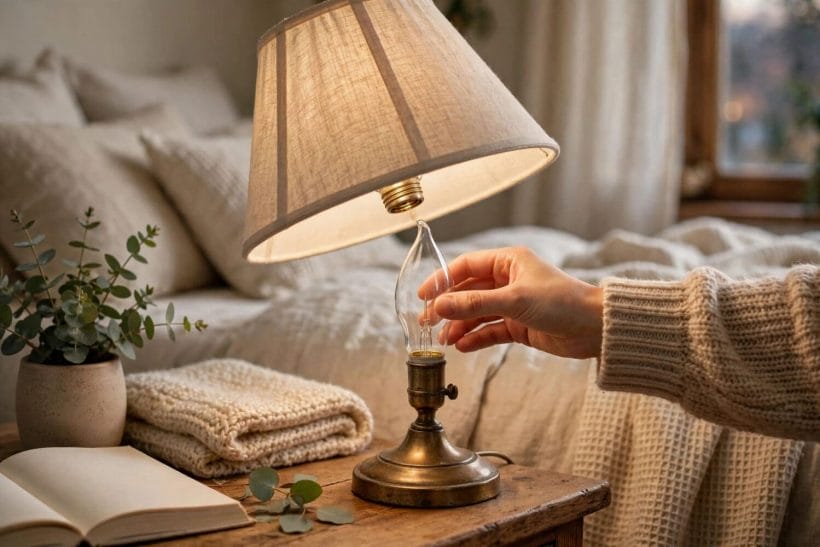
The E12 base is a compact member of the Edison screw family, used widely in decorative lighting where a small bulb suits the fitting’s scale. Its holder is a threaded socket, and the bulb screws in until it seats firmly. The motion is familiar from ordinary household bulbs, which is why screw bases feel intuitive to most people.
Screw fittings reward a light hand. Screw the bulb until it seats and the light works, then stop — overtightening can damage the socket or make the bulb hard to remove later. If a screw bulb will not turn smoothly, stop and check the socket for damage or debris rather than forcing it; a damaged socket is a job for a qualified professional, not a stronger grip. The ceiling fan checks guide covers light kits on fans, where small screw bases commonly appear and the same gentle-hand rule applies.
5. The B10 Shape: A Small Flame Tip
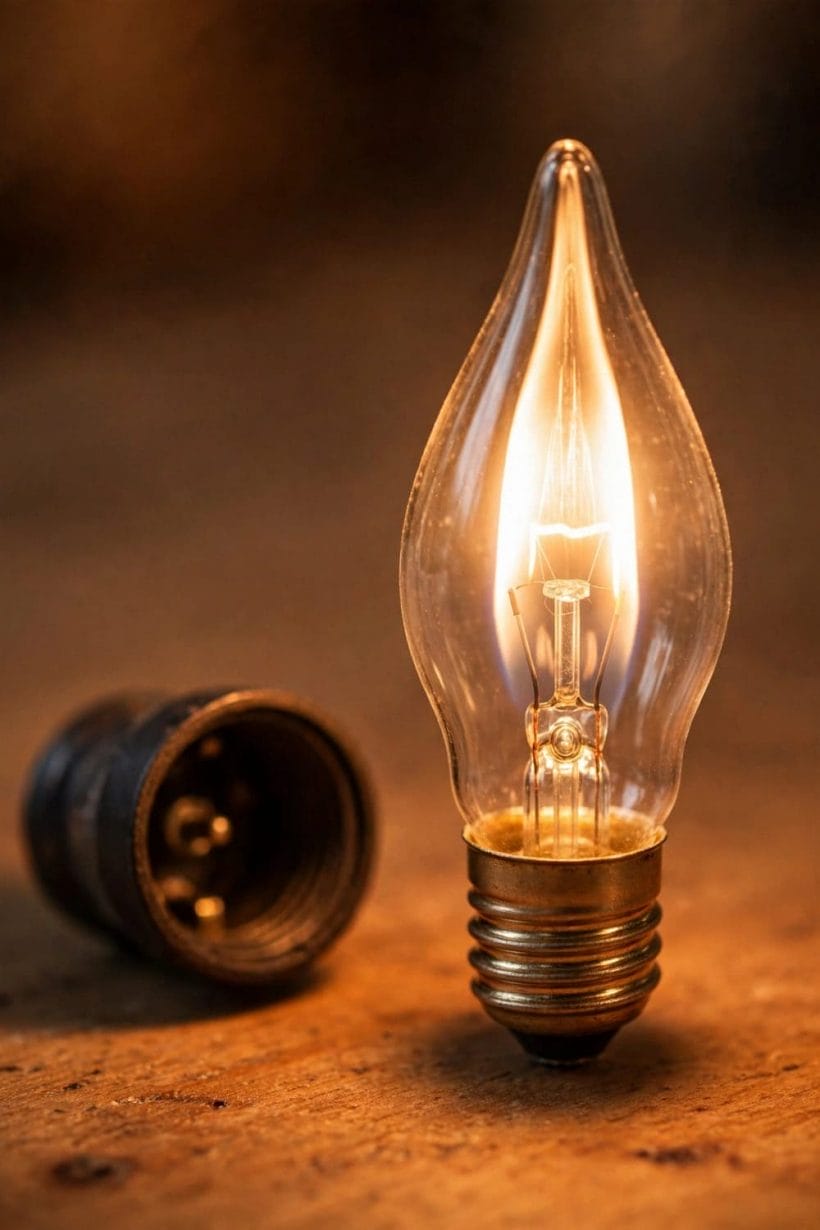
Flame-tip bulbs also age visibly in a way that helps you shop. When one bulb in a chandelier fails, its neighbours are usually near the end of their lives too, and replacing the whole set at once keeps the fitting looking even — a single bright new bulb among dimmed old ones stands out more than people expect. Keep the old bulbs’ packet, or a photograph of it, so the replacement set matches on both codes. A chandelier that matches on shape but not on base, or on base but not on shape, will remind you of the mismatch every evening.
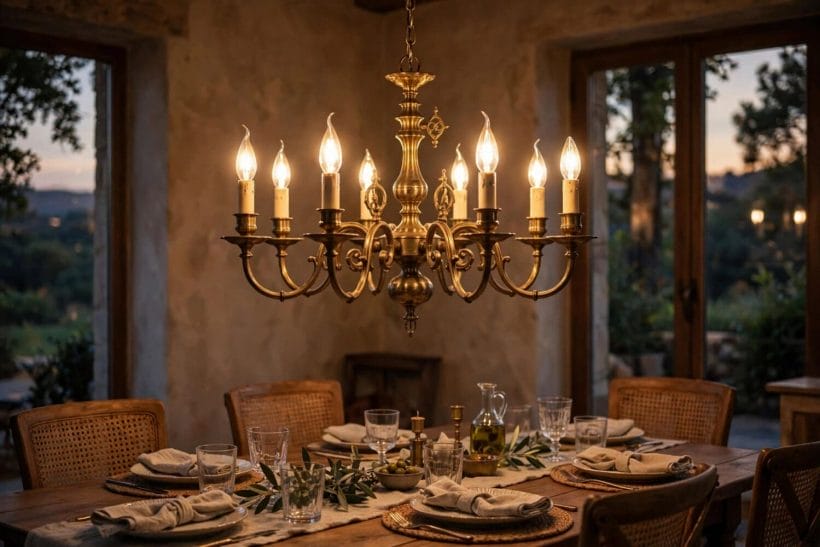
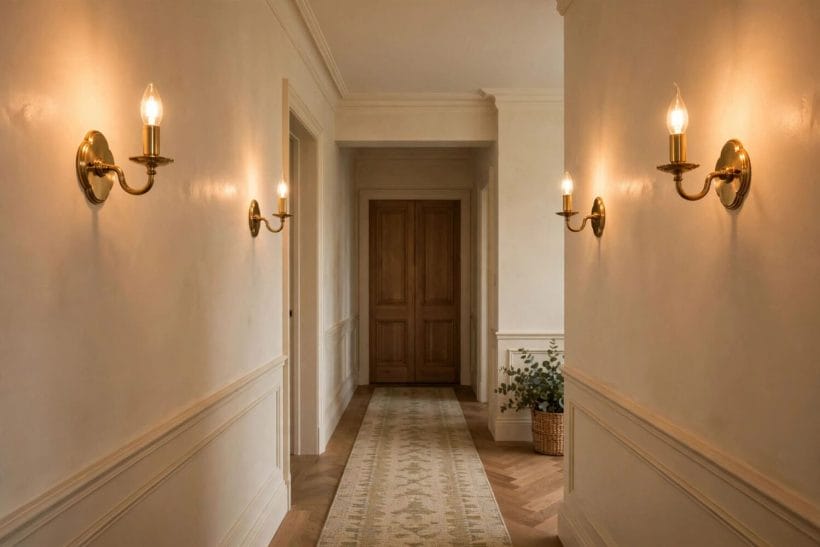
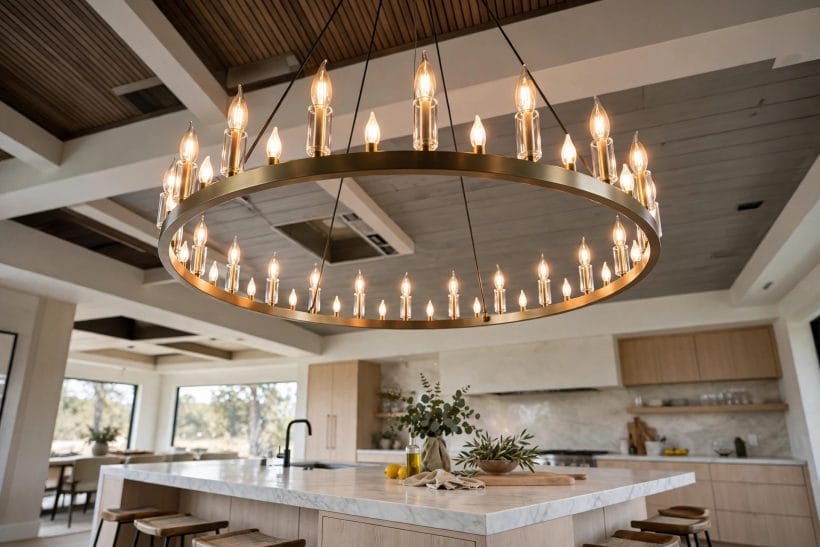
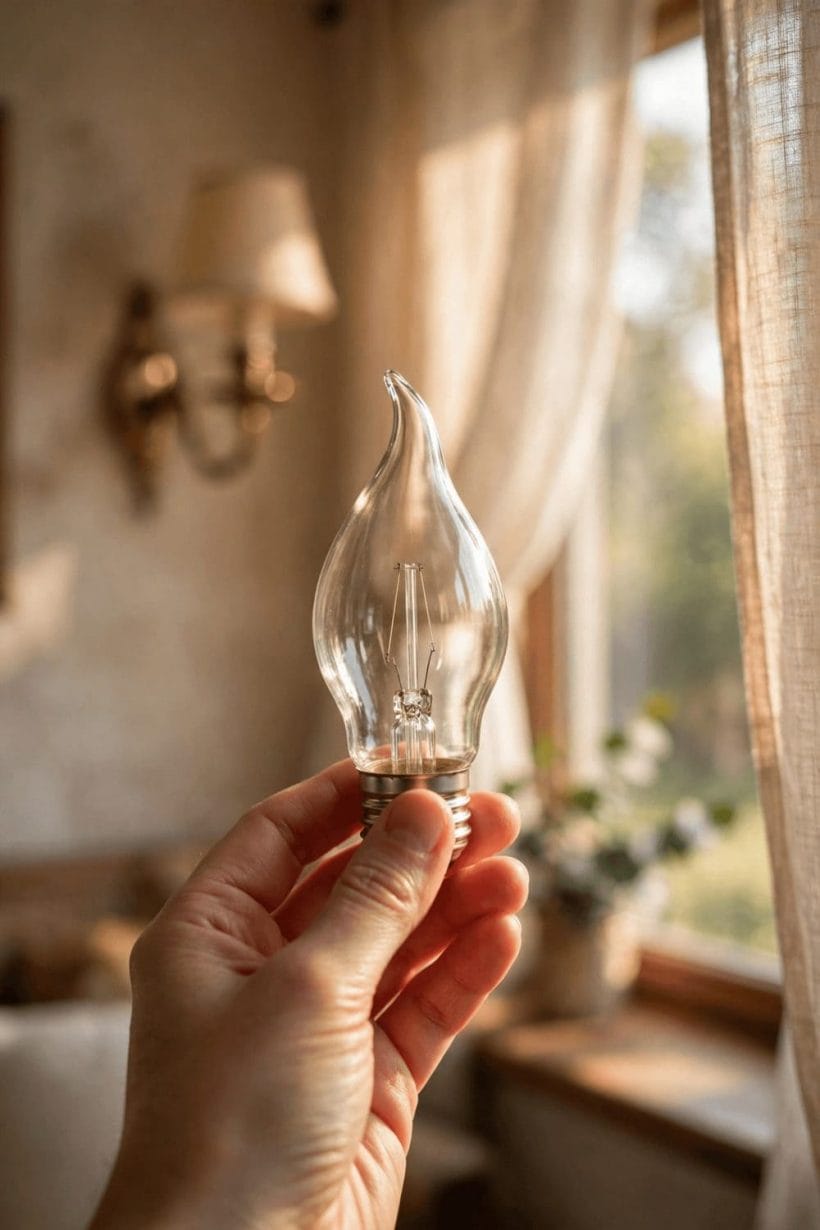
The B10 shape is the flame-tip profile: a small, tapered bulb that rises to a soft point, made for chandeliers, sconces and decorative fittings where the bulb itself is part of the look. Because the glass is the decoration, B10 bulbs are usually left exposed or lightly shaded, and their shape is chosen as much for appearance as for light.
Shape matters practically as well as decoratively. A flame-tip bulb that is too tall for its shade will poke out awkwardly; one that is too wide for a clustered chandelier arm will crowd its neighbours. Check the new bulb’s shape against the old one and against the shade or enclosure it must fit, not just against the socket. A bulb that fits the socket but not the shade is still the wrong bulb, and it is the shape code, not the base code, that warns you. For the ceiling side of this decision, the false ceiling guide covers ceiling lights generally, including why fitting choice deserves the same care as bulb choice.
6. How to Tell What You Have
The surest way to identify what you need is to look at the old bulb and its packet together. The old bulb’s shape shows the shape code — flame-tip or otherwise — and its base shows the base code, while the packet usually prints both. A photograph of the old bulb beside its packet, taken in good light, is a reliable shopping aid that answers both questions at once.
If the old bulb is gone, look at the fitting itself. The empty holder shows the base family directly: a threaded socket takes a screw base, and its size class can be matched from the holder or the fitting’s own markings. The shade or enclosure shows the shape constraint: measure the space the bulb must occupy and compare it with the shape you plan to buy. Match both codes — shape to the fixture, base to the socket — and the purchase is safe. Matching only one code is how the second trip happens.
7. Two Different Ways to Get It Wrong
One more mismatch deserves mention because it is easy to miss: the bulb that fits both codes yet still suits neither the room nor the fitting. A flame-tip bulb in a fitting designed for a globe, or a small screw bulb in a holder rated for a larger one, may technically fit while looking wrong and lighting badly. Codes guarantee fit, not suitability. Step back and judge the bulb in the room — does it look right in the fitting, does it light the space it should, does it sit comfortably in its shade? Fit is necessary, but it is not sufficient, and the eye is the final judge.
Mismatching the base and mismatching the shape fail differently, and knowing both failure modes helps you spot trouble early. A wrong base simply will not fit the socket: a screw bulb cannot lock into a holder made for another connector, and forcing it risks cracking the bulb or damaging the holder’s contacts. The rule is absolute — if the bulb does not fit with the fitting’s own motion, stop, because the bulb that needs force is the wrong bulb.
A wrong shape fails more quietly: the bulb screws in fine but crowds the shade, pokes out of the enclosure, or sits so close to a neighbour that the fitting looks wrong and the light falls badly. Nothing breaks, but the result disappoints every evening. Check the shape against the shade before buying, and check the base against the socket — two checks, two codes, no surprises. A damaged holder or any wiring concern is a job for a qualified professional, not a stronger grip or a clever workaround.
8. Brightness, Power and the Maker’s Guidance
Neither code says anything about brightness or power. Two bulbs with the same shape and base can differ widely in the light they give and the power they draw, and the fitting itself usually carries a maximum rating that must be respected. Always check the fitting’s rating and the bulb maker’s guidance together, and never exceed the fitting’s stated maximum, whatever the codes.
Where a bulb’s packet gives brightness and power figures, treat them as that maker’s claims for that bulb, not as general facts about either code. A B10-shaped bulb and an E12-based bulb are not brighter or dimmer than each other by virtue of their codes; brightness comes from the bulb’s design, not its shape or connector. If a room needs more light, change the bulb’s specification within the fitting’s rating, or add a light — do not chase brightness by changing codes.
9. Adapters: They Change Bases, Not Shapes
Adapters also deserve a periodic check once fitted. Because they add a joint between bulb and holder, they can work slightly loose with vibration — a door slamming, a fan running, a washing machine nearby — and a loose adapter flickers or dims just as a loose bulb does. If a light with an adapter starts flickering, check the adapter’s seating first, with the power off, before blaming the bulb. And if an adapter ever feels hot to the touch after use, remove it and reconsider: heat at a joint is a warning, not a quirk.
Adapters exist that convert one base to another, and they can rescue a situation where a favourite bulb only comes in a different base. Used within their ratings and with a fitting that allows them, adapters are legitimate. But remember what an adapter can and cannot do: it changes the connector, never the shape. A bulb that is too tall for its shade stays too tall with an adapter, and usually grows slightly longer into the bargain.
Treat adapters as a considered choice, not a casual fix. Check that the adapter suits the fitting’s rating, that the lengthened bulb still fits the shade or enclosure, and that the combination sits securely without wobbling. If the fitting is enclosed, heat matters too — an adapter plus a bulb in a sealed shade can trap warmth that an open fitting would shed. When in doubt, buy the bulb in the fitting’s own base code and the shape the fixture wants instead; it is almost always the simpler, safer answer.
10. Shopping Without a Second Trip
The reliable shopping routine takes one minute and prevents nearly every base-and-shape mistake. First, note both codes from the old bulb or its packet — shape and base together. Second, photograph the old bulb and the empty holder. Third, in the shop, match the new bulb’s packet on both codes, and check the fitting’s maximum rating against the new bulb. Fourth, at home, fit the bulb with a gentle hand and check it sits well inside the shade.
If either code is unreadable or the holder is damaged, take the photograph to the shop and ask, rather than guessing. Shop staff match bulbs daily, and a clear photograph of the old bulb and holder is usually enough for them to identify both codes. Guessing between two small, similar codes is how a second trip happens; a photograph is how it does not. The kitchen ideas guide shows the same habit applied to rooms — measure first, buy second — and it serves bulbs just as well as kitchens.
Final Considerations
B10 and E12 are not the same thing — but they are not rivals either. B10 names a bulb’s shape and size class, the small flame tip seen on chandeliers and sconces; E12 names its screw base, the small candelabra thread that fits the socket. Most flame-tip bulbs carry both codes, because a buyer needs both facts: shape to suit the fixture, base to fit the socket. Check both, respect the fitting’s rating, never force a bulb, and leave any holder or wiring work to a qualified professional.
That is the whole puzzle, and it is a small one once the two code families click. For the rooms those little bulbs light, see interior design ideas for light used well, tiny house designs for small spaces where every fitting counts, and bookcase ideas for the shelves and corners those small lights so often illuminate.




0 Comments