
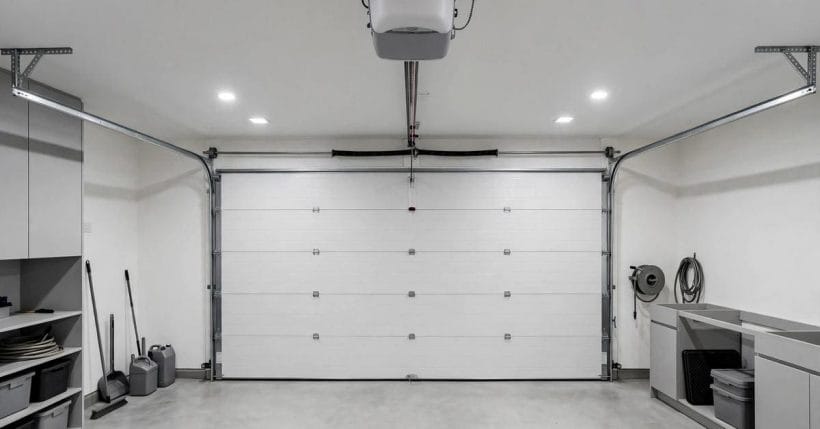
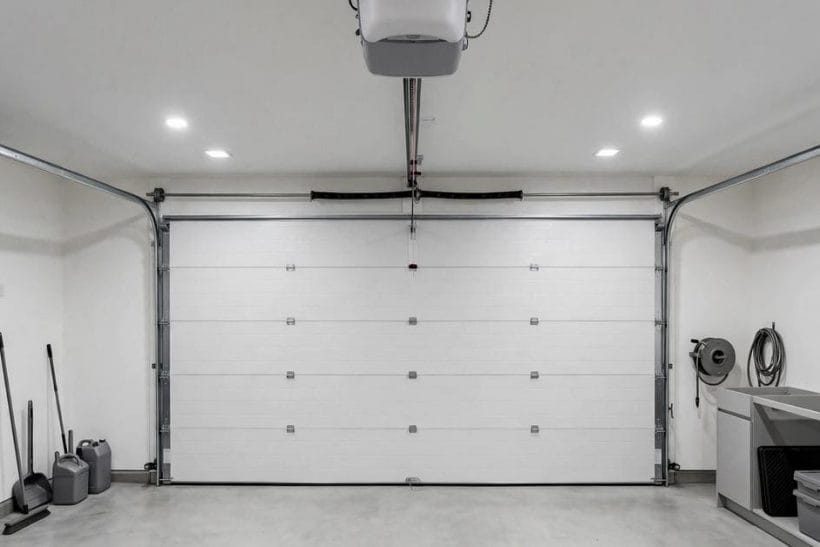
A garage door opener is a small machine asked to do a large job, many times a day, in all weathers, above cars, tools, children and pets. When it works, nobody thinks about it. When it fails, it fails loudly, expensively, or — at worst — dangerously. That is why the checks around an opener matter more than the machine’s marketing.
This guide rebuilds a brand-specific programming question as a general what-to-check guide for garage door openers. It names no brands, prints no programming sequences and invents no codes. It covers drive, sensors, safety, remotes, power, fitting and care, so you can judge any opener on its own merits — and know when to put the manual down and call a professional.
1. What a Garage Door Opener Does
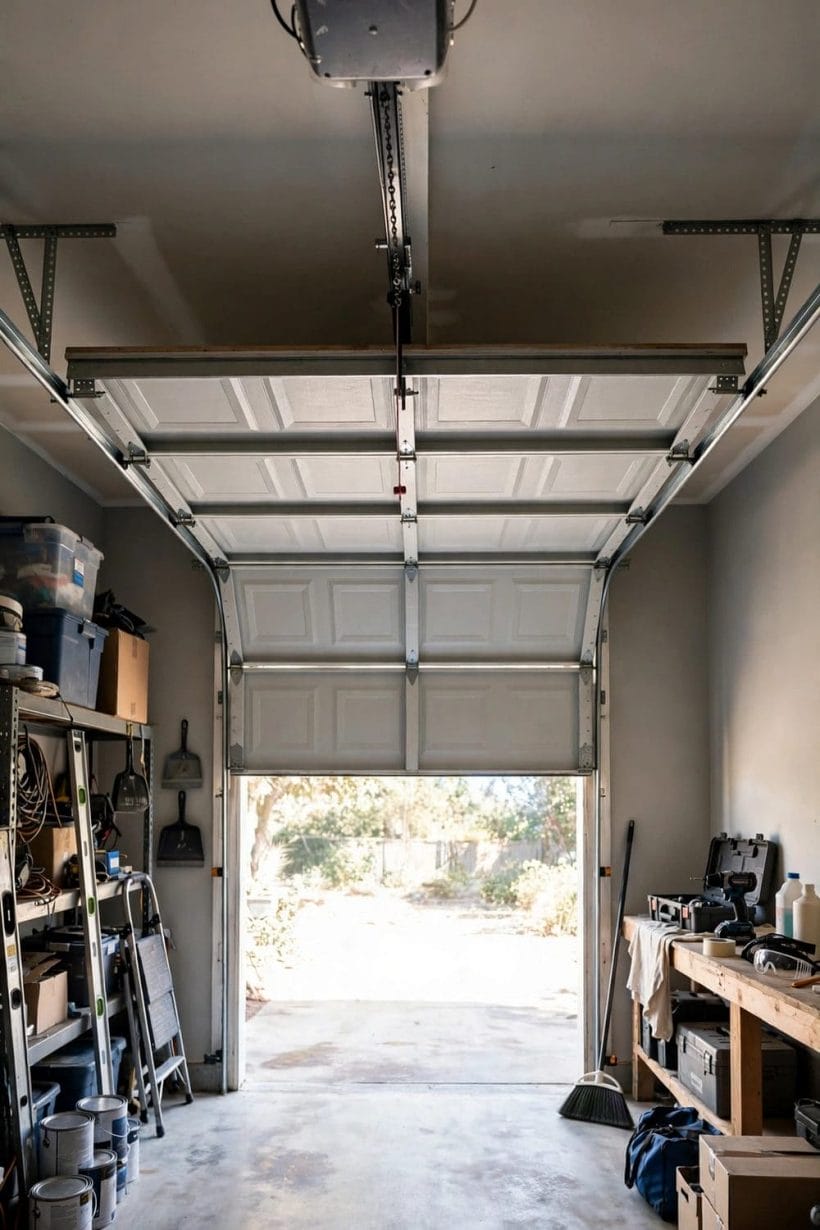
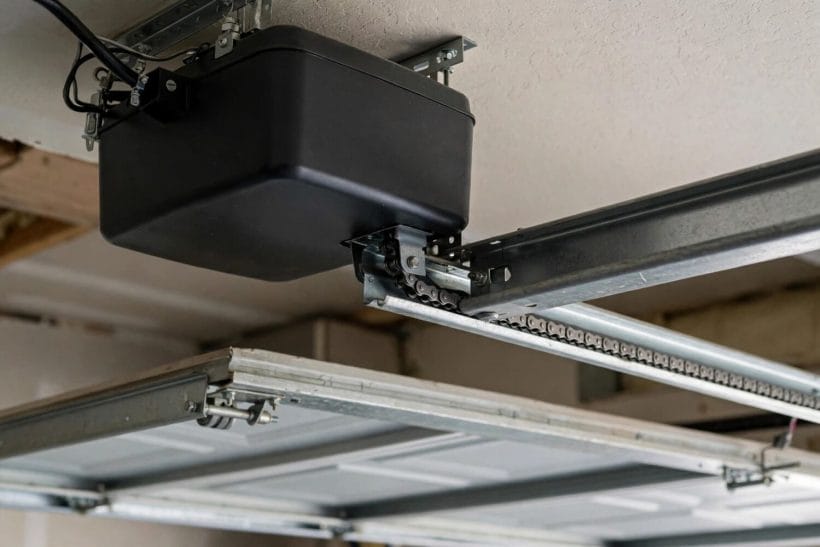
A garage door opener is the motorised system that lifts and lowers a garage door along its tracks, replacing the manual effort of a heavy door with a button press. It consists of a motor unit, a drive mechanism that moves the door, safety sensors near the floor, a wall control, and one or more remotes. Together they must move a heavy door smoothly, stop it reliably, reverse it when something is in the way, and hold it securely when closed.
The door itself matters as much as the opener. A well-balanced door, correctly sprung and running freely on its tracks, is easy for an opener to move; a poorly balanced or binding door strains every opener fitted to it. Before judging any opener, the door’s own condition — balance, tracks, rollers, springs — should be checked by a professional, because no opener compensates for a door that is itself unwell.
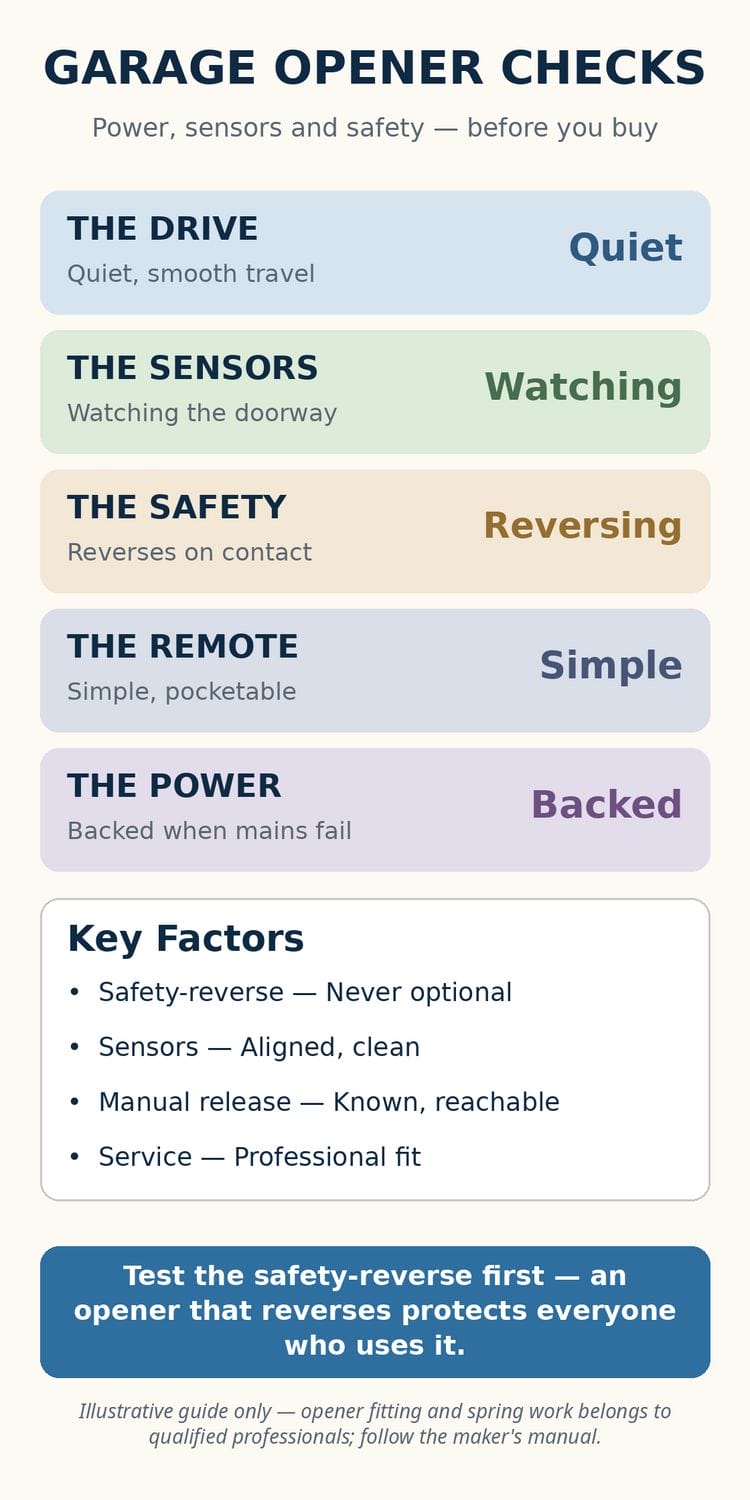
| Check | What good looks like |
|---|---|
| Drive | Quiet, smooth travel |
| Sensors | Watching the doorway |
| Safety | Reverses on contact |
| Remote | Simple, pocketable |
| Power | Backed when mains fail |
2. Drive Types: How the Door Moves
Openers move doors by different drive mechanisms, and each suits different situations. The common families differ in noise, speed, maintenance and cost, but all share the same job: smooth, even travel from fully closed to fully open and back. Judge a drive by how it sounds and feels in operation, not by its mechanism’s reputation alone.
Noise is the most practical difference. A drive that hums quietly suits a garage beneath a bedroom; a noisier drive may be acceptable in a detached garage but wearing in an attached one. Ask to hear the drive type you are considering in operation, ideally on a door like yours, and judge it at both ends of travel — some drives are quiet mid-travel and clunky at the stops.
Speed and smoothness come next. The door should accelerate gently, travel evenly and decelerate softly at each end, without jerking, shuddering or pausing mid-travel. A door that judders usually points to a door or track issue rather than an opener fault — another reason the door itself should be checked first, by a professional, before any opener is blamed.
3. Safety Sensors: The Eyes at the Floor
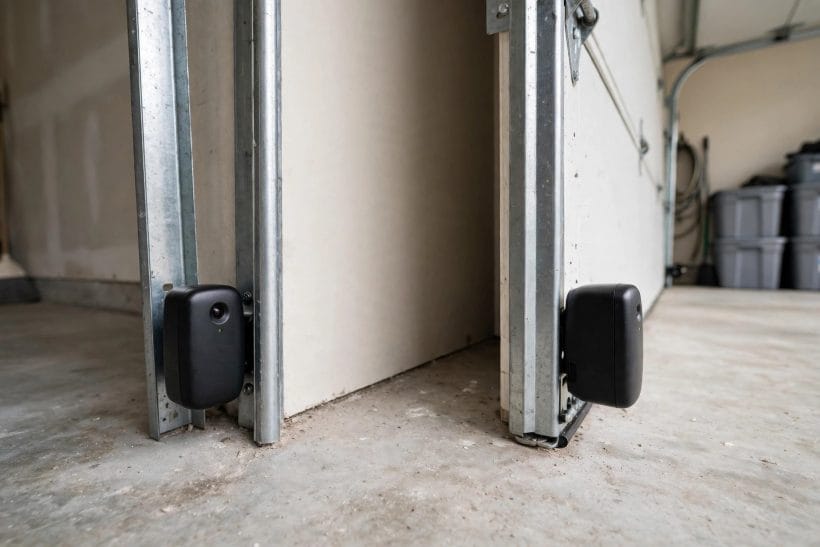
Safety sensors sit near the floor on either side of the doorway, watching for anything in the door’s path. When their beam is broken, the door must not close — or must reverse if it is already closing. This is the opener’s most important safety feature, and it is never optional, never to be disabled, and never to be treated as a nuisance when it stops the door.
Check sensors by looking, not by testing with your body. The sensor units should be firmly fixed, aligned with each other, clean and unobstructed. Dust, cobwebs, stored boxes leaning against a sensor, or a sensor knocked out of alignment by a bicycle or bin will all stop the door — and each is a maintenance matter, not a fault to override. If a sensor’s indicator light shows a problem, the maker’s manual explains what that light means for that model; follow it, and call a professional if the cause is not obvious.
Never bypass, tape over or disconnect a sensor to make a door close. A door that closes despite an obstruction is a hazard to children, pets and anyone who steps through the doorway at the wrong moment. If the door will not close and the sensors look clear and aligned, that is a professional’s job, not a reason to defeat the safety system.
4. The Safety Reverse: Test It, Respect It
Beyond the sensors, openers carry a safety-reverse function: if the closing door meets resistance, it must reverse. This is the last line of protection, and it should be tested on a routine — by the method the maker’s manual describes for that model, using a soft test object the manual specifies, never a hand, foot or body part.
If the reverse does not work, stop using the door’s automatic function and call a professional. Do not adjust force settings yourself to make a reluctant door close: force settings exist to protect people, and raising them to overcome a binding door or a faulty sensor trades safety for convenience. A door that needs more force to close usually needs its door, tracks or springs attended to, not its opener adjusted.
Teach everyone who uses the garage how the reverse works and why it matters, especially children: the door is not a toy, the sensors are not to be played with, and a door that behaves strangely — stopping, reversing without cause, refusing to close — should be reported, not worked around.
5. Remotes and Wall Controls: Simple Beats Clever
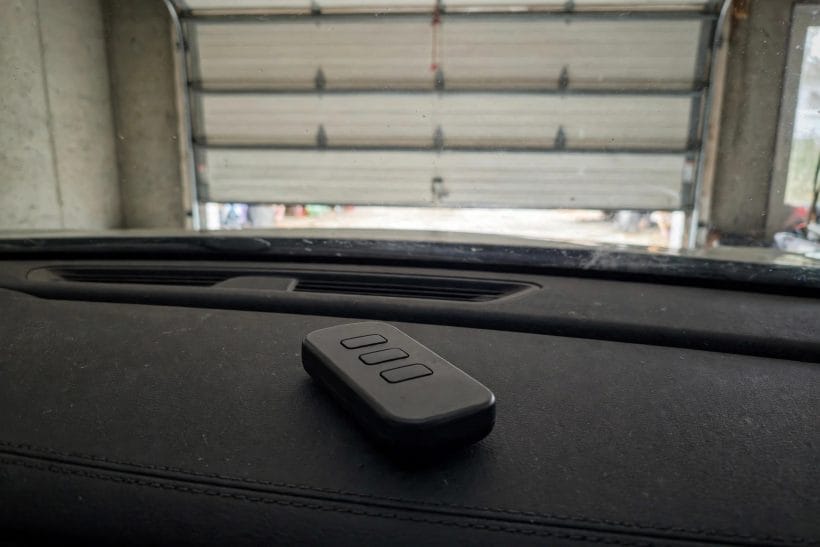
Remotes and wall controls are the opener’s everyday interface, and simplicity wins. A remote should have one clear button for the door it operates, fit a pocket or a car visor without fuss, and survive being dropped. A wall control should be mounted where it is reachable without standing under the moving door, and high enough that small children cannot reach it easily.
Programming a remote or a keypad — pairing it with the opener so it is recognised — is a model-specific procedure that belongs to the maker’s manual for that exact model. This guide deliberately prints no programming sequences: the steps differ between models, and a sequence copied from the wrong model wastes time at best and leaves the door unsecured at worst. Read the manual that came with your opener, follow it exactly, and if the manual is lost, obtain the correct one from the maker before attempting anything.
Security follows the same rule. Treat remotes like keys: do not leave a remote in an unlocked car outside, do not share keypad codes casually, and change codes when a remote is lost or when someone who had access no longer should. If an opener supports rolling codes or other security features, the manual explains how they work for that model — enable what the manual offers, and ask a professional if anything is unclear.
6. Power: Mains, Backup and Outages
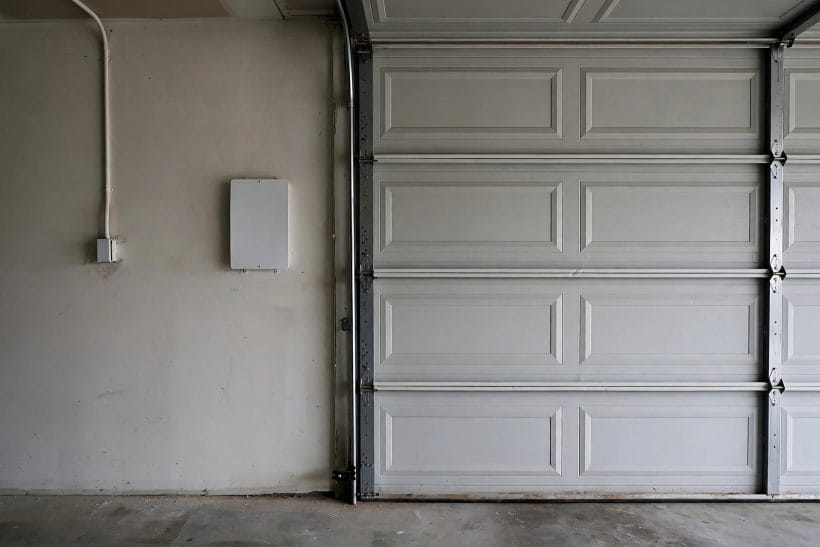
An opener needs power, and power fails. The first check is the supply itself: the opener should be on a sound electrical supply, installed by a qualified electrician, with its outlet and wiring protected from damp and damage. A garage is a harsh environment for electrics — dust, damp, temperature swings — and the supply should be treated accordingly.
Backup power is the second check. Some openers carry a battery backup that lets the door operate during an outage; others do not, and then the manual release becomes the way in and out. Know which yours is before an outage teaches you. If a backup battery is fitted, it needs periodic replacement on the maker’s schedule — a dead backup battery is worse than none, because it promises an escape that is not there.
The manual release deserves knowing by heart: where it is, how it operates, and what it feels like to lift the door by hand once released. Practise it in daylight, with the door’s weight understood, before you need it in the dark. A door that cannot be lifted by hand once released has a balance or spring problem that needs a professional, not more force.
7. Fitting: A Professional’s Job, Including Springs
Fitting an opener, and any work on its springs, cables or tracks, belongs to a qualified professional. Garage door springs store enormous energy, and a spring, cable or bracket failure can cause serious injury. This is not a cautious disclaimer — it is the central safety fact of garage doors, and every part of this guide is written around it.
A professional fitting includes balancing the door, setting travel limits so the door opens fully and closes firmly without straining, aligning the sensors, testing the safety reverse, and showing you the manual release and the controls. Ask the fitter to demonstrate each of these before they leave, and to leave the manual where you can find it. A fitting that skips the demonstration has skipped part of the job.
If you inherit an opener with a house move, treat it as unknown: have a professional inspect the door, springs, sensors and opener before relying on it daily. A previous owner’s adjustments, a tired spring or a misaligned sensor may all be invisible until the day they matter.
8. Doors and Openers Together: Matching the Pair
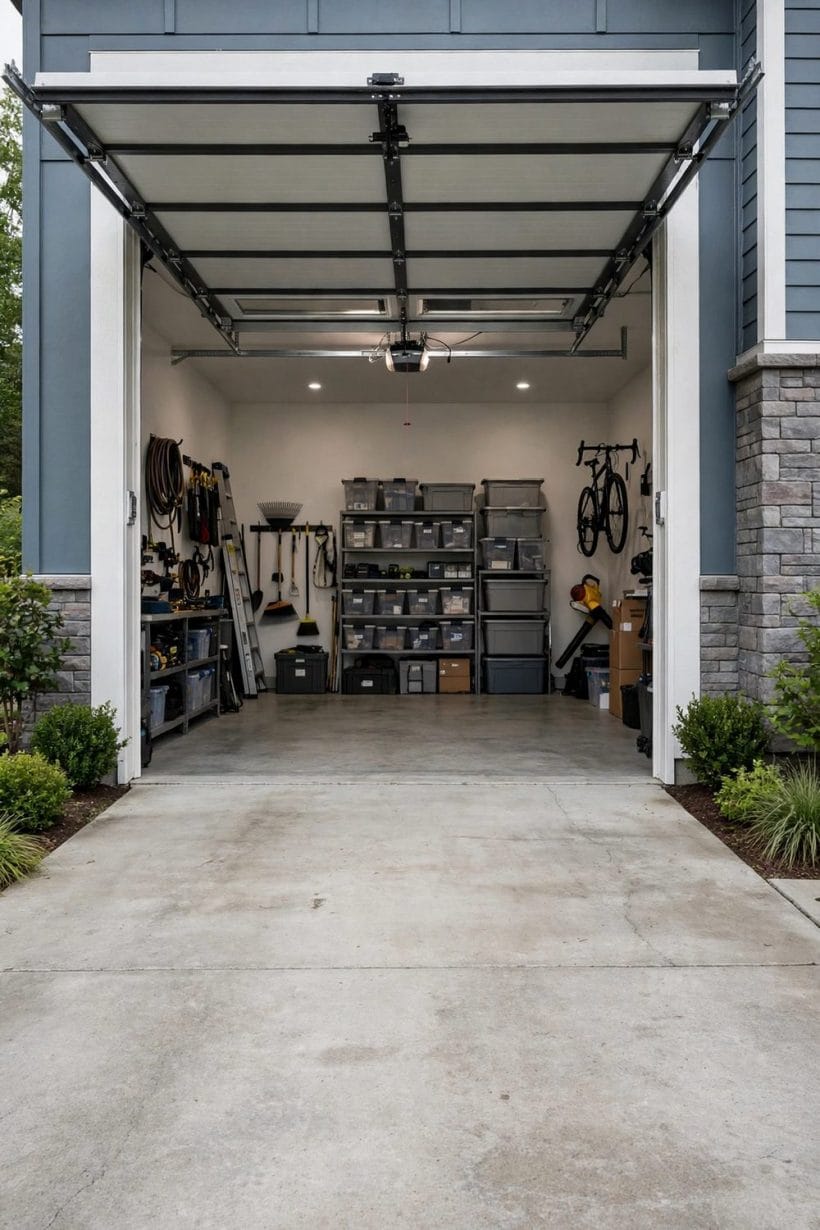
Not every opener suits every door. Heavy solid doors, insulated sectional doors, single-panel doors and lightweight doors each place different demands on an opener’s power and drive. The maker’s guidance for the opener should state what door types and weights it is made for — match the opener to your actual door, not to a neighbour’s.
Door material and construction change the match too. A timber door’s weight changes with moisture; a steel door’s balance changes with dents and rust; a sectional door’s travel depends on its tracks and rollers. A professional assessing your door will weigh these factors and recommend accordingly. An opener chosen without that assessment may work at first and strain later, shortening both the opener’s life and the door’s.
Consider the garage’s use as well. A garage used daily for cars needs a fast, quiet, reliable cycle; a garage used mainly for storage may prioritise security and manual-release simplicity. A workshop garage needs light and power planning around the opener’s supply. The right opener follows the garage’s real life, not an imagined one.
9. Care: The Routine That Prevents Callouts
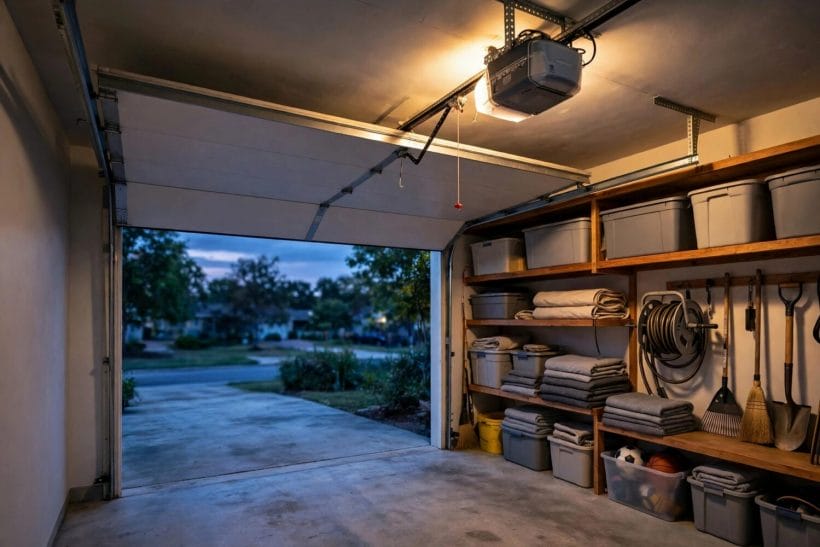
Most opener callouts trace to neglected routine, not to faults. Clean the sensors’ lenses gently and keep their path clear. Lubricate the door’s moving parts — rollers, hinges, tracks — with the product and frequency the door’s maker specifies, never with a general-purpose spray that attracts dust. Check the door’s balance by the manual’s method, and listen for new noises: grinding, squealing or uneven travel all deserve attention before they become failures.
Test the safety reverse on the routine the manual describes, and test the manual release occasionally so it is familiar rather than theoretical. Replace remote batteries before they die, and replace a backup battery on schedule. Keep the manual with the house’s other appliance manuals, and note the opener’s model where a future owner or fitter can find it.
Seasonal checks round out care: cold stiffens lubricants and contracts metal, heat expands tracks and dries seals, and damp corrodes fixings. A twice-yearly look — springs, cables, sensors, tracks, release — by eye, with a professional called for anything that looks worn, frayed or out of true, keeps the system safe and quiet.
10. Judging Any Opener: Your Own Checklist
No ranking can choose an opener for your door, and this guide does not try. Judge any opener by walking the checks in order: confirm the door itself is balanced and sound, by a professional; match the drive to the door’s weight and the garage’s noise sensitivity; verify the sensors are aligned, clean and never bypassed; test the safety reverse by the manual’s method; choose remotes and wall controls that are simple and secure; understand the power supply and the manual release; insist on professional fitting, especially for springs; and confirm the care routine is one you will keep.
Ask plain questions of the maker or fitter: what door types and weights is this opener made for, how is its safety reverse tested, what does its manual say about programming remotes, how long does its backup last, and what does its warranty cover? Plain answers are a better sign than any superlative. The opener that passes these checks quietly, on your door, is the right opener.
For the garage and the house around it, the same check-first habit applies: furniture buying checks for the rooms the garage serves, false ceiling design for the rooms above and beside it, and exposed beam living room ideas for the living space beyond the garage wall.
Final Considerations
A garage door opener should be the most boring machine in the house: quiet, reliable, safe, and noticed only when it is not working. Chosen by checks rather than claims, fitted by a professional, and looked after on a routine, it gives years of unremarkable service — and unremarkable is exactly what you want from something that moves a heavy door over your head several times a day.
More on the spaces it serves: kitchen ideas for the kitchen the garage protects, she shed ideas for the outbuilding beyond the garage, interior design ideas for the rooms within, and tiny house designs for small homes where every door and opener must earn its place.




0 Comments