

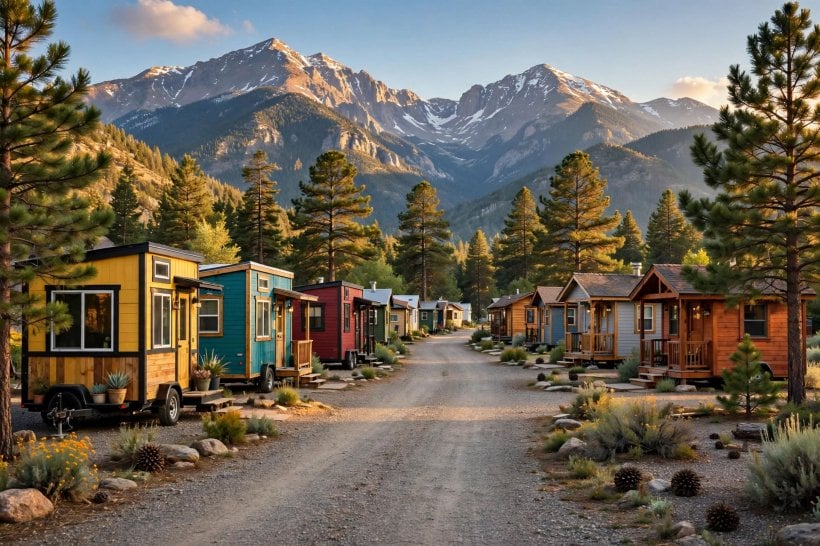
Colorado pairs mountain scenery with a strong do-it-yourself spirit, so it is no surprise that many people exploring a smaller, simpler life look here first. Interest in colorado tiny house communities keeps growing as buyers search for lower running costs, less upkeep, and a home base close to trails, rivers, and ski towns.
This guide explains where homes tend to cluster, what joining usually involves, and which checks matter before you commit.
At a Glance
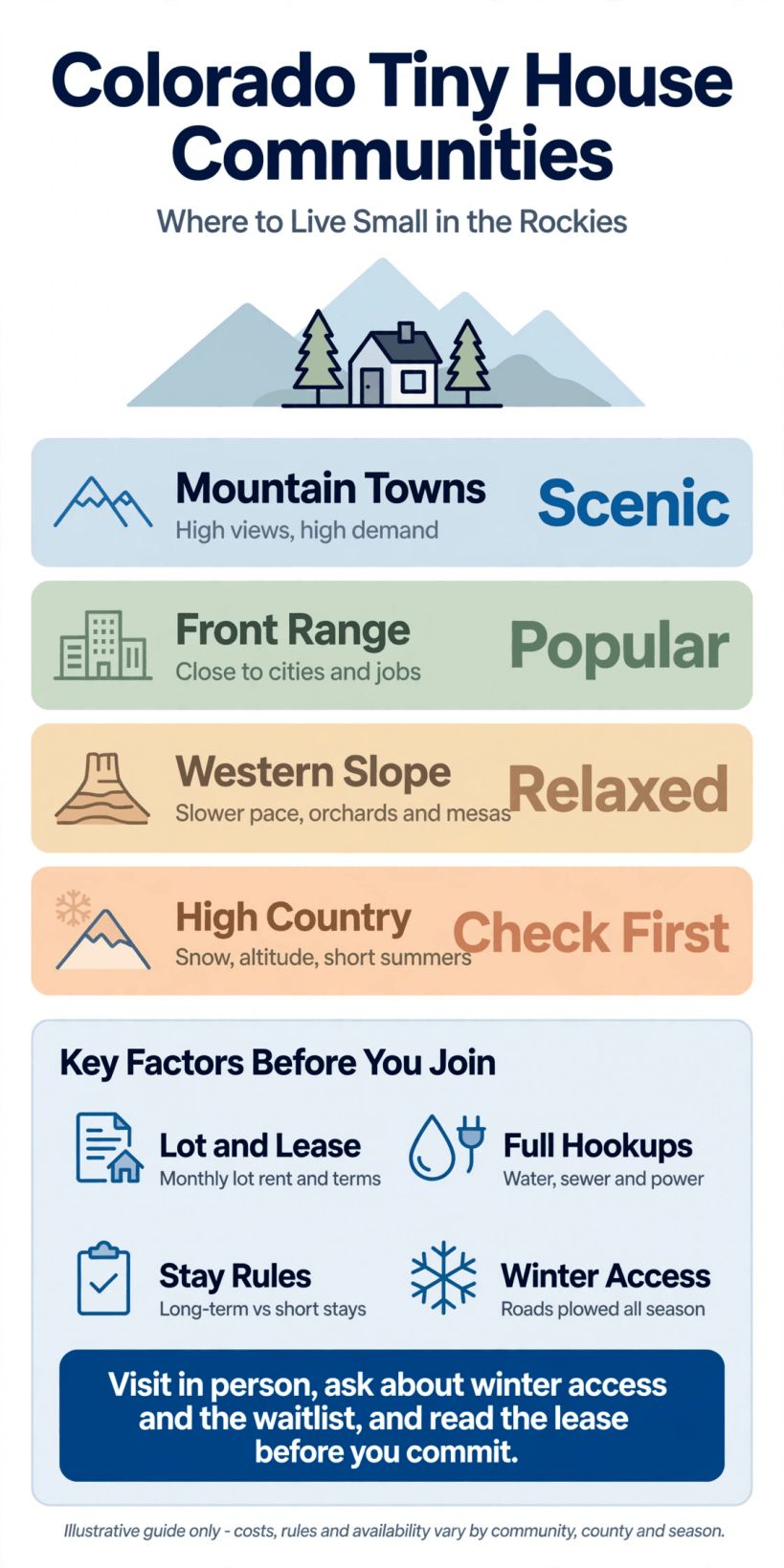
Start with the honest headline: there is no single model that fits the whole state. One community may be a neat village of foundation-built cottages, while the next is a friendly RV-style park that welcomes certified homes on wheels. Rents, rules, and availability change often, and local zoning decides more than any brochure does. Treat the table below as a map of the questions that matter, then confirm every answer twice: once with the community itself, and once with the county or town authority that governs the land.
| Question | What to expect |
|---|---|
| Where do communities cluster? | Along the Front Range, in mountain and resort towns, on the Western Slope, and in high-country and foothill valleys. |
| What types exist? | Purpose-built villages, RV-style parks, land-lease and co-operative setups, and small-lot cottage neighborhoods. |
| What does a lot usually include? | A prepared site, utility hookups, parking, and shared amenities that vary widely from place to place. |
| What drives the cost? | Location, elevation, amenities, what the rent covers, lease terms, and the cost of moving and setting up your home. |
| How long can you stay? | Anything from seasonal stays to year-round residency, depending on the community and local rules. |
| What should you check first? | Zoning, written lease terms, winter access, hookup capacity, and total monthly cost, confirmed in writing. |
1. Where Tiny Homes Cluster in Colorado
Clusters form where three things overlap: land that can legally host small homes, work or seasonal income within reach, and scenery that people are happy to trade square footage for. Along the Front Range, communities tend to sit in foothills towns and on the edges of larger population centers, where residents can keep a normal commute while living small. These spots are often the most practical choice for full-time workers, because services, healthcare, and winter road maintenance are close at hand.
Mountain towns and the high country pull a different crowd: hospitality workers, outdoor guides, remote workers, and retirees who want trails at the door. Demand there follows the ski and summer seasons, and sites can be scarce. On the Western Slope, river valleys, orchard country, and warmer desert-edge towns offer a slower pace and, often, a longer growing season. Southern foothills and high-plains communities round out the picture, trading dramatic peaks for open skies and easier driving.
Every cluster involves a trade-off between scenery, services, and how hard winter will be. For a concrete Front Range example, see our guide to the tiny house community in Fort Collins, Colorado, and for a useful comparison across the state line, look at how a Utah tiny house community handles the same questions.
2. The Main Types of Community You Will Find
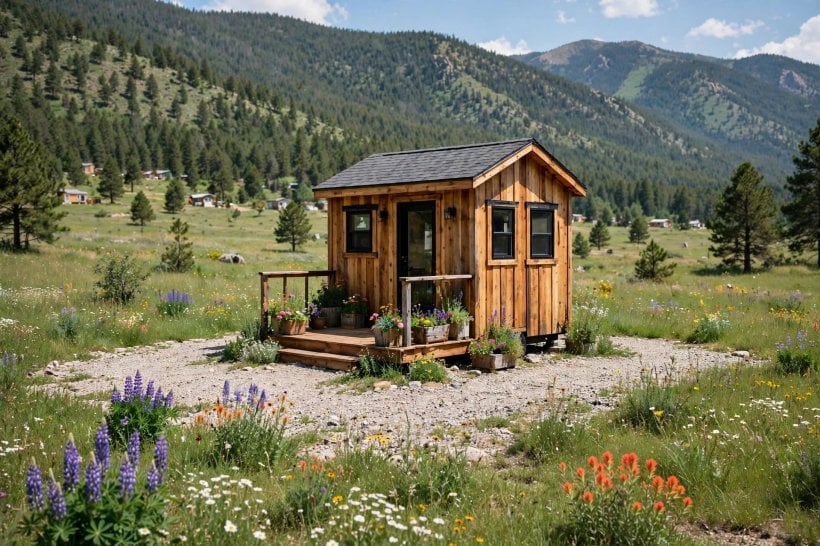
The label on the gate matters less than the legal setup underneath it. Purpose-built tiny home villages are designed from scratch for small houses, with right-sized lots, shared green space, and rules written for the lifestyle. RV-resort style parks are the second common route: they already have pads and hookups, and many welcome tiny homes on wheels that meet recognized construction and safety standards, though some set limits on age, size, or appearance.
Land-lease and co-operative models sit in between. Residents own their home and rent the ground beneath it, or hold a share in the land itself, which can keep entry costs lower while adding community governance to understand. A fourth type is the small-lot subdivision or cottage court, where tiny houses sit on foundations as permanent dwellings under local building codes. Finally, seasonal and work-focused communities near recreation areas house people for a season at a time.
Before falling for any of them, match the type to your home and your plans. A certified house on wheels suits the first two models; a park model or a foundation build suits others. If you are still designing, our guide to tiny house on wheels floor plans will help you choose a size and layout that real lots can actually accept.
3. What a Lot Usually Includes
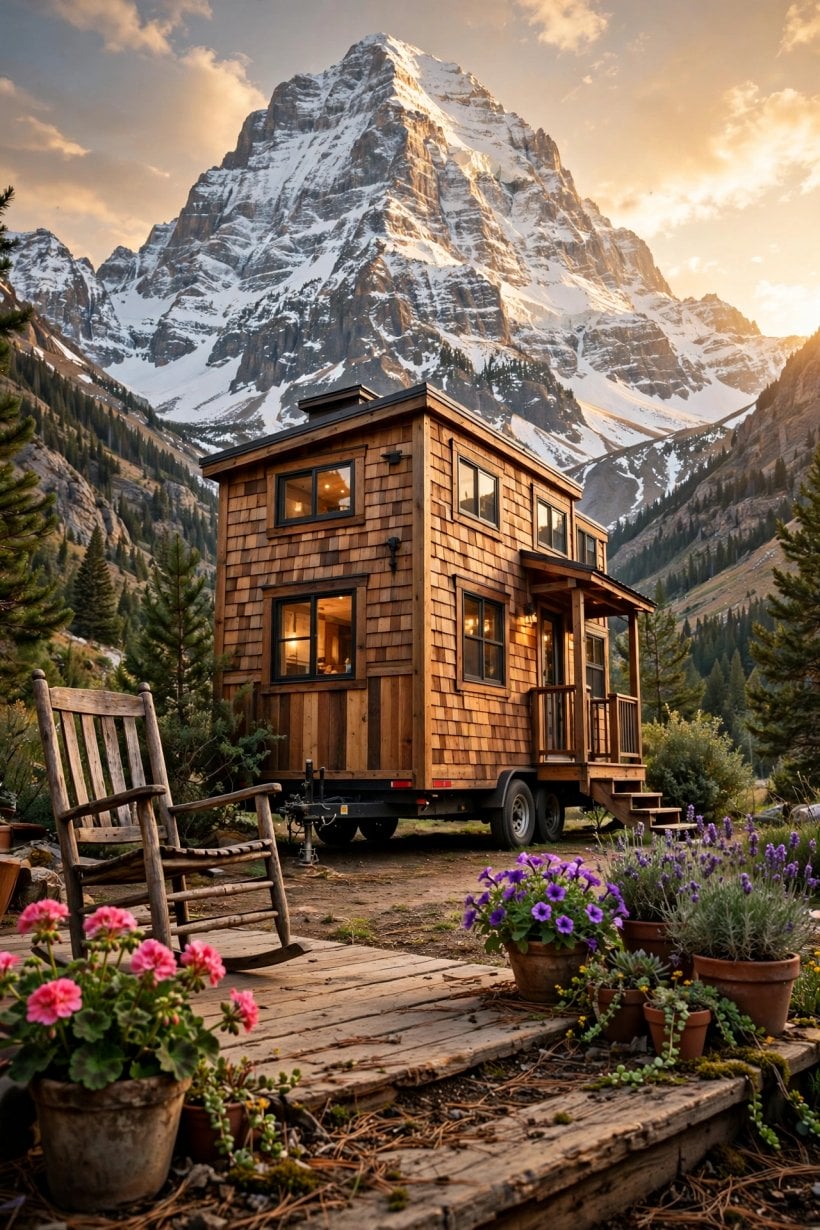
At minimum, expect a defined homesite: a gravel, paved, or concrete pad or parking apron sized for your home, with a place to park at least one vehicle. Most full-service lots add hookups for electricity, water, and sewer at the site, and many include basics such as trash collection or snow clearing on shared roads. Beyond that, inclusions diverge quickly, and the differences are exactly where your monthly budget is won or lost.
Some communities fold a generous bundle into the rent: lawn care, high-speed internet access, a laundry room, a clubhouse, garden plots, storage units, and maintained trails. Others provide the pad and connections and little else, which suits self-sufficient owners who would rather not pay for amenities they will not use. Outdoor space also varies, from a small deck area and a strip of garden to a fenced yard.
Ask for the inclusion list in writing, item by item, and ask what each extra costs. Confirm whether decks, skirting, sheds, and extra vehicles are permitted, whether there is room for guests to park, and who maintains the trees, fences, and shared paths. A cheap lot that charges for every extra can cost more than a pricier lot that bundles them.

4. What Really Drives the Cost
Because prices change and vary so much by place, it is more useful to understand the drivers than to memorize figures. Location is the biggest one: land near ski resorts, popular trailheads, and Front Range job centers commands more than land in quieter agricultural or high-plains towns. Elevation plays a role too, since high-country communities carry heavier snow, shorter building seasons, and costlier maintenance, while lower valleys can offer gentler year-round living.
The second driver is what the rent actually buys. A higher monthly figure that includes water, sewer, trash, internet, and amenities may beat a lower figure that meters everything separately. Lease structure matters just as much: how often rent can rise, whether increases are capped or tied to an index, and how much notice you get. Then come the one-off costs people forget: transporting the home, setting and leveling it, skirting, steps and decks, utility connection fees, deposits, and application or background-check charges.
Finally, budget for the home itself and its insurance, registration or titling where that applies, and winter preparation. If you are building rather than buying, our walkthrough on how to build your own tiny house explains where build budgets usually stretch. Always ask the community for a full, current fee schedule in writing before comparing two places on headline rent alone.

5. Leasing a Lot vs. Owning the Land
Most residents start by leasing. A lease keeps your upfront cost low, lets you test a region and a lifestyle before committing, and usually puts shared infrastructure in the operator’s hands. The trade-offs are control and security: rent can rise at renewal, rules can change, and if the property is ever sold or redeveloped, your home may have to move, which is neither cheap nor quick. The length of the lease, the renewal terms, and the notice period for non-renewal are the clauses to read twice.
Owning the land flips the equation. Buying a small lot, a share in a co-operative, or a cottage in a subdivision gives you permanence and the chance to build equity, but it demands far more diligence. Zoning must allow your type of home as a dwelling, any homeowners association rules must be workable, and property taxes, insurance, and your own utility maintenance join the budget. Financing can also be harder for unconventional homes, so talk to lenders early.
There is no universally right answer, only the right fit for your horizon. Planning to stay a season or two? Leasing is usually simpler. Putting down roots? Ownership deserves a serious look. Readers leaning that way can explore tiny houses for sale with Colorado land to see how the buy-the-land route is presented.

6. Rules, Quiet Hours and Stay Limits
Community living works because everyone signs up to the same expectations, so read the rulebook as carefully as the lease. Typical rules cover quiet hours, guest stays, the number and type of vehicles, pet size and breed policies, exterior upkeep, and what you may add to your lot, from decks and skirting to sheds and fences. Many communities set appearance or age standards for homes, and some require homes to carry a recognized certification or pass an inspection before arrival.
Stay limits deserve special attention. Some places are built for year-round primary residence; others operate seasonally, cap the number of nights you may occupy the home in a year, or prohibit using the address as a permanent residence at all. Minimum-stay rules also exist at the short end, especially in resort-style parks. Short-term subletting is commonly restricted or banned, which matters if you hoped rental income would offset costs.
None of these rules are automatically good or bad; they shape who your neighbors will be and how the place will feel. The danger is discovering them after you have moved. Ask for the current rules document, ask how often it changes, ask how violations are handled, and, if you can, chat with existing residents about how the rules feel in daily life.
7. Winter Living at Elevation
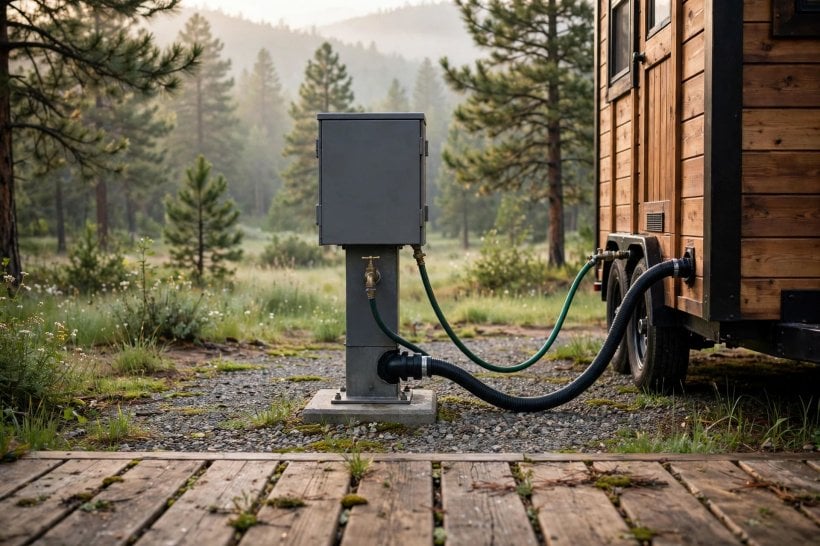
Winter is the season that separates a pleasant idea from a workable plan in Colorado. Cold arrives early and stays late at elevation, and a tiny home has less thermal mass and less margin for error than a conventional house. Good insulation, double-glazed windows, and proper skirting around the base make an outsized difference, as does protecting water lines with insulation and heat tape and knowing exactly where your shut-off valves are before the first hard freeze.
Access is the second winter question. Ask who plows the internal roads and your parking space, how steep and shaded the access road is, whether it ices over, and what happens in a multi-day storm. Snow load on the roof, ice dams, and propane delivery schedules all belong on the same checklist, along with a backup heat source and a plan for pipes if you travel mid-winter. Altitude adds its own twist: intense sun can warm a small home quickly by day even when nights are bitter, so ventilation matters too.
If this sounds daunting, the honest fix is preparation rather than avoidance, and thousands of small-home owners winter comfortably by planning ahead. Still deciding whether mountain cold suits you? Comparing with a tiny house community in Arizona shows how different the same lifestyle feels in a warm-winter state.
8. Utilities and Hookups, Connection by Connection
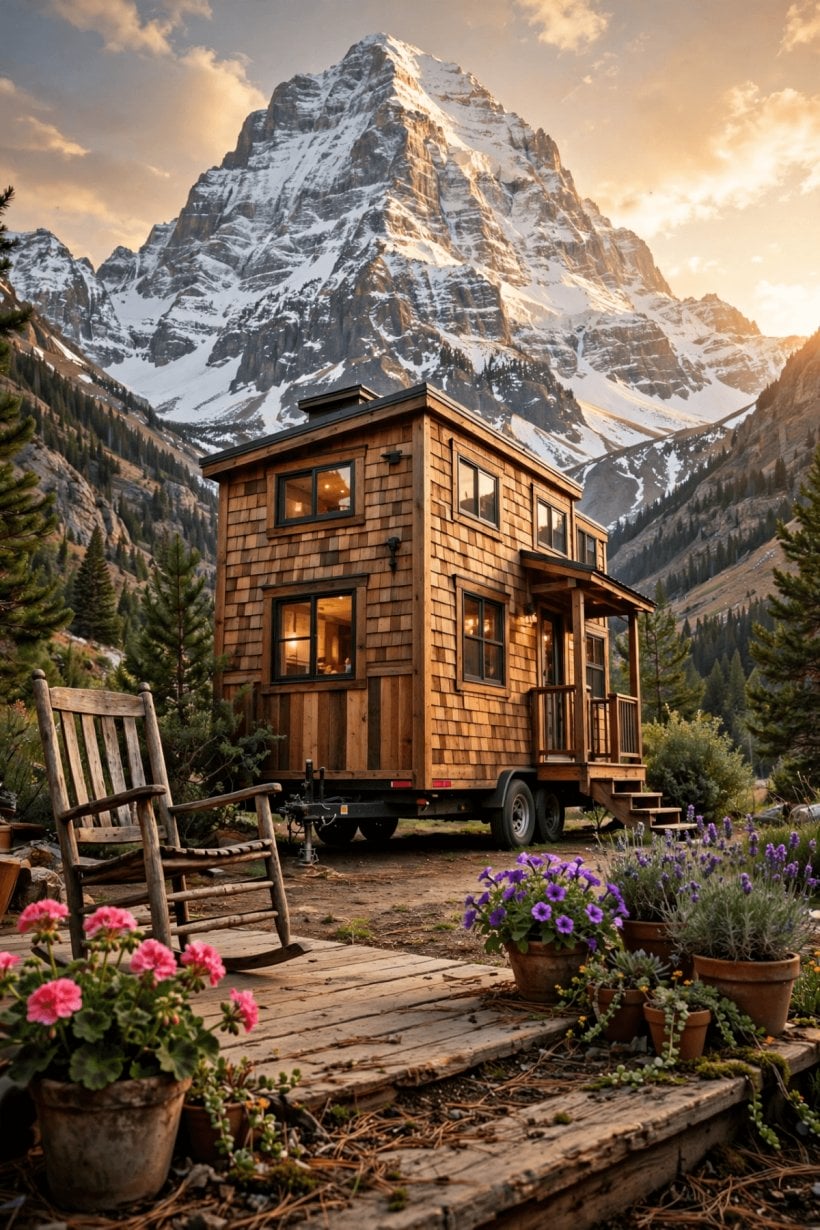
A tiny home only works as well as its connections, so walk the lot with a utility checklist. For electricity, confirm the pedestal’s amperage matches your home’s panel and habits, especially if you plan to run electric heat, a mini-split, or a washer-dryer. Ask whether electricity is metered and billed by the community or paid directly to the utility, since that changes both cost and who you call during an outage.
Water may come from a municipal supply or a well, and the difference matters for taste, pressure, and winter protection. For sewer, find out whether each lot connects directly, relies on a shared septic system, or expects you to use a dump station, and ask who is responsible if a line blocks or freezes. Internet options range from community-wide Wi-Fi to cable, fiber, fixed wireless, or your own satellite or cellular setup, and remote workers should test real speeds at the lot, not in the office.
Round out the picture with trash and recycling collection, propane delivery access for tanks, and mail and package delivery. Photograph the pedestal and connections on your visit, and get any promises about upgrades or capacity in writing.
9. How to Join, Step by Step
The joining process is rarely complicated, but it rewards patience. Follow these steps in order and you will avoid most of the expensive mistakes.
- Shortlist regions first, then communities, based on work, season length, and how much winter you genuinely want.
- Confirm your home qualifies: its size, age, construction standard, and certification, plus whether the community and the local zoning allow it as a residence.
- Request the current lease, rules, and full fee schedule in writing, and read the renewal, rent-increase, and move-out clauses carefully.
- Visit in person, ideally in the season you plan to live there, and test the drive, the phone signal, and the feel of the place.
- Apply, complete any background or reference checks, and join the waitlist if the community is full, as good ones often are.
- Plan the move: transport, permits for the route, setup and leveling, skirting, and utility connections, with dates confirmed by everyone involved.
- Arrive with a buffer budget for deposits, first payments, and the small surprises every move produces.
Whichever of the colorado tiny house communities on your shortlist you choose, keep every promise in writing. If you want to test the lifestyle before buying a home at all, start with our overview of where to rent tiny houses and treat a rental stay as research.
10. Red Flags and the Checks to Run First
A good community survives scrutiny; a risky one resists it. Be cautious if answers about zoning, lease terms, or fees are always verbal and never written, if you are pressured to pay a deposit before seeing the full documents, or if the operator cannot clearly explain whether your home may legally be lived in year-round on that land. Fees that surface late, rules described as flexible when they are plainly fixed, and a reluctance to let you speak with current residents are all reasons to slow down.
The checks themselves are straightforward. Call the county or town planning office and confirm that the community’s use is permitted and that your type of home is allowed there. Read the entire lease, including the fine print on increases, termination, and what happens if the property changes hands. Visit unannounced if the community allows it, look at how lots and shared spaces are maintained, and ask residents what they would change. Verify utility capacity at the specific lot you are offered, not a typical one.
Comparing more than one state can sharpen your judgment, too: our roundup of tiny house communities in Washington state shows how differently another mountain state answers the same questions. Time spent checking is never wasted; moving a home twice is the expensive way to learn.
Final Considerations
Colorado rewards people who do their homework. The scenery is real, the communities are varied, and the lifestyle can genuinely deliver lower overheads and a life lived closer to the outdoors. But the difference between a dream setup and a stressful one is almost always paperwork: zoning confirmed, lease understood, winter planned, and utilities verified at your actual lot.
So build a shortlist, visit in person, ask the awkward questions early, and verify current details directly with each community and its local authority, because rents, rules, and availability change. Do that, and you will choose your new home base with clear eyes and enjoy the mountains the way you imagined.


0 Comments