

Washington’s tiny house communities — the evergreens, the rain, the progressive codes. Between the Puget Sound and the dry east, this is tiny living in the Evergreen State: forested villages, backyard cottages and island lots. This guide walks the whole move in order — the locations, the costs, the zoning, the rain — and the evergreen life waiting at the end of it.
Tiny House Communities in Washington State: At a Glance
The strongest tiny house communities in Washington state share three things: towering evergreens overhead, codes that increasingly welcome small homes, and neighbors who chose the rainy, green life on purpose. Lot rents typically run $500–$1,000, and the map divides into three regions — the Puget Sound corridor, the drier east around Spokane, and the dreamed-of San Juan Islands. This guide follows the joining journey in order: why Washington, where to land, what it costs, the climate and the zoning, how to join, the moisture and the heat, the ten commandments, Seattle and the east, the mistakes and the seasons — and the payoff. The mountain communities in our guide to tiny house communities in Asheville NC grew up around arts and altitude; Washington’s grew around rain and evergreens.
| Topic | What It Covers | Key Fact or Figure |
|---|---|---|
| 1. Why Washington | Evergreens, rain and progressive, ADU-friendly codes | Washington calls the tiny |
| 2. The Locations | Puget Sound, Spokane and the San Juan Islands | Three regions to tour |
| 3. The Costs | Lot rents and rural land | $500–$1,000 typical lot rent |
| 4. The Climate and the Zoning | Western rain, Cascade snow; counties checked | Zoning is verified, current |
| 5. How to Join | Tour in season, apply honestly | The joined is the fitted |
| 6. Moisture and Heating | Venting, dehumidifying, mini-splits and wood stoves | The dry is the healthy |
| 7. The 10 Commandments | The rules of Washington tiny living | 10 commandments |
| 8. Seattle and the East Side | Urban ADUs and the drier, affordable east | Two Washingtons, one choice |
| 9. Mistakes and the Seasons | Unvented, uninsulated, unsealed — and the summer glory | Summer peaks at a perfect 75 |
| 10. The Payoff | Forests, water, neighbors and the evergreen cadence | Tour, vent, join |
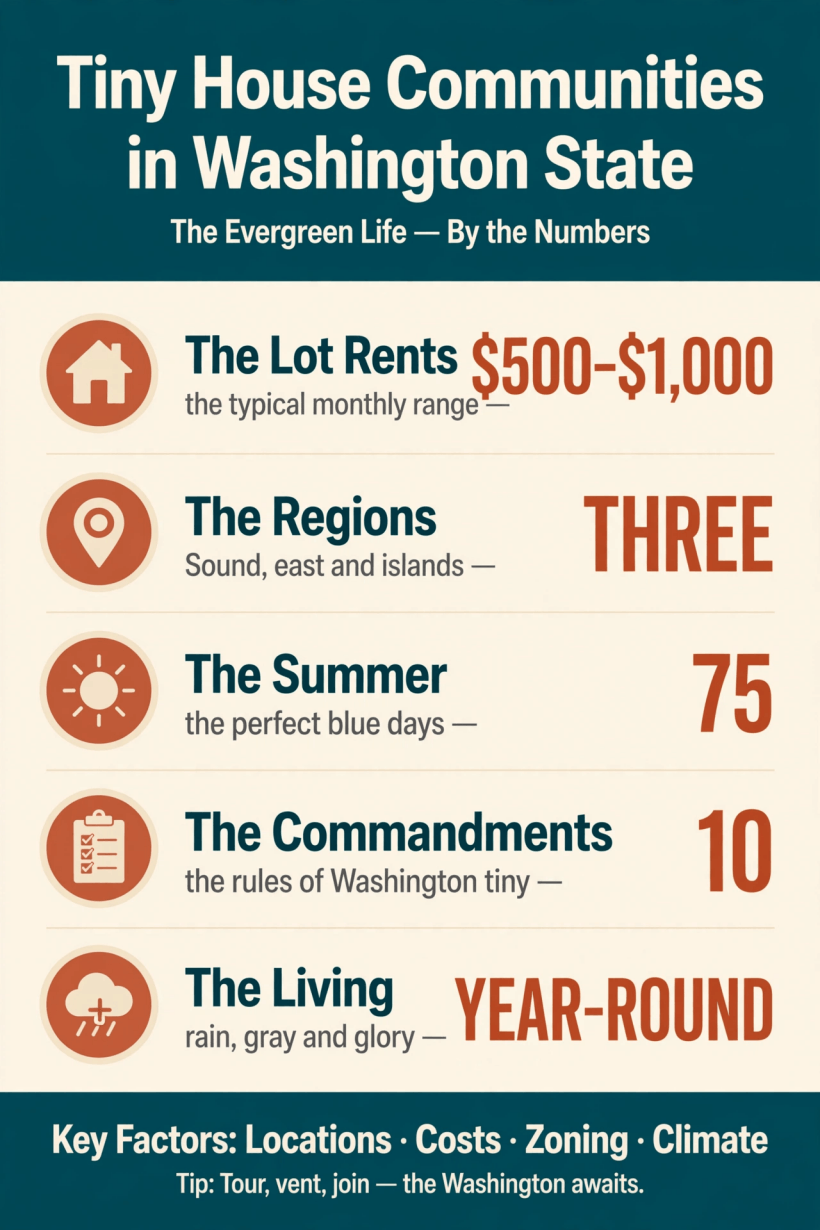
Washington by the numbers: lot rents of $500–$1,000, three regions from the Sound to the islands, summers at a perfect 75 — and ten commandments for living evergreen.
1. Why Washington: Evergreens, Rain and Progressive Codes
Start with the trees, because in Washington the trees are the argument. The evergreens are the towering — the moss: firs and cedars that stay green through the grayest month, so a tiny village here never looks bare or abandoned, even in January. The progressive is the codes — the ADU-friendly: Washington’s rules have been moving toward small homes for years, with accessory dwelling units welcomed in city after city. The rule underneath both: Washington calls — the tiny. No other state pairs this much wild green with this much policy momentum.
So what’s the tiny house scene like in Washington? The evergreen — the progressive, the outdoors. The scene is the vibrant: the rain, the tiny. It is a scene built by people who hike in the drizzle and dry their boots by the stove, who chose the climate instead of enduring it. That choice matters for community life: Washington’s communities skew heavily toward the chosen. The forests are not a backdrop here; they set the tone of every settlement under them — quiet, green and deliberately small.
2. The Locations: Puget Sound, Spokane and the San Juan Islands
The map divides into three honest regions. The Puget Sound is the Seattle — the corridor: the densest cluster of communities, villages and backyard placements, strung along the water where the jobs and the ferries are. The east is the Spokane — the drier: over the Cascades, the rain shadow begins, the land opens up and the prices ease. The islands are the San Juan — the dreamed: ferry-served, limited and coveted, the postcard version of Washington tiny living. The rule covers all three: the locations are the toured — the compared.

What’s the best part of Washington for tiny living? The toured, the compared, the fitted. The best is the visited: the communities, the life. A Puget Sound lot buys community density and culture at the top of the rent range; a Spokane-area lot buys sun and space at the bottom of it; an island lot buys a dream at the price of a ferry schedule. Worth one look east before you commit — our guide to tiny house communities in North Texas shows how a big, dry, land-rich region answers the same questions Washington answers with rain and trees.
3. The Costs: Lot Rents, Land and What Rent Includes
The costs are the real kind. The lot rents are the $500–$1,000 — the typical: what a space in a Washington tiny community generally runs each month. The land is the rural — the varied: buy outside the corridor and the numbers scatter with the acreage, the water and the road. The truth: Washington costs — the real. The corridor commands the premium; the east and the rural counties hand much of it back.
So how much does it cost to live tiny in Washington? The lot rents $500–$1,000; the land rural varied. The cost is the real: the researched, the budgeted. And what does lot rent typically include in Washington tiny communities? The varied — the asked, the compared. The included is the verified: the utilities, the amenities. One village folds water, sewer and the common green into the rent; the next meters everything separately. The question is never skipped — it is asked of every community on the tour, and the answers are compared side by side before any application is signed.
4. The Climate and Zoning in Washington
The rain is the western — the planned: west of the Cascades the wet season is long, and the house, the lot and the routine are all designed around it. The snow is the Cascades — the insulated: elevation brings real winter, and insulation is the answer written into the build. The rule: the climate is the respected — the Washington.
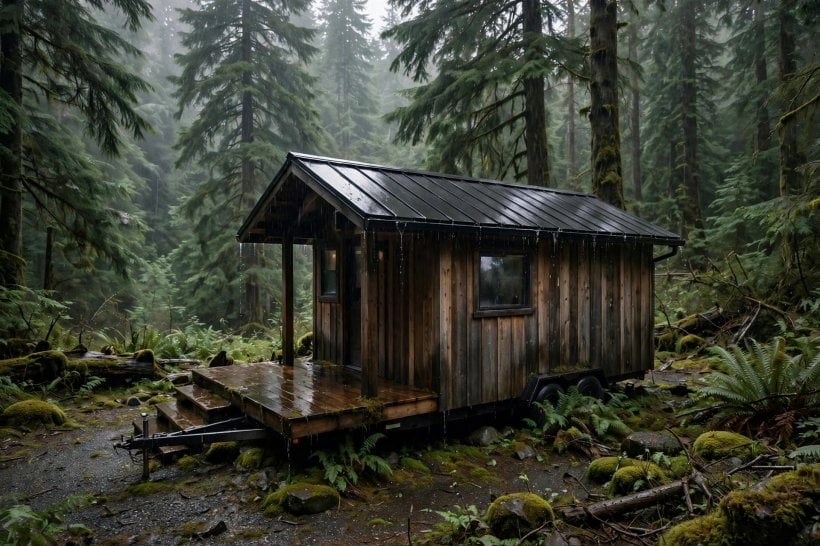
The zoning is the second gate. The ADUs are the friendlier — the growing: city rules keep opening doors for backyard cottages and small second homes. The counties are the varied — the checked: step outside the cities and every county writes its own answer. The rule: the zoning is the verified — the current. Can I put a tiny house in Washington? The zoning varies — the ADU-friendly, the checked. The placed is the permitted: the codes, the current. And do I need special permits for a tiny house in Washington? The jurisdiction decides — the checked, the current. The needed is the verified: the county, the city.
5. How to Join a Washington Community
Joining runs on the same discipline as everything else here: visit first, paper second. The visit is the toured — the seasonal: walk the community in the wet season, when the drainage, the paths and the mood all tell the truth. The application is the honest — the complete: references, the home’s details, the whole picture, presented plainly. The rule: the joined is the fitted — the community. The fit is checked from both sides.
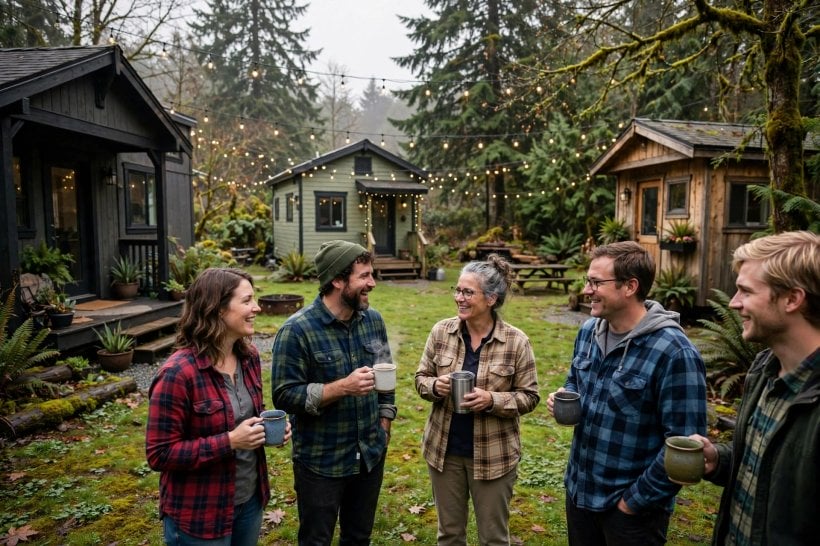
Do such communities actually exist here? Yes — the growing, the many. The Washington tiny is the thriving: the locations, the options. And how do I find the right Washington tiny community? The toured, the rain-tested, the fitted. The right is the visited: the vibe, the values. Tour in the rain, because the rain is the honest season; a community that glows in November will astonish you in July. Washington deeper: our DIY-friendly tiny house plans and super-affordable tiny homes — the original’s own two cross-references, preserved where it placed them.
6. Moisture Management and Heating
Moisture is the Washington tiny’s lifelong opponent, and the defense is a routine, not a product. The vented is the always — the fans: air moves through the house every day, in every season. The dehumidified is the winter — the dry: when the windows stay shut for months, a dehumidifier carries the load the open window carried in June. The rule: the dry is the healthy — the Washington.
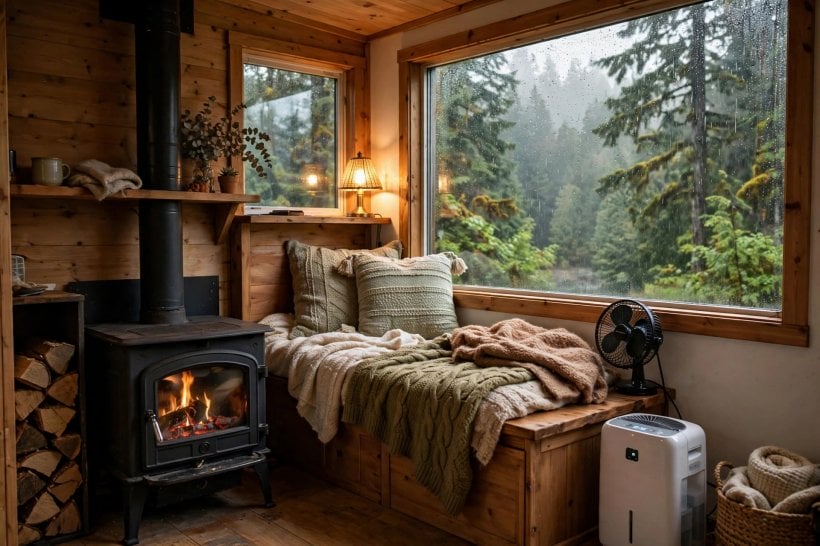
The heating completes the system. The mini-split is the efficient — the sized: right-sized electric heat that also dries the air it warms. The wood-stove is the tiny — the cozy: the classic Northwest answer, radiant and dry, with the fire as the evening’s entertainment. The rule: the heated is the comfortable — the winter. How do I prevent mold in a Washington tiny house? The vented, the heated, the monitored. The prevented is the routine: the airflow, the dry. And how does rain affect tiny houses in Washington? The planned — the sealed, the vented. The affected is the prepared: the moisture, the managed. The envelope discipline underneath it all is spelled out in our guide to how to seal and weatherproof tiny house sill plates and corners.
7. The 10 Commandments of Washington Tiny
Ten rules hold the whole Washington method together, and they are written as imperatives because each one is a habit, not a hope. Respect the rain. Check the zoning. Vent the always. Heat the efficient. Tour the communities. Budget the moisture. Insulate the well. Seal the envelope. Meet the neighbors. Live the evergreen. Read in sequence, they describe the whole guide in miniature — climate respected, paperwork verified, air moved, heat sized, villages walked, wet budgeted for, walls wrapped, envelope sealed, neighbors met, and the green life lived on purpose.
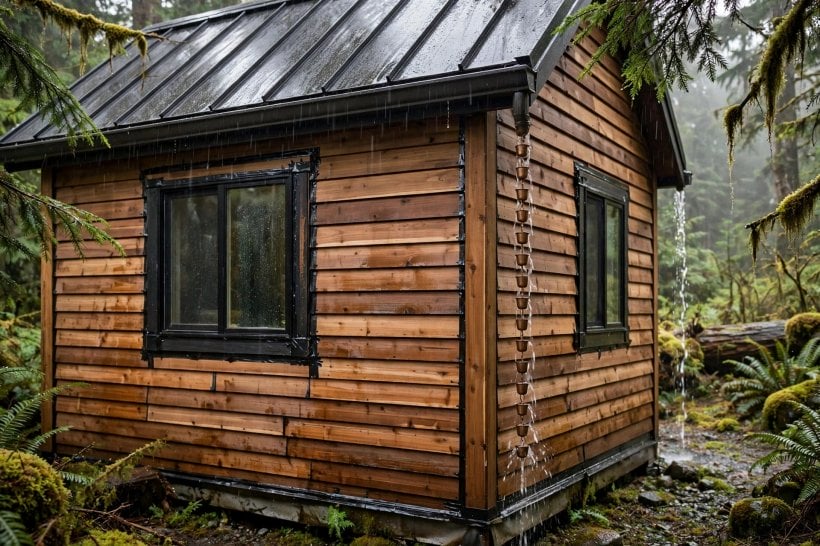
Three of the ten deserve a second word. Vent the always and budget the moisture are the same commandment at two scales — the daily habit and the annual line item, because fans, filters and dehumidifiers are running costs, not purchases. And meet the neighbors is not decoration: in a Washington winter, the community is infrastructure. The borrowed tarp, the shared generator, the checked-in-on neighbor — that is the tenth of the climate system nobody sells.
8. The Seattle Scene and the East Side
Seattle is where the state’s tiny experiment runs at full speed. The urban is the ADUs — the backyards: the city’s small homes hide behind its big ones, a cottage at the end of a garden, a converted garage with a green roof. The progressive is the policies — the watched: the city’s rules are the state’s weather vane, and every organizer reads them. The truth: the Seattle is the frontier — the tiny.
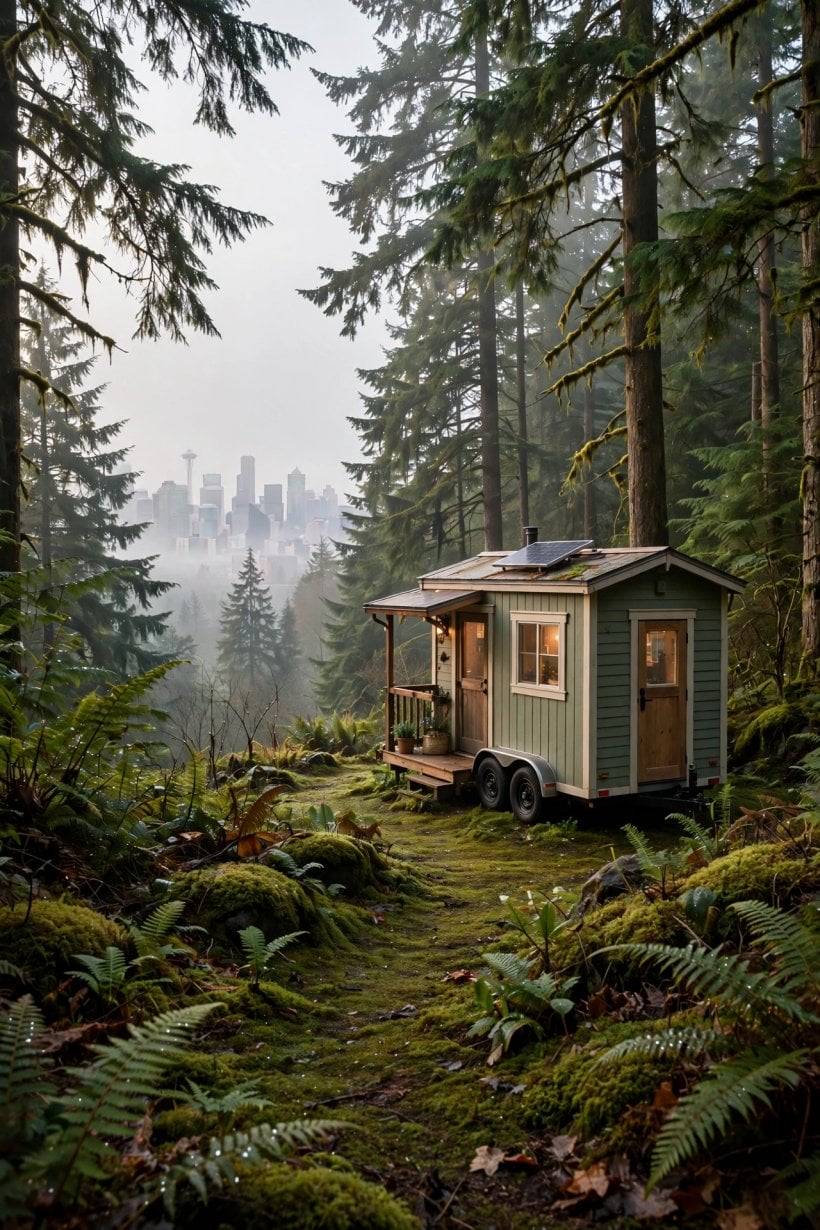
Cross the Cascades and Washington changes its mind about weather. The drier is the Spokane — the sun: the east runs sunnier, colder in winter, warmer in summer, and emptier in every direction. The affordable is the land — the space: acreage a corridor dweller would call impossible sits at rural prices. The truth: the east is the option — the Washington. Is Washington good for off-grid tiny living? The west — the cloudy; the east — the sunny. The good is the sited: the solar, the rain catchment. Solar wants the eastern sun; catchment wants the western rain; the sited build takes each where it lives. The big-city version of the scene makes a useful contrast — our Dallas tiny house community guide covers a city where the tiny problem is heat and land, not rain and trees.
9. Mistakes to Avoid, the Rain Routine, the Gray Days and the Summer Glory
The mistakes are the preparations skipped, and the original names three. The unvented is the mold — the aired: a sealed box of warm, wet air, growing what it should not. The uninsulated is the cold — the wrapped: a house that fights its own winter and loses. The unsealed is the leaked — the flashed: water in the walls, found a season too late. The rule allows no appeals: the Washington forgives — the prepared.
The rain routine is what replaces complaint. The geared is the raincoat — the boots: the right kit by the door, so weather never decides the day. The tiny is the dry — the cozy: home as the warm end of every wet errand. The truth: the rain is the rhythm — the Washington. The gray days get the same treatment indoors. The lamped is the warm — the bright: light run deliberately against the gloom. The tiny is the glowed — the hygge: candles, blankets, soup. The truth: the gray is the embraced — the Washington. Can I live tiny in Washington year-round? Yes — the heated, the vented, the loved. The year-round is the embraced: the rain, the gray, the glory.
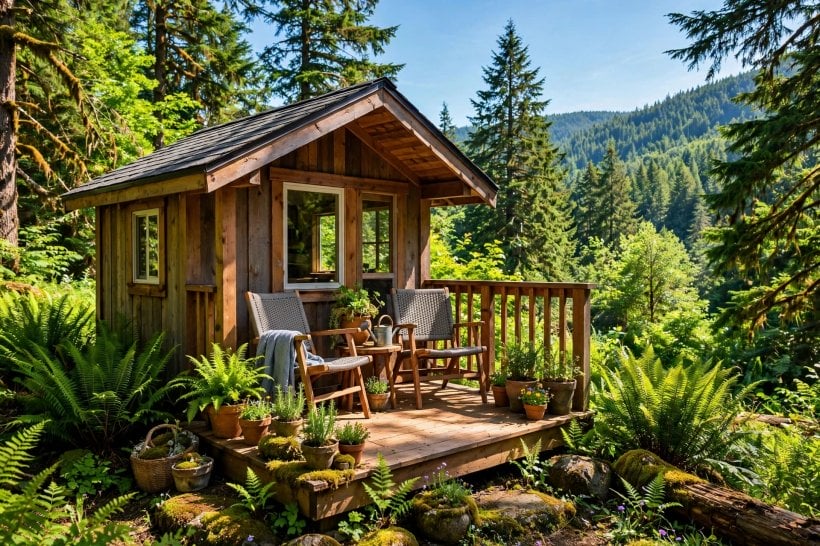
And then the glory, which is the state’s reward. The perfect is the 75 — the blue: a Washington summer day sits at seventy-five degrees. The tiny is the opened — the lived-outside: every window wide, the porch become a room, the forest become the address. The truth: the summer is the reward — the Washington. People endure the gray months for this; the settled say the trade is not even close.
10. The Washington Payoff: Forests, Water, Neighbors and the Evergreen Cadence
The payoff begins outside the door. The forests: the hiked — the trails, the moss; the tiny — the returned, the rested; the truth: the forests are the church — the Washington. The water: the Puget — the ferried, the kayaked; the tiny — the viewed, the calm; the truth: the water is the mirror — the Washington. The payoff is the evergreened — the daily, the tiny; the rained — the embraced, the cozy; the community — the progressive, the welcomed. The truth: the payoff is the green — the designed. The invitation stands over all of it: tour, vent, join — the Washington awaits.
The first rain is the initiation. The heard — the roof, the cozy; the tiny — the dry, the smiled; the truth: the first rain is the test — the passed. The neighbors are the confirmation. The flanneled — the friendly, the coffee; the helped — the tarped, the community; the truth: the neighbors are the reason — the Washington. And the settled is the result. The parked — the mossy, the home; the rooted — the evergreen, the years; the truth: the settled is the green — the Washington. The opposite climate extreme is covered in our guide to tiny house communities in Florida.
The closing cadence — the small ceremonies of the evergreen life. The evergreen story: the told — the years, the rained; the tiny — the moss, the loved; the truth: the story is the Washington — the always. The last word: the said — the tour, the vent; the done — the joined, the evergreened; the truth: the last word is the Washington — the always. The moss: the grew — the north, the soft; the tiny — the roof, the watched; the truth: the moss is the Washington — the signature. The rain song: the played — the roof, the nightly; the tiny — the slept, the deep; the truth: the rain is the music — the Washington.
The dripped: the fell — the cedar, the drops; the tiny — the porch, the watched; the truth: the dripped is the rhythm — the Washington. The always evergreen: the kept — the green, the years; the tiny — the always, the home; the truth: the always is the Washington — the tiny. The ferns: the unfurled — the spring, the green; the tiny — the shaded, the lush; the truth: the ferns are the carpet — the Washington. The Washington blessing: the grateful — the rain, the tiny; the home — the small, the loved; the truth: the blessing is the Washington — the always. The mist: the hung — the morning, the trees; the tiny — the emerged, the day; the truth: the mist is the magic — the Washington. The final rain: the fell — the last, the spring; the tiny — the opened, the summer; the truth: the rain ends — the Washington dreams. The Washington grace: the moved — the daily, the evergreened; the lived — the always, the rained; the truth: the grace is the Washington — the tiny. And the last drop: the fell — the final, the leaf; the tiny — the dry, the smiled; the truth: the drop ends — the Washington remains.
Final Considerations
The best tiny house communities in Washington state reward the prepared — the rain respected, the zoning checked, the scene toured. Join well, live tiny, stay evergreen. Note: zoning, costs, and regulations change — verify all current information directly with local authorities. This is not legal or financial advice.


2 Comments