

A great farmhouse exterior blends honest materials, a calm colour palette and a porch that invites you to slow down. Whether you are refreshing a cottage or finishing a new build, small, well-chosen changes add up to serious kerb appeal.
This guide gathers forty practical ideas, from paint colours and roof shapes to planting and lighting, so you can plan updates in any order and at any budget.
1. Farmhouse Exterior at a Glance: Colours, Porches, Roofs and Kerb Appeal
Before choosing individual details, look at the house as one composition. Colour, porch, roof, door, windows, lighting and planting should feel like members of the same family: simple shapes, natural textures and nothing overly fussy. The table below summarises the options explored in this guide, so you can shortlist the elements that suit your home, your climate and the way you use your front garden.
| Element | Popular Choices | Why It Works |
|---|---|---|
| Wall colour | Warm white, cream, sage, weathered grey | Soft, sun-friendly shades feel timeless and pair with almost any roof or trim colour. |
| Porch | Wraparound, deep front porch, screened porch | Adds shade, shelter and a social front step between house and garden. |
| Roof | Steep gables, cross gables, dormers, metal sections | Strong silhouettes give even a simple box-shaped home real character. |
| Front door | Painted colour, natural timber, glazed panels | The easiest focal point to refresh, and the first thing guests notice. |
| Windows and trim | Shutters, black frames, chunky posts | Crisp outlines make pale walls look deliberate rather than plain. |
| Lighting | Lanterns, pendants, path lights | Warm light makes the frontage welcoming after dark and improves safety. |
| Planting | Layered beds, climbers, window boxes | Greenery softens hard edges and connects the house to its plot. |
| Paths and fences | Stone, gravel, picket or split-rail | Clear routes and gentle boundaries frame the whole front garden. |
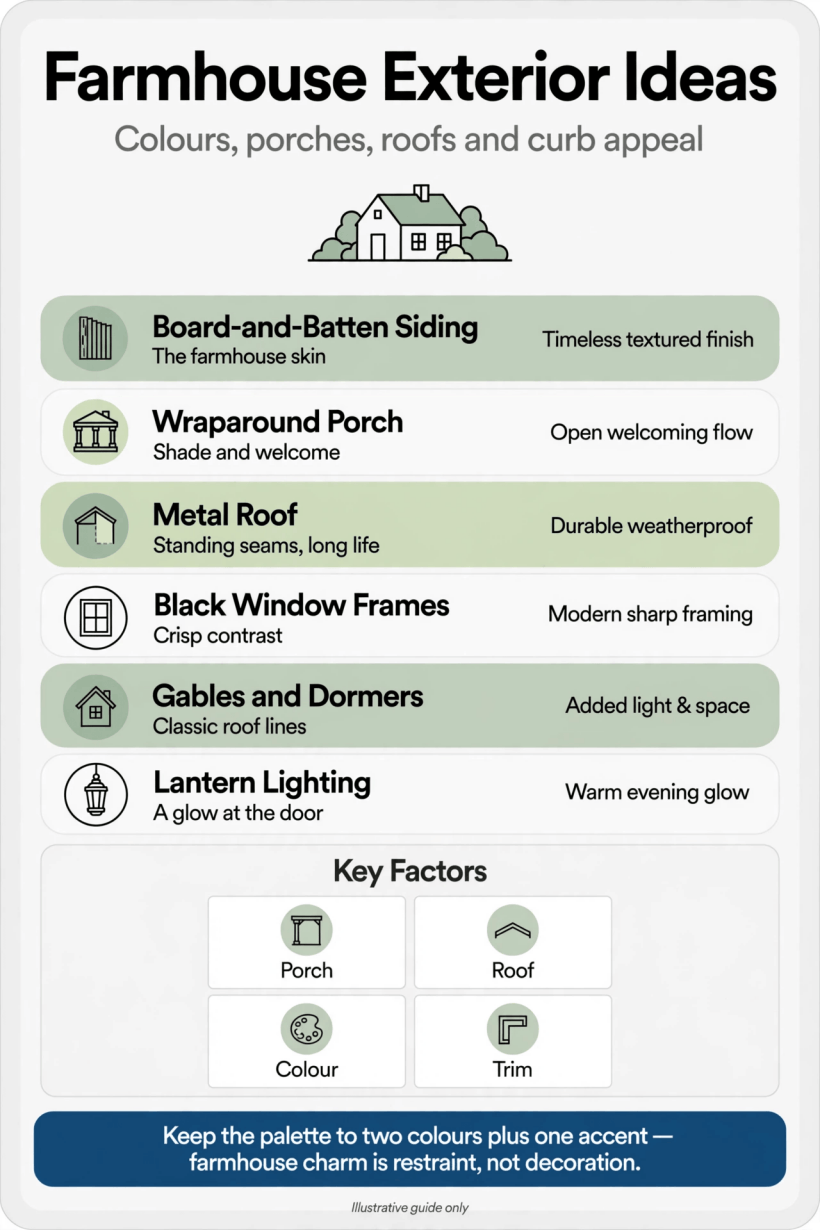
At a glance: balance one strong feature, such as a deep porch or a bold roofline, with calm colours and layered planting for a frontage that feels settled rather than styled.
The same layering principle works at any scale. If you are planning the plot around a compact home, our round-up of tiny house landscaping ideas shows how paths, beds and fences can make a small frontage feel generous.
2. Colour Palettes That Set the Tone
Colour does most of the heavy lifting on a country-style frontage. Keep the palette to two or three shades, test them in real daylight, and let texture — timber, stone, render or metal — add the interest that extra colours would otherwise provide.
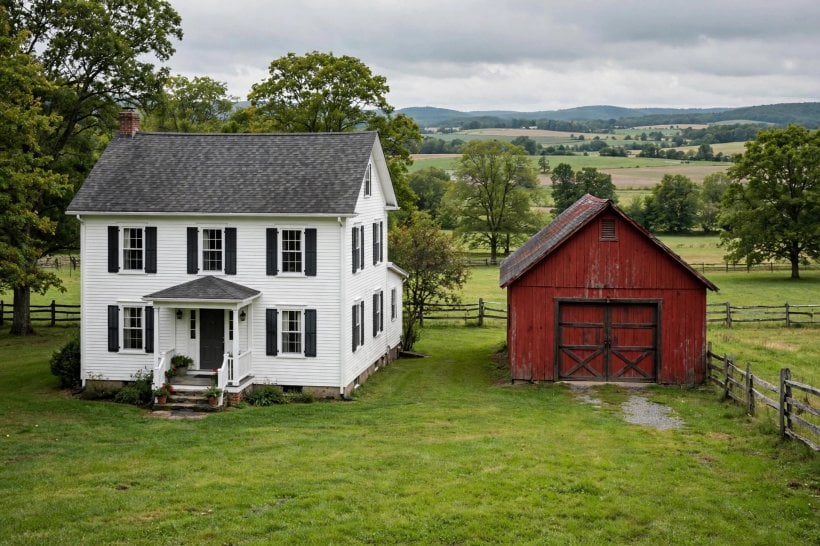
Idea 1: Warm White Board-and-Batten
Vertical board-and-batten cladding painted in a warm, slightly creamy white is the classic starting point. The shadow lines of the battens add rhythm to flat walls, the colour reflects summer heat, and almost any door colour, roof finish or planting scheme sits comfortably against it through every season.
Idea 2: Soft Cream With Charcoal Trim
If pure white feels stark against your landscape, try a soft cream on the walls with charcoal or near-black trim on windows, fascia boards and the porch posts. The gentle contrast outlines the architecture, hides dust better than bright white, and gives the house a calm, tailored finish.
Idea 3: Sage Green Siding
Muted sage green connects the house to surrounding planting and looks especially good near trees, meadows or dry grassland. Pair it with off-white trim and a natural timber door so the green stays the hero. Sage also flatters stone foundations and weathered metal roofing beautifully.
Idea 4: Weathered Grey Timber Tones
Grey-washed timber or a weathered grey paint colour gives a relaxed, settled feel, as if the house has belonged to its plot for decades. Balance the coolness with warm wood on the porch floor, a honey-toned door and plenty of green planting close to the walls.
Idea 5: A Pale Base With One Bold Accent
Keep walls and trim quiet, then spend your colour courage in one place: a deep red door, navy shutters or a rich green porch ceiling. A single confident accent reads as intentional design rather than indecision, and it is cheap to repaint when you fancy a change.
3. Porches That Welcome You Home
The porch is the social heart of this style: part shelter, part seating area, part transition between garden and hallway. Even a modest porch transforms how a house feels if it is deep enough for chairs and planted pots, and lit warmly for evenings.
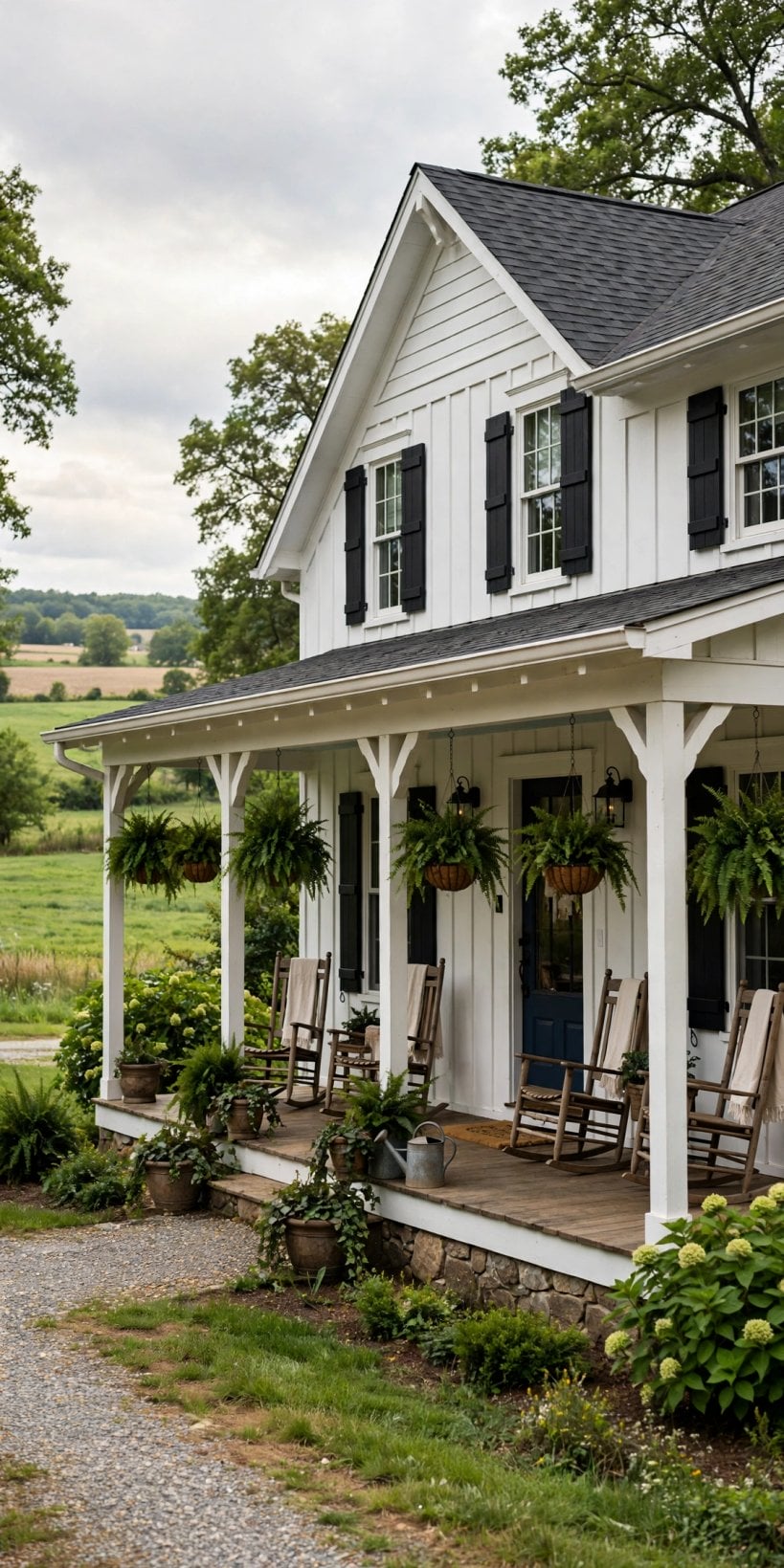
Idea 6: A Wraparound Porch
Where the plot allows, wrapping the porch around two sides of the house creates shade that follows the sun, extra seating zones and a strong horizontal line that grounds the building. Keep posts simple and evenly spaced, and continue the same floor material around the corner for a unified look.
Idea 7: A Deep Front Porch With a Swing
A porch deep enough for a hanging swing or a pair of rocking chairs quickly becomes the most-used seat in the home. Allow comfortable walking space behind the seating, hang the swing from secure fixings, and add an outdoor rug and cushions in weather-friendly fabrics for softness.
Idea 8: A Screened Side Porch
In midge or mosquito country, screening part of the porch keeps the breezes and loses the bites. Fine mesh panels framed in painted timber preserve the open look while making evening meals outside realistic. A ceiling fan inside the screened section keeps air moving on still, humid days.
Idea 9: Stone or Brick Porch Piers
Resting timber posts on low stone or brick piers adds weight and craftsmanship to the frontage while lifting the wood away from splashing rain. Match the pier material to any stone in the garden walls or path edging so the porch feels built into the landscape, not added on.
Idea 10: A Softly Painted Porch Ceiling
Painting the porch ceiling a pale sky blue or soft sage is a traditional touch that brightens the shaded area and makes the space feel taller. The colour reflects gentle light onto seating below, discourages nesting insects according to folklore, and adds a quiet surprise guests always notice.
4. Roofs and Gables With Character
Roof shape is the silhouette people recognise from the road. Strong gables, honest materials and details like dormers or exposed rafter tails give the roof a crafted quality that flat, featureless planes cannot match, even when the floor plan underneath is simple.
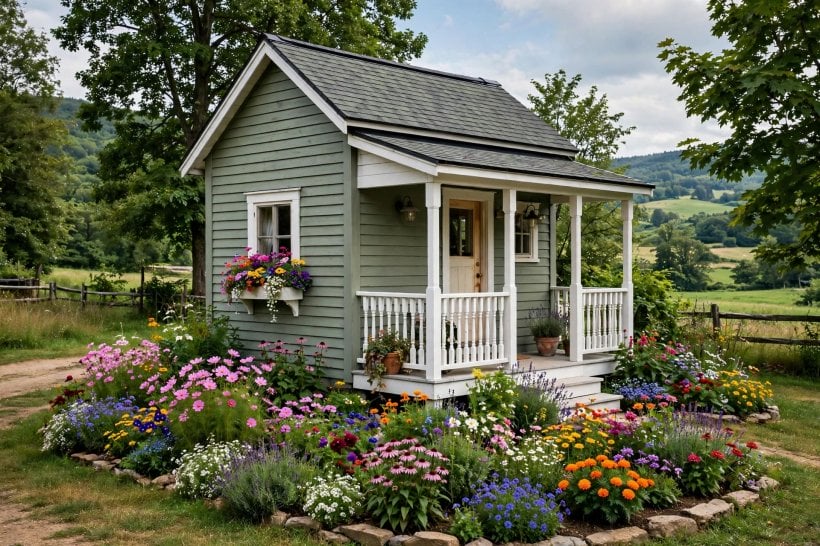
Idea 11: A Steep Main Gable
A steeply pitched front gable is the signature outline of the style. It sheds rain and snow readily, creates room for a tall window or decorative vent near the peak, and gives the house a confident, upright presence that suits both cottages and larger family homes.
Idea 12: Cross Gables for a Layered Roofline
Intersecting gables over the porch, a side wing or an attached garage break a long roof into friendly sections. Each junction is a chance to vary cladding — vertical boards in one gable, shingles in another — while keeping colours consistent so the composition stays calm.
Idea 13: Standing-Seam Metal Roof Sections
Using ribbed metal roofing over the porch or a single-storey wing contrasts pleasantly with shingles or tiles on the main roof. Metal sheds leaves and snow well, its seams echo the vertical lines of board-and-batten walls, and a matte finish keeps it looking agricultural rather than industrial.
Idea 14: Dormers for Light and Charm
Small gabled dormers bring daylight into loft rooms and add rhythm to a broad roof slope. Keep dormer cladding and trim consistent with the main walls, align them with windows below where possible, and resist making them oversized — their charm lies in modest, cottage-like proportions.
Idea 15: Deep Eaves and Exposed Rafter Tails
Generous eaves shade walls in summer, protect cladding from driving rain and cast the shadow lines that make a roof feel substantial. Leaving rafter tails visible beneath the eaves, painted to match the trim, is a simple carpentry detail that quietly signals traditional craftsmanship.
Roof and porch choices pair naturally with rustic interiors; for inside inspiration that matches this look, explore our tiny barn house interior ideas with their timber beams and honest materials.
5. Front Doors, Windows and Trim Details
Once the big shapes are right, doors, windows and trim deliver the close-up quality. These are the elements visitors touch and see at arm’s length, so solid materials, tidy paintwork and a consistent style of hardware make an outsized difference to first impressions.
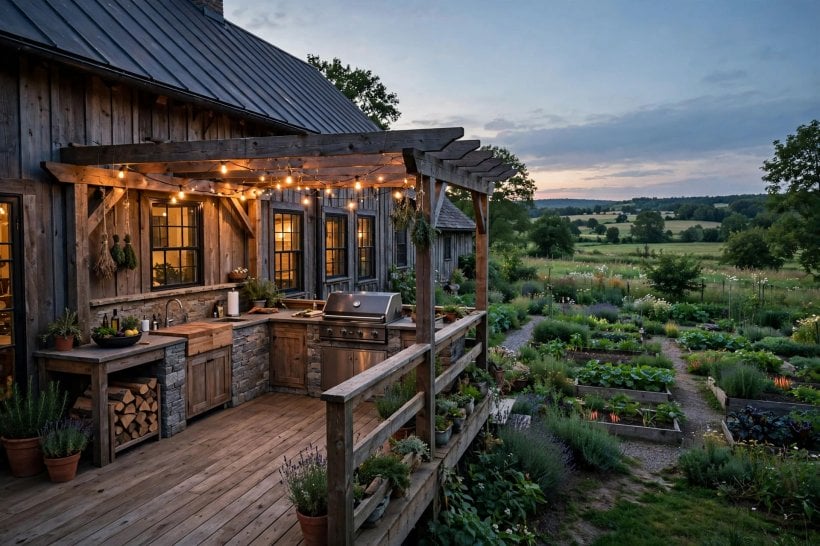
Idea 16: A Statement Front Door Colour
A painted front door is the fastest personality upgrade available. Deep red, indigo, forest green and classic black all sit well against pale walls. Paint the door in a satin or semi-gloss finish so it catches the light differently from matte cladding, and repeat the colour in one planter or shutter pair.
Idea 17: A Timber Door With Glazed Panels
Natural or stained timber brings warmth that paint cannot imitate, and glazed upper panels borrow light for the hallway. Choose a protective finish suited to your weather, add a simple iron or black handle set, and shelter the door beneath the porch to reduce weathering.
Idea 18: Symmetrical Windows With Simple Shutters
Balanced window placement gives the frontage its calm, orderly feel. Frame key windows with plain board shutters in a trim or accent colour, sized as if they could genuinely close over the glass. Symmetry does not need to be perfect — near-balance reads as relaxed rather than rigid.
Idea 19: Black-Framed Windows on Pale Walls
Dark window frames sharpen pale cladding and bridge traditional shapes with a modern edge. The look works best when other dark notes — light fixtures, house numbers, a roof section — repeat the colour so the windows feel part of a scheme instead of an accident.
Idea 20: Chunky Posts, Beams and Brackets
Oversized porch posts, a visible beam across the gable and simple diagonal brackets under the eaves all add the sturdy, hand-built character this style loves. Use real timber where budget allows, keep joinery honest and visible, and stain or paint every element in one consistent finish.
6. Lighting for Warm Evenings
Good lighting extends the porch into the evening and makes the frontage look cared for after dark. Aim for warm-toned light at human height — beside the door, above seating and along the path — rather than a single harsh floodlight mounted high on the wall.
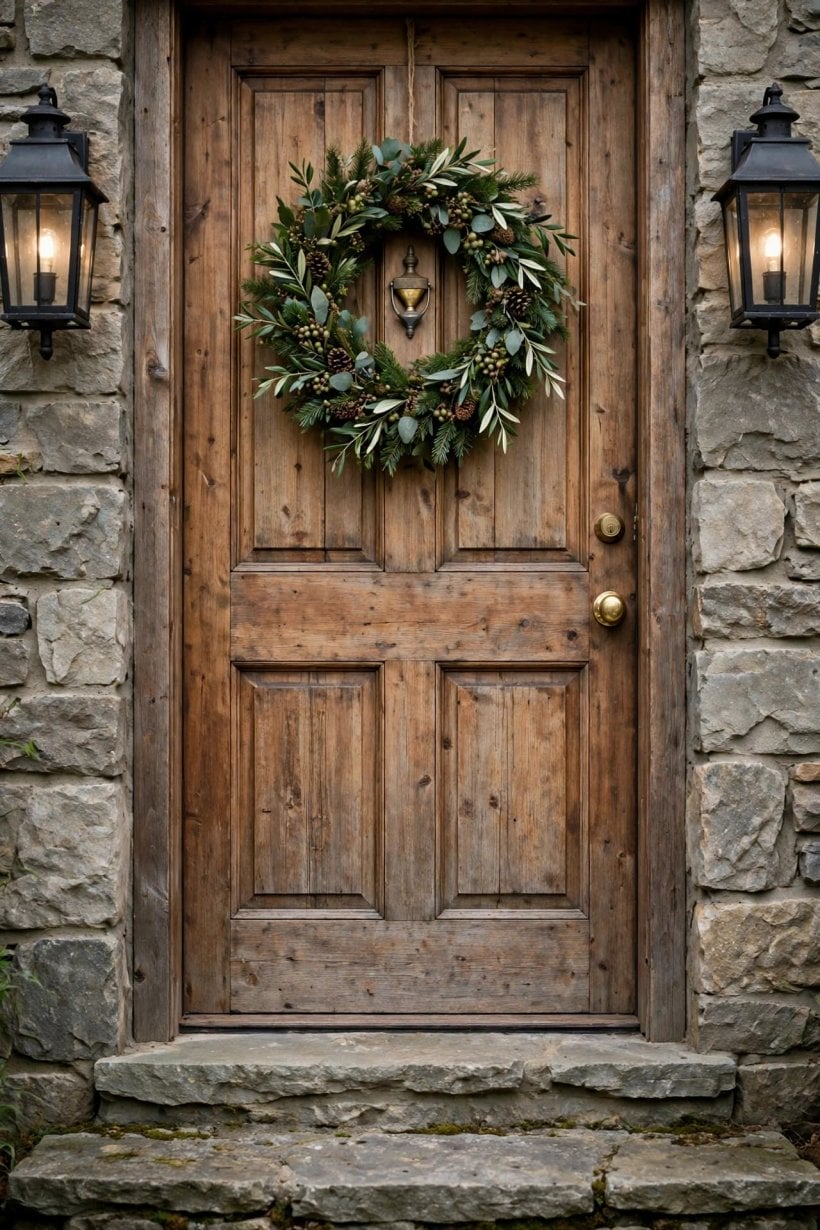
Idea 21: Lantern-Style Wall Lights
Lantern-shaped fixtures flanking the front door are the classic choice, echoing the era the style borrows from. Choose enclosed designs that keep bulbs and wiring dry, fit warm-white bulbs, and size the lanterns generously — undersized door lights are one of the most common frontage mistakes.
Idea 22: Porch Pendants and a Ceiling Fan
Over a seating area, one or two pendant lights hung from the porch ceiling define the zone and cast flattering, downward light. In warm climates, combine lighting with an outdoor-rated ceiling fan so the porch stays comfortable for reading, dining and long conversations on still nights.
Idea 23: Low Path Lighting
Short bollard or stake lights along the front path guide guests safely and draw a gentle line of light from gate to door. Space them so pools of light nearly meet, angle them downward to limit glare and light pollution, and consider solar models where wiring is impractical.
Idea 24: Gooseneck Lights Over Doors and Garages
Curved gooseneck fixtures, borrowed from barn and workshop buildings, suit side doors, garages and outbuildings. Their downward throw lights a working area without spilling brightness into neighbours’ windows, and a row of two or three over a wide garage front looks purposeful and tidy.
Lighting the outside well matters as much as lighting rooms inside; our guide to modern tiny house interior ideas covers the same warm, layered approach for compact indoor spaces.
7. Planting and Landscaping Layers
Planting is what settles a house into its plot. Layer heights — low edging, mid shrubs, taller accents near corners — keep something interesting against the walls in every season, and generous beds are far more forgiving than narrow strips of struggling plants.
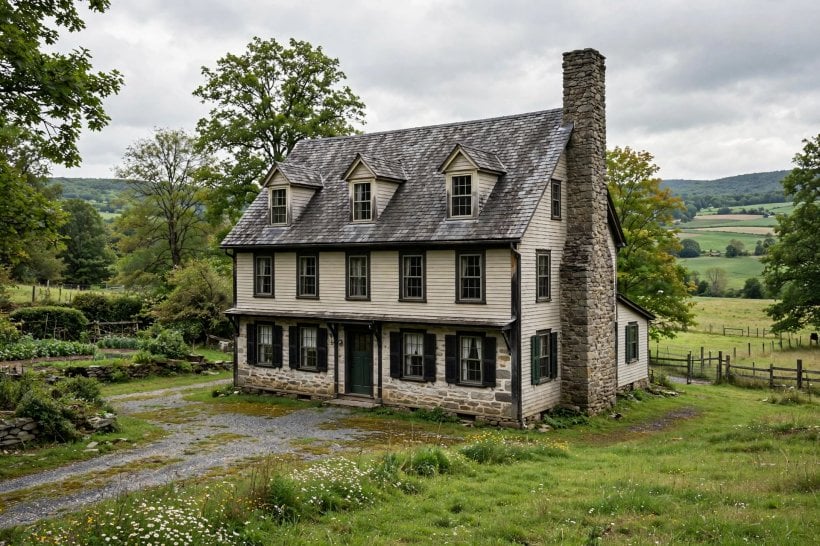
Idea 25: Layered Foundation Planting
Replace the single row of shrubs with a deep bed: evergreen structure at the back, flowering shrubs in the middle and a soft, low front edge. The layers hide the foundation line, suppress weeds as they fill in, and make the house look rooted rather than parked.
Idea 26: Climbers on Porch Posts and Trellis
A climbing rose, jasmine or other locally suited vine trained up a porch post or a simple trellis panel softens hard lines and adds scent where people sit. Give climbers a sturdy support from day one, keep growth clear of gutters and roofing, and prune little and often.
Idea 27: Window Boxes and Porch Planters
Timber window boxes and pairs of large planters flanking the door deliver colour exactly where the eye lands. Fill them seasonally — bulbs in spring, herbs and trailing plants in summer, evergreen sprigs in winter — and match container colours to your trim for a deliberate finish.
Idea 28: Relaxed Gravel Beds With Grasses
For lower-maintenance front gardens, gravel beds planted with ornamental grasses, lavender-type shrubs and other drought-tolerant, locally appropriate plants give movement and texture with modest watering. A defined metal or stone edge keeps gravel off the path and makes the relaxed planting look intentional.
Choosing surfaces is easier with comparisons; see our overview of eco-friendly driveway alternatives for permeable options that suit gravel-and-grass front gardens.
8. Paths, Driveways, Fences and Gates
Hard landscaping frames everything else. A clear, well-kept route from street to door, a tidy driveway edge and a friendly boundary fence tell visitors the home is loved before they even reach the porch steps.
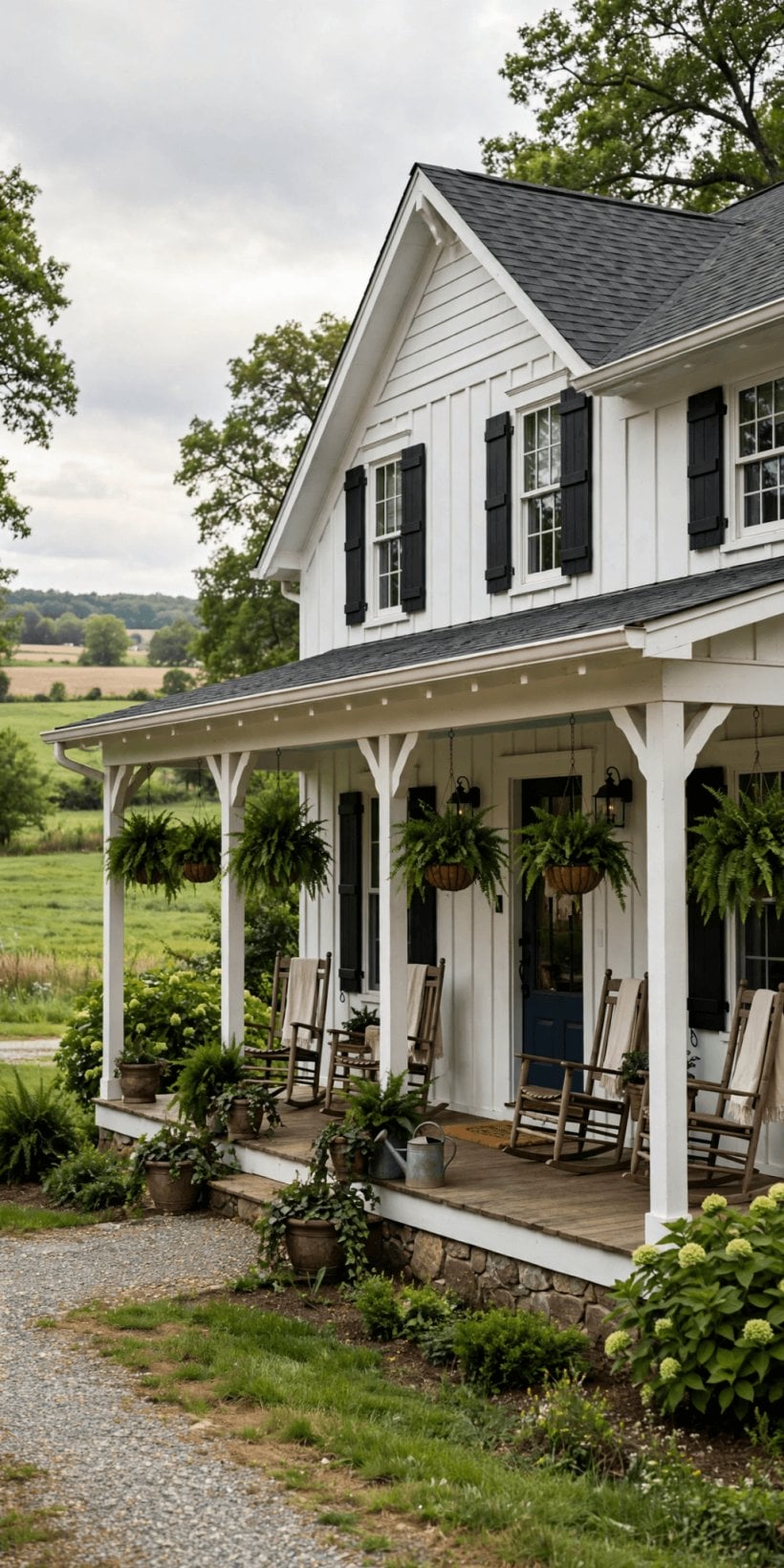
Idea 29: A Stepping-Stone or Slab Front Path
Large, evenly spaced stone slabs or pavers set into lawn or gravel make a path that suits the style’s informality while staying practical in wet weather. Keep the route gently direct, light it at the edges, and plant low ground cover between stones to soften the geometry.
Idea 30: A Gravel Driveway With Neat Edging
Gravel drives belong with country homes: they drain freely, cost less than full paving and sound pleasantly crunchy underfoot. The secret is edging — stone, brick or steel strips that hold the gravel in place and give the drive a crisp outline against lawns and beds.
Idea 31: Picket or Split-Rail Fencing
A low picket fence says cottage welcome; a rustic split-rail fence suits larger, more rural plots. Either works best kept in repair and painted or weathered consistently. Leave the boundary friendly and low at the front so the house, not the fence, stays the focus.
Idea 32: A Welcoming Gate and Clear House Numbers
A simple timber gate, large readable house numbers and a doorbell or knocker in a finish that matches your light fixtures are small details with daily value. Delivery drivers and first-time guests alike appreciate a frontage that explains itself clearly and warmly.
If your plot is compact, the space-saving layouts in our smart tiny house design ideas show how paths and thresholds can do double duty.
9. Finishing Touches and Seasonal Styling
The last layer is the lived-in one: furniture, textiles and seasonal touches that change through the year. Because these pieces are small and movable, they are the safest place to experiment with colour and pattern before committing to paint or building work.
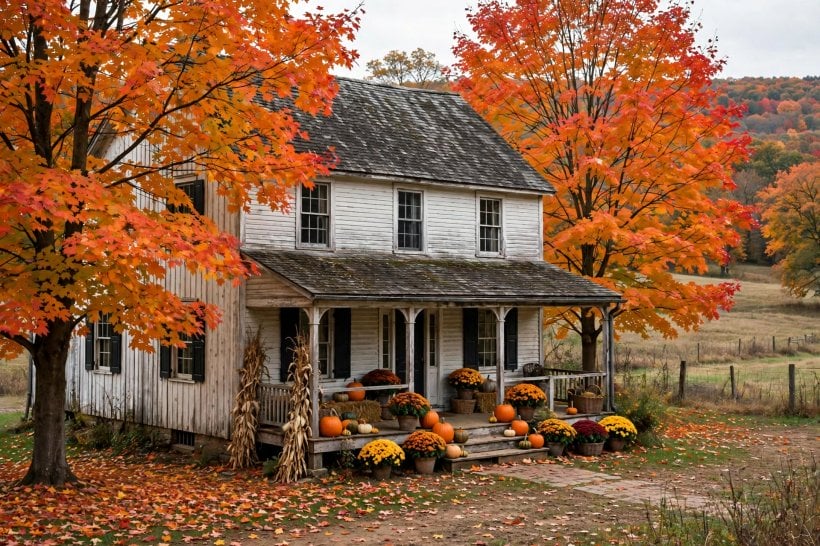
Idea 33: Rocking Chairs and an Outdoor Rug
Two rocking chairs or a bench, a weatherproof rug underfoot and a small side table turn the porch into an outdoor room. Choose furniture with some visual weight — timber, woven-look resin or painted metal — so it holds its own against the scale of the house front.
Idea 34: Hanging Baskets and a Porch Rail Garden
Baskets hung between porch posts and planters along the rail put flowers at eye level, where they soften the view from inside too. Keep baskets generously sized so soil stays moist longer, group plants with similar water needs, and deadhead little and often for continuous bloom.
Idea 35: Seasonal Wreaths and Door Decor
A wreath is the front door’s jewellery: greenery in winter, dried flowers in autumn, simple herbs or blossom in spring. One well-made wreath, swapped seasonally, keeps the entrance feeling current without a cupboard full of decorations, and it photographs beautifully for listing or family photos.
Idea 36: Matching Outbuildings and Garage Fronts
Paint sheds, garages and bin stores in the same palette as the house — cladding colour, trim colour, even matching lantern lights — and the whole plot reads as one designed place. Repeating the door colour on a side gate ties the composition together from the street.
For entry-adjacent storage that keeps porch clutter indoors instead, browse our tiny house closet design ideas for compact, hard-working solutions.
10. Small Budgets, Big Impact: Where to Start
You do not need a renovation to get the look. The final four ideas are the highest-impact, lowest-cost moves, roughly in the order most homeowners tackle them, each achievable in a weekend with basic tools.
Idea 37: Paint Before You Rebuild
Fresh paint on the door, trim, porch floor or even the whole cladding transforms faster than any structural change. Preparation matters more than the paint itself: wash, scrape, sand and prime properly, and a modest budget buys a finish that looks professional for years.
Idea 38: Swap Dated Light Fixtures
Replacing a tired porch light with a generously sized lantern and adding two path lights is an afternoon’s work that changes every evening at home. Keep finishes consistent across fixtures, numbers and handles so the entrance reads as one coordinated set.
Idea 39: Refresh the Door Furniture
New handles, a knocker, a letterbox and clear house numbers in a single finish make an old door look chosen rather than inherited. While the tools are out, oil hinges, adjust the latch and add a coir doormat wide enough for two muddy boots.
Idea 40: Tidy Edges, Fresh Mulch, Clean Paths
The cheapest kerb appeal of all: edge the lawn, weed and top up mulch in the beds, sweep or wash the path and steps, and trim anything touching the walls. A tidy frame makes every other feature — paint, planting, porch — look twice as good, instantly.
Final Considerations
Start with the composition, not the catalogue: one calm colour palette, one strong feature such as the porch or roofline, and planting that connects the house to its plot. Work in layers — structure first, then doors and windows, then lighting, planting and furniture — and let each layer dry, settle or grow in before judging the next. Costs vary widely by region, materials and how much work you do yourself, so gather local quotes, keep the palette consistent when you phase the work, and choose the ideas that serve how you actually live at the front of your home. A frontage built on those principles will keep its welcome for decades. For more small-home inspiration inside and out, browse our colourful tiny house interior ideas and tiny house living room ideas next.


0 Comments