

The entrance sets the tone for the whole home, and well-planned front steps make that first impression feel welcoming, safe and easy to use every single day.
Below are 75 practical ideas covering layouts, materials, colours, lighting and upkeep, so you can choose a design that suits your house, your climate and your budget.
1. Start With the Basics: Measuring, Layout and the At-a-Glance Summary
Before choosing finishes, measure the total height from ground to threshold, the depth you have available for a landing, and the width that feels generous without crowding the path. Comfortable entrances balance an even rise on every tread with a going deep enough for a full foot, and a landing that lets the door swing freely while someone stands there with shopping or a pushchair. Rules for heights, railings and ramps vary, so check the current guidance with your city or county building department before building. If you are planning a whole-home project, the complete guide to building your own tiny house shows how entrances fit into the bigger picture.
| Question | Short answer |
|---|---|
| Best layout for a small entrance? | A straight, compact flight with a deep top landing and storage built underneath. |
| Most low-maintenance material? | Poured concrete or composite boards, brushed clean and checked once a year. |
| Most classic look? | Brick or natural stone that echoes the house walls, with a simple metal railing. |
| Most modern look? | Floating treads, a restrained two-tone palette and recessed lighting. |
| Widest colour choice? | Painted masonry or timber, which can be repainted whenever the door colour changes. |
| Key check before building? | Drainage, even riser heights and local rules — confirm details with your city or county. |
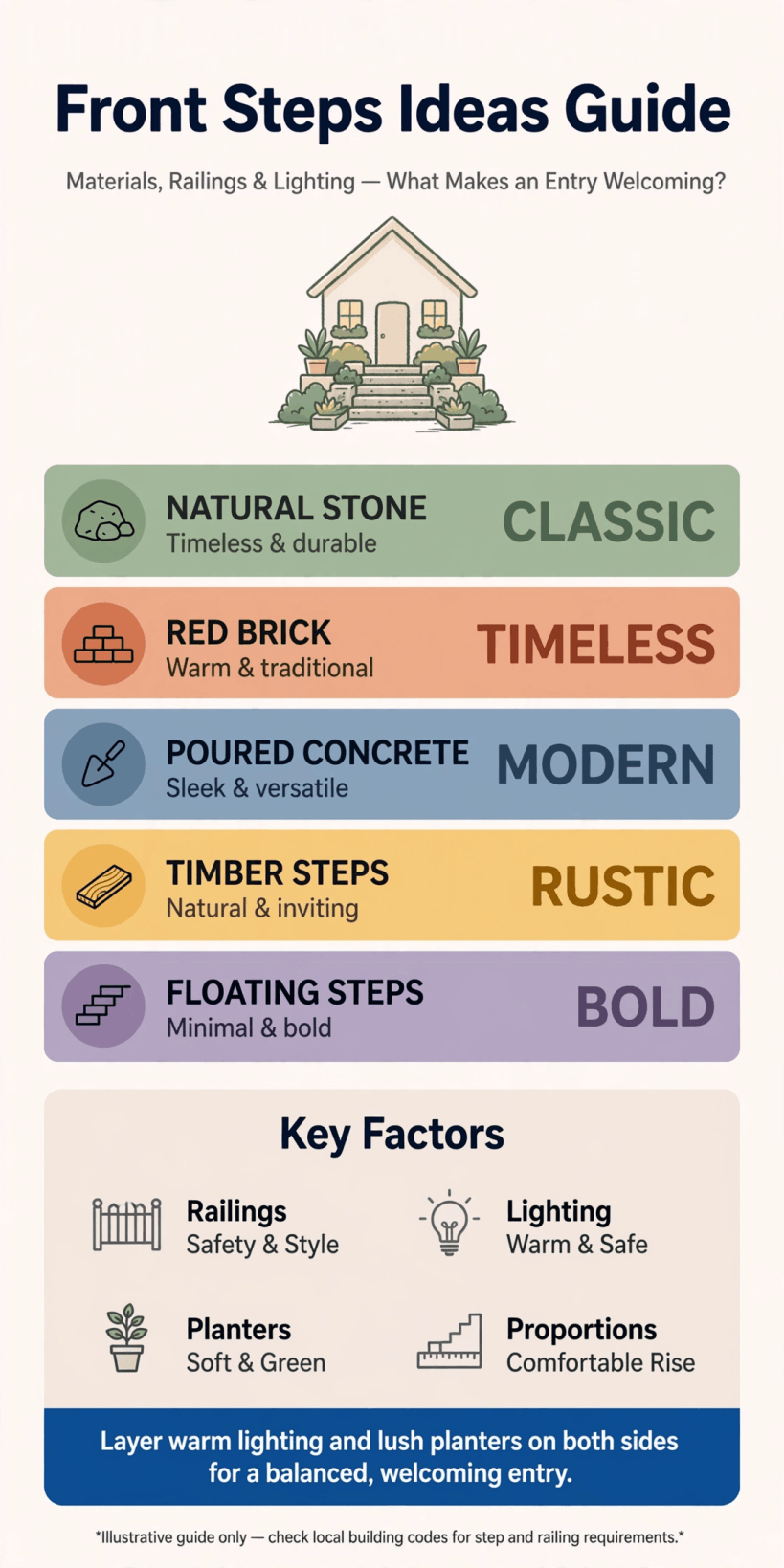
A quick visual summary of the main choices — layout, material, colour and lighting — covered in this guide.
2. Simple Layouts That Suit Almost Every Home
Layout decides comfort more than any finish. A clear, predictable rhythm helps guests, children and delivery drivers alike, and it makes planting and lighting easier to plan. For the ground around the entrance, browse these tiny house landscaping ideas for small-space planting that frames a doorway neatly.
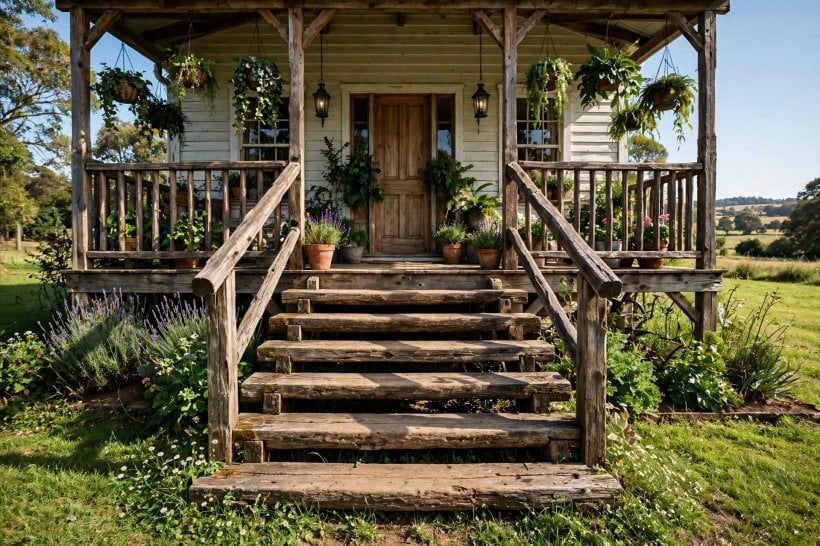
1. Straight single flight. The timeless option: one direct run from path to door, easy to build, easy to light, and simple to keep clean in every season.
2. Wide welcoming flight. Extra width lets two people pass comfortably and leaves room for planters at the edges without narrowing the walking line at all.
3. Split-level landing. A halfway landing breaks a tall climb into two gentler runs, giving visitors a natural pause point and a place for a bench.
4. Corner-turn layout. Turning the flight ninety degrees suits entrances close to a boundary, guiding the approach along the house rather than straight at it.
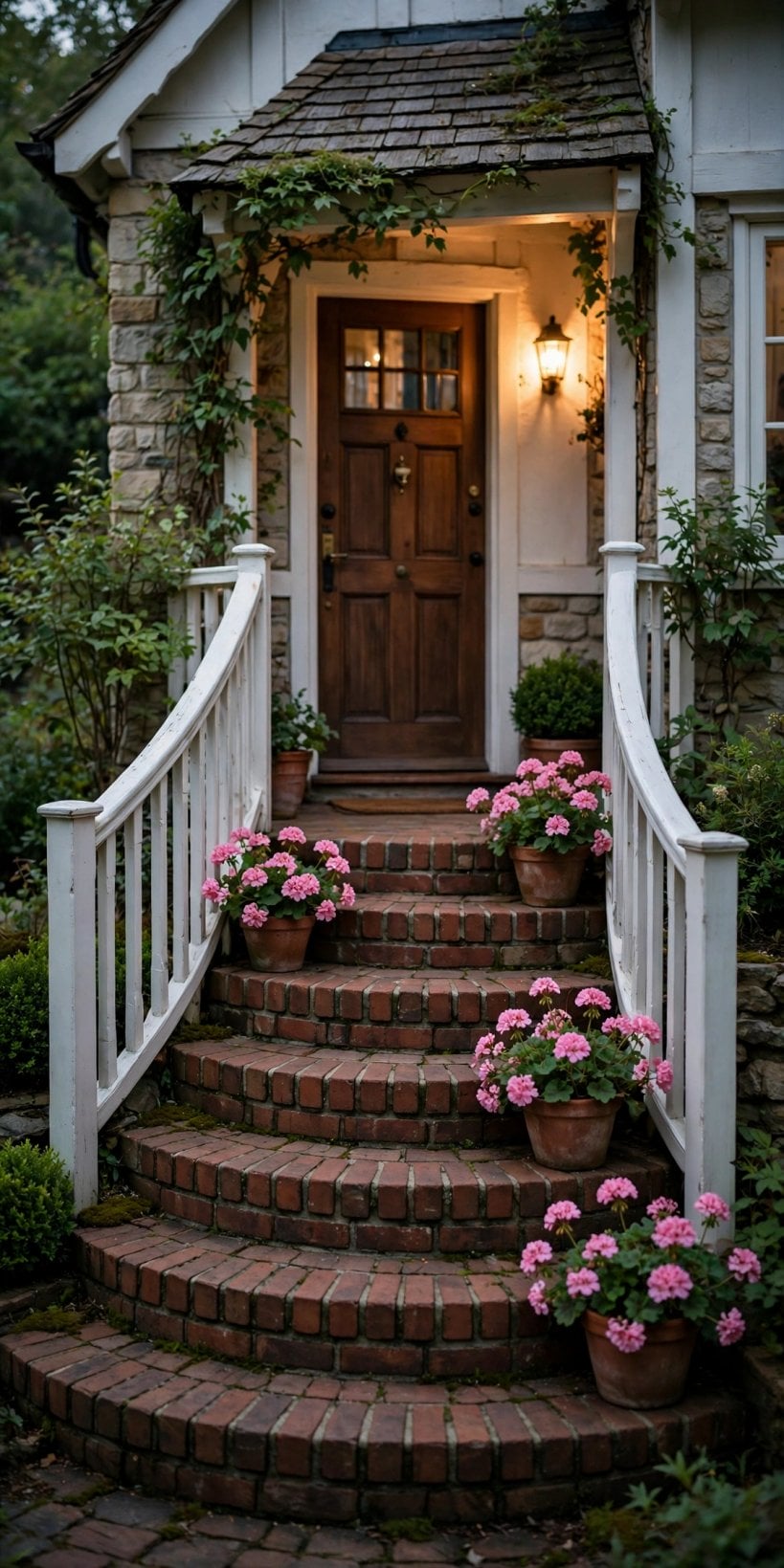
5. Curved sweep. A gentle curve softens a formal facade and spreads the climb out, although curved work usually needs a skilled builder and careful setting out.
6. Floating treads. Open risers on a central spine look light and modern, drain freely, and let planting grow underneath where space is tight.
7. Tiered garden terraces. On sloping plots, split the climb into low terraces linked by short runs, with beds between levels softening the whole approach beautifully.
8. Entrance with a side ramp. Pairing the flight with a gentle ramp helps wheels, prams and mobility aids; gradients and landings are regulated, so confirm requirements locally first.
9. Shallow-rise comfort flight. Lower risers and deeper treads feel kinder on knees and suit older visitors, provided you have the extra run length they need.
10. Double-width shared entrance. For paired homes, one broad flight serving two doors keeps the facade balanced and simplifies drainage, lighting and winter upkeep for both households.
3. Materials That Last in Real Weather
Choose materials for grip, drainage and repair as much as looks. Surfaces that shed water, resist frost and can be patched in small sections will still look good years later with very little fuss.
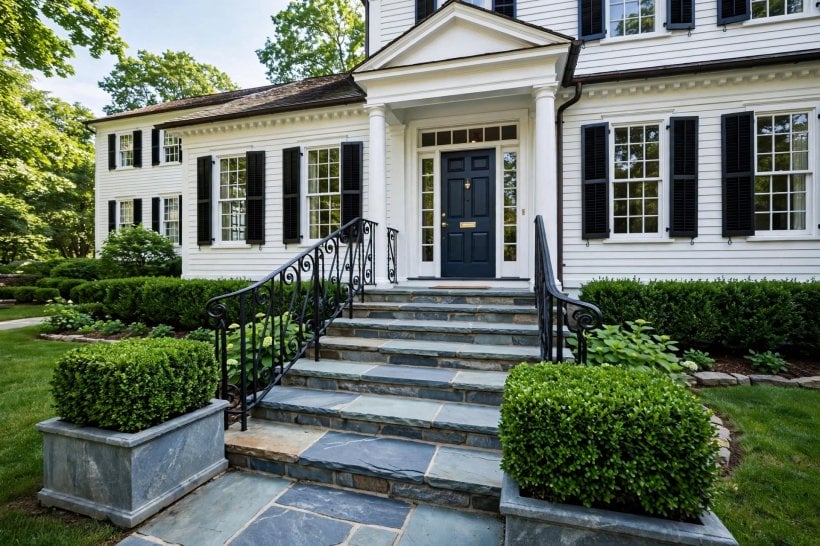
11. Natural stone flags. Thick stone treads bring weight and character, vary subtly in tone, and can be re-laid individually if one ever works loose.
12. Poured concrete. A single cast flight is strong, shapeable and comparatively straightforward to repair, especially with a brushed finish that adds everyday grip.
13. Brick to match the house. Repeating the wall brick ties the entrance to the building; choose frost-resistant bricks and keep a few spares for future repairs.
14. Timber sleepers. Chunky horizontal timbers give a relaxed, garden-led feel and pair well with gravel paths, but need drainage gaps and regular preservative care.
15. Composite boards. Wood-effect boards resist rot and splinters, wipe clean easily, and work well for low flights where a softer look is wanted.
16. Porcelain pavers. Dense outdoor pavers offer consistent colour and a smooth, contemporary finish; pick textured outdoor grades so wet weather grip stays reassuring.
17. Gravel and edging. For very low rises, compacted gravel held by firm edging keeps costs down and drainage excellent, with a board or stone top tread.
18. Block and render. Rendered masonry can be painted in almost any colour, patched easily, and refreshed cheaply whenever the entrance needs a new look.
19. Stone with timber. Mixing stone treads with timber risers or side cheeks balances warmth and solidity, and lets each material do what it does best.
20. Carefully reclaimed pieces. Sound salvaged stone or brick adds instant age; inspect every piece for cracks, clean it well, and reject anything spalling or crumbly.
4. Colours That Flatter the Facade
Colour works hardest when it connects the entrance to the door, the path and the planting. Sample large areas outdoors, because daylight changes everything, and take cues from these tiny house interior paint colours if you want the hallway beyond the door to feel coordinated too.
21. Charcoal contrast. Deep charcoal treads against pale walls look crisp and hide everyday dust well, especially with a lighter handrail for definition.
22. Warm sandstone tones. Honey and buff shades flatter brick and render alike, glow in evening sun, and blend gently with gravel paths and beds.
23. White-painted risers. Bright risers lift a shaded entrance and make each tread edge easier to read, though they need washing more often than mid-tones.
24. Terracotta warmth. Clay tones suit Mediterranean-style planting and warm grey walls, bringing a sunny feel even to north-facing doorways in winter.
25. Slate grey family. Layering light, mid and dark greys across treads, walls and pots gives depth without introducing a competing colour at all.
26. Two-tone treads and risers. A darker tread with a lighter riser sharpens visibility on dull days and gives a tailored, deliberate finish to plain concrete.
27. Matched to the door. Repeating the door colour on risers or side cheeks creates a confident, designed look that photographs beautifully for guests arriving.
28. Soft sage and green-grey. Muted greens sit calmly beside planting, soften hard landscaping, and hide algae tints better than bright whites in damp climates.
29. Bold accent risers. One confident colour on the risers only — teal, ochre or deep red — adds personality while treads stay practical and dark.
30. Natural weathering palette. Let stone, timber and metal weather honestly in silvers and browns; the entrance then ages gracefully alongside the garden around it.
5. Lighting and Safety Details Worth Planning Early
Good lighting and honest grip matter more than ornament. Plan cable routes and fixings before the structure is built, and think about how the entrance works on the darkest, wettest evening of the year — the same inside-out planning used in these tiny house interior design ideas.
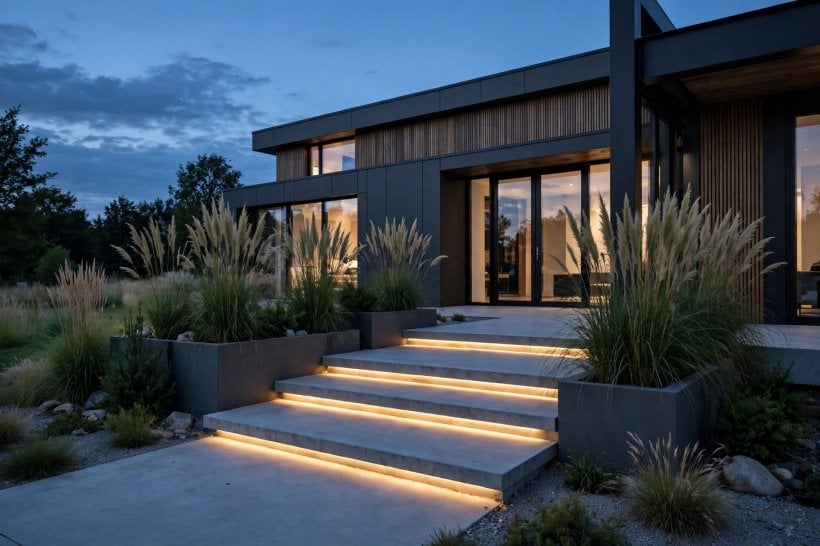
31. Solar stake lights. Simple stakes along the approach need no wiring, mark the route clearly, and can be moved as planting grows through the seasons.
32. Recessed tread lights. Small fittings set into risers wash each tread with light, look smart, and avoid glare when chosen with warm, downward-facing lenses.
33. Lit handrail. A rail with a discreet light strip underneath helps hands and eyes together, and is especially welcome on longer or turning flights.
34. Motion-sensor wall light. A sensor light beside the door welcomes visitors, helps with keys, and switches itself off, saving energy on quiet nights.
35. Non-slip tread strips. Textured strips near the nosing add grip exactly where feet land, and can be replaced individually when they eventually wear smooth.
36. Contrast nosings. A lighter or darker edge strip makes each tread boundary obvious in flat light, helping anyone with reduced vision climb confidently.
37. Handrails on both sides. Two rails help people of different heights and handedness, and make carrying shopping, children or walking aids noticeably steadier.
38. A drainage channel. A slim channel at the foot of the flight carries rainwater away, reducing puddles, ice patches and splash marks on risers.
39. An ice and leaf plan. Decide now where a brush, grit bin and leaf scoop will live nearby, so winter care takes minutes, not expeditions.
40. The night-time test. Walk the route after dark with the shopping you usually carry; adjust light positions and contrast until every tread reads clearly.
6. Planting and Edges That Soften Hard Lines
Planting turns a structure into a welcome. Keep the walking line clear, choose plants that stay compact or can be clipped, and leave room to sweep, because fallen leaves on treads get slippery quickly.
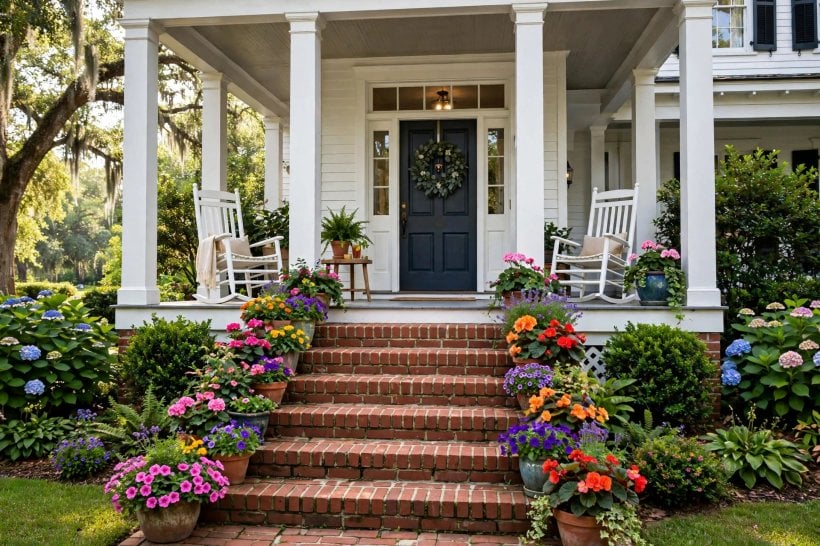
41. A framing pair of planters. Matching pots either side of the door create instant symmetry; fill them with evergreen structure plus seasonal colour for year-round effect.
42. A low hedge border. A clipped low hedge along the flight edges defines the route, hides the structure base, and needs only a couple of trims yearly.
43. Lavender edging. Lavender along a sunny edge brings scent when brushed past, copes with reflected heat, and asks only for drainage and a yearly prune.
44. Ornamental grass tufts. Compact grasses soften corners with movement, catch low light beautifully, and collapse nothing onto the treads if kept a little distance back.
45. Window boxes above. Boxes on the wall above the landing echo the planting below, adding colour at eye level without using any floor space.
46. A climber on the railing. A light climber trained along the rail softens metalwork; keep growth tied back so the hand grip itself always stays completely clear.
47. Seasonal pot rotation. Swap a few pots with the seasons — bulbs in spring, bedding in summer, berries and foliage in autumn — for a fresh welcome cheaply.
48. Mulched side beds. Mulch beside the flight suppresses weeds, reduces mud splashing onto risers, and makes the whole entrance look cared for with little effort.
49. Evergreen structure. A backbone of small evergreens means the entrance never looks bare in winter, even when every pot and border is resting.
50. Fragrant herbs by the door. Rosemary and thyme in pots near the threshold release scent as people pass and can be snipped for the kitchen too.
7. Small Entrances and Tiny Homes
Compact entrances reward restraint: one material, a clear walking line and storage that hides clutter. The principles mirror those in this tiny house and small-space interior design guide — measure honestly, then let every centimetre earn its place.
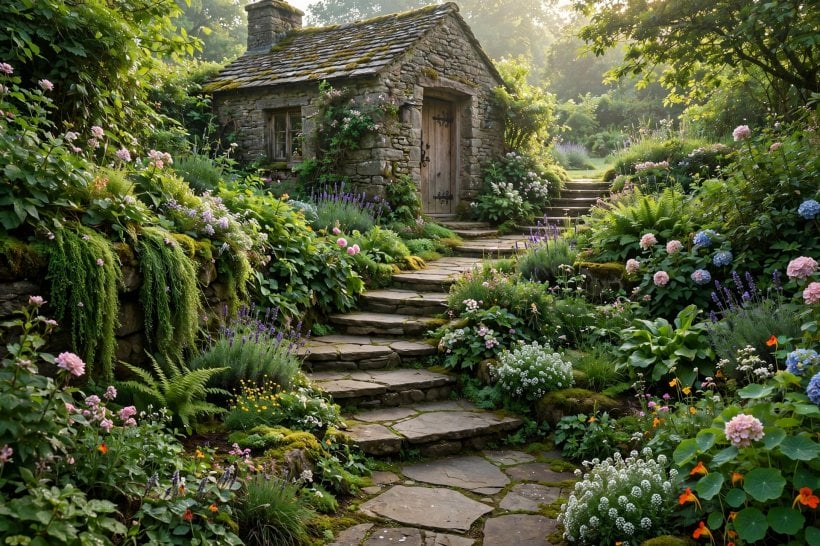
51. Narrow but deep treads. If width is limited, keep treads deep and risers even; a secure, predictable climb feels safer than a wider, uneven one.
52. A compact turning flight. A small landing turn can fit a surprising rise into a short front garden; have the geometry checked carefully before building.
53. Storage under the treads. Weatherproof drawers or a locker beneath the landing hide boots, parcels and garden tools right where they are actually used.
54. Bench and landing in one. Deepen the top tread into a sitting ledge for lacing shoes, resting bags or chatting with neighbours passing by.
55. Pale finishes to widen the feel. Light-coloured treads and walls bounce daylight into tight entrances, making even a single-width flight feel calmer and more spacious.
56. One central handrail. On a narrow flight, a single sturdy central rail can serve both directions and leaves the edges free for planting.
57. A recessed mat well. A mat set flush into the landing traps grit before it reaches the hall and removes a common trip edge entirely.
58. A slim porch canopy. Even a narrow canopy keeps rain off the top tread and the door lock, making arrivals and departures far more comfortable.
59. A vertical garden panel. Wall-mounted pockets beside the door add greenery without touching the floor plan, ideal where every square metre is spoken for.
60. One-material minimalism. Carrying a single material from path to threshold simplifies a small entrance visually and makes future repairs straightforward to match.
8. Budgets, Build Routes and Where Money Matters
Costs vary widely with size, ground conditions and finish, so think in priorities rather than figures: structure, drainage and grip first, decoration last. Money spent on even risers and sound footings is never wasted, while purely decorative extras can usually wait a season.
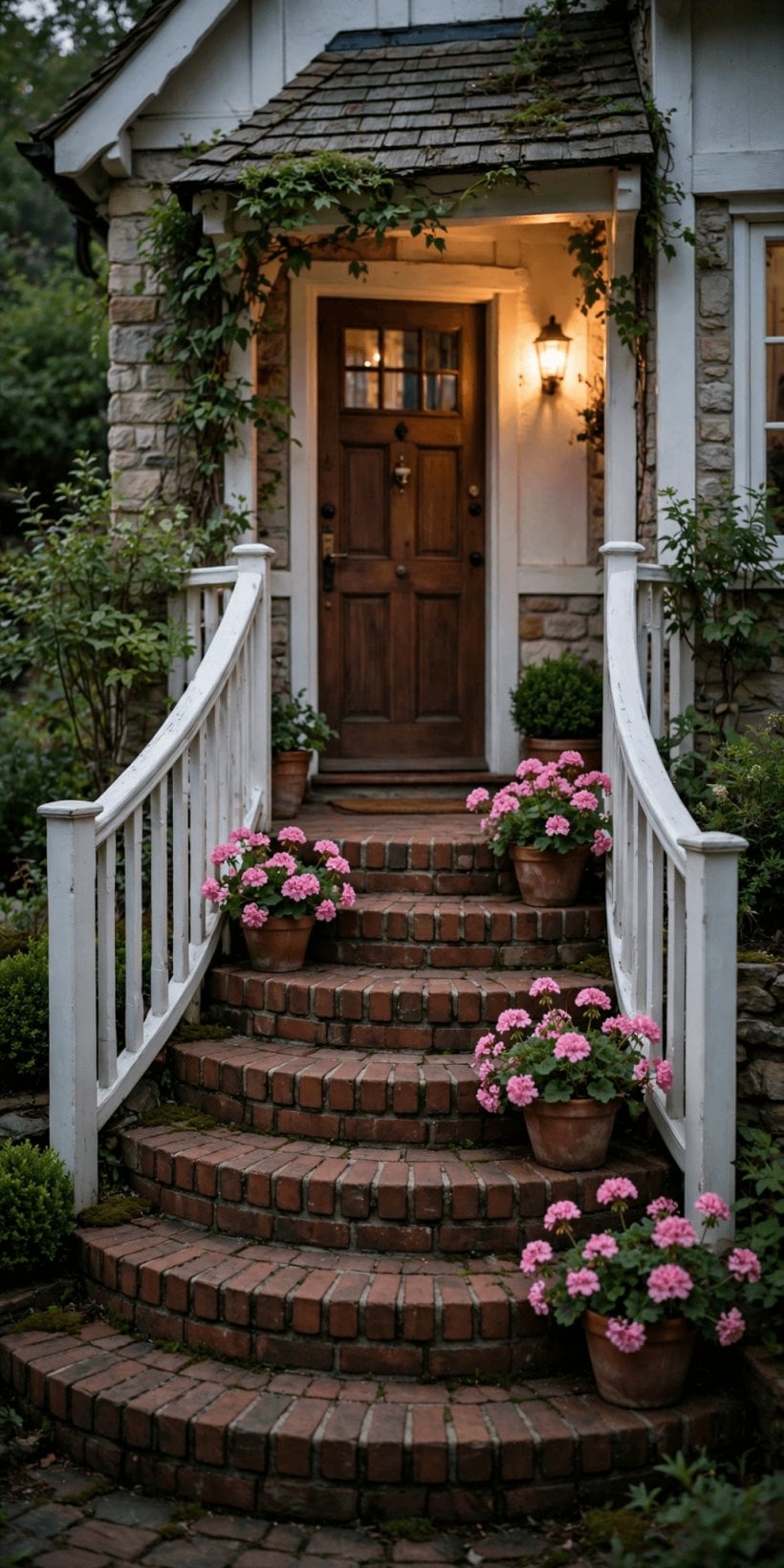
61. Refresh with paint first. Sound but tired masonry often needs only cleaning, minor repairs and exterior masonry paint for a transformation at modest cost.
62. Resurface instead of rebuilding. If the structure is solid, new treads or a quality overlay can renew the entrance without demolition, mess or long delays.
63. Consider a prefabricated flight. Factory-made units in steel, concrete or timber can shorten on-site time; measure carefully and confirm delivery access before ordering anything.
64. Build in phases. Complete the structure and lighting first, then add planters, canopy and decorative finishes later as budget and seasons allow.
65. Save on finishes, not footings. Simpler finishes photograph nearly as well as premium ones, but skimped foundations show up later as movement, cracks and rocking treads.
66. Protect the drainage budget. Falls, channels and soakaways are unglamorous and essential; water left sitting around an entrance causes most long-term damage and staining.
67. Compare quotes like for like. Ask each builder to price the same dimensions, materials and lighting in writing, so differences reflect workmanship rather than hidden omissions.
68. Check permissions early. Heights, ramps, railings and work near boundaries can all be regulated; a quick check with your city or county avoids expensive rework.
9. Finishing Touches That Make It Feel Finished
The last details are what visitors actually remember: a clear house number, somewhere for parcels, and an entrance that looks cared for in every season. Small, consistent habits beat occasional grand gestures here.
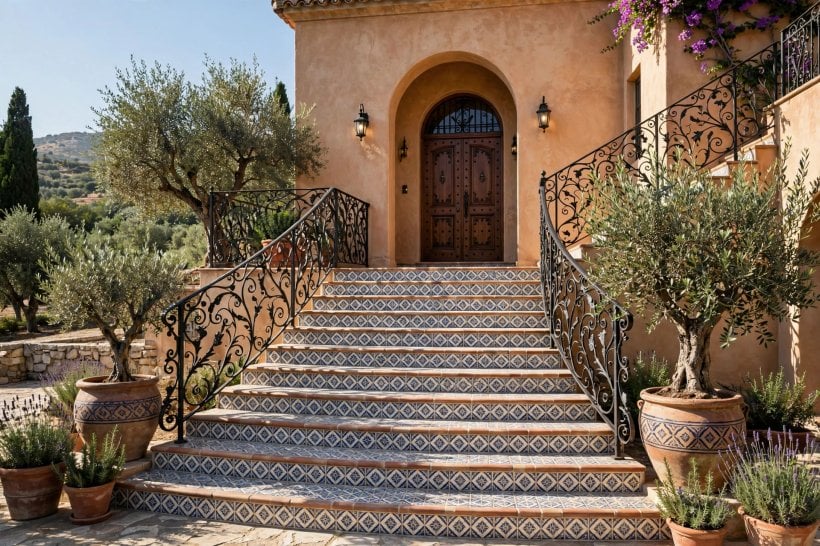
69. House numbers on a riser. Clear numerals on the top riser or beside the door help visitors and deliveries, and look quietly stylish in metal or tile.
70. Layered door mats. A scraper mat outside plus an absorbent mat inside keeps grit and water off hall floors and makes the threshold feel deliberate.
71. A boot scraper by the landing. A simple scraper or brush near the bottom tread saves muddy soles reaching the door, especially for garden and dog-walking homes.
72. A parcel box beside the landing. A lockable box at the side of the top tread keeps deliveries dry and hidden without cluttering the doorway itself.
73. Seasonal door dressing. A wreath or simple door decoration that changes with the seasons refreshes the whole entrance for very little ongoing effort.
74. A tidy corner for tools. Keep a hand brush, scoop and grit in one small lidded box nearby, so quick clean-ups actually happen after storms.
75. An annual inspection ritual. Once a year, check for rocking treads, blocked drainage, worn grip strips and loose rails, and fix small faults before winter.
10. Maintenance, Repairs and Seasonal Care
Most entrance problems start small: a wobbly tread, a blocked drainage slot, algae filming over in the shade. A stiff brush and clean water handle most routine care, and a mild outdoor cleaner suits stubborn green patches — always test any product on a hidden corner first and follow its label. Repoint loose mortar before frost gets into joints, reseat rocking pavers on a fresh bed rather than packing them with grit, and repaint timber and metal at the first sign of flaking, because small patches are quick while rust and rot are not. Keep a note of paint colours and materials used, so repairs match without guesswork. The same care-first thinking runs through these tiny house decorating ideas, where small spaces stay looking good through steady, simple upkeep rather than big overhauls.
Final Considerations
Start with safety and comfort — even risers, honest grip, clear lighting and drainage that actually works — then choose materials and colours that suit the house you have, not a photograph taken elsewhere. Keep every design decision reversible where you can, test colours outdoors, and confirm regulated details with your city or county before building anything permanent. Whether you refresh with paint or rebuild completely, thoughtful front steps repay the effort every time you come home. For the rooms just beyond the door, continue with these tiny house living room ideas and carry the same welcoming feeling right through the home.

0 Comments