
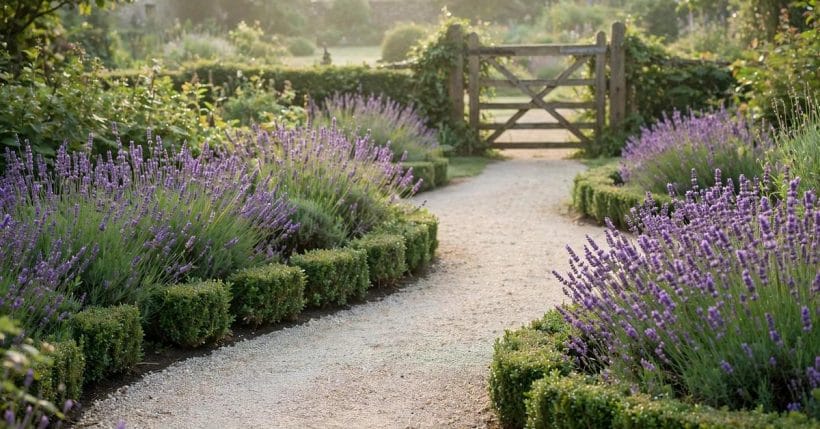
Gravel has a quiet way of changing a garden. It softens hard edges, lightens a shaded corner, and gives paths and sitting places a calm, natural feel underfoot. The surface is forgiving too: a curve can be reshaped, a colour can be tried in one bed before it spreads further, and a tired corner can often be lifted without rebuilding the whole garden. These gravel garden ideas gather seventy-five ways to use that simple surface, from winding walks and front paths to patios, driveways, planting beds and small courtyards, with practical notes on colour, edging and care along the way.
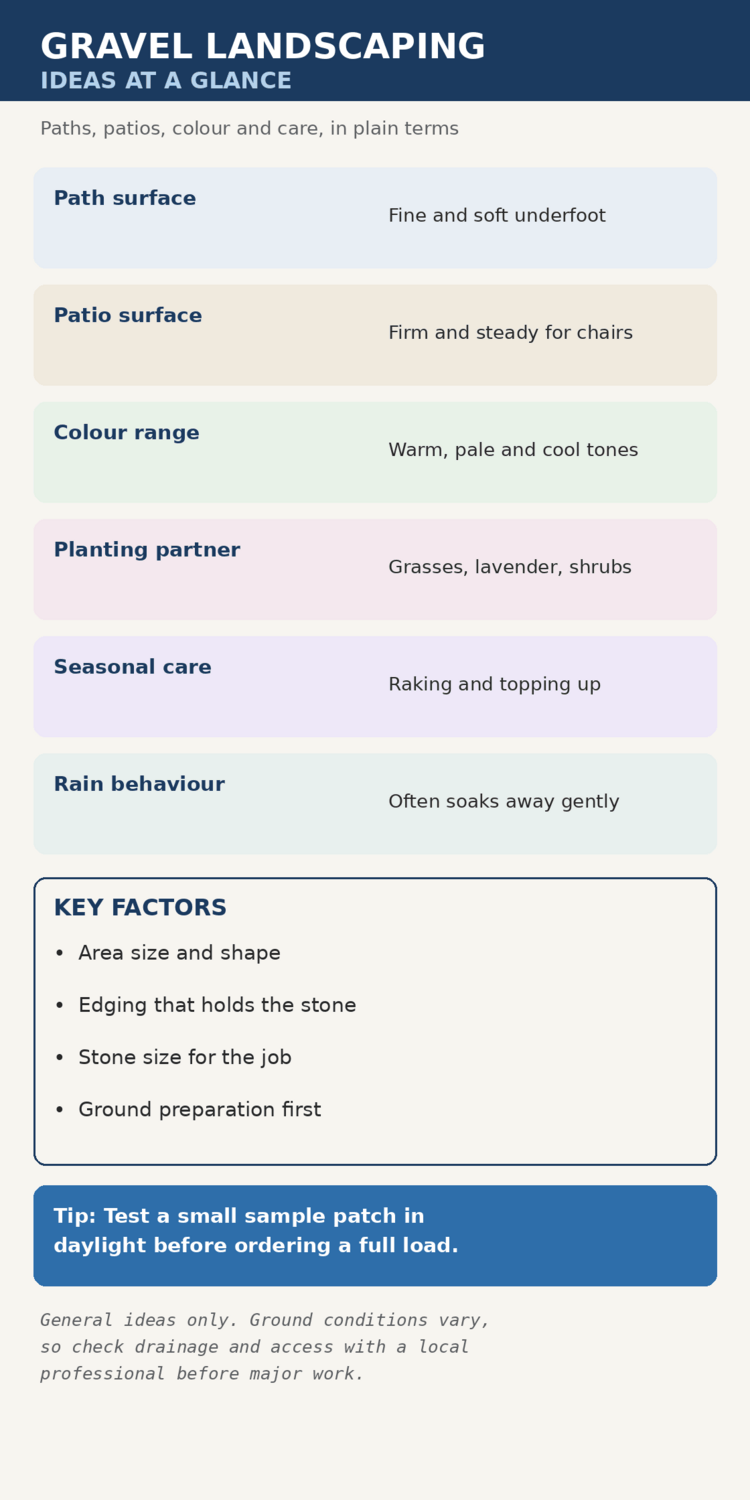
Before choosing a stone, it helps to walk the garden slowly and notice how each place is used. A path that carries daily foot traffic needs a finer, firmer feel than a decorative bed that is mostly looked at. A sitting place needs room for chairs to stand steady, while a driveway needs a deeper, well-prepared base and advice from a qualified professional. Light matters as well: pale gravel can brighten a dull corner, while a warmer tone can make a sunny patio feel softer in strong light. The notes on costs below stay general, because the main drivers are the size of the area, the depth of the layer, the stone chosen, the edging, the ground preparation and how easily materials can be delivered and moved around the garden.
1. Gravel Paths and Garden Walks
A path is often the first gravel a visitor meets, and it sets the tone for everything beyond it. A good path feels comfortable to walk on, stays readable in low light, and guides the eye toward a gate, a seat or a favourite plant. The walks below vary in shape, width and mood, but they share one idea: the gravel itself does the work, with plants and edging playing a supporting part.
| Item | What it is |
|---|---|
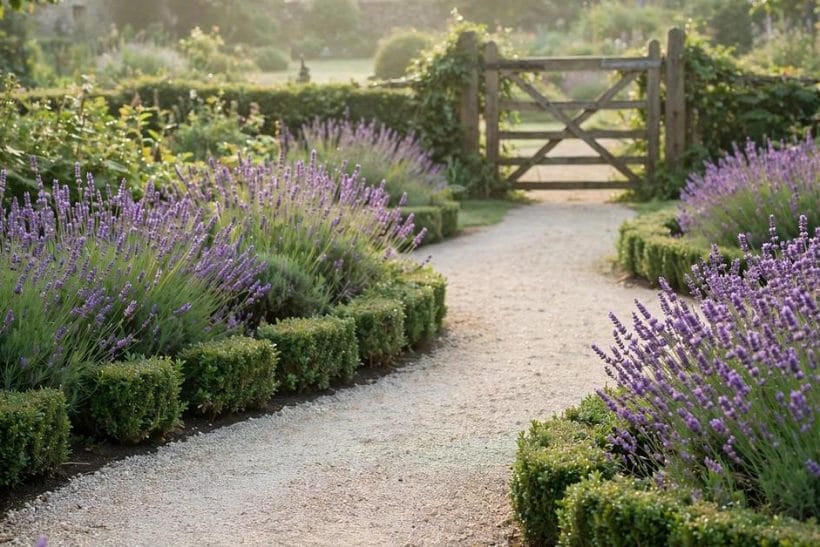
| Winding Cottage Path | A gentle curve can make even a short garden feel longer, because the eye follows the path rather than taking in the whole plot at once. |
| Straight Formal Walk | A straight walk brings calm and order, particularly between matching borders or a pair of pots at either end. |
| Curved Woodland Walk | In a shaded corner, a winding gravel walk can feel like a woodland trail, especially with ferns and shade-loving plants gathered beside it. |
| Stepping Accents in Gravel | Flat stones set sparingly into a gravel walk can add rhythm and a place to step when the ground is damp. |
| Wide Family Path | A wider path earns its keep in a busy garden, giving room for two people to walk side by side and for garden tools to pass without brushing the borders. |
| Side Passage Revival | A narrow side passage is often the most neglected strip in a garden, yet pale gravel can transform it quickly. |
| Path to a Hidden Seat | A path that ends at a seat gives a garden a destination, and gravel suits the journey because it feels informal and quiet. |
| Night-Lit Gravel Walk | Low lights placed beside, rather than in, a gravel walk can make an evening garden feel magical without glare. |
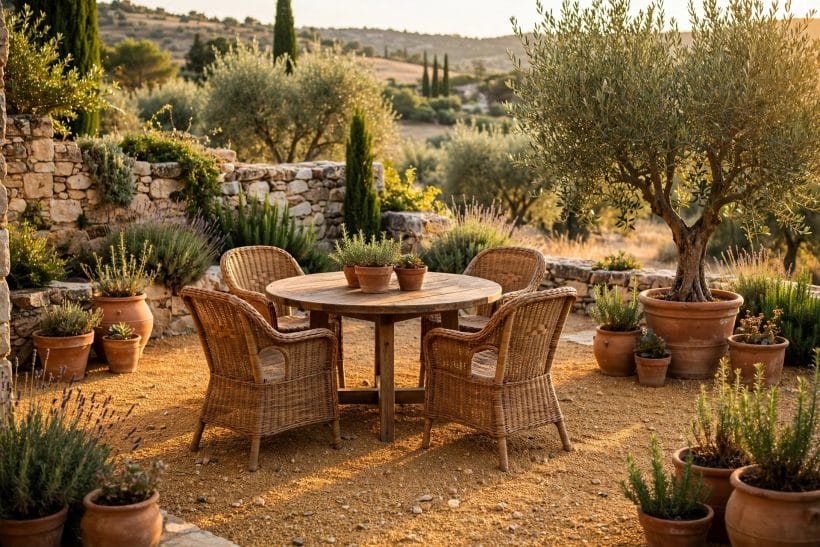
| Round Table Patio | A round table suits a gravel patio beautifully, because chairs can be pulled out in any direction without catching a corner. |
| Morning Coffee Corner | A small gravel pad beside a kitchen door or a sunny wall can become a favourite morning ritual. |
| Evening Dining Terrace | For longer summer evenings, a larger gravel terrace gives a dining table room to breathe, with space to pull chairs back and move around freely. |
| Fire Bowl Gathering | A fire bowl on a gravel patio can become the heart of an evening garden, with chairs drawn into a loose circle around the glow. |
| Reading Nook Patio | A quiet corner with a comfortable chair, a small side table and a stack of books is one of the simplest pleasures a gravel patio can offer. |
| Courtyard Dining Court | In a walled courtyard, gravel can tie the whole space together, linking a dining table, a wall fountain and a row of pots into one calm floor. |
| Gravel Terrace by the Kitchen Door | A terrace just outside the kitchen door turns everyday chores into small pleasures, from carrying herbs indoors to eating lunch in the open air. |
| Shaded Pergola Floor | Under a pergola, gravel gives a cool, dappled floor that suits long, lazy afternoons. |
| Welcoming Front Path | A front path is a garden’s handshake, and pale gravel can make it feel bright and open from the street. |
| Gravel Forecourt | A small forecourt in gravel can give a house a generous entrance without the hard feel of a fully paved front. |
| Plant-Lined Entrance | Lining a front path with low, rounded shrubs and scented plants can soften the approach and make the door feel discovered rather than exposed. |
| Circular Front Feature | A circle of gravel with a central pot, a small tree or a sculptural shrub can give a front garden a clear focal point. |
| Low-Hedge Front Garden | Low hedging around gravel beds gives a front garden structure through every season, even when flowers are resting. |
| Gravel and Lawn Border Mix | Gravel beds set beside a lawn can bring the best of both worlds: the soft green of grass and the calm, pale tone of stone. |
| House-Number Planting Bed | A gravel bed near the entrance can frame a house number or a nameplate without fuss, especially with a low shrub and a pot of seasonal colour beside it. |
| Seasonal Front Display | Rotating pots through the seasons can keep a gravel front garden feeling fresh, from spring bulbs to summer scent and autumn berries. |
| Gravel Driveway Entrance | A gravel driveway entrance feels welcoming and rural, with a crunch underfoot that announces arrival in a gentle way. |
| Parking Bay in Gravel | A dedicated parking bay in gravel can keep cars off the lawn and give the front garden a tidy, purposeful shape. |
| Turning Area in Gravel | A turning area in gravel gives drivers room to turn without reversing onto the road, which can be a real kindness on a busy street. |
| Visitor Parking Strip | A narrow strip of gravel beside a drive can offer visitors a clear place to park without blocking the main entrance. |
| Driveway Edging in Timber | Timber edging can give a gravel driveway a warm, crafted frame, especially beside a cottage or a timber-clad house. |
| Gravel Apron by the Garage | A gravel apron in front of a garage gives a practical, forgiving surface for loading, washing and working outdoors. |
| Shared Drive with Planting Islands | On a shared drive, gravel islands planted with shrubs or small trees can break up a wide expanse and give each house a touch of green. |
| Pale Cream Gravel | Pale cream gravel brings light into a garden, lifting shaded corners and making small plots feel more open. |
| Warm Buff Tones | Warm buff gravel feels like sunshine underfoot, with a honeyed tone that suits terracotta pots, brick walls and Mediterranean planting. |
| Soft Grey Blend | A soft grey blend of gravel suits modern houses and cool planting schemes, offering a quiet backdrop that lets plants and furniture take the lead. |
| Dusty Rose Accent | A dusty rose gravel can add warmth and romance to a small bed or a path edge, especially beside pink roses and soft purple lavender. |
| Slate Blue-Grey Mix | A slate blue-grey mix brings a cool, mineral feel to a garden, suiting water features, ferns and shade planting. |
| River-Washed Pebbles | Rounded, river-washed pebbles give gravel a softer, more natural character, with smooth shapes that feel pleasant under bare feet in summer. |
| Fine Pea Gravel | Fine pea gravel, with its small, rounded stones, is one of the most comfortable gravels to walk on, and it suits paths, patios and play corners alike. |
| Chunky Decorative Stone | Chunky decorative stone makes a bold statement in a bed or around a feature tree, with large, sculptural pieces that read well from a distance. |
| Lavender-Lined Gravel | Lavender beside gravel is a classic pairing, and for good reason: the silver-green foliage and purple flowers contrast beautifully with pale stone, while the scent drifts across the path on warm days. |
| Ornamental Grass Drifts | Drifts of ornamental grasses can give a gravel garden movement and softness, with seed heads catching the light and swaying in a breeze. |
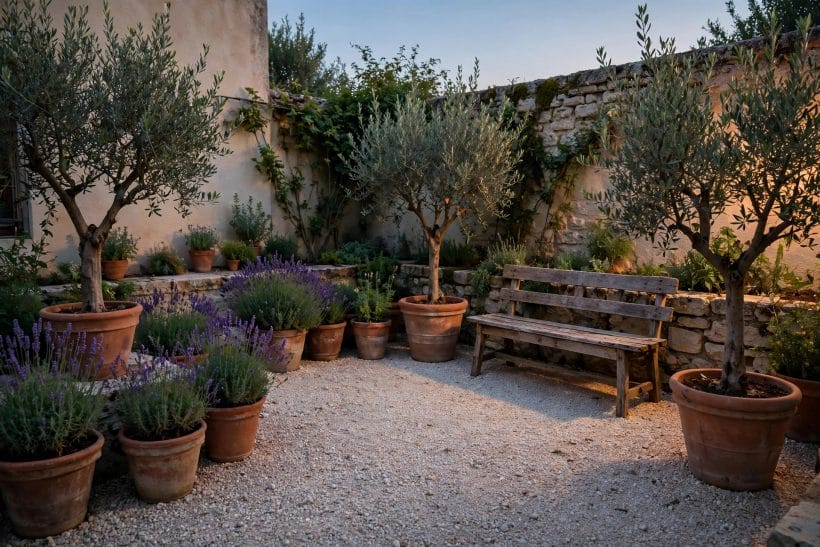
| Mediterranean Planting | Olive trees, rosemary and lavender can turn a gravel garden into a Mediterranean retreat, especially in a sunny, sheltered corner. |
| Shade-Tolerant Planting | In shade, gravel beds can still feel lush with ferns, hostas and other plants that enjoy cooler, damper corners. |
| Pollinator-Friendly Borders | Gravel borders planted with open flowers may attract bees and butterflies on warm days, turning a simple path edge into a lively, buzzing place. |
| Drought-Tolerant Planting | Plants that tend to cope with dry spells, such as sedums, grasses and Mediterranean herbs, can make a gravel garden feel resilient in hot summers. |
| Gravel Mulch Around Shrubs | A layer of gravel around established shrubs can act as a mulch, shading the soil, slowing evaporation and giving the bed a tidy finish. |
| Terraced Gravel Levels | On a slope, terraced gravel levels can turn a tricky bank into a series of calm, usable platforms, each with its own planting or seating. |
| Stone Steps Through Gravel | Stone steps set into a gravel slope can feel solid and timeless, with gravel filling the gaps and softening the hard lines. |
| Gentle Slope Path | A gentle slope path that zigzags across a bank can make a steep garden feel walkable, because each leg climbs only a little before turning. |
| Gravel Channel Beside a Path | A shallow gravel channel beside a path can give rainwater a visible, natural route, rather than letting it pool on the walk. |
| Raised Gravel Bed on a Slope | A raised gravel bed on a slope can create a level planting place where the ground itself refuses to cooperate. |
| Retaining Edge with Timber | A timber retaining edge can hold gravel on a slope with a warm, natural look, especially beside wooden fences and garden buildings. |
| Gravel Landing at the Top of Steps | A gravel landing at the top of a flight of steps gives walkers a safe, level place to pause before stepping onto a path or a terrace. |
| Rain-Friendly Garden Floor | An open gravel floor can let rain soak away through the surface rather than running off in sheets, which may help a garden feel softer after heavy rain. |
| Single Gravel Courtyard | A single gravel courtyard can be all a small garden needs, with one calm surface linking a seat, a pot and a patch of sky. |
| Small Patio in One Tone | A small patio in a single gravel tone can feel surprisingly generous, because the unbroken surface stretches the eye to the edges. |
| Narrow Garden, Wide Feel | In a narrow garden, pale gravel can widen the feel by brightening the ground and reflecting daylight up into the planting. |
| Gravel Corner for Pots | A gravel corner dedicated to pots can become a collector’s gallery, with terracotta, glazed and stone containers grouped at different heights. |
| Tiny Front Plot | A tiny front plot in gravel can look cared for and welcoming, even with only a few square paces to work with. |
| Gravel Path Around a Tiny House | Around a tiny house, a gravel path can link the door, a seating corner and a storage place without overwhelming the small plot. |
| Pocket Seating Square | A pocket seating square, just large enough for two chairs and a small table, can turn an unused corner into a favourite retreat. |
| Gravel Play Corner | A play corner with fine, soft gravel can give children a place to dig, build and explore, with a surface that drains well after rain. |
| Outdoor Cooking Corner | An outdoor cooking corner on gravel can keep a grill or a barbecue area tidy, with a surface that handles spills and ash more forgivingly than lawn. |
| Water Bowl Feature | A shallow water bowl set into gravel can bring stillness and reflection to a garden, with birds visiting to drink and bathe on warm days. |
| Bird Bath on Gravel | A bird bath on a gravel pad can become a lively focal point, with birds arriving throughout the day to drink and splash. |
| Hammock Corner | A hammock corner on gravel can feel like a holiday at home, with two sturdy supports and a soft, open surface beneath. |
| Garden Studio Approach | A gravel approach to a garden studio can link work and garden beautifully, with a path that feels like a transition from house to creative space. |
| Stargazing Spot | An open gravel area away from bright house lights can make a wonderful stargazing spot, with room for reclining chairs and a blanket. |
| Timber Edging | Timber edging gives gravel a warm, handcrafted frame, suiting cottage gardens, vegetable plots and timber buildings. |
| Stone Edging | Stone edging gives gravel a solid, permanent frame, with blocks or setts that suit both formal and informal gardens. |
| Metal Edging Strip | A slim metal edging strip gives gravel a crisp, modern line, almost invisible yet effective at holding stone in place. |
| Raked Gravel Patterns | Raking gravel into gentle swirls or straight lines can turn a simple surface into a living pattern, changed with the seasons or the mood. |
| Topping Up and Levelling | Over time, gravel thins in well-trodden places and gathers in corners, so topping up and levelling are part of honest gravel care. |
| Keeping Edges Tidy | Tidy edges make the difference between a gravel garden that looks loved and one that looks neglected. |
| Seasonal Refresh | A seasonal refresh can renew a gravel garden without rebuilding it: rake the surface, top up thin spots, prune shrubs lightly and swap tired pots for fresh ones. |
1. Winding Cottage Path
A gentle curve can make even a short garden feel longer, because the eye follows the path rather than taking in the whole plot at once. Pale, fine gravel suits this mood, especially beside lavender and low, clipped hedging that keeps the edge tidy without closing the walk in. Keep the curve generous rather than fussy, so a wheelbarrow or a pair of walkers can pass with ease, and let one or two plants spill softly over the edge for a lived-in look.
2. Straight Formal Walk
A straight walk brings calm and order, particularly between matching borders or a pair of pots at either end. Fine gravel in a pale cream or soft grey tone keeps the line crisp, while a low stone or timber edge stops the stone drifting into the beds. This shape suits a front garden or a route to a seating place where a clear, direct line feels welcoming rather than stiff.
3. Curved Woodland Walk
In a shaded corner, a winding gravel walk can feel like a woodland trail, especially with ferns and shade-loving plants gathered beside it. A slightly chunkier stone tends to sit well here, giving a natural, woodland-floor feel underfoot. Keep the walk clear of fallen leaves in autumn, since a thick leaf layer can hide the edge and make the surface slippery after rain.
4. Stepping Accents in Gravel
Flat stones set sparingly into a gravel walk can add rhythm and a place to step when the ground is damp. The gravel remains the main surface, with each stone sitting level and firmly bedded so it does not rock underfoot. Space the stones for a natural stride, keep them few rather than crowded, and choose a tone that sits quietly beside the gravel rather than competing with it.
5. Wide Family Path
A wider path earns its keep in a busy garden, giving room for two people to walk side by side and for garden tools to pass without brushing the borders. Fine gravel rolled firm gives a steady feel, while a clear edge keeps the stone where it belongs. Plant taller shrubs a little back from the edge, so the path stays open as the planting grows.
6. Side Passage Revival
A narrow side passage is often the most neglected strip in a garden, yet pale gravel can transform it quickly. The light tone reflects daylight into a shaded run, while pots of shade-tolerant plants soften plain walls. Keep the passage clear, choose a fine stone that is comfortable to walk on in all weathers, and add a simple light beside the door for evening use.
7. Path to a Hidden Seat
A path that ends at a seat gives a garden a destination, and gravel suits the journey because it feels informal and quiet. Let the walk narrow slightly as it nears the seat, then open into a small gravel pad large enough for a bench and a pair of feet. A scented plant near the seat, such as lavender or rosemary in a sunny spot, can make the pause more inviting.
8. Night-Lit Gravel Walk
Low lights placed beside, rather than in, a gravel walk can make an evening garden feel magical without glare. The pale surface catches a little of the light, so the route stays readable after dusk. Keep fittings low and shielded, protect cables properly, and ask a qualified electrician about any outdoor wiring, since damp ground and electricity need careful, professional handling.
2. Patios, Seating Areas and Courtyards
A patio is where gravel earns its place as a living surface, holding chairs, tables and long conversations. The sitting places below vary from a tiny coffee corner to a full dining court, but each one depends on a level, firm base and enough room to move. For more inspiration on compact outdoor sitting places, see these patio ideas for a tiny house, which show how a small footprint can still feel generous.
9. Round Table Patio
A round table suits a gravel patio beautifully, because chairs can be pulled out in any direction without catching a corner. Choose a firm, fine gravel and a level base, so chair legs stand steady and cups do not wobble. A single pot of olive or bay in a warm terracotta container can anchor the arrangement, while a rug-free surface keeps the whole place easy to sweep.
10. Morning Coffee Corner
A small gravel pad beside a kitchen door or a sunny wall can become a favourite morning ritual. Room for two chairs and a tiny table is often enough, and the gravel underfoot feels pleasantly informal first thing in the day. Add a pot of herbs within reach, so the corner smells as good as it looks, and keep a hook nearby for a watering can.
11. Evening Dining Terrace
For longer summer evenings, a larger gravel terrace gives a dining table room to breathe, with space to pull chairs back and move around freely. A warm buff tone can soften strong evening light, while a hedge or a screen of tall pots may offer a little shelter from a breeze. Keep the surface level and firm, and test chair stability before settling on a final layout.
12. Fire Bowl Gathering
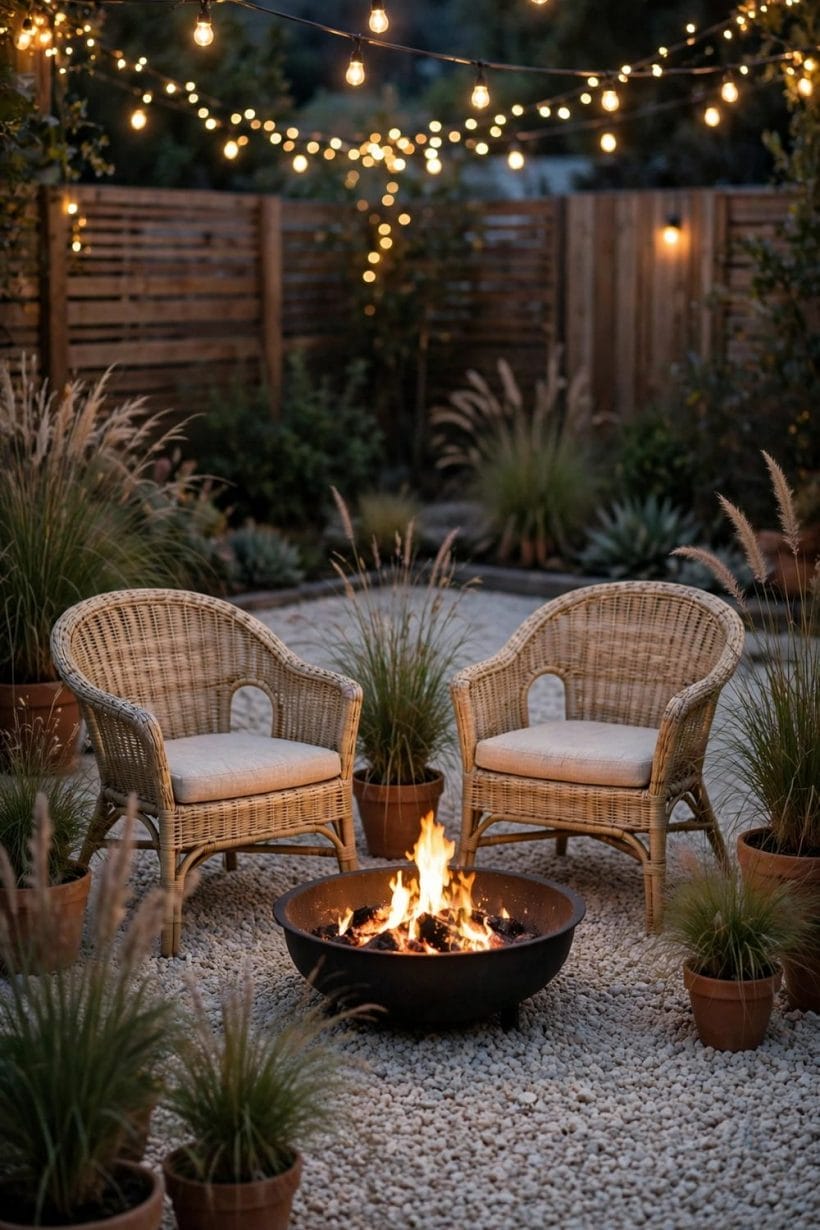
A fire bowl on a gravel patio can become the heart of an evening garden, with chairs drawn into a loose circle around the glow. Gravel suits this use because it is an open, non-flammable surface, but clear space around the bowl still matters, and sparks need watching. Keep the bowl away from overhanging branches and dry planting, follow the maker’s guidance, and never leave a lit fire unattended.
13. Reading Nook Patio
A quiet corner with a comfortable chair, a small side table and a stack of books is one of the simplest pleasures a gravel patio can offer. Shade from a tree or a parasol helps on bright days, while a pot of scented planting nearby adds atmosphere. Keep the gravel fine and level, so the chair does not sink, and leave a clear path back to the house for evening returns.
14. Courtyard Dining Court
In a walled courtyard, gravel can tie the whole space together, linking a dining table, a wall fountain and a row of pots into one calm floor. A single tone throughout tends to make a small courtyard feel larger, while a contrasting edge around the dining pad can mark the eating place without breaking the flow. Choose plants that enjoy the courtyard’s particular light, whether sunny or shaded.
15. Gravel Terrace by the Kitchen Door
A terrace just outside the kitchen door turns everyday chores into small pleasures, from carrying herbs indoors to eating lunch in the open air. Gravel here should be fine and firm, so trays and baskets move easily, and a mat at the threshold helps keep loose stones out of the house. A narrow bed of herbs beside the terrace puts flavour within a few steps of the stove.
16. Shaded Pergola Floor
Under a pergola, gravel gives a cool, dappled floor that suits long, lazy afternoons. The open surface lets rain pass through in wet weather, while the pergola frame above can carry climbing plants for shade. Keep the gravel level beneath the posts, choose a tone that sits quietly with the timber, and add a bench or a pair of lounge chairs for unhurried sitting.
3. Front Gardens, Entrances and Kerb Appeal
The front garden is seen by neighbours and visitors every day, so a gravel entrance should feel welcoming, tidy and easy to read. The ideas below keep planting close to the path without blocking it, use pale tones to brighten the approach, and give the door a clear, friendly frame. A little regular sweeping goes a long way here, since the front is the garden’s public face.
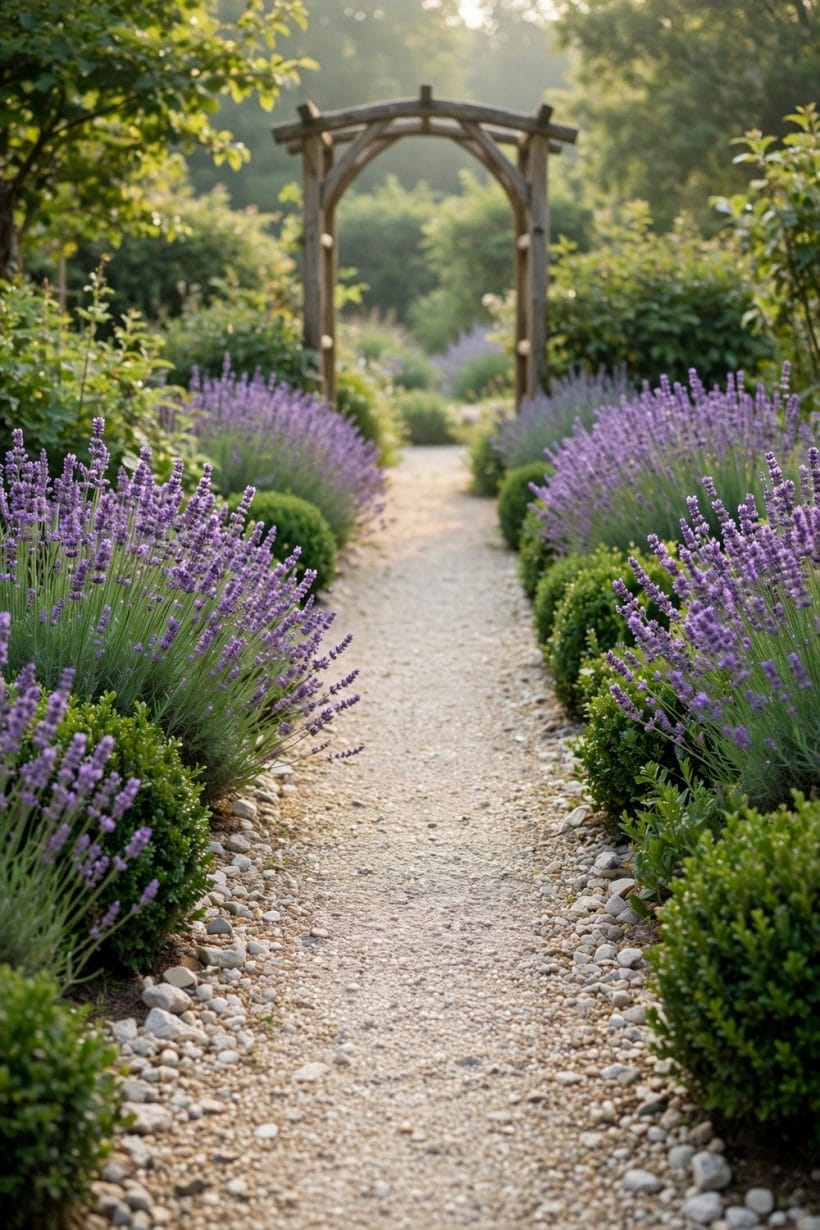
17. Welcoming Front Path
A front path is a garden’s handshake, and pale gravel can make it feel bright and open from the street. Keep the line clear and direct, with plants set back enough that visitors are not brushed as they walk. A pair of pots flanking the door can frame the arrival, while a light tone underfoot helps the path stay readable on dull winter afternoons.
18. Gravel Forecourt
A small forecourt in gravel can give a house a generous entrance without the hard feel of a fully paved front. The open surface suits a bench, a row of pots and a single feature shrub, creating a place to pause before going inside. A firm edge along the pavement keeps the stone contained, and regular sweeping keeps the front looking cared for.
19. Plant-Lined Entrance
Lining a front path with low, rounded shrubs and scented plants can soften the approach and make the door feel discovered rather than exposed. Gravel in a warm, pale tone sits well beside green foliage, and the contrast helps the planting stand out. Keep taller plants away from windows, and prune lightly so the path never feels pinched as the shrubs grow.
20. Circular Front Feature
A circle of gravel with a central pot, a small tree or a sculptural shrub can give a front garden a clear focal point. The circle reads well from the street and from the front windows, and it breaks up a large lawn or a plain drive edge. Keep the circle’s edge crisp, choose a central feature in proportion to the house, and let the surrounding gravel stay simple.
21. Low-Hedge Front Garden
Low hedging around gravel beds gives a front garden structure through every season, even when flowers are resting. The clipped green lines contrast beautifully with pale stone, and the beds inside can hold roses, lavender or seasonal pots. Keep the hedge height modest, so the garden feels open and friendly rather than walled off from the street.
22. Gravel and Lawn Border Mix
Gravel beds set beside a lawn can bring the best of both worlds: the soft green of grass and the calm, pale tone of stone. A clear edge between the two keeps mowing simple and stops gravel straying onto the grass. Use the gravel beds for shrubs and scented plants that enjoy good drainage, and keep the lawn shape simple so the whole front reads as one garden.
23. House-Number Planting Bed
A gravel bed near the entrance can frame a house number or a nameplate without fuss, especially with a low shrub and a pot of seasonal colour beside it. The pale stone draws the eye and helps visitors find the door, while the planting keeps the display from feeling bare. Keep the bed tidy and the number clearly visible, and avoid plants that will soon hide it.
24. Seasonal Front Display
Rotating pots through the seasons can keep a gravel front garden feeling fresh, from spring bulbs to summer scent and autumn berries. The gravel bed acts as a calm stage, so each new display stands out without clashing. Keep pot sizes generous, water regularly in dry spells, and move tired plants aside before they spoil the welcome.
4. Driveways, Parking Bays and Practical Surfaces
Driveways and parking places ask more of gravel than any other part of the garden, because vehicles press, turn and park on the surface day after day. The ideas below therefore put base preparation and edging first, with planting used to soften the result rather than to carry the load. Where a drive meets a public road or a shared boundary, professional advice and a word with neighbours can prevent problems later.
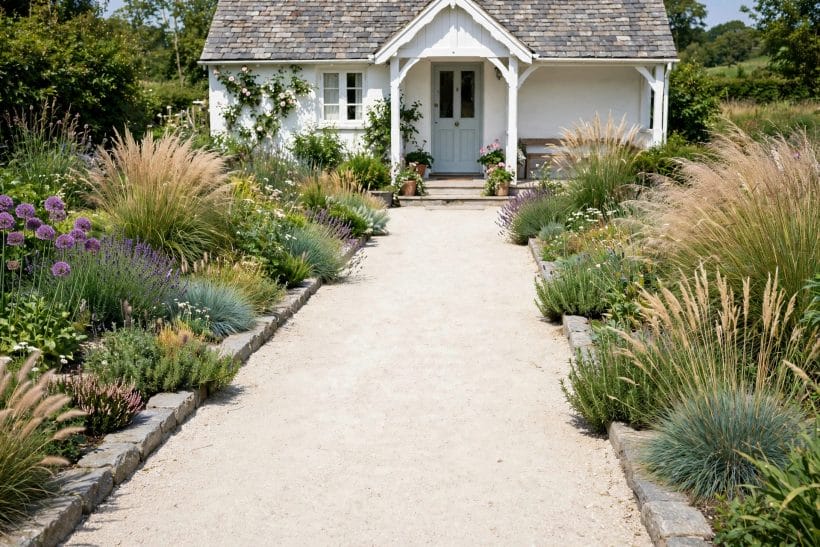
25. Gravel Driveway Entrance
A gravel driveway entrance feels welcoming and rural, with a crunch underfoot that announces arrival in a gentle way. A well-prepared base matters more here than anywhere else in the garden, because vehicles press the stone down over time. Ask a qualified professional about base depth and drainage for your ground, and choose a chunkier stone that tends to stay put under tyres.
26. Parking Bay in Gravel
A dedicated parking bay in gravel can keep cars off the lawn and give the front garden a tidy, purposeful shape. Mark the bay with a low edge or a row of plants, so its outline is clear without feeling fenced in. A firm, well-compacted surface helps tyres sit steady, and occasional raking can level any hollows that form where wheels regularly rest.
27. Turning Area in Gravel
A turning area in gravel gives drivers room to turn without reversing onto the road, which can be a real kindness on a busy street. The area needs a generous shape and a solid base, so professional advice is worth seeking before work begins. Planting islands in gravel around the edge can soften the expanse and stop the turning place feeling like a car park.
28. Visitor Parking Strip
A narrow strip of gravel beside a drive can offer visitors a clear place to park without blocking the main entrance. Keep the strip level, edged and well drained, and plant low shrubs behind it so cars do not dominate the view from the house. A pale stone can help the strip blend with the rest of the front garden rather than standing out as a separate lot.
29. Driveway Edging in Timber
Timber edging can give a gravel driveway a warm, crafted frame, especially beside a cottage or a timber-clad house. The timber holds the stone in place and marks a clear line between drive and border, while weathering gently over time. Choose sturdy timber, bed it firmly, and check it occasionally, since ground contact can shorten its life in damp spots.
30. Gravel Apron by the Garage
A gravel apron in front of a garage gives a practical, forgiving surface for loading, washing and working outdoors. The stone can handle muddy boots and wet days with ease, and a firm, level finish helps trolleys and bins roll smoothly. Keep the apron clear of clutter, sweep loose stones back regularly, and check that rainwater runs away from the garage door.
31. Shared Drive with Planting Islands
On a shared drive, gravel islands planted with shrubs or small trees can break up a wide expanse and give each house a touch of green. The islands need protection from wheels, so a low stone or timber kerb helps, and the planting should stay compact. Agree the care routine with neighbours early, so raking and pruning do not become a source of friction.
5. Colour, Stone Types and Texture
Colour and texture are where gravel becomes a design material in its own right, rather than just a practical surface. A pale stone can lift a whole garden, a warm tone can soften a sunny wall, and a chunky stone can anchor a feature bed. For a broader look at how stone shapes an outdoor space, these rock landscaping ideas show stone used in many moods, from rugged to refined.
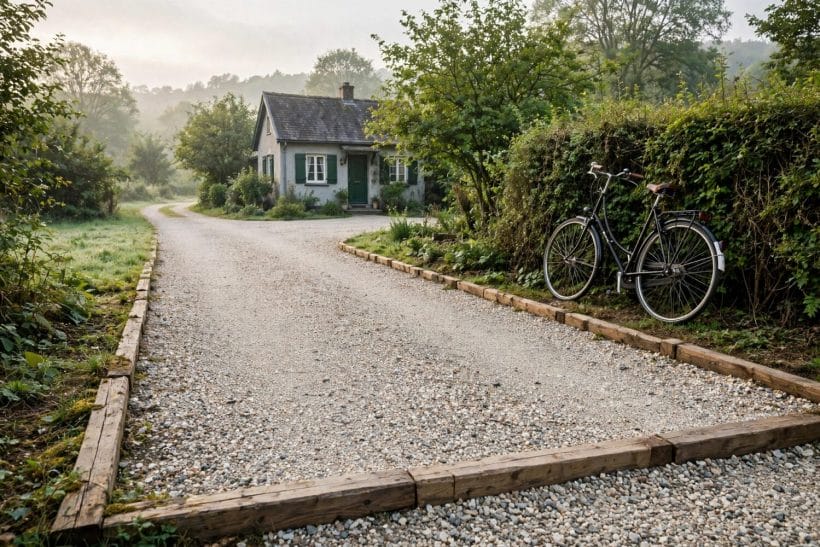
32. Pale Cream Gravel
Pale cream gravel brings light into a garden, lifting shaded corners and making small plots feel more open. The tone sits beautifully beside white flowers, silver foliage and pale timber, creating a calm, airy mood. In a busy family garden, cream stone may show soil more readily, so a little extra sweeping and topping up can keep it looking fresh.
33. Warm Buff Tones
Warm buff gravel feels like sunshine underfoot, with a honeyed tone that suits terracotta pots, brick walls and Mediterranean planting. The colour is forgiving in everyday use, hiding a little dust and leaf litter better than the palest stones. Pair it with olive, rosemary and lavender for a southern feel, or with soft green hedging for a gentler English look.
34. Soft Grey Blend
A soft grey blend of gravel suits modern houses and cool planting schemes, offering a quiet backdrop that lets plants and furniture take the lead. The tone works well with slate, zinc and pale render, and it tends to look tidy even between rakings. Combine it with grasses and white flowers for a contemporary feel, or with blue-green shrubs for a coastal mood.
35. Dusty Rose Accent
A dusty rose gravel can add warmth and romance to a small bed or a path edge, especially beside pink roses and soft purple lavender. Used as an accent rather than across the whole garden, the colour feels special without overwhelming the planting. Keep the surrounding tones calm, so the rose stone reads as a deliberate highlight rather than a clash.
36. Slate Blue-Grey Mix
A slate blue-grey mix brings a cool, mineral feel to a garden, suiting water features, ferns and shade planting. The darker tone can make a path feel grounded and can help a small space feel more enclosed and intimate. In deep shade, a blue-grey stone may read darker still, so test a sample in place before committing to a large area.
37. River-Washed Pebbles
Rounded, river-washed pebbles give gravel a softer, more natural character, with smooth shapes that feel pleasant under bare feet in summer. The pebbles suit beds around trees, water bowls and informal paths, where their varied tones catch the light. Because rounded stones can shift more readily, they suit decorative areas better than steep slopes or busy driveways.
38. Fine Pea Gravel
Fine pea gravel, with its small, rounded stones, is one of the most comfortable gravels to walk on, and it suits paths, patios and play corners alike. The small size lets the surface settle into a fairly firm layer, especially when rolled, and it is kind to bare feet. Keep the layer topped up, since fine stone can thin out in well-trodden spots over time.
39. Chunky Decorative Stone
Chunky decorative stone makes a bold statement in a bed or around a feature tree, with large, sculptural pieces that read well from a distance. The bigger size suits areas that are mostly looked at rather than walked on, and it can help suppress weeds by shading the soil beneath, though it will not do so completely. Pair chunky stone with bold foliage for a balanced, confident look.
6. Planting, Borders and Low-Care Combinations
Gravel and planting are natural partners, because the open stone surface suits many plants that enjoy good drainage and a little warmth. The combinations below range from lavender lines to grasses, Mediterranean herbs and shade planting, each chosen to sit happily beside stone. Pots can extend the same idea, as these container garden ideas show, with containers grouped on gravel for a flexible, seasonal display.
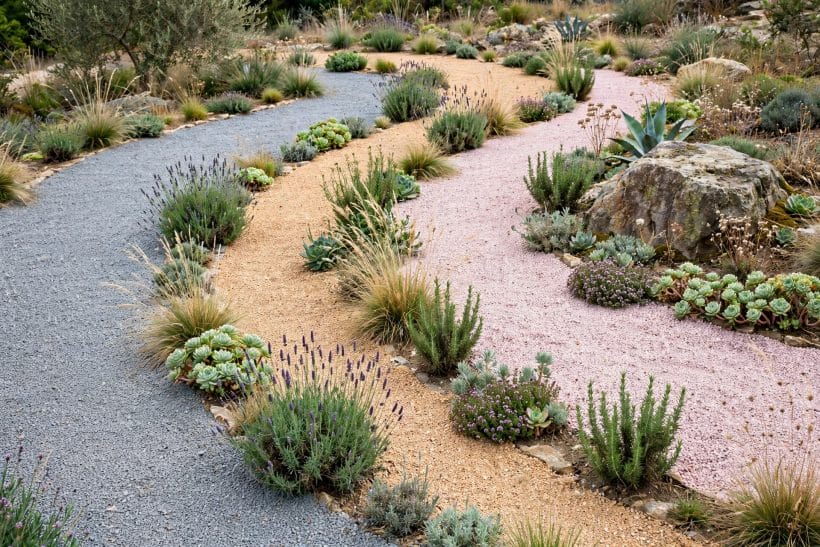
40. Lavender-Lined Gravel
Lavender beside gravel is a classic pairing, and for good reason: the silver-green foliage and purple flowers contrast beautifully with pale stone, while the scent drifts across the path on warm days. Lavender tends to enjoy sunny, well-drained spots, which gravel beds often provide. Prune lightly after flowering to keep plants bushy, and replace tired plants before they become woody and bare.
41. Ornamental Grass Drifts
Drifts of ornamental grasses can give a gravel garden movement and softness, with seed heads catching the light and swaying in a breeze. The grasses suit open, sunny gravel beds, where their airy shapes contrast with the solid stone beneath. Cut back old growth in late winter or early spring, and leave room for each clump to reach its full spread without crowding its neighbours.
42. Mediterranean Planting
Olive trees, rosemary and lavender can turn a gravel garden into a Mediterranean retreat, especially in a sunny, sheltered corner. Gravel suits these plants because it reflects warmth and helps the soil surface dry between waterings, which many sun-loving plants seem to enjoy. In colder gardens, keep tender plants in pots that can be moved under cover for winter.
43. Shade-Tolerant Planting
In shade, gravel beds can still feel lush with ferns, hostas and other plants that enjoy cooler, damper corners. A soft grey or pale stone can brighten the shade, while the gravel surface keeps the bed looking tidy even when foliage is resting. Water new plants well until established, and watch for slugs on tender leaves, since damp shade can encourage them.
44. Pollinator-Friendly Borders
Gravel borders planted with open flowers may attract bees and butterflies on warm days, turning a simple path edge into a lively, buzzing place. Choose a mix of flowering times, so something is in bloom from spring through autumn, and leave a few seed heads standing over winter for birds. Avoid spraying near flowering plants, and let the planting grow a little wild at the edges for shelter.
45. Drought-Tolerant Planting
Plants that tend to cope with dry spells, such as sedums, grasses and Mediterranean herbs, can make a gravel garden feel resilient in hot summers. Gravel helps by shading the soil surface and reducing evaporation, though new plants still need watering until their roots are established. Group plants with similar water needs together, so watering stays simple and nothing is overwatered by accident.
46. Gravel Mulch Around Shrubs
A layer of gravel around established shrubs can act as a mulch, shading the soil, slowing evaporation and giving the bed a tidy finish. The stone suits shrubs that enjoy good drainage, and it avoids the yearly topping up that organic mulches need. Keep gravel away from the immediate stem, leave room for new growth, and check that water can still reach the roots after heavy rain.
7. Slopes, Drainage and Level Changes
Slopes and level changes are where gravel needs the most thought, because stone naturally wants to travel downhill and water needs a safe route away. The ideas below use terraces, steps, landings and channels to tame a slope, turning a problem bank into a sequence of usable places. Taller retaining work and any change to drainage deserve professional advice, since soil, water and neighbours’ boundaries are all involved.
47. Terraced Gravel Levels
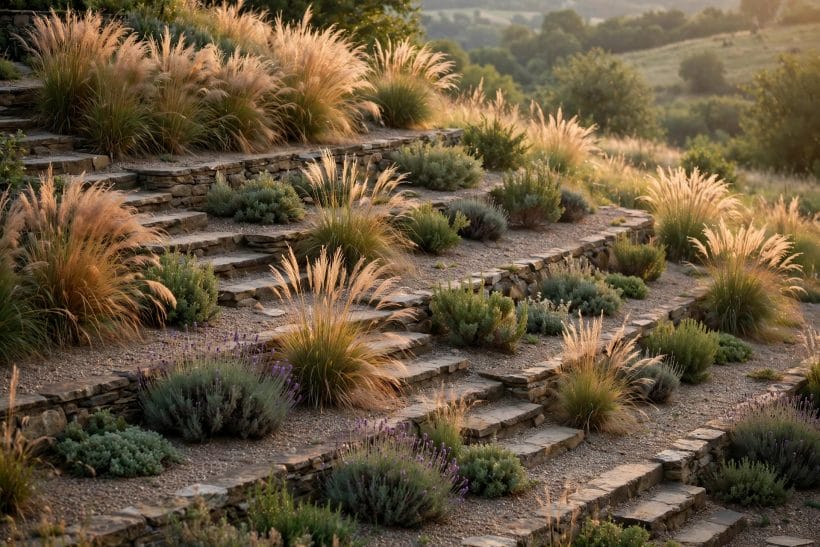
On a slope, terraced gravel levels can turn a tricky bank into a series of calm, usable platforms, each with its own planting or seating. Low retaining edges hold each level, while steps link them in a natural sequence. Professional advice is wise for taller retaining work, since soil pressure and drainage need proper planning, but low terraces can transform a slope’s whole character.
48. Stone Steps Through Gravel
Stone steps set into a gravel slope can feel solid and timeless, with gravel filling the gaps and softening the hard lines. Each step should sit level and firm, with a comfortable rise that suits everyday walking. Gravel on the treads needs a rougher texture for grip, and a handrail or a sturdy planting edge can help on steeper runs.
49. Gentle Slope Path
A gentle slope path that zigzags across a bank can make a steep garden feel walkable, because each leg climbs only a little before turning. Gravel suits the zigzag, since the surface can follow the curve without cutting, and low edging holds the stone on each leg. Add a level landing at each turn, so walkers can pause and enjoy the view before continuing.
50. Gravel Channel Beside a Path
A shallow gravel channel beside a path can give rainwater a visible, natural route, rather than letting it pool on the walk. The channel should be planned with the garden’s overall drainage in mind, and any change to how water leaves a plot deserves professional advice, since it can affect neighbours and foundations. Keep the channel clear of leaves, so water can move freely after storms.
51. Raised Gravel Bed on a Slope
A raised gravel bed on a slope can create a level planting place where the ground itself refuses to cooperate. Timber or stone sides hold the bed, while gravel on top gives a tidy, well-drained surface for shrubs and grasses. Fill the bed with soil suited to the plants chosen, and check that the retaining sides are strong enough for the weight they will hold.
52. Retaining Edge with Timber
A timber retaining edge can hold gravel on a slope with a warm, natural look, especially beside wooden fences and garden buildings. The timber needs to be sturdy and well bedded, since it will hold back both soil and stone. For higher banks, ask a professional about the structure, and consider stone or blockwork where the load is greater than timber can comfortably carry.
53. Gravel Landing at the Top of Steps
A gravel landing at the top of a flight of steps gives walkers a safe, level place to pause before stepping onto a path or a terrace. The landing should be wide enough for two feet side by side and a turn, with a firm, level surface that does not shift underfoot. A pot or a low shrub beside the landing can mark the arrival without blocking the way.
54. Rain-Friendly Garden Floor
An open gravel floor can let rain soak away through the surface rather than running off in sheets, which may help a garden feel softer after heavy rain. The effect depends on the ground beneath, the base preparation and local conditions, so it is worth checking drainage with a professional before relying on it. Keep the surface permeable by avoiding sealed layers beneath, and clear leaves that could block the flow.
8. Small Gardens, Courtyards and Tiny Plots
Small gardens reward simplicity, and gravel is one of the simplest surfaces of all, giving a tiny plot a single calm floor. The ideas below show how one tone, a few generous pots and a clear edge can make a pocket garden feel larger than its measurements suggest. For more compact outdoor thinking, these tiny backyard ideas offer further ways to make a small plot work hard.
55. Single Gravel Courtyard
A single gravel courtyard can be all a small garden needs, with one calm surface linking a seat, a pot and a patch of sky. The simplicity makes a tiny plot feel larger, because the eye is not broken by competing materials. Choose one tone, one or two generous pots, and a single feature plant, and let the rest of the space breathe.
56. Small Patio in One Tone
A small patio in a single gravel tone can feel surprisingly generous, because the unbroken surface stretches the eye to the edges. Keep furniture compact and in proportion, with a folding table or a bench that can tuck away when not in use. A pale tone helps here, reflecting light into the space and making the walls feel a little further apart.
57. Narrow Garden, Wide Feel
In a narrow garden, pale gravel can widen the feel by brightening the ground and reflecting daylight up into the planting. Run the gravel the full length of the plot, with planting layered at different heights along the sides, so the eye travels forward rather than stopping at the fence. A mirror of planting at the far end, such as a small tree or a tall pot, can draw the gaze onward.
58. Gravel Corner for Pots
A gravel corner dedicated to pots can become a collector’s gallery, with terracotta, glazed and stone containers grouped at different heights. The gravel beneath keeps the corner tidy and well drained, while the pots themselves can be rearranged with the seasons. Group pots in odd numbers, vary their heights, and leave a little gravel showing between them so the display does not feel crowded.
59. Tiny Front Plot
A tiny front plot in gravel can look cared for and welcoming, even with only a few square paces to work with. A single shrub, a pair of pots and a pale gravel surface can be enough, especially when the edge is crisp and the stone is freshly raked. Keep the planting simple, so the plot reads as intentional rather than leftover, and sweep the pavement edge regularly.
60. Gravel Path Around a Tiny House
Around a tiny house, a gravel path can link the door, a seating corner and a storage place without overwhelming the small plot. The path should stay narrow and clear, with planting tucked close to the walls to save space. A pale, fine gravel keeps the approach bright, while a firm edge stops stone drifting under the house or into flower beds.
61. Pocket Seating Square
A pocket seating square, just large enough for two chairs and a small table, can turn an unused corner into a favourite retreat. Gravel suits the pocket because it needs no mowing and stays usable after rain, provided the base drains well. Add a scented pot, a cushion and a little shade, and the smallest square can feel like a private room outdoors.
9. Outdoor Living, Fire, Water and Play Corners
Beyond paths and patios, gravel can host the livelier parts of garden life: cooking, playing, watching birds and stargazing. The corners below keep safety and simplicity in mind, with clear space around fire and cooking places, shallow water for wildlife, and soft, fine stone where children play. Each corner works best when it has a clear purpose and a little room to breathe around it.
62. Gravel Play Corner
A play corner with fine, soft gravel can give children a place to dig, build and explore, with a surface that drains well after rain. Keep the area enclosed with a low edge, choose fine stone without sharp pieces, and supervise young children, since small stones can end up in pockets and mouths. A sandpit nearby, a few buckets and a shady spot can make the corner a happy, busy place.
63. Outdoor Cooking Corner
An outdoor cooking corner on gravel can keep a grill or a barbecue area tidy, with a surface that handles spills and ash more forgivingly than lawn. Keep the cooking place well away from fences, sheds and overhanging branches, follow the equipment maker’s safety guidance, and store fuel safely. A small table for preparation and a bin nearby keep the corner practical as well as sociable.
64. Water Bowl Feature
A shallow water bowl set into gravel can bring stillness and reflection to a garden, with birds visiting to drink and bathe on warm days. The gravel surround keeps the area tidy and lets splashes drain away, while the bowl itself needs no pump or wiring. Top the water up in dry spells, clean the bowl regularly, and keep it shallow for the safety of visiting wildlife.
65. Bird Bath on Gravel
A bird bath on a gravel pad can become a lively focal point, with birds arriving throughout the day to drink and splash. The gravel beneath catches splashes and keeps the area from turning muddy, while a nearby shrub gives birds a perch to preen. Keep the bath clean and filled, especially in freezing weather when other water may be scarce.
66. Hammock Corner
A hammock corner on gravel can feel like a holiday at home, with two sturdy supports and a soft, open surface beneath. Gravel suits the hammock because it stays usable after rain and needs no mowing beneath the swing. Check the supports carefully, hang the hammock at a safe height, and add a cushion and a book for long, lazy afternoons.
67. Garden Studio Approach
A gravel approach to a garden studio can link work and garden beautifully, with a path that feels like a transition from house to creative space. Keep the path clear and well lit for evening returns, choose a firm, fine stone for trolleys and deliveries, and plant scented shrubs beside the door so arrival feels like a pleasure rather than a chore.
68. Stargazing Spot
An open gravel area away from bright house lights can make a wonderful stargazing spot, with room for reclining chairs and a blanket. The pale surface stays visible after dusk, helping visitors find their seats without glare, while the open sky above does the rest. Keep the spot simple, avoid bright lights nearby, and let the night garden speak for itself.
10. Edging, Finishing Details and Care
Edging and care are the quiet details that keep a gravel garden looking intentional year after year. A crisp edge holds the stone, a rake restores the pattern, and a seasonal top-up keeps thin spots from showing. The finishing ideas below are small in themselves, but together they decide whether gravel reads as a designed surface or as a leftover patch.
69. Timber Edging
Timber edging gives gravel a warm, handcrafted frame, suiting cottage gardens, vegetable plots and timber buildings. The boards or logs hold the stone in place and mark a clear line between gravel and lawn or bed. Bed the timber firmly, choose a rot-resistant type, and check it from time to time, since damp ground can shorten its life and a loose board can let stone escape.
70. Stone Edging
Stone edging gives gravel a solid, permanent frame, with blocks or setts that suit both formal and informal gardens. The stone sits well beside gravel because the two materials share a mineral character, and a flush edge can even allow a mower wheel to pass. Bed the stones firmly in a shallow trench, keep the line level, and choose a tone that complements rather than matches the gravel exactly.
71. Metal Edging Strip
A slim metal edging strip gives gravel a crisp, modern line, almost invisible yet effective at holding stone in place. The strip suits contemporary gardens and curved beds, where it can follow a bend without joints. Bed the strip firmly, protect its top edge from catching feet or mower blades, and choose a finish that will weather gracefully in your garden’s conditions.
72. Raked Gravel Patterns
Raking gravel into gentle swirls or straight lines can turn a simple surface into a living pattern, changed with the seasons or the mood. The practice suits a quiet corner or a meditation space, where the slow rhythm of raking is part of the pleasure. Use a fine, even stone, keep the rake light, and let the pattern evolve rather than chasing perfection.
73. Topping Up and Levelling
Over time, gravel thins in well-trodden places and gathers in corners, so topping up and levelling are part of honest gravel care. Rake the surface back into place, add fresh stone where it has thinned, and roll or tread the new layer firm. A little attention once or twice a year can keep a gravel garden looking cared for without a major overhaul.
74. Keeping Edges Tidy
Tidy edges make the difference between a gravel garden that looks loved and one that looks neglected. Sweep stray stones back onto the surface, trim plants that spill too far across the path, and clear leaves before they rot into the stone. A few minutes with a broom and a rake each week can keep the whole garden feeling crisp.
75. Seasonal Refresh
A seasonal refresh can renew a gravel garden without rebuilding it: rake the surface, top up thin spots, prune shrubs lightly and swap tired pots for fresh ones. Spring is a natural time for a thorough tidy, while autumn calls for leaf clearing and a check of edging before winter. Each refresh is a chance to notice what is working and to adjust a colour, a plant or a path before the next season begins.
Final Considerations
Choosing gravel is, in the end, about matching stone to place: fine and firm where feet and chairs travel daily, chunkier where the eye does most of the work, and pale where light is short. Start with a sample patch, walk on it, look at it in morning and evening light, and live with it for a few days before ordering for the whole garden. The main cost drivers to weigh are the area to cover, the depth of the layer, the stone type, the edging, the ground preparation and the ease of delivery and access, while labour and any professional advice for driveways, slopes or drainage also belong in the early conversation. For a wider view of how outdoor surfaces sit within a whole garden, these backyard landscaping ideas and tiny house garden ideas show gravel alongside other outdoor choices, which can help a new gravel area feel part of a larger, calmer whole.
Care, too, is part of the design: a rake, a broom and an occasional top-up will keep most gravel surfaces looking cared for, while edging checks stop stone wandering into beds and lawns. Plants will grow, tastes will change, and a gravel garden can change with them, since a path can be re-curved, a bed replanted or a colour tried anew in a single corner. Begin small, notice what you enjoy using, and let the gravel grow with the garden rather than fixing every detail at once.


0 Comments